





Scholar-Elect Mac MacKay aims to understand the neural systems underlying multimodal communication
The gap between speakers in a conversation is extremely small - about the time it takes to blink. I’m interested in the microprocesses that allow the brain to respond so quickly: how it takes a physical sound wave, transforms it into an abstract idea, and ultimately turns that into speech.
Mac MacKay
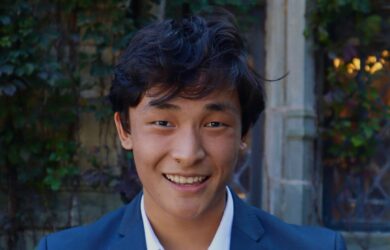
Mac MacKay [2026] studies how the brain turns thought into speech. For him, that question is deeply personal. Born with verbal dyspraxia, he has spent years trying to understand the neural and motor processes that make effortless speech possible.
Growing up with verbal dyspraxia, a rare disorder that disrupts the brain’s ability to plan the movements needed for speech, shaped his interest in the neural mechanisms behind communication. As a Gates Cambridge Scholar beginning a PhD in Psychology at the University of Cambridge, he aims to bridge neuroscience, education and clinical practice to improve outcomes for millions of children with developmental language disorders.
In high school, Mac effectively turned himself into his own research project, trying to understand how the brain produces speech and why certain adjustments helped him speak more clearly – whether by changing the way he moved his lips or altering the rhythm of his speech. That curiosity gradually evolved into a serious scientific pursuit.
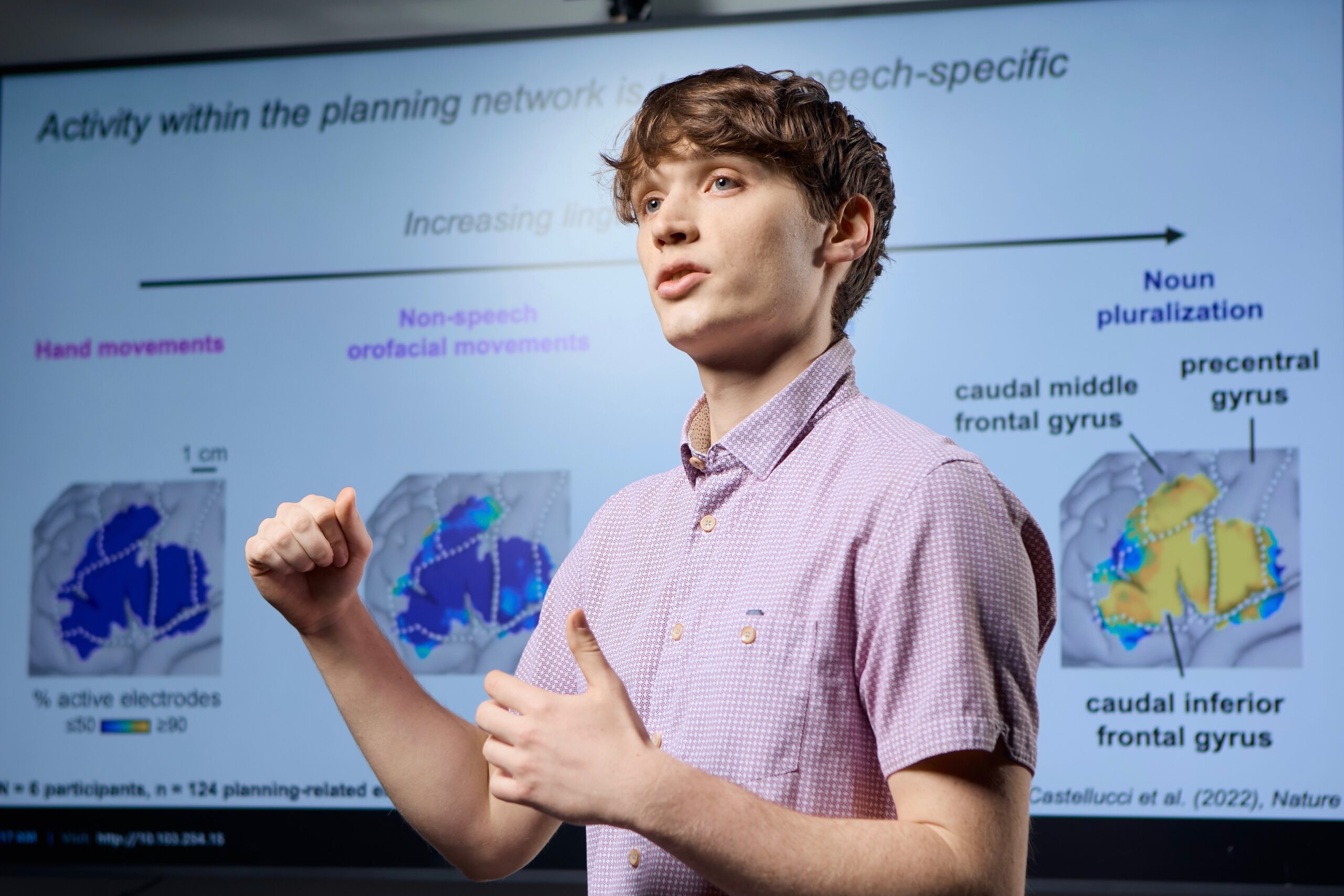
At New York University, and now in his current research at the University of Iowa, he explores how speech is generated in the brain, mapping the neural networks involved in planning and producing spoken language.
At Cambridge, where he will begin a PhD in Psychology this autumn at the Centre for Neuroscience in Education, he will examine the neural–motor systems underlying developmental language disorders, with the aim of better understanding the mechanisms that give rise to speech disorders and improving how they are diagnosed and treated.
He is particularly interested in how speech is embedded in full-body, multimodal communication. “I want to study how movement unfolds in natural conversation and how gesture and speech are coordinated in the brain,” he says.
Mac describes speech as a highly complex process that is coordinated by the brain and involves more than 100 muscles. “The gap between speakers in a conversation is extremely small – about the time it takes to blink. I’m interested in the microprocesses that allow the brain to respond so quickly: how it takes a physical sound wave, transforms it into an abstract idea, and ultimately turns that into speech,” he says.
He is very aware of the wider repercussions of speech disorders and notes a recent paper showing that their effects extend well beyond communication itself. “Speech is central to how we learn and interact,” says Mac. “When that system is disrupted, it can affect reading, classroom participation, confidence and overall mental health.”
He wants to help build a more holistic approach to language disorders, one that looks beyond speech sounds alone to include motor behaviour, neural systems and the social-cognitive dimensions of communication. Mac notes that, collectively, these conditions affect around 15% of people at some point in their lives, from children with dyslexia or stuttering to adults living with the effects of stroke. He believes that integrating research across these domains could improve both how speech disorders are understood and how children are assessed and supported.
Reflecting on his own background, Mac states: “My apraxia doesn’t define me, but it does shape the questions I ask.”
Childhood
A dual citizen of the United States and Canada, Mac was born in New Jersey but soon moved to Montreal, where his family is from. When he was six, the family relocated to Boston. His father works on the business side of an AI-driven protein design company, his stepmother works in biotech marketing and his older sister is studying social work, making him the only scientist in the family.
Mac was diagnosed with childhood apraxia of speech, also known as verbal dyspraxia, at the age of three and underwent speech therapy almost daily for eight years. He remembers people sometimes looking at him with blank stares when he spoke because the pronunciation or rhythm of his speech was different. The experience affected his confidence and he describes himself as “a quiet kid”.
“I probably said two words in a day,” he says, “which meant I did a lot of thinking.”
He initially struggled with reading-heavy subjects and described foreign language classes as his “Kryptonite”, but he excelled in maths and science. As a child he spent hours studying insects and animals and also took part in several sports, particularly karate and basketball.
As he moved through secondary school, Mac rarely spoke about his apraxia. When classmates asked about his distinctive speech patterns, he would often say he was Canadian and let them assume it was just the accent.
Still dissatisfied with his speech, Mac chose to return to therapy in the middle of high school. When he found the sessions only marginally helpful, he continued working on his speech through intensive practice on his own.
Reflecting on those early years, he says: “For a long time I didn’t imagine myself becoming a scientist, let alone doing a PhD at Cambridge.”
Undergraduate studies
Mac began studying Biology at New York University in 2020, with a minor in Chemistry, graduating summa cum laude with high honours and multiple departmental awards. He valued the intellectual energy of NYU’s student community as well as the cultural diversity of New York City.
 During one summer he completed an internship at a gene therapy company, gaining his first exposure to a wet-lab environment. The experience gave him a strong foundation in experimental biology, but he found himself increasingly drawn to questions about speech and the brain. That interest led him to the Long Lab within NYU’s Neuroscience Institute, where he began studying the neural basis of communication. Mac was the only undergraduate accepted into the lab in more than a decade, an experience that helped set him on the path toward studying neurolinguistics.
His senior honours thesis mapped previously uncharted neural networks involved in planning and producing speech, examining interactions between frontal brain regions and motor control areas to understand the sequence of activity that enables speech.
At university Mac also became a teaching assistant – a huge step for him – and that helped to boost his confidence when it came to public speaking. During his final year, he taught four biology classes and tutored students outside the classroom. The experience strengthened not only his confidence, but also his ability to explain science clearly, something that now shapes his work as both a researcher and educator.
Graduation
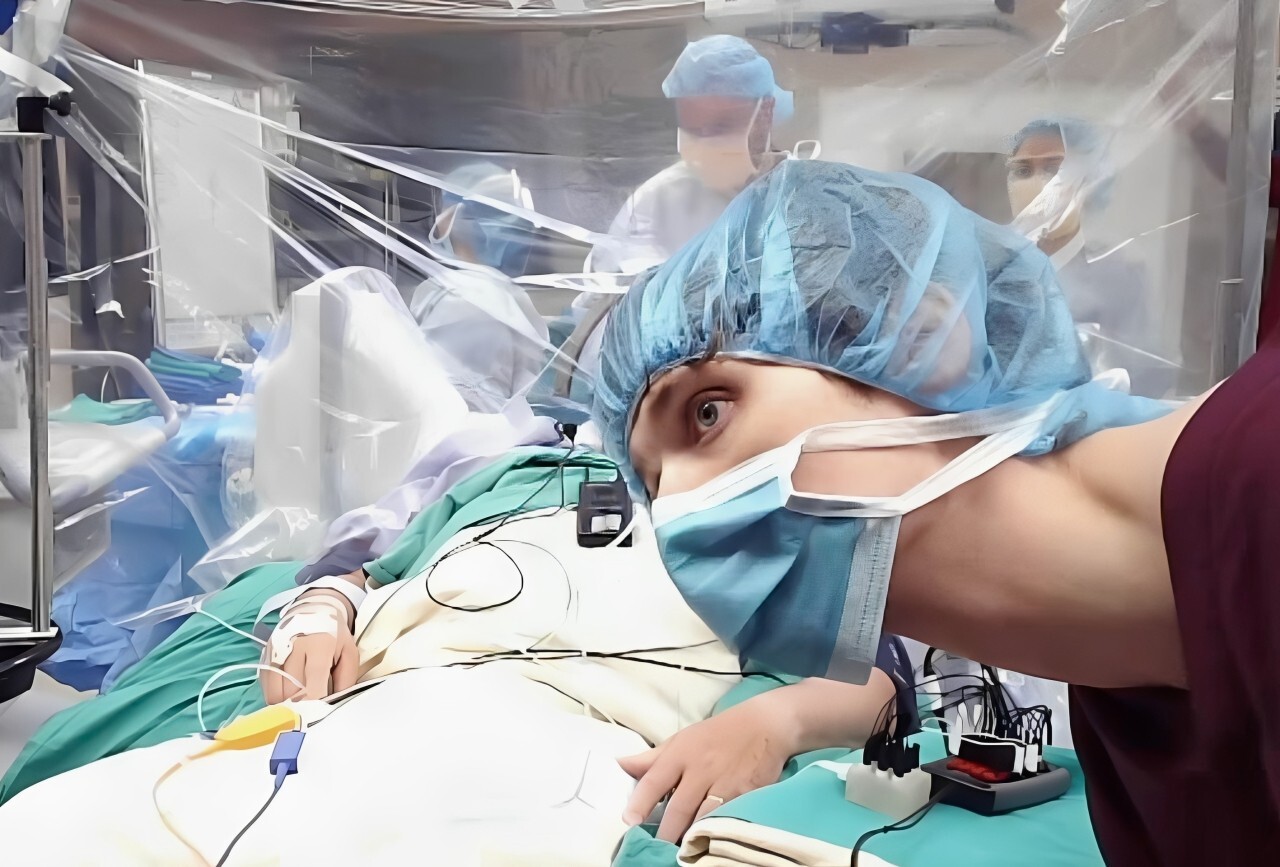
After graduating in 2024, Mac moved to the University of Iowa to work as a research assistant in the neurosurgery department, where he studies brain activity during speech in patients undergoing awake brain surgery. By placing electrodes directly onto the brain, researchers can observe which regions activate during different aspects of communication. Mac’s research trajectory was shaped in part by four years of mentorship from Gregg Castellucci, now a professor at the University of Rochester, whose guidance played a major role in his development as a scientist. Their work together has contributed to multiple high-impact publications, including upcoming papers on which Mac is first author.
Working in the neurosurgery department gave him a new perspective on the kind of research he wanted to pursue. “For a long time I was solely analysing audio and neural data on a computer,” he says. “At Iowa I started meeting the people behind those signals.” He wanted not only to continue studying speech scientifically, but also to better understand the people behind the data.
Mac is also deeply committed to science education. While at college, he co-founded Brain and Spine Scholars, an organisation that teaches under-resourced youth about neuroscience.
“We are exposing them to fields they might not normally know about,” he says.
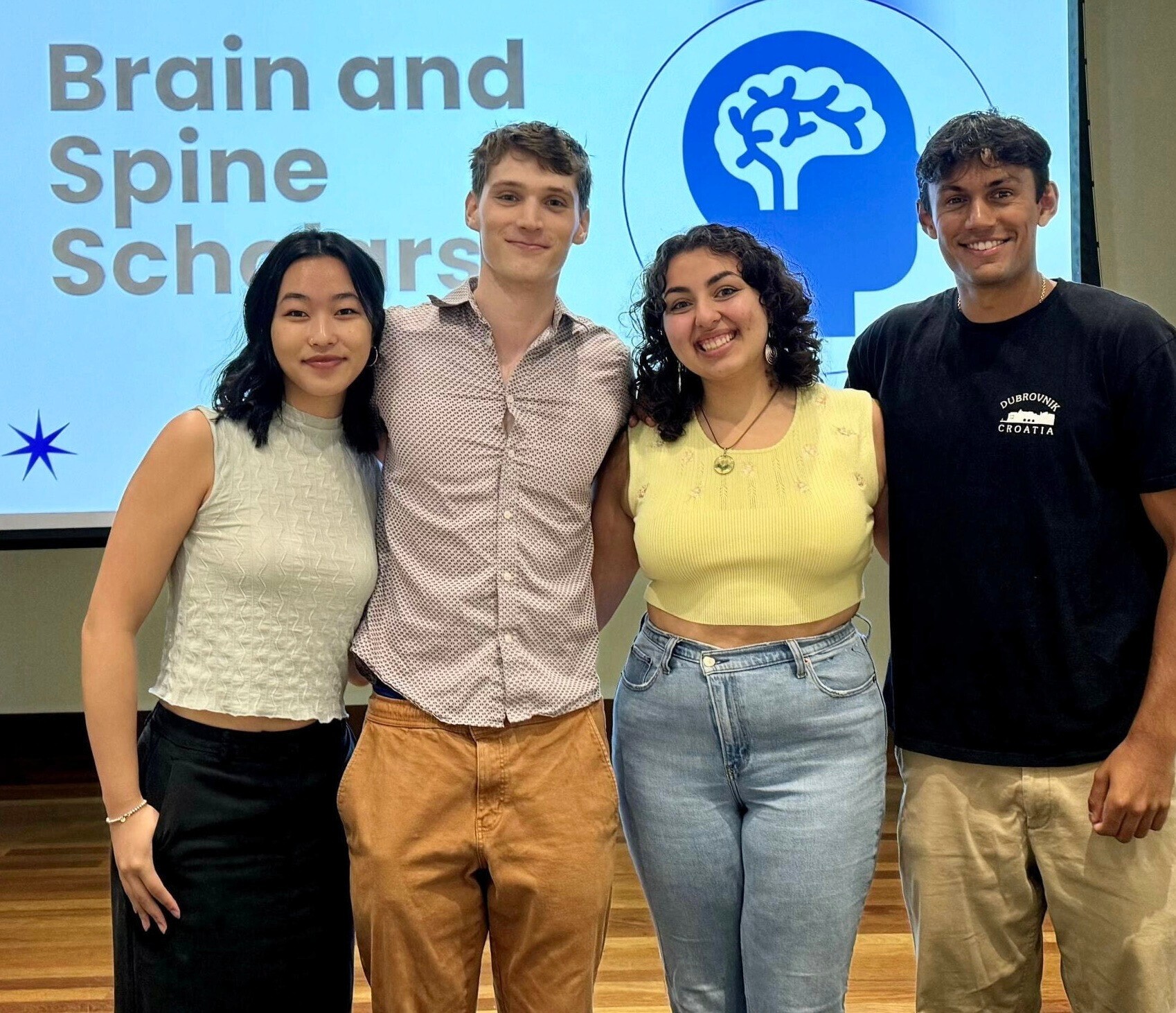 Since its early days in New York City, the organisation – of which Mac is President – has expanded to chapters at Johns Hopkins University and the University of Iowa, with plans underway to expand further to the University of California, Santa Barbara and their first international site in Beijing, China.
“Children can relate to the bigger questions neuroscience asks about how the brain works,” he says. “We are teaching science in a fun and engaging way to spark their curiosity.”
Mac has also become active in the apraxia community, giving talks and participating in online forums for parents and children.
“It is kind of unique for someone with a disorder to be studying it,” he says. “For me the neuroscience and education sides of it are closely connected to advocacy.”
After studying speech in the operating theatre, he now wants to better understand how these systems develop in children during the formative years when communication is first taking shape.
At Cambridge he will work with Professor Usha Goswami at the Centre for Neuroscience in Education. His research will focus on multimodal communication, exploring how speech interacts with gesture and movement and how these motor systems may help scaffold the neural processes that generate language.
“When people engage in conversation it is not just about two stationary heads,” he says. “We move our whole bodies. Gestures are an innate part of communication, and recent research suggests that these movements can actually influence the articulatory system and the neural processes that organise speech.”
Ultimately, Mac hopes to become a clinician-scientist working at the intersection of neuroscience, medicine and technology. After his PhD, he intends to pursue a medical degree specialising in paediatric neurology, with the goal of building towards a future where every child’s voice can be understood, supported and heard.