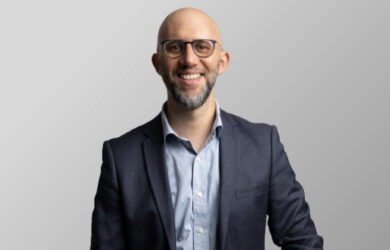


Pradipta Biswas will coordinate a group on improving AV access for disabled people.
A Gates alumnus has been appointed coordinator of the working group of a UN agency which aims to make audiovisual media accessible to people with disabilities.
Pradipta Biswas was appointed last month at a meeting in Geneva designed to make the UN act on accessibility to audiovisual material via modern electronic devices like digital television, computers or smart phones.
His role is to scope the terms which the working group will cover, including what counts as audiovisual material and what is meant by accessibility. He will contact experts in the field to get their views, talk to them about what they can do to improve accessibility and how. The working group includes big industry players.
“We will be looking at developing a unified standard for designing media so that it is accessible to disabled and elderly people,” he says, “and finding out why the existing system is not working for some people.”
The Focus Group on Audiovisual Media Accessibility is a working group of the International Telecommunication Union, a specialised agency of the United Nations which is responsible for information and communication technologies.
Pradipta [2006]was appointed as a result of work he has been doing with the European Union Task Force on Standardisation of User Models. He will also soon represent the University at a meeting of the International Organization for Standardization.
He completed his PhD in Computer Science in 2010 and is now a research associate in the Engineering Design Centre at Cambridge where he is researching ways of making modern digital devices, particularly interactive systems, accessible to elderly users and people with different ranges of abilities.
He cites the example of people who have lost some of their vision and find it difficult to see a small screen, people with hearing problems who may be helped by audio captioning or people with problems pressing buttons who could use something similar to a Wii remote in place of a normal tv remote control. “It’s about using interactive elements of devices like iPhones for tvs and computers. We are looking to increase people’s enjoyment of audiovisual media,” he says.
He hopes that the Focus Group will provide a platform for him to disseminate his research to big industry players and experts in this field. Its next meeting is in September.
Photo credit: Ambro and www.digitalphotos.net