





Ahead of his participation at Cambridge Festival, D'Arcy Williams talks about his new role as leader of youth-led movement Bite Back, challenging Big Food for healthier outcomes for young people.
We’re working to shift the public imagination to elevate young people’s stories in a way that shifts attention to the drivers of food injustice - the Big Food corps who are making billions while destroying children's and planetary health.
D'Arcy Williams
D’Arcy Williams is a global child health and food systems expert and CEO of youth-led movement Bite Back which campaigns for better food for young people. A former UNICEF diplomat, he played a key role in shaping and scaling UNICEF’s global strategy to prevent childhood obesity, with a strong focus on transforming food systems and building youth-led advocacy movements.
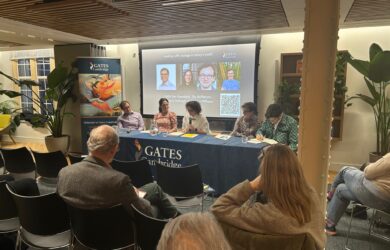
D’Arcy [2019] did his MPhil in Child Health and Food Policy at Cambridge and is currently doing his PhD in Public Health in Epidemiology & Population Health at London School of Hygiene and Tropical Medicine [LSHTM]. He will be speaking at the Gates Cambridge Cambridge Festival event on 19th March [6-7.30pm] on a panel on leading with courage in today’s turbulent world. Fellow Scholars Dan Greenfield, Ella McPherson and Cillian Ó Fathaigh are also speaking. Tickets are free, but you need to book your place via the Cambridge Festival website. NB this is an in-person event.
We asked D’Arcy about his current role, his view of leadership and why youth-led movements like Bite Back matter.
Q: How do you view your role as CEO?
DW: I see my role less as being the “voice” of Bite Back and more as creating the conditions for young people to lead. Our activists have the credibility and lived experience to challenge a food system that too often prioritises corporate profits over children’s health. My job is to help translate that energy into real-world influence – building partnerships, securing resources, and opening doors to power. Ultimately, it’s about turning youth voice into systemic policy change.
Q: What does Bite Back do?
DW: Founded in 2019 by celebrity chef Jamie Oliver, Bite Back is a youth-led movement campaigning for a fairer food system so that every child can grow up healthy. We train and develop young activists aged 14-25 to challenge the marketing, availability and political influence of junk food that shapes their everyday environments. Through creative campaigning, research and political advocacy, they push for policies like expanded free school meals, stronger school food standards and restrictions on predatory junk food marketing. In short, we help young people hold Big Food to account.
Q: How would you like it to develop?
DW: Over the next few years, we want to scale the movement significantly while staying deeply youth-led. That means growing our network of trained young campaigners across the UK and abroad and building their influence with policymakers, media and the public. I would love to see our tried and tested Bite Back in Secondary Schools programming finally take off in primary schools around the country. We also want Bite Back to become a cultural and political force – continuing to shape the national conversation about children’s health and corporate responsibility. If we do it right, young people won’t just be consulted on food policy – they’ll be shaping it.
Q: What are your priorities?
DW: My priorities are threefold: nourish young leaders of today and tomorrow, win policy change and shift the narrative. We want thousands more young people involved in campaigning for a fairer food system, particularly those from communities most affected by food injustice. At the same time, we’re pushing for concrete policy wins during a once in a generation political window – from stronger school food standards to restrictions on junk food marketing to children. And we’re working to shift the public imagination to elevate young people’s stories in a way that shifts attention to the drivers of food injustice – the Big Food corps who are making billions while destroying children’s and planetary health.
Q: Why is this kind of youth-led movement important?
DW: Young people are the ones growing up inside today’s food environment, so they experience its consequences most directly. Yet, historically they’ve had almost no say in shaping the policies that determine what food surrounds them. When young people organise, they bring urgency, authenticity and moral clarity that shifts the conversation in powerful ways. While Bite Back is relatively “young” compared to other civil society stakeholders campaigning on food justice and children’s health, we have played a decisive role in helping move the needle on eight local and national food policy wins in the last five years…. showing the power of youth voice!
Q: How does your current work relate back to your PhD and subsequent work?
DW: My academic work at LSHTM focuses on how the commercial determinants of food systems shape child nutrition and health outcomes. Working previously with UNICEF, I saw how policies – whether around marketing, labeling, school food or fiscal measures – can transform children’s environments at scale. Bite Back is the other side of that equation: building the public pressure and political momentum needed for those policies to happen. In many ways, it’s the bridge between evidence and action. But what I particularly love now is the ability to harness our young people’s energy to be bolder and braver in how we take on some of these corporate giants.
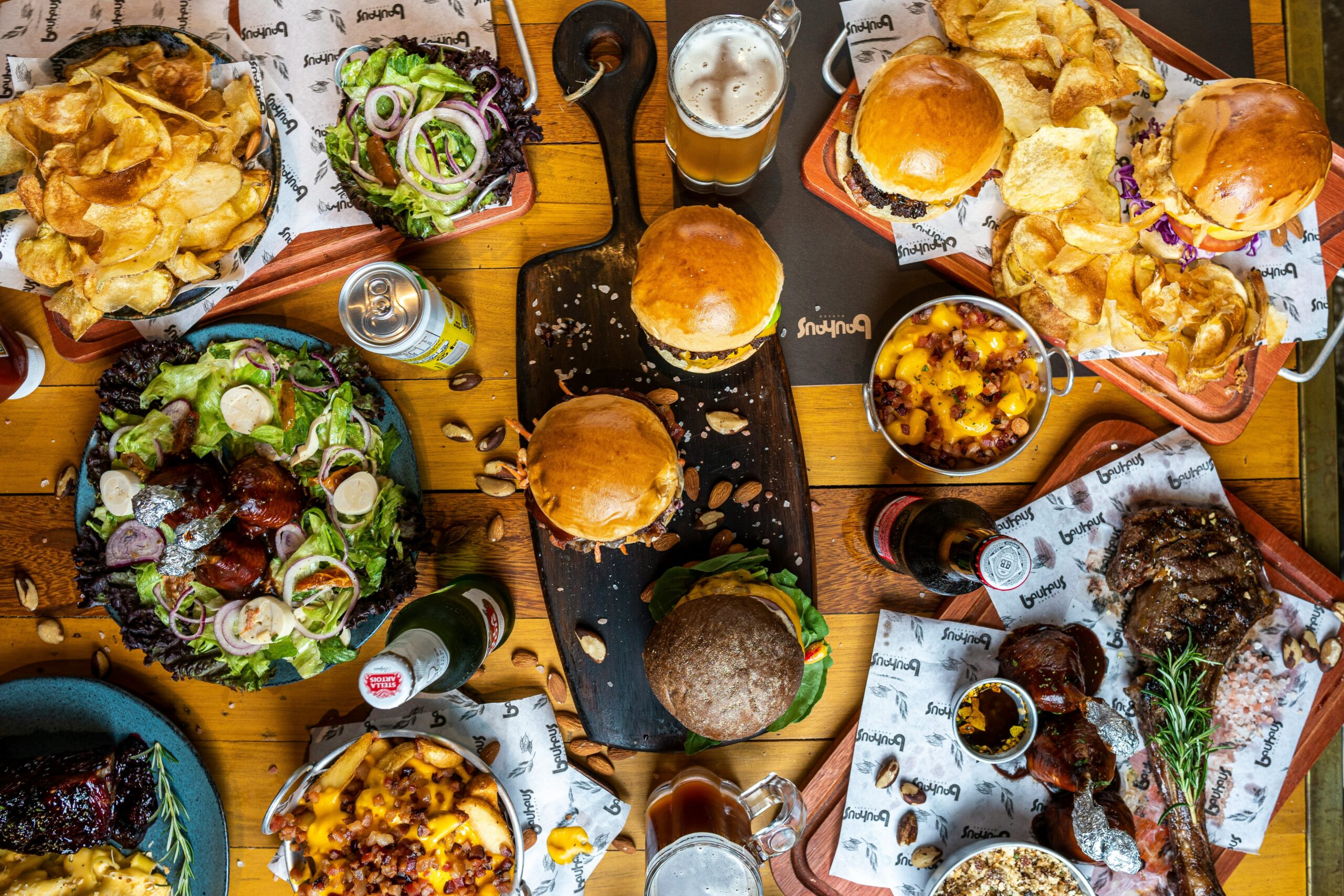
*Photo by Fábio Alves on Unsplash