





Erica Cao on a new non-profit that connects & empowers communities & heals divides through collaborative, original songwriting.
Humans in Harmony changes the way music is made to bridge the distances between individuals and communities.
Erica Cao
Music is a unique form of participatory, relational communication. So what happens when a teen in juvenile detention connects with a child with cancer through song? How about a high schooler and a veteran?
Humans in Harmony empowers people to connect with and understand each other in the communicative, relational way that music allows: not simply as a form of self-expression, but by collaboratively creating original songs to honour the story of another person.
The newly-founded nonprofit is reflective of much of what I learned in my MPhil year as a Gates Cambridge scholar: academically, how music functions as relational communication; socially, how deep bonds and community make an impact on our lives.
We know music education can empower children and that music therapy can help treat developmental, neurological and psychiatric disorders. The first pilot of Humans in Harmony was about conjoining those two verticals: at-risk teens writing for children with cancer. The teens developed enhanced self-esteem, empathy, and pro-social behaviour.
The children with cancer found the inspiration and hope that music provides. But music is about more than empowering or healing as disjointed entities – at its core is connection and communication. Scholars have argued that music predates language as a relational, communicative medium.
The ambiguity of musical content allows people to hold their own views and interpretations while at the same time being together in time and movement. Furthermore music acts similarly to non-verbal gestures in communication. Studies revealed that the more two conversants imitate each other’s non-verbal gestures, such as nodding, the greater the rapport. Therefore mimicry and togetherness as experienced in collaborative musicmaking breeds affinity.
When I returned to the US, I took all these lessons with me. The second pilot of Humans in Harmony connected health professional students with children in foster care. Our third connected high school students with elderly veterans. At the core of these sessions was communication as a reciprocal exchange. The storyteller shares a personal story; the songwriter interprets the narrative.
The final product is a song composed as an expression of both storyteller and songwriter, which connects the imagination and understanding of both people. Humans in Harmony changes the way music is made to bridge the distances between individuals and communities. In many ways, it also seems intuitive that music originated from people joining together. Humans in Harmony teaches us that we can work together in the face of challenges, regardless of our origins or our destinations, and that we have a community which empowers us as individuals while reminding us of our shared humanity.
*Erica Cao 2013 and 2017, USA, MPhil & PhD Music Studies Biography: Erica Cao is Co-founder of Humans in Harmony. She believes that the arts, humanities, and sciences intersect to make the world a better place. To get involved with Humans in Harmony, please visit www.humansinharmony.org. Picture credit: Wikipedia. This article is in the current edition of The Scholar magazine.
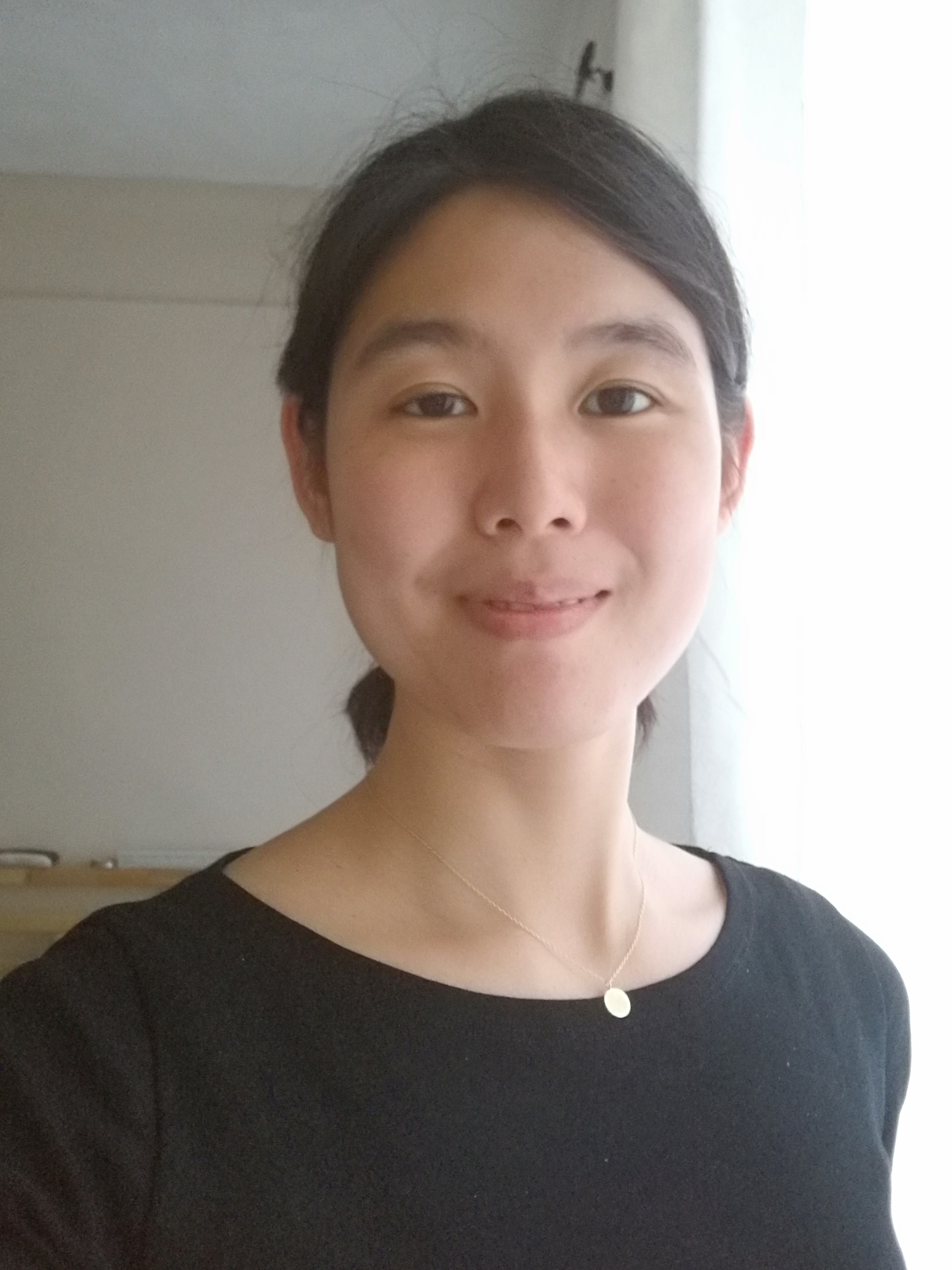
Erica Cao
- Alumni
- United States
- 2013 MPhil Music Studies
2017 PhD Music - Clare College
Erica Cao joined the Gates Cambridge community and began her PhD in Music in 2017. Her research interests are in the arts, health, and civil society. At the Cambridge Center for Music and Science, her PhD project is on the impact of music-making on civic engagement and social connectedness. She conducts field research through Humans in Harmony, a nonprofit organization which links students and community members to write collaborative and personalized songs. Before starting her PhD, she studied Psychology and Music Performance at Princeton University (BA), Music Studies at Cambridge (MPhil), and medicine at Columbia University College of Physicians and Surgeons.