

The third series of our So, now what? podcast explores complex questions relating to leadership, starting with leading ethically in unethical times.
What would resistance look like if AI systems were developed and designed in a way to support resistance, to support marginalised communities rather than supporting corporations or the oppressive governments or authoritarian regimes?
Reham Hosny
Two Gates Cambridge Scholars debate how to lead ethically in unethical times in the first episode of the third series of the Gates Cambridge podcast, So, now what? – out now.
The series is dedicated to the theme of leadership and coincides with the launch of the Gates Cambridge Leading with Purpose programme. Gates Cambridge’s mission is to build a global network of future leaders committed to improving the lives of others – in whatever form that takes.
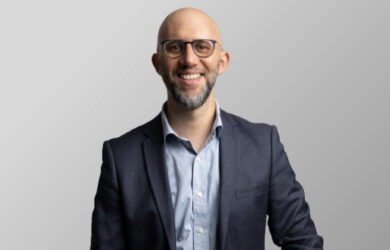
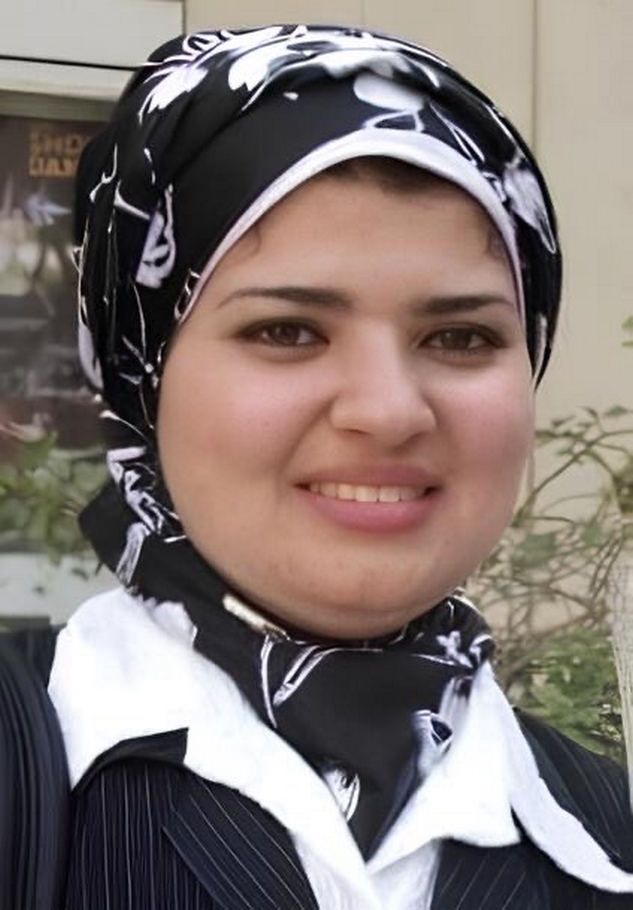
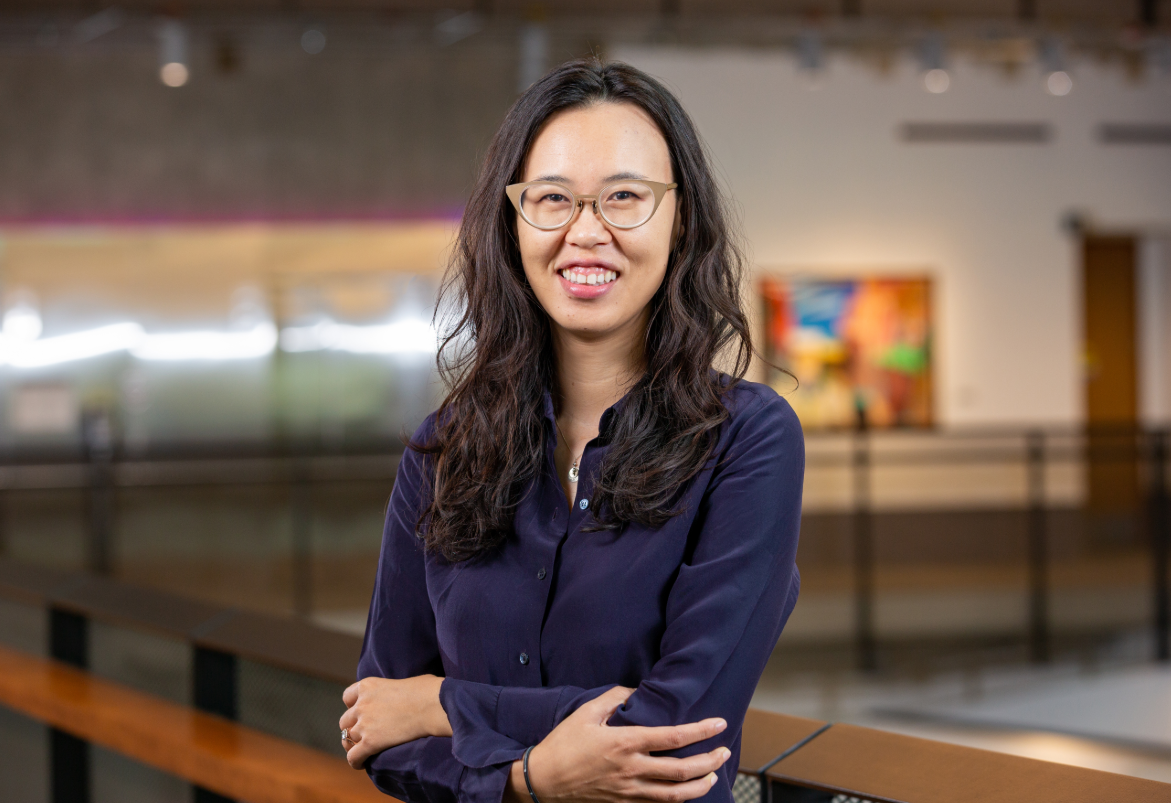 In episode one of the new season, Amy Zhang [2011 – pictured left] and Reham Hosny [also known as Reham Aboud – 2025, pictured below right] debate ethical leadership in the context of rapidly evolving technology and argue that we must prioritise human dignity and rights in technology development, including exploring alternative social media platforms.
Amy X. Zhang is an associate professor at University of Washington’s Allen School of Computer Science & Engineering, where she leads the Social Futures Lab, dedicated to reimagining social and collaborative systems to empower people and improve society. She is also a visiting researcher at Ai2, a co-founder of Discourse Labs, a non-profit dedicated to productive public dialogue and research director at MetaGov, a collective studying digital governance.
Reham Hosny is a current Gates Cambridge Scholar and is doing a PhD in Digital Humanities on how artificial intelligence and digital technologies shape cultural forms, power dynamics and knowledge production in the Global South. An award-winning creative writer, her co-authored augmented-reality novel Al-Barrah (The Announcer) received the 2022 Robert Coover Award’s Honorable Mention. Reham also serves as an AI advisor within the consultative network of the United Nations Secretary-General’s AI Advisory Body, is a board member of the Electronic Literature Organization (ELO), and leads the Arabic Electronic Literature network (AEL), the first initiative to globalise Arabic electronic literature in English.
 In the episode, Reham and Amy explore with host Catherine Galloway the challenges and opportunities presented by AI and social media, emphasising the importance of community empowerment, ethical practices and the role of creatives in shaping a better future. The conversation highlights the need for transparency, human dignity and the potential for technology to serve the underrepresented, while also addressing the complexities of moderation and resistance in digital spaces.
Reham asks: “What would resistance look like if AI systems were developed and designed in a way to support resistance, to support marginalised communities rather than supporting corporations or the oppressive governments or authoritarian regimes? To make this a reality, there is a crucial role that should be played by everyone, from readers to scholars to researchers, to believe in the right to resist, to believe in the right of free speech and to believe in the principles of protecting human dignity, human rights.”
The episode is the first of five in this special leadership series which will cover everything from how to lead ethically in an unethical world to how do we lead to restore hope. The podcasts will be posted on the last Tuesday of the month with the February podcast being about how do you lead for the longer term in a world of rapid change.
*Listen to the first episode of series three here.