

To reduce overtreatment of cancer we need to reframe it rather than rename it, argues Benjamin Chin-Yee
To truly tackle overtreatment, we shouldn’t avoid the word ‘cancer’. We should transform what it means.
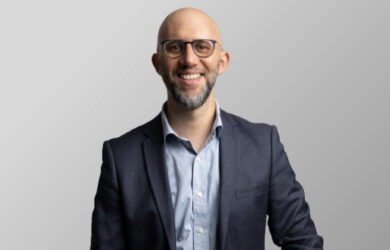
Benjamin Chin-Yee
Cancer needs to be reframed rather than renamed in order to reduce overtreatment, a Gates Cambridge Scholar argues in a new article.
In The Power of the ‘C’ word’, published by Aeon, Benjamin Chin-Yee, who recently completed his PhD on the philosophy of cancer medicine and medical communication, examines the issue of the language we use about cancer and how that affects treatment.
He talks about how cancer moved from being something that was so feared it could not be mentioned, citing Susan Sontag’s Illness as Metaphor book of 1978 where she exposes how metaphors surrounding illness, especially cancer, do more than describe and can impose harmful narratives. Today, he says, cancer has become more of a rallying cry. He writes: “No longer an unspeakable fate, cancer became a battle to be fought, with patients cast as warriors…What was once too fearsome to name became a call to action.”
However, Benjamin [2022] says this may have contributed to overtreatment in both the early stages of the disease and the later ones. He states that one in three US patients with advanced cancers will receive aggressive treatment in their last months, and one in five will get chemotherapy in their final weeks even though the treatments rarely prolong life and almost always diminish its quality. He says: “We treat not because it helps – but because the alternative feels like giving up.”
Some have argued that cancer should be renamed as a way of addressing the problem, particularly in the early stages, but Benjamin says that this does not really address the problem. Instead he states that “we must reframe its force” for three main reasons – because reframing targets the root cause of overtreatment and doesn’t leave the underlying misperception intact or indeed feed the narrative that cancer is too terrible to name; because it respects patient autonomy and seeks to transform the norms and expectations that surround diagnosis; and because it is more resilient to shifting tides of medical practice, testing regimes and human behaviour that can undermine efforts to curb overtreatment.
Benjamin concludes: “We must change not just the volume but the force of the word ‘cancer’. It shouldn’t be whispered. Nor shouted. It should be spoken clearly and calmly – so that patients can face a cancer diagnosis with autonomy, unburdened by expectation. To truly tackle overtreatment, we shouldn’t avoid the word ‘cancer’. We should transform what it means.”
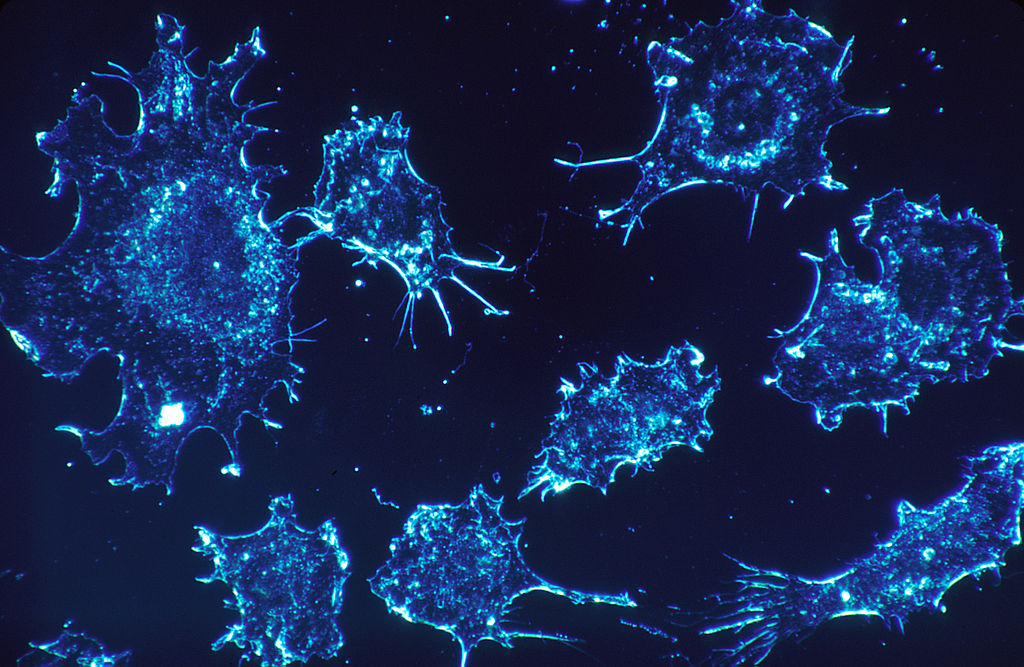
*Picture credit: Cancer calls by Dr Cecil Fox for the National Cancer Institute, courtesy of Wiki Commons.