



Biography
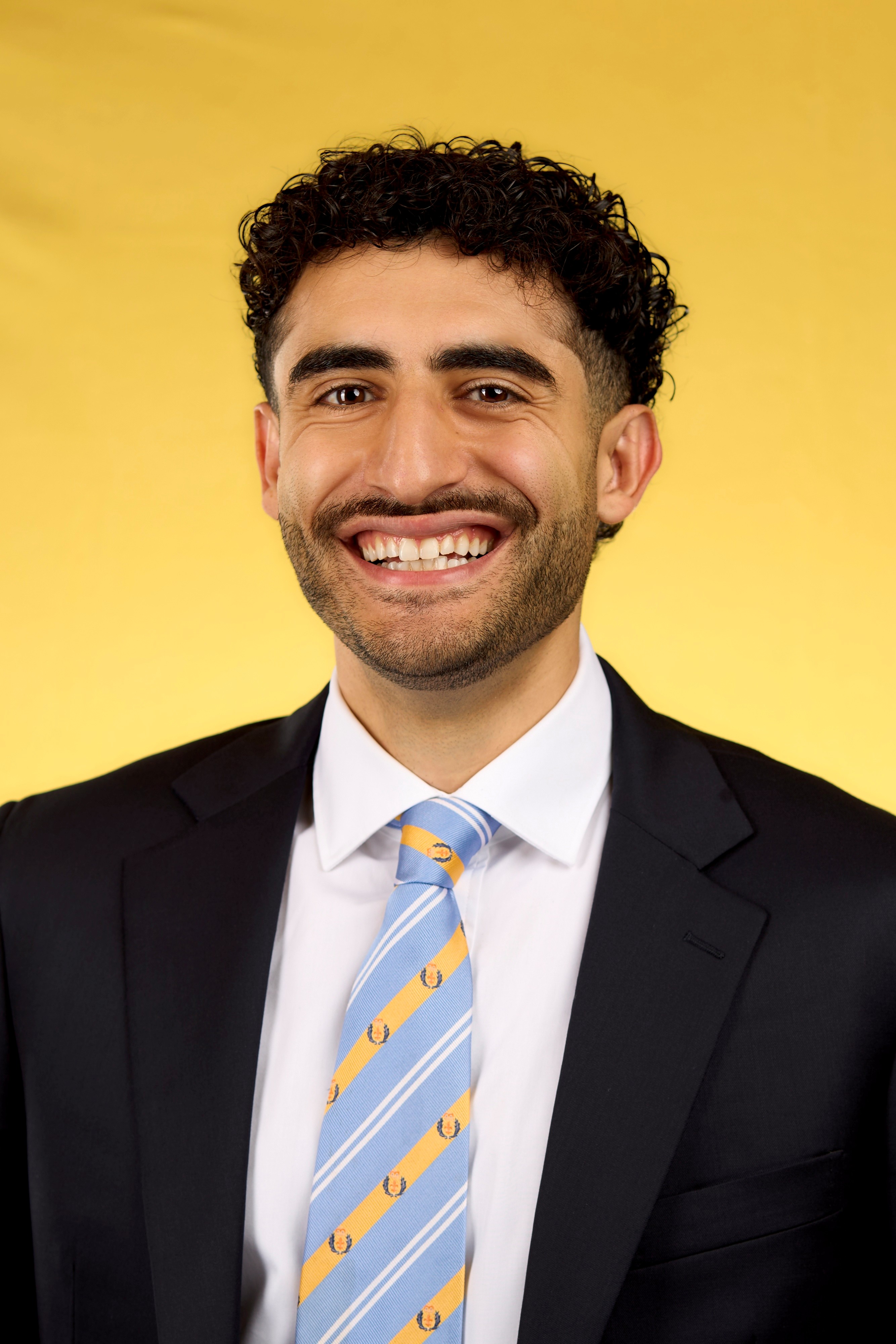
Mark Haidar
- Scholar
- United States
- 2026 PhD Politics and International Studies
- King's College
Working as a voting rights attorney for three years, I litigated cases across the United States challenging arbitrary laws that made it harder to vote. Yet I increasingly found myself drawn to a question that lay upstream of litigation: Even assuming all citizens can vote, why do we maintain political structures that assign vastly unequal power to citizens based on where they live? At Cambridge, my research examines the democratic legitimacy of territorial representation in upper legislative chambers, with a focus on the U.S. Senate. Drawing on democratic theory and comparative constitutional design, I seek to understand whether and when territorial representation can be justified, how other democracies have structured territorial legislative chambers, and what lessons comparative cases might offer for reform. This project builds on my past research into institutions premised on territorial representation. In an article published in Election Law Journal, I co-developed the “Determinative Popular Vote,” a metric that measures the minimum number of votes needed to change the outcome of a U.S. presidential election under the Electoral College. Ultimately, I hope to bridge academic scholarship and practical reform, contributing research that informs public debate about how to build a more representative democracy.
Previous Education
Harvard University Public Policy 2023
Harvard University Law 2023
