



Biography
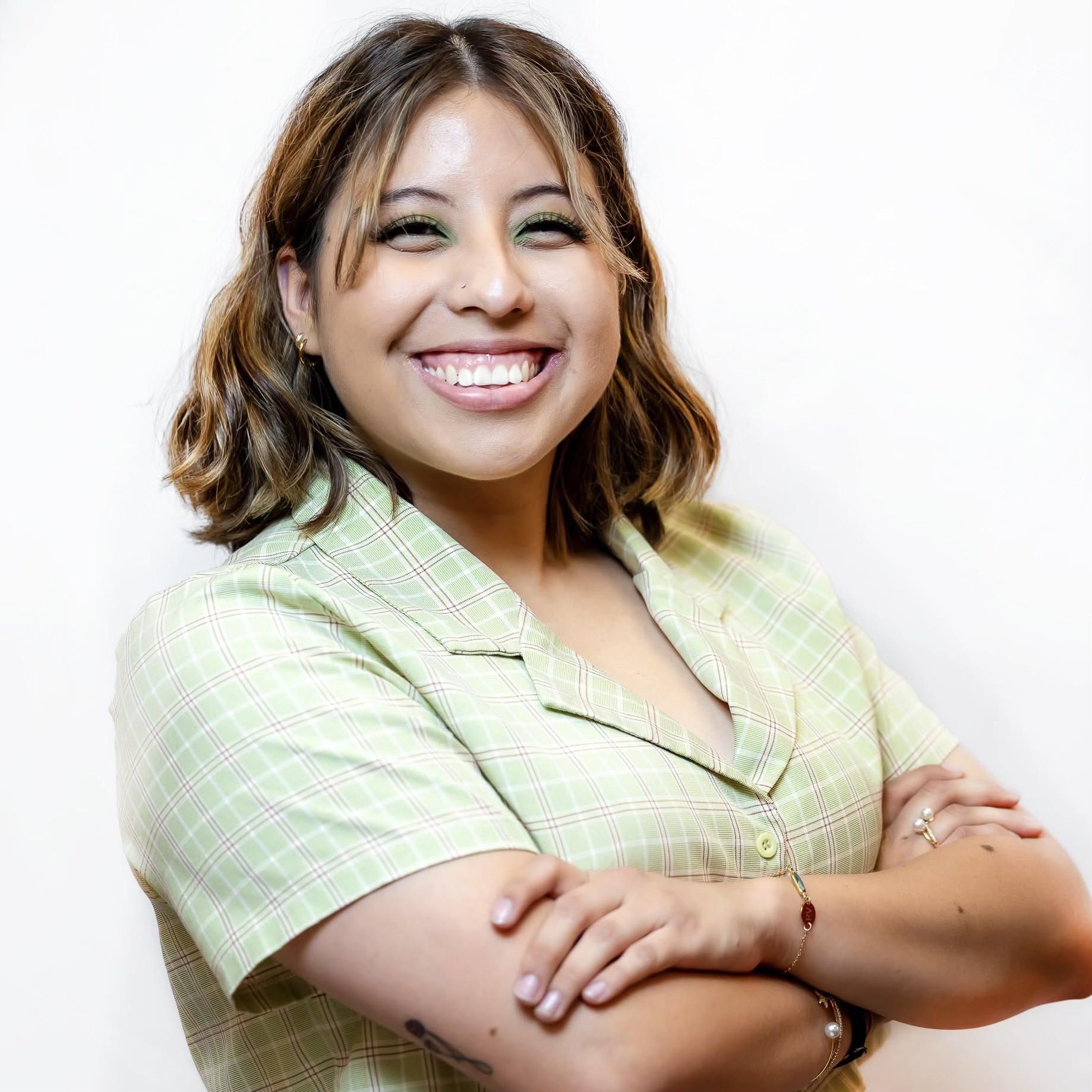
Rose Leon Alvarado
- Scholar
- Honduras
- 2026 MPhil Basic and Translational Neuroscience
- Clare Hall
Growing up in Siguatepeque, Honduras, where conversations around mental health were often restricted by stigma, access, and language, I had a very limited understanding of the biological basis of mental health conditions.When I took my first psychology class at Earlham College, I had preconceived notions that were quickly dismantled, making me aware of how differently people experience and understand brain health depending on their cultural and social context. This motivated me to keep seeking answers while majoring in Neuroscience and minoring in Public Health. During my undergraduate years, I volunteered as a medical interpreter in Richmond, Indiana; Cusco, Perú; and Alajuelita, Costa Rica, where I once again bore witness to the real-world impact that a lack of access to scientific and medical knowledge has on communities. At Cambridge, I hope to further develop my training in neuroscience while continuing to explore how research and communication can be effectively integrated. I hope to acquire the tools and work towards advancing our understanding of the brain, but also in ensuring that this knowledge reaches beyond the laboratory into the communities, languages, and conversations where it is most needed.
Previous Education
Earlham College Neuroscience 2024
