


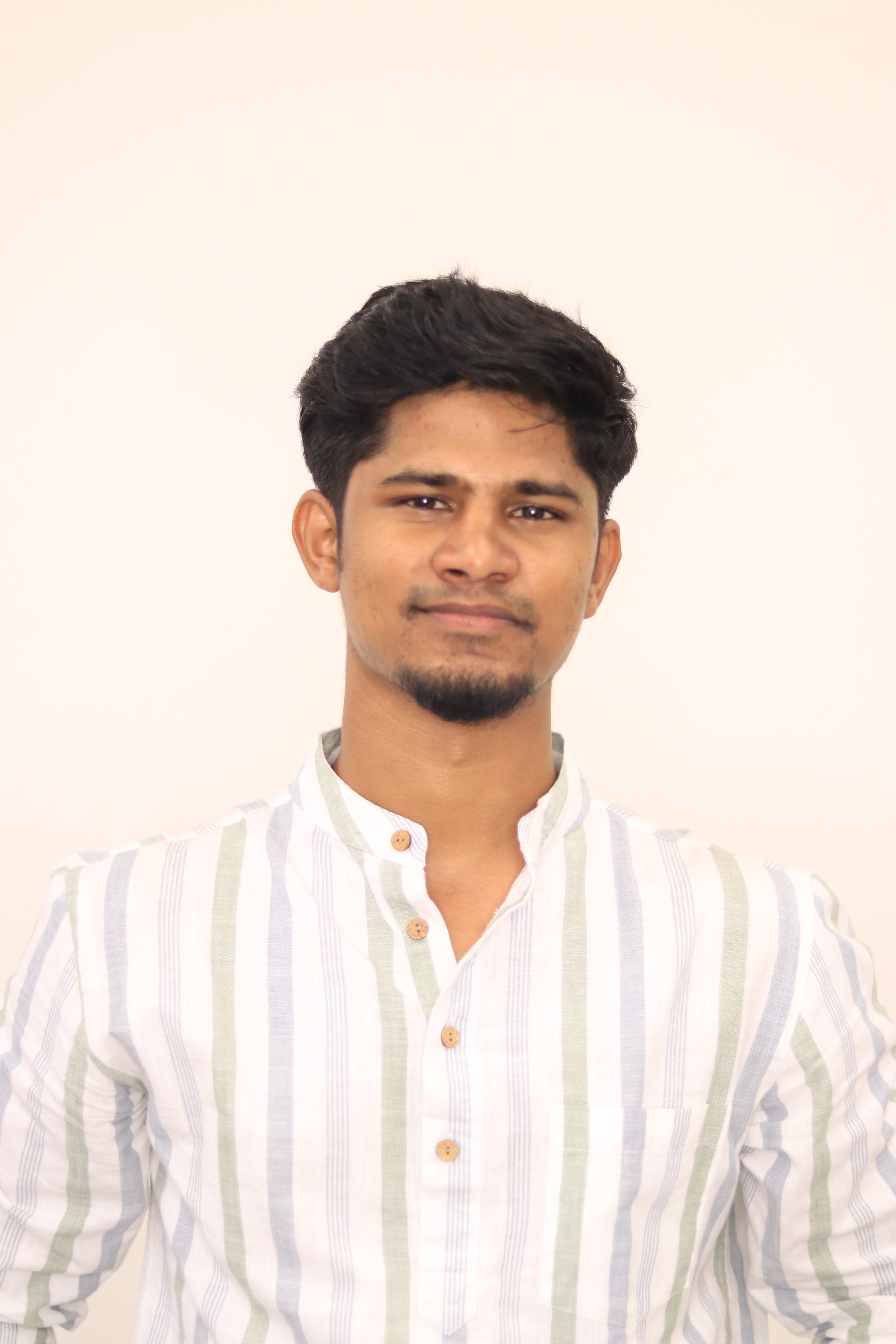
Surya A
- Scholar-elect
- India
- 2026 MPhil Public Policy
- St John's College
Surya A
- Scholar-elect
- India
- 2026 MPhil Public Policy
- St John's College
My intellectual formation began with a foundational question: why do large-scale policies so consistently fail the people they are designed to serve? This inquiry has since shaped my work across social protection, child welfare systems, foster care and adoption policy, and HIV-sensitive programming. What unifies my work is a conviction that policy failure is rarely a failure of intent and is more often a failure to account for weak institutional capacity, power asymmetries, and lived realities that exist beyond the reach of policy design rooms. I bring this lens to every engagement.I currently pursue an interdisciplinary programme at Ashoka University, deepening my inquiry into how political economy shapes the possibilities and limits of policy making. The MPhil in Public Policy represents my natural next horizon, an opportunity to develop research expertise and an international perspective on policy design and implementation, especially for those who have historically been designed out of protection.
Previous Education
Ashoka University Liberal Arts 2026
University of Madras (aka Univ of Chennai) Social Work 2022
University of Madras (aka Univ of Chennai) Bachelors in Biotechnology 2020
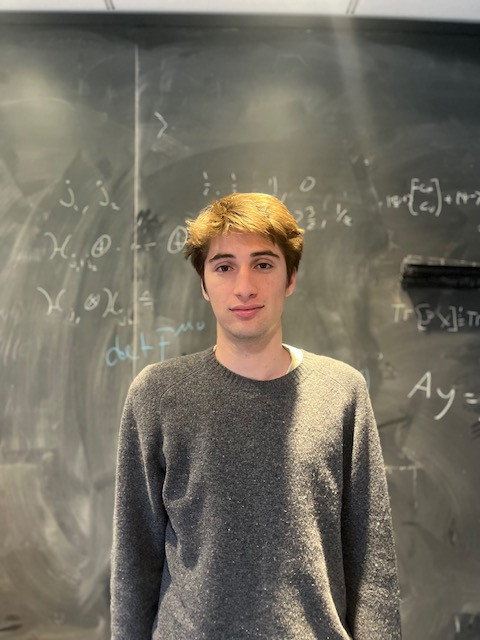
Luca Abu El-Haj
- Scholar-elect
- United States
- 2026 PhD Applied Mathematics and Theoretical Physics
- Fitzwilliam College
Luca Abu El-Haj
- Scholar-elect
- United States
- 2026 PhD Applied Mathematics and Theoretical Physics
- Fitzwilliam College
At Columbia University in New York City, I discovered a passion for theoretical cosmology and high energy physics, working on theoretical and computational cosmology, in particular, constraining phenomenological features of new particles in the very early universe. As a Gates-Cambridge Scholar, I will pursue a PhD focusing on similar questions using cosmology to probe fundamental physics, but from a more formal standpoint, trying to adapt the theoretical building blocks that have been so successful in particle physics over the last century to cosmological backgrounds. Raised in Philadelphia, I am an avid footballer and an enthusiastic amateur outdoorsman. I am also committed to increasing interest in and excitement about mathematics and physics in young people and hope to engage in similar teaching outreach at Cambridge as during my time in New York. As a person with diverse interests, I am extremely excited to join a community of Gates scholars across many disciplines.
Previous Education
Columbia University Physics 2026
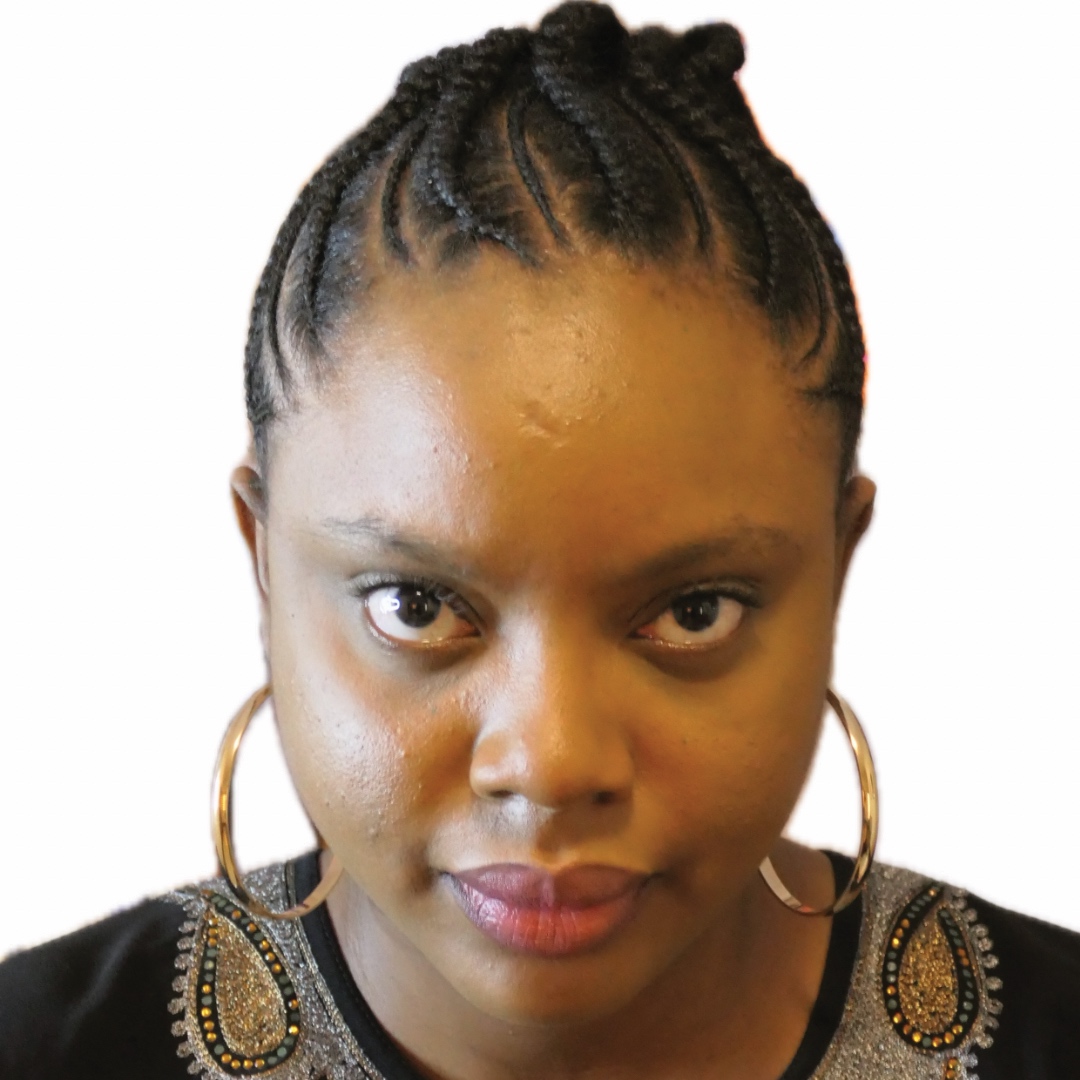
Ayobami Adebayo
- Scholar-elect
- Nigeria
- 2026 PhD Digital Humanities
- Clare Hall
Ayobami Adebayo
- Scholar-elect
- Nigeria
- 2026 PhD Digital Humanities
- Clare Hall
I earned my BA and MA degrees from Obafemi Awolowo University, Nigeria. I also hold an MA in Creative Writing from the University of East Anglia, UK. In my work as a writer, I have pursued pathways that merge creative expression with intellectual inquiry. During my PhD in Digital Humanities, I will study the intersections between literature, technology, and culture, with a focus on African literary networks. My research seeks to use digital tools to uncover patterns of discourse and influence, thereby amplifying African voices within global literary studies. I will examine how African literary magazines have facilitated networks of stylistic and thematic innovations among writers and editors.Writing as Ayọ̀bámi Adébáyọ̀, I am the author of Stay with Me and A Spell of Good Things. Stay with Me won the 9mobile Prize for Literature and Prix le Afriques. It was shortlisted for the Women’s Prize for Fiction, the Wellcome Book Prize and the Kwani? Manuscript Prize. A Spell of Good Things was longlisted for the Booker Prize and shortlisted for the Dylan Thomas Prize and the Encore Award. I have served as a judge for both the Women’s Prize for Fiction (2024) and the Booker Prize (2025).
Previous Education
University of East Anglia Creative Writing 2014
Obafemi Awolowo University Literature in English 2014
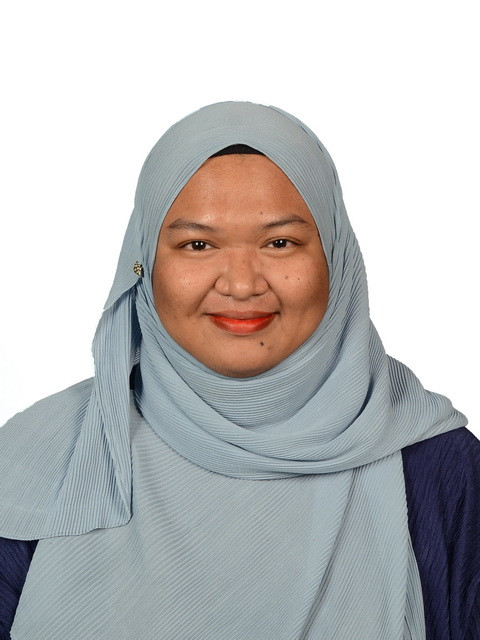
Nurul Huda Aslari Effendy
- Scholar-elect
- Malaysia
- 2026 PhD Biological Anthropology
- Downing College
Nurul Huda Aslari Effendy
- Scholar-elect
- Malaysia
- 2026 PhD Biological Anthropology
- Downing College
Growing up defending my family’s crops from marauding macaques in rural Peninsular Malaysia, I learned firsthand how deeply human and non-human primate (NHP) lives are entangled, an ancient bond now intensified, contested, and consequential for health on both sides. To navigate this intensity, my previous work developed digital maps charting population dynamics, ranging areas, conflict zones, and overlaps between NHP groups, tools now used by local authorities to mitigate conflict on the ground. Now, my PhD research in Biological Anthropology asks a deeper question: how does social structure shape disease transmission in NHPs living alongside humans? I integrate ethnoprimatology and One Health to trace how within group dynamics, intergroup and interspecies encounters collectively influence pathogen spread. This matters because conflict and coexistence are more than conservation challenges. They are evolutionary forces shaping both our species across shared landscapes. I am honoured to pursue this work with the Gates Cambridge Scholarship. This opportunity is rare, and I intend to honour it by translating this work into solutions that serve the communities living closest to these frontlines.
Previous Education
Universiti Kebangsaan Malaysia (Nat Univ of Malays Biology 2024
Universiti Kebangsaan Malaysia (Nat Univ of Malays Biology 2021
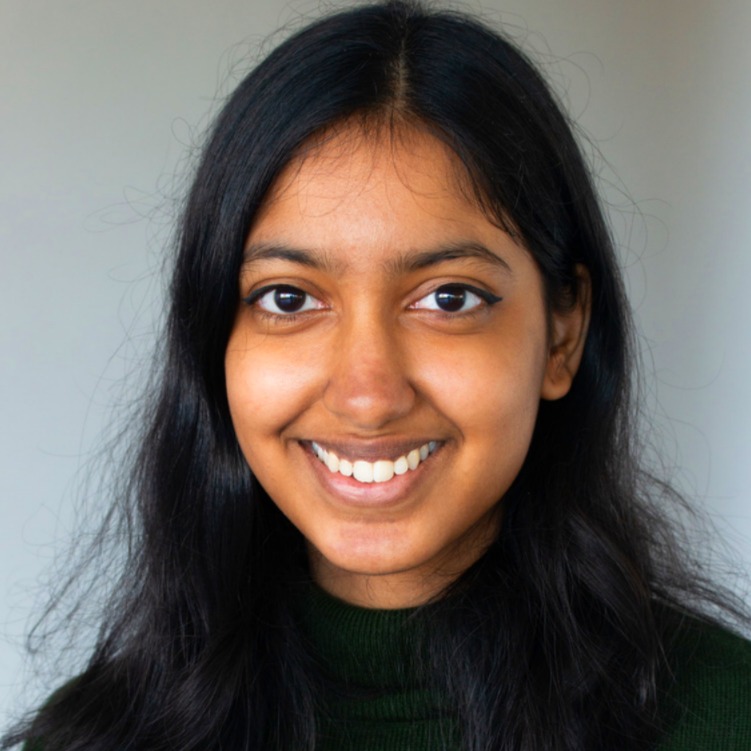
Shinjini Bandopadhyay
- Scholar-elect
- India
- 2026 PhD Radiology
- Gonville and Caius College
Shinjini Bandopadhyay
- Scholar-elect
- India
- 2026 PhD Radiology
- Gonville and Caius College
Cancer remains a formidable challenge in healthcare with an urgent need to continuously improve diagnostic and therapeutic strategies. With a background in human biology and oncology, I am intrigued by how tumours and associated cells of the tumour microenvironment in aggressive solid malignancies learn to adapt and hijack normal physiological processes in hosts to support their maintenance and treatment resistance. Tumours undergo frequent metabolic alterations that support disease progression and are indicative of changing cellular states in response to pharmacological interventions. I am enthusiastic to further explore this topic with my PhD in Radiology at the University of Cambridge in collaboration with AstraZeneca, where I will have the opportunity to make use of novel, non-invasive hyperpolarised MRI imaging tools and advanced tissue analysis methods to probe changes in tumour metabolism in real time. With the aim of identifying targetable vulnerabilities and characterising drug-target interactions in cancer, I hope that our research brings us a step closer towards improving our understanding of classifying tumour heterogeneity, monitoring early response, and optimising treatment plans in the clinic.
Previous Education
Ludwig-Maximilians-Universitat Munchen MSc in Human Biology 2026
Amity University Kolkata BSc in Biotechnology 2022
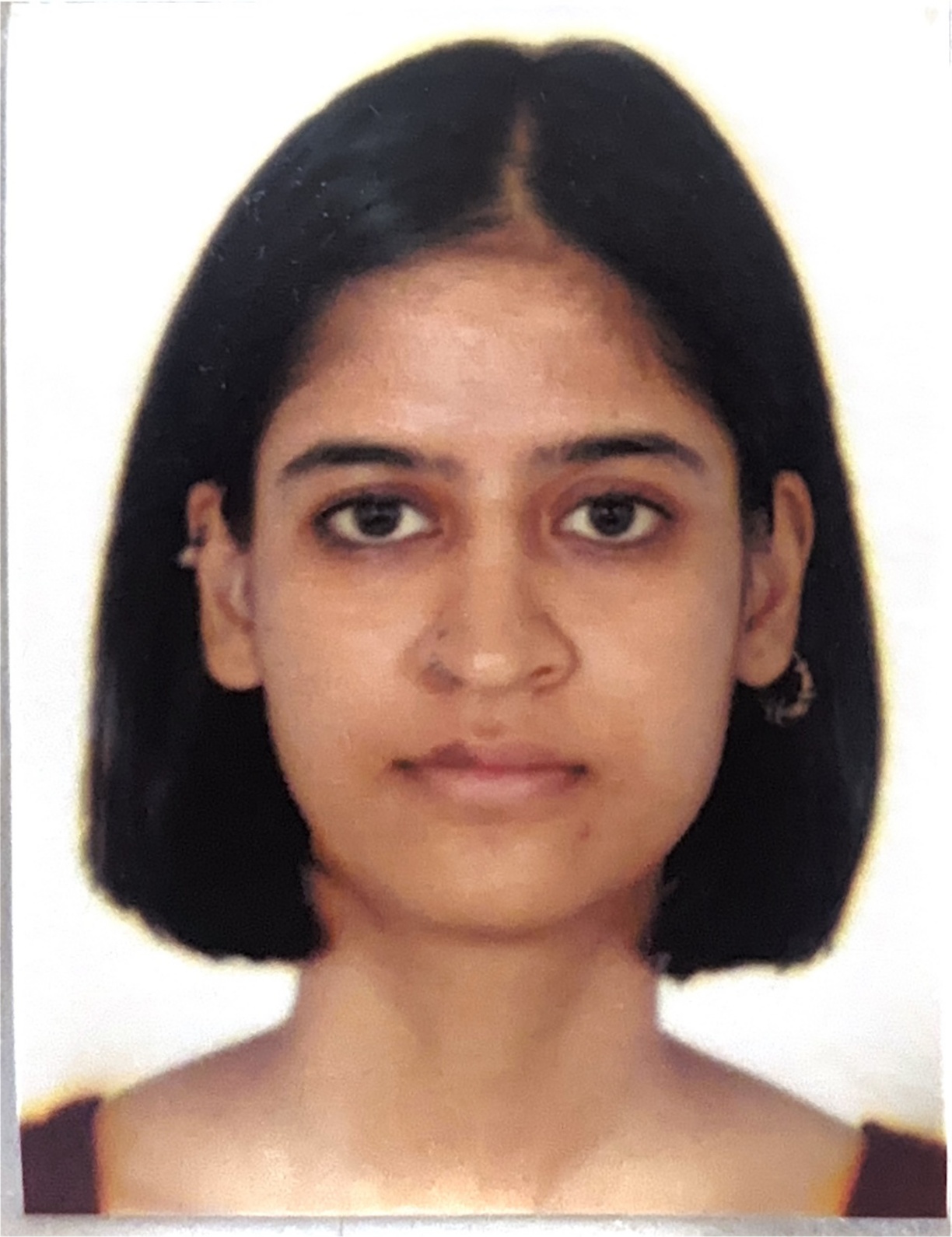
Shagun Bhargava
- Scholar-elect
- India
- 2026 PhD Criminology
- Peterhouse
Shagun Bhargava
- Scholar-elect
- India
- 2026 PhD Criminology
- Peterhouse
During my stint as a litigating lawyer in the courts of Delhi, the very first case I argued was an appeal filed by an inmate challenging the unfair denial of parole, a form of temporary prison leave in India. This, and other similar cases, exposed me to the arbitrary nature of temporary prison leave decision-making in India, an area that has received little empirical or theoretical attention. In order to explore this further, I undertook an MPhil in Criminological Research at the University of Cambridge. My master’s dissertation was the first study from India to empirically analyse socio-legal factors influencing parole decisions in Delhi. During my PhD in Criminology, I will build on my MPhil to examine how penal authorities make decisions related to furlough – another crucial form of temporary leave. My ultimate goal is to ensure that convicted prison populations are given a fair and equitable chance to stay in touch with their loved ones, which is crucial for their successful reintegration back into society. I am excited to be a part of the Gates Cambridge community and hope to further the values that it stands for with my work.
Previous Education
University of Cambridge Criminological Research 2024
NALSAR University of Law Law and Social Sciences 2021
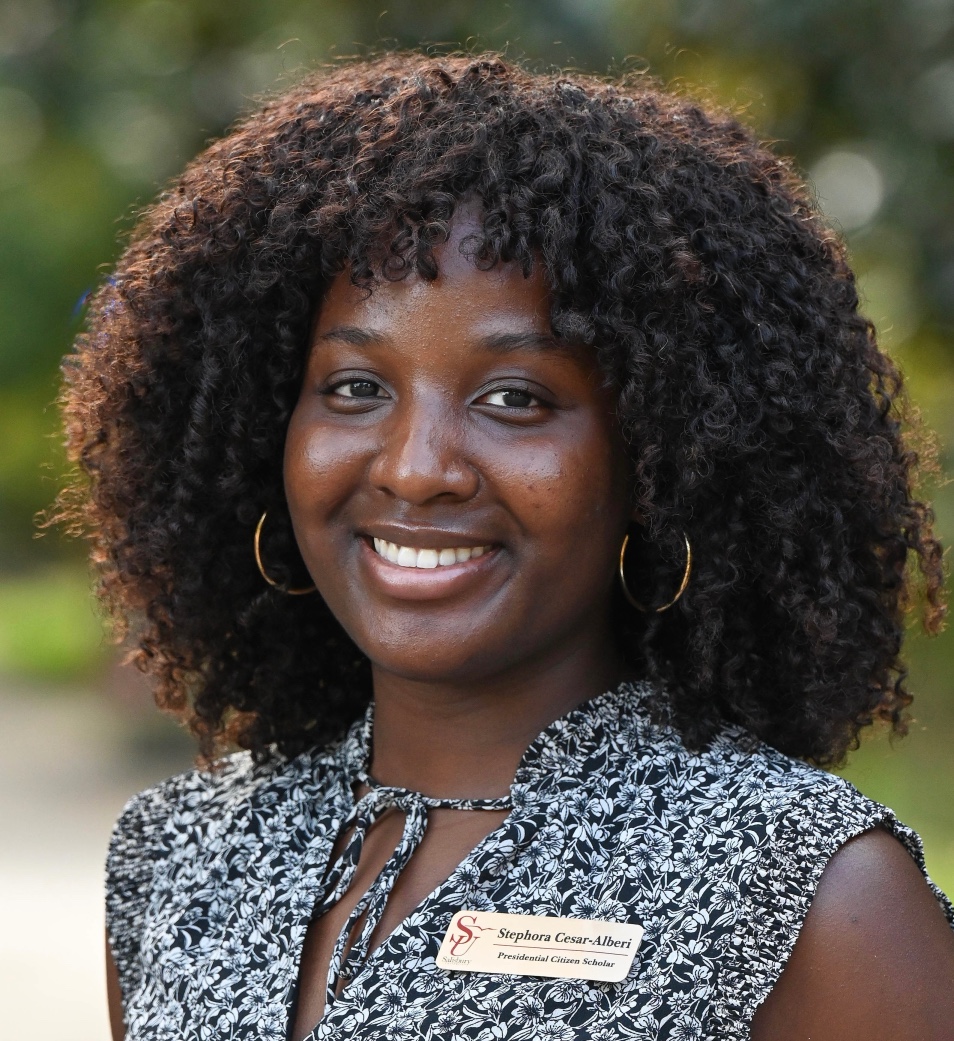
Stephora Cesar Alberi
- Scholar-elect
- United States, France
- 2026 PhD Biotechnology
- Fitzwilliam College
Stephora Cesar Alberi
- Scholar-elect
- United States, France
- 2026 PhD Biotechnology
- Fitzwilliam College
I was first introduced to the world of computer vision during my time in Estonia. There, I participated in a computer vision in space course at the University of Tartu, where I learned how to apply various image processing techniques to autonomous systems. I was immediately enthralled and became fascinated by computer vision and its full potential. After completing my bachelor’s degree in computer science at Salisbury University, I returned to Estonia to partake in a year-long intensive research project at the Tartu Observatory, where I studied feature detectors. During my PhD at Cambridge, I will work with the CEB group to implement similar systems in microscopes in order to make them smarter and more self-sufficient. This development will greatly improve the imaging process for infectious diseases. My research is motivated by family members in Haiti who were affected by the 2010 cholera outbreak and are now facing a malaria epidemic. I believe computer vision can accelerate diagnostics and drug discovery for infectious diseases in vulnerable countries in the Global South. Moreover, I look forward to joining my cohort of Gates Cambridge Scholars and contributing to a community dedicated to research with meaningful global impact.
Previous Education
Salisbury University Computer Science 2026
University of Tartu Robotics/Computer Engineering 2024
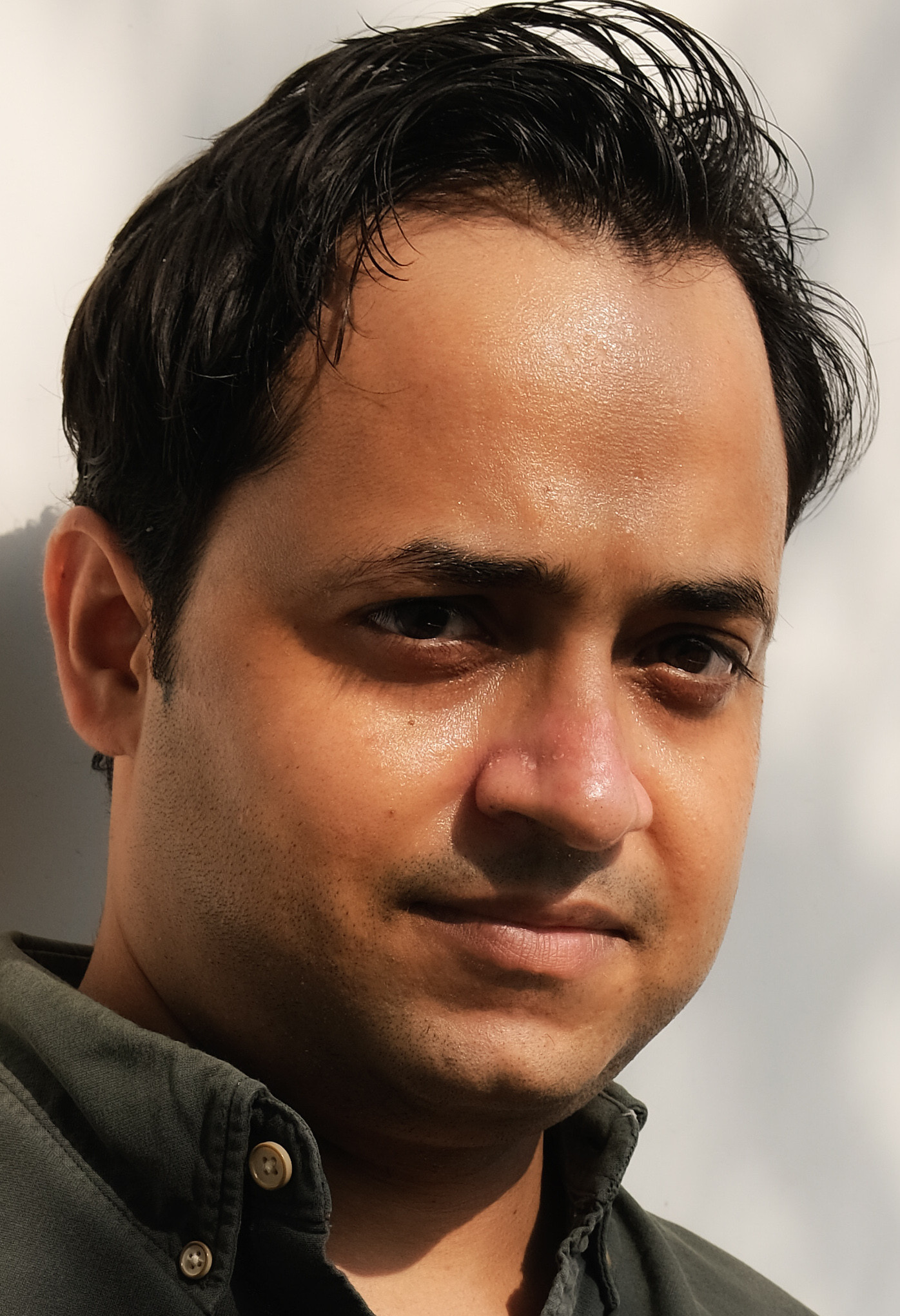
Abhishek Kumar Choudhary
- Scholar-elect
- India
- 2026 PhD History
- Peterhouse
Abhishek Kumar Choudhary
- Scholar-elect
- India
- 2026 PhD History
- Peterhouse
I am a bilingual writer, best known for an award-winning two-part study of former Indian prime minister Atal Behari Vajpayee and the Hindu right. I studied economics in Delhi and Chennai and did brief stints in nonprofits and journalism before researching the Vajpayee volumes. A fellow of the New India Foundation and a grantee of the Robert B. Silvers Foundation, my work draws on extensive archival research and has been critically acclaimed for its interdisciplinary depth and rigor, and featured and reviewed in leading South Asian and international publications. As a Gates Cambridge Scholar at Peterhouse, I will pursue a PhD in history, researching colonial elections and the making of Indian executive power, 1920–47.
Previous Education
Anna University Economics 2010
University of Delhi Economics 2007
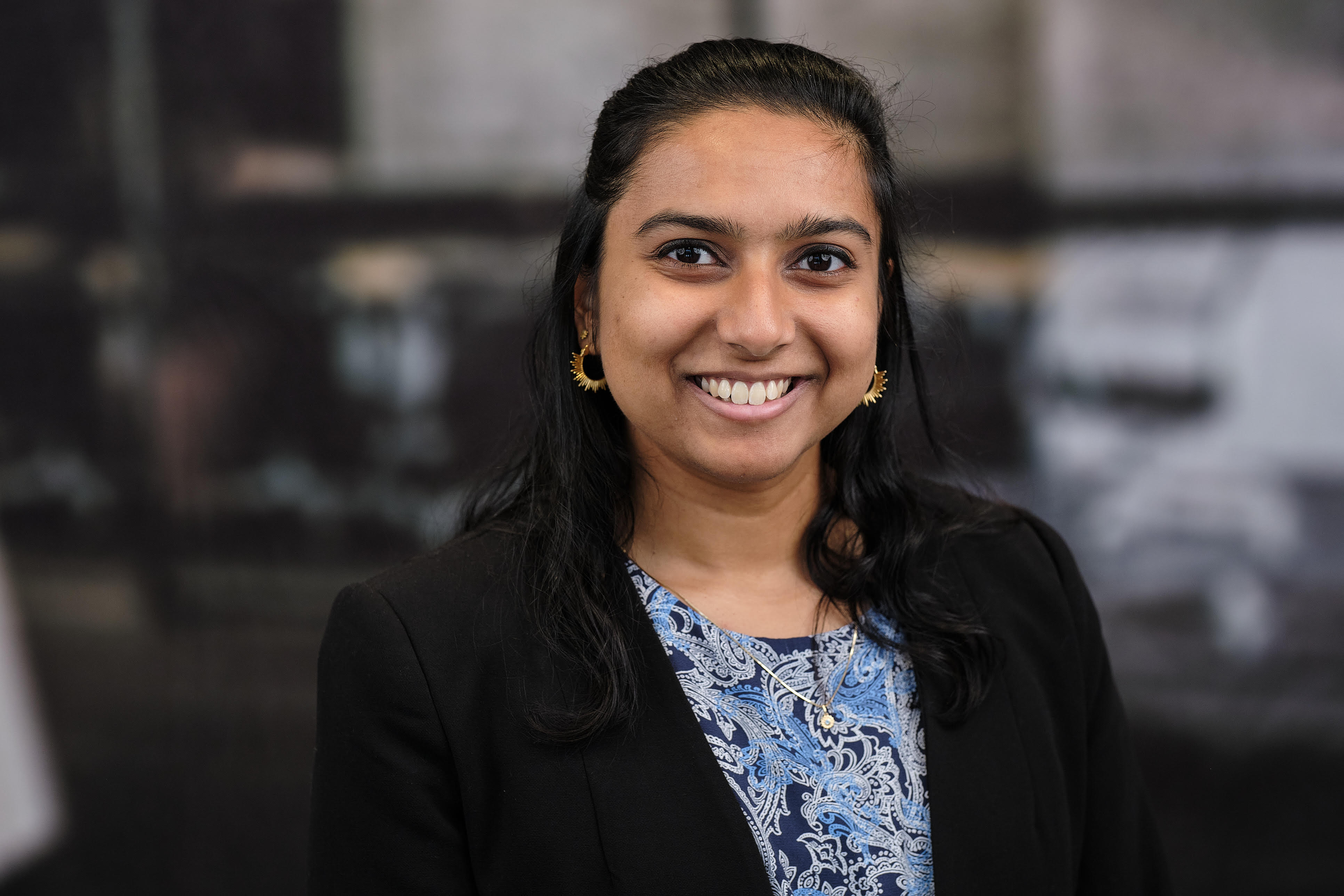
Mitali Chowdhury
- Scholar-elect
- United States
- 2026 PhD Sensor Technologies and Applications
- St Edmund's College
Mitali Chowdhury
- Scholar-elect
- United States
- 2026 PhD Sensor Technologies and Applications
- St Edmund's College
I grew up in New Jersey and California, and coming from a multilingual family with Indian roots inspired my dedication to enhancing global health and tackling inequities. While studying Biological Engineering at MIT, I pursued my interest in point-of-care diagnostics, focusing on accessible biotechnologies to identify and treat disease. I contributed to developing low-cost testing for bacterial water contamination in South Asia, and currently work at a startup advancing sequencing-based diagnostics. At Cambridge, I will pursue an MRes and PhD in the Centre for Doctoral Training in Sensor Technologies. My research will focus on CRISPR-based diagnostics to address antimicrobial resistance and expand equitable access to care. I am honoured to join the Gates Cambridge community, and look forward to learning alongside my peers as we work toward enabling global health innovations that serve all people.
Previous Education
Massachusetts Institute of Technology Biological Engineering 2024
Alix De Saint-Aignan
- Scholar-elect
- United States, France
- 2026 MPhil Global Risk and Resilience
- Murray Edwards College (New Hall)
Alix De Saint-Aignan
- Scholar-elect
- United States, France
- 2026 MPhil Global Risk and Resilience
- Murray Edwards College (New Hall)
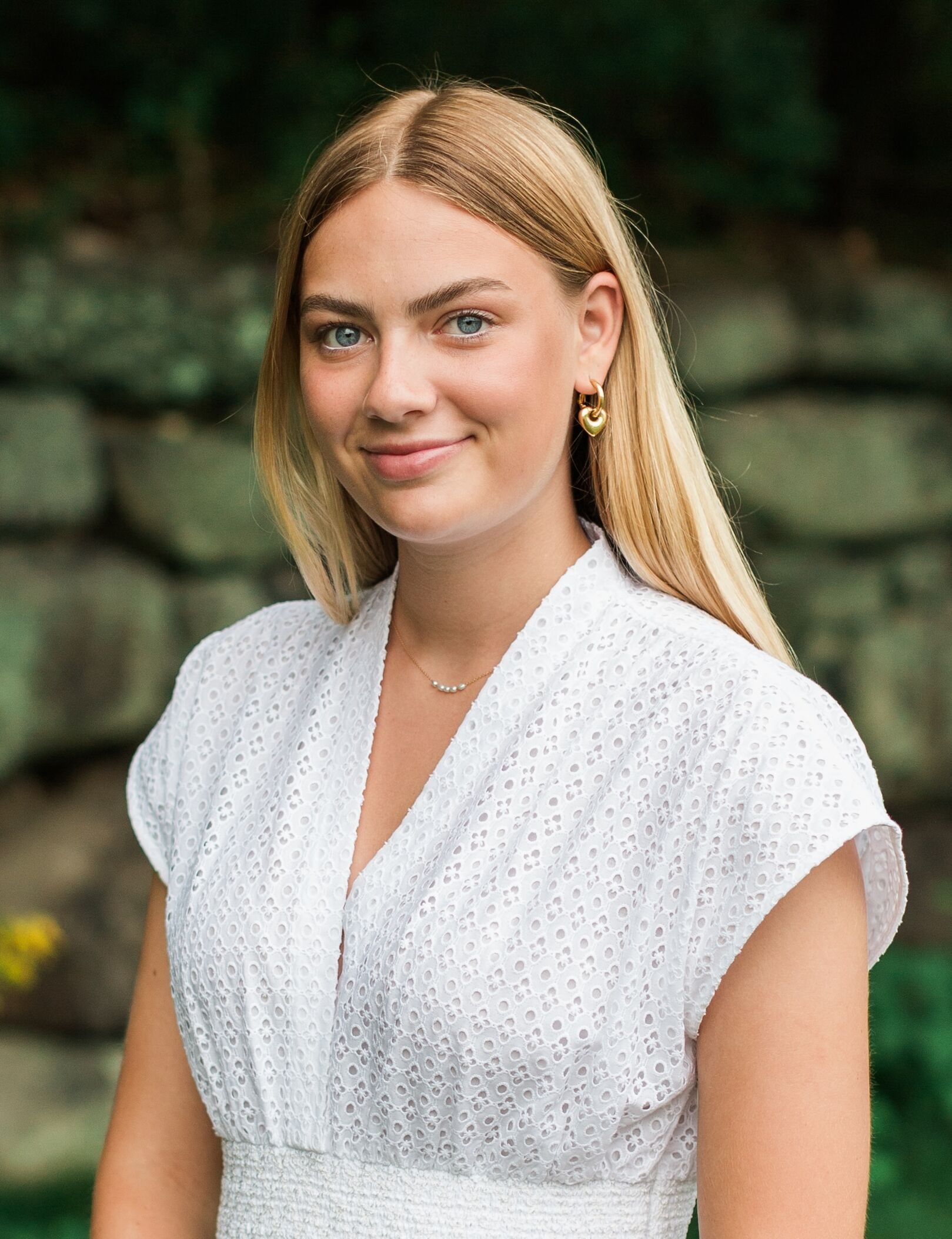
My path toward studying security and resilience began during a gap year in Paris, where I watched debates about terrorism, policing, and national identity play out not just in headlines but in daily life—on trains, in classrooms, and in conversations with friends from across the city. Living there made it clear that security policies are not abstract; they shape how people feel they belong. That experience led me to study political science and peace, war, and defense at UNC Chapel Hill, where my research examines how counterterrorism measures affect public trust and democratic legitimacy. Outside the classroom, I am a coxswain and have trained with both U.S. and French national team programs, learning to make calm decisions in high-pressure environments and to lead across cultures. At Cambridge, I hope to study global risk and resilience to understand how institutions can navigate uncertainty while preserving legitimacy. I am excited to join a community committed to principled, globally minded public service.
Previous Education
The University of North Carolina at Chapel Hill Political Science and Peace, War and Defence 2026
Sharmila Dey
- Scholar-elect
- United States
- 2026 PhD Plant Sciences
- Christ's College
Sharmila Dey
- Scholar-elect
- United States
- 2026 PhD Plant Sciences
- Christ's College
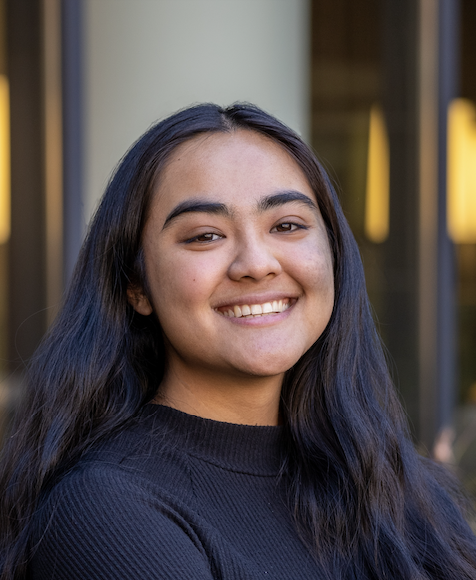
I grew up surrounded by the Sonoran Desert in Tucson, Arizona. As an undergraduate at Harvard, I completed a degree in Earth & Planetary Sciences and began researching the effects of climate change on vulnerable landscapes like those in my hometown. I am particularly interested in developing and implementing modeling tools to answer important questions about how forests around the world will respond to a warmer and drier world. As a PhD candidate in the Plant Sciences department at Cambridge, I will use vegetation models to understand the effects of climate change and logging on tropical forests. It is crucial to preserve tropical forests which host incredible biodiversity and provide one of Earth’s most important carbon sinks while also finding ways to meet our timber needs. As part of my research, I hope to work closely with industry leaders and policymakers to develop actionable solutions.
Previous Education
Harvard University Earth and Planetary Sciences 2025
Mukta Dharma
- Scholar-elect
- United States
- 2026 MPhil Public Policy
- Jesus College
Mukta Dharma
- Scholar-elect
- United States
- 2026 MPhil Public Policy
- Jesus College
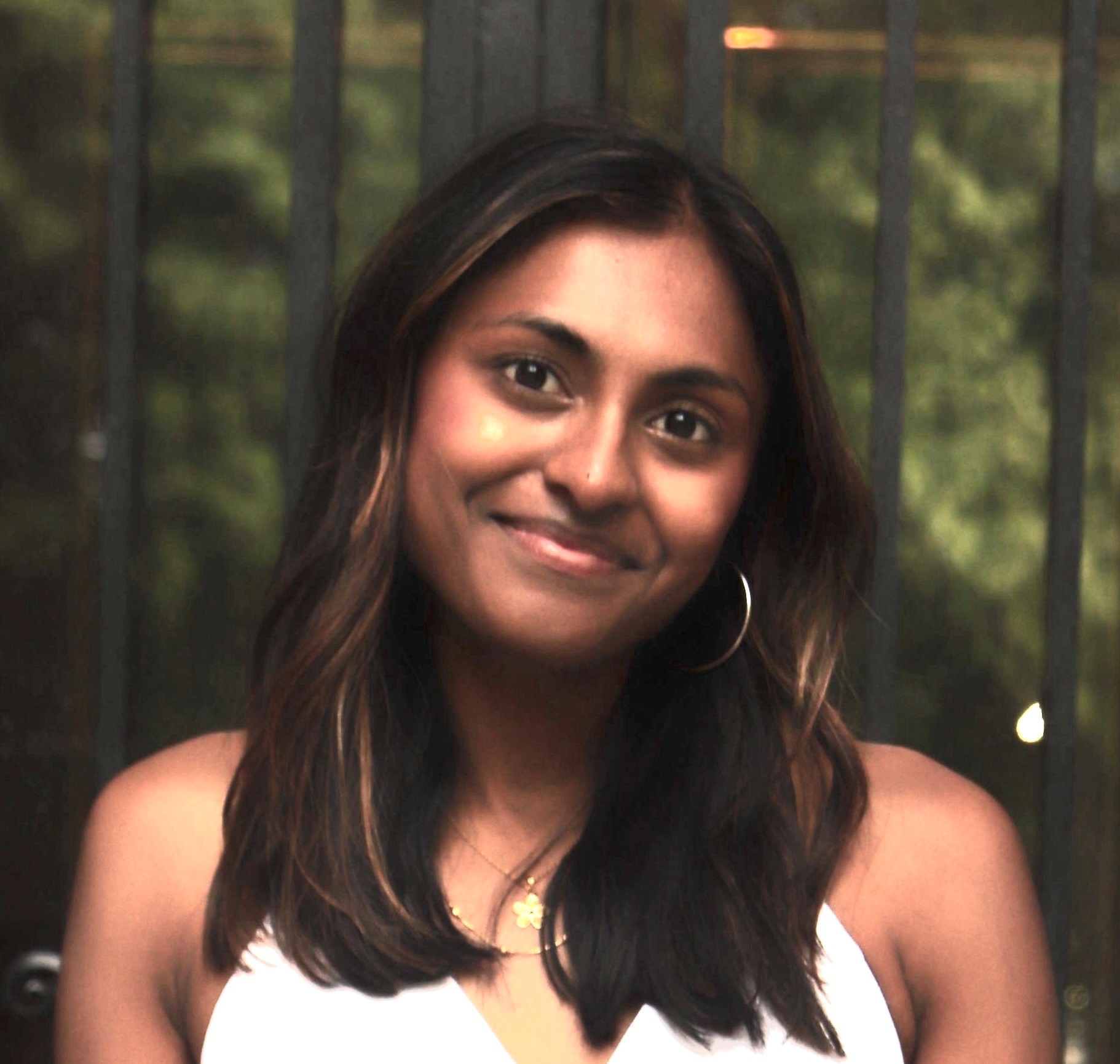
Growing up in North Carolina and visiting my family’s small farm in India, I witnessed how disasters driven by climate change, such as drought, flooding, and hurricanes, can devastate communities. I grew interested in understanding both the science behind climate change and the incentives that shape decisions around climate change, leading me to study two disciplines at Harvard: Environmental Science & Engineering, and Economics. Through research on climate change’s impacts on agriculture, leading the Harvard Undergraduate Clean Energy Group, and working on cement decarbonization at the Rocky Mountain Institute, I explored creative ways that scientists, policymakers, and businesspeople can work together to make sustainable innovations easier to access. At Cambridge, I plan to study industrial policies that accelerate green manufacturing innovation and support emerging clean technology markets. I am truly honored to be a part of the Gates-Cambridge community, and I’m excited to engage with a diverse cohort of scholars working across disciplines!
Previous Education
Harvard University Environmental Science & Engineering 2026
Harvard University Economics 2026
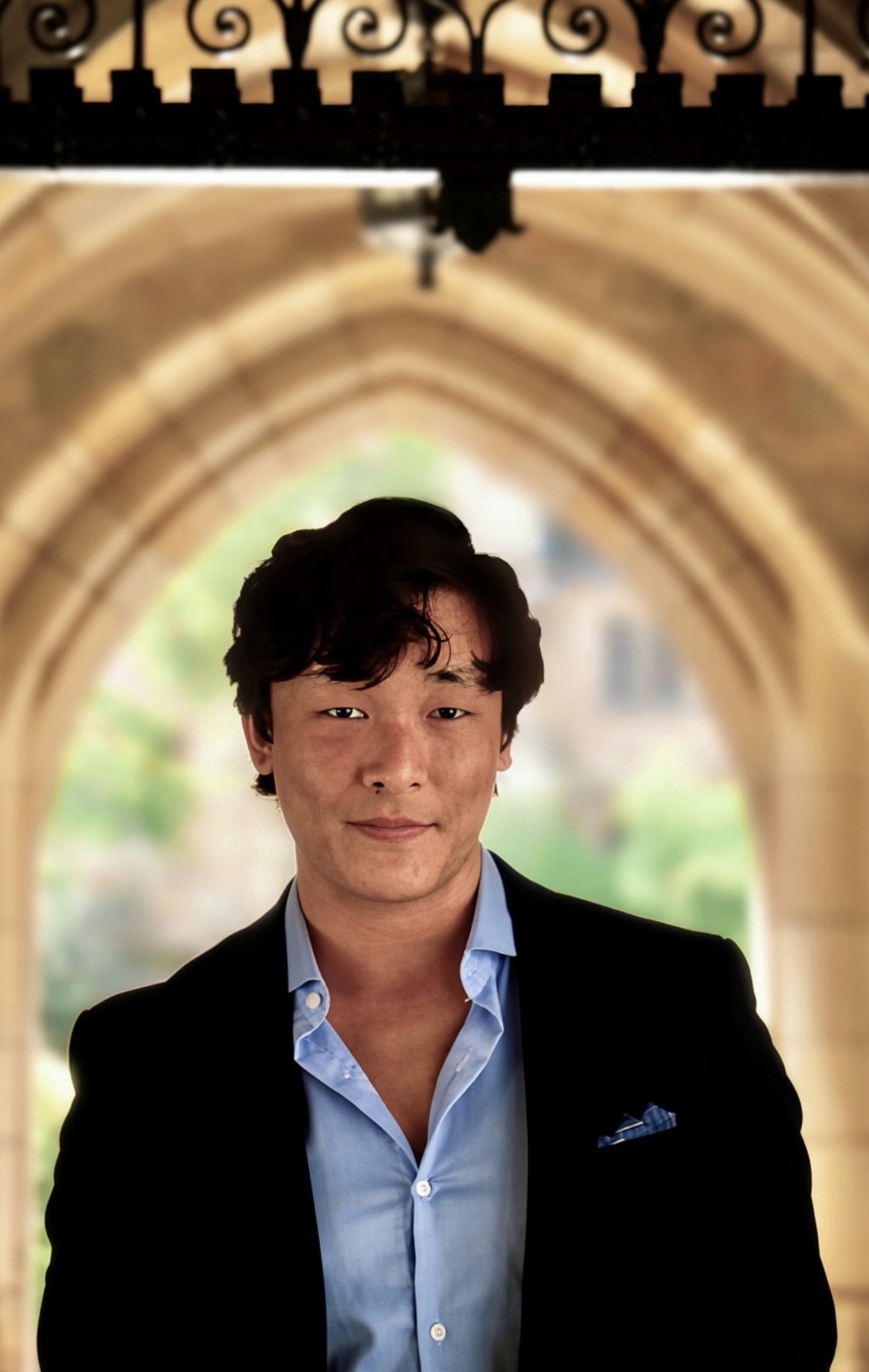
Tenzin Dhondup
- Scholar-elect
- United States
- 2026 MPhil Population Health Sciences
- St John's College
Tenzin Dhondup
- Scholar-elect
- United States
- 2026 MPhil Population Health Sciences
- St John's College
I am a Tibetan-American who grew up between New Haven, Connecticut, and the Hunsur Tibetan Refugee Settlement in Karnataka, India. My upbringing has profoundly shaped my commitment to refugee and migrant health.
At Yale, I studied the History of Medicine and Public Health alongside Ethnicity, Race, and Migration, while conducting health systems research across South Asia, the Americas, and humanitarian contexts in Eastern Europe. My work has contributed to multinational population health studies on mortality and disease burdens in refugee contexts, the 2025 Tibetan National Health Policy, research on chronic disease and cancer care, and analyses cited in the United States Supreme Court. Locally, I coordinate access to specialized health care for immigrants and respond to medical emergencies as an Emergency Medical Technician.
At Cambridge, I hope to confront the global reality that displacement is both increasingly widespread and long term. My MPhil in Population Health Sciences at Cambridge will contribute to scholarship that informs future responses to refugee situations. I will examine refugee and migrant health outcomes across the life course, with the aim of advancing durable, evidence-driven approaches to humanitarian operations, health governance, and resettlement policy. I am excited to join the Gates Cambridge community in tackling global challenges and advancing justice for marginalized communities.
Previous Education
Yale University Global Public Health 2026
Links
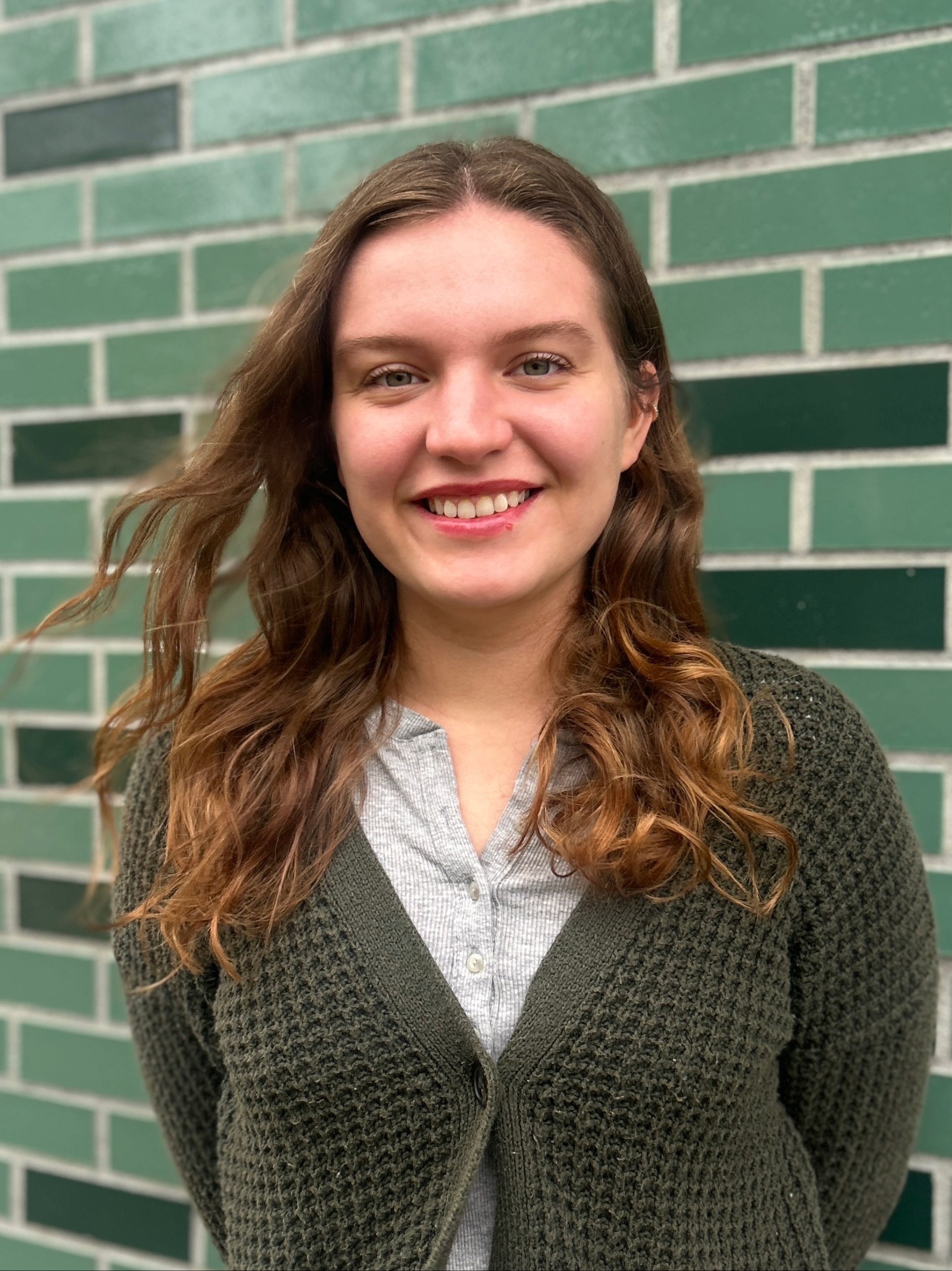
Madison Fail
- Scholar-elect
- United States
- 2026 PhD Earth Sciences
- St Edmund's College
Madison Fail
- Scholar-elect
- United States
- 2026 PhD Earth Sciences
- St Edmund's College
I grew up in a small, tight-knit town in North Texas. With the support of family and friends, I earned my B.A. in Government and B.S. in Environmental Science from UT Austin. During undergrad, I was an advocate, a student researcher, and a caregiver. I grew my community, and my mentors helped me find my niche: carbon cycling in terrestrial ecosystems. At Cambridge, I look forward to furthering our understanding of carbon storage in peatlands. These ecosystems are enormous stores of C and have the potential to mediate climates if protected. Through machine learning, I aim to connect micro-scale chemical measurements with remote sensing to estimate carbon budgets in ‘pristine’ and ‘restored’ bogs. Being a Gates Scholar is a generational honor. I attended university due to a college fund my great grandfather created. He was a share cropper and military member, yet saw great value in education despite his lack thereof. Recently, I was given his autobiography. I’d like to thank Gates by sharing some of his words: “It is my hope and prayer that my great-grandchildren get a college education. Pops is sure that you will take advantage of this resource and will be an asset to your community and nation.”
Previous Education
University of Texas at Austin Government 2025
University of Texas Austin Environmental Science, Geology 2025
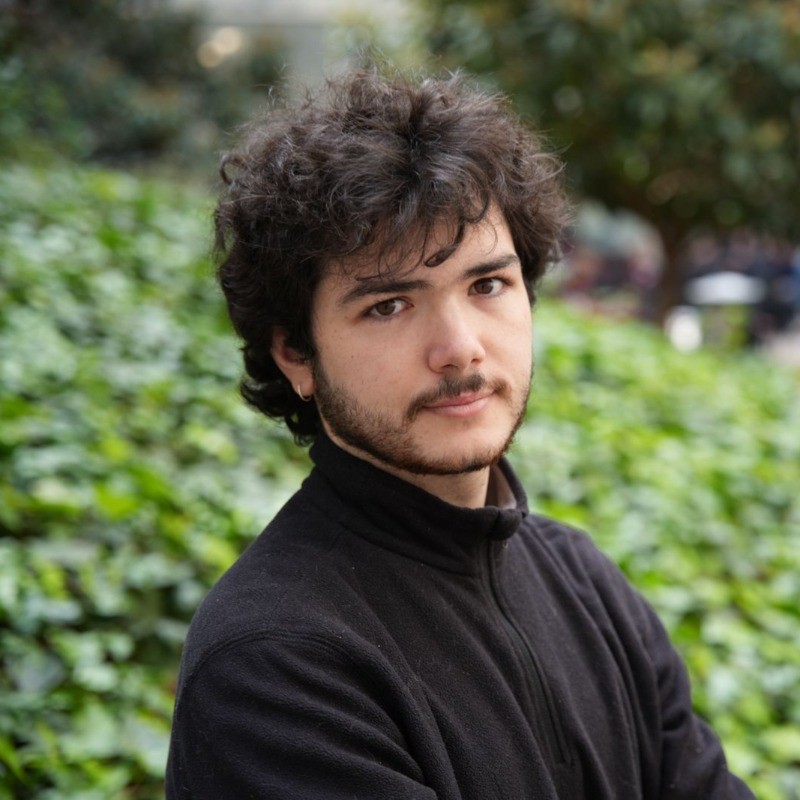
Mateu Font i Mugnaini
- Scholar-elect
- Spain
- 2026 PhD French
- Churchill College
Mateu Font i Mugnaini
- Scholar-elect
- Spain
- 2026 PhD French
- Churchill College
I grew up in Catalonia, a region historically known for its bustling political activity. The multiple, competing ways of understanding society that surrounded me sparked my interest in how the collective identities through which we engage with politics shape what we can feel, care about, demand, and imagine politically, making certain struggles visible while leaving others unattended. I explored interdisciplinary approaches to this topic through my PPE BA, MA in philosophy, and research with ERC FOODCIRCUITS, examining how the distinct ways in which political subjects and our sense of belonging are constructed can either reinforce or contest injustice—as in my MA thesis on the French Yellow Vests movement. At Cambridge, I will examine how three contemporary French writers stage political subjects in different ways, shaping their portrayal of French society and their characters’ views and interests in modes that can naturalise exclusion, foster disaffection, or open new horizons for collective change. Situating literature as a laboratory of political representation, my project extends analysis beyond existing identities, seeking a creative intervention in political theory at a moment when imagining alternatives has become urgent.
Previous Education
Universitat de Barcelona Philosophy 2023
Universitat Pompeu Fabra Philosophy, Politics and Econ. 2021
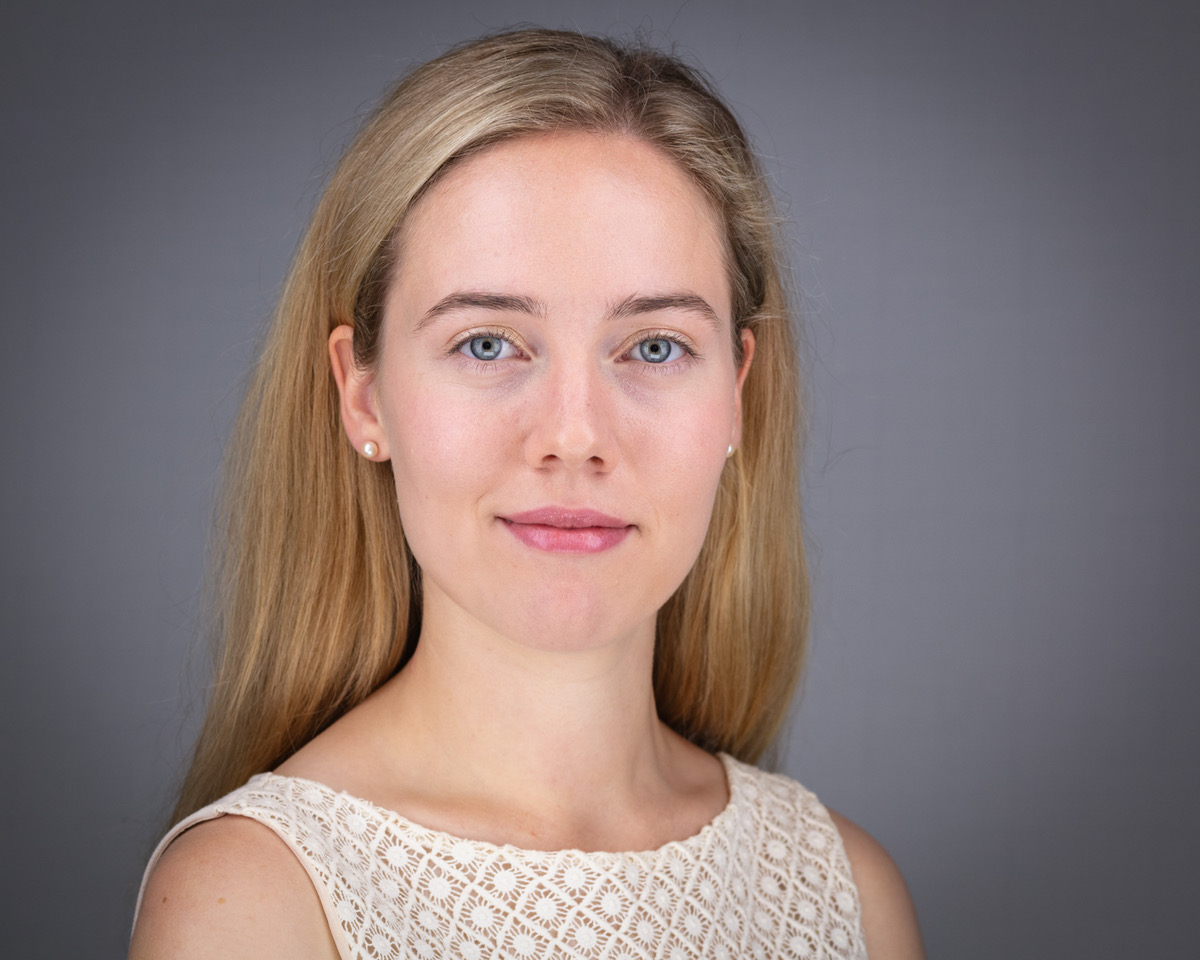
Clare Francis
- Scholar-elect
- Australia
- 2026 PhD Politics and International Studies
- Trinity College
Clare Francis
- Scholar-elect
- Australia
- 2026 PhD Politics and International Studies
- Trinity College
I want to understand how we can reimagine global governance to achieve better outcomes for women and girls. While working at the United Nations, I have supported the UN’s efforts to prevent sexual exploitation and abuse committed by its own personnel. I have seen that addressing the root causes of exploitation requires reimagining existing policy frameworks in partnership with the women and girls who are directly affected. Having completed my BA (Hons) and MPhil at Cambridge and my MA at New York University, my doctoral research examines how different actors, particularly local women’s organisations, translate the values of the Women, Peace and Security agenda. In doing so, I intend to explore how women activists are imagining a global feminist peace, in dialogue with longer histories of feminist thinking about violence, war and peace. I have worked for the Australian Department of Foreign Affairs and Trade, the Queensland Minister for Women and for the Prevention of Domestic and Family Violence, the Kaldor Centre for International Refugee Law, and the Grattan Institute.
Previous Education
New York University Global Journalism 2025
University of Cambridge Politics 2023
Raphael Freund
- Scholar-elect
- United States, Germany
- 2026 PhD Criminology
- Churchill College
Raphael Freund
- Scholar-elect
- United States, Germany
- 2026 PhD Criminology
- Churchill College
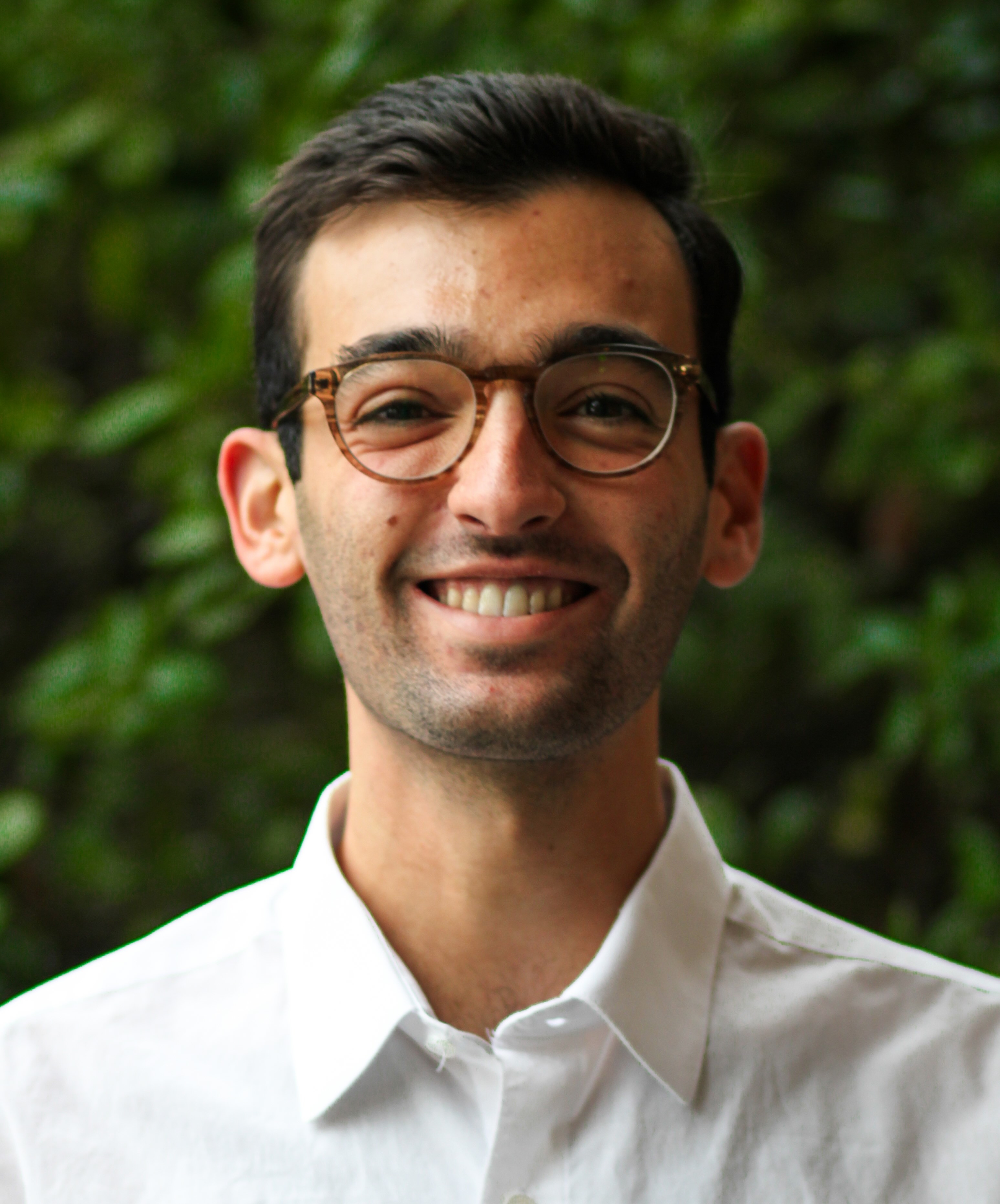
Following my graduation from Georgetown, I have worked as a Fulbright English teaching assistant in Berlin, earned an MSc in Criminology from Oxford, and served as Program Coordinator for the Prison Education Project at Washington University in St. Louis. The two pillars of my professional life are education and criminal justice research. My core academic interest is the changing role of judicial discretion at sentencing. The recent proliferation of sentencing grids, narrative guidelines, and risk-assessment algorithms has made sentences more predictable and consistent, but this shift has also diminished judges’ abilities to engage with the individual characteristics of the people being sentenced. My studies and work experience have shown me that rigid approaches to sentencing can leave people doubting procedural and outcome fairness. Adopting the view that sentencing is morally complex and not always amenable to rote procedure, I will study the progression away from human judicial discretion and seek a framework to identify when it has gone too far. In the end, my research will prove useful to policymakers and practitioners attempting to craft sentencing systems in their own jurisdictions.
Previous Education
University of Oxford Criminology 2025
Georgetown University Psychology 2023
Amen Gashaw
- Scholar-elect
- United States
- 2026 PhD Divinity
- Jesus College
Amen Gashaw
- Scholar-elect
- United States
- 2026 PhD Divinity
- Jesus College
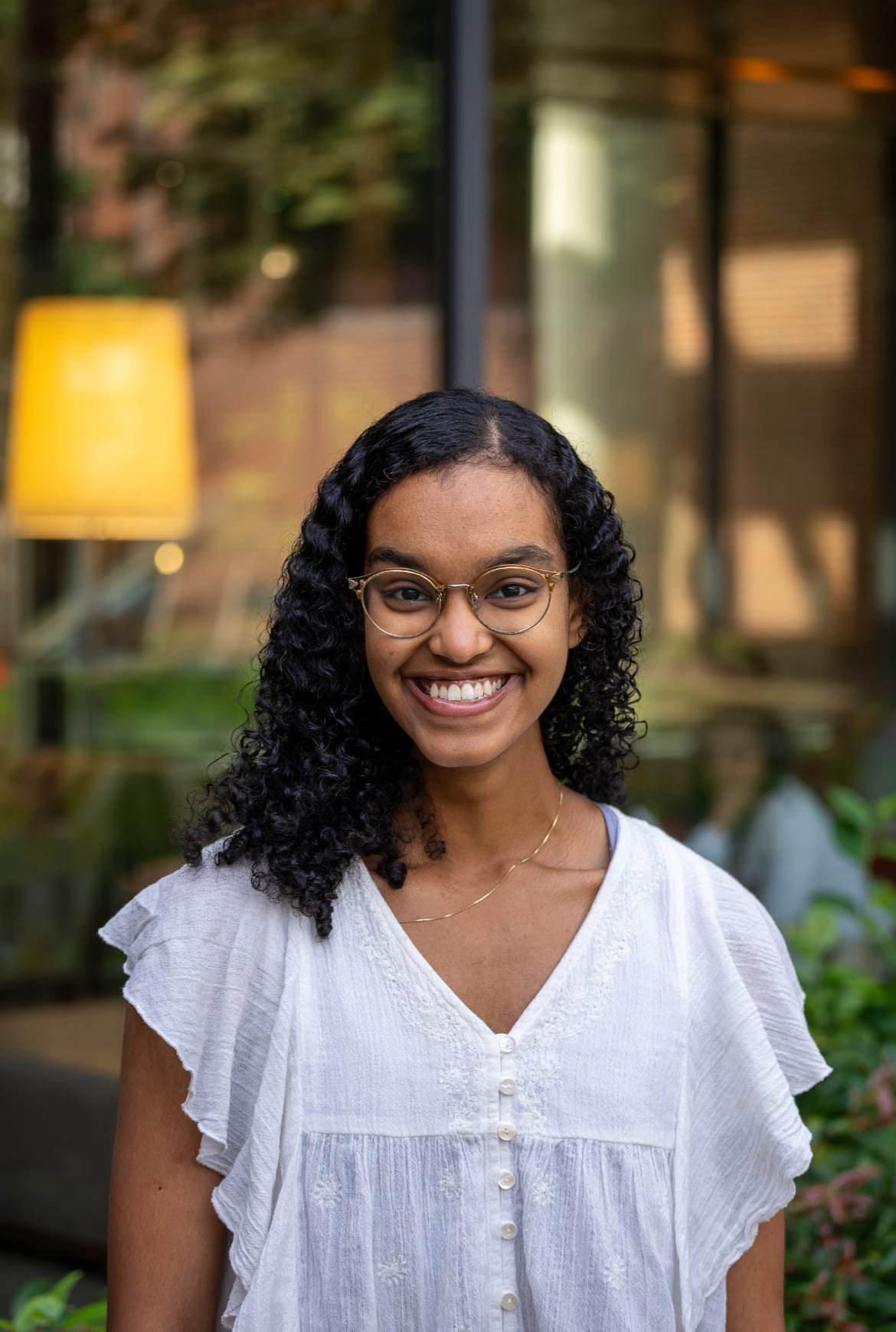
Growing up just outside and serving in one of the American Bible Belt's principal refugee resettlement hubs, I saw firsthand how religious belief shapes and sometimes distorts political practice, both on immigration and in general. This led to research in political economy and later theology on the interplay of religion, politics, and humanitarian topics, with a current emphasis on migration. My doctoral work at the intersection of theology, social and political theory, and migration studies aims to address systemic determinants of irregular migration and hostile migrant reception (e.g. ethnic scapegoating) by developing an account of systemic agency, accountability, and reform using the Christian doctrine of sin and its peers: grace, justification, and sanctification. As a part of the Gates Cambridge community, I hope to deploy this framework as a guide for dialogue, persuasion, and coalition-building around immigration policy as well as a wider range of issues facing multicultural congregations and democracies in a simultaneously globalizing and retrenching world.
Previous Education
University of Cambridge Theology and Religion 2026
Harvard University Government 2024
Harvard University Molecular & Cellular Biology 2024
