


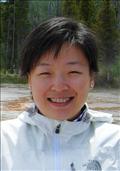
Zhongqiang Yang
- Alumni
- China
- 2003 PhD Chemistry
- Gonville and Caius College
Zhongqiang Yang
- Alumni
- China
- 2003 PhD Chemistry
- Gonville and Caius College
I received BEngr (2000) and MSc (2003) from Heilongjiang University and Jilin University in China, respectively. In 2003, I obtained Gates Cambridge Trust and Overseas Research Studentship and pursued PhD at the University of Cambridge, working with Prof. Wilhelm T. S. Huck at Melville Laboratory for Polymer Synthesis, Chemistry Department. In 2007, I went to the University of Wisconsin-Madison in USA, carrying out post-doctoral work with Prof. Nicholas L. Abbott at Chemical & Biological Engineering Department. In 2010, I joined Chemistry Department at Tsinghua University as Associate Professor. My research interests include soft matter and interfaces.
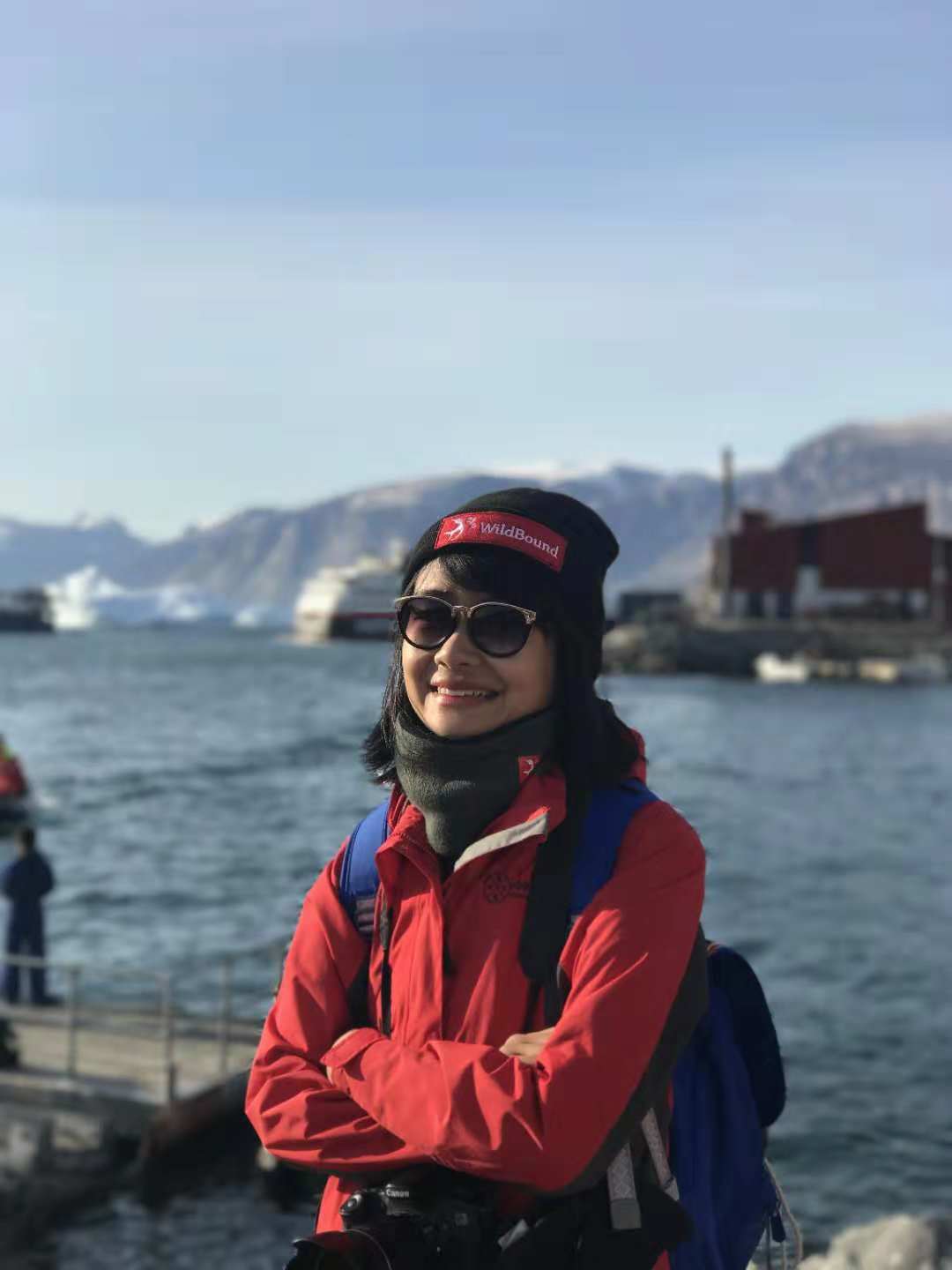
Songqiao Yao
- Alumni
- China
- 2014 Mphil Geographical Research
- King's College
Songqiao Yao
- Alumni
- China
- 2014 Mphil Geographical Research
- King's College
Songqiao Yao is the founder and CEO of Wildbound.earth, an innovative nature-inspired education and sustainability consulting venture based in Beijing, China. After her Mphil in Geography from Cambridge as a Gates Scholar, Songqiao went on to study for an MBA as a Skoll Scholar at Oxford Said Business School.
Previous Education
Mount Holyoke College 2007
Links
http://www.wildbound.earth
http://www.linkedin.com/songqiaoyao
Edward Yapp
- Alumni
- Brunei Darussalam
- 2011 PhD Chemical Engineering
- Churchill College
Edward Yapp
- Alumni
- Brunei Darussalam
- 2011 PhD Chemical Engineering
- Churchill College

Charles Amo Yartey
- Alumni
- Ghana
- 2002 PhD Economics
- Hughes Hall
Charles Amo Yartey
- Alumni
- Ghana
- 2002 PhD Economics
- Hughes Hall
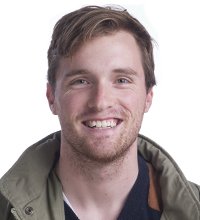
Keaghan Yaxley
- Alumni
- Australia
- 2018 PhD Biological Anthropology
- King's College
Keaghan Yaxley
- Alumni
- Australia
- 2018 PhD Biological Anthropology
- King's College
I grew up in Canberra, Australia’s capital - rich in both wilderness and politics - so it’s unsurprising that I became interested in both. I completed my B.Sc. in Zoology at the Australian National University, investigating how evolutionary history can be used to inform conservation planning. While studying, I worked for federal Labor Senator Kate Lundy. My time in politics included work in government, a federal election campaign, and a subsequent stint in opposition, after which I returned to research. Currently, I am using evolutionary models to reconstruct the last common ancestor of the African apes (gorillas, bonobos, chimpanzees and humans of course) to complete my MPhil in Human Evolutionary Studies at the University of Cambridge. My PhD will see me examine the evolution of African mammals over the last five million years, looking for innovative adaptations that allowed species to occupy new environments. This work will help to shed light on the processes that drove the evolution of form in mammals. I hope to combine the opportunities afforded by Gates Cambridge and the skills I gained working in politics to become a scientific communicator and an advocate for higher eduction and research.
Previous Education
Australian National University
University of Cambridge
Ping Lin Yeap
- Scholar
- Singapore
- 2023 PhD Oncology
- Homerton College
Ping Lin Yeap
- Scholar
- Singapore
- 2023 PhD Oncology
- Homerton College
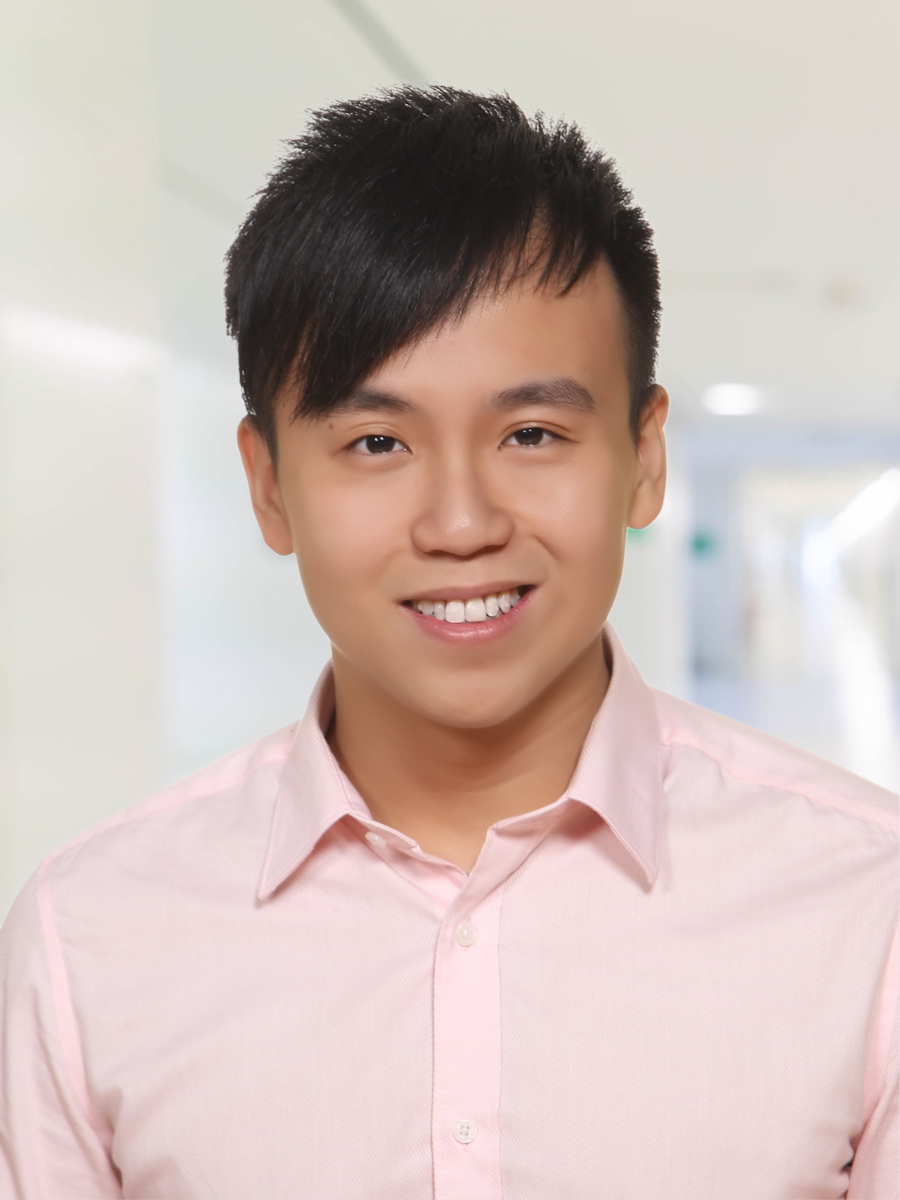
As a medical physicist, I shoot particles at cancer cells. Pew pew. My PhD research focuses on adaptive radiotherapy, which entails adapting cancer treatment plans to patients’ changing anatomies over the course of treatment. I will be developing physics-informed neural networks to generate synthetic CT images from cone-beam CT scans, such that they can be used directly for plan adaptation. This research will hopefully enable and enhance adaptive radiotherapy workflows in the clinic, and contribute towards personalised and precision medicine. Outside of work, I can be found exploring far-flung corners of the world with my camera.
Previous Education
Imperial College London
Imperial College London Physics with Theoretical Physics
Links
Eviatar Yemini
- Alumni
- United States
- 2007 PhD Molecular Biology
- Emmanuel College
Eviatar Yemini
- Alumni
- United States
- 2007 PhD Molecular Biology
- Emmanuel College
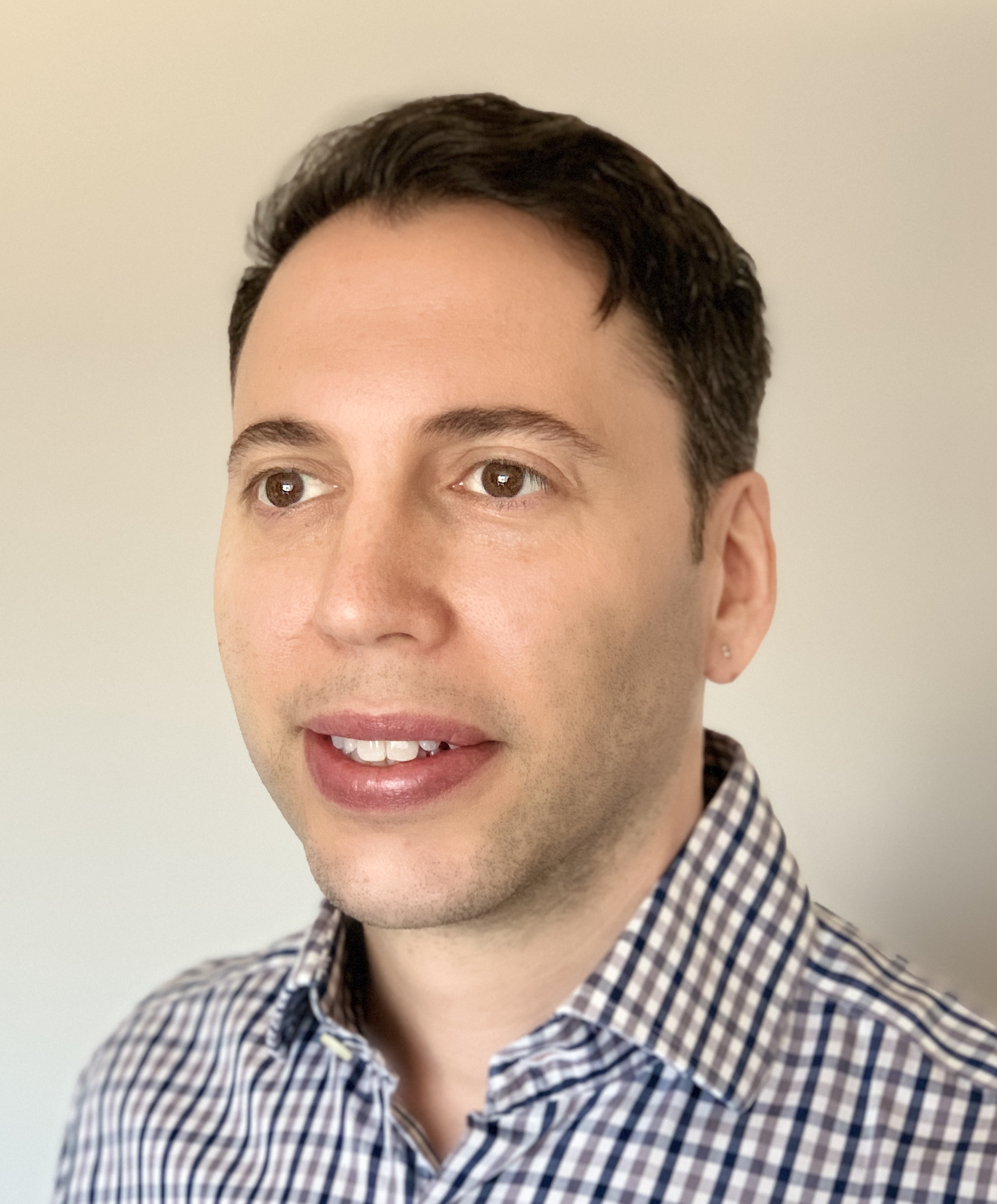
My research focuses on how neural codes translate into behavior. Such questions should guide us in understanding how brains work and hopefully, one day, aid in solving the mystery of consciousness. Our model organism is C. elegans, a tiny, harmless nematode that lives in the soil -- and within Petri dishes in our lab. I am building a system to record long videos of worm experiments, automatically extract and analyze behavior from the video, then populate a large searchable database with these experimental results. Thereafter, we hope to marry this database with concurrent imaging of neurons defining the expressed behavior.
Bee Yin Yeo
- Alumni
- Malaysia
- 2009 MPhil Advanced Chemical Engineering
- Corpus Christi College
Bee Yin Yeo
- Alumni
- Malaysia
- 2009 MPhil Advanced Chemical Engineering
- Corpus Christi College
Joanna Yeo
- Alumni
- Singapore
- 2006 MPhil International Relations
- Trinity College
Joanna Yeo
- Alumni
- Singapore
- 2006 MPhil International Relations
- Trinity College
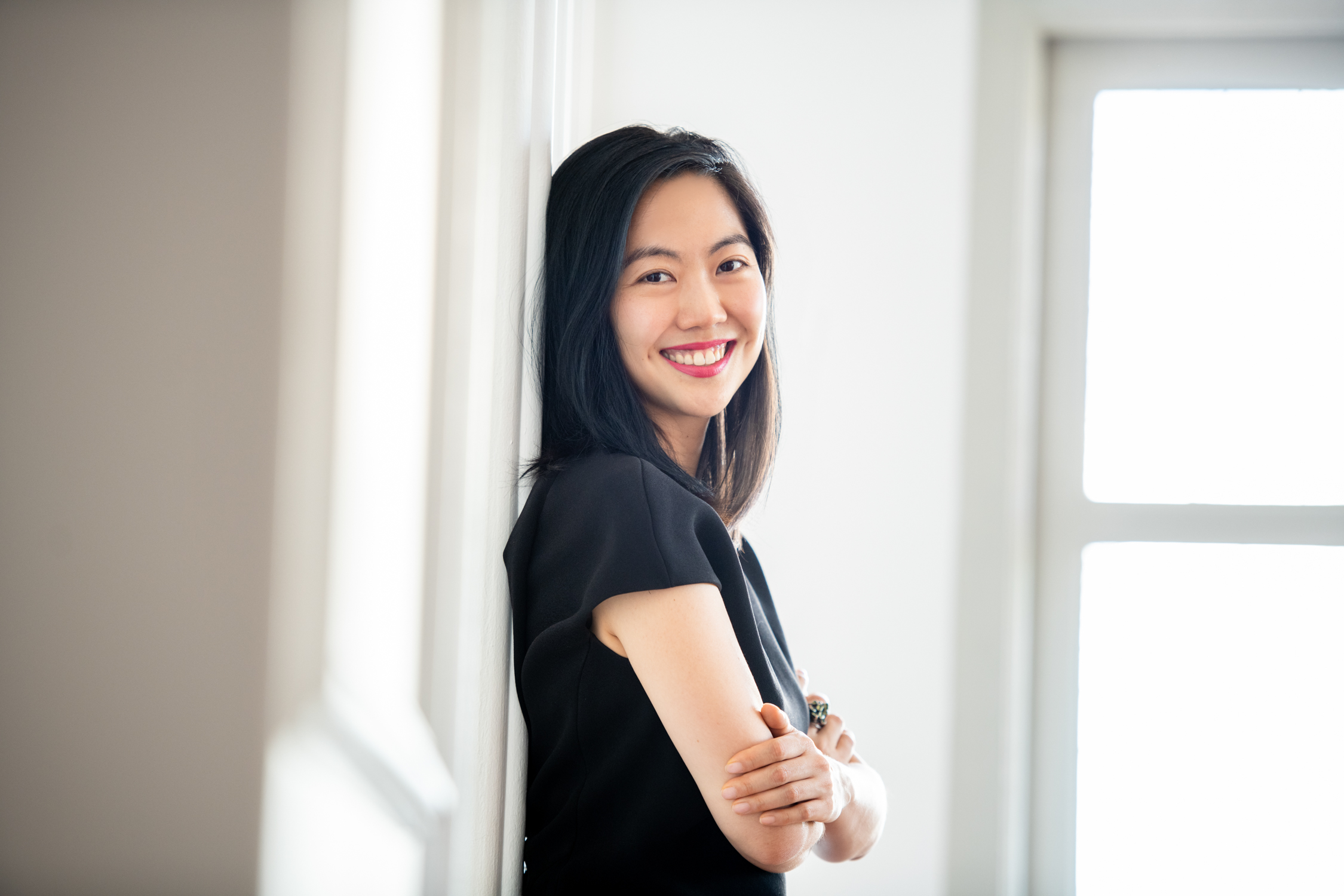
Joanna is currently building Arukah, scaling waste to energy and carbon removal for food security and climate, building from Asia and Africa. She has strong conviction on the potential to lift billions out of poverty with verified data, new technology for secure payments and settlement, and financing for scalable access to sustainable, fast growing markets. Joanna serves as an impact investment committee member for the United Nations Sanitation and Hygiene Fund, and advisor to Figure Technologies, an MUFG and Apollo-backed fintech company that has scaled $12Bn of regulated financial services on blockchain. She has previously served as an independent non-executive board director of Collectius AG, a partner to the World Bank IFC's $40Bn+ DARP program in SE Asia.She was previously a private assets investor at Morgan Stanley, head of Asia and first dedicated executive hire for blockchain at Figure Technologies and Provenance Blockchain, and led a $700M global private equity portfolio at a listed financial services conglomerate. She has also been part of core teams building two new $2Bn traditional investment management businesses in Asia, including Morgan Stanley.Joanna received her Bachelor's Summa cum Laude from Harvard, where she was elected one of four Phi Beta Kappa class marshals and was also Phi Beta Kappa (Junior 24), a John Harvard Scholar, and recipient of the Detur and Setchkarev Prizes. She has a Master's from the Stanford University Graduate School of Business, where she was a recipient of an A. Michael Spence Fellowship and conducted research at the Stanford Institute for Economic Policy Research and Stanford Center for International Development. At Cambridge, Joanna read for an M.Phil in International Relations at Trinity College on a Gates Cambridge Fellowship and set up the Cambridge Society Singapore (now part of the Oxbridge Society) in conjunction with Cambridge's 800th Anniversary Capital Campaign. She is very grateful for the generosity of both the Gates Trust and Trinity College, and has served as regional coordinator for Hong Kong for the Gates Cambridge Alumni Association, and as a committee member for the Oxford and Cambridge Society of Hong Kong.
Umut Yildirim
- Alumni
- Turkey
- 2004 PhD Social Anthropology
- Lucy Cavendish College
Umut Yildirim
- Alumni
- Turkey
- 2004 PhD Social Anthropology
- Lucy Cavendish College
By drawing upon my fieldwork on ‘forced migration’ in a city in Southeastern Turkey, I am writing about militancy, activism, and expertise in a context where practices of peace-making and guerilla warfare overlap.
Byung Yoon
- Alumni
- Korea, Republic of
- 2007 PhD Physiology, Development and Neuroscience
- Trinity College
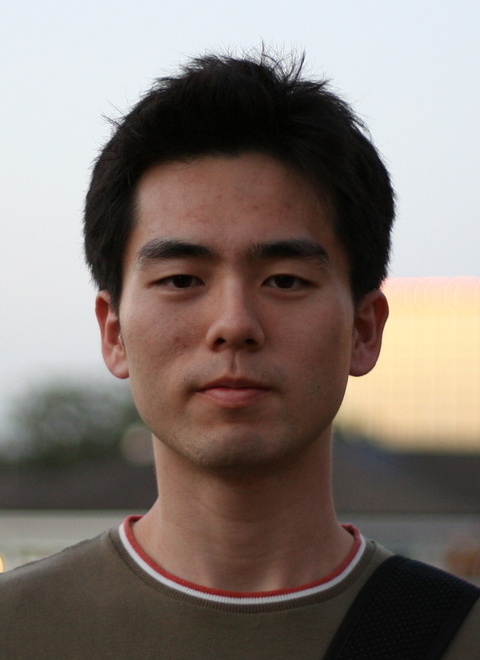
Byung Yoon
- Alumni
- Korea, Republic of
- 2007 PhD Physiology, Development and Neuroscience
- Trinity College
I am now entering the third and final year of my PhD studies with Professor Christine Holt. My project is focused on elucidating molecular processes involved in the development of nervous system. After my PhD, I will be returning to Johns Hopkins School of Medicine to finish the remaining two years of medical school. My long-term interest is in nervous system damage and repair.
Xuesheng You
- Alumni
- China
- 2008 PhD History
- Wolfson College
Xuesheng You
- Alumni
- China
- 2008 PhD History
- Wolfson College
I obtained my MPhil in Economic (Option B) in Cambridge after graduating from the University of Manchester with a first class degree in Economic Science and Manchester School Prize. Having spent a year on the programme of PhD Economic in Cambridge, I switched my academic interest to economic history. Now my research area is the occupational structure of British female employment during the second half of the nineteenth century.
Andreas Nabil Younan
- Scholar
- Denmark
- 2021 PhD Asian and Middle Eastern Studies
- King's College
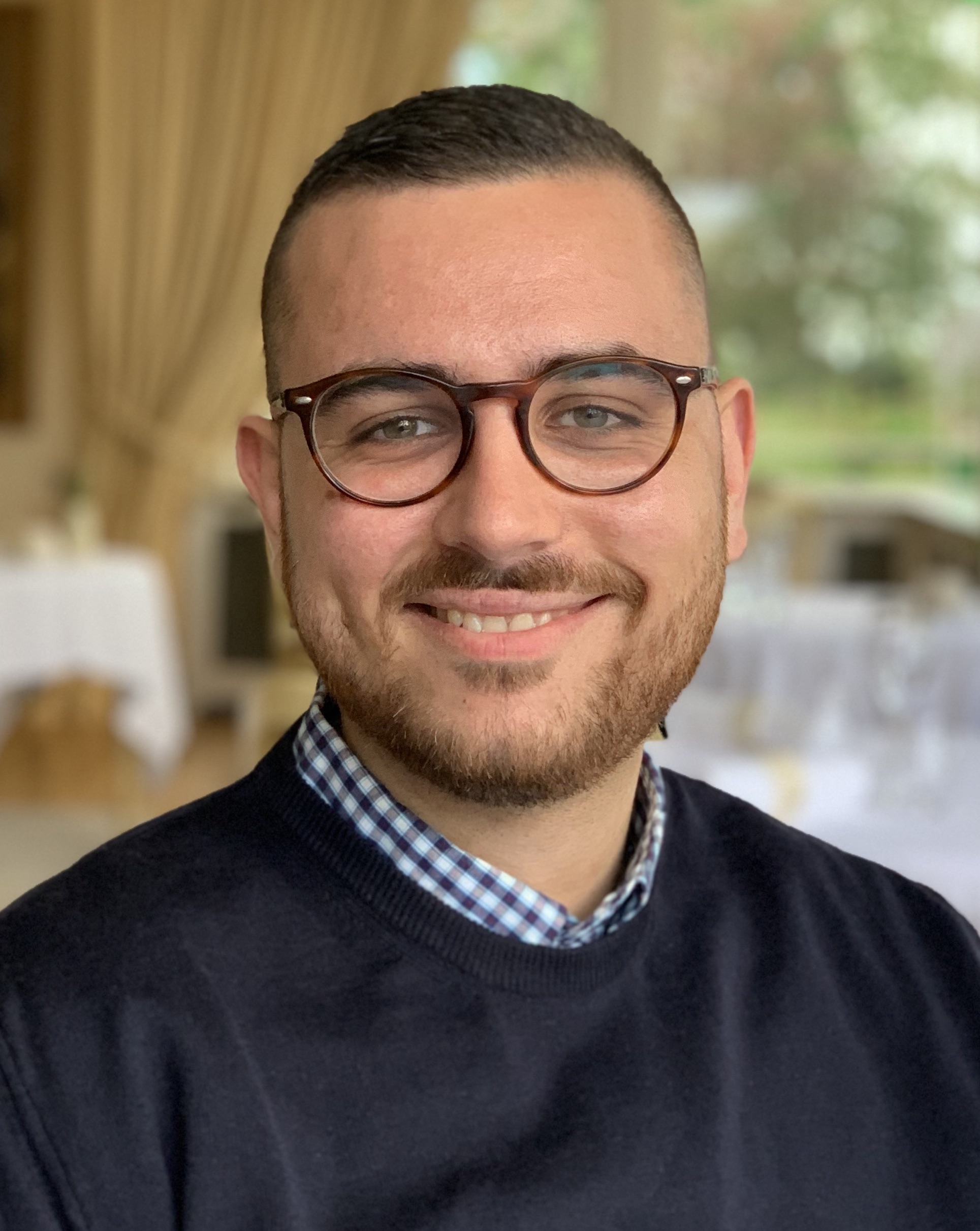
Andreas Nabil Younan
- Scholar
- Denmark
- 2021 PhD Asian and Middle Eastern Studies
- King's College
As an Egyptian-Dane, I have always been fascinated by the contentious issue of the Islamic nature of Egypt. This drives my ambition, as a historian, to shed light on the immense role of Islam in modern Egypt.My specialisation in modern Egyptian history at the University of Copenhagen has expanded my understanding of the challenges Egyptians have faced for the last century, including questions concerning identity, political Islam and the relationship between religion and state. The debate on the Islamisation of the state or nationalisation of Islam has often been lacking a solid scholarly foundation. I will address this gap by looking at legal codification and, in particular, the project of legal Islamisation after the 1970s. This period of Egyptian legal history has been understudied in comparison with the 19th century which marked the beginning of Egypt’s encounter with Europe.Pursuing this PhD in Middle Eastern Studies will ultimately shed light on a chapter of legal modernity that was especially formative for the way Islam and state interact in Egypt and beyond today. As a first-generation academic, I am honoured and humbled to be joining such an outstanding community and learn from my fellow Gates Cambridge Scholars.
Previous Education
University of Copenhagen Arabic/Middle Eastern Studies 2018
University of Copenhagen Arabic/Middle Eastern Studies 2016
Margaret Young
- Alumni
- Australia
- 2003 PhD Law
- King's College
Margaret Young
- Alumni
- Australia
- 2003 PhD Law
- King's College
My studies examine the conflict between international trade and environmental laws regulating the use of global resources such as fisheries. My research draws on professional experience with country delegations to international organisations and with bodies such as the International Law Commission, and academic interest in global governance, theories of democracy and sustainability. I will continue to work in this field as an academic and consultant at the conclusion of my Gates Scholarship.
Michael Young
- Alumni
- United States
- 2011 MPhil Philosophy
- Trinity College
Michael Young
- Alumni
- United States
- 2011 MPhil Philosophy
- Trinity College
Michael J. Young is an M.D. candidate at Harvard Medical School and a Fellow in the Department of Philosophy at Harvard University. His current research examines the ethical dimensions and philosophical framework underlying standards of care in medicine and public health. Michael is also a co-investigator in the Central Nervous System Metastasis Program at Massachusetts General Hospital in collaboration with the Broad Institute, studying genomic drivers of brain tumors. Michael completed an M.Phil in philosophy from the University of Cambridge (Trinity College) as a Gates Cambridge Scholar, where he focused on philosophical issues relating to medicine and the mind. His work has appeared in the New England Journal of Medicine, JAMA, AJOB Neuroscience, Critical Care Medicine, Nature Immunology, Narrative Inquiry in Bioethics, BMC Psychiatry, and Medicine, Healthcare and Philosophy.

Jimin Yu
- Alumni
- China
- 2002 PhD Earth Sciences
- Magdalene College
Jimin Yu
- Alumni
- China
- 2002 PhD Earth Sciences
- Magdalene College
Aishat Yusuf
- Alumni
- Nigeria
- 2019 PhD Medical Science at the MRC Cancer Unit
- King's College
Aishat Yusuf
- Alumni
- Nigeria
- 2019 PhD Medical Science at the MRC Cancer Unit
- King's College
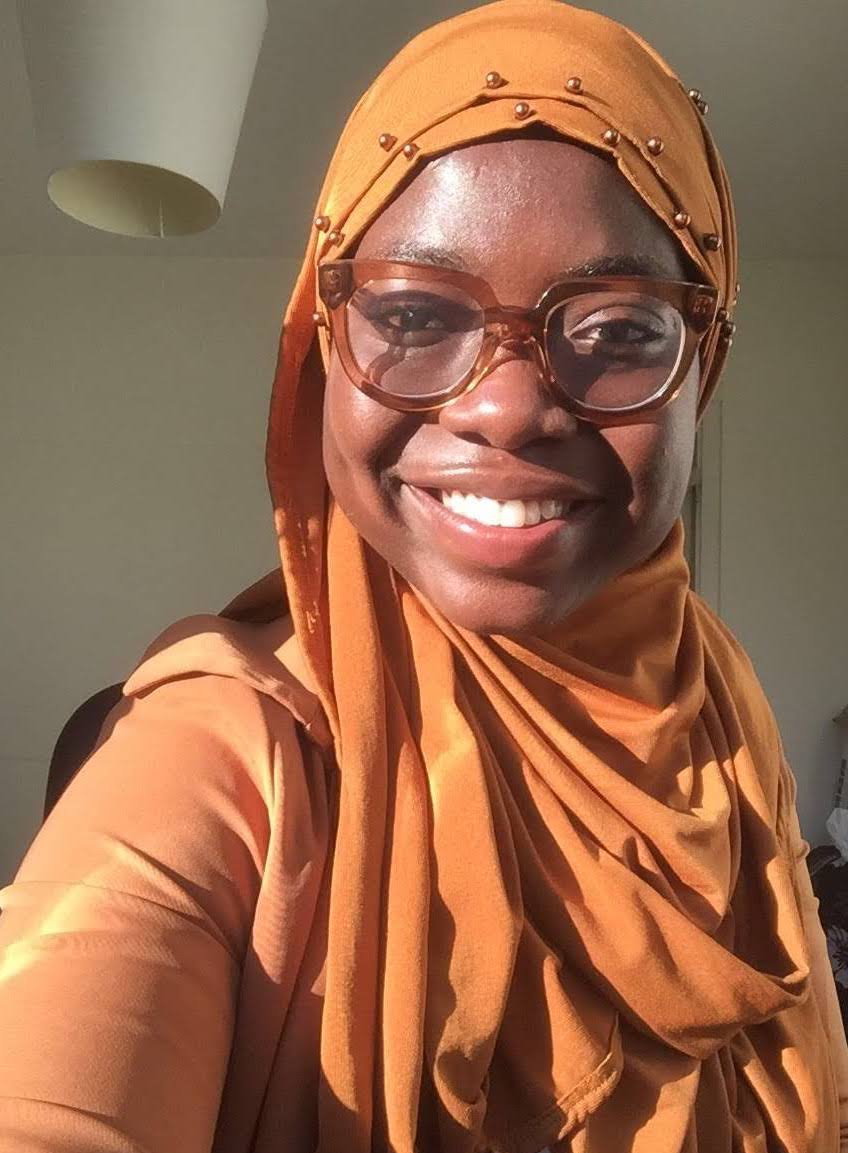
As a child who frequently visited the hospital, many questions about human health boggled my mind. Indeed, these curiosities lead me to the captivating world of the Medical Sciences. I was born and raised in Ogun State, southwestern Nigeria. In 2016, I obtained a full tuition fee waiver to study Biomedicine in Karolinska Institute, Sweden. I have spent my undergraduate summers carrying out research projects in various labs. My interest in cancer research developed during the later part of my education. With cancer being a global disease and a major cause of mortality worldwide, it is of paramount importance that we strive to speed up diagnosis and improve treatment. My PhD project at the MRC cancer unit involves the identification of candidate biomarkers that could be used in patient risk stratification for oesophageal cancer. It is my hope that by identifying these biomarkers, patients at risk can easily be identified and, therefore, be able to seek medical intervention at a very early stage before the disease progresses. At and beyond Cambridge, I hope to work on projects directed towards positively impacting health and lives of people including my home country, Nigeria and the world at large. I am truly humbled and beyond grateful to be part of such a prestigious international scholarship programme.
Previous Education
Karolinska Institute Biomedical Science 2019
Links
https://www.youtube.com/channel/UCYwjtWswB_-Y2dbeSRubGtg/featured
https://www.linkedin.com/in/aisha-yusuf-4ab620135
Rida Zaidi
- Alumni
- Pakistan
- 2002 PhD Economics
- Wolfson College
Rida Zaidi
- Alumni
- Pakistan
- 2002 PhD Economics
- Wolfson College
