


Hannah Carlan
- Alumni
- United States
- 2013 MPhil Social Anthropology
- King's College
Hannah Carlan
- Alumni
- United States
- 2013 MPhil Social Anthropology
- King's College
Scott Carlson
- Alumni
- United States
- 2005 MPhil Computational Biology
- Darwin College
Scott Carlson
- Alumni
- United States
- 2005 MPhil Computational Biology
- Darwin College
I'm currently a postdoc in biology at Stanford. I was in Cambridge during 2005-06 doing an MPhil in computational biology, and then did my PhD in biological engineering at MIT. My research combines chemistry and molecular biology to understand how cells respond to cues from the environment. I focus particularly on cancer, identifying the pathways that are disregulated by common cancer-causing mutations.
Bianca Carpeneti
- Alumni
- United States
- 2011 MPhil Archaeology
- Clare Hall
Bianca Carpeneti
- Alumni
- United States
- 2011 MPhil Archaeology
- Clare Hall
I'm interested in heritage and museums, especially the way people design and use public spaces to create and engage in their community. My background is in archaeology, focusing on the Mediterranean world and material culture studies. For the past couple summers, I've been working on an excavation in the north of England at a Roman military fort called Binchester. My work there has looked at the cultural heritage landscape of the region, and how Binchester fits into this. When I can, I like to volunteer with outreach programs in museum and archaeology education. I'm passionate about using ethnographic research to design and implement human-centered museum spaces that build community and foster lifelong learning.
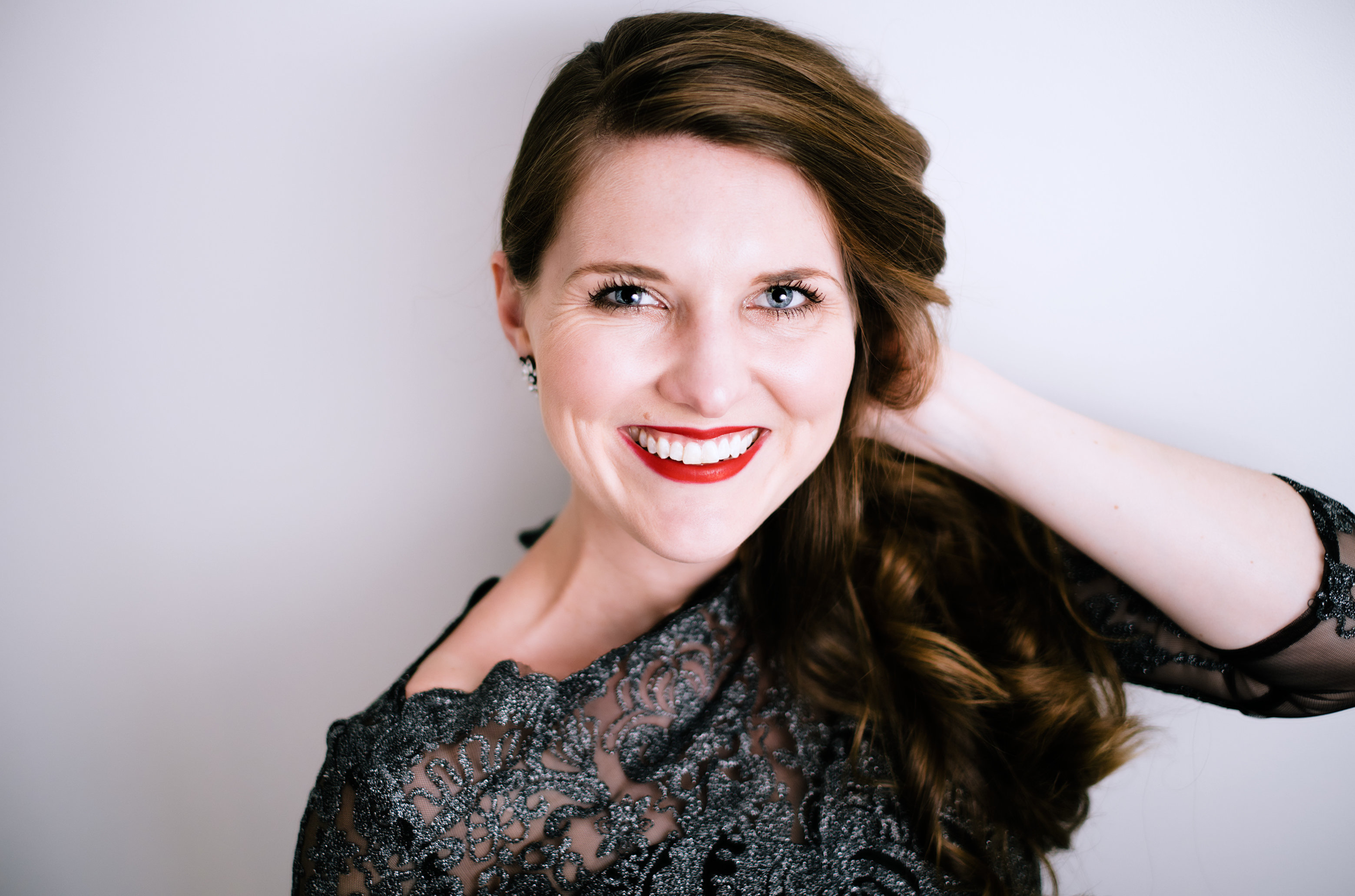
Margaret Carpenter Haigh
- Alumni
- United States
- 2011 MMus Choral Studies
- Clare College
Margaret Carpenter Haigh
- Alumni
- United States
- 2011 MMus Choral Studies
- Clare College
Hailed as a “standout…whose heartfelt invocation of peace in ‘Rejoice greatly’ had listeners dabbing at tears” by the New York Times, GRAMMY®-nominated soprano MARGARET CARPENTER HAIGH captivates audiences with her “flawless intonation” and “perfect vocalism” (Classical Voice North Carolina) in “superbly sung” (Early Music America Magazine) performances. Treasured performances include the North American premiere of Huang Ruo’s Book of Mountains & Seas; David Del Tredici’s virtuosic An Alice Symphony with Portland Symphony and Ballet; Bach’s St. Matthew Passion with the choirs of Trinity Wall Street and Saint Thomas Church, Fifth Avenue; Couperin’s Leçons de Ténèbres in the Easter at King’s Concert Series in King’s College Chapel, Cambridge; Handel’s Messiah under Dame Jane Glover; and a highly publicized and ground-breaking soprano interpretation of the Evangelista role in Bach’s St. John Passion at the 2024 Baldwin Wallace Bach Festival to celebrate the 300th anniversary of the work’s creation. Recent solo recording credits include Handel’s Israel in Egypt with Apollo’s Fire and Desmarest’s Circé with the Boston Early Music Festival Orchestra. A native of Charlotte, North Carolina and graduate of UNC-Greensboro, Margaret is a grateful recipient of the Gates Cambridge Scholarship and holds the M.Mus from the University of Cambridge and the D.M.A. in Historical Performance from Case Western Reserve University, where her dissertation was supervised by Susan McClary. She has lectured widely, including at University of Iowa, Harvard University, Peabody Institute, and Indiana University, and has served on the faculties of the Oklahoma Arts Institute at Quartz Mountain and Vocal Fellows Program at Bach Akademie Charlotte. Margaret sang as a member of The Choir of Trinity Wall Street in New York City for six years and now resides in Uppsala, Sweden. More at www.margaretcarpenterhaigh.com.
Previous Education
Keele University
University of North Carolina at Greensboro
Links
http://margaretcarpenterhaigh.com
https://www.linkedin.com/in/margarethaigh

Christine Carpenter
- Scholar
- United States
- 2024 PhD Politics and International Studies
- Sidney Sussex College
Christine Carpenter
- Scholar
- United States
- 2024 PhD Politics and International Studies
- Sidney Sussex College
I am an international lawyer from the US and incoming-PhD candidate in International Relations & Politics. My research explores challenges new and emerging technologies pose to international legal systems, and the impacts of global digital inequality on pursuits of international justice. Previously as a practicing attorney, I have worked at a global law firm, concentrating my practice on international arbitration and foreign sovereign litigation matters, and particularly on matters concerning issues of public international law. There, I maintained an active pro bono practice of matters concerning international human rights and international criminal law. This involved, for example, working with the Human Trafficking Legal Clinic to seek justice for migrant workers in diplomatic households in proceedings before the Inter-American Court of Human Rights and with the Center for Reproductive Rights in proceedings challenging Texas' SB-8 abortion ban. I also assisted in the drafting of comments on the ICC’s policy guide for gender-based crimes with the PILPG, and supervised student research on the applicability of international law in cyberspace with Temple University Law School’s Institute for Innovation, Law & Technology. It is a privilege to have the opportunity to pivot these interests into my full-time focus as a PhD candidate at Cambridge.
Previous Education
University of Pennsylvania Law 2021
University of Cambridge International Relations 2018
Lafayette College International Affairs & French 2017
Christopher Carter
- Alumni
- United States
- 2011 MPhil Latin American Studies
- Fitzwilliam College
Christopher Carter
- Alumni
- United States
- 2011 MPhil Latin American Studies
- Fitzwilliam College
I am an Academy Scholar at the Harvard Academy for International and Area Studies and Research Associate at the Center on the Politics of Development at the University of California, Berkeley. In my book project, I examine the emergence as well as the political and social effects of indigenous autonomy in the Americas. The research for this project won the 2020 APSA Best Fieldwork Award. I also have published or have forthcoming work on local governance in Latin America, methods for causal inference, and the regulation of gig economy labor in the United States. All of my work employs a multi-method approach, using experimental and natural experimental data as well as extensive interviewing and archival research.
I received my PhD in Political Science from the University of California, Berkeley in 2020. I completed a Master's in Latin American Studies at the University of Cambridge as a Gates-Cambridge scholar, and I hold a B.A. in Political Science and History from the University of North Carolina at Chapel Hill, where I studied as a Morehead-Cain scholar.
Previous Education
University of North Carolina at Chapel Hill
Links
Ayden Case
- Scholar
- United States
- 2022 PhD Medicine
- Robinson College
Ayden Case
- Scholar
- United States
- 2022 PhD Medicine
- Robinson College
During my undergraduate studies at Duke University, I became fascinated with the immune system, especially with respect to its therapeutic applications for complex diseases. I pursued this interest during my translational glioblastoma research, studying engineered cytotoxic T cells alongside the cancer’s immune microenvironment. As my research progressed, I began to question the accessibility of scientific advancements, especially in the context of clinical medicine. Accordingly, I investigated the barriers to care and adverse health outcomes faced by Native Americans in North Carolina. I will continue this work in the lab of Professor Ziad Mallat, where I intend to study a promising immunotherapy for atherosclerosis. Given the disparate impact of heart disease on racial and ethnic minority groups within both the US and UK, such advancements are poised to have a significant social impact. Following my studies at Cambridge, I intend to pursue medical education in the US. Through my research, I hope to develop cardiovascular immunotherapies which will alleviate the burden of heart disease on individuals and their communities.
Previous Education
Duke University B.S., Chemistry 2018

Caitlin Casey
- Alumni
- United States
- 2007 PhD Astronomy
- St John's College
Caitlin Casey
- Alumni
- United States
- 2007 PhD Astronomy
- St John's College
I'm currently an Assistant Professor of Astronomy at the University of Texas at Austin. I research galaxy formation and evolution from an observer's perspective; I use the Universe's most luminous galaxies to place constraints on the history of cosmic star-formation, collapse of large scale structure, and the formation of the first galaxies. I'm also interested in teaching pedagogy, how people learn, and how to make STEM fields more equitable and inclusive.
Previous Education
University of Arizona BS, Physics, Applied Math, Astronomy 2007

Matthew Cassels
- Alumni
- Canada
- 2014 PhD Psychiatry
- Gonville and Caius College
Matthew Cassels
- Alumni
- Canada
- 2014 PhD Psychiatry
- Gonville and Caius College
During my MPhil in Social and Developmental Psychology at Cambridge I studied the impact of the quality of children’s human and pet relationships on their social and emotional wellbeing. I took this research a step further in my PhD in Psychiatry by examining the extent to which self-harm behaviours among adolescents can be predicted by the security of their attachments to their parents. Self-harm typically originates in adolescence, is addictive, socially contagious, and tends to escalate over time. As such, early interventions are imperative in order to prevent experimentation from becoming habit, incident from becoming epidemic, and harm from becoming suicide. I hope that by uncovering some of the etiological pathways to these deleterious behaviours, my research will lead to the development of more efficacious treatments and better prognoses for patients.
Previous Education
Univeristy of Cambridge 2013
Queen's Univeristy 2008
Amanda Casto
- Alumni
- United States
- 2004 PhD Genetics
- Darwin College
Amanda Casto
- Alumni
- United States
- 2004 PhD Genetics
- Darwin College
I came to Cambridge to study genetics because I love to travel and I love my science. My research at the University will involve integrating population structure parameters into algorithms that locate susceptability factors for complex disease within the human genome. I hope that one day this work can be used to personalise health care for each individual patient based on his or her own unique genetic make-up.
Andres Castro Samayoa
- Alumni
- El Salvador
- 2010 MPhil Multi-disciplinary Gender Studies
- Jesus College
Andres Castro Samayoa
- Alumni
- El Salvador
- 2010 MPhil Multi-disciplinary Gender Studies
- Jesus College
Andrés is Assistant Professor of Higher Education at Boston College's Lynch School of Education. His work enhances the experiences for students of color from under-resourced communities—specifically focusing on Hispanic-serving institutions. His expertise includes the social history of large-scale datasets in post-secondary education; educational researchers' use of data to explore issues of diversity; and the institutionalization of services for lesbian, gay, bisexual, queer, and transgender students.Previously, Castro Samayoa served as assistant director for assessment at the Penn Center for Minority Serving Institutions. His current projects concentrate on diversifying the teaching profession at the K–12 and post-secondary levels. One of these projects explores the ways Hispanic-serving institutions diversify faculty in the humanities and social sciences.He earned his bachelor’s degree from Harvard University, his master’s degree from Cambridge University, and his doctoral degree from the University of Pennsylvania.
Previous Education
Harvard University
Aldri Cela
- Alumni
- Albania, Italy
- 2020 PhD History
- Pembroke College
Aldri Cela
- Alumni
- Albania, Italy
- 2020 PhD History
- Pembroke College
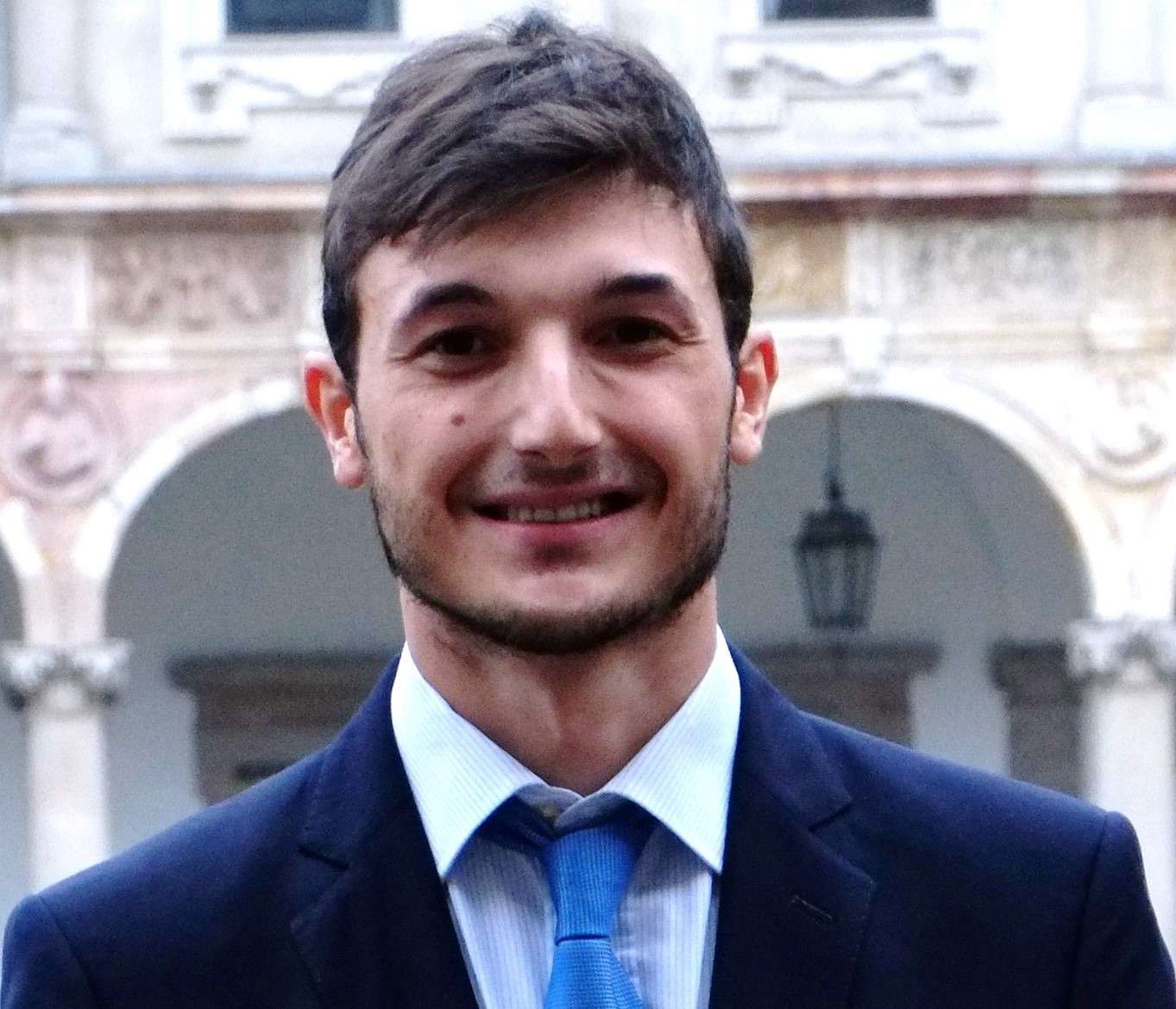
As an Albanian immigrant in Italy, I have grown a strong understanding of the importance of building bridges between different cultures and the powerful impact that a correct comprehension of historical events has on the world today. This personal experience was enhanced by my permanence over the course of six months as an international civil servant at the orphanage Kituo cha Watoto Tumaini in Ilunda, Tanzania. I have a strong belief that these elements of my life have led me to the decision of dedicating my intellectual endeavours to enlighten the historical event that I consider essential for better understanding many of the challenges that we need to address today regarding cultural confrontation and religious tolerance, i.e. the encounter between Europeans and the Native Americans in the fifteenth and sixteenth century. The goal of my PhD program consists in investigating this event - the greatest encounter in the history of mankind - and analysing the questions it prompts concerning topics such as human rights and cultural and religious confrontation. I am honoured to have been selected as a Gates Scholar and to share my social commitment with a community whose goal consists of improving the lives of others on a global scale.
Previous Education
Universita Degli Studi di Milano Philosophy 2020
Universita Degli Studi di Milano Philosophy 2018
Maggie Celeste
- Alumni
- Ireland
- 2019 PhD Astronomy
- Trinity College
Maggie Celeste
- Alumni
- Ireland
- 2019 PhD Astronomy
- Trinity College
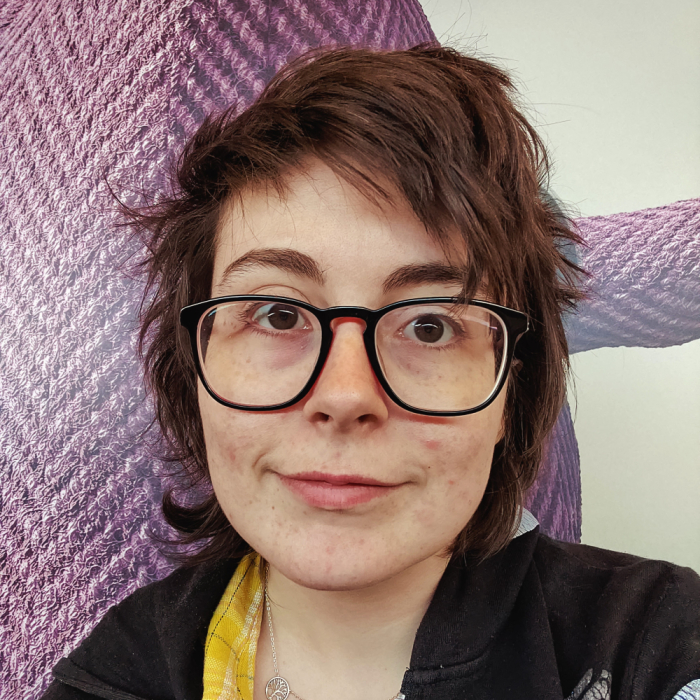
Just 25 years ago, we had no evidence for planets outside our own solar system. Today, over 4000 exoplanets have been discovered. My research aims to determine how giant planets form by performing computer simulations of protoplanetary discs (discs of gas and dust that surround young stars, and are the birthplace of planets). Completing even a secondary-school level of education was not a given for me; in a family of six children, only three of us actually did, and I am the first in my family to attend university. The fact that I maintained a love of science and learning despite a difficult home life can be attributed directly to the inspiring teachers that I was lucky to have. One, in particular, hosted a 'math circle' for students after school, providing an accessible opportunity to explore the world of STEM outside of the classroom. I will always be thankful for that teacher, and for others like him. Those formative years of my life drive my passion for outreach today, and I strive for accessibility for all students, regardless of socioeconomic background. I am proud to say that my outreach endeavours currently include work with Sun Space Art, Cambridge Hands On Science (CHaOS), Nuffield research placements, and regular outreach with the Institute of Astronomy.
Previous Education
University of Dublin Trinity College Physics and Astrophysics 2019
Mario Cépeda Cáceres
- Scholar
- Peru
- 2025 PhD Latin American Studies
- Robinson College
Mario Cépeda Cáceres
- Scholar
- Peru
- 2025 PhD Latin American Studies
- Robinson College
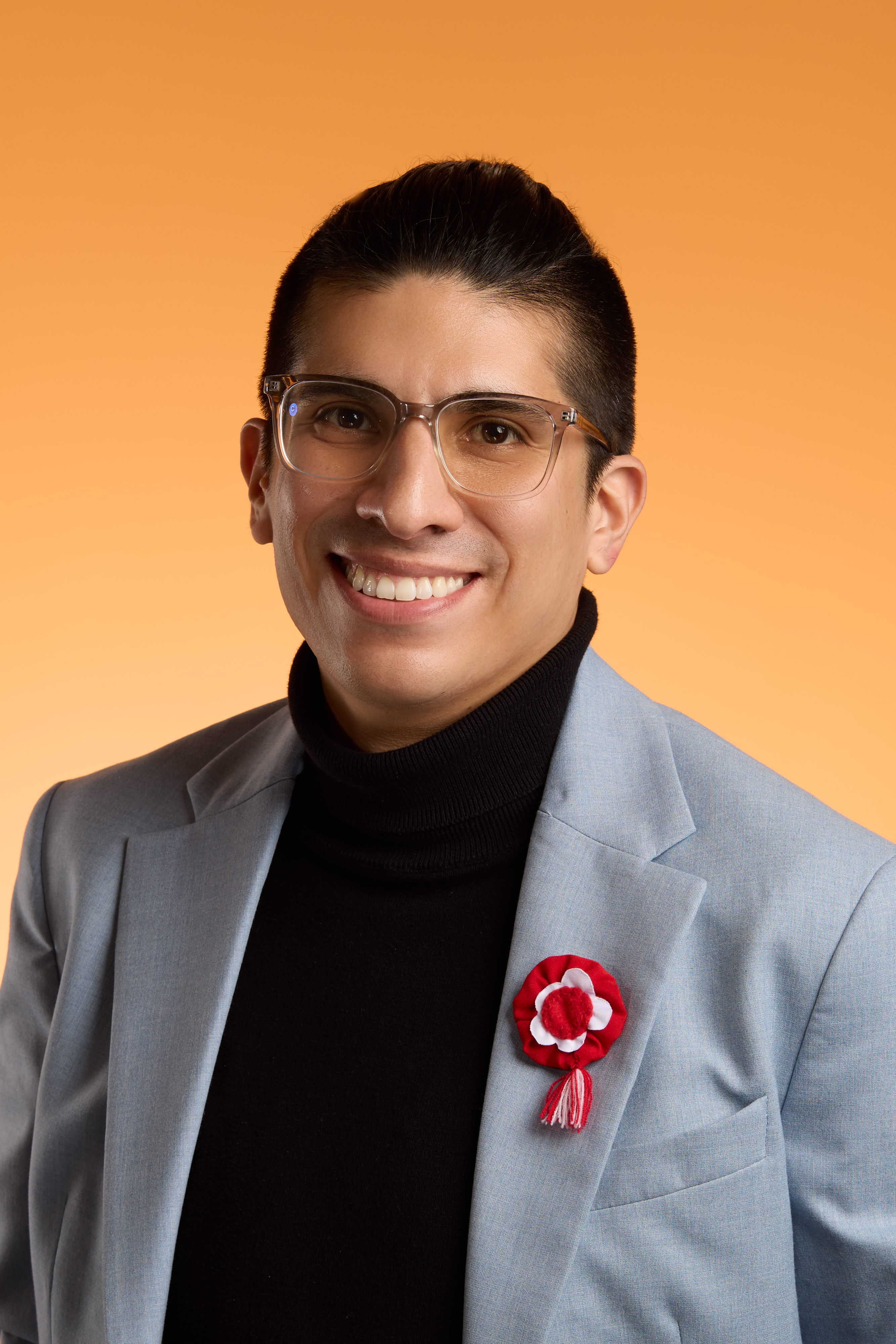
Growing up in Peru, I have long been intrigued by how rural communities cope with the lasting impacts of the internal armed conflict. My academic journey at the Pontificia Universidad Católica del Perú—where I earned both a Bachelor's and a Master's in Anthropology, specialising in transitional justice, human rights, and memory—deepened my commitment to these issues. My work with communities affected by the war, alongside my involvement with victim organisations and my experience as a lecturer and researcher, has enriched my understanding of the complex social and political dynamics in my country. At the University of Cambridge’s Centre of Latin American Studies, my PhD project, titled Andean Spaces of Death: Living with the Traces of the Peruvian Internal Armed Conflict in Rural Communities, will involve ethnographic research. This study explores how rural Andean communities rebuild social ties and cultural identities amid landscapes marked by clandestine burial sites and mass graves. By engaging directly with affected communities, I aim to offer a nuanced analysis of transitional justice in Latin America and contribute insights that may help shape policies from an intercultural and decolonial perspective.
Previous Education
Pontificia Universidad Católica del Perú Ma. in Anthropology 2014
Pontificia Universidad Católica del Perú Ba. in Anthropology 2008
Eric Cervini
- Alumni
- United States
- 2015 PhD History
- Emmanuel College
Eric Cervini
- Alumni
- United States
- 2015 PhD History
- Emmanuel College
Originally from Austin, Texas, I became interested in politics and public policy early; before Harvard, I worked on the election campaigns of several Texas politicians and at the Texas headquarters during the first Obama presidential campaign. I spent college summers interning at the Democratic Governors Association, the Clinton Foundation, and researching at Cambridge. In addition to leading a seminar for local high school students in Shanghai and acting as the editor-in-chief of the Harvard Undergraduate Law Review, I joined Harvard Model Congress as a freshman, and in my senior year, I was HMC's co-president and CEO. I taught high school students at HMC conferences in Boston, Singapore, Brussels, Madrid, San Francisco and Hong Kong, and I founded and led HMC Dubai, the first government simulation in the Middle East. For my MPhil, I attended Emmanuel College, Cambridge as the Harvard Scholar, and my PhD dissertation will investigate the American homophile movement in the 1960s. Above all, I’m grateful and excited to join the Gates Cambridge family!
Previous Education
Harvard University
University of Cambridge
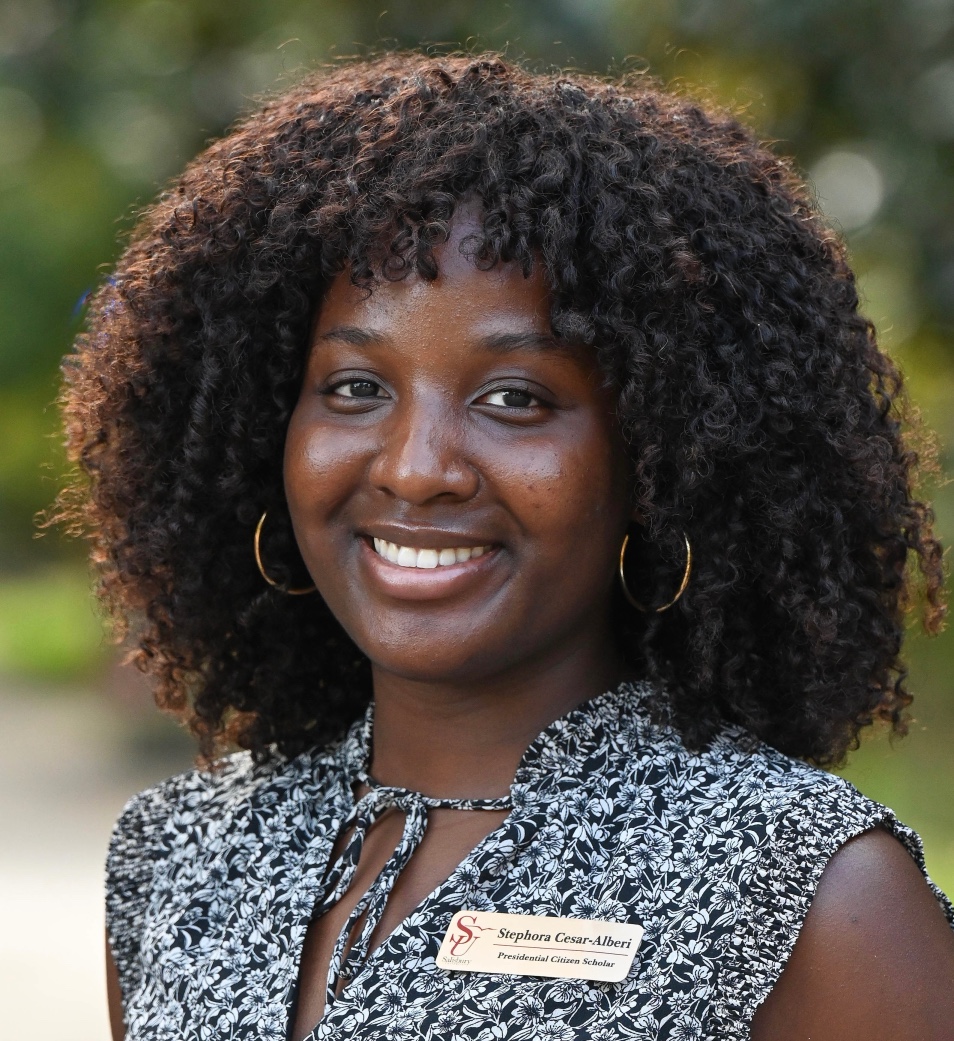
Stephora Cesar Alberi
- Scholar
- United States, France
- 2026 PhD Biotechnology
- Fitzwilliam College
Stephora Cesar Alberi
- Scholar
- United States, France
- 2026 PhD Biotechnology
- Fitzwilliam College
I was first introduced to the world of computer vision during my time in Estonia. There, I participated in a computer vision in space course at the University of Tartu, where I learned how to apply various image processing techniques to autonomous systems. I was immediately enthralled and became fascinated by computer vision and its full potential. After completing my bachelor’s degree in computer science at Salisbury University, I returned to Estonia to partake in a year-long intensive research project at the Tartu Observatory, where I studied feature detectors. During my PhD at Cambridge, I will work with the CEB group to implement similar systems in microscopes in order to make them smarter and more self-sufficient. This development will greatly improve the imaging process for infectious diseases. My research is motivated by family members in Haiti who were affected by the 2010 cholera outbreak and are now facing a malaria epidemic. I believe computer vision can accelerate diagnostics and drug discovery for infectious diseases in vulnerable countries in the Global South. Moreover, I look forward to joining my cohort of Gates Cambridge Scholars and contributing to a community dedicated to research with meaningful global impact.
Previous Education
Salisbury University Computer Science 2026
University of Tartu Robotics/Computer Engineering 2024
Jon Chachula
- Alumni
- United States
- 2009 MPhil International Relations
- King's College
Jon Chachula
- Alumni
- United States
- 2009 MPhil International Relations
- King's College
As an undergrad, my interests took me around the world as I studied insurgent groups and how states and non-state actors chose to interact with them. At Cambridge, I read for an MPhil in International Relations with a focus on how states use military power to interact with other state and non-state actors and how an understanding of military capabilities shapes national strategic objectives.
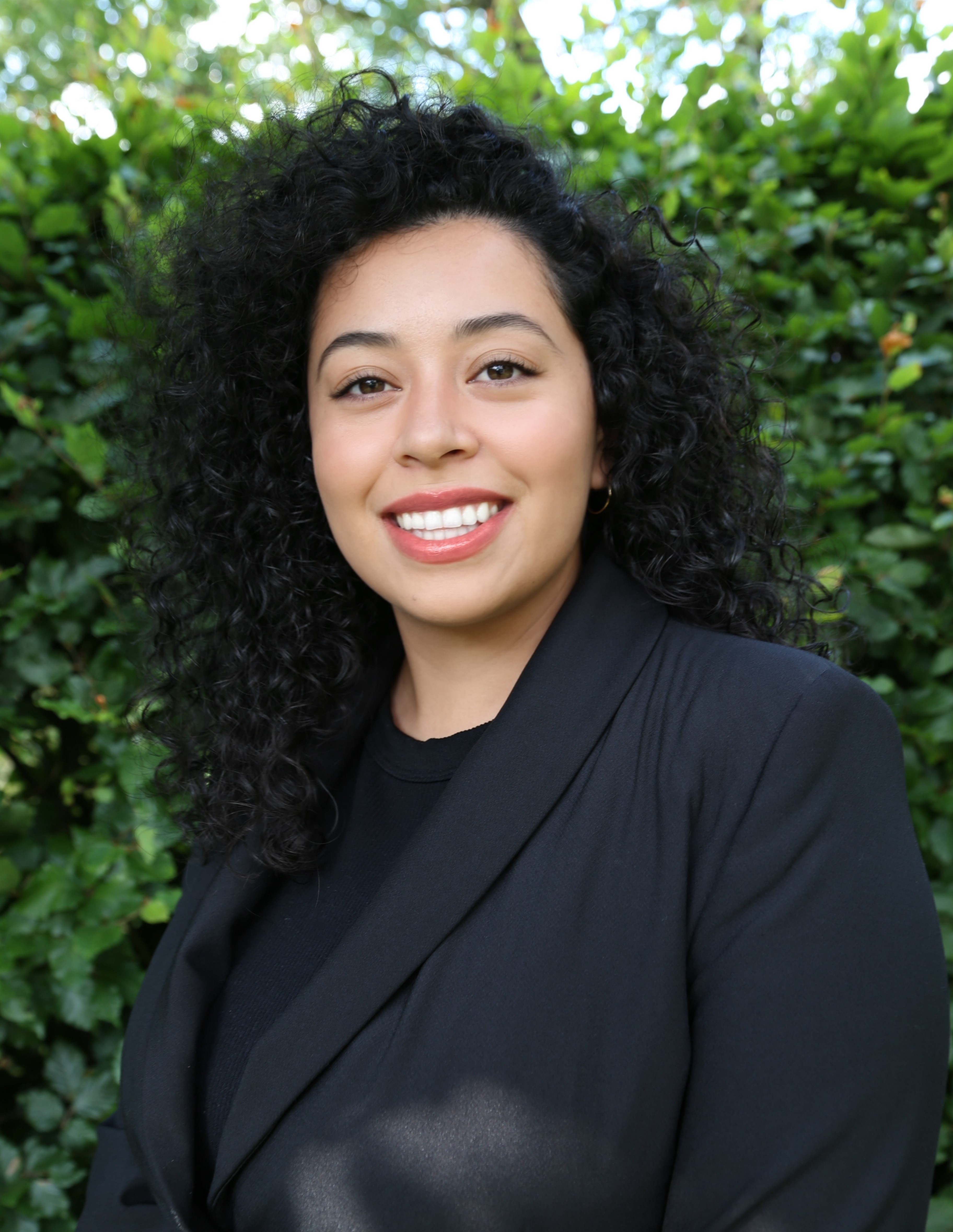
Kathy Chacón
- Alumni
- United States
- 2024 MPhil Film and Screen Studies
- King's College
Kathy Chacón
- Alumni
- United States
- 2024 MPhil Film and Screen Studies
- King's College
I grew up in Jurupa Valley, California and attended the University of California, Riverside, where I completed a Bachelor of Arts in Media and Cultural Studies. My undergraduate education at UCR, combined with my experience as a visiting film studies student at Queen Mary University of London in 2019, provided me with the opportunity to study film in a stimulating interdisciplinary context. Combining sociohistorical and aesthetic methodologies, I developed my academic specialism, which is to analyze film form to interpret symbolism, metaphor, and philosophical meaning with the objective of exploring the representation of women in genre cinema. As a Film and Screen Studies student at Cambridge, I aim to expand upon my undergraduate research to produce scholarship that explores maternal horror in relation to the topics of motherhood, childbearing, and reproductive agency. Alongside my work in the academy, I plan to be a film producer, where I can champion nuanced, women-centered Latinx stories. I am deeply honored to be a Gates Cambridge Scholar and hope to pay it forward by ultimately creating a scholarship program of my own, one designed to provide vital resources and support to the next generation of arts and humanities scholars.
Previous Education
Queen Mary, University of London Study Abroad Program 2020
University of California Riverside Media and Cultural Studies 2020
