

Emelyn Rude's magazine Eaten has won a major award from the International Association of Culinary Professionals.
I wanted to write for something that would talk about food history in an accessible way which was accurate, good history. There was nothing around.
Emelyn Rude
A magazine on the history of food edited by a Gates Cambridge Scholar has just been named Publication of the Year by the International Association of Culinary Professionals.
The award for Emelyn Rude's magazine Eaten is part of the annual food writing and cookbook awards presented by the International Association of Culinary Professionals. The group itself was founded in 1978 by a group of cooking school owners and instructors seeking professional support. Well known chefs and tv personalities Julia Child and Jacques Pépin were some of the early members.
Eaten won in its category for Publication of the Year for publications printing under 300,000 copies. Eaten has only been going for a year and a half and was set up through a Kickstarter campaign. “I wanted to write for something that would talk about food history in an accessible way which was accurate, good history. There was nothing around,” says Emelyn.
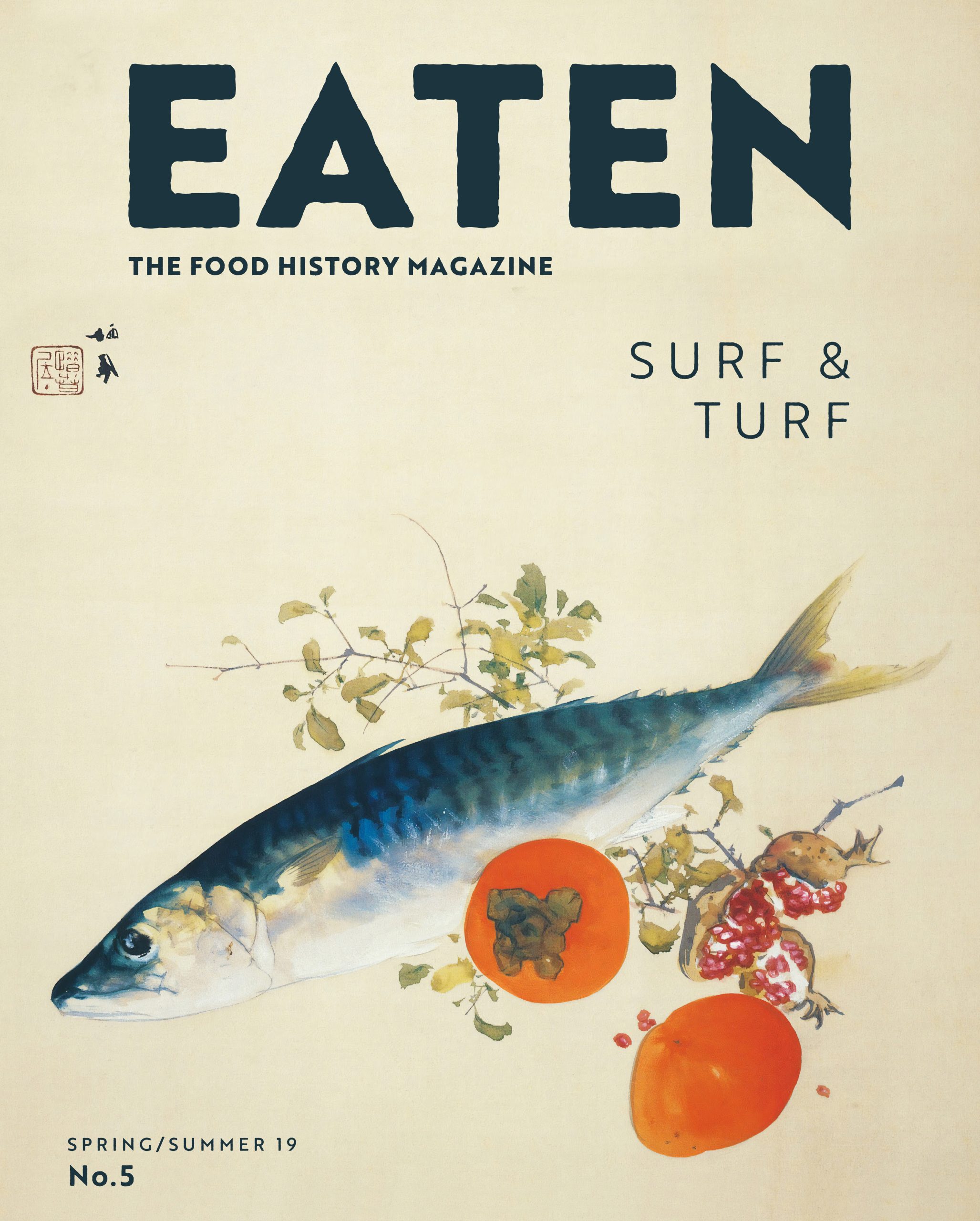
Emelyn [2018], who is author of the book Tastes Like Chicken: a History of America's Favourite Bird", is producing the magazine alongside her PhD studies and is about to launch the fifth edition on May 29th. Its theme is "Surf & Turf" [the cover is pictured above] and it features articles on lobster wars in Maine, the history of fluid beef, the practice of eating muskrat during lent and more.
Emelyn's PhD in History focuses on how past fish stock collapses have impacted national eating habits and the American food system as a whole. The research brings together several of her interests – food, history and the marine environment.
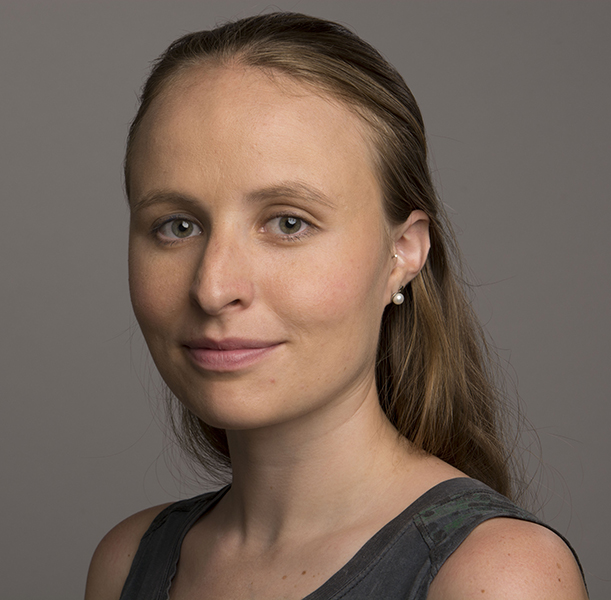
Emelyn Rude
- Alumni
- United States
- 2018 PhD History
- King's College
As the daughter of two globetrotting agricultural economists, I've always been fascinated by why people eat what they eat. My obsession with what's for dinner led me to work in the basements of some of New York City's finest restaurants, to test recipes in the kitchens of renowned cookbook authors, and to sift through the archives of the man who invented the chicken nugget. As a National Geographic Explorer and avid scuba diver, I also care deeply about the natural world and the impact humans are having on the health of our oceans. My PhD research at the University of Cambridge will combine these two interests to focus on how past fish stock collapses have impacted national eating habits. It is my hope that this work will provide a new mode of understanding the social effects of these environmental and economic catastrophes. A graduate of Harvard University with a degree in Social Studies and a current Cambridge MPhil student studying Economic and Social History, I am also the author of "Tastes Like Chicken: a History of America's Favorite Bird" and the founding editor of Eaten: the Food History Magazine.
Previous Education
Harvard University
University of Cambridge