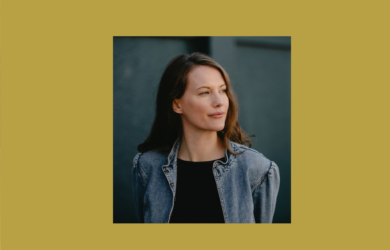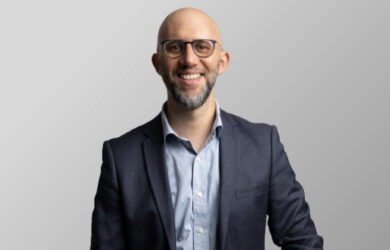


Gates Cambridge Scholars are selected in part for their leadership potential, but what does leadership mean for them? Our recent podcast series explored just that.
It's not all on one person. We're not all expecting too much from one person. We can get band together and help each other. It takes a village.
Seetha Tan
Gates Cambridge Scholars are selected for their leadership potential as well as their academic excellence and commitment to improving the lives of others. But what does leadership mean to them and how do they tackle some of the complex leadership questions of our time?
This year’s series of the Gates Cambridge podcast So, now what? has just finished. It focused on leadership and spanned everything from how to lead ethically and for the longer term in a short-term world to how to lead a bunch of leaders and how to lead with hope. The series also offered an opportunity to interrogate what leadership means in today’s world, with every episode challenging the traditional idea of what a leader is.
The picture that emerged was one of leadership as a community effort rather than being about the traditional individual hero or heroine.
Seetha Tan
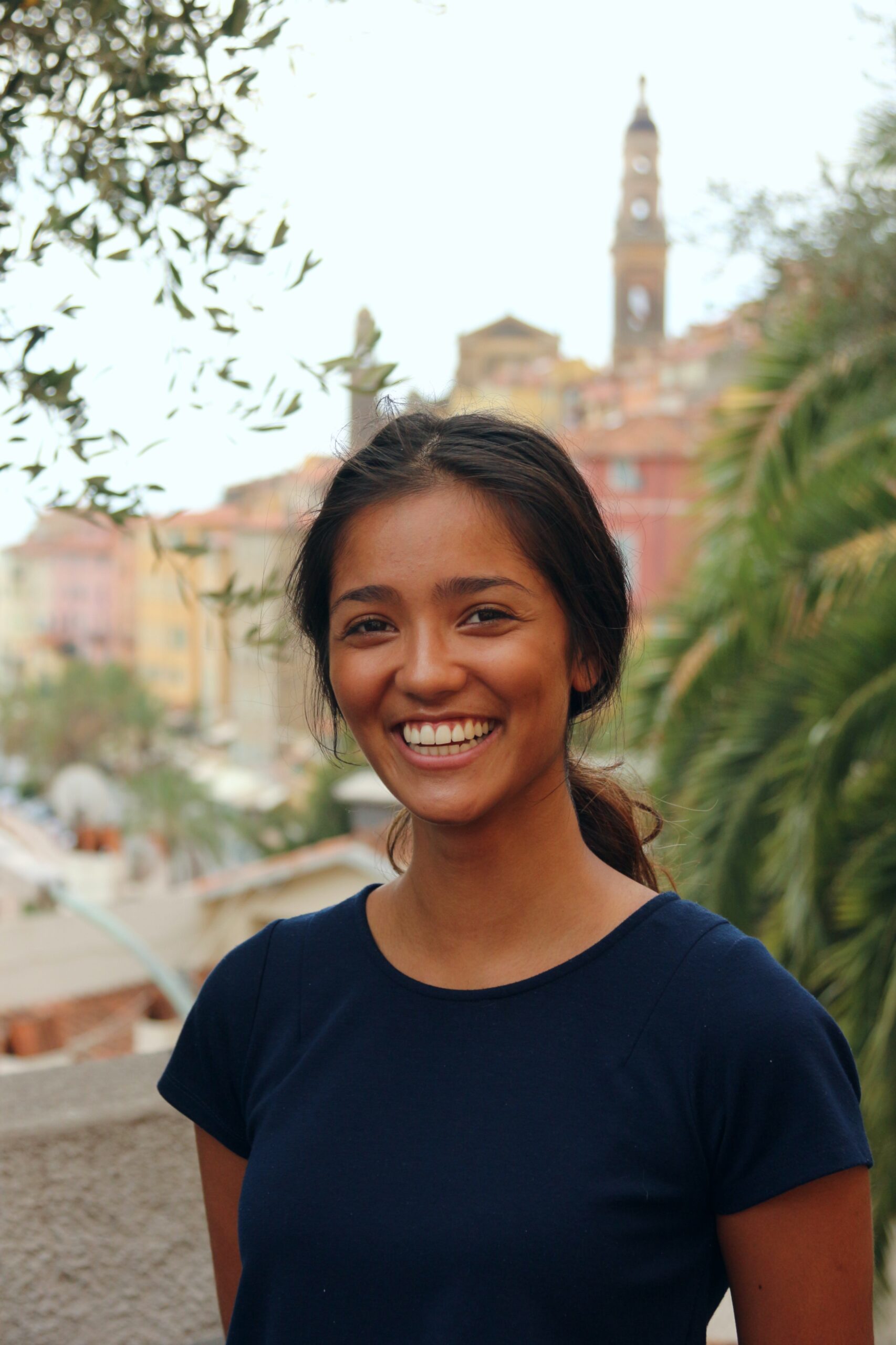
Seetha Tan [2022, pictured right], who took part in an episode about leading for the longer term in a world focused on the short term, said: “I struggle to place my value of leadership on an individual. I think there are so many incredible movements and they’re often very small. Local food banks and spaces of community care, I think, are more where I would place my aspirations about leadership. So I think it’s maybe more about models of leadership than a specific leader. And that’s so interesting in a time of chaos and a time of uncertainty. It’s like, well, don’t worry. It’s not all on one person. We’re not all expecting too much from one person. We can get band together and help each other. It takes a village.”
This is very much in keeping with the idea that the Scholarship is creating a community of leaders who can support and inspire each other. As Jennifer Gibson [2001], a Scholar from the very first year of the programme, commented recently: “Here was a scholarship with an important mission – to make the world a better place. We couldn’t do that on our own so we had to figure out how to bring people together so we could all benefit from the common sense of purpose that binds us and change the world for the better.”
Ethical leadership
An interest in ethics is also an important trait of the Scholarship and that extends to leadership. Amy Zhang[2011] and Reham Hosny [also known as Reham Aboud – 2025] debated ethical leadership in the context of rapidly evolving technology in the first episode of the series. They argued that we must prioritise human dignity and rights in technology development, including exploring alternative social media platforms.
Reham and Amy emphasised the importance of community empowerment, ethical practices and the role of creatives in shaping a better future. The conversation highlighted the need for transparency, human dignity and the potential for technology to serve the underrepresented, while also addressing the complexities of moderation and resistance in digital spaces.
Reham asked: “What would resistance look like if AI systems were developed and designed in a way to support resistance, to support marginalised communities rather than supporting corporations or the oppressive governments or authoritarian regimes? To make this a reality, there is a crucial role that should be played by everyone, from readers to scholars to researchers, to believe in the right to resist, to believe in the right of free speech and to believe in the principles of protecting human dignity, human rights.”
Leading for the long term
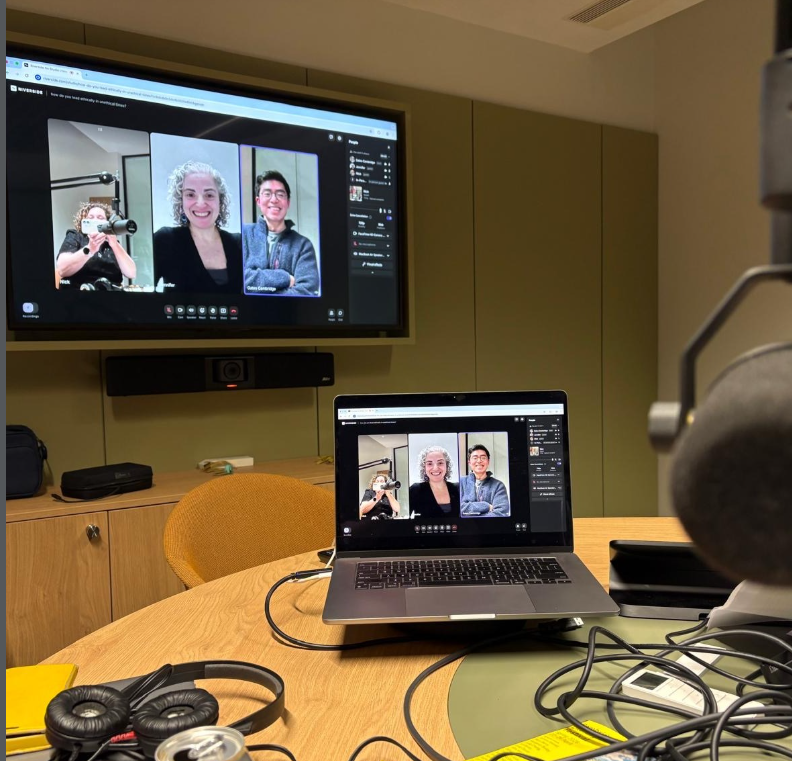
Justin Wei and Jennifer Piscopo debate leading a bunch of leaders
The second episode saw Halliki Voolma [2011] and Seetha discuss how you lead for the longer term in a world of rapid change. In addition to discussing the value of collective leadership and community action, they talked about the importance of gender equality policies, the role of storytelling in leadership and the necessity of balancing short-term responses with long-term goals. They highlighted the importance of openness, listening and staying true to their values amidst chaos.
Episode three was a Gates Cambridge special: how to lead a bunch of leaders and featured Justin Wei [2023], former President of the Gates Cambridge Scholars’ Council. His research focuses on community leadership: queer activism, cultural production, publishing and high politics operated as productive arenas for solidary action amongst generations of Afro-Caribbean, South Asian, and East Asian migrant communities in the UK.
He spoke to Jennifer Piscopo [2002], Professor of Gender and Politics and Director of the Gender Institute at Royal Holloway University of London, about diverse leadership styles, the importance of empathy and moral clarity in leadership and how leaders can balance strength with compassion in today’s complex world. The two scholars challenged traditional notions of leadership and offered fresh perspectives on leading with steadiness and care.
They also spoke about the need to choose when and where to lead in order to avoid overwhelm and to be able to adapt to different people’s needs. Justin talked about the importance of letting go in a situation of leading leaders. He states: “Learning to let go can sometimes actually be the best way to lead capital L leaders.”
Jennifer said that, rather than the traditional, hierarchical view of leadership as being top down, she believes listening is key to being a good leader. She stated: ”I don’t often like to be the first person in the meeting that speaks. I like to speak in the middle or the end of the pack because I like to listen to what other people say. And, of course. I have the things that I want to say, but what I’m thinking as other people are speaking is, well, what’s their real concern? What are they prioritising? What are they worried about? How can I make my points resonate in a way for them that they feel that if they listen to me, it will address their concerns?”
Doing things differently
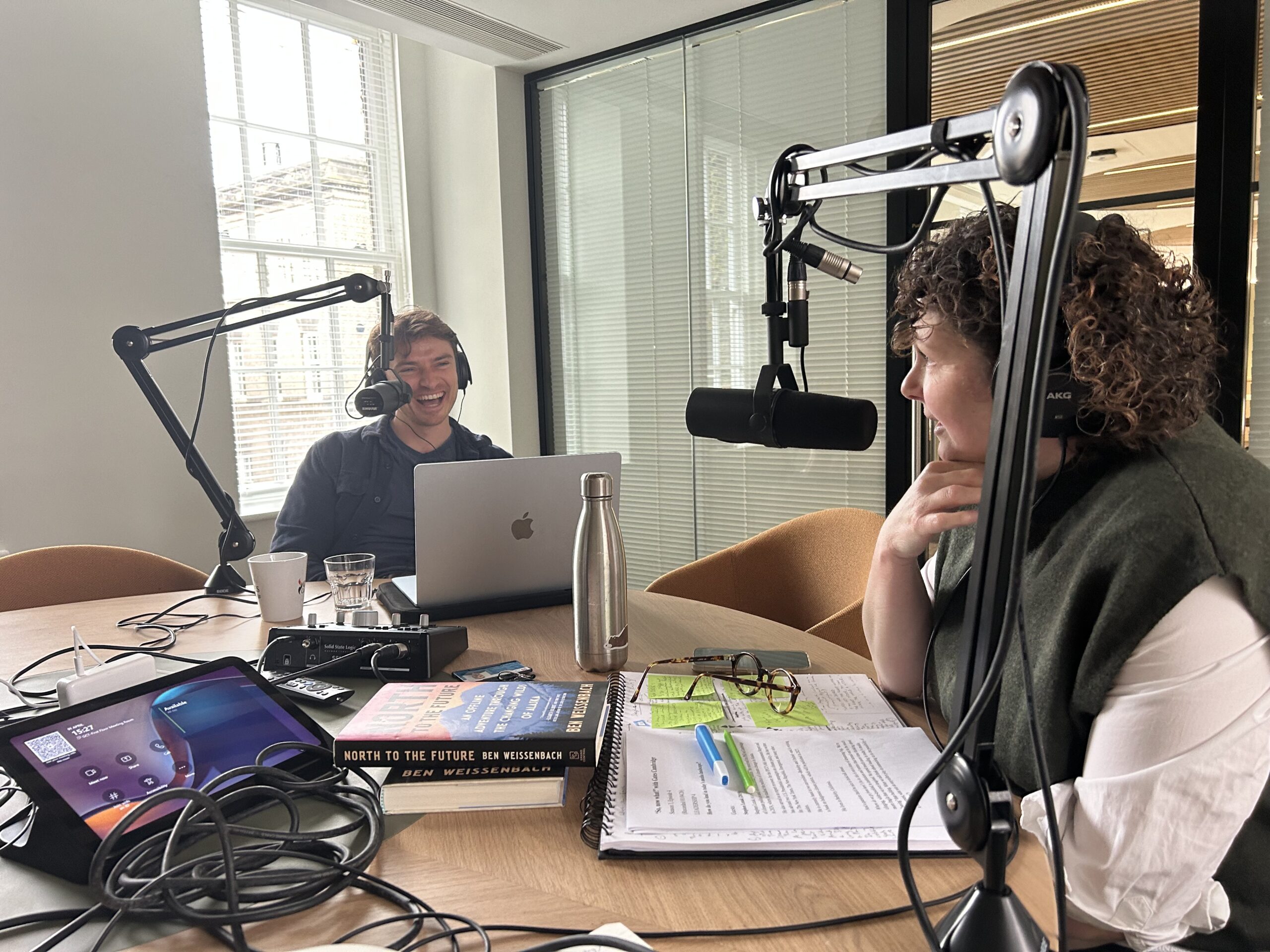
The podcast also highlighted the importance of leaders not being afraid to do things differently. In an episode on how to lead in a 24/7 media environment Stephen Lezak [2019] and Ben Weissenbach [2023], both PhDs in Polar Studies and both authors on climate change, talked about writing, reporting and trying to keep climate change onto a constantly shifting and overcrowded news agenda.
Ben spoke about the importance of telling climate stories in fresh ways. “I think we need to be able to tell stories that aren’t really about fear or guilt, but are also about open to a diversity of different experiences and futures and that are trying to provide information rather than maybe corral people towards a course of action,” he said.
The two discussed the ways that the media environment incentivises a particular pace of narrative and a particular kind of story. By combining their academic studies with their writing they said they are able to explain the nuance of stories and stand out by being different from the mainstream. They also discussed long form writing, the craft of storytelling and how podcasts and other formats for covering stories in greater complexity are important in a world of a news agenda that caters to ever-diminishing attention spans.
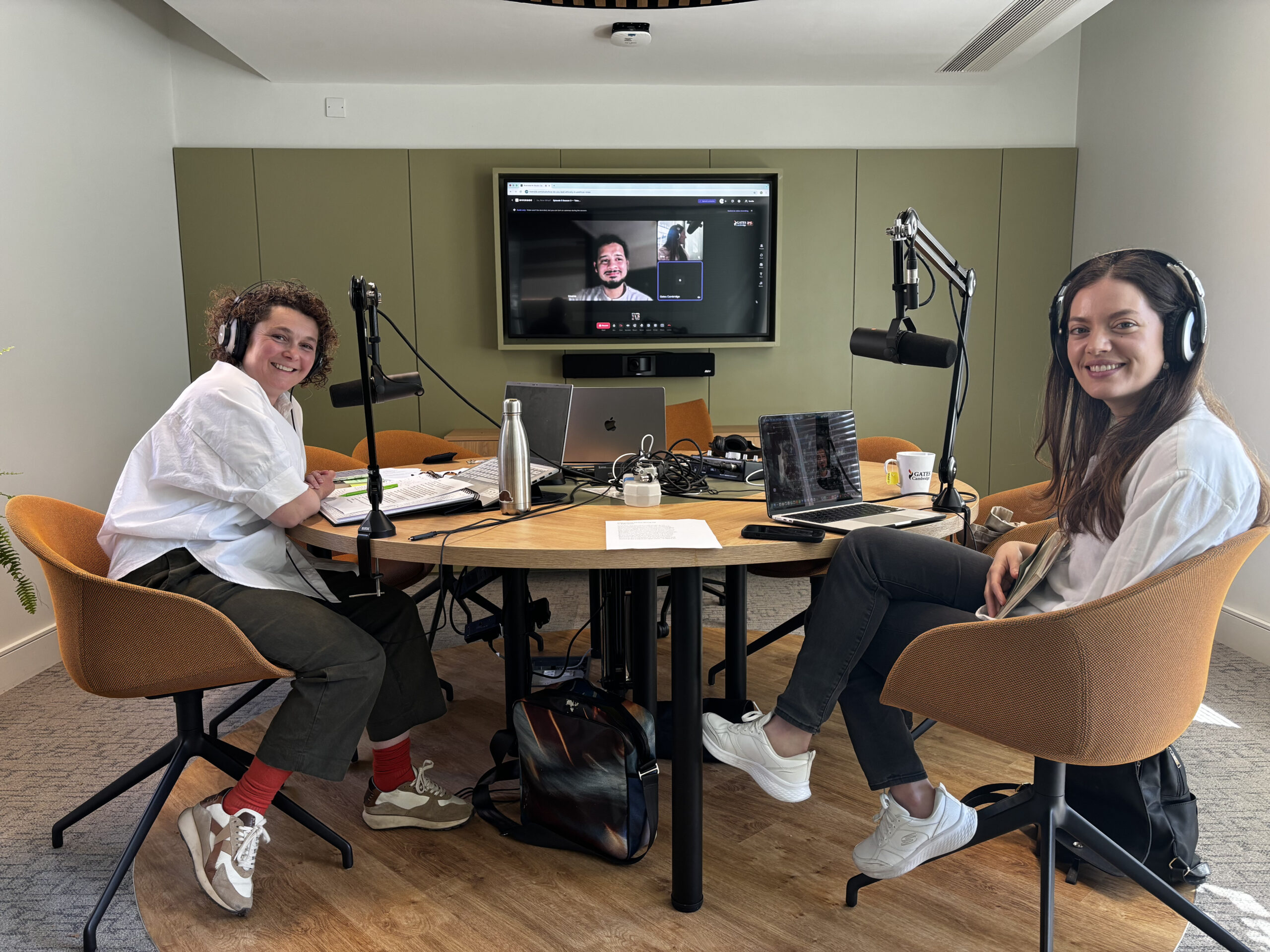 The final episode was all about leading with hope. Usama Javed Mirza [2022] and Ana Rojo Fierro [2024] spoke about their research as well as other initiatives, including their collaboration on the Palestinian Educational Opportunity Initiative – where scholars help students in Gaza gain access to educational opportunities around the world – and Usama’s work on mental health.
Both emphasised that leading with hope begins with taking small steps, even amidst what seems to be a background of total despair.
Usama said: “I think that if we just begin with the individual, we begin with what can I do today by speaking to someone else and starting extremely small, even if it’s not going to meet any key performance indicators, it’s not gonna look great on a grant application, it’s not going to be something where people are going to go, wow, you’ve done something amazing or innovative or whatever. I think these words really constrain us and they make us forget our humanity and they make us forget the amazing qualitative, intangible, but very, very powerful impact you make by just engaging with other people and then seeing what happens from that…I think that is what I want to leave this conversation with, that we need to stop doom scrolling. We need to stop feeling this sense of despair because the people on the ground are feeling that despair, but they’re still doing something. So let us learn from them, let us speak with them and that will transform us.”
*Listen to the whole series, presented by Catherine Galloway and produced by Nick Saffell and Mandy Garner, or catch it on our YouTube channel.