

Nurul Huda Aslari Effendy's PhD asks asking how social structure shapes disease transmission in non-human primates living alongside humans
Conflict and coexistence are more than conservation challenges. They are evolutionary forces shaping both human and non-human primate species across shared landscapes.
Nurul Huda Aslari Effendy
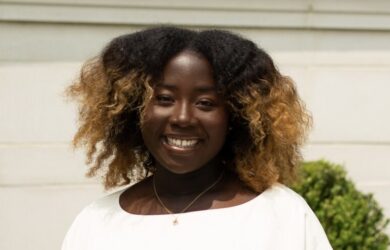
Nurul Huda Aslari Effendy [2026] – or Huda – is a monkey whisperer. She grew up with monkeys snatching food from her garden and spent long hours watching them on campus to try to understand their behaviour.
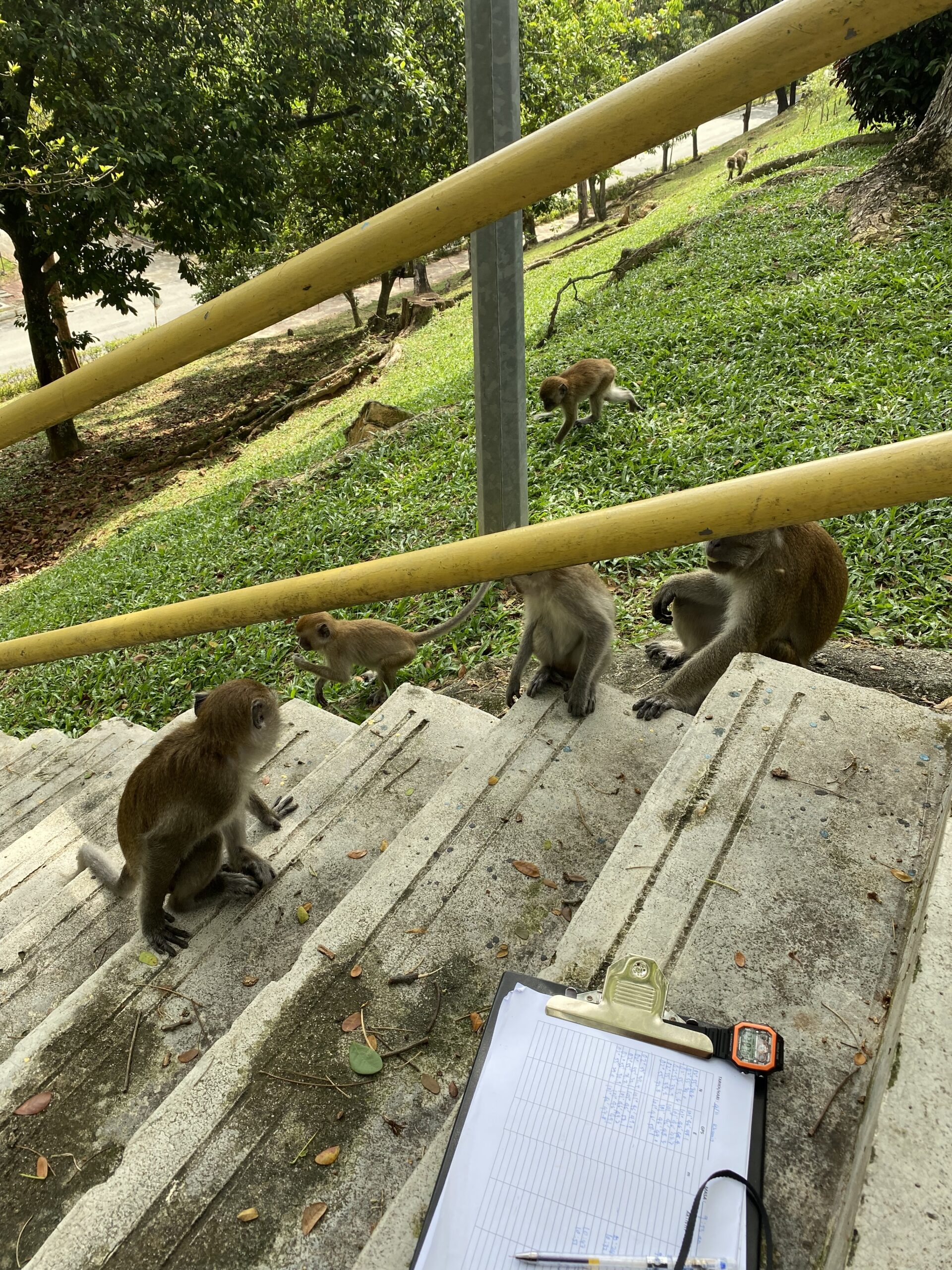
Macaques on campus
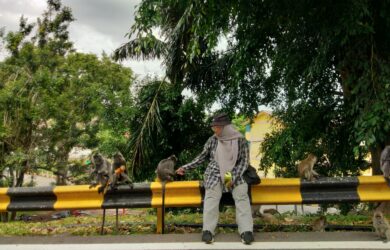
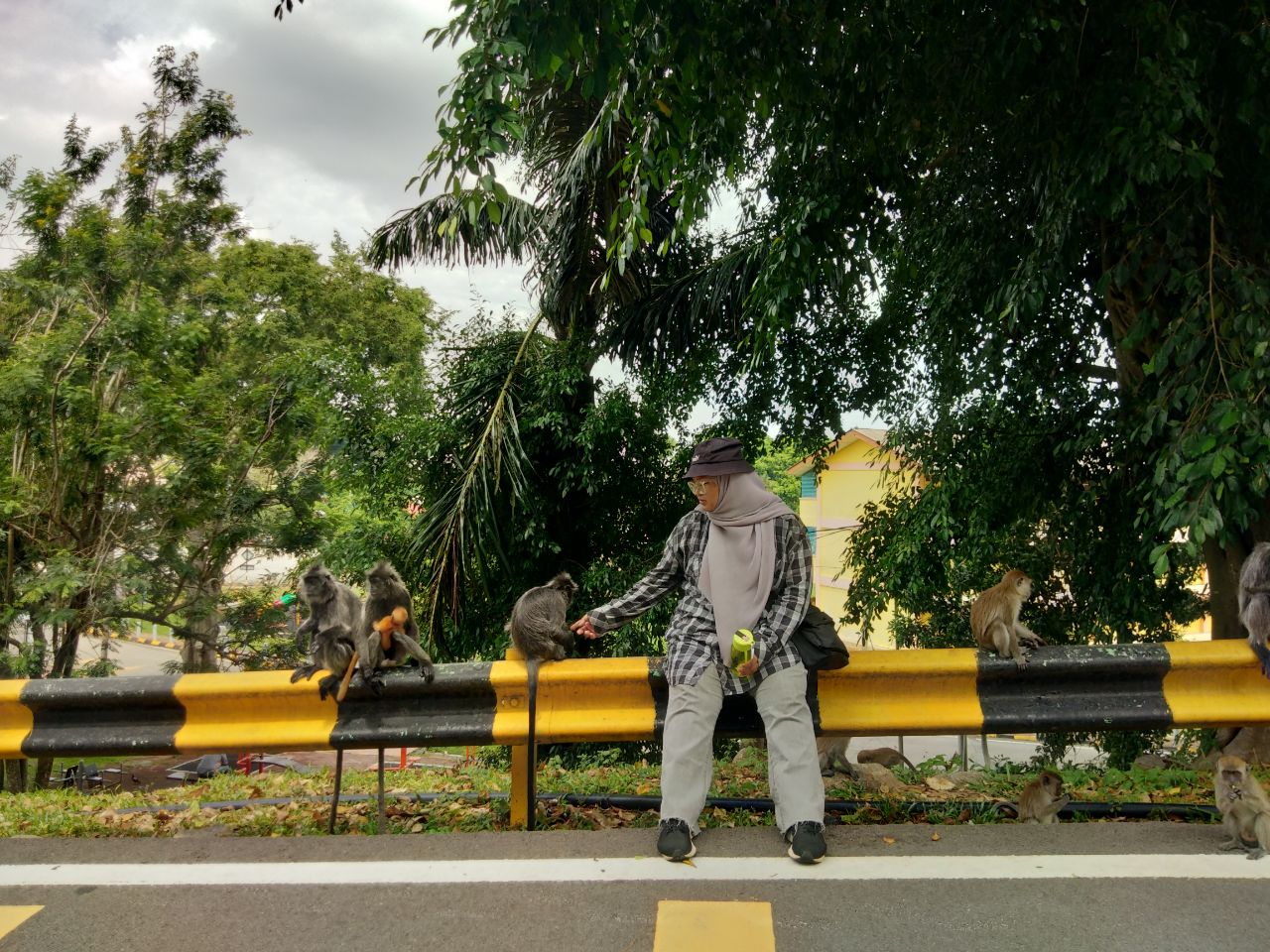
At her university in Malaysia there were 600 long-tailed macaques on organised into 10 groups and Huda knew every single one. That meant she was able to produce a digital map to show the range of each of the species groups and to predict where they might be at specific times of the day. It also highlighted potential conflict zones.
To create it Huda had to follow the macaques every day and mark the overlapping areas between the 10 groups. “Growing up with monkeys I was not afraid of them and I knew their capabilities. I learnt how to differentiate between them based on moles or injuries or other features, just as people do with humans,” she says. “And they got used to me and were not aggressive to me.”
She says they even tried to protect her and recalls one occasion where she was observing them when they started making aggressive noises and moving in strange patterns. It turned out that there was a python near her. “They were warning me as well as other members of the group,” she says. “We had formed a co-relationship.”
For her PhD, which she started this autumn, she will be studying disease transmission between monkeys that live in close proximity to humans.
Childhood
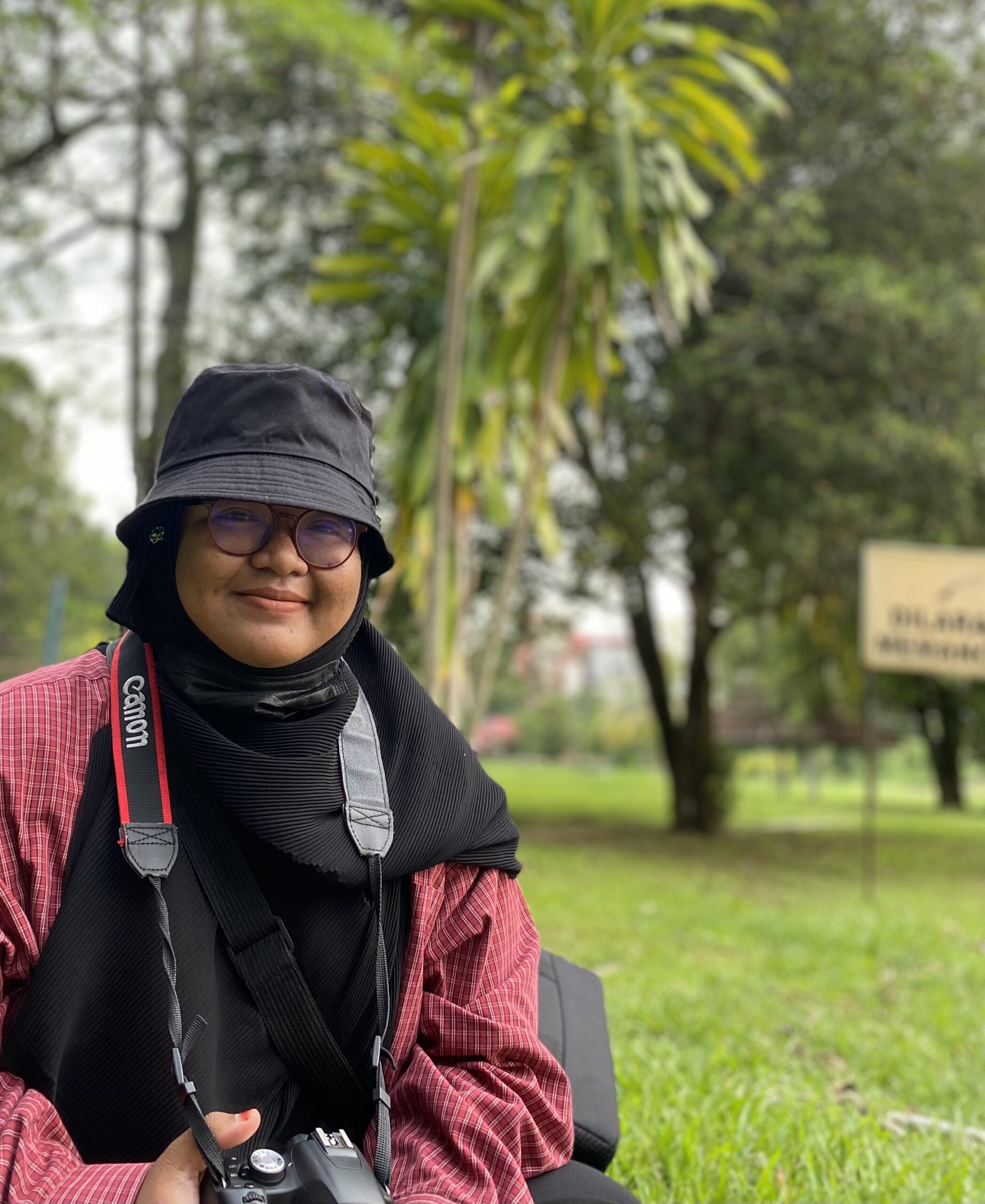
Huda on campus
Huda grew up in a rural village in Selangor state in Malaysia. Her family didn’t have much money and her parents had a small garden where they grew vegetables to eat. Huda recalls spending much of her time fending off monkeys who would come into the garden to snatch the food, damaging the crops in the process. “Every evening my dad would say there’s a monkey in the garden and we would go with our slingshots to try to get them to leave. Some days I got bitten or they would chase us,” she says. “Some days they would even come into our house and open the fridge or topple bins. They weren’t just looking for food.”
Huda is the eldest daughter of six children with a 12-year gap separating her and her youngest brother who is 16. She says family is very important to her and that coming to Cambridge is the first time she has been able to do something entirely for herself.
She grew up in a family where education was a top priority. Her parents worked really hard in a local factory and all their money went towards their children’s education. They therefore instilled in their children a belief that studying hard would open up possibilities for them and all of Huda’s siblings except her 16-year-old brother have attended university.
Huda attended local schools in the growing Banting area. She praises her teachers and says they saw her potential and encouraged her to develop her skills. She was put forward for Qur’an memorisation competitions and won first place at state-level for three consecutive years, advanced to the national round and secured first place in the national round once. She also took part in debates. Through this, she got to see different states in Malaysia which opened up her view on what was possible.
Her academic strengths lay in science and religious studies. Despite the barriers, Huda managed to get accepted at her first choice for university – to study Biology at Universiti Kebangsaan Malaysia [the National University of Malaysia]. She began her degree in 2017. During her four-year undergraduate course Huda did a small research project on non-human primates. She managed to gather up all her fieldwork data before Covid struck and so when movement was restricted she was already analysing her results. Her study was based on the feeding ecology of non-human primates that she had observed as a child and their interactions with humans. She was interested in exploring the conflict between humans and non-human primates and published papers linked to her work.
Undergraduate and master’s studies
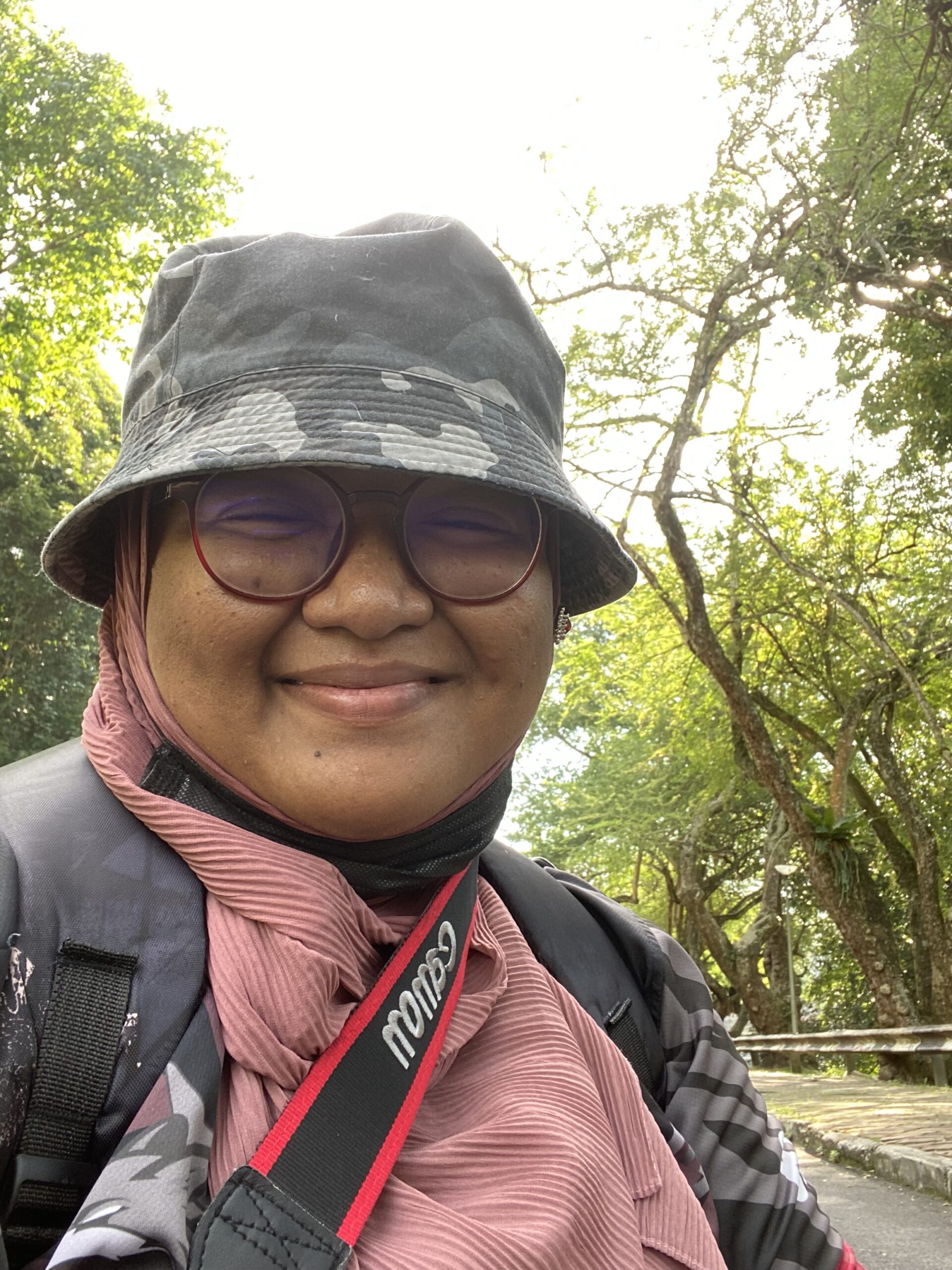 During her undergraduate years, Huda was also heavily involved in a cultural club that promoted Malay culture through dance, theatre and other art forms. She coordinated the programme, managed the club’s budget and liaised with government ministers.
For her master’s she continued to explore monkey behaviour, looking at how to control the population. Monkeys would roam freely on her university campus in Kuala Lumpur (Bangi) and she identified that there were four different species. She observed their behaviour which would often be aggressive – snatching bags at the entrance of the university’s accommodation building, for instance.
Huda finished her master’s in 2024. In her last year, as her father’s health deteriorated, she became the family’s main breadwinner and started working full time as a teacher, firstly in Kuala Lumpur and then in Banting at international and public schools where she prepared students for Science and Biology exams such as SPM [the Malaysian Certificate of Education], iGCSE and A Levels. She also taught primary-level students. She really enjoyed teaching the next generation and found it helped her own personal development. She taught her students to follow what they love and she feels that now that she is at Cambridge she is proof to them that pursuing that path works, even if you don’t come from a privileged background.
TikTok
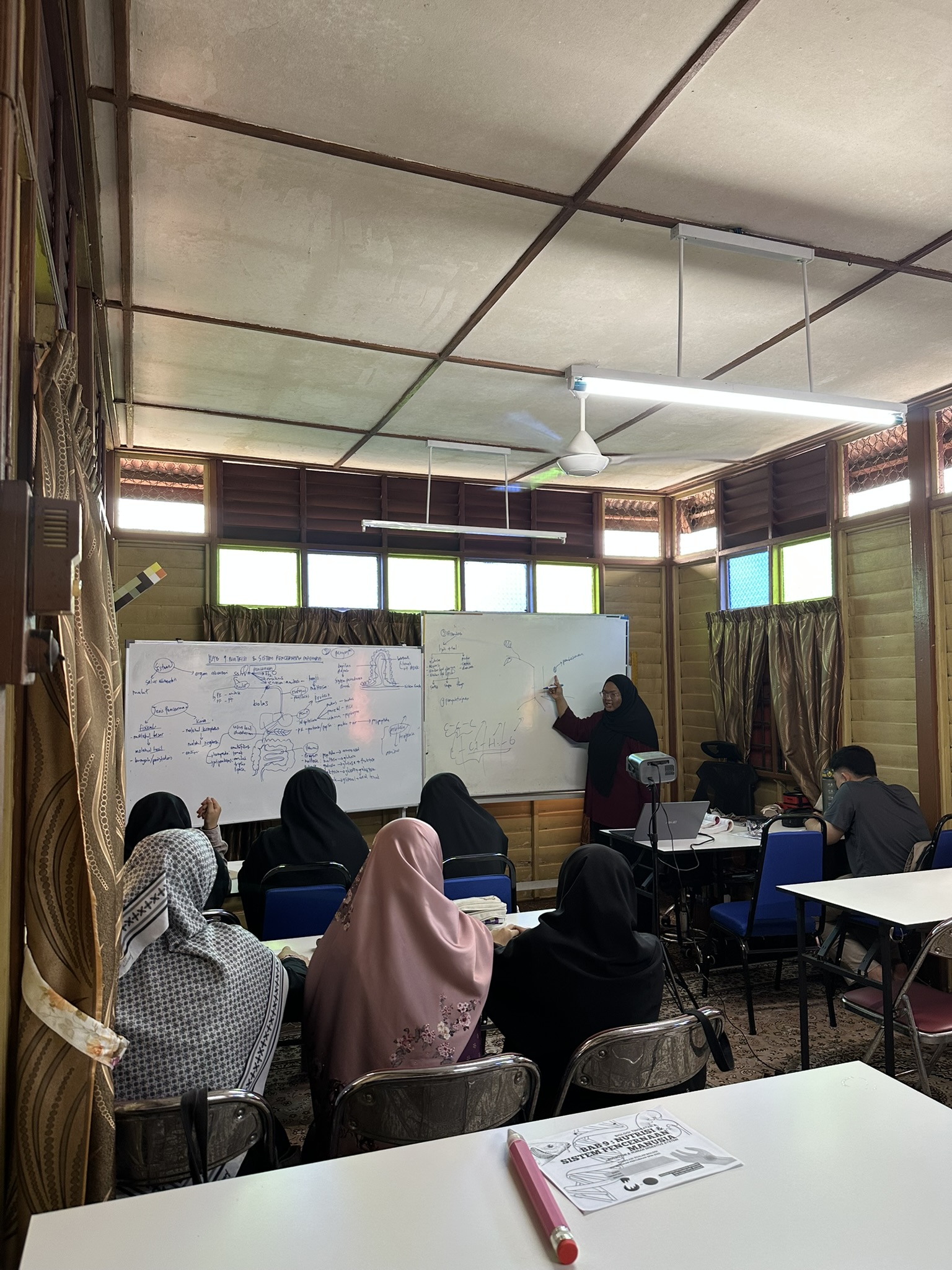
Huda at work teaching
Huda is still in touch with many of her students who follow her on her TikTok platform where she posts about her experiences in Cambridge to her thousands of followers. She feels it is important to show young people that science matters, particularly on a platform like TikTok, since many young people now see social media as the path to financial success. “To build our country, we need students that have proper knowledge about something,” she says. “I believe universities don’t just teach knowledge; they build character; they teach you how to learn.”
She believes she is the first Malay Gates Cambridge Scholar. “I want to be the door to show that Malay people can also achieve a scholarship even though there is a high poverty rate among Malays, and TikTok is the easiest way to reach them,” she says, adding that she gets lots of questions about how to apply to Cambridge as a result of her posts. “I try to apply to every one,” she states.
Cambridge
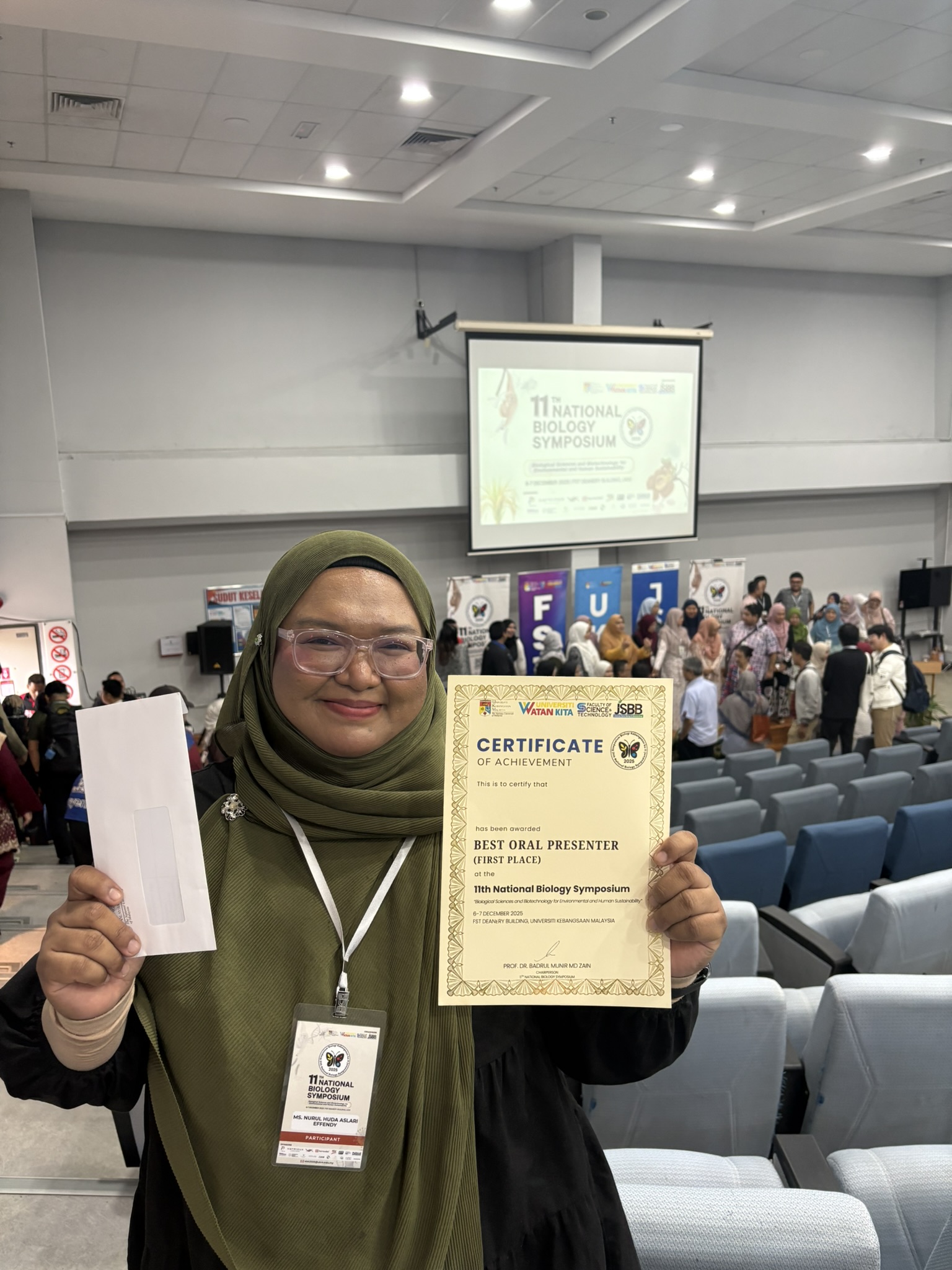
Huda receives certificate for her Biology prowess
Her decision to apply for her PhD in Biological Anthropology came at the right time for her family as another sister had just finished medical studies. She had been looking after her younger brothers while teaching and her mother had kept asking her where she would be doing her PhD. Her lecturers told her she should look overseas given her potential. So she Googled her now supervisor Dr Sylvain Lemoine who has similar research interests to her and emailed him. She had no expectation that he would reply and had decided that she would focus all her efforts on being a teacher if he didn’t. A week later, he replied. He suggested she apply to Cambridge and supported her through the process of applying for a Gates Cambridge scholarship.
For her PhD she is still focusing on non-human primates, but shifting from conflict to disease transmission, asking how social structure shapes disease transmission in non-human primates living alongside humans. To do this, she will integrate ethnoprimatology and One Health theories to trace how, within group dynamics, intergroup and interspecies encounters collectively influence pathogen spread.
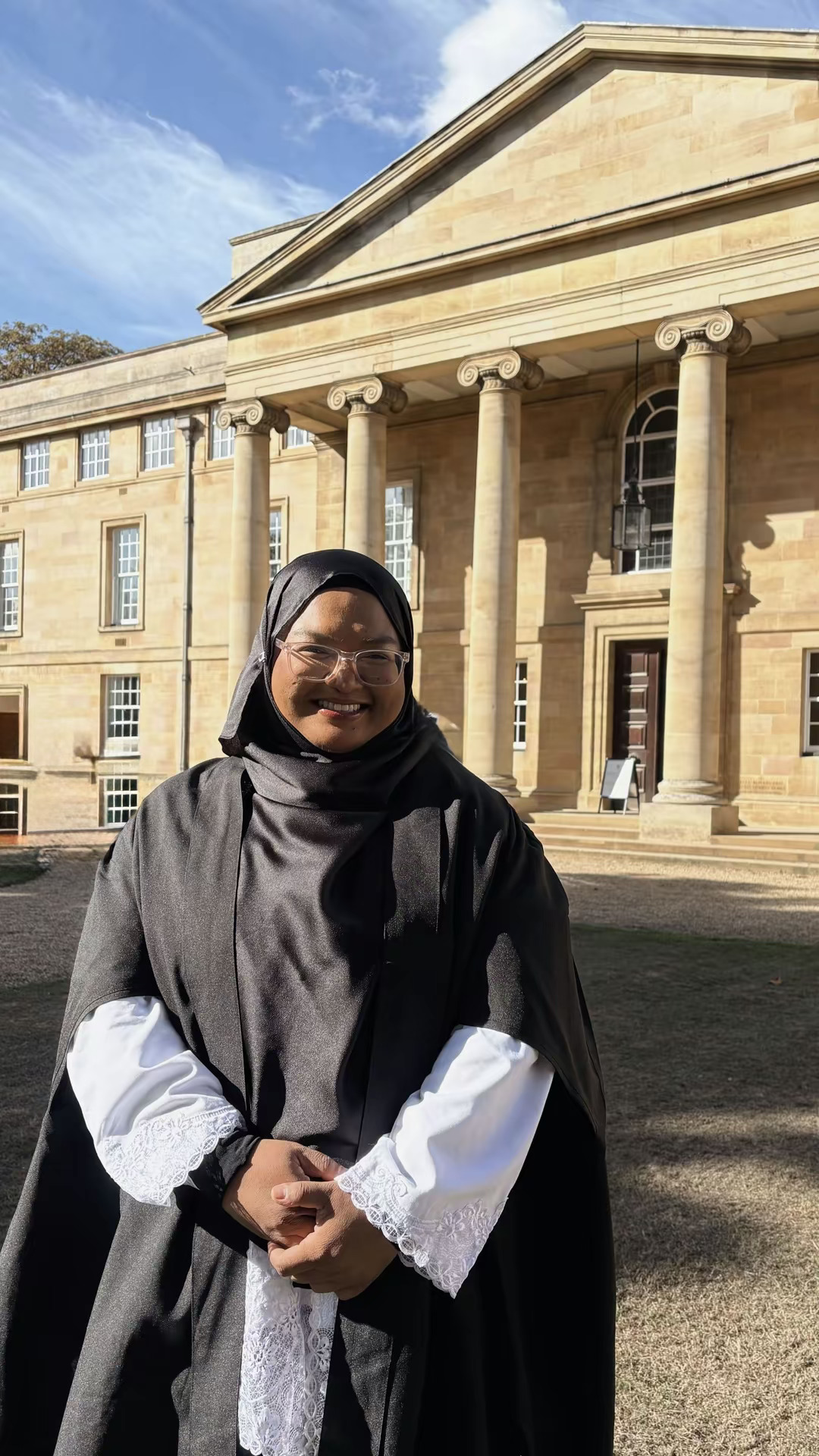
Huda in Cambridge
Huda says: “This matters because conflict and coexistence are more than conservation challenges. They are evolutionary forces shaping both our species across shared landscapes.”
Huda says she is fascinated by human evolution, more so because the study of it is forbidden in Malaysia due to religious belief. “The more forbidden it was, the more I wanted to study it,” she says. “I believe that if science and faith came from the same God then they should not contradict each other.”
She says her PhD will be the first time she has studied human evolution and she wants to bring that knowledge back to her country.
She is very excited to be in Cambridge and to be a Gates Cambridge Scholar, having felt the award was “too prestigious” when she first applied.
But now she is enjoying the community and the sense of openness in Cambridge.
“I love Gates Cambridge. I was worried about fitting in, but they totally accept me for who I am,” she says.