

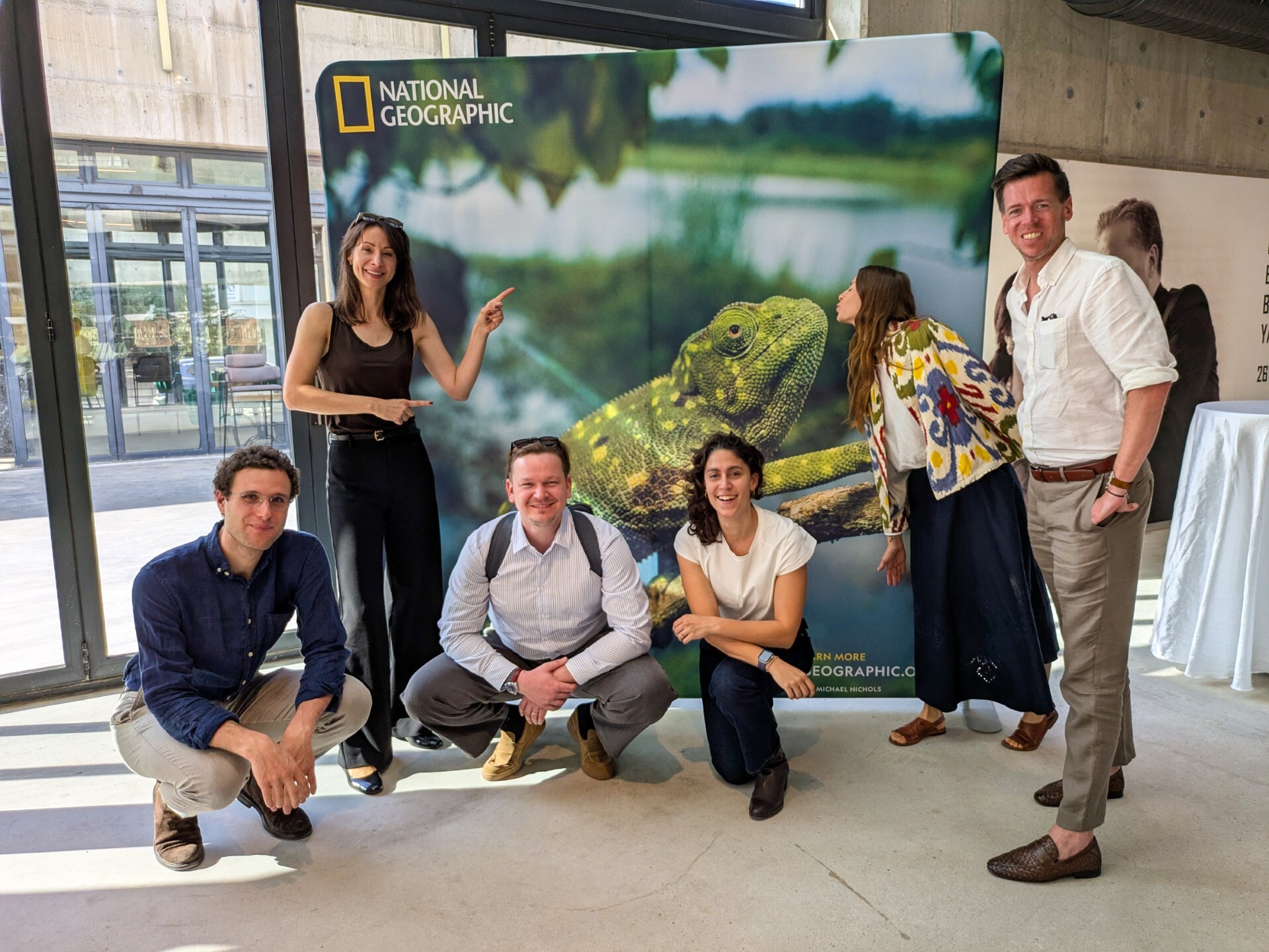
Sera Tolgay Marshall organised several events at COP31 to highlight new science in food and water security
Hosting COP in the Mediterranean was a chance for us to show that adaptation here depends on how we look after water, food systems and the ecosystems that support them, and that these can’t be treated separately.
Sera Tolgay Marshall
Gates Cambridge Scholar Sera Tolgay Marshall helped organise two events at COP31 in Antalya last week focused on new science related to water and food security and lessons from past climate change episodes.
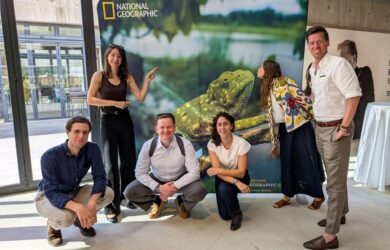
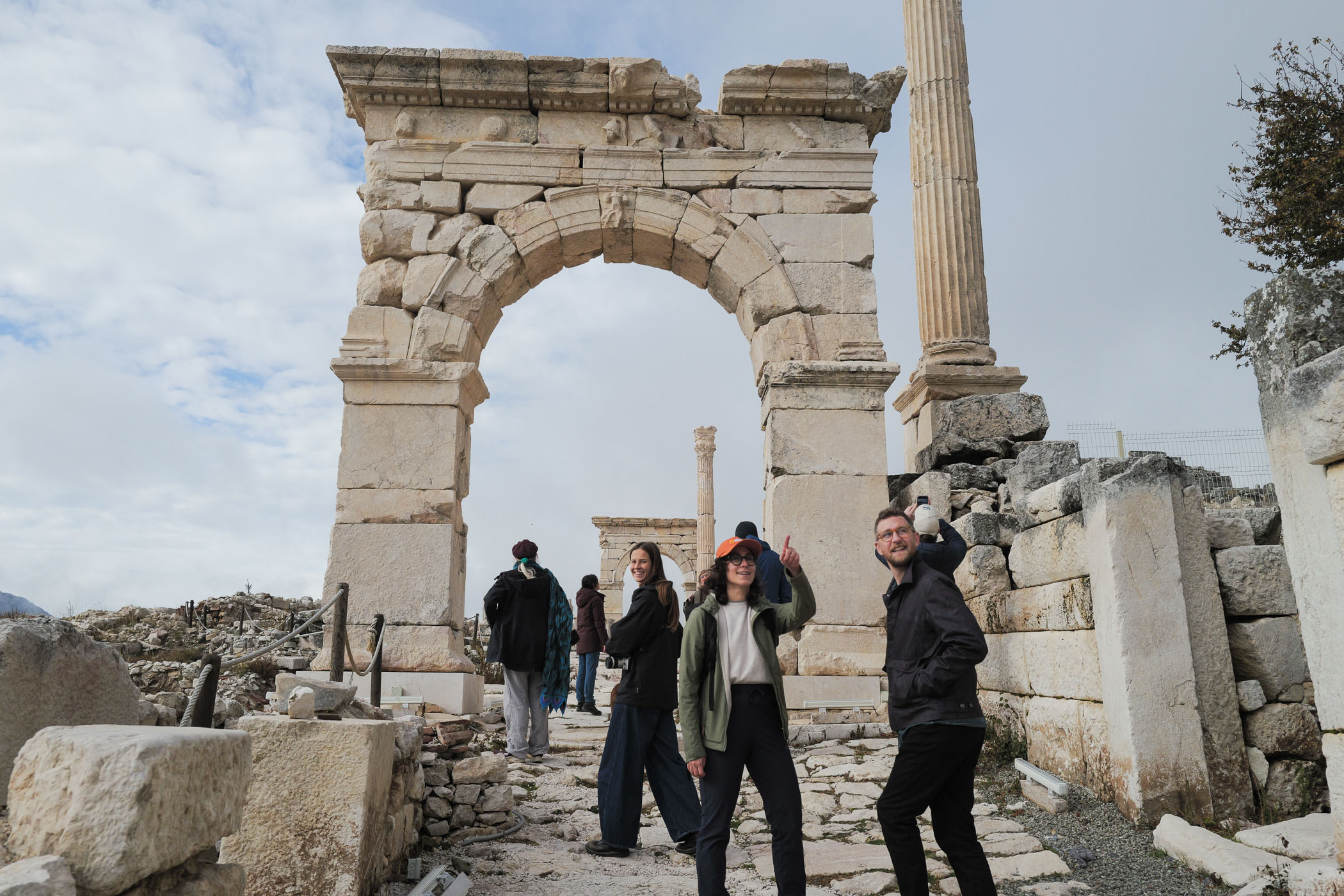 Sera, who is originally from Turkiye and doing a PhD in the Department of Engineering, brought together National Geographic Explorers and scientists working on climate adaptation in the Mediterranean and beyond.
The Mediterranean is one of the world’s climate hotspots. It is warming faster than the global average, and droughts, heatwaves and water scarcity are already putting pressure on the region’s rivers, farms, forests and communities.
Sera says: “Hosting COP in the Mediterranean was a chance for us to show that adaptation here depends on how we look after water, food systems and the ecosystems that support them, and that these can’t be treated separately.”
New science
Screenshot
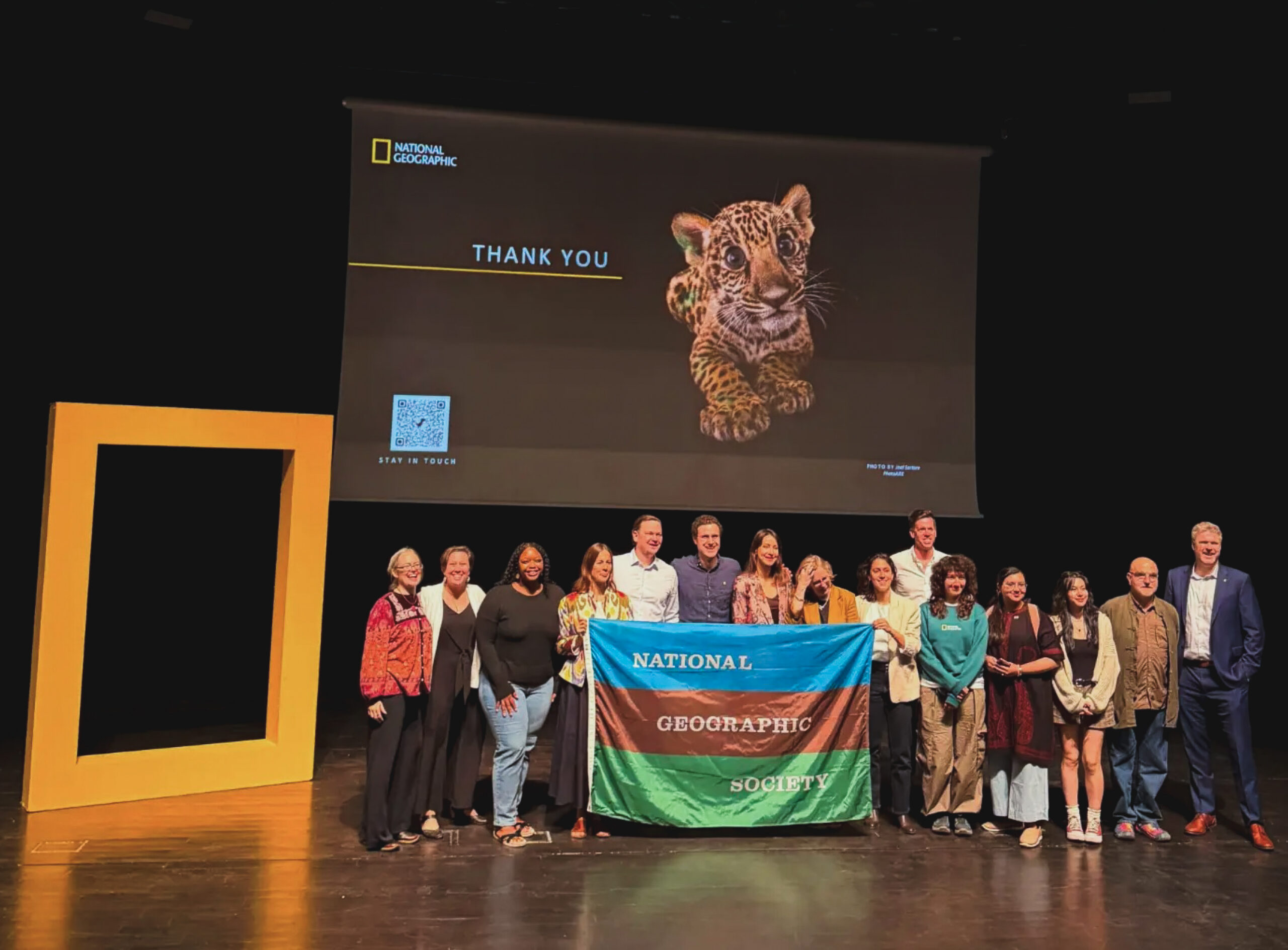
The two events (one co-hosted by the city’s municipality in a major cultural centre) and sessions in the Green Zone highlighted new science from the field, including:
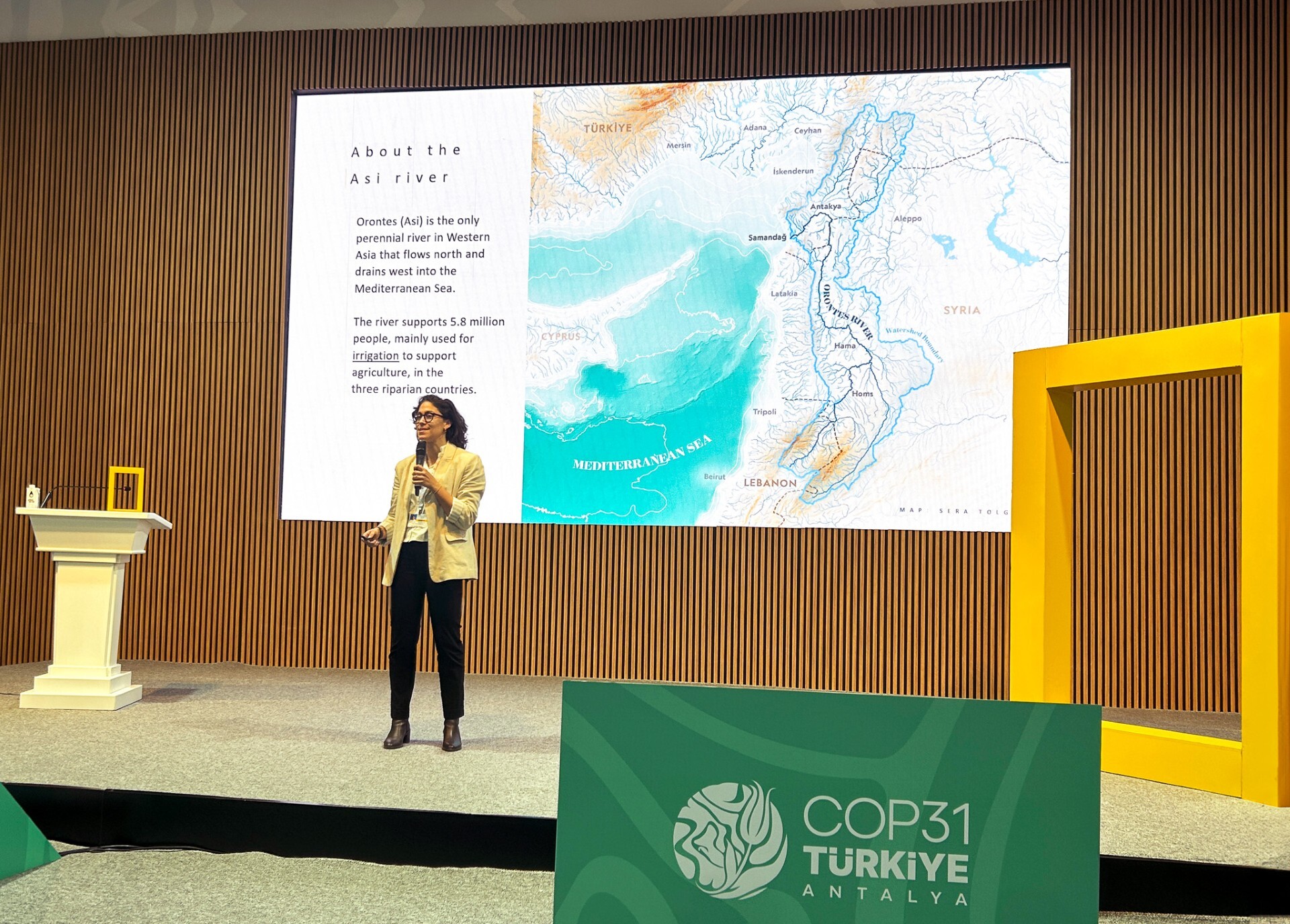
– Research on snowmelt and drought in Greek mountains, river and delta restoration in Türkiye’s Asi (Orontes) basin and the role of natural water systems in building resilience to extreme events and sequestering carbon, eDNA monitoring and karst rivers in the Balkans and youth-led water quality monitoring in the Sea of Marmara
– The importance of wild edible plants and rare endemic species for climate adaptation as well as the need to protect Mediterranean forests and trees such as olive, carob and stone pine which are increasingly at risk from wildfires and to promote regenerative agriculture to protect the soils we depend on
– How ancient communities at Sagalassos in Turkey responded to abrupt climate change.
Speakers at the events, which drew hundreds of attendees and extensive news coverage, included National Geographic’s Science Director Dr Ian Miller and Director for Europe and West Asia Dr Claire McNulty, along with Explorers Konstantis Alexopoulos (also a Cambridge PhD candidate at the Scott Polar Research Institute), Dr Iva Njunjić, Dr Matej Vucić, Nick St. Oegger, Ela Gökçiğdem, Dr Emma Baysal, Dr Magda Bou Dagher Kharrat, Dr Benedetta Gori and photographer John Stanmeyer.
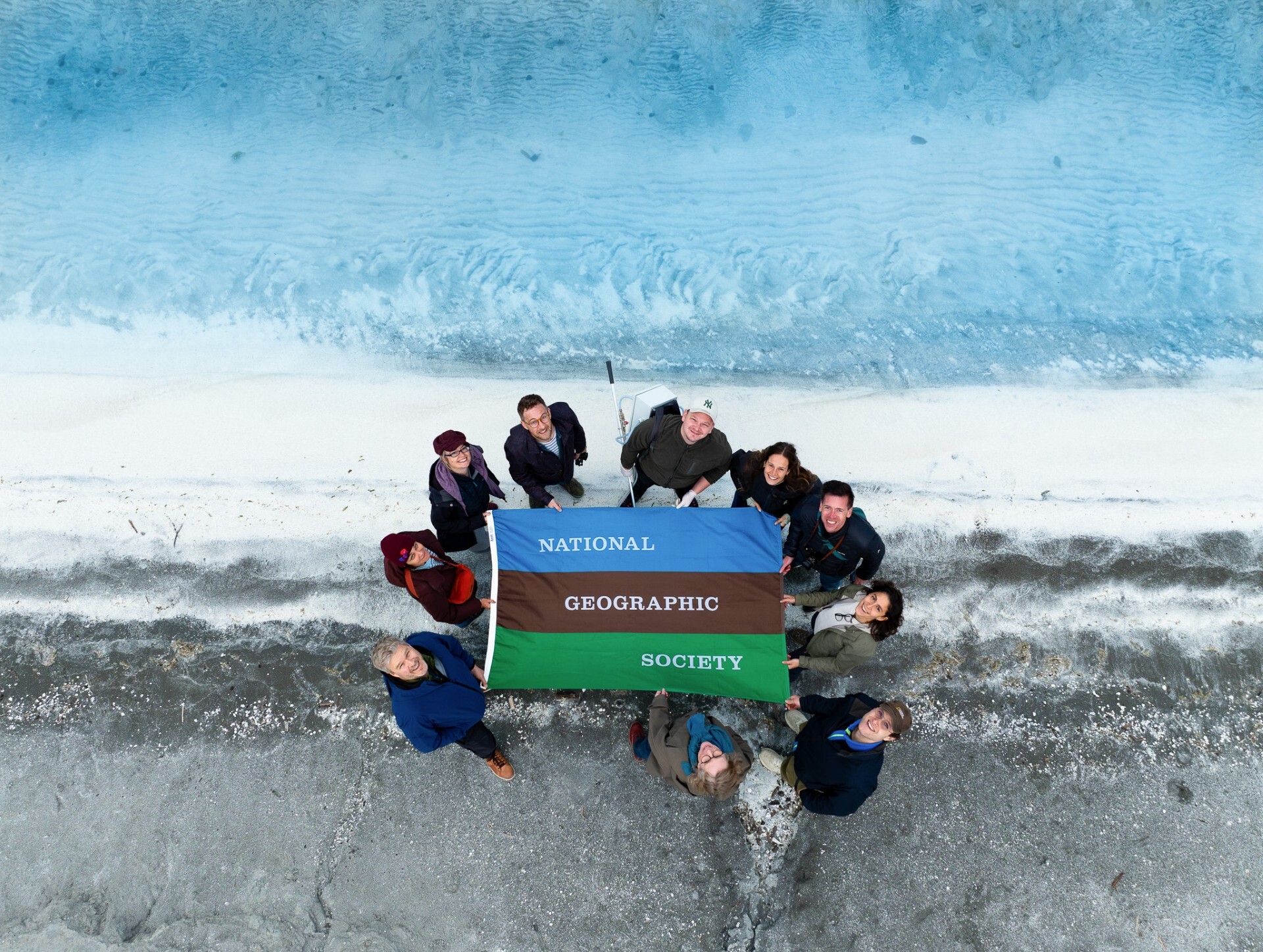 Outside the conference halls, Explorers also visited the places and landscapes they are actively working on. At the ancient city of Sagalassos, archaeologist Emma Baysal led a visit exploring how its communities responded to abrupt climate change and regional deforestation.
The group then travelled to Lake Salda in Burdur, which is applicable to the study of evidence of early life on Mars. In March 2021, NASA reported that its Mars surface-exploring rover Perseverance showed that “the minerals and rock deposits at Lake Salda are the nearest match on Earth to those around the Jezero Crater where the spacecraft landed”.
The lake’s microbialites, rock-like mounds built with the help of microbes, are a rare natural phenomenon. They grow where groundwater seeps into the lake, which leaves them especially exposed as droughts and heavy groundwater pumping pressure have shrunk the lake from about 44 km² to well below 41 km² in five years. At Salda, Sera and her team sampled water to begin to understand how these changes might be affecting the microbes that build the microbialites. Using environmental DNA (eDNA), the tiny traces of genetic material that living things leave behind in water, they hope to build a more complete picture of the life the lake holds.
Research
 Sera’s doctoral research investigates how continental drying is reshaping terrestrial water storage in the Eastern Mediterranean. She uses satellite earth observation and machine learning to quantify the impacts of water storage change in basins where monitoring data is sparse and access often has to be negotiated across borders.
She also combines field hydrology with environmental DNA and water quality sampling to examine how pressures on the water cycle affect habitat biodiversity and public health.
Sera [2025] has over a decade of experience translating geospatial analysis and water science into practice, from coastal flood resilience planning with the New York City Department of City Planning after Hurricane Sandy to coastal adaptation and post-storm reconstruction projects. Through NASA’s DEVELOP Programme at the Jet Propulsion Laboratory, her team produced South Africa’s first national freshwater ecosystem map.
Sera has also been a National Geographic Explorer and used her grants to develop evidence-based restoration and conservation efforts to protect flooded forests and coastal wetlands across the Marmara Sea basin and Asi River Delta. In addition, she has consulted for the UN Environment Programme, UN-Habitat and the World Bank.