


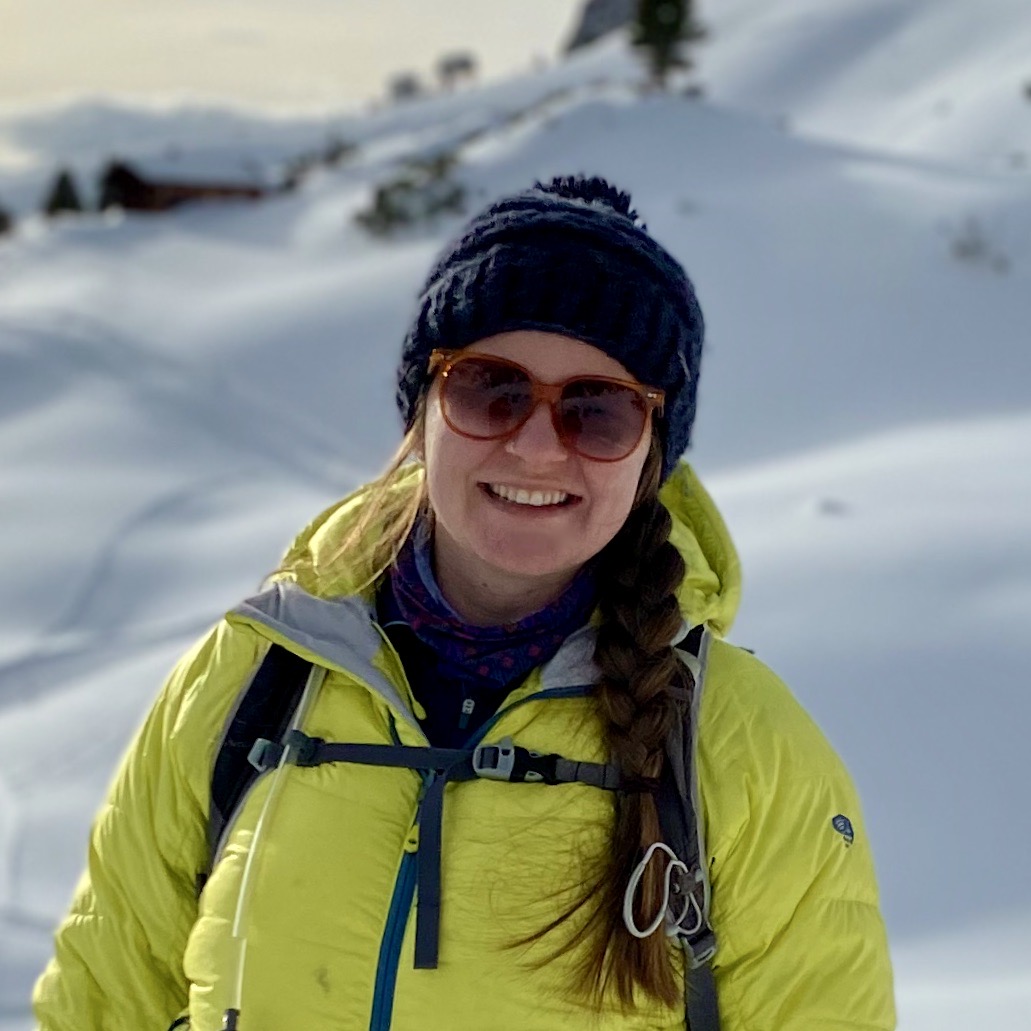
Morgan Seag
- Alumni
- United States
- 2016 PhD Polar Studies at Scott Polar RI
- Girton College
Morgan Seag
- Alumni
- United States
- 2016 PhD Polar Studies at Scott Polar RI
- Girton College
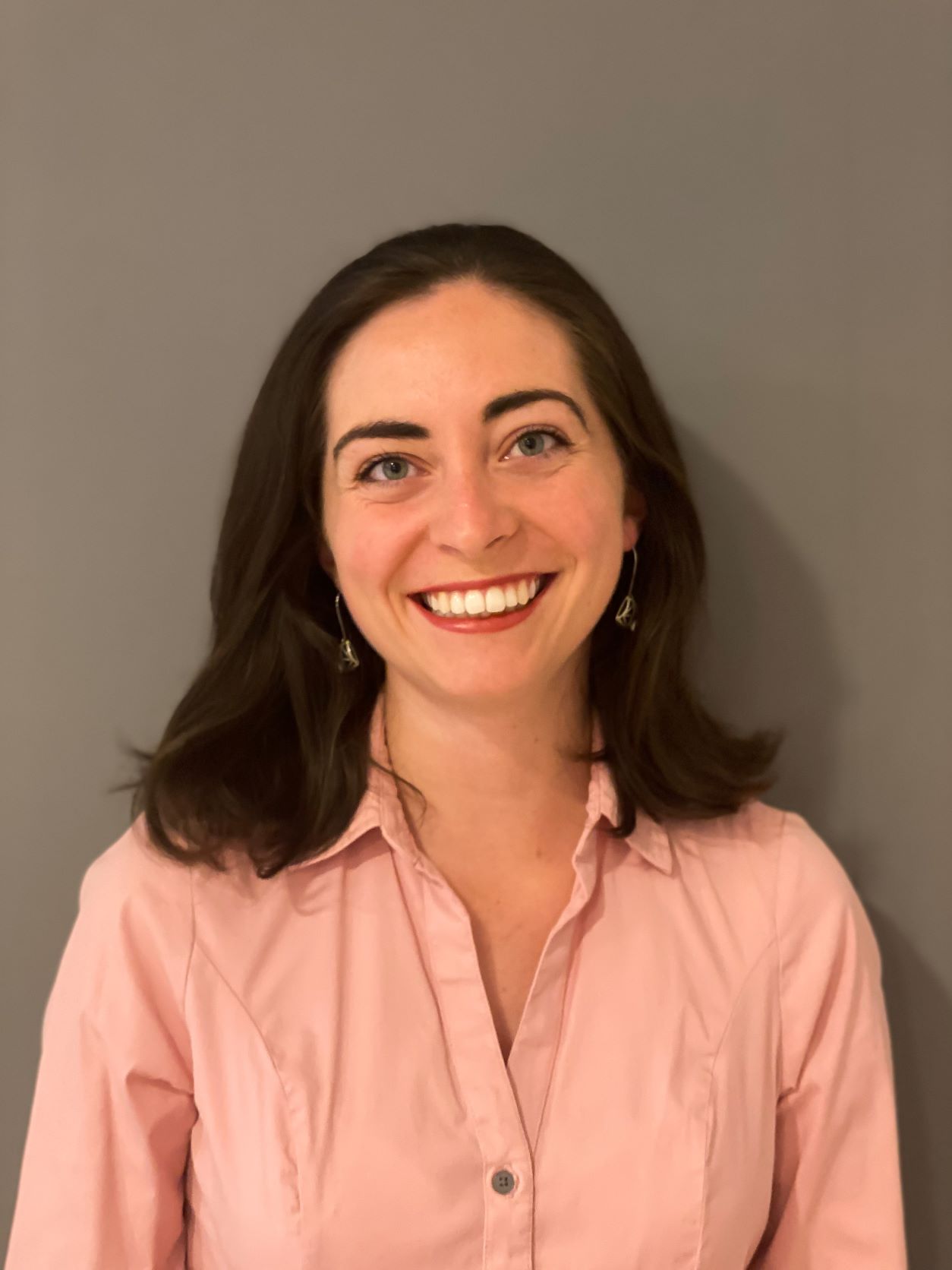
Morgan holds an MPhil and PhD in Geography / Polar Studies from the University of Cambridge and a BA in Political Science from the University of Pennsylvania. She has expertise in multilateral climate policy, science diplomacy, international affairs, and cryosphere science, and currently serves as Director of the Climate Analytics North America Office. Morgan previously served as Senior Representative to the UN System for the International Science Council, working with intergovernmental organizations and countries’ UN Missions to strengthen the multilateral science-policy interface and advance evidence-based decision-making on critical global issues. Previous international science-policy experience includes work with the International Cryosphere Climate Initiative, the Scientific Committee on Antarctic Research and the Antarctic Treaty Secretariat. Her earlier career was focused on science communication and support, including running informal science education programs in Colorado and California as well as working for the US Antarctic Program at McMurdo Station, Antarctica. As a PhD student and Gates Cambridge Scholar, Morgan examined the histories of science, policy, and social change in international spaces. In broad terms, she explored the "human" side of these shared spaces: how are they used? by whom? to what end? More specifically, her PhD thesis examined scientific institutions in Antarctica, asking how they evolved to become more gender inclusive over time. As part of this research, she was a visiting scholar at the University of Colorado Boulder and a SCAR Fellow hosted by the University of Tasmania.
Previous Education
University of Pennsylvania
University of Cambridge
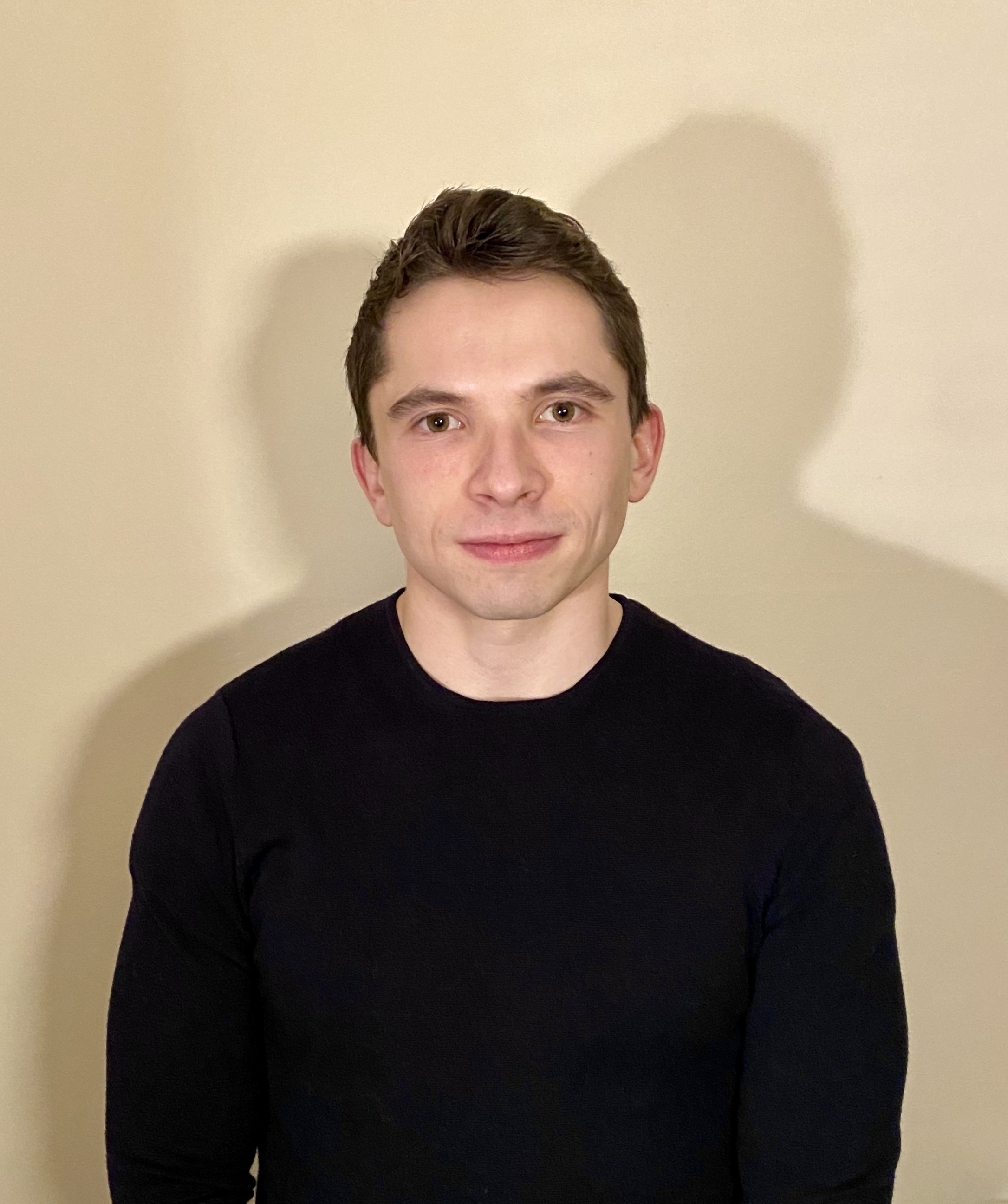
Isaac Sebenius
- Alumni
- United States, Canada
- 2021 PhD Psychiatry
- Emmanuel College
Isaac Sebenius
- Alumni
- United States, Canada
- 2021 PhD Psychiatry
- Emmanuel College
I grew up in Cambridge, MA, and studied molecular biology and computer science at Harvard University. During college, I developed an interest in approaching open questions in biology – from DNA assembly to ALS genomics – by creating new computational methods that leverage biological knowledge rather than relying on existing off-the-shelf techniques. I am also committed to addressing issues related to mental health, a focus developed through work as a peer counselor and first responder as well as by reading the literature of authors who struggle with mental health disorders. During my doctoral research, I will combine my interests in computational biology and psychiatry to better understand and alleviate mental illness. Specifically, I will leverage machine learning to integrate a wide range of biological data (including neuroimaging, genetic, and transcriptomic data) to deepen understanding of mental illnesses such as schizophrenia as well as subclinical phenomena such as psychotic experiences in the general population. Beyond science, I enjoy running, hiking, playing classical piano, and exploring contemporary music.
Previous Education
University of Cambridge Advanced Computer Science 2021
Harvard University Molecular and Cellular Biology 2020
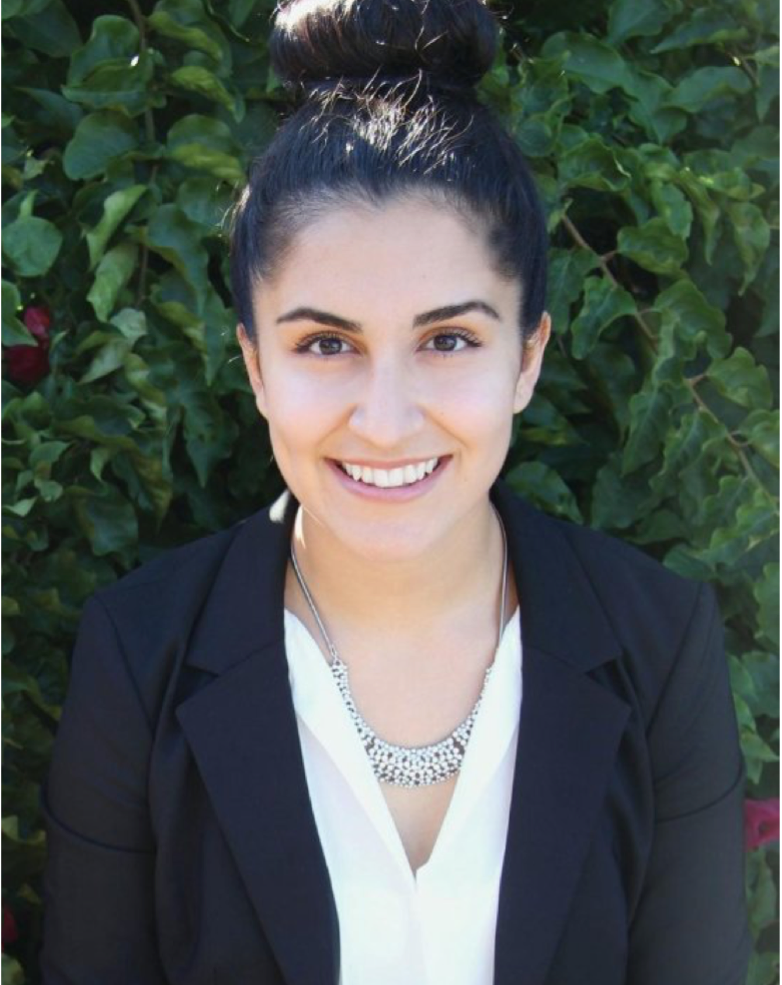
Sahba Seddighi
- Alumni
- Iran, Islamic Republic of
- 2017 MPhil Epidemiology
- King's College
Sahba Seddighi
- Alumni
- Iran, Islamic Republic of
- 2017 MPhil Epidemiology
- King's College
Previous Education
University of Tennessee, Knoxville
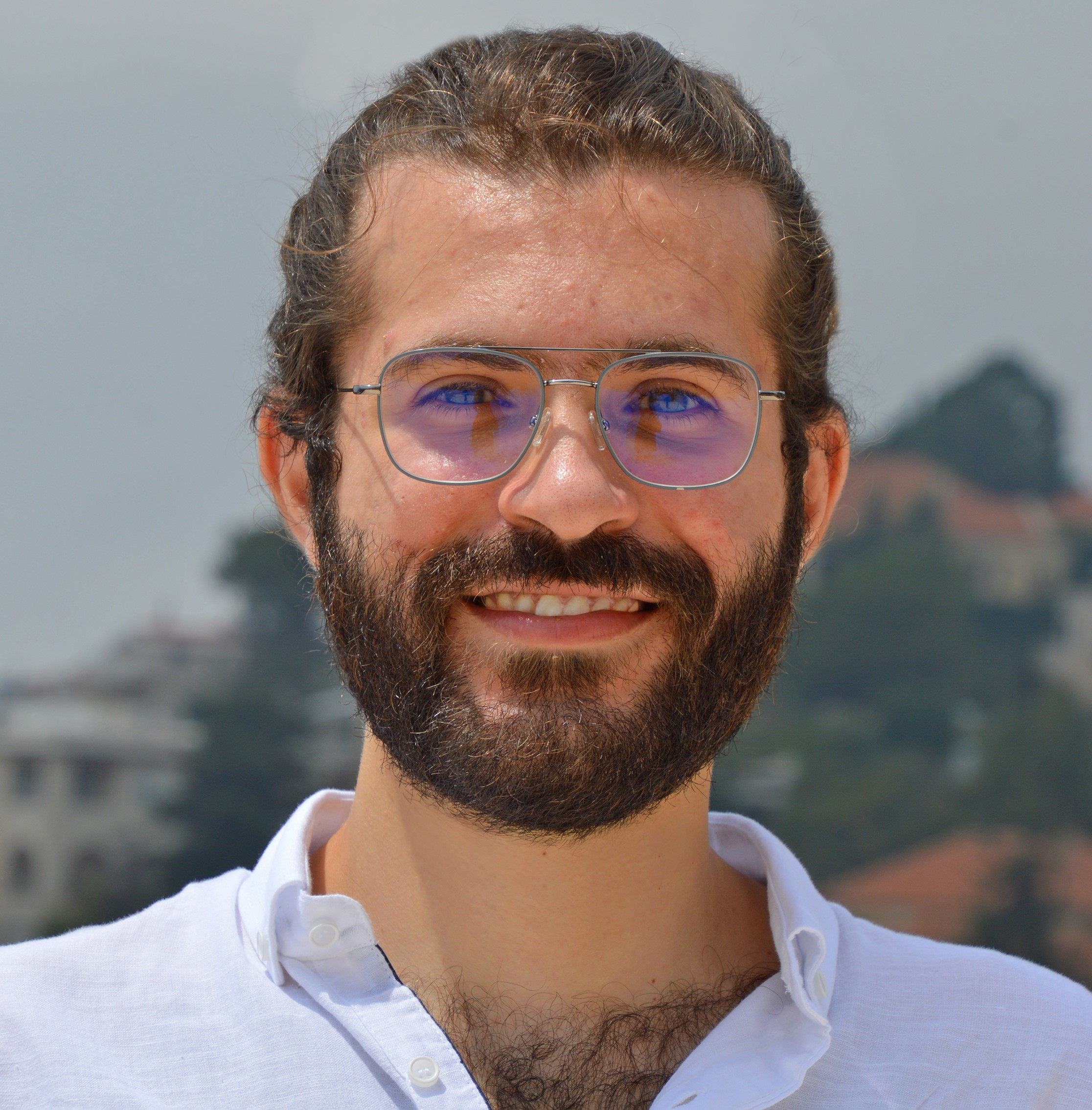
Antranik Sefilian
- Alumni
- Lebanon
- 2017 PhD Applied Mathematics and Theoretical Physics
- Darwin College
Antranik Sefilian
- Alumni
- Lebanon
- 2017 PhD Applied Mathematics and Theoretical Physics
- Darwin College
As a school student in my hometown, Beirut, I was fascinated by the power of physics in guiding me to understand the dynamics of heavenly bodies. This amazement and my childhood fascinations with space, led me to pursue a BSc in physics at the Lebanese University with the goal of being an astrophysicist.Being an Armenian descendant and appreciating the importance of transmitting a craft from a generation to another, it was natural for me to develop a strong will to become a mentor - a professor - for the coming generation; to serve my community academically. This, along with my goal of becoming a productive member of the research community, drove me to continue my studies at the American University of Beirut (AUB).During my MSc at AUB, I strengthened my knowledge in the field of planetary dynamics/ formation, and engaged in and conducted original research under the supervision of my mentor, Prof. Jihad Touma, who also taught me about the ethics of research and the responsibilities of a professor. I had the chance to develop these qualities by serving as a lab instructor at AUB and the Lebanese American University.At Cambridge, I will carry out further research to understand the conditions necessary for planetesimal growth within and around binary stars. This study will greatly advance our understanding of the origin of exoplanets in stars of higher multiplicity.I am honored to have this incredible opportunity to learn and grow as part of the Gates Cambridge community.
Previous Education
Lebanese University
American University of Beirut
Links
Elizabeth Sefton
- Alumni
- United States
- 2008 MPhil Biological Science (Zoology)
- Hughes Hall
Elizabeth Sefton
- Alumni
- United States
- 2008 MPhil Biological Science (Zoology)
- Hughes Hall
At Cambridge I will pursue an MPhil in Zoology with Dr Michael Akam studying segmentation in arthropods. I will compare segmentation mechanisms in a basal lineage of insects to those in vertebrates. Additionally I hope to participate in science education with the University Museum of Zoology in Cambridge. In my career I will continue scientific research in a university or museum setting while serving as an educator. I would like to study developmental biology through a comparative lens, leading to a greater understanding of evolutionary history.
Larom Segev
- Scholar
- United States, Israel
- 2026 PhD Physics
- Corpus Christi College
Larom Segev
- Scholar
- United States, Israel
- 2026 PhD Physics
- Corpus Christi College
Fascinated by the big questions of the universe’s earliest moments, evolution, and composition, I studied Astrophysics and Applied Physics at Harvard University. Working on commissioning observatories across wavelengths, I became interested in innovative telescope and experiment designs. Continuing this research, I seek to advance the frontier of our technological capabilities and unlock new physical understanding. I hope to explore one of the great unknowns: the Cosmic Dark Ages before the first stars formed, when the universe was filled with cold, neutral hydrogen. This era left behind a record of the cosmos' first light in the form of an extraordinarily faint radio signal. Detecting it is challenging, as it is overwhelmed by foreground emission from our galaxy, distorted by Earth’s atmosphere, and further obstructed by human-made interference. My Physics PhD at Cavendish Laboratory will focus on developing the instrumentation and analysis methods for a mission going to the far side of the Moon to detect this primordial signal and revolutionize what we know about our cosmic origins.
Previous Education
Harvard University Astrophysics & Applied Physics 2026

Simone Seiver
- Alumni
- United States
- 2017 MPhil Criminology
- Newnham College
Simone Seiver
- Alumni
- United States
- 2017 MPhil Criminology
- Newnham College
Previous Education
Yale University
Minami Seki
- Alumni
- Japan
- 2023 MPhil Asian and Middle Eastern Studies
- Trinity College
Minami Seki
- Alumni
- Japan
- 2023 MPhil Asian and Middle Eastern Studies
- Trinity College
As a woman raised in Japan, gender inequality in my country was something I was aware of from a very young age. It was during my undergraduate studies at the University of Michigan that I finally learned the language of social justice, power, and identities to express my protest against these inequalities. I learned about my country’s lack of progress towards women’s rights in the workplace through my research for my honors thesis on gender ideology and Womenomics, and then became a classroom teacher with the objective of reframing curricular material to be more gender inclusive. During my time as a teacher in Japan, I became involved in labor activism, and learned firsthand about the challenges of tackling gendered harassment in educational institutions as an employee. Through my MPhil in Japanese Studies at Cambridge, I hope to deepen my understanding of the cultural, historical, economic, and political factors that impact the formation of gender ideology in Japan today with a focus on the gendered messaging in moral education textbooks used in public education. I hope to eventually transform educational and workplace policies for women’s empowerment in Japan and in under-resourced international communities.
Previous Education
University of Michigan Educational Studies 2018
University of Michigan Economics, International Studi 2015
Samarpita Sen
- Alumni
- India
- 2021 PhD Genetics
- Downing College
Samarpita Sen
- Alumni
- India
- 2021 PhD Genetics
- Downing College
I grew up in Kolkata and completed my BS-MS in Biology from IISER Kolkata. During my undergrad, I got increasingly fascinated by cell polarity with particular mention to polarized exocytosis. I was amazed by how cell polarity determines the localization and thereby regulates the function of the various residential proteins within the cell. During my PhD, I seek to explore how newly synthesized and recycled proteins are delivered to distinct apical or basolateral domains of the plasma membrane of an epithelial cell, which requires the sorting of these proteins into domain-specific compartments, followed by their directed trafficking and fusion with the membrane. Establishment and maintenance of cell polarity is critical for the health of a cell and its loss is one of the crucial stepping stones to cancer. This study might led us to understand how cell polarity is disrupted during cancer and eventually might also enable us to develop novel therapeutic techniques to combat it. I am honored to be a part of the Gates Cambridge community and look forward to meeting and working with some of the most brilliant scientific minds across the world and also commit to using my knowledge to improve the lives of others.
Previous Education
IISER Kolkata Biology 2021
Suhasini Sen
- Alumni
- India
- 2012 LLM Law
- Trinity Hall
Suhasini Sen
- Alumni
- India
- 2012 LLM Law
- Trinity Hall
Working as a Junior Advocate to Ms. Nitya Ramakrishnan in New Delhi has given me a strong interest in criminal law. A large portion of the work I’ve done has involved the representation of persons charged under regressive national security and anti-terrorism statutes and the experience has thrown up several questions in my mind. For example, while policy makers quote the pragmatic justification for enhanced police power as being the fact that the effects of certain crimes are either more acute or are likely to be felt by society on a much larger scale, does the need to protect public security also provide us with a valid moral justification for the curtailment of civil liberties? At what stage or in what context does it become morally and legally permissible to dilute principles of presumption of innocence and personal liberty? I believe that it is essential for a to have some answers to these questions, and I hope to be able to find them while I pursue my LL.M.
Amirah Sequeira
- Alumni
- Canada
- 2014 Mphil History Philosophy & Sociology of Sci, Tech & Med
- Newnham College
Amirah Sequeira
- Alumni
- Canada
- 2014 Mphil History Philosophy & Sociology of Sci, Tech & Med
- Newnham College
Gregory Serapio-García
- Scholar
- United States
- 2019 PhD Psychology
- St John's College
Gregory Serapio-García
- Scholar
- United States
- 2019 PhD Psychology
- St John's College
A San Francisco Bay Area native, I grew up immersed in and fascinated by technology. Carrying this fascination with me to study Psychology and Computing and Digital Technologies at the University of Notre Dame, I used my first research grants to conduct a crowdsourced Internet study of personality and subjective well-being in 105 nations and nine languages. At Notre Dame’s Center for Advanced Measurement of Personality and Psychopathology, I developed an interest in the overlap of clinical disorders with everyday personality traits. In 2017, I was selected for a National Science Foundation (NSF) Computational Social Science REU at Notre Dame’s Center for Research Computing where I used machine learning to predict mental health dimensions from social media big data. By pursuing a PhD in Psychology at Cambridge under the mentorship of Dr Jason Rentfrow, I will synthesize mobile-sensing and personality data to predict mental health outcomes and subjective well-being. I hope to help automate lengthy clinical assessments through computational analyses of social media big data with Dr David Stillwell and colleagues at The Psychometrics Centre. As a Gates Cambridge Scholar and social data scientist, I hope to inform the next generation of the world’s best physicians, lawyers, philosophers, and educators of both the promise of online social data in transforming mental healthcare and the moral imperative to combat the exploitative use of big data in this proliferating field.
Previous Education
University of Notre Dame Bachelor of Arts in Psychology 2019
David Serquera Peyro
- Alumni
- Spain
- 2006 PhD Oncology
- Trinity Hall
David Serquera Peyro
- Alumni
- Spain
- 2006 PhD Oncology
- Trinity Hall
While in Cambridge I was researching the mechanical folding of the multiankyrin repeat proteins. Those proteins are scaffolds in protein-protein interactions and nanosprings in mechanoelectrical transduction processes. Both activities are connecting the protein folding problem with diseases like cancer and prion diseases. The protein folding problem consists of understanding how proteins, the machines and structures of the cell, can reach its three dimensional structure. The correct folding of the proteins determine their function and a bad folding of the protein triggers some diseases. The basic knowledge gained with these researches is serving to produce new drugs in preventing protein aggregation, the consequence of many folding diseases. From my medical experience I understand that protein folding is at the core of modern medicine.https://cambridge.academia.edu/DavidSerquera
Margot Serra
- Scholar
- United States, France
- 2023 PhD Biological Anthropology
- Trinity Hall
Margot Serra
- Scholar
- United States, France
- 2023 PhD Biological Anthropology
- Trinity Hall
I was born in France but grew up in the Bay Area in California. I have always been interested in combining social and biological sciences to study past human populations. After completing a BA & BSc in Anthropology and Molecular Biology from McGill University, I studied at University College London to do a MSc in Bioarchaeological and Forensic Anthropology. I then decided to undertake a second MA in Anthropology at San Francisco State University where I researched the feasibility and potentials of carrying out palaeopathological analyses of human remains found in looted Prehispanic communal tombs. My PhD research at Cambridge focuses on reconstructing Middle Preceramic (ca. 7000-6000 BP) lifeways in the Lower Ica Valley of Peru, relying on a comparative osteobiographical approach that integrates archaeological, bioarchaeological, and paleopathological lines of evidence. This project will explore the overall diversity of Preceramic communities' biocultural adaptations to the environment of coastal Peru, including within the contexts of the lomas (fog oases) and the nearby hinterlands.
Previous Education
San Francisco State University Anthropology - bioarchaeology 2023
University College London Bioarchaeology & Forensic Anth 2019
McGill University Anthropology and Biology 2018
Juan Serrano
- Alumni
- Peru
- 2015 MPhil Chemistry
- Downing College
Juan Serrano
- Alumni
- Peru
- 2015 MPhil Chemistry
- Downing College
I was born in Lima, Peru and in 2001, I immigrated to the United States and settled in Coral Springs, FL. In 2014, I graduated from the University of Florida with a B.S. in Interdisciplinary Studies in Medicinal Chemistry and Molecular Genetics. While at UF, I conducted research in medicinal chemistry in the lab of the late Prof Alan R Katritzky. My senior thesis focused on incorporation of a new chemical group onto quinine and demonstrating the increased potency of these novel antimalarial analogues. Seeing the power that chemistry can have in developing innovative therapies against human disease inspired me to work at the Broad Institute of Harvard & MIT in the lab of Prof Stuart L Schreiber. At the Broad, I developed a methodology for arriving at chiral sulfamidate fragments, which will be further used in fragment based drug design efforts.As a Gates Cambridge Scholar, I will pursue an MPhil in Chemistry under the supervision of Prof Steven V Ley. My research focused on developing a new methodology for designing functionalized stapled peptides. These stapled peptides target an important biological factor in cancer, and our methodology is applicable to designing stapled peptide therapeutics for a variety of diseases where protein-protein interactions can be targeted. After my MPhil at Cambridge, I am pursuing an M.D.-Ph.D. at the Perelman School of Medicine at the University of Pennsylvania to train as a physician scientist and continue to incorporate chemistry into developing novel therapeutics to combat human disease.
Previous Education
University of Florida

Raghavendra Seshagiri
- Alumni
- India
- 2002 PhD Architecture
- Clare Hall
Raghavendra Seshagiri
- Alumni
- India
- 2002 PhD Architecture
- Clare Hall
Lina Sestokas
- Alumni
- United States
- 2005 MPhil Biological Science
- Emmanuel College
Lina Sestokas
- Alumni
- United States
- 2005 MPhil Biological Science
- Emmanuel College
Matthew Shafer
- Alumni
- United States
- 2013 MPhil Political Thought and Intellectual History
- Clare College
Matthew Shafer
- Alumni
- United States
- 2013 MPhil Political Thought and Intellectual History
- Clare College
I'm originally from Atlanta, Georgia. As an undergraduate at Yale, I informally constructed an interdisciplinary course of study around the formal core of the Philosophy Major, drawing on the resources of the university’s programs in German Studies, History, Religious Studies, Political Science, Divinity, and “Ethics, Politics, and Economics.” These diverse interests were unified by recurring attention to the study of nonviolence as a religious and political phenomenon. I plan eventually to enter academia in the field of political theory, which (I hope) will allow me to help shape the discursive contexts of real-world policy debates and activist movements. I expect that my long-term work will continue to take up questions of violence and nonviolence, moral and political cosmopolitanism, normative ethics, and religion as a political phenomenon.
