


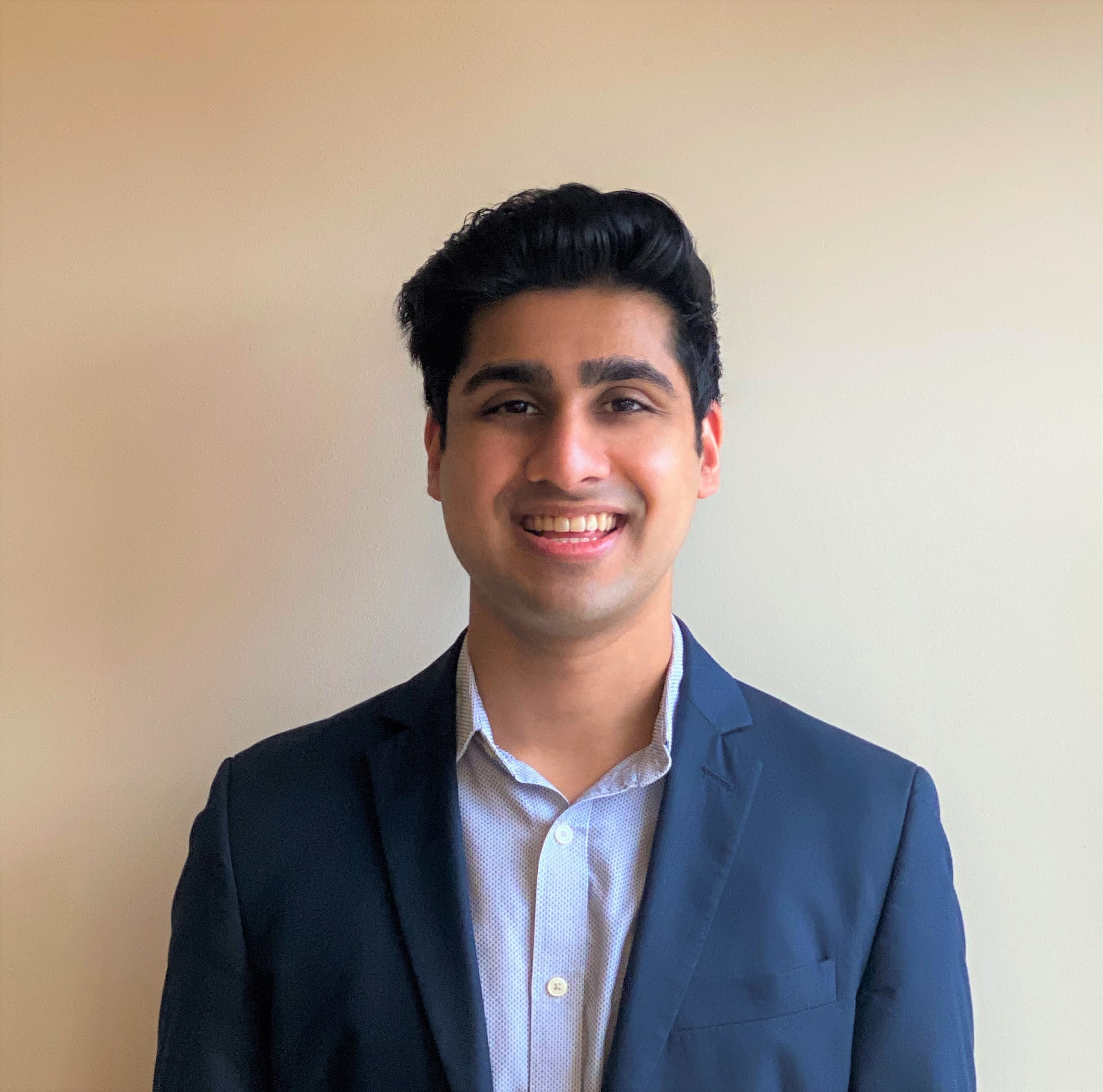
Veeraj Shah
- Scholar
- United States
- 2021 PhD Public Health and Primary Care
- St Edmund's College
Veeraj Shah
- Scholar
- United States
- 2021 PhD Public Health and Primary Care
- St Edmund's College
As an undergraduate at the University of Maryland, I created an individual studies degree in “Health Policy and Technology” and studied how both policy and novel technology can create more equitable healthcare systems that emphasize preventive health. Through experiences leading Public Health Beyond Borders, a student-led global health organization, I saw the potential of education to improve preventive health in India, Peru, and Sierra Leone. This led me to start Chat Health, a nonprofit organization that applies artificial intelligence to provide accessible and real time information on preventive health. This past year, I worked at the Office of the US Surgeon General, contributing towards the Surgeon General’s Report on Community Health and Economic Prosperity. My PhD research combines interests in preventive health and technology towards improving cancer prevention. Specifically, I will develop and evaluate technology that automates provision of information on cancer-preventive lifestyle behaviors. My hope is that this research will provide evidence to integrate this technology into existing NHS primary care programs and help millions better manage their health. I am truly honored to be joining the Gates-Cambridge Community.
Previous Education
University of Maryland, College Park Health Policy & Technology 2021

Noor Shahzad
- Alumni
- Pakistan
- 2016 MPhil Modern South Asian Studies
- Christ's College
Noor Shahzad
- Alumni
- Pakistan
- 2016 MPhil Modern South Asian Studies
- Christ's College
I am broadly interested in literary cultures, reading practices and the conditions in which texts are consumed and circulated. My undergraduate research at Lahore University of Management Sciences has focused on the affective space that Urdu women's digests provide to women. Through an MPhil in Modern South Asian Studies I look forward to further investigating these digests. My research aims to examine the continuities and discontinuities in discourses on women's reform in Urdu literature. I am deeply honored to be joining the Gates Cambridge community and look forward to learning from and contributing to such a diverse group of scholars.
Previous Education
Lahore University of Management Sciences
University of Cambridge
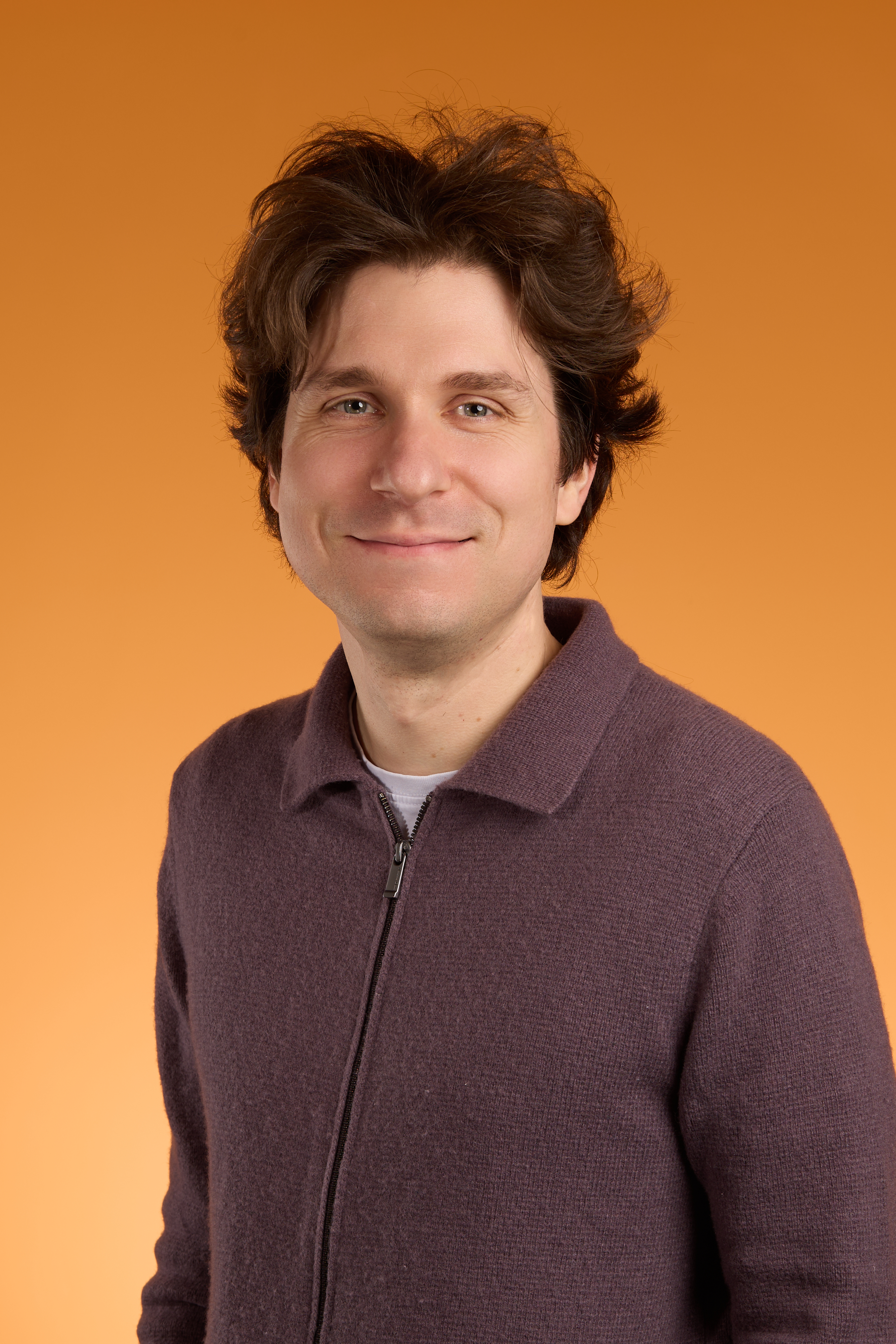
George Shaikovski
- Scholar
- Belarus
- 2025 PhD Computer Science
- Clare Hall
George Shaikovski
- Scholar
- Belarus
- 2025 PhD Computer Science
- Clare Hall
I am excited by the promise of artificial intelligence to help advance science and medicine, from improving cancer diagnosis to accelerating drug discovery. Since 2020, I’ve been working on foundation models for pathology, which became the basis of several state-of-the-art cancer detection, subtyping, and digital biomarker tools. I am particularly interested in models that combine multi-modal data, e.g. images and text, to learn abstract, unified, and interpretable representations of the world and perform complex reasoning with them. This capability is paramount for the successful application of AI in medicine since such systems will have to integrate diverse, complex, and connected medical data with specialised and structured medical knowledge. In my research at Cambridge, I aim to understand the fundamental principles and limitations of learning from multi-modal data for complex reasoning, investigate how models can learn interpretable and useful representations without explicit supervision, and transfer my findings to real-world applications, such as biomedical image analysis.
Previous Education
Warsaw University of Technology Electrical Engineering
Swiss Federal Institute of Technology Electrical Engineering
National Technical University Power Engineering
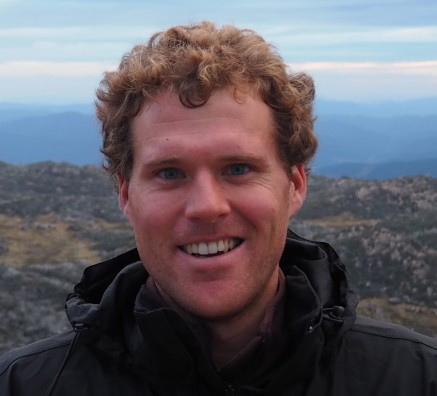
Callum Shakespeare
- Alumni
- Australia
- 2012 PhD Applied Mathematics and Theoretical Physics
- Trinity College
Callum Shakespeare
- Alumni
- Australia
- 2012 PhD Applied Mathematics and Theoretical Physics
- Trinity College
I completed my PhD at Cambridge in 2015. I am now a Senior Lecturer in Climate and Fluid Physics at the Australian National University.
Links
https://earthsciences.anu.edu.au/people/dr-callum-shakespeare
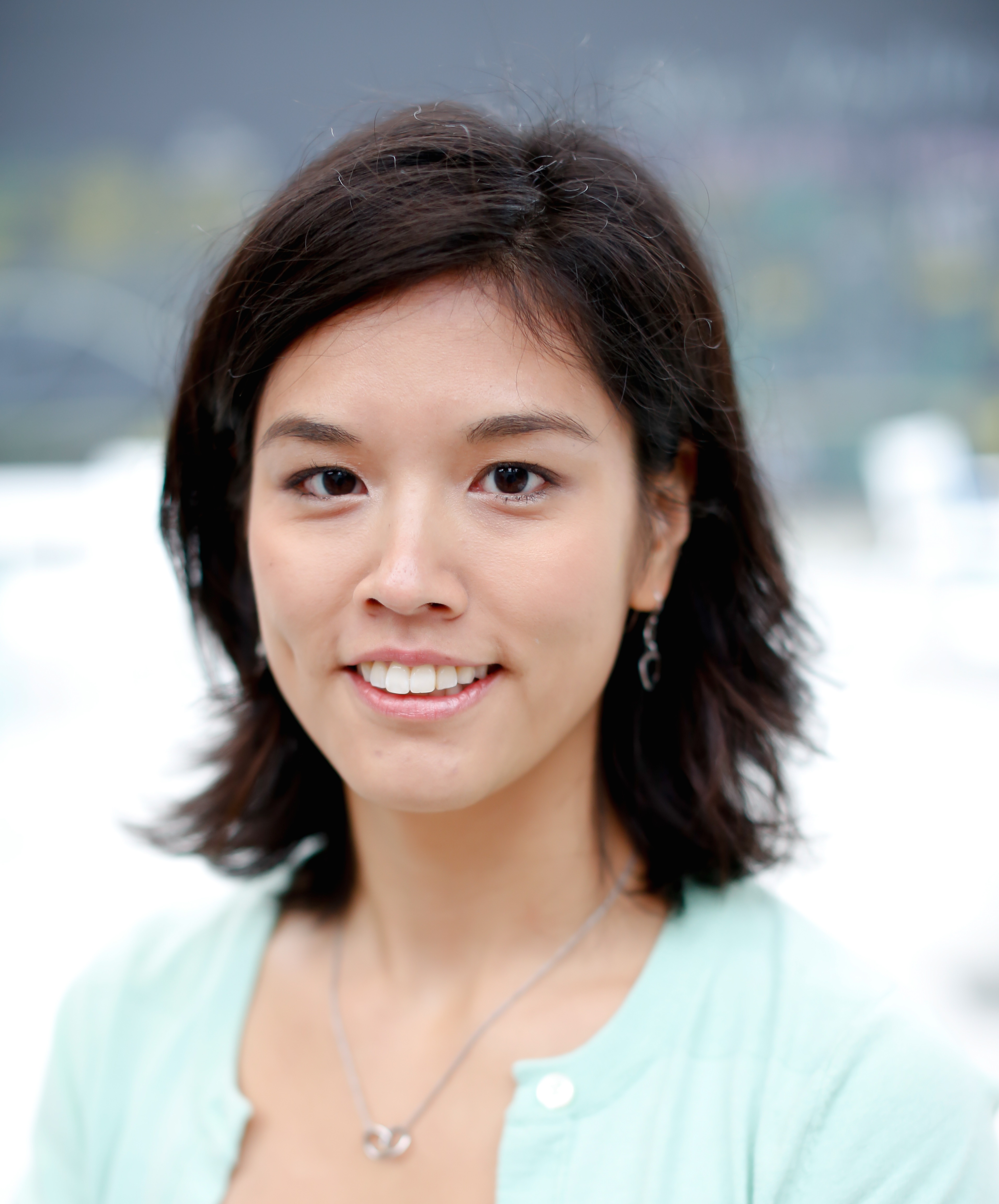
Jessica Shang
- Alumni
- United States
- 2008 MPhil Engineering
- Churchill College
Jessica Shang
- Alumni
- United States
- 2008 MPhil Engineering
- Churchill College
Bedra Sharif
- Alumni
- Iraq
- 2001 PhD Genetics
- Lucy Cavendish College
Bedra Sharif
- Alumni
- Iraq
- 2001 PhD Genetics
- Lucy Cavendish College
Anirudh Sharma
- Alumni
- India
- 2020 PhD Clinical School MBPhD Programe
- Churchill College
Anirudh Sharma
- Alumni
- India
- 2020 PhD Clinical School MBPhD Programe
- Churchill College
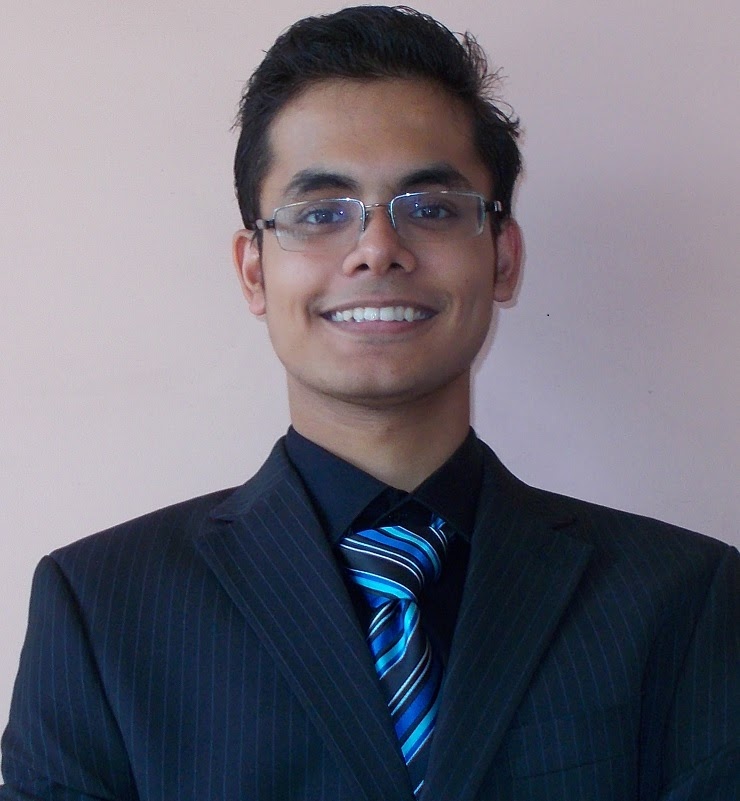
The global burden of neurological diseases increases every year, affecting the quality of lives of billions of people. Having seen first-hand the sequelae of severe trauma and the limited options for those who have lost the ability to see, to hear, to move, I am deeply motivated to complement my background in engineering with molecular techniques to open new avenues of treatment. To this end, I plan to develop the use of molecular biological techniques as a viable means of therapy, diagnosis, and research. I believe this PhD will help me launch my career as an academic clinician working on translational research where I am close to both the patients and the research that will help them. Ultimately, I aspire to lead work to develop methods towards the understanding and treatment of sensorineural deficits using molecular biology for interface design, signal recording, manipulation and analysis, with applications for molecular-level control and sensing, allowing for high throughput neurological research. I am extremely grateful to Gates Cambridge for allowing me the opportunity to pursue this aspiration.
Previous Education
University of Cambridge Preclinical Medical Studies 2019
Kanupriya Sharma
- Alumni
- India
- 2019 PhD Criminology
- Pembroke College
Kanupriya Sharma
- Alumni
- India
- 2019 PhD Criminology
- Pembroke College
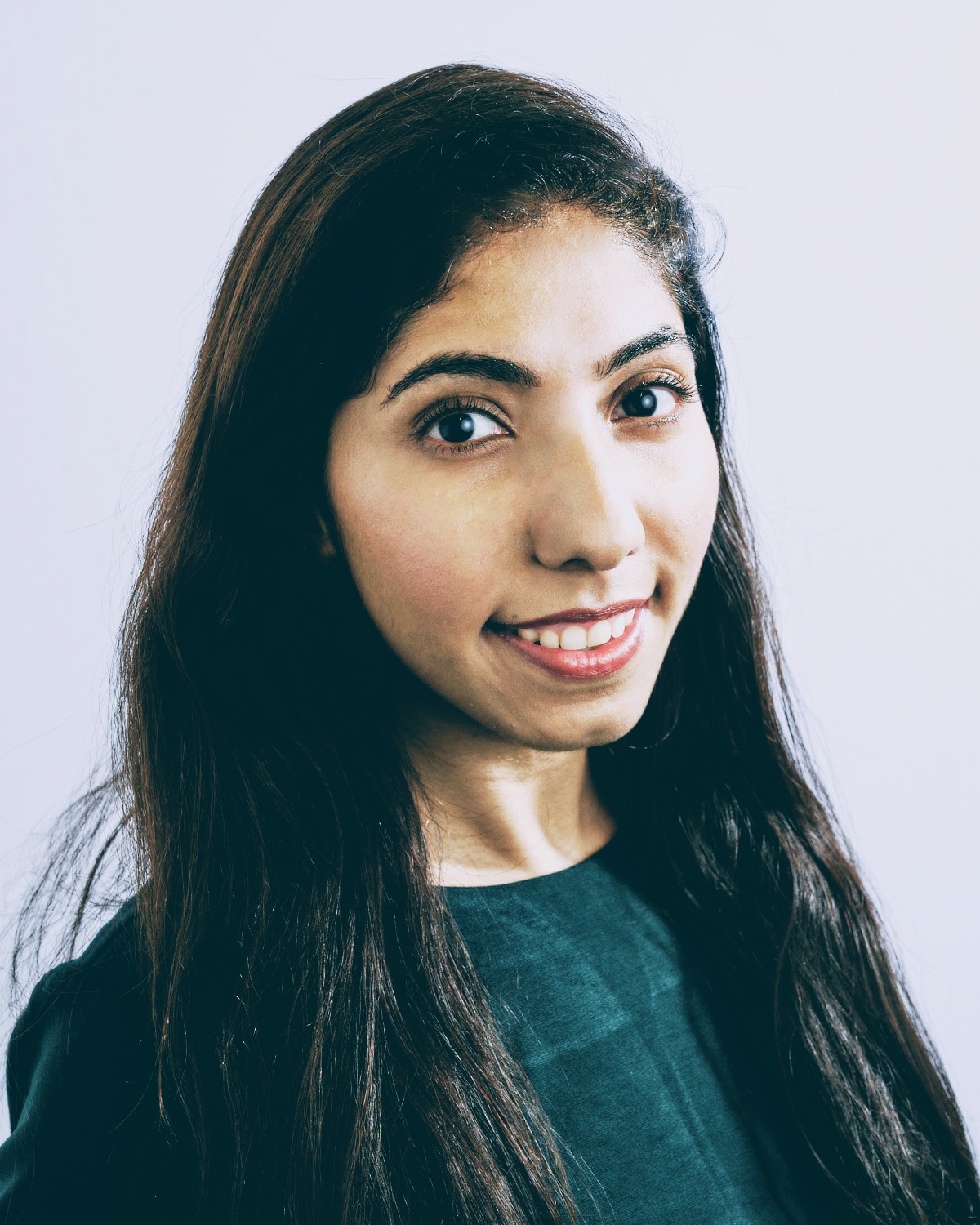
Being born and brought up in India, where crimes against women are inescapable realities, I had always wanted to pursue a career in the area of criminal justice reform. My professional stint as a journalist further deepened my interest in this area and motivated me to pursue an MA in Social Work in Criminology and Justice from Tata Institute of Social Sciences. As part of my academic journey, I conducted field work in correctional settings in the area of legal aid, gender equity and penal reform. Post my Masters degree, I started working for an anti-human trafficking organisation, conducting rescue operations of children from child labor, domestic servitude and sex slavery. In 2018, I completed my MPhil in Criminological Research from the University of Cambridge where I explored prison intimacies as a form of resistance for women in India. The following year, I worked as a Chief Minister's Urban Leadership fellow in the Delhi government providing analytical support in formulation of policies related to women. Since October, 2019, I am pursuing a PhD in Criminology at the Institute of Criminology exploring women’s imprisonment and resettlement experiences in India through the lens of their intimate relationships. I intend to explore the ways in which women use informal communication channels and social networks inside prison to find new alliances for love, and the myriad ways in which these practices transcend into prison policy and reform. My study hopes to enhance the current understanding of prisons in a non-western context and enable policymakers to frame policies that are gender-responsive to the specific needs of women in India and elsewhere. Apart from this, I am also the founding member of the Cambridge Decolonising Criminology Network which aims to bring together students, researchers and eminent scholars in the field of criminology and related fields to discuss and engage with decolonial thoughts and perspectives. The network largely aims at installing colonial structures of power at the centre of the contemporary criminological debate and encourage more scholarly, indigenous voices from the non-west. Set up in January 2020, the network currently has more than 50 active members and contributors.
Previous Education
University of Cambridge Criminological Research 2018
Tata Institute of Social Sciences Social Work (Criminology) 2015
Saba Sharma
- Alumni
- India
- 2015 PhD Geography
- Hughes Hall
Saba Sharma
- Alumni
- India
- 2015 PhD Geography
- Hughes Hall
As a researcher at a think tank in New Delhi, I have developed an interest in how research can feed into policy discourse. My PhD project will focus on studying the state in Assam, in Northeast India, from the perspective of recurring violence. In particular, I will look at how everyday practices of governance influence the way conflict unfolds in the Bodoland region of Assam, where violence has been a persistent phenomenon for several decades. At the undergraduate level, I studied Economics, before moving on to studying Social and Cultural Anthropology at the Masters level. During this period, I developed an interest in field-based research, which I was able to pursue further as a policy researcher. For this project, I plan to employ an interdisciplinary approach towards the study of the state and conflict, using primarily ethnographic methods, and considering factors of contested resources, territoriality and political economy as well. I’m excited to be undertaking this research at Cambridge, and hope to remain engaged with research and writing on the state in India in the future.
Previous Education
University of Delhi
Katholieke Universiteit Leuven (Catholic Universit
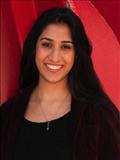
Shruti Sharma
- Alumni
- New Zealand
- 2015 MRes Nanoscience and Nanotechnology
2016 MPhil Physics - Pembroke College
Shruti Sharma
- Alumni
- New Zealand
- 2015 MRes Nanoscience and Nanotechnology
2016 MPhil Physics - Pembroke College
Physics Department: Nanotechnology & Optoelectronics
Previous Education
Massachusetts Institute of Technology
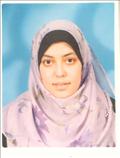
Maha Shash
- Alumni
- Egypt
- 2013 PhD Sociology
- Queens' College
Maha Shash
- Alumni
- Egypt
- 2013 PhD Sociology
- Queens' College
Greetings from Cairo, Egypt! My academic background was mainly in Economics. After graduation I felt that a more informed role in contributing to my country required a more interdisciplinary approach. Thus I studied Economics in International Development which included courses from Sociology, Political Science, and Management and received the Merit Graduate Fellowship Award from the American University in Cairo. Through my research at Cambridge I aim at connecting both the realm of ideas and the empirical world while analyzing social change with respect to consumption. I hope to examine economic decisions reflecting pieties that negotiate new social relationships in different geographical and ideological contexts in comparison to Egypt.
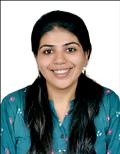
Sneha Shashidhara
- Alumni
- India
- 2015 PhD Biological Science @ MRC CBSU
- Clare College
Sneha Shashidhara
- Alumni
- India
- 2015 PhD Biological Science @ MRC CBSU
- Clare College
Born to academicians, I started pursuing my academic interests right from school days. I studied in Vidyaranya High School (Hyderabad) Rishi Valley School (Madanapalle), both in India. Their emphasis on holistic education gave me an opportunity to pursue not only scientific ideas, but I was able to actively participate in lively discussions on philosophy and literature. The exposure to primary school teaching during my school days, led to my passion for education, especially in the context of rural India. Over time, I have developed special interests in understanding the neural basis of cognition. With the increased understanding of the anatomy and physiology of the brain, it is clear that any breakthrough in this field comes only when all disciplines of science and humanities are integrated. With this in mind, I studied Physics and Mathematics during my Bachelor’s degree (at Fergusson College, Pune, India). I then went to Göttingen, Germany for a Master's in Neuroscience. This program provided me with hands-on experience on diverse aspects of neuroscience. At Cambridge, I would like to investigate neurocognitive framework of Attention: specifically interactions between the frontal and parietal networks during the deployment of attention. My long-term goal is to take up teaching and research in India and work on memory, attention and ultimately consciousness. Interests: books, movies, traveling and walking.
Previous Education
University of Pune
Universität Göttingen

Albina Shayevich
- Alumni
- United States
- 2002 PhD Social and Political Science
- King's College
Albina Shayevich
- Alumni
- United States
- 2002 PhD Social and Political Science
- King's College
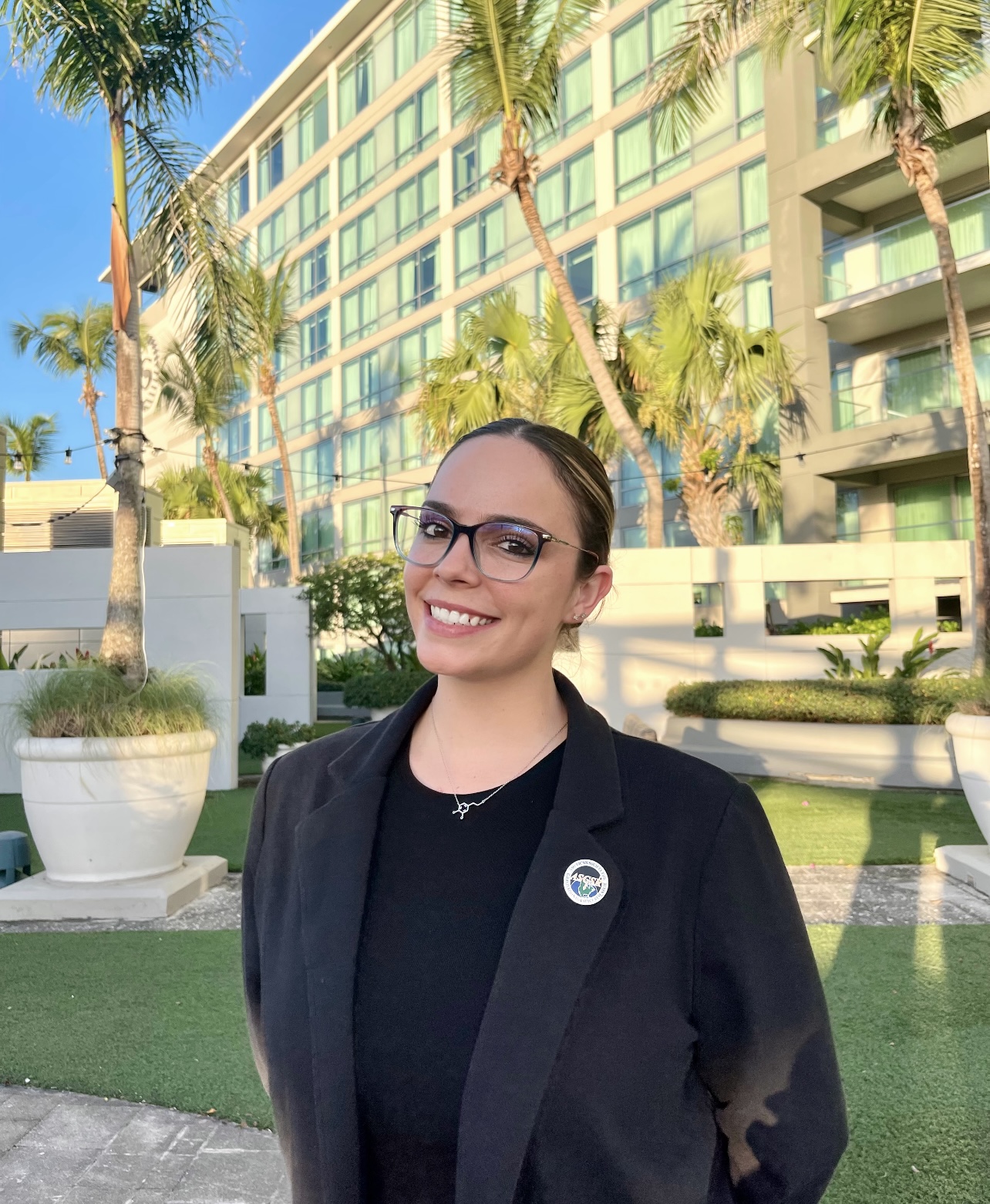
Annie Shelton
- Scholar
- United States, United Kingdom
- 2025 PhD Plant Sciences
- Downing College
Annie Shelton
- Scholar
- United States, United Kingdom
- 2025 PhD Plant Sciences
- Downing College
I am committed to supporting the growth and survival of humans in space and on Earth by enabling access to fresh and nutritious food that is sustainably produced. My determination to grow plants in space initiated during my undergraduate studies at the University of California, Riverside where I achieved a BSc in Neuroscience with a minor in Plant Biology. Driven to learn more about how food is produced on a large scale led me to pursue a Master’s in Integrative Plant Science concentrated in Controlled Environment Agriculture at Cornell University. During my PhD in Plant Science, I aim to bridge fundamental and applied research. My research will investigate the engineering of plant circadian rhythms and controlled environments to enhance photosynthetic efficiency for resilient food production in space and on Earth. Using space agriculture as a platform to scale lab-based discoveries will not only address the challenges of food security on Earth but also drive the technological advancements required for future space missions. As we push the boundaries of agriculture in extreme environments, we contribute to the growing need for resilient food systems on Earth and play a critical role in supporting human survival beyond our planet.
Previous Education
Univ. of California, Riverside Neuroscience Minor Plant Bio
Cornell University Integrative-Plant-Science-CEA
Samuel Shelton
- Scholar
- Australia
- 2025 PhD Physics
- King's College
Samuel Shelton
- Scholar
- Australia
- 2025 PhD Physics
- King's College
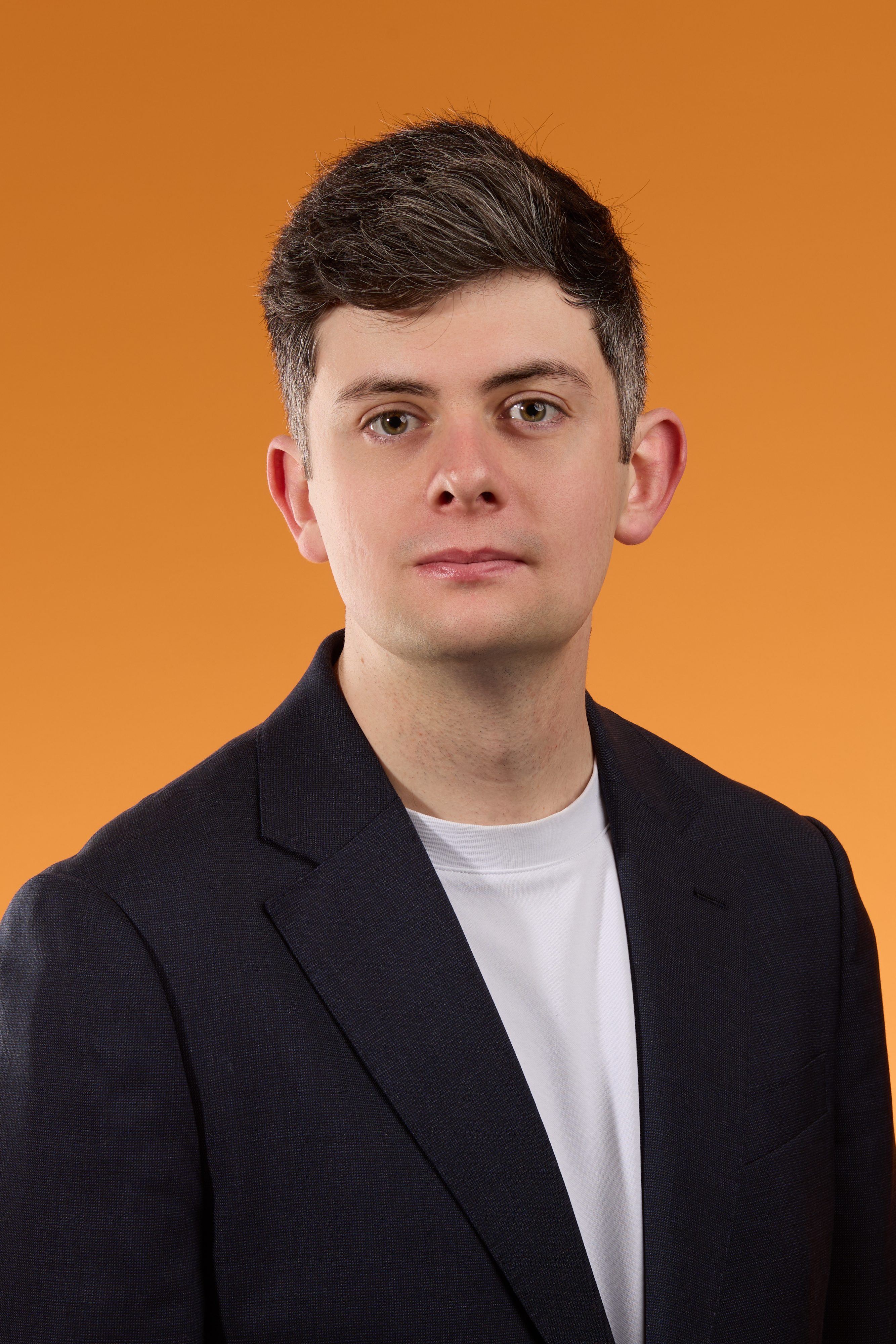
I began my undergraduate studies at UNSW, pursuing a degree in Engineering and Chemistry, but after taking a few physics courses I found myself studying all three subjects. During my undergrad, I contributed significantly to the development of the upcoming SOUTH Tokamak where I worked on plasma diagnostics and instrumentation. At Cambridge, I will continue my instrumentation work with the high energy physics research group at the Cavendish Laboratory, where I will develop new detector technologies for the LHCb experiment at CERN. LHCb studies decays involving the heavy beauty quark to explore CP violations, which could help explain the matter-antimatter imbalance in the universe. I’m also eager to apply these innovations to fields beyond particle physics. I am excited to be joining the Gates Cambridge community, where I look forwards to building connections across disciplines and cultures with individual committed to making a positive, global impact.
Previous Education
University of New South Wales Aerospace + Physics + Chem

Sara Sherbaji
- Scholar
- Syrian Arab Republic
- 2024 PhD Biological Anthropology
- King's College
Sara Sherbaji
- Scholar
- Syrian Arab Republic
- 2024 PhD Biological Anthropology
- King's College
Since leaving Syria during the war, my goal has been to try to understand human behaviour in its most fundamental aspects. What is it that makes people think and act, individually and communally, in the way that they do? To this end, I am carrying out a doctorate in biological anthropology, a discipline which seeks to answer these questions through analysis of our physical makeup and deep history. Specifically, through the application of the principles and tools of the evolutionary sciences, biological anthropology aims to uncover ‘human nature’ in its broadest and most universal aspects. My particular area of research is the cause of our success as a species: is this to be attributed more to our powers of theoretical understanding, or to our ability to follow, transmit, and refine cultural norms and practices? I intend to conduct a series of experiments and develop a range of computational models to investigate the issue. I am incredibly fortunate to have the opportunity to work with the Gates Foundation. With their support, I hope to expand our understanding of the human species, i.e. each other, and thereby make a world with fewer man-made tragedies.
Previous Education
University College London Human Evolution and Behaviour 2024
Heriot-Watt University, Dubai Psychology with Management 2016
Daniel John Sheridan
- Alumni
- United States
- 2019 PhD Asian and Middle Eastern Studies
- Jesus College
Daniel John Sheridan
- Alumni
- United States
- 2019 PhD Asian and Middle Eastern Studies
- Jesus College
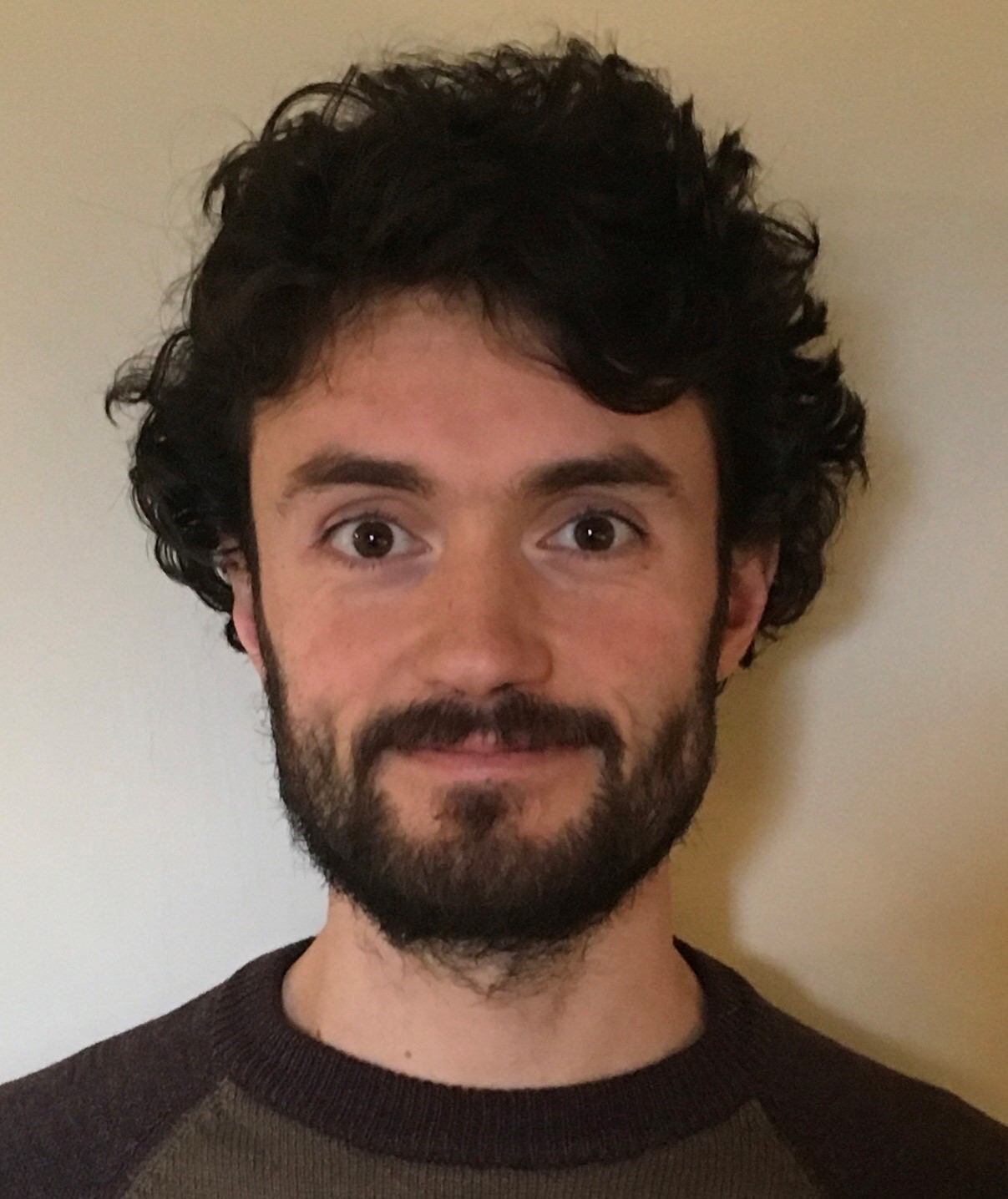
My research fits under broader interdisciplinary Sino-Iranian studies, which have demonstrated the significant influences Chinese and Iranian civilizations have had on each other as well as increasing awareness and understanding of Central Asia.
Previous Education
School of Oriental and African Studies (SOAS) Master of Arts in Iranian Studies 2017
Northeast Normal University Certificate of Completion in Chinese (Mandarin) Language 2014
Henrik Røed Sherling
- Scholar
- Norway
- 2022 PhD Philosophy
- St John's College
Henrik Røed Sherling
- Scholar
- Norway
- 2022 PhD Philosophy
- St John's College
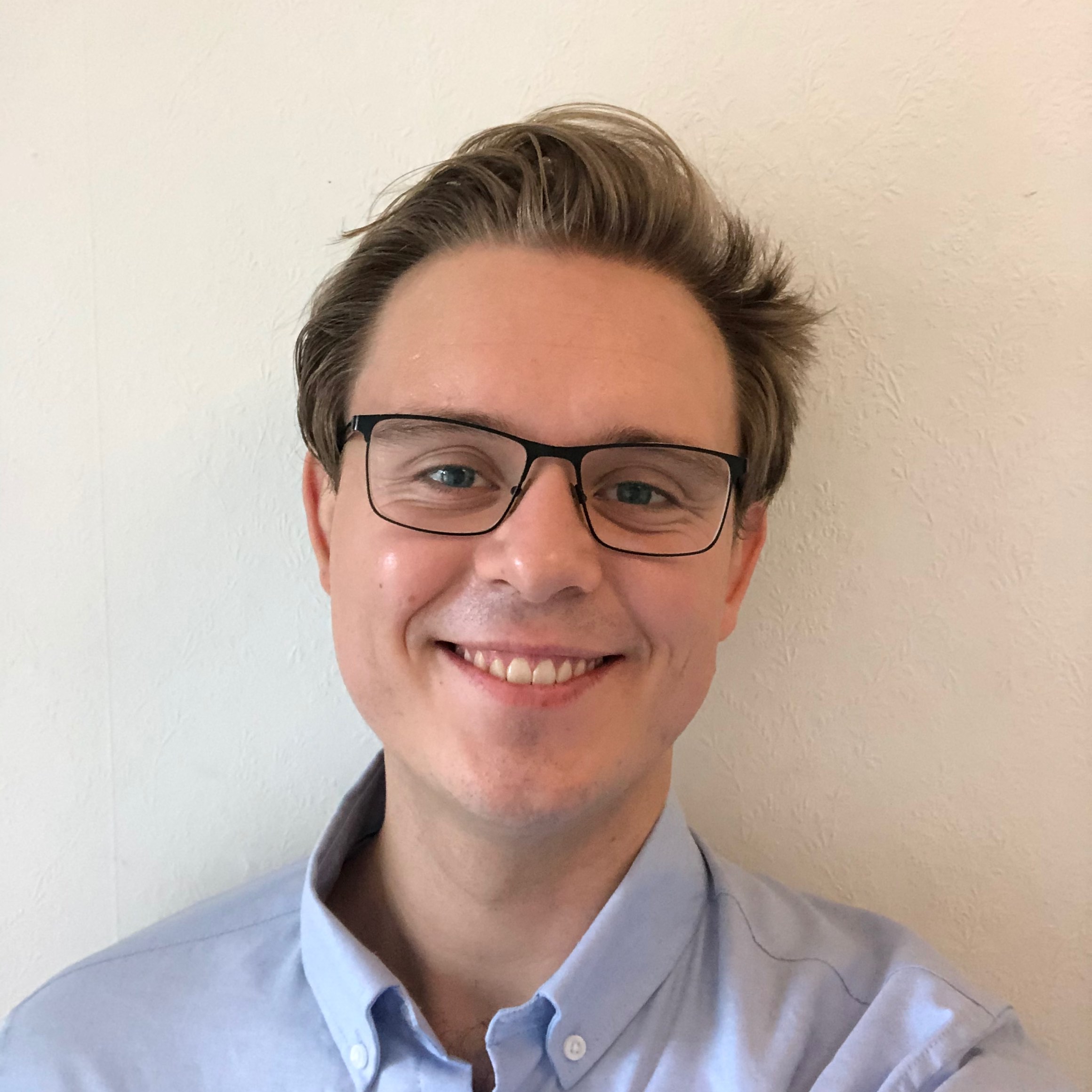
My research at Cambridge is about the concept of mental disorder. I am researching how classifications and diagnoses can influence and interact with the ways that mental disorders are experienced and expressed—and how these interactions are taken into account by psychiatrists when they write patient notes and make diagnoses. These interactions are called "looping effects" when our classifications have to be updated to stay on top of the new experiences and expressions which they themselves created. My hope is that a careful analysis of these looping effects, and how they factor into practice, can help us better understand the concept of mental disorder. My previous research was focused on the foundations of quantum mechanics, in particular the Many Worlds interpretation. This work was part of my MSci at King's College London. My focus has since shifted to the philosophy of psychiatry, but my interest in the philosophy of physics and the philosophy of science remains.
Previous Education
King's College London (University of London) Physics and Philosophy 2020
