


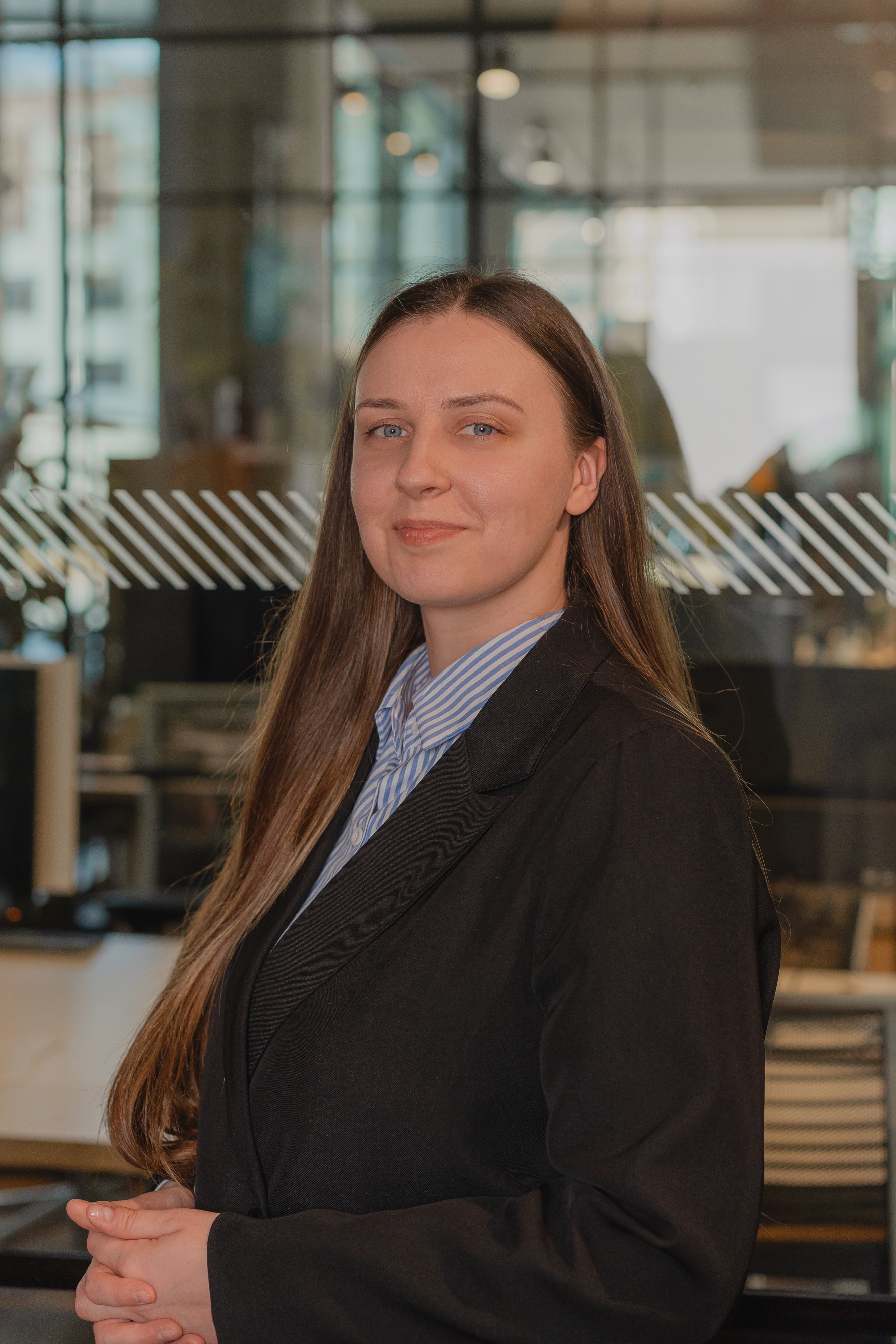
Nemira Zilinskaite
- Alumni
- Lithuania
- 2020 PhD Physiology, Development and Neuroscience
- Wolfson College
Nemira Zilinskaite
- Alumni
- Lithuania
- 2020 PhD Physiology, Development and Neuroscience
- Wolfson College
Nemira Žilinskaitė is a biomedical scientist and entrepreneur dedicated to advancing neuroscience and women's health. As Gates Cambridge Scholar, she earned her PhD at the University of Cambridge, studying neural stem cells at the Gurdon Institute. She is now continuing research on early interventions in neurodevelopmental disorders at Vilnius University. Nemira founded Muuza, an AI-driven startup revolutionizing vaginal health diagnostics, and launched Nucleate Baltics to support biotech innovation across the region. Her work bridges science and entrepreneurship, driven by a commitment to translating cutting-edge research into accessible, real-world solutions that improve human health.
Previous Education
The University of Nottingham BSc Hons Biotechnology 2020

David Zipper
- Alumni
- United States
- 2002 MPhil Planning, Growth and Regeneration
- Queens' College
David Zipper
- Alumni
- United States
- 2002 MPhil Planning, Growth and Regeneration
- Queens' College
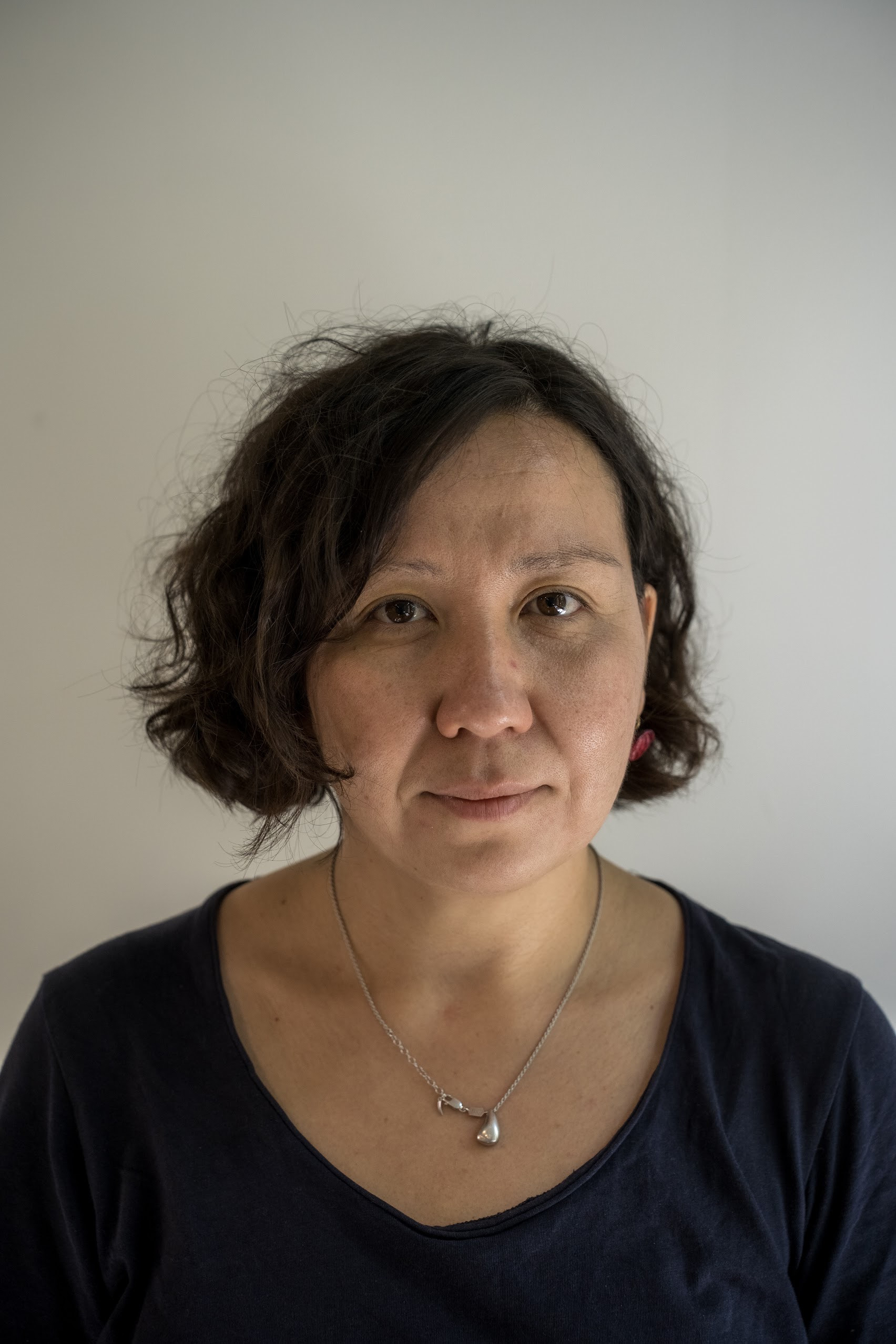
Emine Ziyatdinova
- Scholar
- United Kingdom, Ukraine
- 2026 PhD Slavonic Studies
- Girton College
Emine Ziyatdinova
- Scholar
- United Kingdom, Ukraine
- 2026 PhD Slavonic Studies
- Girton College
Emine Ziyatdin is a Ukrainian Crimean Tatar visual artist, documentary photographer and researcher. She was born in Uzbekistan, where her family was deported by the Soviet regime along with the entire population of Crimean Tatars in 1944. In 1990, her family returned to Crimea.Her work explores themes of home, belonging, and collective memory through both visual and research-based approaches. She holds an MA in Sociology from Ivan Franko National University of Lviv and an MA in Photojournalism from Ohio University’s School of Visual Communication. Her work has been supported by a Fulbright Scholarship and the Magnum Foundation Emergency Fund Fellowship. Emine’s work has been exhibited in Ukraine and internationally.
Previous Education
Ohio University Photojournalism 2012
Ivan Franko University of Lviv Sociology 2009

Eliska Zlamalova
- Alumni
- Czech Republic
- 2016 MPhil Biological Science (Genetics)
2017 PhD Medical Science (CIMR 4yrs Programme) - Darwin College
Eliska Zlamalova
- Alumni
- Czech Republic
- 2016 MPhil Biological Science (Genetics)
2017 PhD Medical Science (CIMR 4yrs Programme) - Darwin College
Already as a school student in my hometown, Prague, I was fascinated by the ability of biological sciences to describe and even alter processes creating life itself. Moreover, I volunteered as a horse riding therapist for disabled children and witnessed their families investing hopes into scientific discoveries that could treat their children. This made me realise how powerful science is and motivated me to help others via scientific advancement. During my BSc at the University of Edinburgh I developed an interest in genetics and molecular biology. I was captivated by the speeding progress of this young field. I participated in diverse genetics research projects and spent two semesters at the University of Adelaide in Australia. These experiences enabled me to view the field from several perspectives and appreciate the wide applicability of molecular genetics with potential to impact agriculture, industry and medicine. During my MPhil at the University of Cambridge I studied axonal endoplasmic reticulum and the implications of its defects for the neurodegenerative disease, hereditary spastic paraplegia. I will continue investigating spastic paraplegias for my PhD in Cambridge Institute for Medical Research and hence pursue my long-term interest in neuroscience and human neuropathies. I aim to advance the understanding of spastic paraplegias which would enable their treatment in the future. I am honoured to do so as a member of the Gates Cambridge community.
Previous Education
The University of Edinburgh
University of Cambridge

Leor Zmigrod
- Alumni
- Netherlands
- 2016 PhD Psychology
- Downing College
Leor Zmigrod
- Alumni
- Netherlands
- 2016 PhD Psychology
- Downing College
A critical question that permeates history and the media of today is how and why people become radicalized. Radicalization can emerge on all sides of conflict and so is not merely a product of a particular ideology or demographic. By combining cognitive neuroscience and experimental psychology to study the psychological processes that underlie radicalization to an ideology or group, my PhD sought to address the gap in our understanding of the cognitive susceptibilities to internalizing a doctrine and becoming willing to harm and self-sacrifice for an ideological cause. Through this research, I hoped to bring a fresh perspective to questions which have been traditionally only dealt with in the social and political sciences, and thereby to shape interventional and educational programs aimed at identifying vulnerabilities to radicalization.
Links
https://www.leorzmigrod.com
https://www.linkedin.com/in/leor-zmigrod
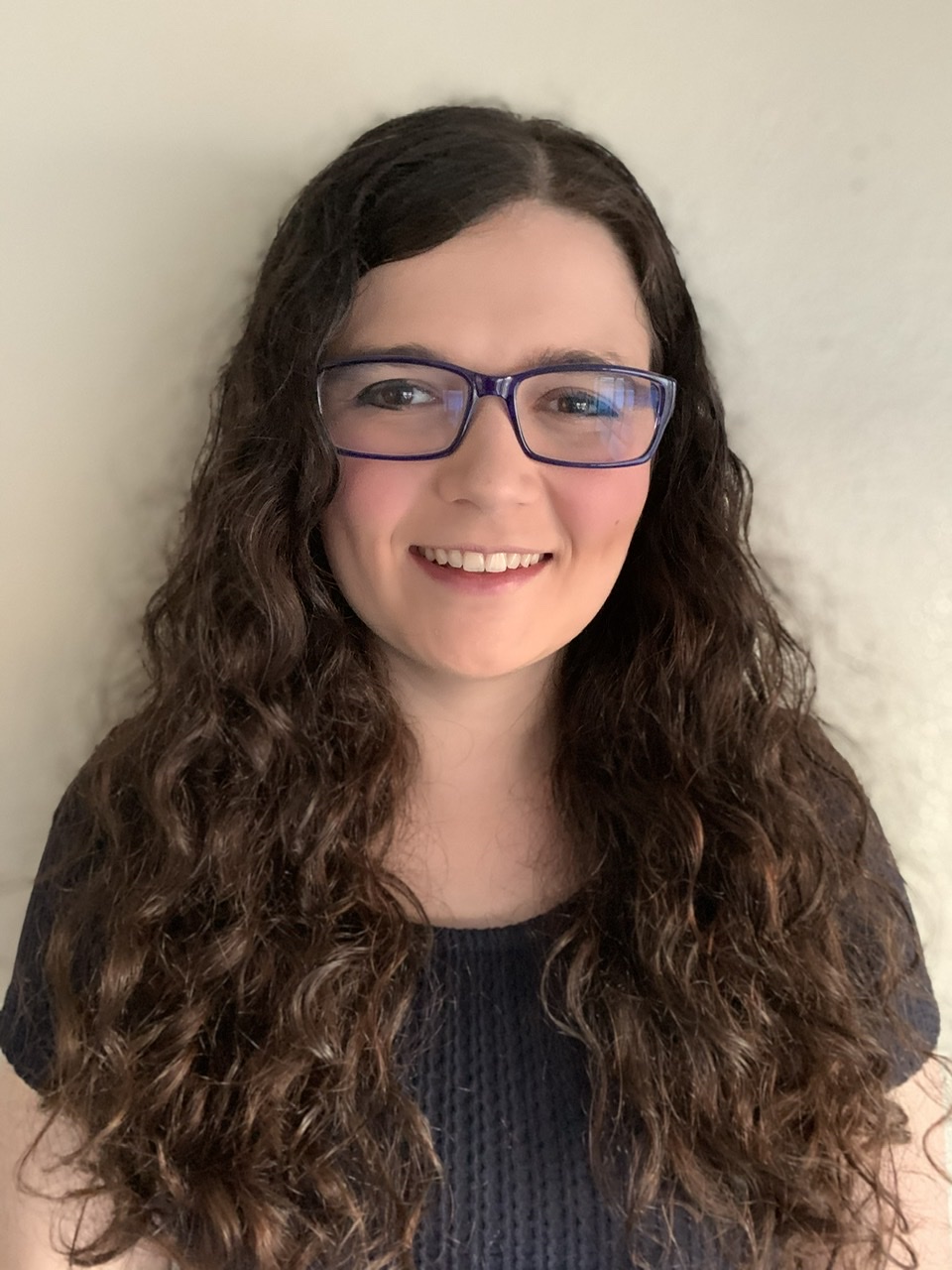
Lyndie Zollinger
- Alumni
- United States
- 2020 PhD Engineering
- Churchill College
Lyndie Zollinger
- Alumni
- United States
- 2020 PhD Engineering
- Churchill College
I was raised in Utah with a love for learning, teaching, building, and medicine. I liked to push the limits of what my community told me was possible; this led me to MIT, where I graduated in Mechanical Engineering. During a class activity at MIT, my knee was injured when a giant hamster wheel fell on top of me. This fueled my passion for studying medical challenges from a mechanical perspective. As an undergraduate, my research projects have included an assistive diaphragm for patients with respiratory muscle diseases through MIT and an implantable sensor for the brain at the University of Auckland. At Cambridge, my PhD research focuses on increasing the availability of gait analysis for injury diagnosis, treatment, and monitoring. My current research combines portable low-cost imaging techniques with biomechanical modelling to analyse motion patterns, detect abnormalities, and identify specific knee injuries in humans and dogs. This portable and low-cost method of gait analysis has the potential to enable GPs, physiotherapists, and other medical professionals to assess patient gait without the need for referral to specialized, expensive, and often overwhelmed gait clinics. This can help assess patients more quickly and reduce patient backlogs. This method will also enable at-home monitoring of patients as they recover from injuries, which can improve patient outcomes and ensure they stay on track for a normal recovery. As I pursue a PhD and academic career in biomechanics, I also want to continue mentoring and inspiring more girls to pursue their dreams in STEM fields. I am honored to be a part of the Gates Scholars community and look forward to learning and sharing all I can with this incredible group.
Previous Education
Massachusetts Institute of Technology Mechanical Engineering 2020

James Zou
- Alumni
- United States
- 2007 CASM Applied Mathematics
- Jesus College
James Zou
- Alumni
- United States
- 2007 CASM Applied Mathematics
- Jesus College
I am participating in the Part III program in Applied Mathematics at Cambridge. I'm interested in the quantitative aspects of a wide range of topics--biology, sociology, and AI. I hope to explore the synthesis of these diverse topics at a fundamental level. I look forward to completing a Ph.D. after Part III.
Benjamin Zwiebel
- Alumni
- United States
- 2001 CASM Mathematics
- Churchill College
Benjamin Zwiebel
- Alumni
- United States
- 2001 CASM Mathematics
- Churchill College
