




Directory
- Share


Lengwe Sinkala
- Scholar-elect
- Zambia
- 2026 PhD Engineering
- Robinson College
Lengwe Sinkala
- Scholar-elect
- Zambia
- 2026 PhD Engineering
- Robinson College
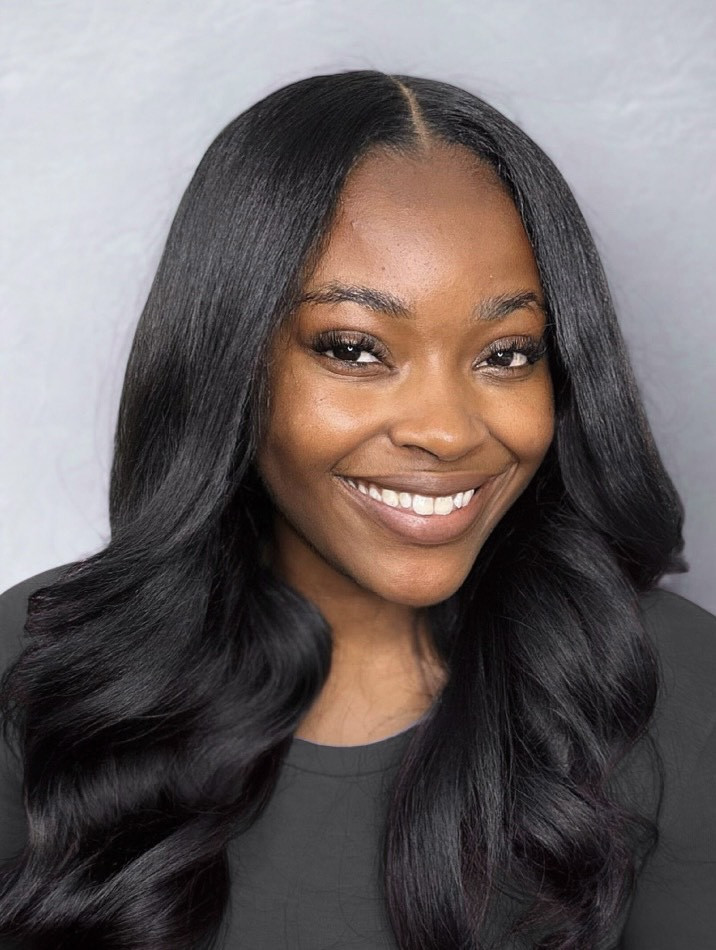
My journey began in Sub-Saharan Africa, shaped by my upbringing in Botswana and my roots in Zambia. After graduating from Privolzhsky Research Medical University in Russia, I practised as a clinician across both countries, where my interest in paediatrics deepened. During this time, I came to recognise that many challenges in children’s care are rooted in system design rather than clinical complexity alone. To explore this further, I pursued a Master’s in Medical Sciences by Research at the University of Edinburgh as a Beit Trust Scholar, before gaining experience as a human factors researcher. This led me to join the International Health Systems Group at the University of Cambridge as an academic collaborator. I am now excited to begin a new phase of my journey, focusing on redesigning paediatric surgical services for neurodivergent children. My research aims to develop scalable, context-sensitive approaches that improve health outcomes, safety, and quality of care globally. Beyond my academic and clinical work, I co-founded Bupalo Children’s Centre to support access to care for children with special needs. I am also a musician and singer-songwriter, and I enjoy sharing my music with the world.
Previous Education
Edinburgh University MMedSci by Research 2023
Privolzhsky Research Medical MBBS 2018
William Smith
- Scholar-elect
- Australia
- 2026 MPhil Health, Medicine, and Society
- Clare College
William Smith
- Scholar-elect
- Australia
- 2026 MPhil Health, Medicine, and Society
- Clare College
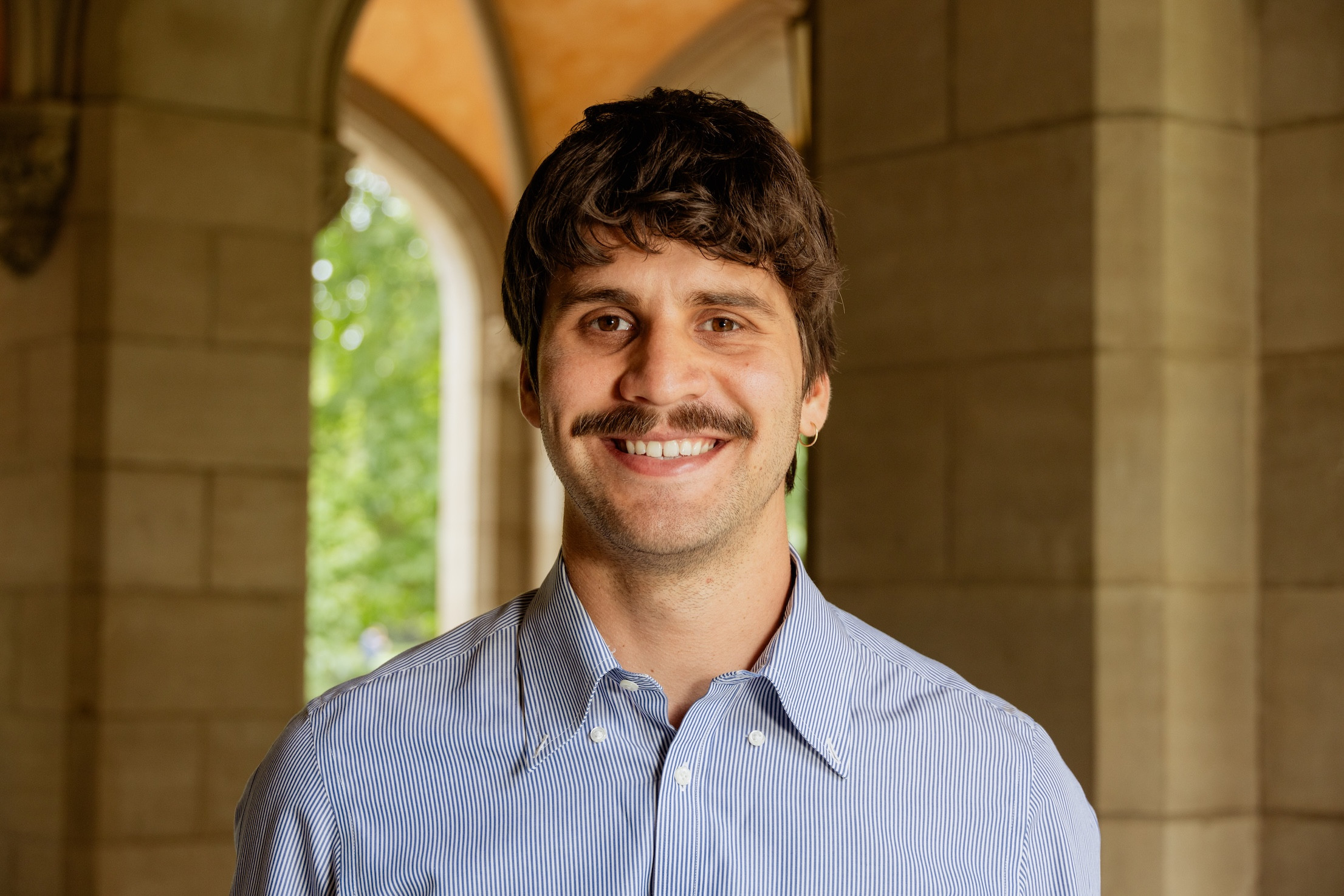
Growing up as a Wiradjuri and Wemba Wemba man on Bunurong Country in Victoria, Australia, I witnessed the gap between how health systems serve Indigenous peoples and how Indigenous communities understand our own wellbeing. This disconnect drew me to psychology, where I completed my Honours at the University of Melbourne and began investigating how cultural practices can heal mental health, not merely as adjuncts to Western clinical models. This led to publications in The Lancet Psychiatry and the Medical Journal of Australia on Indigenous knowledges and evidence-based practice.I currently work within Melbourne University's Medical School to embed culturally safe frameworks into medical education, shaping how future doctors understand and respond to Indigenous health. At Cambridge, my MPhil in Health, Medicine and Society will extend this work, examining how health knowledge is produced and what genuine culturally safe care looks like, with a focus on comparative Indigenous health governance.I then intend to pursue clinical training in psychology and research as an Indigenous clinician-academic to ensure future psychologists and doctors are equipped to deliver care that honours Indigenous epistemologies and ontologies.
Previous Education
University of Melbourne Psychology 2023
University of Melbourne Psychology and Philosophy 2022
McGill University Philosophy 2022
Marco Souza De Joode
- Scholar-elect
- Czech Republic
- 2026 PhD Astronomy
- Churchill College
Marco Souza De Joode
- Scholar-elect
- Czech Republic
- 2026 PhD Astronomy
- Churchill College
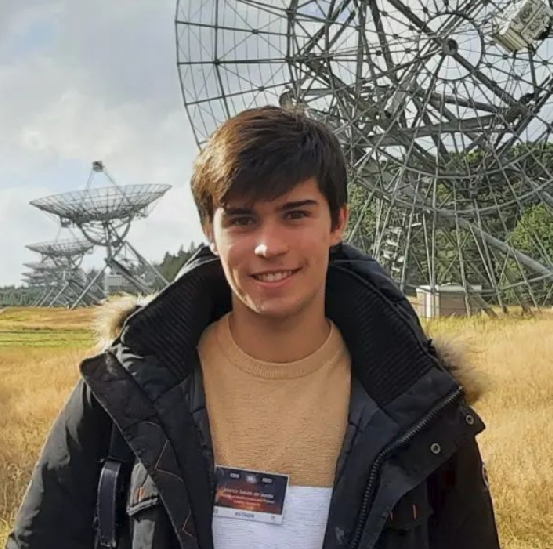
I am a Czech astronomy student from Prague, currently completing my MSc thesis at the Max Planck Institute for Astronomy in Heidelberg. I will pursue a PhD at the Institute of Astronomy, Cambridge, supervised by Professor Cathie Clarke.My research focuses on the formation of planets in protoplanetary discs. In my BSc thesis, written under the supervision of Dr. Miroslav Brož at Charles University in Prague, I modelled the radiative transfer in the protoplanetary disc DoAr 44 based on observations from VLTI/GRAVITY, ALMA and various other instruments.In my MSc research, I am trying to model the kinematics of gas in the planet forming disc Elias 2-27, which is an interesting challenge due to the interplay of infall, gravitational instability, azimuthal asymmetry and orbital eccentricity in this system.During my PhD, supported by the Gates-Cambridge scholarship, I will investigate the relationship of infall, gravitational instability and planet formation using hydrodynamical simulations and radio-interferometric observations. Alongside my research, I am an organizer of the Czech Astronomy Olympiad and am committed to building a stronger astronomical community in Czechia. I am excited to join the Gates-Cambridge community!
Previous Education
University of Heidelberg Physics 2026
Charles University Physics 2024
Prithi Srinivasan
- Scholar-elect
- United States
- 2026 PhD Biological Science at the MRC Laboratory of Molecular Biology
- Trinity College
Prithi Srinivasan
- Scholar-elect
- United States
- 2026 PhD Biological Science at the MRC Laboratory of Molecular Biology
- Trinity College
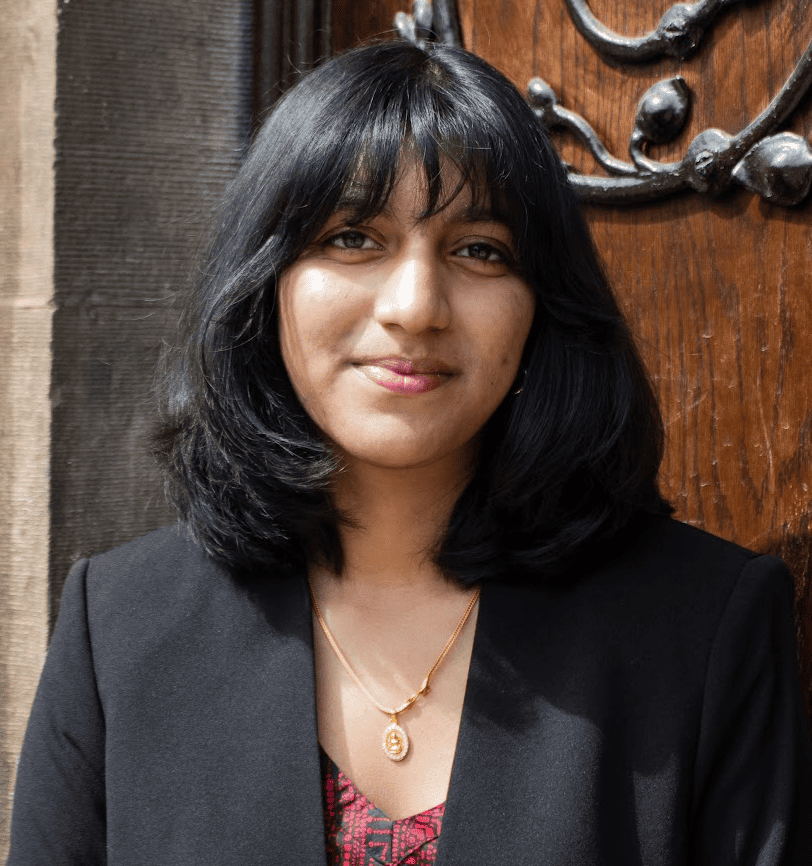
I grew up in the Bay Area in California, and pursued my undergraduate studies in Cell & Molecular Biology and Chemistry at the University of Chicago. It was there that I was introduced to the complex choreography of intracellular trafficking, studying the mechanisms by which cargo are recognized, sorted, and released during nuclear import. Building on this foundation, I am excited to be pursuing a PhD in Dr. Simon Bullock’s Lab at the MRC Laboratory of Molecular Biology, to address fundamental questions about how the transport of RNA cargo is spatiotemporally regulated in cells. This work will not only improve our understanding of the processes guiding cellular organization and specification, but will offer insights into the basis of neurodegenerative disease and mechanisms of viral infection. I am incredibly honored to be joining the Gates Cambridge community, a community defined by intensely creative and inquisitive minds. I am eager to work with fellow scholars across disciplines to increase collaboration and broaden accessibility in academic spaces.
Previous Education
University of Chicago Molecular Biology and Chemistry 2026
Yitong Sun
- Scholar-elect
- China
- 2026 PhD Earth Sciences
- Jesus College
Yitong Sun
- Scholar-elect
- China
- 2026 PhD Earth Sciences
- Jesus College
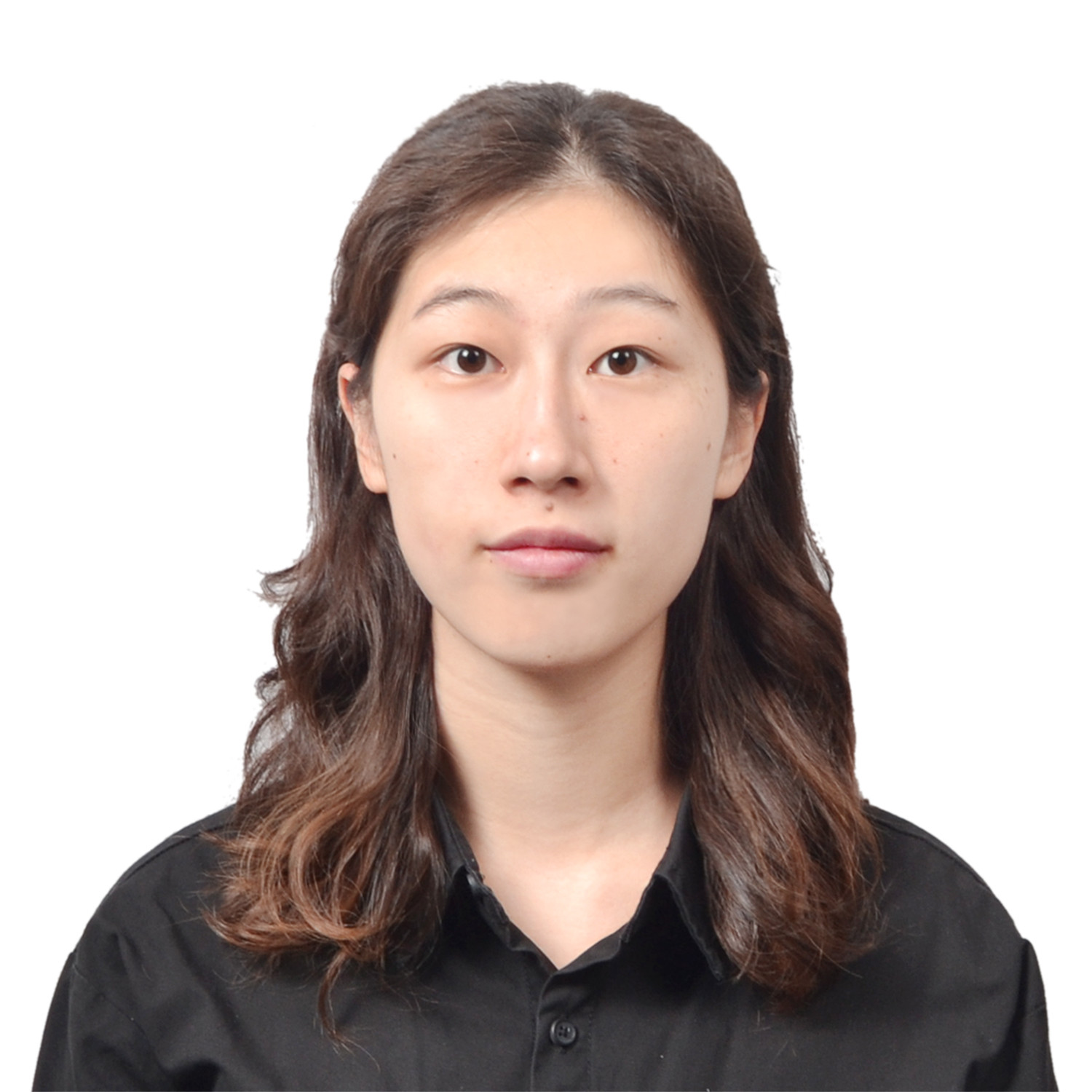
My research interests lie in using geochemical tools, especially isotopic tools, to explore Earth's history and evolution, and most excitingly, to answer those fundamental yet unresolved questions about our planet's past. What draws me to Earth sciences is how it balances romance with rigor: we ask sweeping questions about how Earth became habitable over millions and billions of years, and then we chase them down through meticulous measurements like isotopic analysis. That tension between grand vision and precise evidence is what I find most compelling.As an undergraduate, I worked on reconstructing the end-Permian mass extinction using zinc isotopes. For my PhD at Cambridge, I will focus on the geodynamics of the early Earth and investigate how the deep carbon cycle regulates climate change over geological timescales. Joining the Gates community, I look forward to becoming a geochemist with an interdisciplinary vision and to contributing a geochemist's perspective to conversations that matter for the planet.
Previous Education
Tianjin University Geographical Science 2026
Aidyn Taishybay
- Scholar-elect
- Kazakhstan
- 2026 PhD Chemistry
- Wolfson College
Aidyn Taishybay
- Scholar-elect
- Kazakhstan
- 2026 PhD Chemistry
- Wolfson College
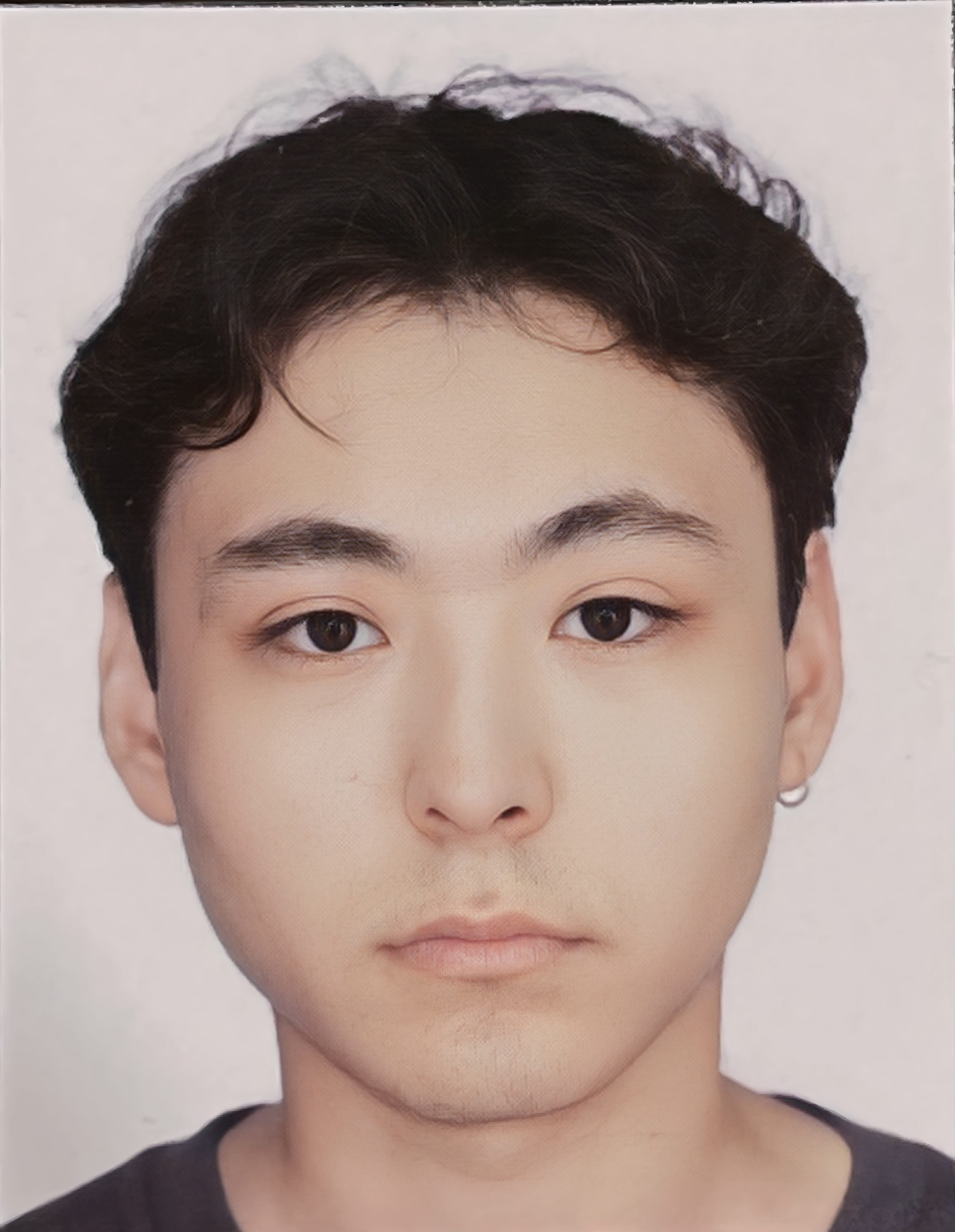
I grew up in northern Kazakhstan and pursued my undergraduate studies at Nazarbayev University where I initially developed a strong interest in synthetic medicinal chemistry that later grew into a curiosity of how biomimetic organic molecules arrange in a bulk. This brought me into expanding my field expertise by diving into bio- and pharmaceutical materials science through the Erasmus Mundus Joint Master’s Degree programme where I, ultimately, addressed "big pill burden" issue by working on co-amorphous and co-crystalline systems of poorly soluble drugs at Johnson & Johnson Innovative Medicine . During my PhD at Cambridge, I am eager to explore computational approaches to address the limitations I encountered during my experimental research in both academia and industry related to novel drug formulations. I truly believe that predictive modeling that I want to develop can significantly accelerate drug formulation and enable the development of therapies that are often overlooked by large pharmaceutical companies. My personal aim is to contribute into making medicines more accessible worldwide by providing solution to time-consuming and ineffective approaches currently present in big pharmaceutical industry.
Previous Education
Universitat Politecnica de Catalunya EMJM Bio&Pharm. Materials Sci. 2025
Universita Degli Studi Pisa EMJM Materials&Nanotechnology 2025
Dylan (Farris) Tedder
- Scholar-elect
- United States
- 2026 PhD Zoology
- St John's College
Dylan (Farris) Tedder
- Scholar-elect
- United States
- 2026 PhD Zoology
- St John's College
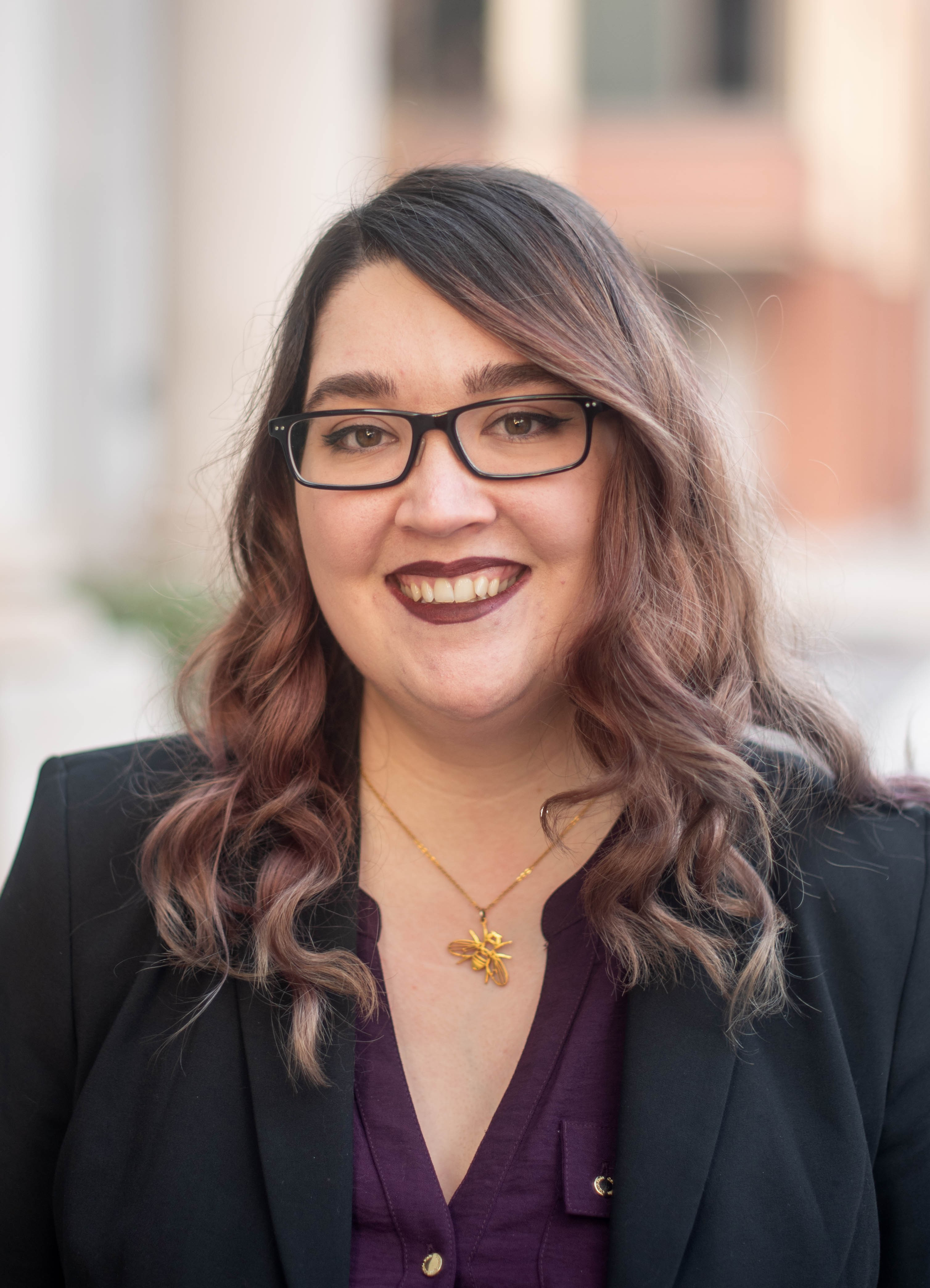
My childhood was spent watching spiders weave webs and scrabbling after cockroaches. My passion for insect behavior became my career when I studied Drosophila reproduction in the Masly lab at the University of Oklahoma. There I developed an interest in genomic influences in insect behavior. I am drawn to complex questions that require big data and pangenomic analysis to answer, which led me to pursue a master’s in bioinformatics from the University of Oregon. During my PhD in Zoology, I will study the domestication of black soldier flies (BSF), with a focus on behavioral differences across the pangenome. BSF are a key species in entomophagy and bioconversion efforts, which are important aspects of building a more sustainable future. In addition to my interest in environmental sustainability, I believe in improving access to education for all people. I want to work with museums and outreach initiatives to promote greater scientific literacy in the public. I also plan to work with mentorship and scholarship programs to lower the barriers to education for disenfranchised groups. Promoting the great minds among us, no matter where they come from, and encouraging all people to protect the environment we live in.
Previous Education
University of Oregon Biology 2024
University of Oklahoma Biology, Psychology Minor 2019
Elena Tiedens
- Scholar-elect
- United States
- 2025 MPhil Polar Studies
- Clare College
Elena Tiedens
- Scholar-elect
- United States
- 2025 MPhil Polar Studies
- Clare College
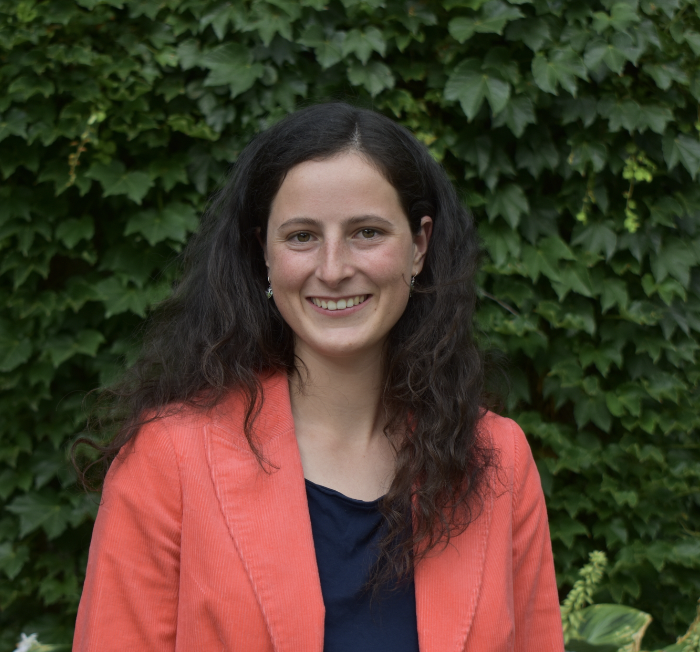
As an undergraduate at the University of Chicago, I studied History with a concentration in environmental history. Throughout my time at UChicago, I became interested in the Arctic as a region that has seen the most extreme warming from anthropogenic climate change, and increasing mineral and hydrocarbon extraction. At Cambridge’s Scott Polar Research Institute, I will continue my study of the Arctic with a specific concentration on the history of infrastructure in the Russian Arctic. I seek to explore how a wide variety of infrastructures were repurposed at the fall of the Soviet Union to build the modern Russian Arctic – and in turn, shaped the dynamics of the global Arctic in the age of climate change. I hope my work will contribute to conversations about the future of infrastructure in a climate-changed world and the dynamics of energy and extraction in the global Arctic. I am looking forward to learning from my professors and fellow students at the Scott Polar Research Institute who will enhance my understanding of the region, and its histories and cultures. I am also excited to join the Gates Cambridge community where I will be surrounded by people with boundless intellectual curiosity and a dedication to helping the world.
Previous Education
University of Chicago History
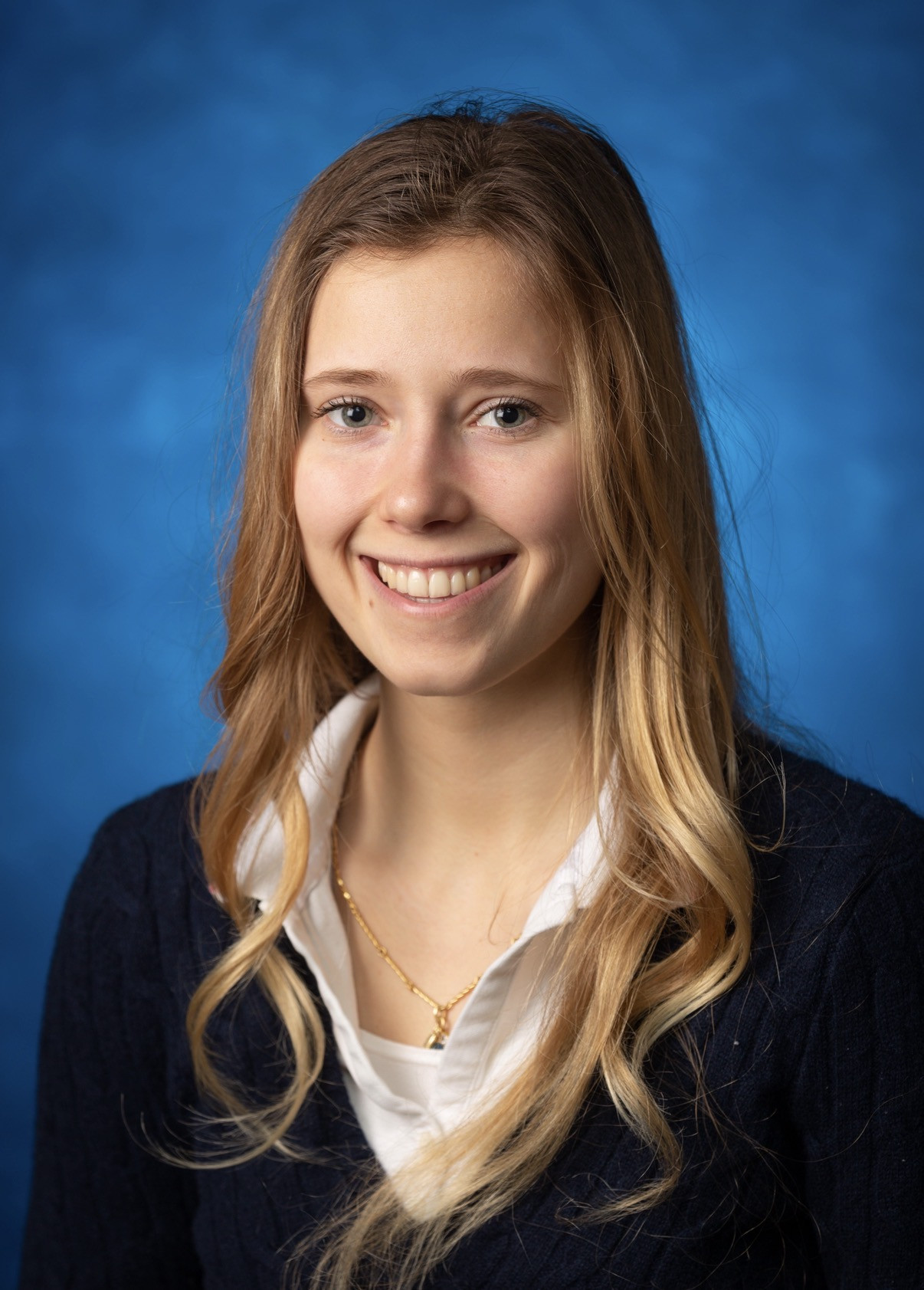
Caroline Utermann
- Scholar-elect
- United Kingdom, Germany
- 2026 MPhil Biological Science (Stem Cell Biology)
- Newnham College
Caroline Utermann
- Scholar-elect
- United Kingdom, Germany
- 2026 MPhil Biological Science (Stem Cell Biology)
- Newnham College
My interest in biology began with the science fiction novels and TV shows I loved as a child. At Yale University, I completed my BSc in Neuroscience and a double major in Comparative Literature, where I became fascinated with how we can harness molecular biology tools for therapeutic advances. I also conducted research at the University of Basel, where I contributed to the development of next-generation CAR-T cell therapies for glioblastoma. At Cambridge, I will join the Stem Cell Institute to investigate whether regenerative factors in mouse digit tips can be repurposed for tumor suppression, with the long-term goal of translating these findings into novel therapeutic strategies for targeting cancer. Alongside my scientific work, I am committed to improving public understanding of science through writing and education and hope to inspire the next generation of scientists, particularly young women, by bridging research and storytelling.
Previous Education
Yale University Neuroscience 2026
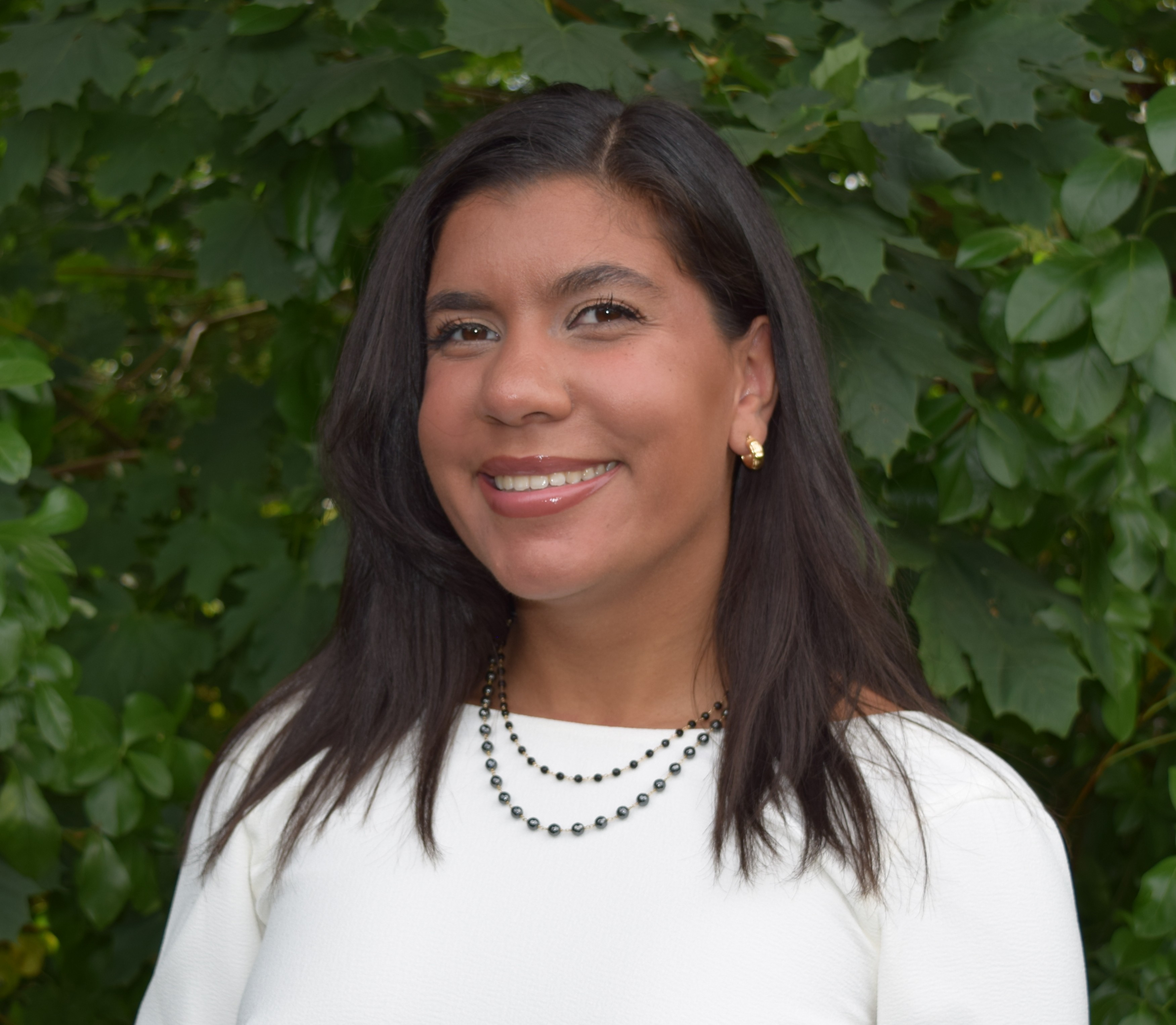
Cassandra Vega
- Scholar-elect
- United States
- 2026 MPhil Education (KPP)
- Darwin College
Cassandra Vega
- Scholar-elect
- United States
- 2026 MPhil Education (KPP)
- Darwin College
Born and raised in New Jersey, one of the most educationally segregated states in the U.S., I witnessed firsthand the impact of systemic inequities. The quality of one’s education is a key factor in social mobility, community cohesion, and the health of democracy, and yet it is largely and unjustly determined by geography. In the age of social media, people have been able to circumvent this limitation with unprecedented access to information, particularly benefitting marginalized communities whose stories and histories continue to be rewritten or suppressed. Throughout my time across federal, state, and city government, nonprofits, and academia, it has also become clear that this new reality has intensified political polarization, accelerated the spread of misinformation, and fueled a growing culture of anti-intellectualism. Through the MPhil in Education (Knowledge, Power and Politics) at the University of Cambridge, I aim to understand how we can leverage different education systems to build a politically informed public capable of holding institutions accountable and advancing a more empathetic and equitable society.
Previous Education
Rutgers University Political Science 2024
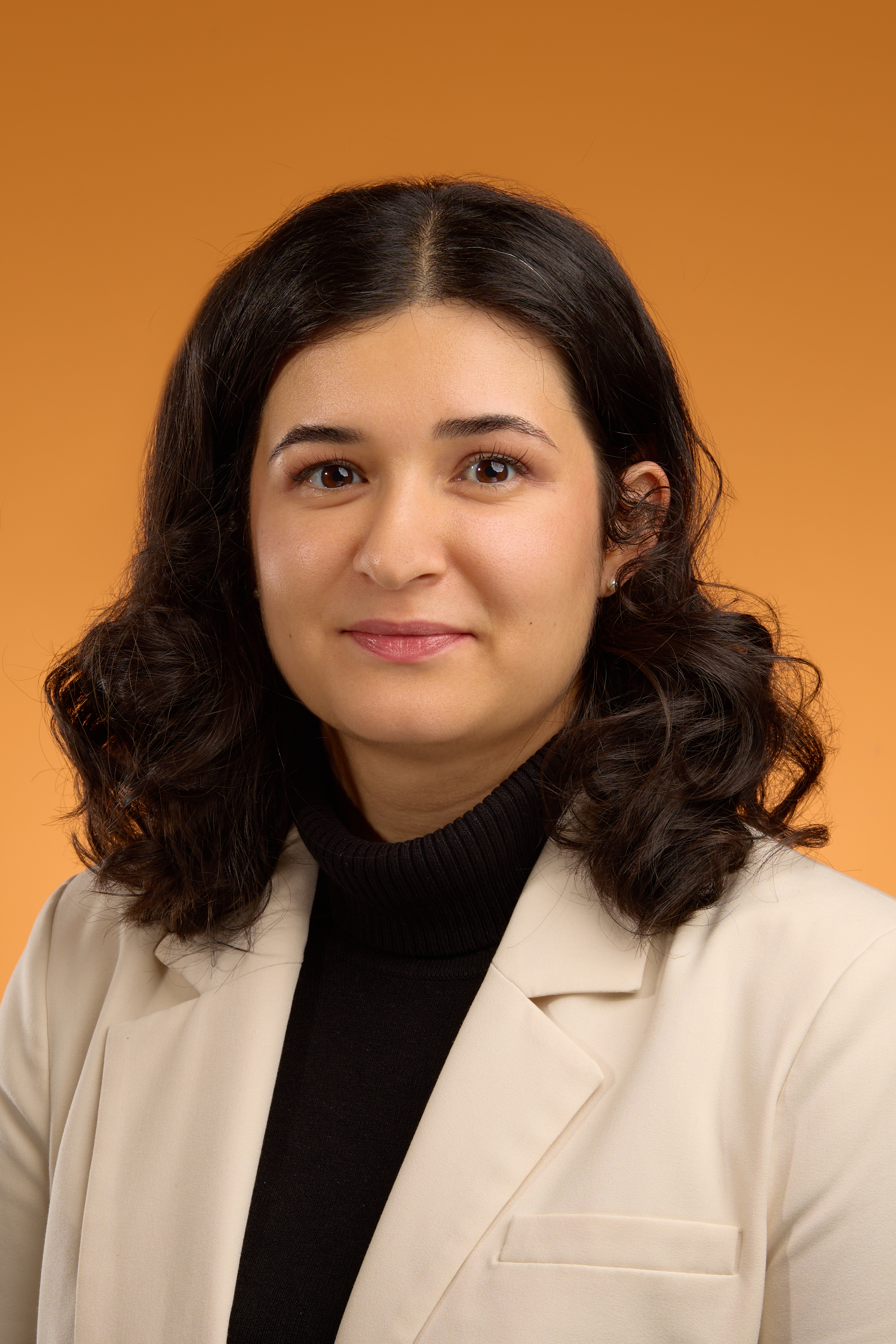
Catherine Wagner
- Scholar, Scholar-elect
- United States
- 2025 MPhil Data Intensive Science
2026 PhD Biostatistics at the MRC Biostatistics Unit - Corpus Christi College
Catherine Wagner
- Scholar, Scholar-elect
- United States
- 2025 MPhil Data Intensive Science
2026 PhD Biostatistics at the MRC Biostatistics Unit - Corpus Christi College
Studying Chemical Engineering and Spanish at NC State University sparked my interest in pharmaceutical manufacturing and the complex societal factors that determine global access to medicine. After graduation, I joined the Merck Manufacturing Leadership Development Program and subsequently became an Operations Manager. I also began volunteering with Purdue University as a guest lecturer, helping equip students in sub-Saharan Africa with the skills to launch localized drug manufacturing. Supported by a 2025 Gates Cambridge Scholarship, I then embarked upon my MPhil in Data Intensive Science to learn to apply statistics and machine learning to complex biological problems.
In my PhD in Biostatistics at Cambridge, I aim to integrate my biotech background with intensive research to design novel adaptive clinical trial frameworks and help drugs reach patients more efficiently. My volunteer work will continue to support manufacturing, while my doctoral studies will help improve trial success rates and broaden my impact across the drug-to-patient pipeline.
I’m excited to be a part of the Gates Cambridge community and look forward to collaborating with passionate scholars to improve the lives of others around the world.
Previous Education
University of Cambridge Data Intensive Science 2026
North Carolina State University Biomanufacturing 2020
North Carolina State University Spanish Lang and Lit 2020
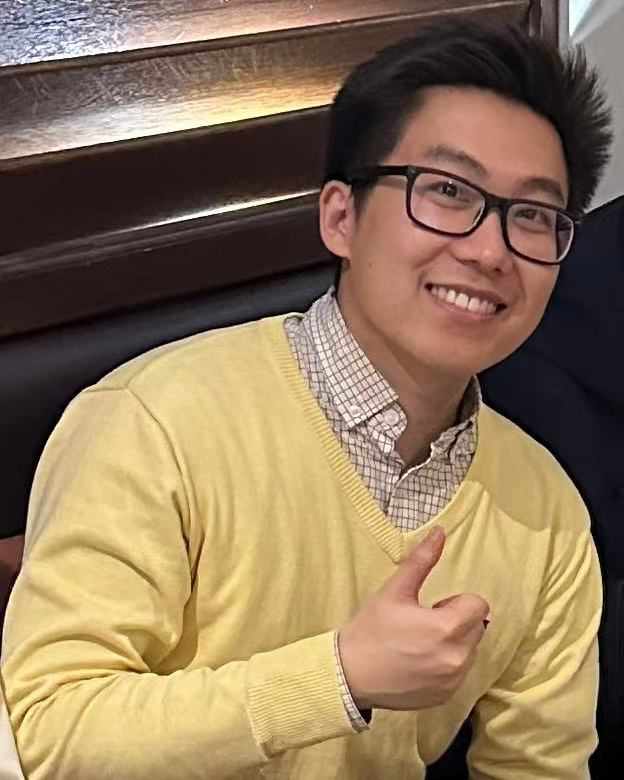
John Wang
- Scholar-elect
- Austria
- 2026 PhD Pharmacology
- Fitzwilliam College
John Wang
- Scholar-elect
- Austria
- 2026 PhD Pharmacology
- Fitzwilliam College
“Any sufficiently advanced technology is indistinguishable from magic.” This perspective by Arthur C. Clarke resonated with me during my undergraduate studies in Natural Sciences at University College London. Initially interested in drug design, my research on antibody-drug conjugates (ADCs) led me to realise that therapeutic efficacy is not solely determined by the drug itself, but by how precisely its delivery, targeting and release can be controlled. This led me to see drug delivery not just as a biological challenge, but as an engineering problem - one of designing and controlling molecular architecture, interactions and functions at the nanoscale. With antimicrobial resistance threatening modern medicine, my PhD will focus on engineering programmable drug delivery systems using DNA nanotechnology to target drug-resistant bacteria such as MRSA strains. By improving where and when antimicrobial agents act, this approach aims to enhance efficacy while limiting non-specific exposure that drives resistance. I look forward to working within the Gates community to translate these ideas into real-world solutions that improve lives globally, advancing more precise, accessible and equitable antimicrobial therapies.
Previous Education
University of Cambridge Pharmacology 2026
University College London Natural Sciences (Biomed&Chem) 2025
Lea Wang
- Scholar-elect
- United States
- 2026 MPhil History and Philosophy of Science and Medicine
- Trinity College
Lea Wang
- Scholar-elect
- United States
- 2026 MPhil History and Philosophy of Science and Medicine
- Trinity College
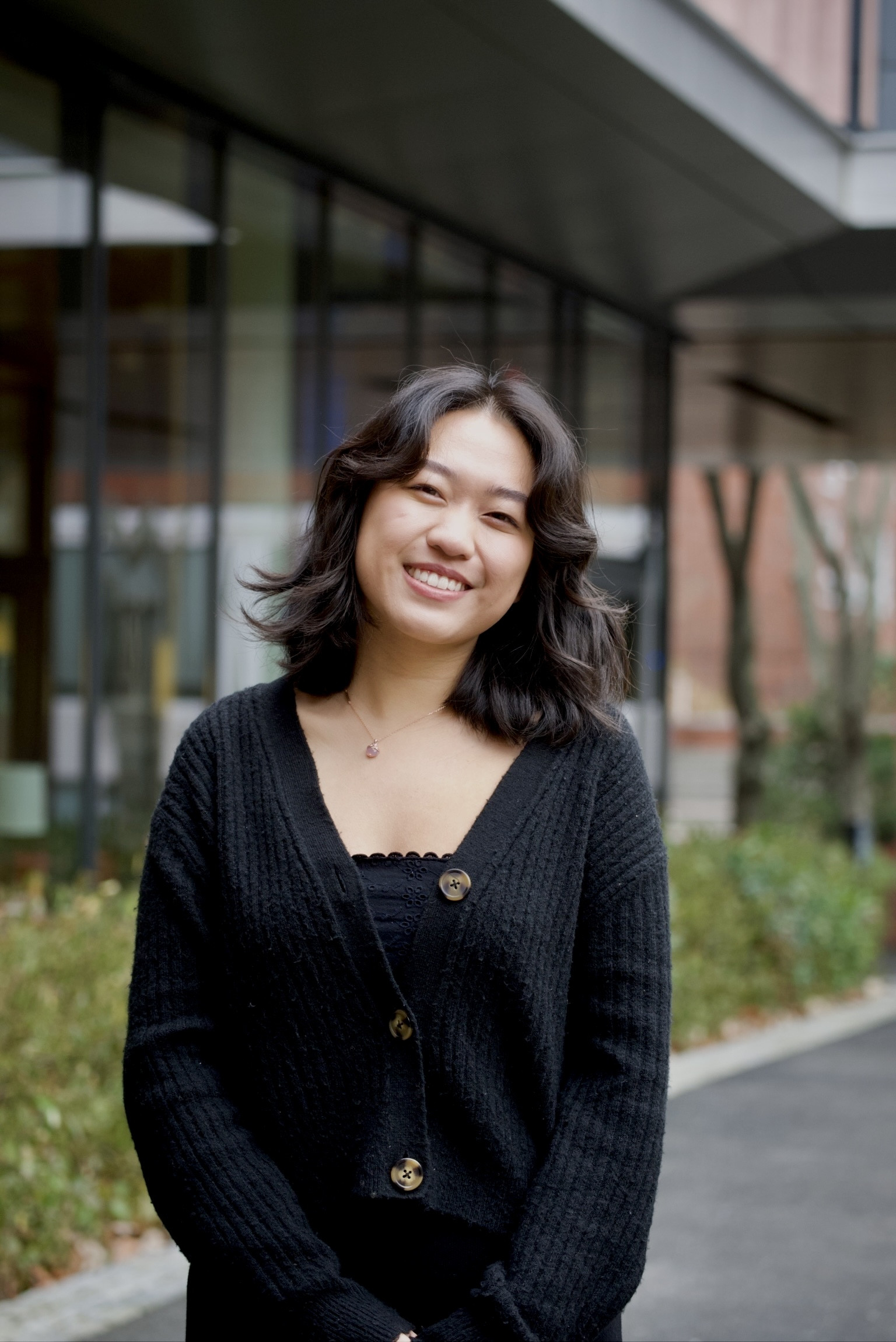
I was born and raised in Holland, Pennsylvania, and am completing B.A. degrees in Social Studies and Applied Mathematics at Harvard University. My academic interests span politics, science and technology studies, and histories of the environment and economy. At Harvard, my work has examined disaster insurance and the political economy of climate reparations. As a Gates-Cambridge scholar, I will pursue an MPhil in History and Philosophy of Science and Medicine, focusing in particular on the role of climate models in adjudicating questions of legal responsibility for climate change. By examining the intersections of technology and politics, I seek to articulate our obligations to one another—especially in confronting the epochal challenges of climate change. I am honored to join an engaged community of scholars committed to advancing public scholarship where it is needed most.
Previous Education
Harvard University Social Studies, Applied Math 2026
Maleakhi Wijaya
- Scholar-elect
- Indonesia
- 2026 PhD Computer Science
- King's College
Maleakhi Wijaya
- Scholar-elect
- Indonesia
- 2026 PhD Computer Science
- King's College
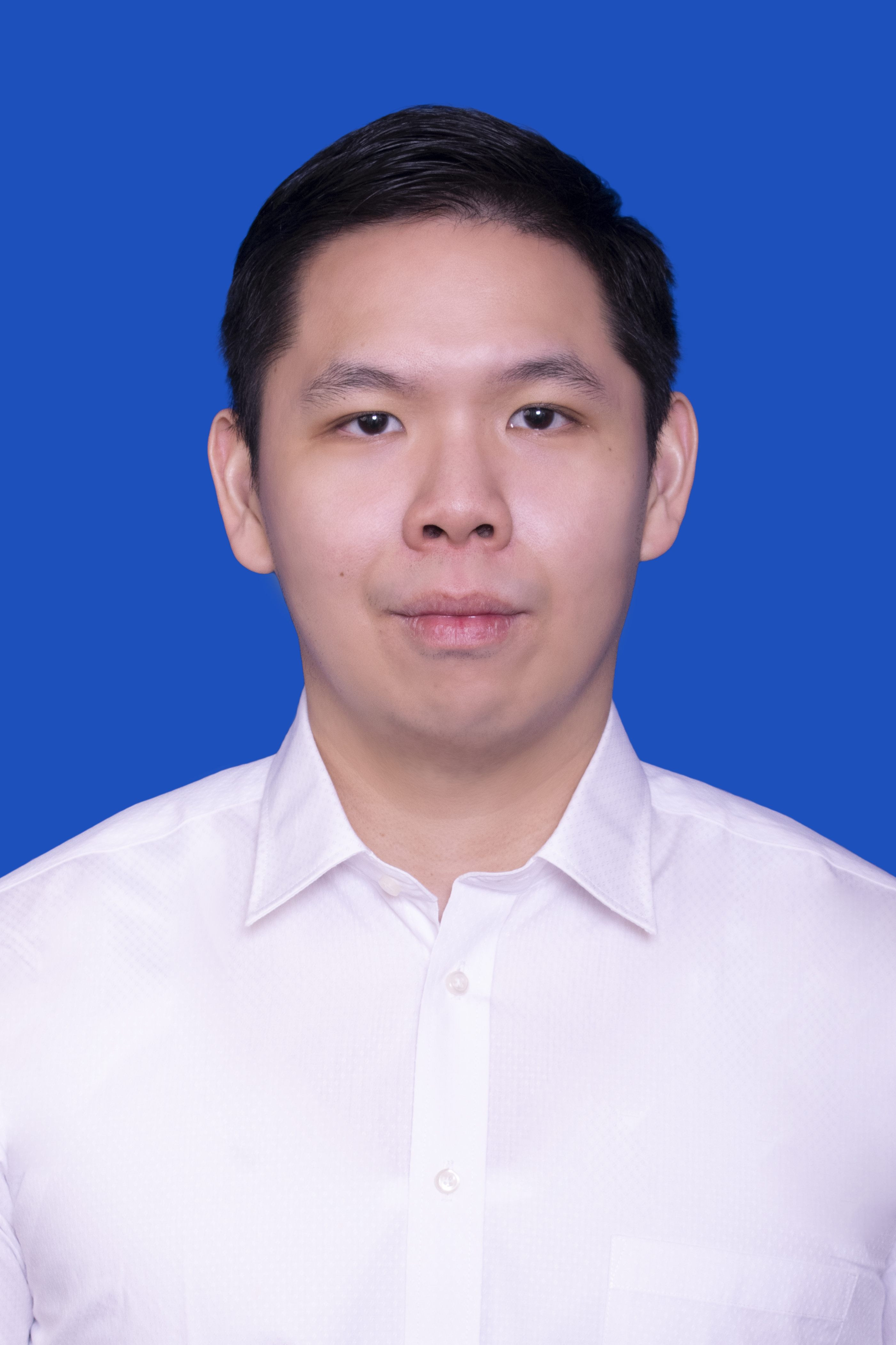
I was first exposed to AI research during my MSc at Imperial and later at my MPhil at Cambridge, where I focused on explainable AI. My work showed that models can achieve high performance while relying on spurious correlations, revealing a gap between accuracy and trustworthiness. I wanted to address this gap beyond research and build systems that improve people’s lives. Motivated by this, I co-founded Tenyks and led deployments of AI systems across hospitals, care homes, and QSRs. In healthcare, our systems monitor patients in real time and have detected falls and early signs of stroke during night shifts, enabling immediate intervention. Deploying these systems also made clear that, in many real-world settings, data are distributed across institutions, highly sensitive, and often left untapped because they cannot be easily shared. Federated learning is compelling because it enables collaborative training across such data while preserving privacy. At the same time, it introduces new challenges around robustness, fairness, and interpretability. These challenges shaped my goal to work on trustworthy federated learning during my PhD.
Previous Education
University of Cambridge Advanced Computer Science 2021
Imperial College London (University of London) Artificial Intelligence 2020
Emine Ziyatdinova
- Scholar-elect
- United Kingdom, Ukraine
- 2026 PhD Slavonic Studies
- Girton College
Emine Ziyatdinova
- Scholar-elect
- United Kingdom, Ukraine
- 2026 PhD Slavonic Studies
- Girton College
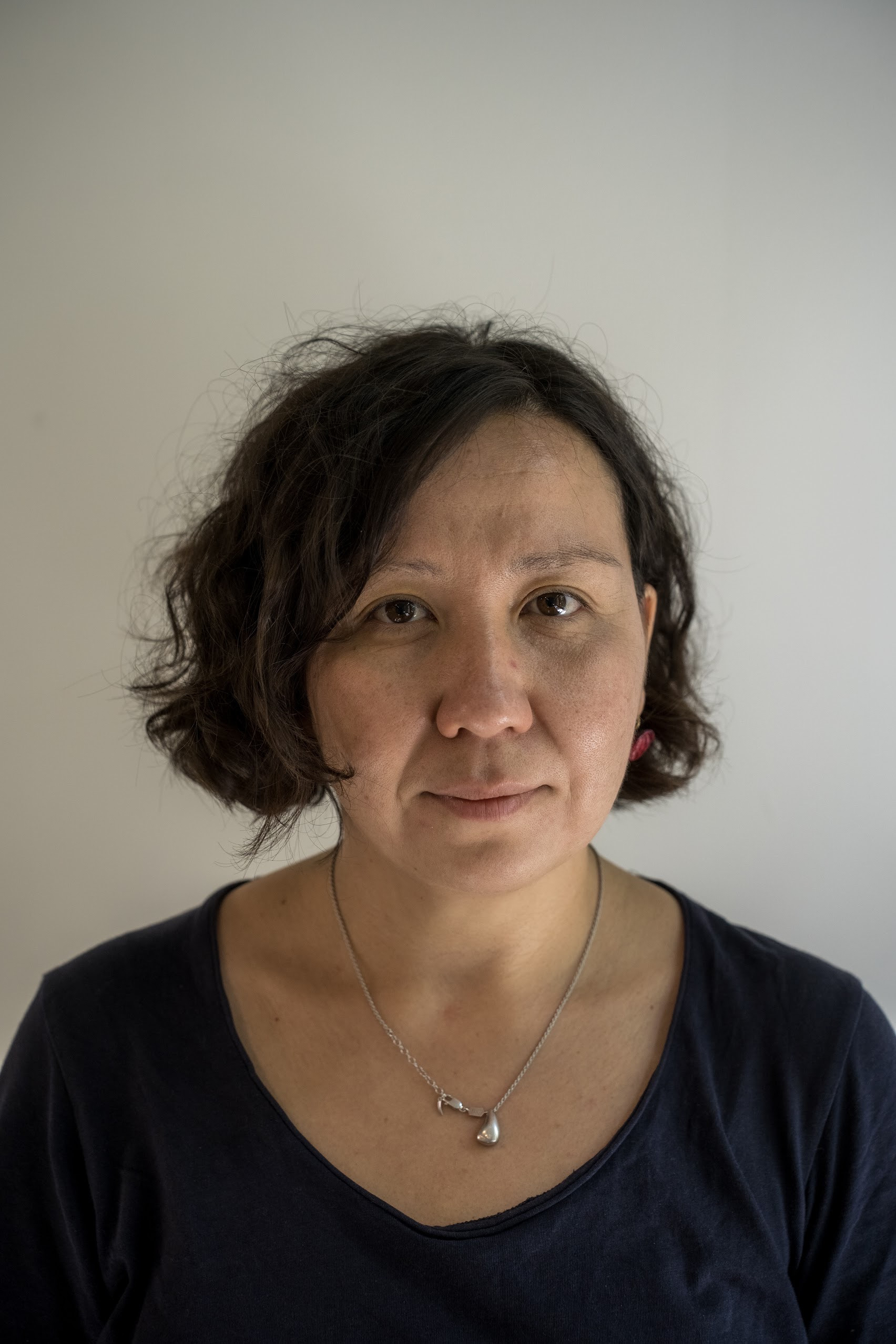
Emine Ziyatdin is a Ukrainian Crimean Tatar visual artist, documentary photographer and researcher. She was born in Uzbekistan, where her family was deported by the Soviet regime along with the entire population of Crimean Tatars in 1944. In 1990, her family returned to Crimea.Her work explores themes of home, belonging, and collective memory through both visual and research-based approaches. She holds an MA in Sociology from Ivan Franko National University of Lviv and an MA in Photojournalism from Ohio University’s School of Visual Communication. Her work has been supported by a Fulbright Scholarship and the Magnum Foundation Emergency Fund Fellowship. Emine’s work has been exhibited in Ukraine and internationally.
Previous Education
Ohio University Photojournalism 2012
Ivan Franko University of Lviv Sociology 2009
