




Directory
- Share


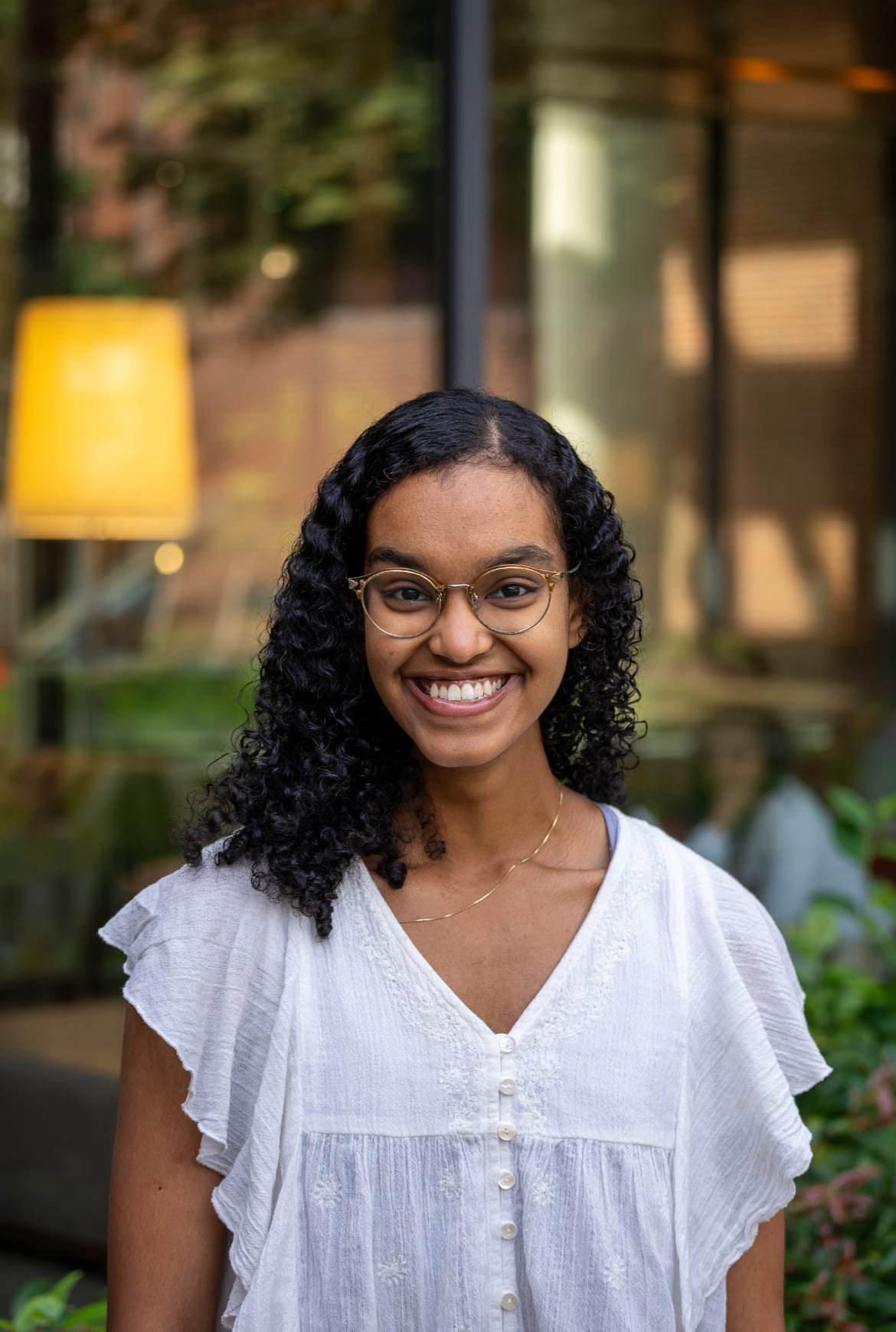
Amen Gashaw
- Scholar-elect
- United States
- 2026 PhD Divinity
- Jesus College
Amen Gashaw
- Scholar-elect
- United States
- 2026 PhD Divinity
- Jesus College
Growing up just outside and serving in one of the American Bible Belt's principal refugee resettlement hubs, I saw firsthand how religious belief shapes and sometimes distorts political practice, both on immigration and in general. This led to research in political economy and later theology on the interplay of religion, politics, and humanitarian topics, with a current emphasis on migration. My doctoral work at the intersection of theology, social and political theory, and migration studies aims to address systemic determinants of irregular migration and hostile migrant reception (e.g. ethnic scapegoating) by developing an account of systemic agency, accountability, and reform using the Christian doctrine of sin and its peers: grace, justification, and sanctification. As a part of the Gates Cambridge community, I hope to deploy this framework as a guide for dialogue, persuasion, and coalition-building around immigration policy as well as a wider range of issues facing multicultural congregations and democracies in a simultaneously globalizing and retrenching world.
Previous Education
University of Cambridge Theology and Religion 2026
Harvard University Government 2024
Harvard University Molecular & Cellular Biology 2024
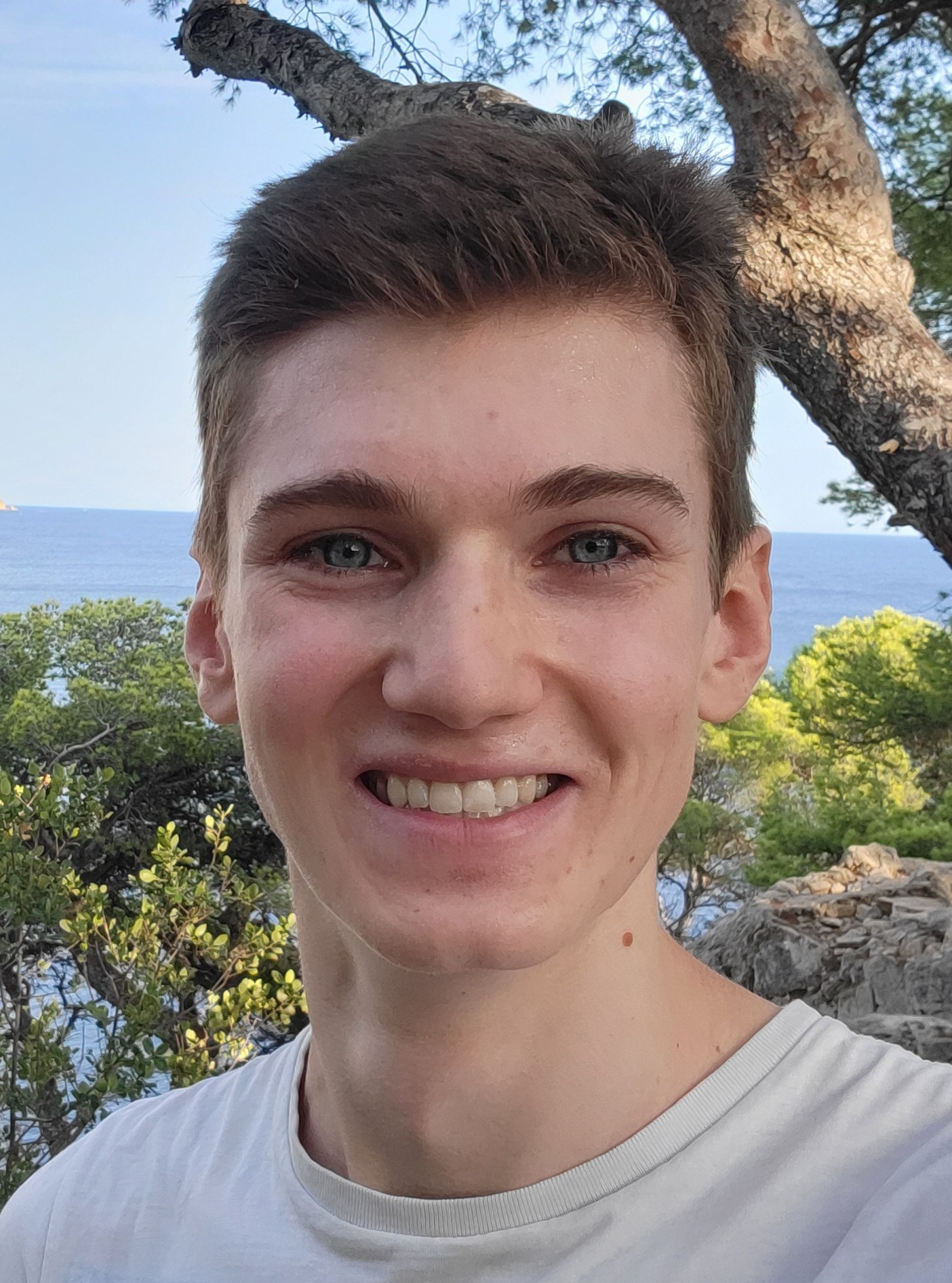
Virgile Gobry
- Scholar-elect
- France
- 2026 PhD Biochemistry
- St John's College
Virgile Gobry
- Scholar-elect
- France
- 2026 PhD Biochemistry
- St John's College
After completing high school in Belgium, I began medical studies at Aix-Marseille University. My strong desire to gain a thorough understanding of human biology and its dysfunctions led me to take research classes in addition to my medical ones. At the end of my second year, I was selected for an MD-PhD program organized by École Normale Supérieure (ENS-PSL) in partnership with Curie and Pasteur Institutes. Hence, I moved to Paris, where I completed my undergraduate degree in medicine at Paris Cité University (UPC) and a Master of Science at ENS-PSL.Throughout this journey, I developed a strong interest in cancer cell biology, particularly in the metastatic process. Pancreatic cancer is one of the deadliest forms of cancer due to its ability to spread at an early stage. Consequently, it represents a highly relevant model for studying the mechanisms underlying metastasis. As a PhD student in biochemistry, I aim to decipher the relationships between the energy metabolism of cancer cells (specifically the phosphocreatine shuttle) and their ability to migrate. By becoming a clinician-scientist, I hope to contribute to our understanding of cancer, the development of novel therapeutic approaches and ultimately improve patient outcomes.
Previous Education
Ecole Normale Supérieure Biology (Life Sciences) 2026
Ecole Normale Supérieure Biology (Life Sciences) 2025
Université Paris-Cité Medicine 2025
Rishi Goel
- Scholar-elect
- Australia
- 2026 PhD Physics
- Corpus Christi College
Rishi Goel
- Scholar-elect
- Australia
- 2026 PhD Physics
- Corpus Christi College
I grew up in Australia and completed a BAdvSc in Physics at the University of Queensland, where I became deeply interested in the societal implications of emerging technologies, inspired by the concept of “weapons of math destruction”. This led me to explore quantum technologies, particularly the interface between quantum and classical resources, where foundational physics can have industrial applications. As a PhD student in theoretical quantum information, my research aims to advance our understanding of these systems in a way that is equitable, accessible, and oriented towards the common good. Practically, I will explore avenues for quantum advantage through quasiprobability frameworks, metrological algorithms and contextuality. I hope to help develop quantum tools which revolutionize healthcare, address climate challenges, and enable breakthroughs in materials science. I am very excited to join the Gates Cambridge community, where the scholarly commitment to rigorous research and positive social impact mirror my own ambitions.
Previous Education
University of Cambridge Physics 2026
University of Queensland Physics 2025

Viviana Gómez
- Scholar-elect
- Colombia
- 2026 PhD Physics
- Homerton College
Viviana Gómez
- Scholar-elect
- Colombia
- 2026 PhD Physics
- Homerton College
I was born in Colombia, where I pursued a BSc in Physics at Universidad de los Andes. During my undergraduate studies, I developed a strong interest in statistical mechanics and condensed matter, and became fascinated by systems where disorder drives emergent behavior, such as spin glasses. What captivates me is understanding how macroscopic properties arise from microscopic rules, and exploring the role of probability and randomness in our description of nature. To me, probability is not merely a tool but a lens for making sense of uncertainty and uncovering hidden structure in physical reality. For my PhD at Cambridge, I aim to extend this fascination to quantum materials, studying how disorder shapes their magnetic properties and collective behavior. Beyond academia, I am committed to strengthening the deep tech ecosystem in Latin America, bridging fundamental science with technological impact.
Previous Education
Universidad de Los Andes Physics; Minor in Mathematics 2023
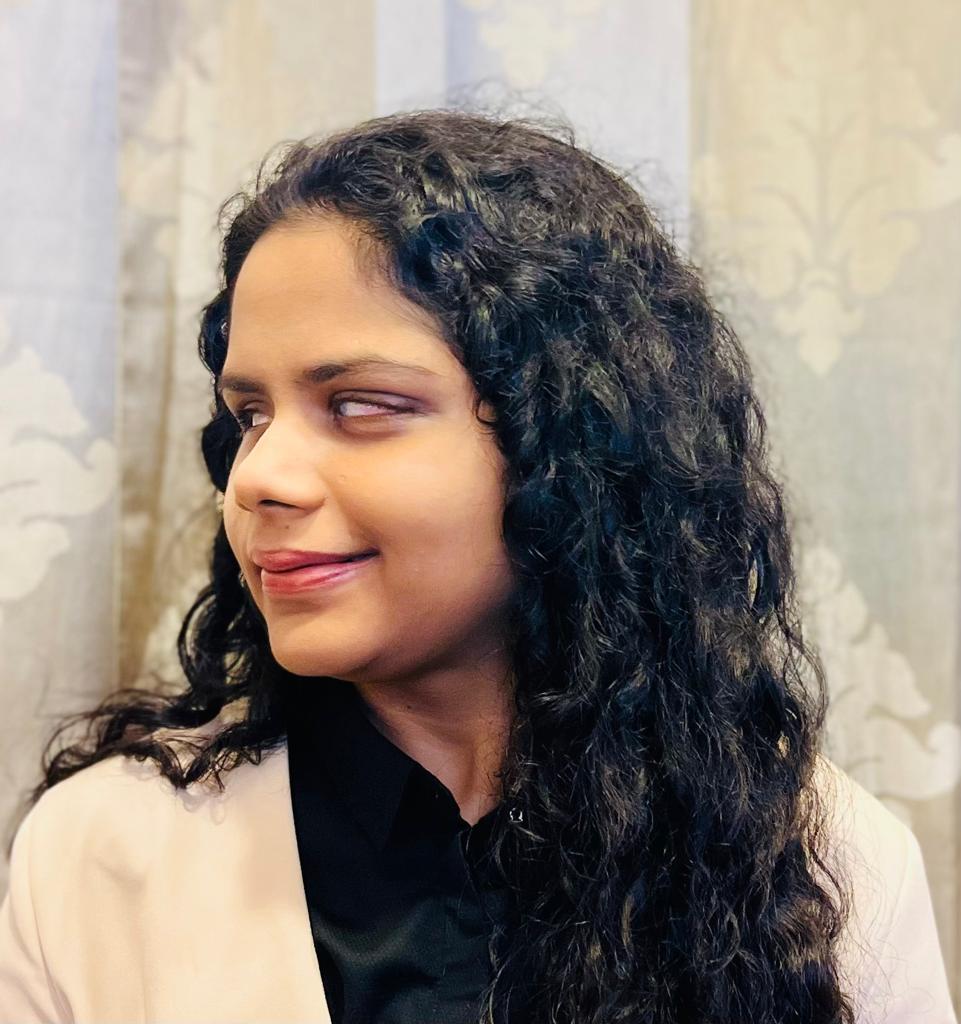
Divya Goyal
- Scholar-elect
- India
- 2026 PhD Education
- Hughes Hall
Divya Goyal
- Scholar-elect
- India
- 2026 PhD Education
- Hughes Hall
I have often found myself to be the first and only disabled woman in most academic and professional spaces I have been a part of. These opportunities have been a privilege, but more importantly a huge personal responsibility to build a more equitable and just world for disabled people. This endeavour has shaped my work on disability-inclusive international development. During my MPhil at the University of Cambridge, and later at the London School of Hygiene and Tropical Medicine, I researched on the multidimensional inequalities experienced by disabled people in accessing education, health, and social protection across diverse contexts. Most recently, at the United Nations Development Programme’s Human Development Report Office, I contributed to the 2025 Human Development Report, focusing on the impact of AI on people with disabilities around the world. Building on this work, my PhD research explores the ways in which the deployment and use of AI is reshaping educational opportunities and disadvantages for young people with disabilities in India. Through this research, I intend to influence education and AI policy to ensure that the design and deployment of AI is inclusive of the disabled community.
Previous Education
University of Cambridge Development Studies 2022
University of Dehli (Lady Shri Ram College) Political Science 2020
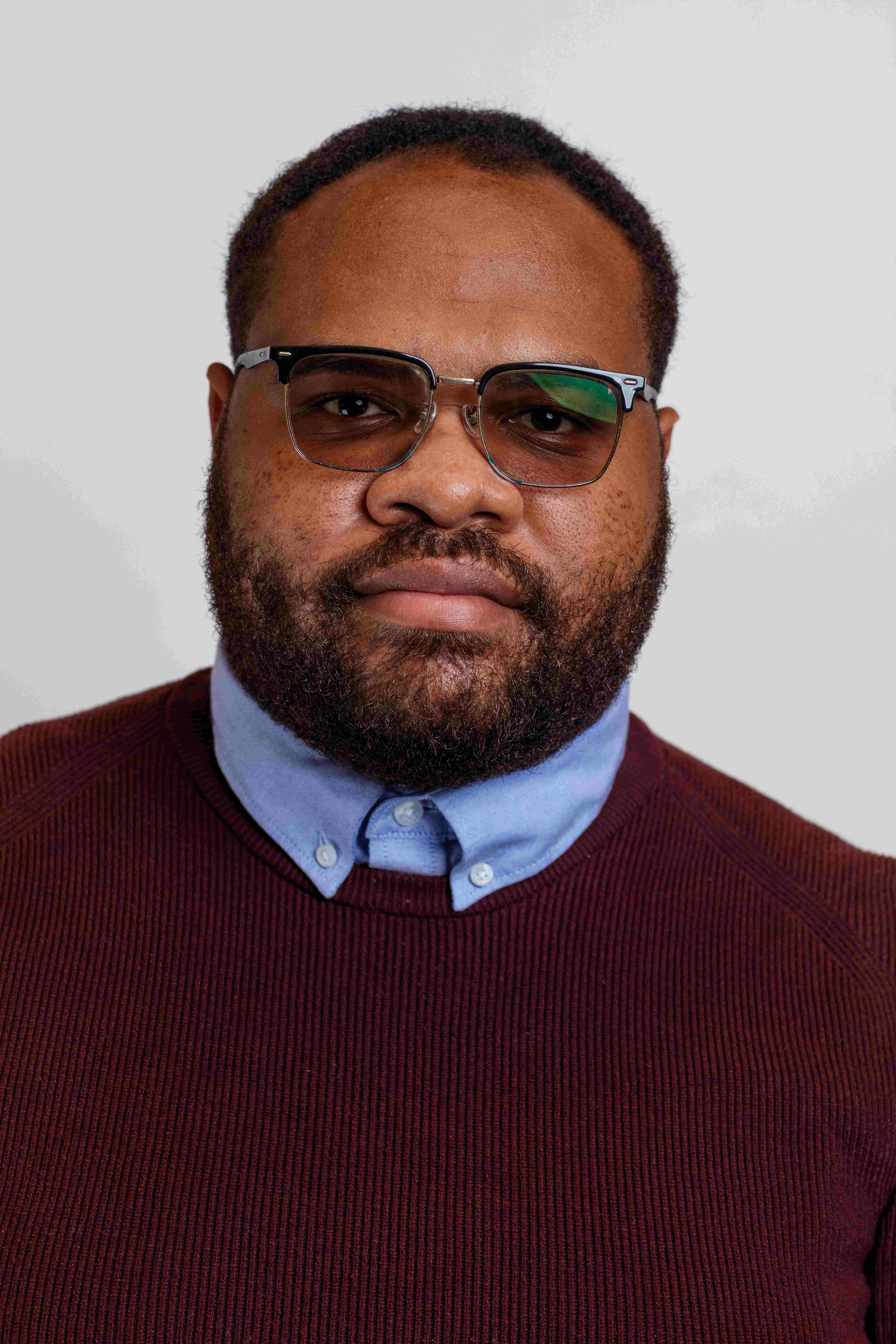
Peter Granston
- Scholar-elect
- Jamaica
- 2026 PhD Management Studies
- Darwin College
Peter Granston
- Scholar-elect
- Jamaica
- 2026 PhD Management Studies
- Darwin College
Growing up and studying in Jamaica, I double-majored in entrepreneurship and human resource management, which sparked an early fascination with a tension that has since shaped my research: organisations establish rules to operate but can be seen breaking those rules to survive. Working at the Caribbean Policy Research Institute on a comprehensive education policy report, I was able to delve deeper into this paradox and consider its implications in the education sector.With a recent hurricane ravishing western Jamaica, educators in Jamaica's western parishes were abandoning institutional procedures in the face of dire circumstances in order to keep their schools open. Constructive deviance, I realised, was not a failure of organisation. It was a form of resilience that allowed for adaptation and improvisation.As a CJBS PhD student and a Gates Cambridge Scholar, I am creating a theoretical framework that reframes constructive deviance as a mechanism of organisational resilience. This research explores how breaking from traditional norms can help organisations survive and develop. By studying instances from the Global South, notably Jamaica, we may better appreciate how organisations can benefit from constructive deviance.
Previous Education
University of the West Indies, Mona Campus Entrepreneurship 2025
University of the West Indies, Mona Campus Human Resource Management 2025
University of Cambridge ISO
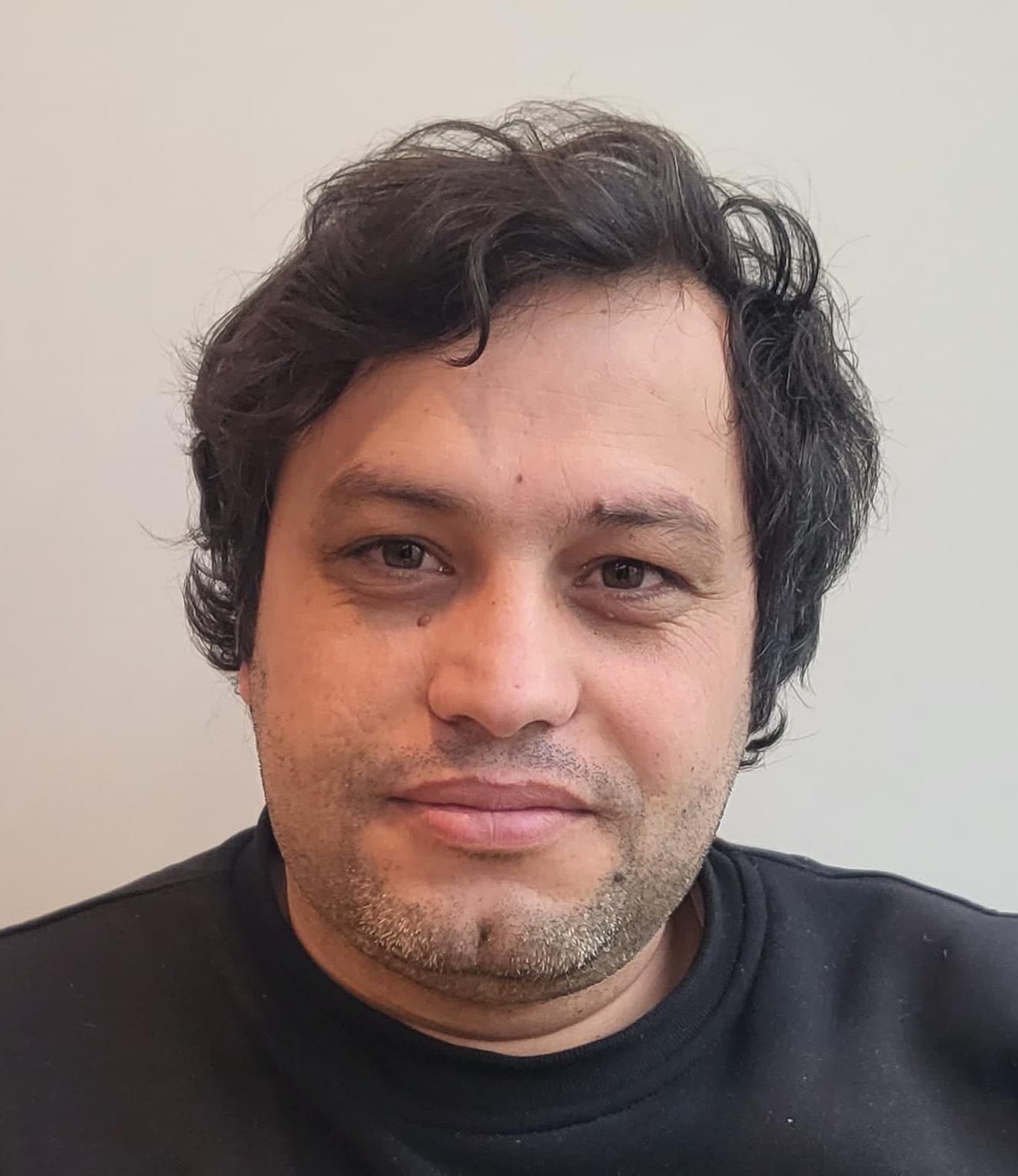
Jihad Hami
- Scholar-elect
- Syrian Arab Republic, Germany
- 2026 PhD Sociology
- Darwin College
Jihad Hami
- Scholar-elect
- Syrian Arab Republic, Germany
- 2026 PhD Sociology
- Darwin College
I am Jihad Hami, a Kurdish researcher from Kobane, Syria. My academic work is shaped by my lived experience as a Kurd. It is also shaped by my displacement due to the Syrian war, which began with the Syrian uprising in 2011. I studied English and American Literature at Damascus University in 2009 but was unable to complete my studies due to the outbreak of war and violence in Syria. Like many Syrians who fled the war, I reached Germany in 2015 and then continued my studies. My research focuses on nationalism, state violence, political belonging, and alternative models of democracy beyond the confines of nation-states. Alongside my academic work, I have published articles on the Kurdish question and the political theory of the Kurdish movement. I have also co-edited, with Thomas Jeffrey Miley, a book titled Rojava in Focus: Critical Dialogues (AK Press, 2025).
Previous Education
University of Hamburg British and American Cultures: 2026
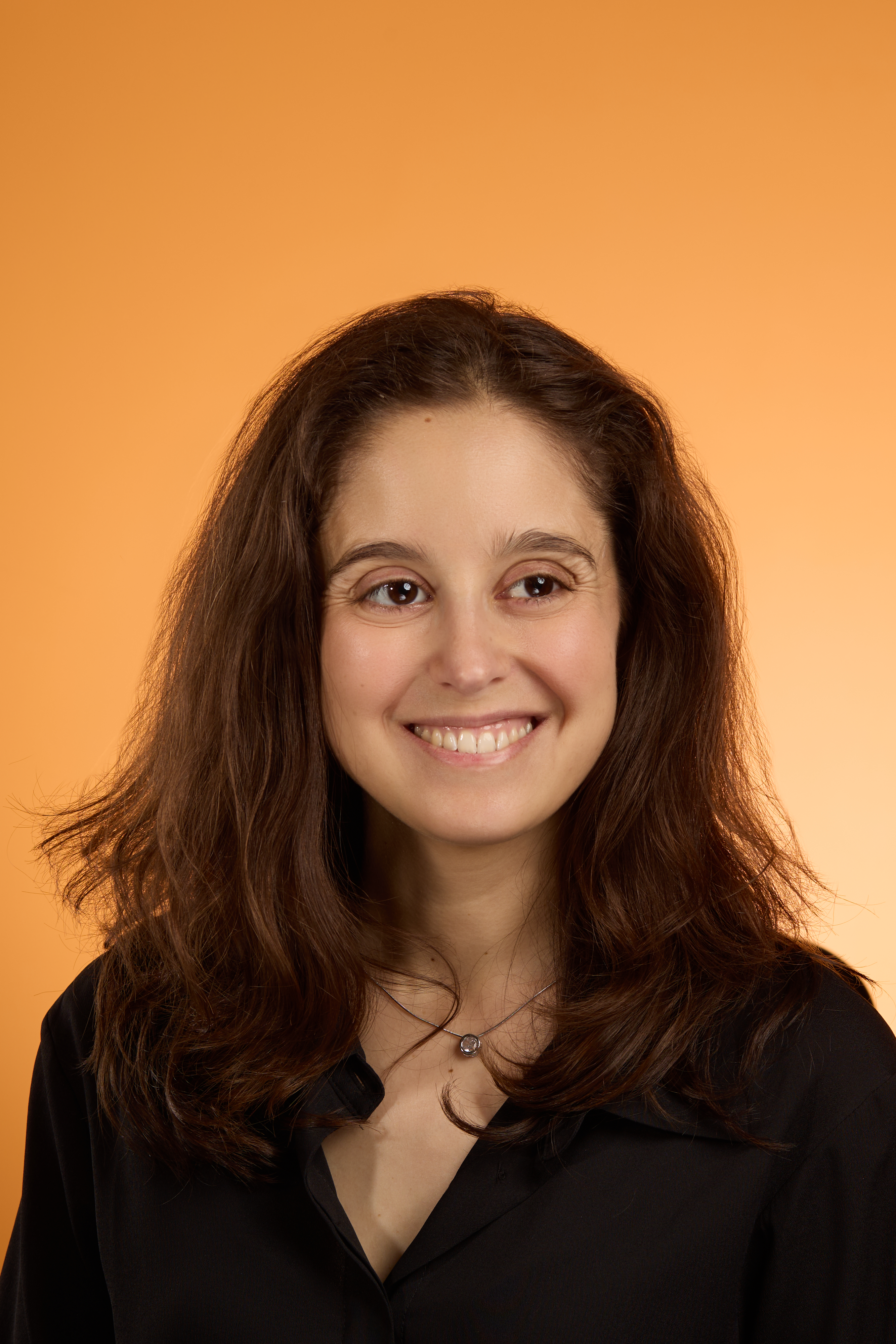
Ofir Hendel
- Scholar, Scholar-elect
- Israel, United States
- 2025 MPhil Economic Research
2026 PhD Economics - Churchill College
Ofir Hendel
- Scholar, Scholar-elect
- Israel, United States
- 2025 MPhil Economic Research
2026 PhD Economics - Churchill College
Climate change is making the global food supply more expensive and volatile, threatening our most basic human need. Through my PhD, I intend to look at the fallout, investigating how climate-driven food inflation could stall economic mobility for families and fuel political polarization. My path to this question began at Reichman University, where I studied Sustainability and Economics and joined the Economics Honors and Aviram Sustainability & Climate programs. Throughout my degree, I worked at a climatetech startup and a VC fund; in parallel, I became the first student in my faculty to publish peer-reviewed research, co-authoring a paper in a Nature Portfolio journal on digital twins and ocean conservation. From there, I consulted for financial institutions on climate-related risks and researched energy security and natural resource rehabilitation in Israel. I am now pursuing the MPhil in Economic Research as a Gates Scholar at Cambridge. Drawing on my experience across academia, the private sector, and policy research, I aim to produce work connecting climate and food policy to its downstream human consequences. I am deeply grateful to Gates Cambridge for the opportunity to pursue my PhD within this extraordinary community.
Previous Education
Reichman University Sustainability and Economics 2024
University of Cambridge Economic Research
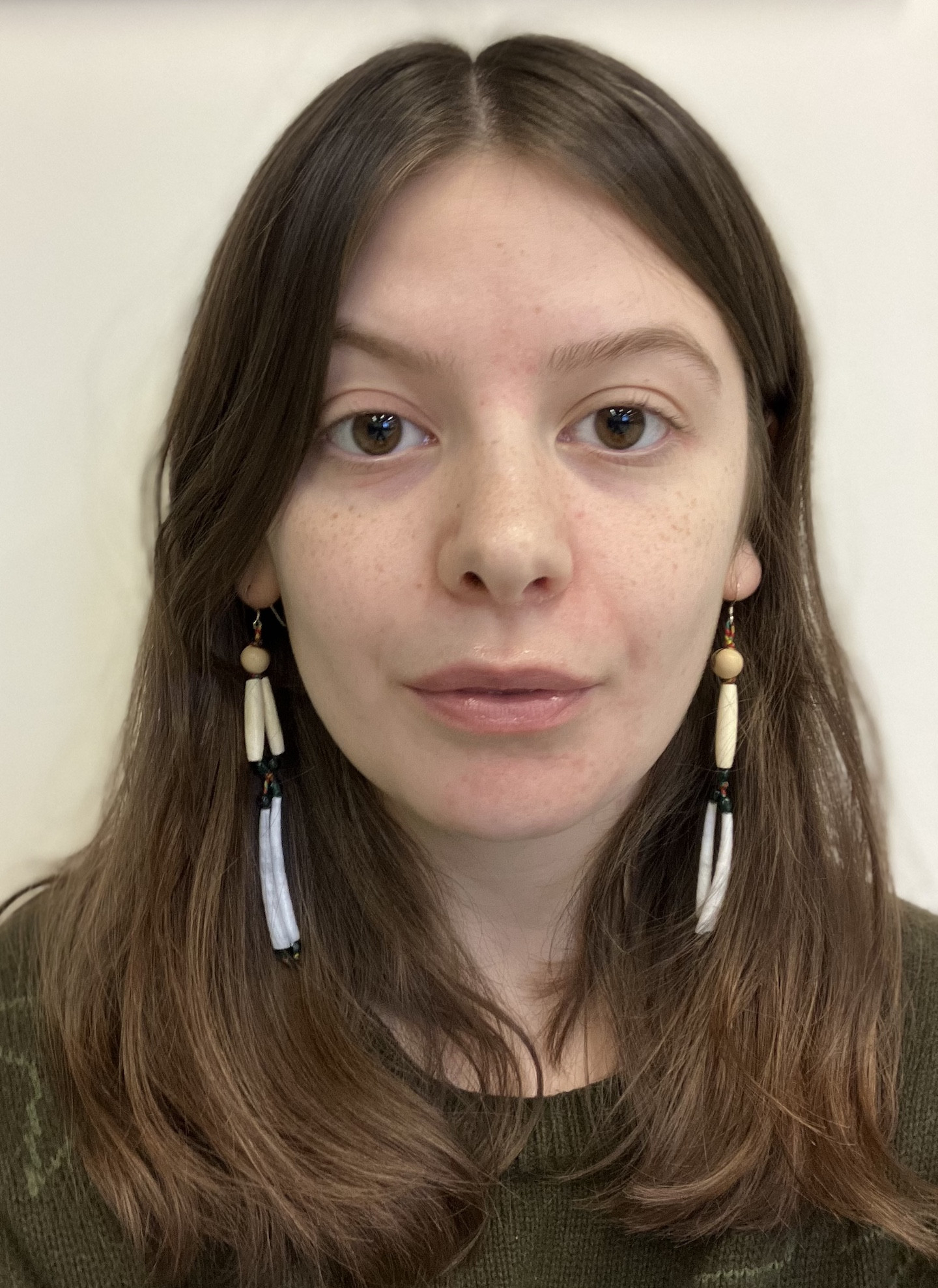
Lillian Jackson
- Scholar-elect
- United States
- 2026 MPhil Archaeological Research
- Churchill College
Lillian Jackson
- Scholar-elect
- United States
- 2026 MPhil Archaeological Research
- Churchill College
Although my undergraduate degree is in archaeological studies, my interests extend into ethnography, heritage management, and disease ecology. These fields intersect through the study of health and disease in ancient nomadic societies. Fieldwork in Mongolia, Ecuador, and Alaska led to my interest in human-environment interactions and the impact on health, social practice, and cosmology. I am interested in questions relevant to past and present, such as the role of infectious disease in Eurasian steppe history, as well as deep time sustainable human-animal relations and land management. My undergraduate research focuses on the place of ochre in structuring social networks in Terminal Pleistocene Malawi and my senior thesis identifies malaria in Iron Age Senegal. At Cambridge, I plan to work with the Henry Wellcome Laboratory for Biomolecular Archaeology in exploring livestock health and disease patterns during climate cycles in medieval Ethiopia. Through this work, I hope to link herders and livestock as stakeholders in the environment and connect past climate change to challenges facing modern herding communities. At Cambridge, I also hope to continue my involvement in initiatives for health education and menstrual equity.
Previous Education
Yale University Archaeological Studies 2026
Rijul Jain
- Scholar-elect
- United States
- 2026 MPhil English Studies
- Robinson College
Rijul Jain
- Scholar-elect
- United States
- 2026 MPhil English Studies
- Robinson College
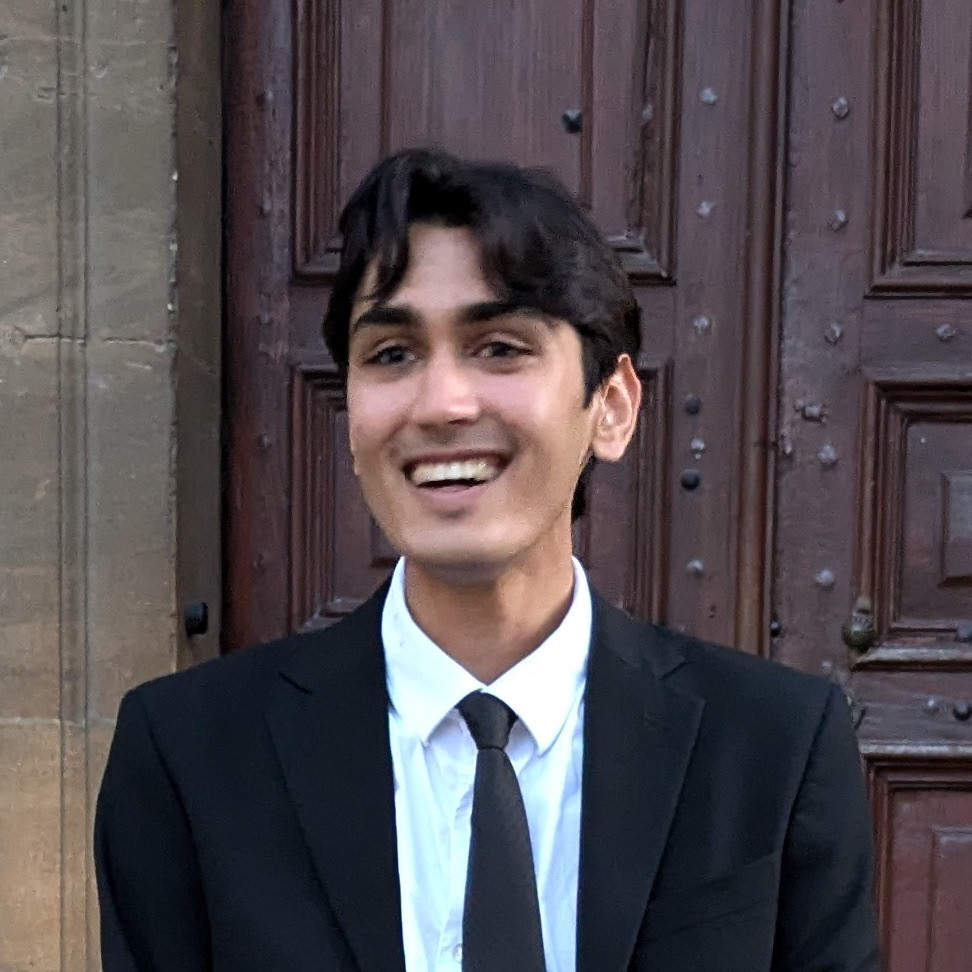
I grew up in Silicon Valley preoccupied with technology's domination of society. During my undergraduate years at Williams College and the University of Oxford, I attended to the ways in which the humanities address the limits of scientific knowledge in grasping reality and led human-centered computing research at Carnegie Mellon and Microsoft. My honors thesis on the representation of history in George Eliot's realism was concerned with the relation of art to truth—with art’s gamble that it is, in the end, neither commensurate with nor divorced from reality, that it demands interpretation, that it is art at all. At Cambridge, I'll examine how Eliot and John Ruskin depict the Italian Renaissance, thinking through their concerns with the stakes of historical reception and representation as concerns for our own technological moment. What I learn on the English MPhil and from the extraordinary Gates Cambridge community will undergird my computer science Ph.D. at the University of Washington rethinking digital collections' mediation of history in concert with arts and humanities institutions—and shape my broader vision for serving the arts by working across the theoretical and empirical in computing and the humanities.
Previous Education
University of Washington Computer Science & Engineering 2026
Williams College English and Computer Science 2025
Smriti Jalihal
- Scholar-elect
- India
- 2026 PhD Land Economy
- Pembroke College
Smriti Jalihal
- Scholar-elect
- India
- 2026 PhD Land Economy
- Pembroke College
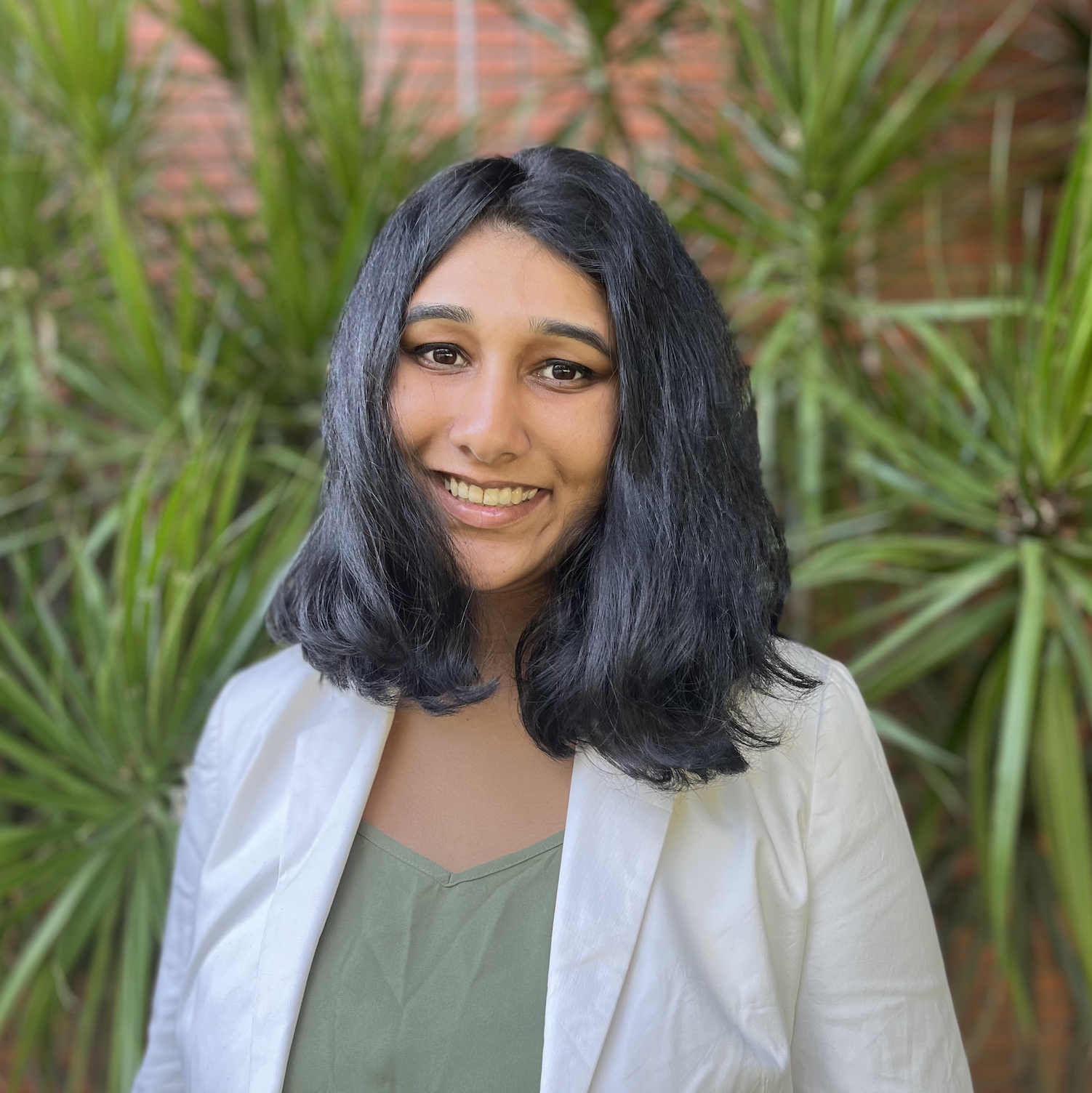
Growing up in Pune, one of the most environmental conscious cities in India, I spent a large part of my childhood visiting national parks and wildlife sanctuaries, which inspired me to study Environmental Studies and Public Policy. Since then, I have conducted fieldwork in different parts of India- including the Trans Himalayas, the Nicobar Islands, Western Ghats, and the Konkan Coast, researching human-wildlife interactions. I have also worked with local governments and researchers to build India’s first district-level statistics and culture repository. After completing my master’s at Oxford as a Weidenfeld-Hoffmann scholar, I have been working in Energy Policy, where most recently, I am leading a project on the place-based impacts of copper mining on communities in Zambia. At Cambridge, I will be pursuing a PhD at the intersection of biodiversity conservation and food systems, understanding community perspectives on climate change adaptation, and the role of spatial and scientific models in land use policymaking.
Previous Education
University of Oxford MSc Environmental Change and Management 2024
FLAME University BA and PGD Environmental Studies and Public Policy 2021
Christina Kim
- Scholar, Scholar-elect
- United States
- 2025 MPhil Biological Science at the Wellcome Trust Sanger Institute
2026 PhD Biological Science at the Wellcome Trust Sanger Institute - St John's College
Christina Kim
- Scholar, Scholar-elect
- United States
- 2025 MPhil Biological Science at the Wellcome Trust Sanger Institute
2026 PhD Biological Science at the Wellcome Trust Sanger Institute - St John's College
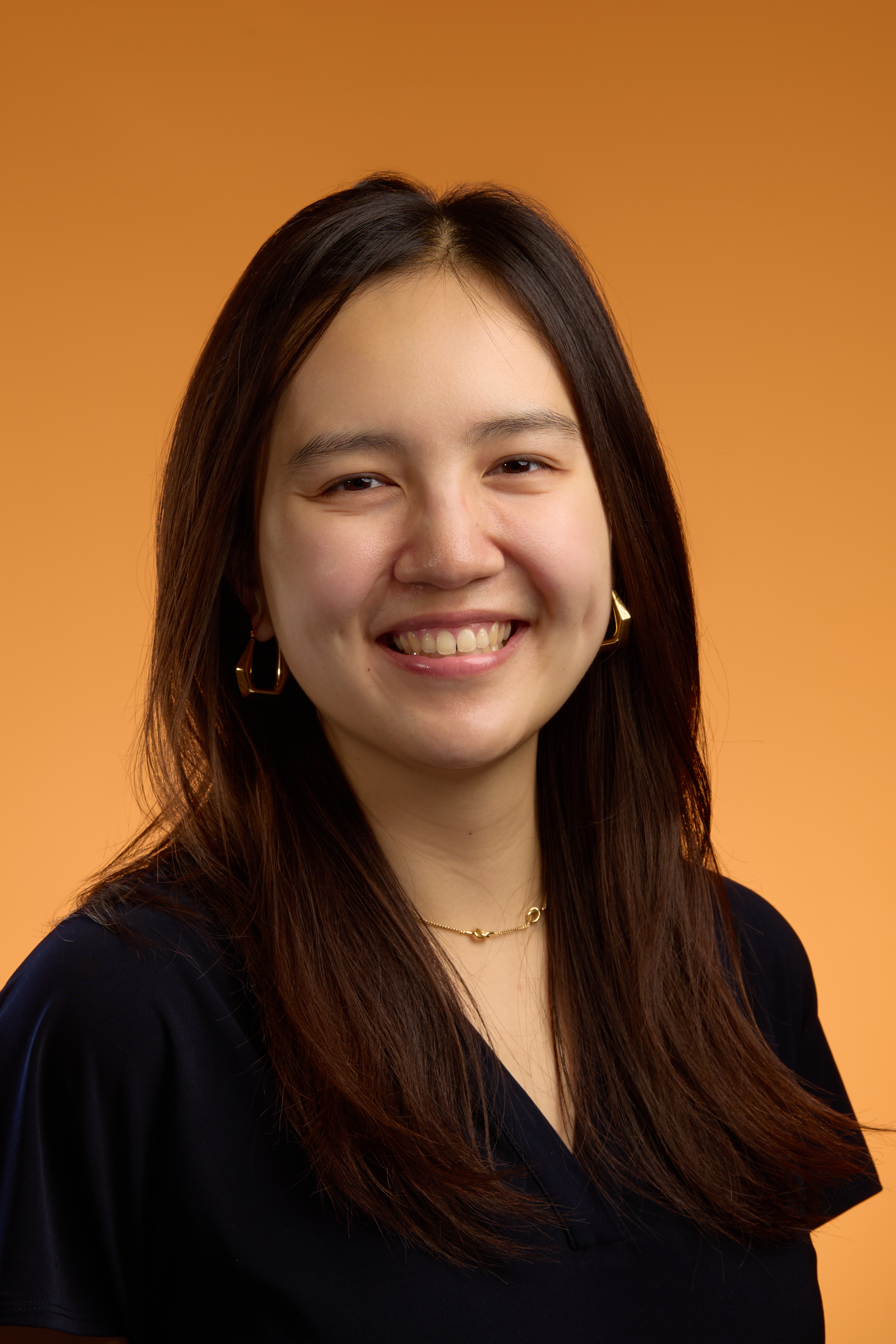
I grew up in Princeton, New Jersey, and studied Chemistry and Biology at MIT. My love for science and personal aspirations for motherhood has shaped my commitment to advancing women’s reproductive health by addressing critical knowledge gaps in the field. As an undergraduate, I engineered synthetic extracellular scaffolds to develop lab-grown models of the uterine lining, enabling the study of menstrual disorders such as endometriosis. I later extended this work at the Wellcome Sanger Institute near Cambridge, where I combined tissue engineering with cutting-edge genomics tools to generate novel models of human placental development. Motivated by a growing interest in placental biology, I remained at Sanger for my MPhil to elucidate the cellular and molecular architecture of human ectopic pregnancy using novel single-cell and spatial profiling technologies. Building on key findings from this project, my PhD research will investigate the mechanisms by which maternal immune cells communicate with fetal placental cells to drive healthy or disordered pregnancy. I am incredibly grateful for the support of Gates Cambridge and honoured to be part of a community of like-minded scholars committed to making a difference.
Previous Education
University of Cambridge MPhil in Biological Science 2026
Massachusetts Institute of Technology Chemistry and Biology 2024
Maya Koka
- Scholar-elect
- United States
- 2026 MPhil Philosophy
- King's College
Maya Koka
- Scholar-elect
- United States
- 2026 MPhil Philosophy
- King's College
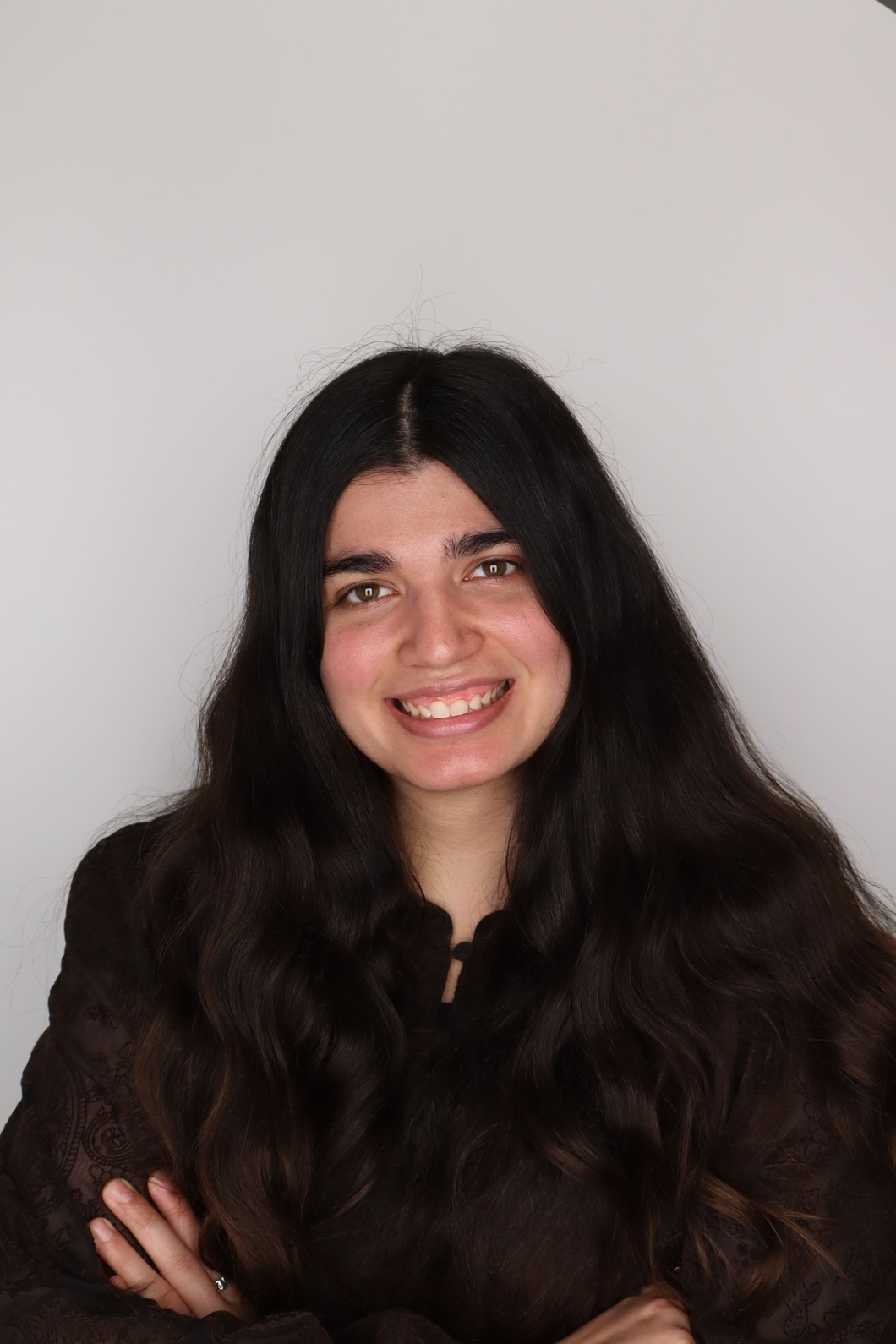
Born and raised in Texas, I study philosophy through the Columbia University–Trinity College Dublin Dual BA Program as a Trinity Scholar. My academic work focuses on metaethics, ordinary language philosophy, and the philosophy of law, with particular attention to how linguistic agency breaks down in contexts of gender-based violence. My research examines how domestic abuse survivors can produce utterances that meet every familiar criterion for reporting harm, yet fail to “count” as testimony due to conditions of semantic disablement and testimonial smothering. I am especially interested in how these failures of recognition function as structural constraints on justice. At Cambridge, I will pursue graduate studies in philosophy to further develop the conceptual and ethical foundations for analyzing how language both reveals and restricts the possibility of justice, with the broader goal of advancing culturally-specific interventions. My academic work is informed by advocacy, including my role as a Bolder Futures Social Impact Fellow with AAPI Data, where I founded Bearing Witness, and my current position as Executive Assistant to the Board of Directors at the Asian/Pacific Islander Domestic Violence Resource Project.
Previous Education
University of Dublin Trinity College Philosophy 2026
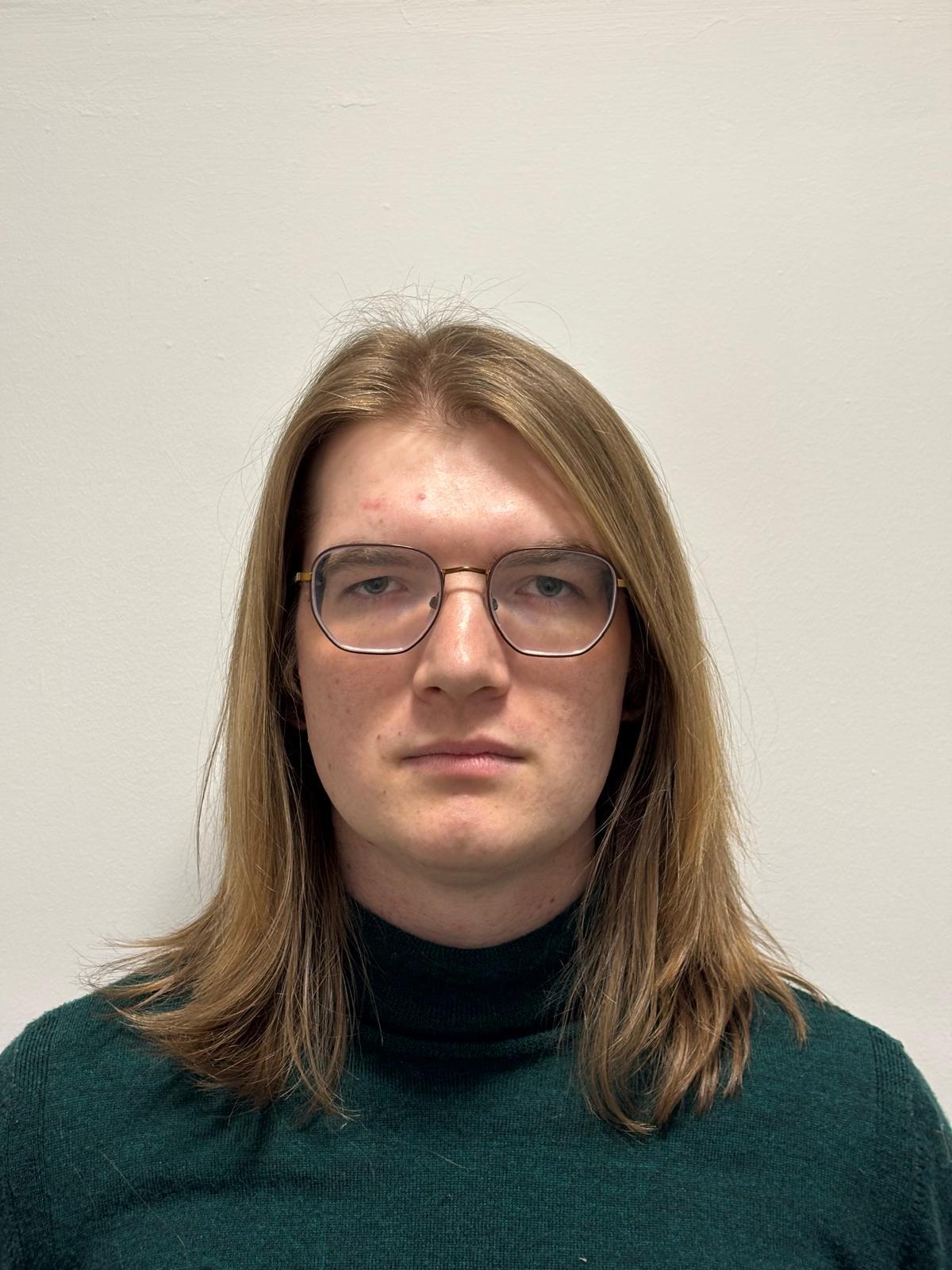
Luke Lambert
- Scholar-elect
- United States
- 2026 PhD Anglo-Saxon, Norse and Celtic
- Gonville and Caius College
Luke Lambert
- Scholar-elect
- United States
- 2026 PhD Anglo-Saxon, Norse and Celtic
- Gonville and Caius College
In my undergraduate course at Gonzaga University, I studied both History and Classics. It was the latter of these that broadened my horizons to literary theory, and the former that increased my understanding of the Middle Ages. I was enamoured with Welsh Medieval History from a young age as I lived there for some time, experiencing its wealth of castles and ancient churches. During my master’s degree at Bangor University, I was challenged to new ways of understanding the Middle Ages and the objects that survive from it and also developed my skills of Latin and Palaeography. At Cambridge, I hope to syncretize my literary theory and personal experience towards a new understanding of manuscripts and manuscript theory, specifically as it interacts with the use of memory in Medieval Wales. Emphasizing above all else the materiality of the manuscripts and the various variables that affect its production and digestion, my research aims to make roads into understanding not only manuscripts in Welsh Churches but also the use and reuse of legends and memorial writings. Gates Cambridge will be an enormous boon for broadening my connections and granting me a place to land and share my research at Cambridge more broadly.
Previous Education
University of Wales, Bangor Welsh History 2026
University of Wales, Bangor Medieval Studies 2024
Gonzaga University Latin Language and Authors 2022
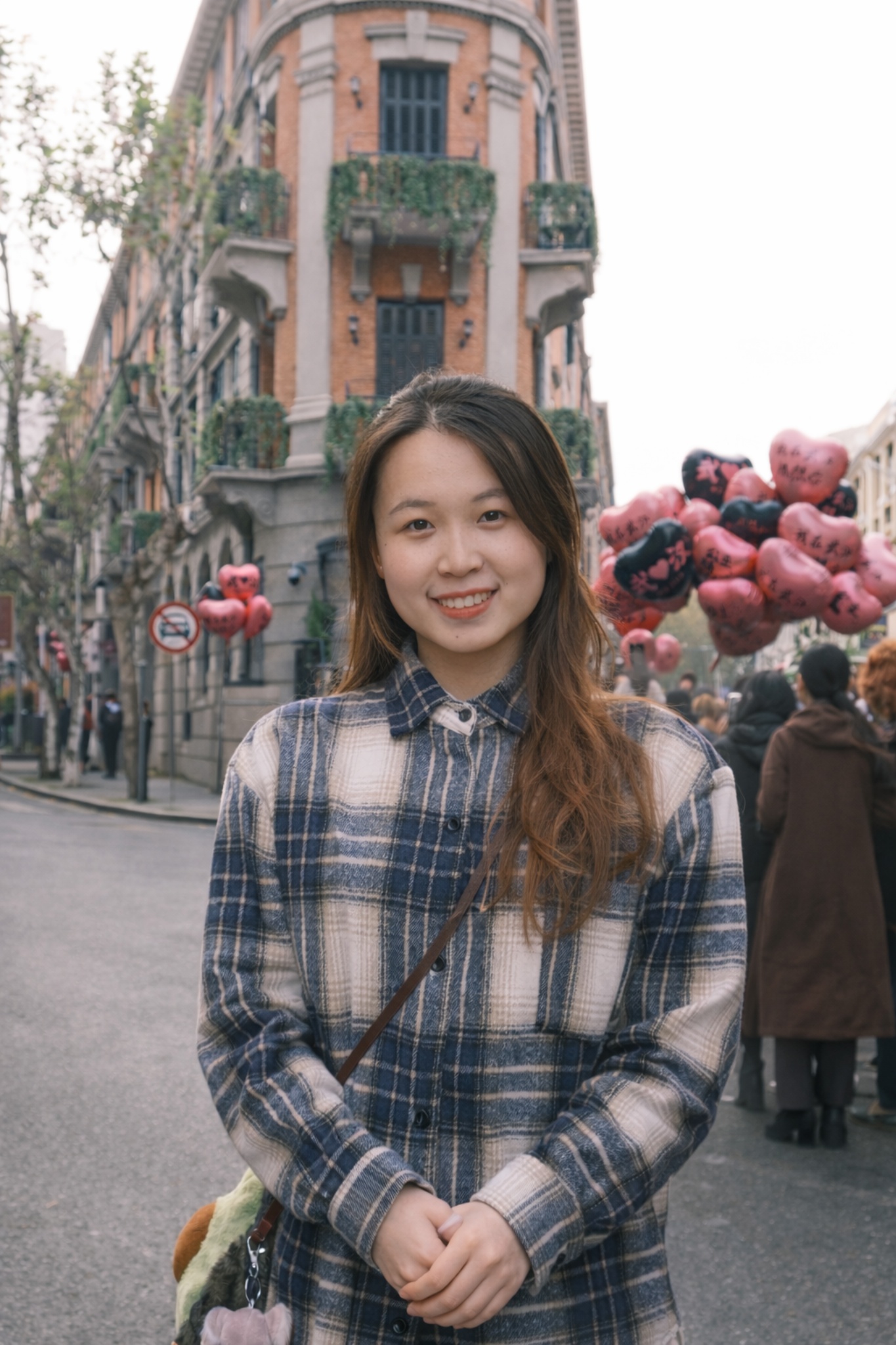
Dongyang Lan
- Scholar-elect
- China
- 2026 PhD Biotechnology
- Murray Edwards College (New Hall)
Dongyang Lan
- Scholar-elect
- China
- 2026 PhD Biotechnology
- Murray Edwards College (New Hall)
My name, Dongyang, means “sunshine” in Chinese. I completed my undergraduate studies in Biopharmaceutical Sciences at Wuhan University. In my senior year, I spent eight months as a research intern at Harvard Medical School, where I studied protein aggregation in Alzheimer’s disease. For my PhD at Cambridge, I aim to develop patient-derived models of Parkinson’s disease to better understand disease mechanisms and contribute to therapeutic discovery. Alongside my academic journey, I have also sought to give back to the community, working as a volunteer teacher in Jiangxi province and supporting local efforts during the COVID-19 pandemic.I am truly grateful and excited to join the Gates Cambridge Scholar community, and I look forward to learning from and contributing to such an inspiring group.
Previous Education
Wuhan University Biopharmaceuticals 2026
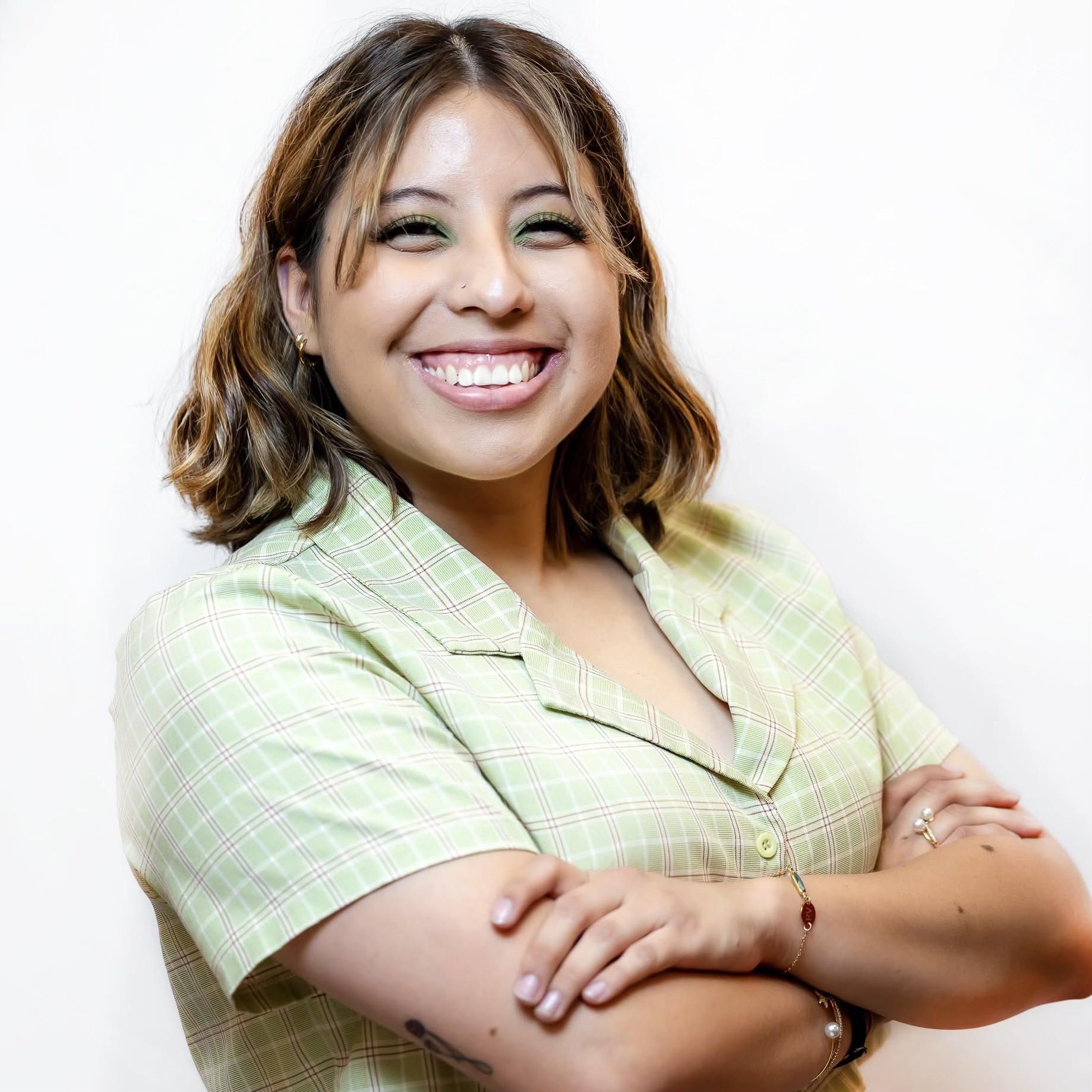
Rose Leon Alvarado
- Scholar-elect
- Honduras
- 2026 MPhil Basic and Translational Neuroscience
- Clare Hall
Rose Leon Alvarado
- Scholar-elect
- Honduras
- 2026 MPhil Basic and Translational Neuroscience
- Clare Hall
Growing up in Siguatepeque, Honduras, where conversations around mental health were often restricted by stigma, access, and language, I had a very limited understanding of the biological basis of mental health conditions.When I took my first psychology class at Earlham College, I had preconceived notions that were quickly dismantled, making me aware of how differently people experience and understand brain health depending on their cultural and social context. This motivated me to keep seeking answers while majoring in Neuroscience and minoring in Public Health. During my undergraduate years, I volunteered as a medical interpreter in Richmond, Indiana; Cusco, Perú; and Alajuelita, Costa Rica, where I once again bore witness to the real-world impact that a lack of access to scientific and medical knowledge has on communities. At Cambridge, I hope to further develop my training in neuroscience while continuing to explore how research and communication can be effectively integrated. I hope to acquire the tools and work towards advancing our understanding of the brain, but also in ensuring that this knowledge reaches beyond the laboratory into the communities, languages, and conversations where it is most needed.
Previous Education
Earlham College Neuroscience 2024
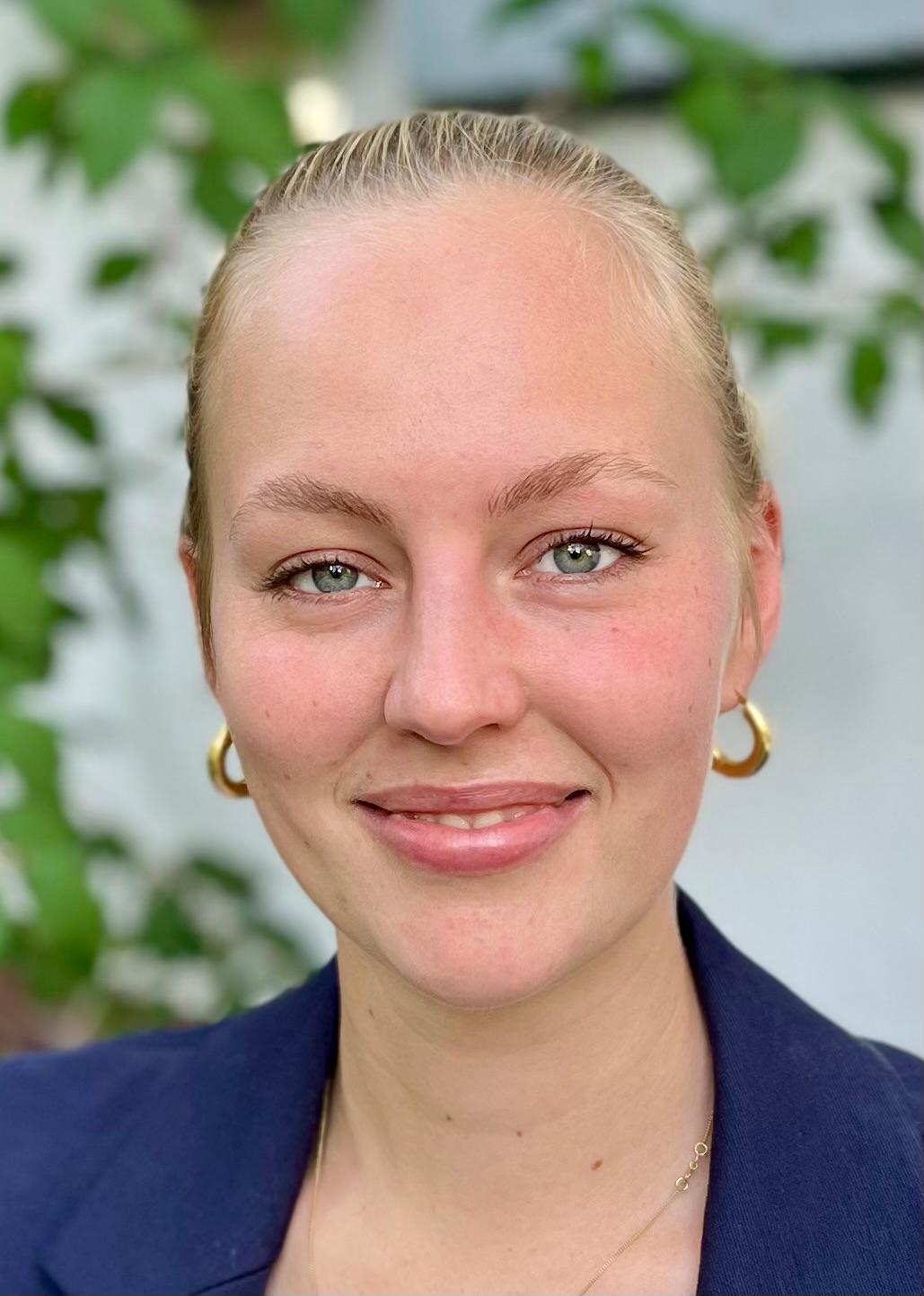
Paulina Lohbeck
- Scholar-elect
- Germany
- 2026 PhD Materials Science and Metallurgy
- Selwyn College
Paulina Lohbeck
- Scholar-elect
- Germany
- 2026 PhD Materials Science and Metallurgy
- Selwyn College
I am fascinated by how much can be revealed by looking at something differently - sometimes quite literally through light. This perspective led me from mathematics to photonics and the study of light-matter interactions in two-dimensional semiconductors.Having studied across France and Germany (classe préparatoire Lycée Hoche, Versailles; Dipl. Ing. ENSTA Paris; M.Sc. FSU Jena), I developed an interdisciplinary approach to understanding how these systems behave and why they matter. During my PhD at Cambridge, I will investigate how optical excitation shapes the performance of next-generation optoelectronic devices, with the aim of clarifying the processes that limit their efficiency and potential today.I am deeply honoured to be part of the Gates Cambridge community, where I hope to contribute to an environment in which people from different backgrounds can engage, exchange ideas, and grow together – pour rayonner ensemble.
Previous Education
Friedrich-Schiller-Universität Jena Photonics 2025
ENSTA, IP Paris Applied Mathematics 2025
Eugenia Lopez-Belmonte Deza
- Scholar-elect
- Spain
- 2026 PhD Physiology, Development and Neuroscience
- Lucy Cavendish College
Eugenia Lopez-Belmonte Deza
- Scholar-elect
- Spain
- 2026 PhD Physiology, Development and Neuroscience
- Lucy Cavendish College
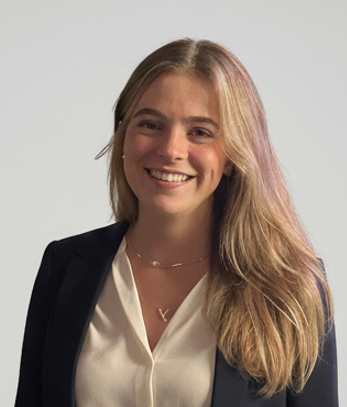
Growing up alongside my cousin, who has Down syndrome, gave me an early awareness of how complex healthcare challenges shape everyday life and sparked my interest in finding solutions that can make a tangible difference. I soon realised such solutions rarely emerge from a single discipline, but rather at the intersection of fields. This led me to study Biomedical Engineering at UCL, where engineering principles moved beyond theory to be applied to biological systems in clinical contexts, translating experimental findings into real-world impact. Fascinated by neural engineering and excitability, I pursued an MPhil at Cambridge, modelling skeletal muscle channelopathies computationally in Dr Fraser’s Lab. Yet the deeper I delved, the more I asked: how can we move beyond understanding mechanisms to actively transforming patient care? That question made a PhD a necessity. I aim to develop an excitability window to optimise targeted treatments and guide the diagnosis of excitability disorders and ultimately extend this work to the broader ageing population, ensuring scientific progress reaches those who need it most. I am honoured to pursue this as a Gates Scholar, joining a community aiming to make the world a better place.
Previous Education
University of Cambridge Biological Science (PDN) 2026
University College London Biomedical Engineering 2025
