


Hoang Minh Hieu Nguyen
- Alumni
- Viet Nam
- 2023 MPhil Medical Science (Clinical Neurosciences)
- Fitzwilliam College
Hoang Minh Hieu Nguyen
- Alumni
- Viet Nam
- 2023 MPhil Medical Science (Clinical Neurosciences)
- Fitzwilliam College
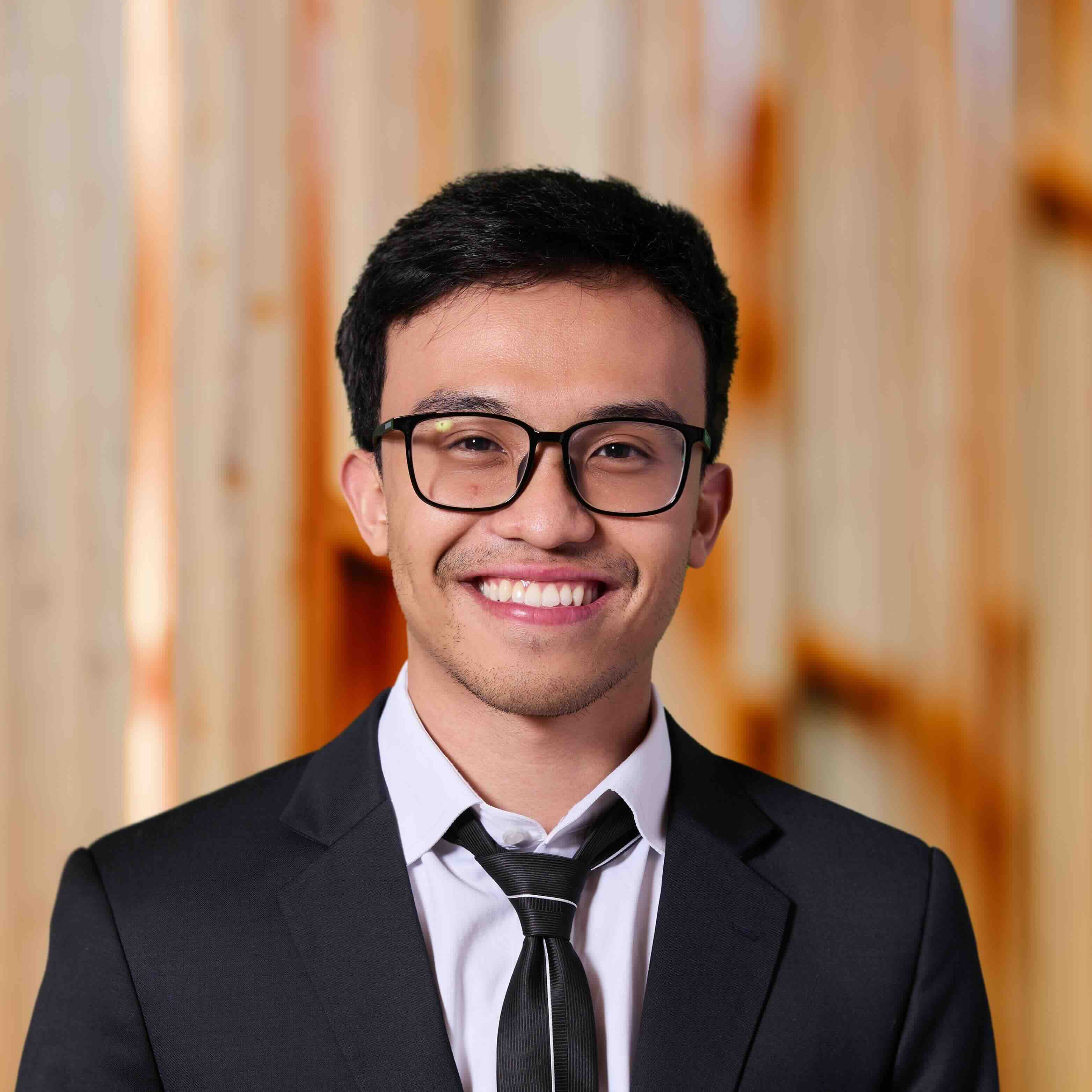
Concerned about the inadequate healthcare infrastructure in my hometown, I founded the first student-run NGO in my province to provide medical assistance to vulnerable indigenous families. This endeavor earned me the opportunity to represent Vietnam at the Pearson UWC in Canada, where I was among 200 students from over 100 countries. Despite my relentless efforts, I encountered numerous situations where treatments were unavailable due to scientific limitations and financial constraints. This realization motivated me to advocate for interdisciplinary approaches in global health initiatives that integrate research and entrepreneurship. Consequently, I participated in numerous research projects at Middlebury College, MSKCC, and Rockefeller University. Additionally, I collaborated with the World Telehealth Initiative and local government officials to establish Kenya’s inaugural telemedicine program, which aims to enhance access to healthcare. During my time at Cambridge, I conducted research on extrachromosomal DNA in glioblastoma within the laboratory of neurosurgeon scientist Mr. Richard Mair. Presently, I am pursuing an MD degree at Stanford University as a Knight-Hennessy Scholar.
Previous Education
Middlebury College Neuroscience 2023
Kieu Nguyen
- Alumni
- Viet Nam
- 2003 PhD Chemical Engineering
- Fitzwilliam College
Kieu Nguyen
- Alumni
- Viet Nam
- 2003 PhD Chemical Engineering
- Fitzwilliam College
Previous Education
University of Adelaide Bachelor of Engineering (Chemical) 2003
Links
Thai Binh Nguyen
- Alumni
- Viet Nam
- 2005 PhD Oncology
- Fitzwilliam College
Thai Binh Nguyen
- Alumni
- Viet Nam
- 2005 PhD Oncology
- Fitzwilliam College
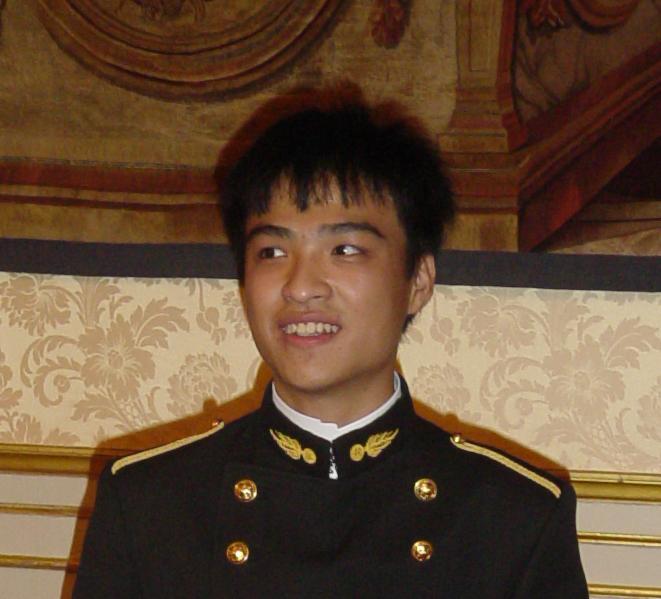
I graduated from Cambridge in 2009. Since then I have been working in Bay Area California, USA incorporating what I learnt during my Ph.D. into treatment planning system for radiotherapy.
Thảo Nguyễn
- Scholar
- Viet Nam
- 2026 PhD History and Philosophy of Science
- Wolfson College
Thảo Nguyễn
- Scholar
- Viet Nam
- 2026 PhD History and Philosophy of Science
- Wolfson College
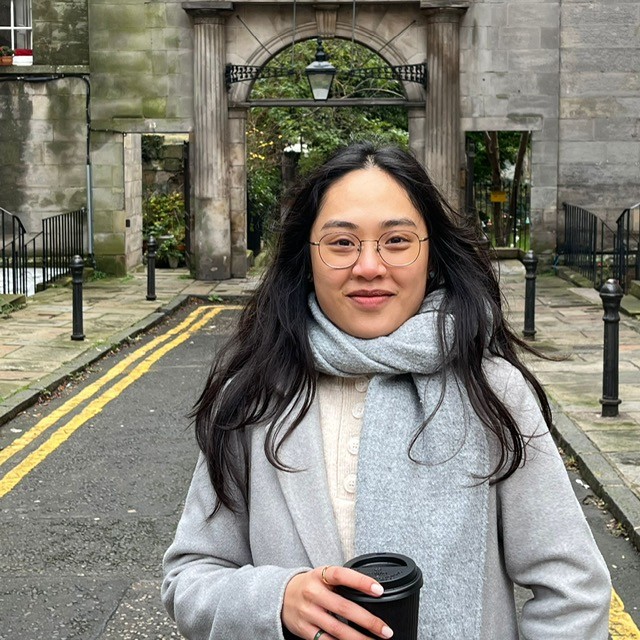
For my PhD in History and Philosophy of Science, I will be exploring the connection between the developments of transregional commercial medicine and vernacular medical knowledge in early twentieth century French Indochina and China. This is an extension of my previous research at Oxford on the social and cultural history of the Chinese diasporic community in Vietnam, combined with my experiences as a volunteer translator and community organiser for the Vietnamese migrant community in London, which highlighted the discrepancy between the culturally-inflected language that people in migration use to talk about their health and well-being, and the official clinical language required to navigate healthcare and welfare systems. Supported by the Gates Cambridge Scholarship, my research aims to address this gap by investigating the vernacular medical languages developed through transregional activities across China and Vietnam in the twentieth century; while my community work continues to explore ways to facilitate open spaces for migrant communities to express their experiences and concerns in their own vocabulary and languages, whether through workshops, volunteer services, or storytelling.
Previous Education
University of Oxford Modern Chinese Studies 2024
Durham University History and Economics 2021
Emma Nicholls
- Alumni
- Australia
- 2014 PhD History
- Clare Hall
Emma Nicholls
- Alumni
- Australia
- 2014 PhD History
- Clare Hall
Focusing on the late medieval period, my research investigates the intersection between economic and political structures of control and the workings of imagination. I am interested not just in what we think, but how we are able to think. I completed my MA at Monash University, an Australian university with particular strengths in medieval and early modern studies. Having myself come to university via Open Learning and a community-based adult learning centre, I am passionate about ensuring that people overcoming disadvantage of all kinds have access to education. This year, it was my great delight to co-direct the inaugural Australian Youth Humanities Forum, an initiative which aims to combat perceptions that non-vocational degrees like Arts only offer viable career options to the privileged. A key aim of my time at Cambridge is to develop better ways of sharing the excitement and potential of research in the humanities with the broader community.

Sarah Nicholls
- Scholar
- United States, United Kingdom
- 2025 PhD Medical Science at the Cambridge Institute for Medical Research
- Darwin College
Sarah Nicholls
- Scholar
- United States, United Kingdom
- 2025 PhD Medical Science at the Cambridge Institute for Medical Research
- Darwin College
As an undergraduate in the Honors BSc program in biochemistry, molecular and cellular biology at the University of New Hampshire, I worked as a research assistant in Dr. Matthew MacManes’ evolutionary genomics lab, which sparked my passion for neurogenomics. Further coursework in pathology and cell biology inspired me to join the biomedical sphere to contribute to clinicians’ support of their patients. As a Gates Cambridge Scholar, I am pursuing a PhD in Medical Science under Dr. David Rubinsztein, where I will use a synthetic lethality genome screening to determine the molecular interactions of the protein tau, which is implicated in Alzheimer’s disease (AD) and other neurodegenerative conditions. This work will help make tau-based treatments for AD safer and more effective, which could benefit more than 55 million people suffering from the disease worldwide. As a firm believer in the positive impacts of science communication, I am honored to have the opportunity to work with other Gates Cambridge Scholars to help make research from across all fields more accessible. In my free time, I am also passionate about literature and the performing arts, and I am thrilled to become a member of such a vibrant, interdisciplinary community.
Previous Education
University of New Hampshire Biochemistry
Kyle Nickel
- Scholar
- Canada
- 2024 PhD Biological Science at the MRC Laboratory of Molecular Biology
- St Catharine's College
Kyle Nickel
- Scholar
- Canada
- 2024 PhD Biological Science at the MRC Laboratory of Molecular Biology
- St Catharine's College
I have always had a lifelong curiosity about science, particularly molecular biology. I am excited to be doing my PhD in Dr. Simon Bullock’s lab at the MRC Laboratory of Molecular Biology. My PhD will focus on understanding how cargos are transported around the cell. Investigating the molecular basis of how cargos are recognized and transported is important for our understanding of how cells work. It also gives insight into human health, as defects in this process are associated with diseases such as neurodegeneration. I am also passionate about science communication, and I look forward to sharing science with others. The Gates Cambridge scholarship will allow me to do research in an exciting environment as part of a new community. My desire to move abroad for a PhD is influenced by the experience I had during my Rotary Youth exchange. I lived in the Netherlands for a year, and the chance to live in a new country with new friends and family was immensely rewarding. Outside of the lab, I am excited to visit as many medieval castles as I can find. I look forward to riding my bicycle all around the Cambridge area. Hopefully there are castles within biking distance of Cambridge.
Feilin Nie
- Alumni
- China
- 2011 PhD Natural Science (Chemistry)
- Trinity College
Feilin Nie
- Alumni
- China
- 2011 PhD Natural Science (Chemistry)
- Trinity College
I did my PhD and one-year Postdoc in the Chemistry Department, in the area of Synthetic Chemistry and Chemical Biology. Then I changed my field from Chemistry to Linguistics. In the future, I will be a Sinology teacher, teaching classical Chinese and translating Chinese Classics into English.
Previous Education
Peking University, China M.Sc in Chemical Biology 2007
Peking University B.Sc in Pharmacy 2005
Jens Niederste-Ostholt
- Alumni
- Germany
- 2006 PhD Astronomy
- Gonville and Caius College
Jens Niederste-Ostholt
- Alumni
- Germany
- 2006 PhD Astronomy
- Gonville and Caius College
I am a PhD student at the Institute of Astronomy working in the area of near-field cosmology. Specifically I am studying faint structures in the Milky Way halo using both observational and numerical techniques
Kyndylan Nienhuis
- Alumni
- Netherlands
- 2013 PhD Computer Science
- St Edmund's College
Kyndylan Nienhuis
- Alumni
- Netherlands
- 2013 PhD Computer Science
- St Edmund's College
During my study of mathematics, I became aware of the fact that mathematical concepts are unfortunately inanimate. You may regard an idea in your mind and see how it behaves, but as soon as you stop thinking about it, it stops moving. Computers, on the other hand, can bring these mathematical concepts alive. When a concept is represented as a computer program and executed, it will act independently of us, and that fascinates me. This is why I chose to change my career path from pure mathematics to computer science. In my PhD in computer science, I will consider the situation in the opposite direction: what is the mathematical object that underlies a program running on a computer? For most real world programs the answer is not clear and that is a problem. Testing is rarely sufficient to find all the bugs in a program, but if we know the underlying mathematical object, we can use mathematical techniques to find them.
Marika Niihori
- Alumni
- Australia
- 2020 PhD Physics
- Girton College
Marika Niihori
- Alumni
- Australia
- 2020 PhD Physics
- Girton College
I grew up in Cairns, a tropical regional city in Queensland, then moved to the bush capital of Australia, Canberra, for my undergraduate studies at the Australian National University. I was fortunate to undertake a demanding research intensive degree, Bachelor of Philosophy (Honours) or PhB which is often coined as the undergraduate version of a PhD. Due to the nature of my degree, I have been exposed to the world of research since my first year, and it became obvious that my passions lied in the interdisciplinary area of physics and biology. Therefore, with the support of the Gates Cambridge scholarship, during my PhD in Physics, I will be working towards creating a biosensor using plasmonics. By using nano-self-assembly, these ultrasensitive molecular sensors will be a step towards innovating compact miniaturised sensors for long term monitoring of personal health, such as detecting particular hormones. By innovating these new practical technologies, I hope to make an imprint on our world by improving humanity and at the same time to continue advocating for equity and diversity within STEM. I am incredibly honoured to be joining the Gates Cambridge community and thrilled to meet other like-minded future leaders of the world.
Previous Education
Australian National University Physics 2019
Links
Japinder Singh Nijjer
- Alumni
- Canada
- 2015 PhD Applied Maths and Theoretical Physics
- Churchill College
Japinder Singh Nijjer
- Alumni
- Canada
- 2015 PhD Applied Maths and Theoretical Physics
- Churchill College
Born and raised in the suburbs of Toronto, I am currently a senior studying Engineering Science at the University of Toronto who is passionate about sustainable energy and climate change. Over the past year, I have been studying how hydrocarbons flow in nanochannels to assess the environmental impacts of hydraulic fracturing. In addition, I have spent my undergraduate summers performing research in various labs around the world including nanoengineering at the National University of Singapore, solar cell design at the University of Toronto, and theoretical geophysics at the University of Cambridge. With growing concerns of global climate change, carbon capture and storage (CCS) is going to play a key role in our efforts to reduce CO2 emissions. Bearing this in mind, I plan to pursue a PhD in Applied Mathematics and Theoretical Physics focusing on the fluid dynamics of carbon dioxide sequestration in deep saline aquifers. Specifically, I will be looking at the effects of spatial heterogeneities on the long-term safety and storage of carbon dioxide underground. I am very excited to be entering the rich and diverse community of Gates scholars this coming fall. Interests: basketball, martial arts, arts and crafts, and foosball
Previous Education
University of Toronto
Afrodita Nikolova
- Alumni
- North Macedonia
- 2014 PhD Education
- Wolfson College
Afrodita Nikolova
- Alumni
- North Macedonia
- 2014 PhD Education
- Wolfson College
As ethnically Aromanian poet I am interested in the "personal" and the "social" in poetry, what Carolyn Forché called "poetry of witness". This shaped my work as English lecturer as well as creative writing programme director and workshop facilitator with youth in diverse learning settings. When my poetry pamphlet "Omaynina" earned the national award "Lesnovski Dzvona", I co-founded the literary magazine "Sh". I felt I was thrown into the Macedonian literary scene with the joy and caution of a child jumping on a trampoline. Doing journalism, educational projects for the NGO "Izlez", I was awarded a scholarship for a Balkan ethnic tensions seminar, Sarajevo. During the MPhil project I explored readers' aesthetic and cultural responses to Shakespeare's The Merchant of Venice and the role of literature in social justice. Expanding my knowledge in the field of the arts practices in the criminal justice system, for my PhD I am working on the arts-based design, delivery and evaluation of a new participatory Spoken Word Poetry Programme (SWPP) for self-development through creative engagement and performance together with young people, the staff and artists/educators in a Macedonian prison.
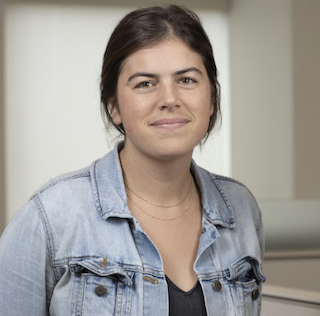
Jennifer Nilsen
- Scholar
- United States
- 2023 PhD Sociology
- Clare Hall
Jennifer Nilsen
- Scholar
- United States
- 2023 PhD Sociology
- Clare Hall
At the University of Cambridge, I will study how adolescents receive, share, and understand climate change and public health information - in real life and online. Health and climate communication is laden with misinformation, and, as a part of this research, I want to examine strategies, actors, and vulnerabilities within adolescent health and climate misinformation; search for effective interventions against it; and develop health and climate communication tactics that healthcare professionals, caregivers, schools, and technologists can employ to better reach teenagers. Currently, I am a Research Fellow at Harvard University’s Technology and Social Change project where I focus on public health, medical, and scientific misinformation. Prior to this research fellowship, I graduated from Harvard Kennedy School’s Master in Public Policy program, I lived in Malaysia through the Fulbright program, and I worked in the Minneapolis Public Schools. I am thrilled about the opportunity to study sociology at the University of Cambridge. I am eager to meet new friends and colleagues, excited to try new running routes, climbing gyms, and pottery studios, grateful for the support of the Gates Cambridge Scholarship, and dedicated to working towards progressive social change.
Previous Education
Harvard University Public Policy 2020
St Olaf College Spanish; Management Studies 2013

Siyabonga Njica
- Alumni
- South Africa
- 2018 PhD History
- Darwin College
Siyabonga Njica
- Alumni
- South Africa
- 2018 PhD History
- Darwin College
I grew up in Gugulethu township, a black residential area that was established to accommodate migrant workers and families that were forcefully relocated from Cape Town’s inner city under the Group Areas Act (1950) during apartheid in South Africa. Growing up, I have always been interested in ideas about movement, black subjectivity and how the oppressed have historically reflected on the meaning of freedom – from the blues in black America to the work-songs of unskilled labourers in South Africa. I have also been interested in the ways in which arts and culture became a premium nation-building tool that galvanized the international community around the vices of institutionalised racial segregation and the violation of human rights under apartheid. At the University of Cape Town, I was awarded the Mellon Fellowship and became a visiting scholar at Emory University where I conducted research on the role of literature and jazz music in South Africa’s liberation struggle. For my graduate studies at Cambridge, I am interested in reimagining how we think about South Africa’s recent past by gesturing towards alternative archives and historical frameworks in order to reveal how exiled South African artists became key cultural players at the height of intellectual diasporic engagements between African, Caribbean and North American writers in the second half of the twentieth century. Consistent with the values of the Gates Cambridge Scholarship, my research aims to promote the teaching, learning and understanding of African people’s creative and intellectual contribution in their fight for freedom and social equality.
Previous Education
University of Cape Town
University of Cambridge
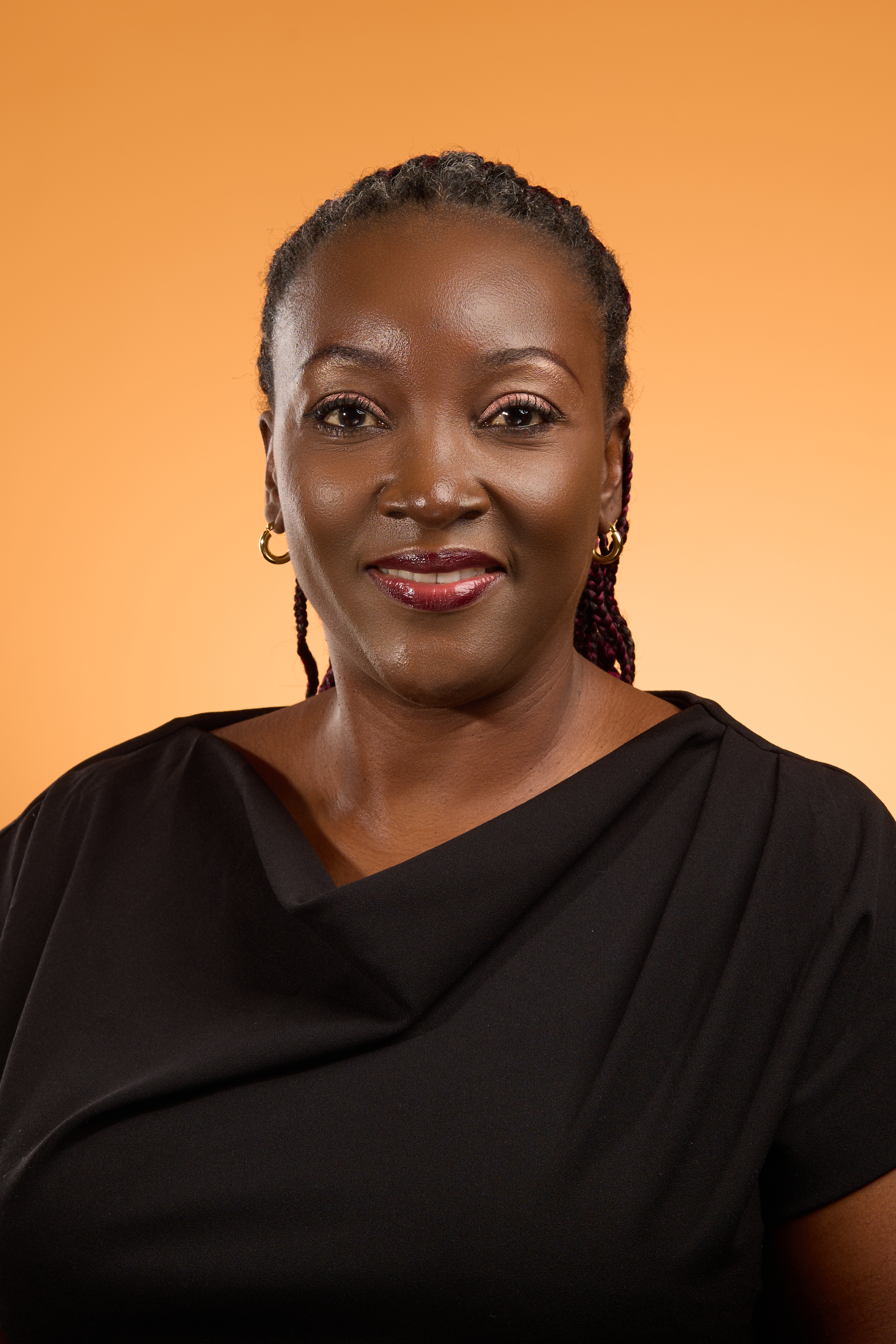
Ifeyinwa Nnakenyi
- Scholar
- Nigeria
- 2025 PhD Clinical Biochemistry
- King's College
Ifeyinwa Nnakenyi
- Scholar
- Nigeria
- 2025 PhD Clinical Biochemistry
- King's College
I am a medical doctor who is passionate about curbing the overwhelming scourge of obesity which contributes significantly to the leading causes of death worldwide, such as cardiovascular disease, diabetes, and certain cancers. Global efforts against those non-communicable diseases are greatly limited without addressing obesity. Having practiced Metabolic Medicine for several years, I realized that evidence-based strategies backed by credible science is key to developing sustainable medical solutions against obesity. I went on to obtain an MSc in Medical Biochemistry, and now I plan to undergo a PhD in Clinical Biochemistry to study the adipose tissue extracellular matrix from various racial populations, including Black African populations to understand the mechanisms that can be targeted for treatment of obesity.I am thrilled to be a Gates Cambridge scholar to enjoy all the opportunities it offers, and excited at the high-level scientific work I will be engaged with during my studies.
Previous Education
University of Lagos MEDICINE AND SURGERY
University of Nigeria MEDICAL BIOCHEMISTRY

Emily Noah
- Alumni
- United States
- 2004 PhD Geography
- Queens' College
Emily Noah
- Alumni
- United States
- 2004 PhD Geography
- Queens' College
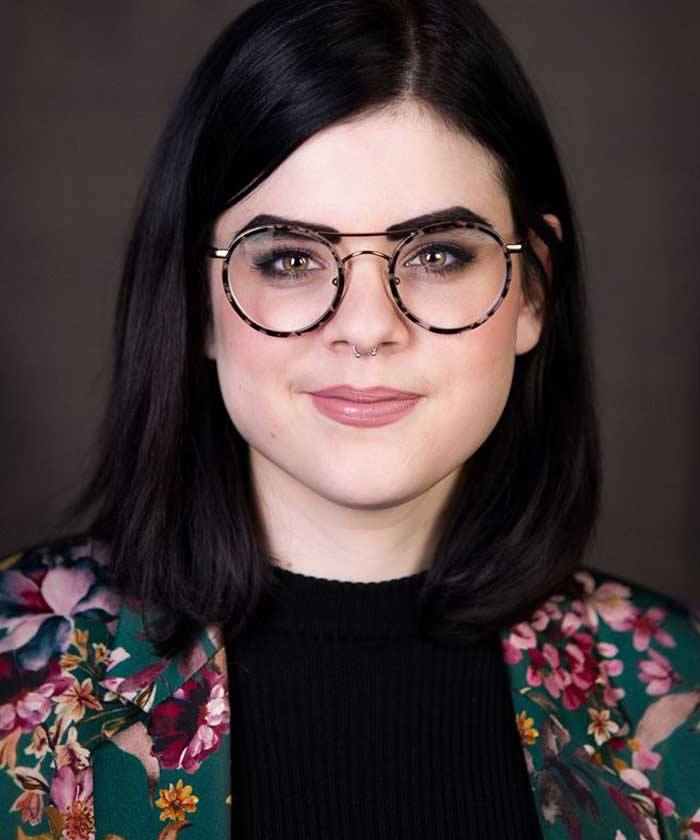
Roxane Noël
- Alumni
- Canada
- 2018 PhD Philosophy
- Wolfson College
Roxane Noël
- Alumni
- Canada
- 2018 PhD Philosophy
- Wolfson College
As an B.A. student at Université du Québec à Montréal, I developed an accidental passion for medieval philosophy: I entered the mandatory introduction class thinking that I would not enjoy it, only to be pleasantly surprised by how intellectually rich this historical period was. I continued to explore this passion of mine during my M.A. at University of Alberta. My initial disdain with what would later become my research interest is a great illustration of what makes philosophy so fascinating: it invites us to explore topics that are not always salient in our everyday lives but nonetheless fundamental to how we experience the world. It encourages us to change our minds, to challenge our intuitions, and to marvel at the vast expanse of things that remain to be known. Philosophy is tied to our humanity: it draws on our capacity for rational analysis, our curiosity, our desire to go beyond what is mundane. As such, I believe that it should be made more accessible to the public, a commitment that is reflected in my actions, from making the discipline more inclusive to opening up the world of philosophy to non-academic audiences. In Cambridge, I will pursue a PhD in Philosophy to explore the evolution of nominalism in the second half of the twelfth century. By doing so, I hope to fill a gaping hole in the history of philosophy, but also to open up the fascinating world of medieval thought to a larger audience, as this topic is too often dismissed as being arcane.
Previous Education
Universite du Quebec a Montreal
University of Alberta
