

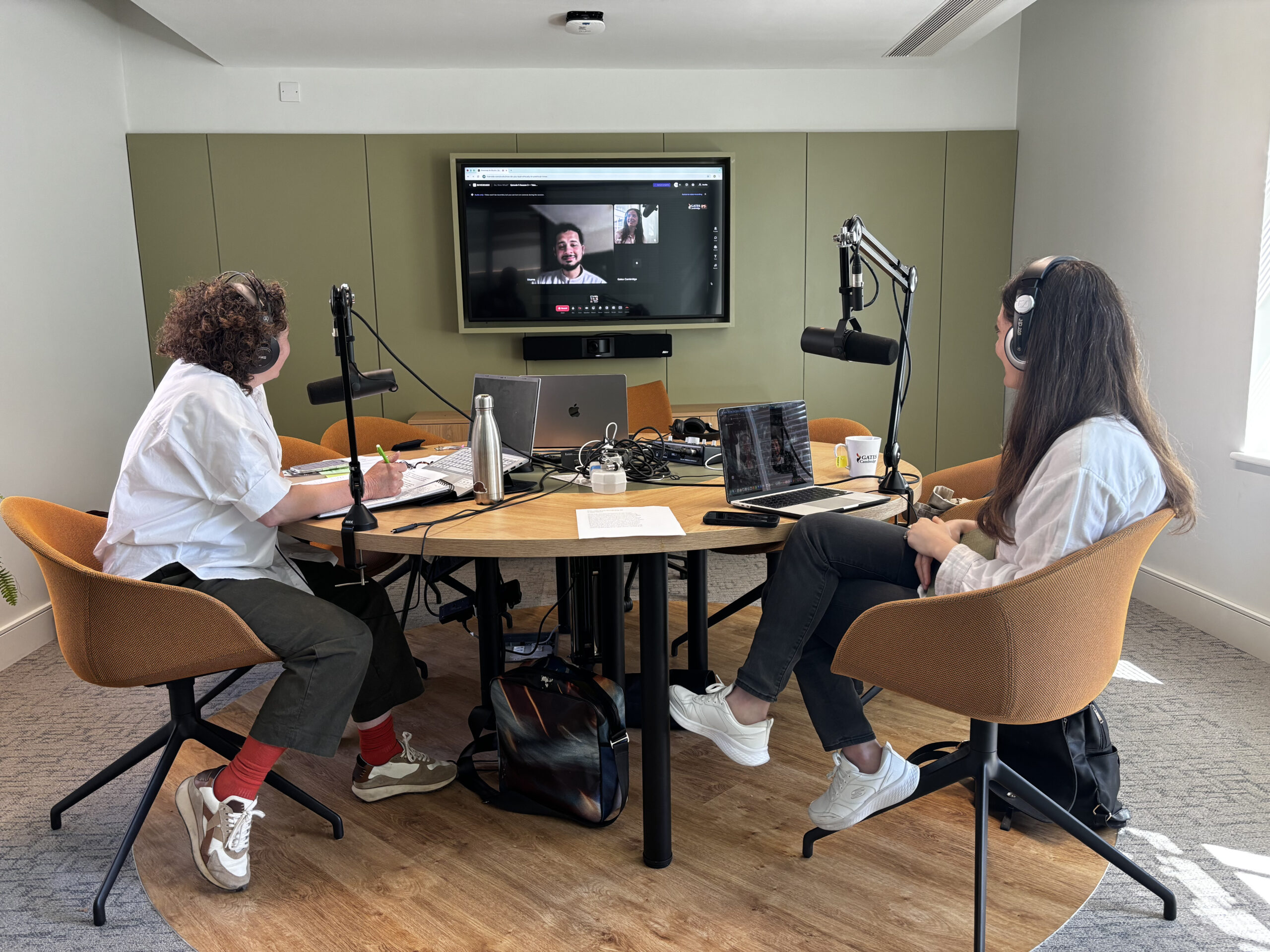
Scholars Ana Rojo Fierro and Usama Javed Mirza discussed how to lead with hope in the final episode of the third series of our So, now what? podcast
We need to stop feeling this sense of despair because the people on the ground are feeling that despair, but they're still doing something. So let us learn from them, let us speak with them and that will transform us.
Usama Javed Mirza
Two Gates Cambridge Scholars feature in the final episode of the third series of our podcast So, now what? with a discussion about how to lead with hope.
This series of the podcast has been focused on leadership and has spanned everything from how to lead ethically and for the longer term in a short-term world to how to lead a bunch of leaders and how to lead with hope. The series has also offered an opportunity to interrogate what leadership means in today’s world, with every episode challenging the traditional idea of what a leader is.
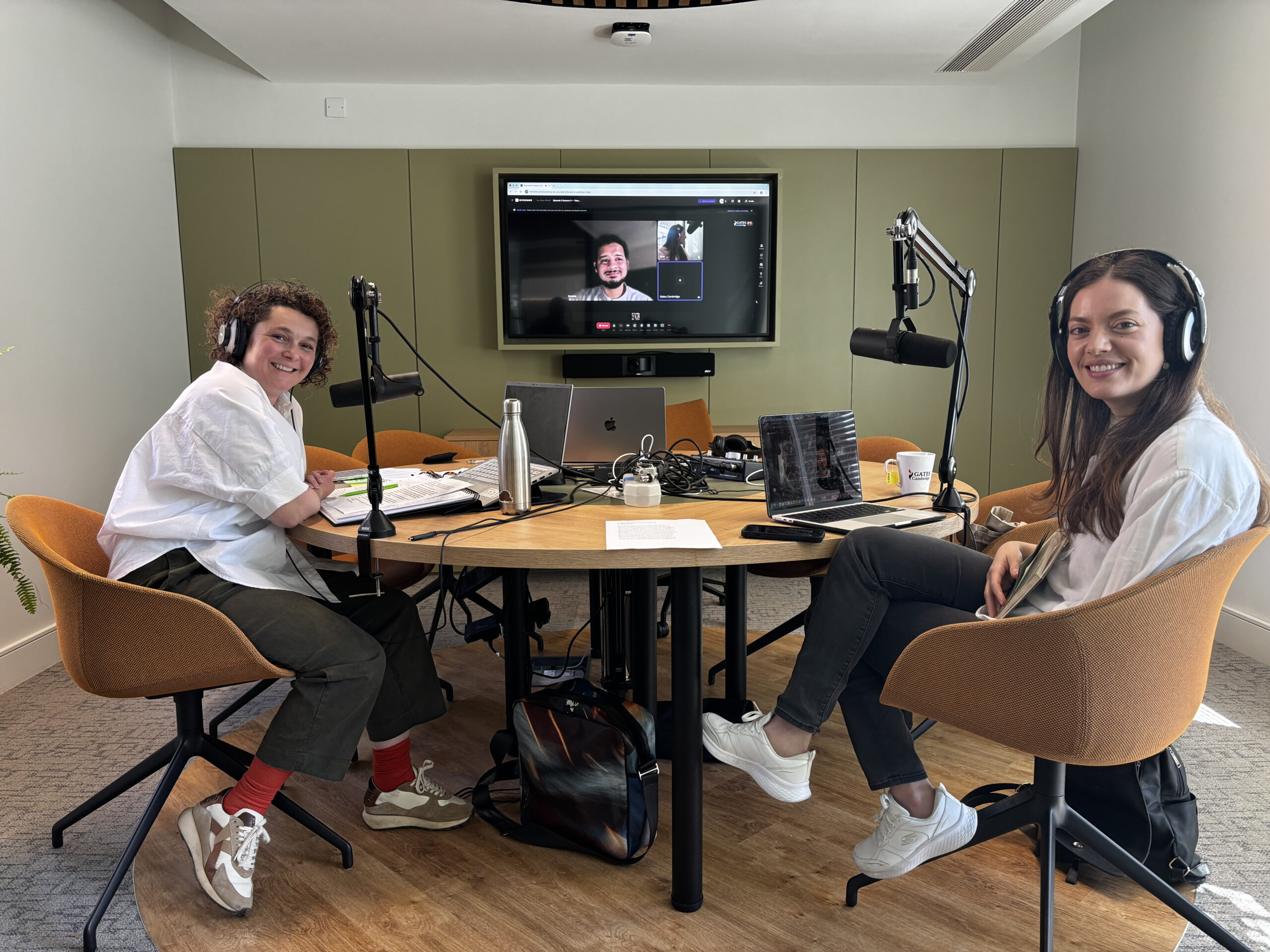 The final episode, now available, featured Usama Javed Mirza and Ana Rojo Fierro. Both speak about their research as well as other initiatives, including their collaboration on the Palestinian Educational Opportunity Initiative and Usama’s work on mental health.
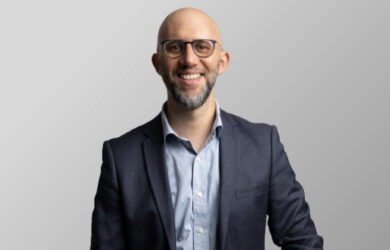
Usama [2022], who is a New York state-trained Emergency Medical Technician, has a decade of experience as an educator and education policy consultant. In 2017 Usama, who is from Pakistan, founded Saving 9, a social enterprise dedicated to transforming mindsets in order to save lives; pioneering initiatives such as launching Pakistan’s first women-run ambulance, and Asian’s first mental health ambulance. Last year he founded the Palestine Educational Opportunity Initiative (Pal Ed), started and led by Gates Cambridge scholars to help Palestinians students gain access to higher education across the world. Usama’s PhD research focuses on decolonising science education from within an Islamic framework.
He talks about the “hidden curriculum of science” which makes Muslims – and others – feel inferior and ‘backwards’. He adds that he has had to navigate the question of what it means to have hope and he says this is through challenging the colonial narrative and building a sense of critical consciousness.
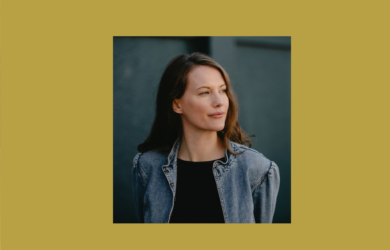
Ana Rojo Fierro [2024], from Mexico, is currently pursuing a PhD in Development Studies where she is researching stories of collective action against socioenvironmental threats. She has worked at the University of Amsterdam, at the International Committee of the Red Cross and as a consultant in peace projects, focusing on the intersection between research and practice. Her MSc thesis in Conflict Resolution and Governance at the University of Amsterdam focused on local peacebuilding in the indigenous P’urhépecha community of Cherán, Michoacán, something her PhD builds on. The Dutch organisation Stichting Vredeswetenschappen awarded it first place nationally for its contribution to peace research.
In the podcast, Ana and Usama talk to presenter Catherine Galloway about hope as being creating communities of care, taking action – however small, owning problems and working locally with others and delegating. That includes their involvement in the Pal Ed initiative where Usama speaks about the hope he sees in people from Gaza applying for university from their tents even when it seems it will be impossible for them to leave Gaza.
The two speakers describe hope as being a sense of purpose and say that change can happen if just one person speaks out.
 Usama ended by saying: “I think that if we just begin with the individual, we begin with what can I do today by speaking to someone else and starting extremely small, even if it’s not going to meet any key performance indicators, it’s not gonna look great on a grant application, it’s not going to be something where people are going to go, wow, you’ve done something amazing or innovative or whatever. I think these words really constrain us and they make us forget our humanity and they make us forget the amazing qualitative, intangible, but very, very powerful impact you make by just engaging with other people and then seeing what happens from that…I think that is what I want to leave this conversation with, that we need to stop doom scrolling. We need to stop feeling this sense of despair because the people on the ground are feeling that despair, but they’re still doing something. So let us learn from them, let us speak with them and that will transform us.”
Listen to the episode, and all the other four episodes this series.