

Ben Cocanougher is co-author on two new papers on research which aims to categorise a rare muscle disease.
The study reveals the surprising severity of symptoms in some carriers of this disease and questions our understanding of X-linked recessive disorders in general.
Ben Cocanougher
A Gates Cambridge Scholar is co-author on two papers relating to categorisation of a rare muscle disease, which could help clinicians make accurate diagnoses and paves the way for gene therapy trials.
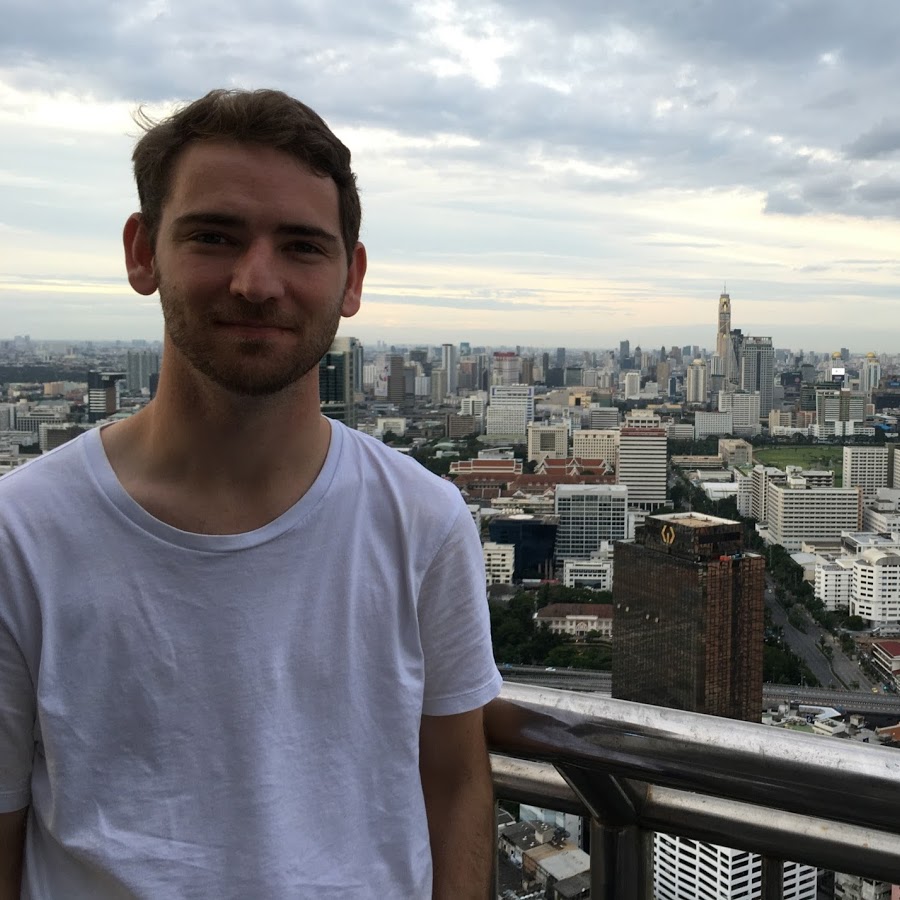
Ben Cocanougher [pictured] is first author of an article in the journal Neurology which seeks to classify MTM1-related myopathy, a rare X-linked muscle disease, in women.
The disease causes severe congenital weakness and death in childhood in males. Female carriers of X-linked recessive diseases are classically unaffected. However, a few reports have shown MTM1-related myopathy carriers, who often go undiagnosed for decades, may have severe weakness that greatly impacts their lives.
The paper describes how Cocanougher and colleagues brought 10 women with confirmed MTM1 mutations to the NIH clinical centre to deeply characterise these patients and develop a diagnostic classification system.
They showed the wide range of symptoms associated with the disease and developed a disease severity classification system. The classification, defined by the level of assistance required to walk and muscle weakness, is supported by muscle MRI, pulmonary function tests, and a motor function scale, which they say may serve as markers of disease progression and outcome measures in future gene therapy or other clinical trials.
In another paper, published in the Journal of Neuromuscular Diseases, Ben and colleagues describe how they built MuscleViz, a free open source software package, that allows for visualisation of muscle weakness for use in patient notes or in clinical case series.
Ben, who is doing a PhD in Zoology [2016], says: "The Neurology study reveals the surprising severity of symptoms in some carriers of this disease and questions our understanding of X-linked recessive disorders in general. We still don’t understand why some carriers of MTM1 mutations have disease and others do not. Many of the women in the study were only diagnosed after they had sons that passed away from the same disease. Diagnosis can be suspected in women who have facial asymmetry or different sized hands or feet with or without muscle weakness. Recognition of the disease is important for genetic counselling. Importantly, we also found women with severe childhood weakness that were undiagnosed or misdiagnosed for most of their life. Once the clinical trial in boys is complete, this work shows that severely affected carriers would also be excellent candidates for gene therapy."
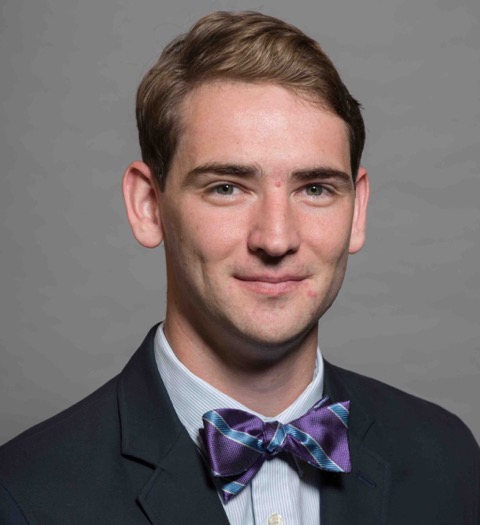
Benjamin Cocanougher
- Alumni
- United States
- 2016 PhD Zoology
- St Catharine's College
I grew up catching praying mantises and damselflies in rural Kentucky. As an undergraduate at Centre College, I majored in Biochemistry and Molecular Biology; I spent my summers taking care of sick children at the Center for Courageous Kids and doing research in organic chemistry and neuroscience. I matriculated directly to the University of Rochester School of Medicine and Dentistry and completed my first three years of medical school. I then moved to Janelia Research Campus as a HHMI Medical Research Fellow; there I studied the neural and genetic bases of behavior. As a PhD student in Zoology, I will study adaptive behavior. All animals integrate information about past experience into future decisions; this is the basis of learning and memory. I am proposing to write a specific memory and read the memory trace in the brain. I will use the fruit fly as a model organism. By understanding mechanisms of memory storage, we can begin to investigate changes in memory formation in disease; this may allow us to develop rational therapies for disorders of memory formation, including autism and Alzheimer’s disease. After completing my PhD, I will return to finish my last year of medical school and pursue a career as a child neurologist and neuroscientist, using my lab to better understand the patients I see in clinic.
Previous Education
Centre College