




Directory
- Share


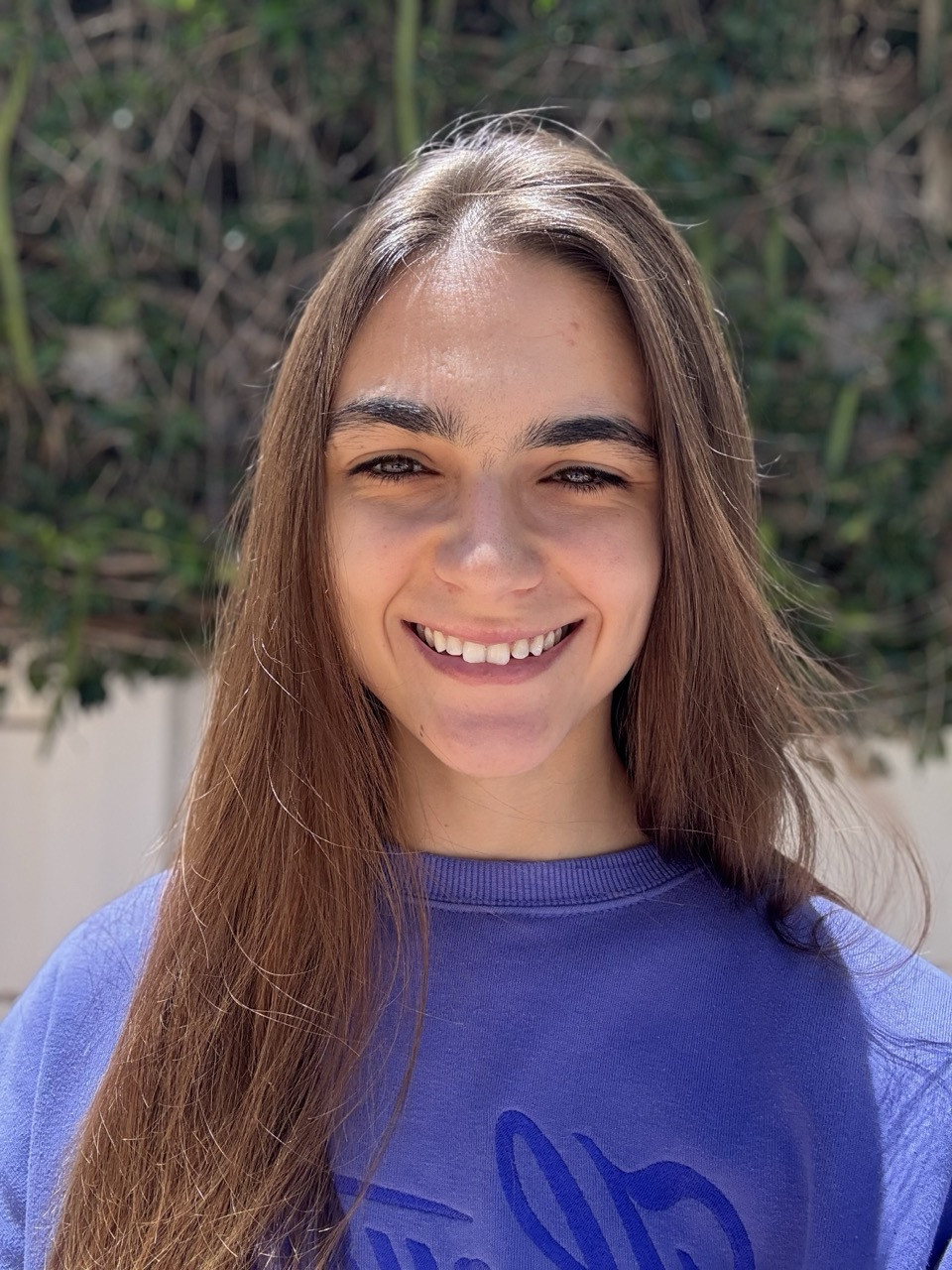
Charlotte Louw
- Scholar-elect
- South Africa
- 2026 PhD Applied Mathematics and Theoretical Physics
- Wolfson College
Charlotte Louw
- Scholar-elect
- South Africa
- 2026 PhD Applied Mathematics and Theoretical Physics
- Wolfson College
Growing up in South Africa and completing my studies in Physics and Applied Mathematics at the University of Cape Town, I developed a passion for theoretical cosmology and general relativity. In 2025, I was selected for the Philippa Fawcett Summer Internship programme at Cambridge, where I further developed my research interests. My work to date has explored modified gravity, dark energy and gravitational theory. During my PhD, I aim to develop accurate and quantitative predictions for primordial gravitational waves. These gravitational waves provide a unique window into the very early universe, far beyond what electromagnetic radiation can reveal and thus may be used to answer fundamental questions about the universe. Alongside my studies, I have been involved in teaching and am passionate about improving Mathematics and Physical Science education in South Africa as well as promoting a career in STEM to young women. My journey has not been easy but I hope that by sharing my story, I may inspire other students to pursue their ambitions. I am honoured to be selected as a Gates scholar and I am eager to become part of a community of future leaders committed to improving the lives of others.
Previous Education
University of Cape Town Applied Mathematics 2026
University of Cape Town Applied Mathematics 2022
University of Cape Town Physics & Applied Mathematics 2021
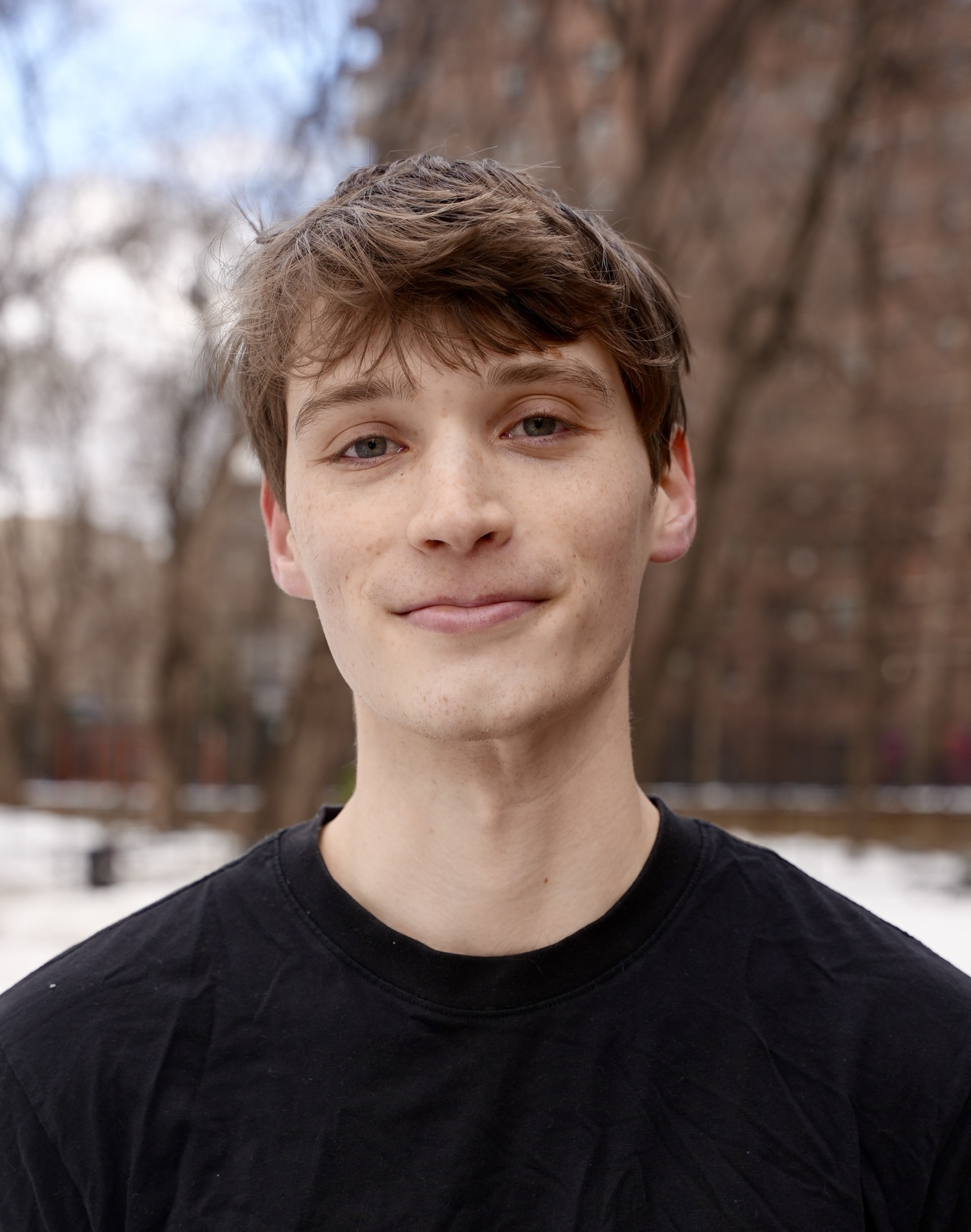
Mac MacKay
- Scholar-elect
- United States, Canada
- 2026 PhD Psychology
- St John's College
Mac MacKay
- Scholar-elect
- United States, Canada
- 2026 PhD Psychology
- St John's College
Growing up with verbal dyspraxia, speech was never automatic. That constant awareness of effort and error sparked a question that has shaped my life ever since: how does the brain generate language, and why does this process sometimes break down? I began pursuing this question at New York University, where I studied the neural circuitry underlying speech and developed a passion for understanding how brain networks support communication. I then spent two years in the University of Iowa’s Department of Neurosurgery, working directly with patients undergoing awake brain surgery to study language in the human brain—an experience that anchored my research in real-world clinical impact. At Cambridge, I will pursue a PhD with the Centre for Neuroscience in Education, examining neural–motor systems underlying developmental language disorders and strengthening the link between neuroscience, education, and clinical support for children. My long-term goal is to train as a physician-scientist in pediatric neurology, translating discovery science toward improved patient outcomes. I am honored to join the Gates Cambridge community and contribute to its mission of improving lives globally.
Previous Education
New York University Biology 2024
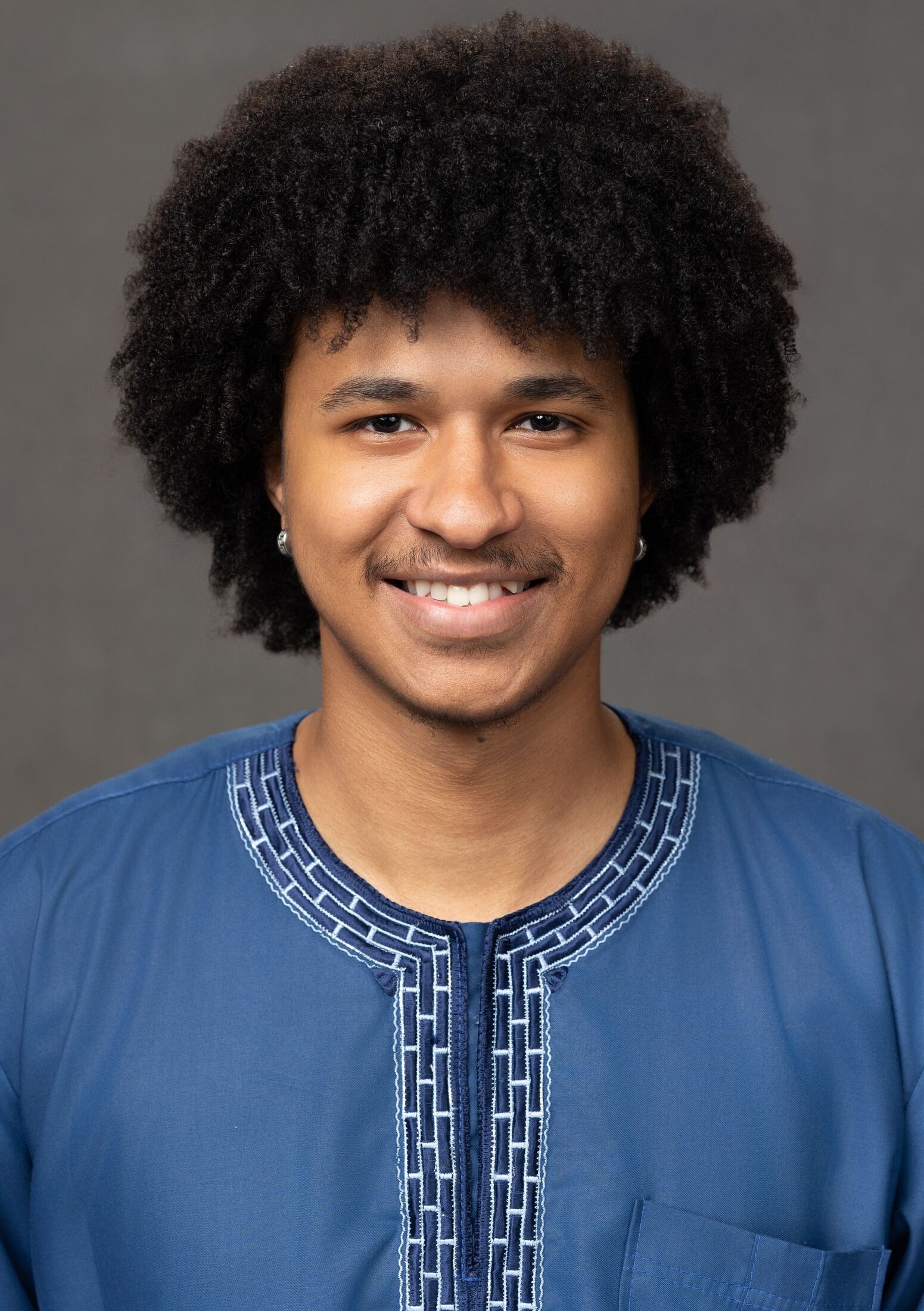
Chudi Martin
- Scholar-elect
- United States
- 2026 MPhil Social Anthropology
- St John's College
Chudi Martin
- Scholar-elect
- United States
- 2026 MPhil Social Anthropology
- St John's College
Through the combination of lived experiences from Afro-diasporic traditions and academic training in Oberlin’s Africana Studies department, I explore Afro-diasporic narratives from an integrated view. As someone of African and Caribbean descent pursuing an MPhil in Social Anthropology, I aim to develop more nuanced ethnographic methods that challenge hegemonic Western norms. Training in anthropological methods, fused with my practice of steelpan, djembe, and Capoeira Angola, will further develop specialized approaches to interrogating how Afro-Diasporic traditions serve as tools for joy, storytelling, and liberation. By investigating the roots of these traditions, my research serves as an acknowledgment to all who have fought to keep Afro-diasporic traditions alive and offers a detailed mapping of revolutionary efforts that respect the intellectualism of diverse populations and forms of expression. Thinking through a diasporic lens requires a global mindset that pushes boundaries and diversifies the range of scholarly views within academia. From both scholarly and practitioner perspectives, I am uniquely positioned to contribute to this diversification on a global scale and to bridge gaps between practitioners and scholars.
Previous Education
Oberlin College & Conservatory Africana Studies 2024
Soham Mehta
- Scholar-elect
- India
- 2026 PhD Zoology
- Christ's College
Soham Mehta
- Scholar-elect
- India
- 2026 PhD Zoology
- Christ's College
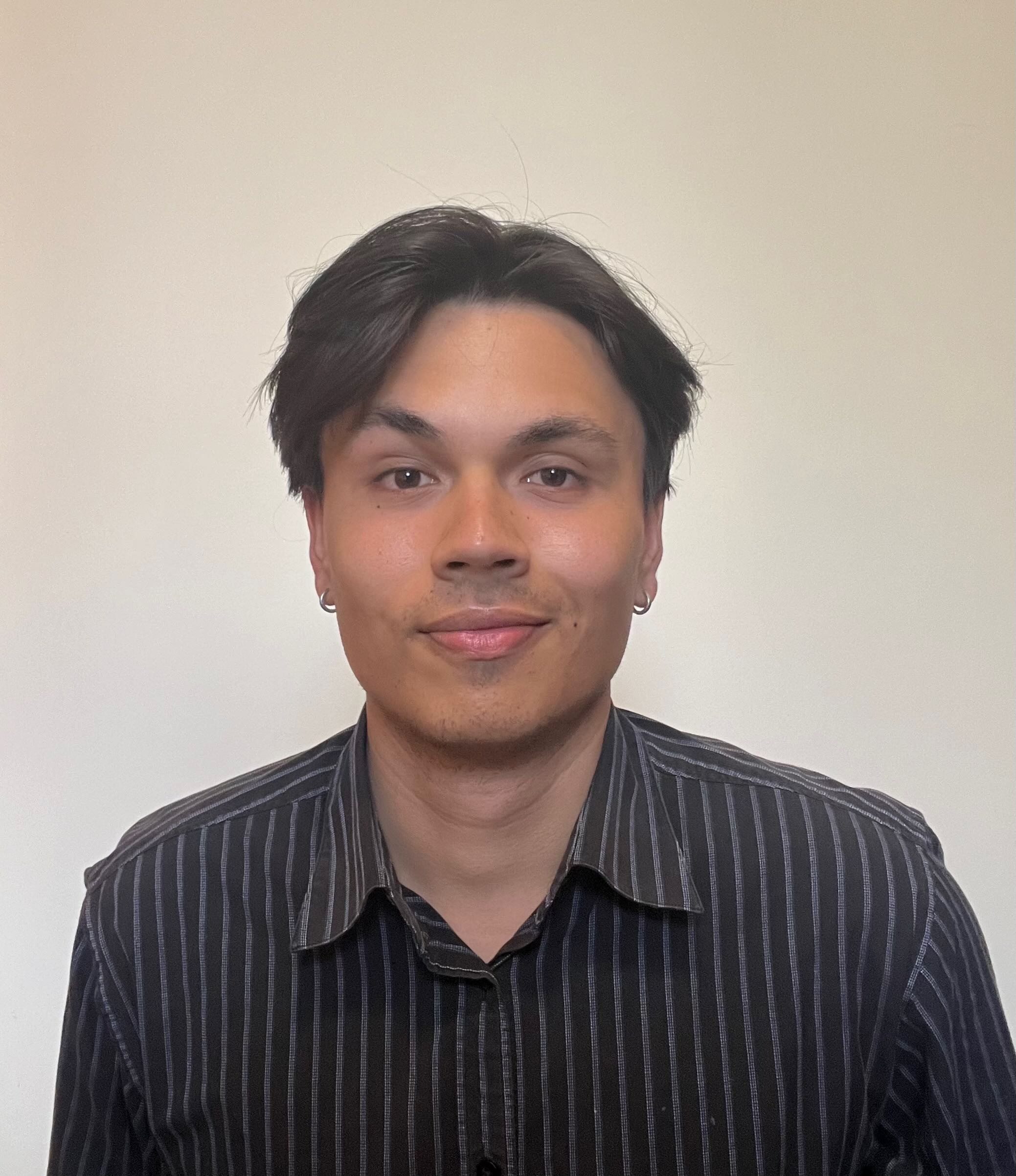
Reconciling space for biodiversity conservation with the growing demand for food production is a major global sustainability challenge. As an emerging conservation biologist, I have worked across agroecosystems in India, Peru, and Kenya, developing a strong interest in how human activities and land use shape species distributions and interactions, and how these patterns can guide effective conservation interventions. During my studies at the University of Vermont, I examined the movement ecology of free-ranging domestic dogs in central India to inform mitigation strategies to reduce negative interactions with wildlife. My master’s research at Columbia University, in collaboration with WWF–Peru, investigated livestock predation in the Peruvian Amazon to support coexistence planning with cattle ranchers. I am now interested in designing conservation strategies in agriculture–nature frontiers that safeguard biodiversity while identifying realistic pathways for agricultural production and livelihoods, without unintended trade-offs. At Cambridge, under the supervision of Professor Andrew Balmford, my PhD will examine how and under what conditions sustainable intensification of livestock systems can deliver durable conservation outcomes
Previous Education
Columbia University Conservation Biology 2026
University of Vermont Wildlife Biology 2024
Carlos Mendonca
- Scholar-elect
- United Kingdom, New Zealand
- 2026 PhD Stem Cell Biology
- Jesus College
Carlos Mendonca
- Scholar-elect
- United Kingdom, New Zealand
- 2026 PhD Stem Cell Biology
- Jesus College
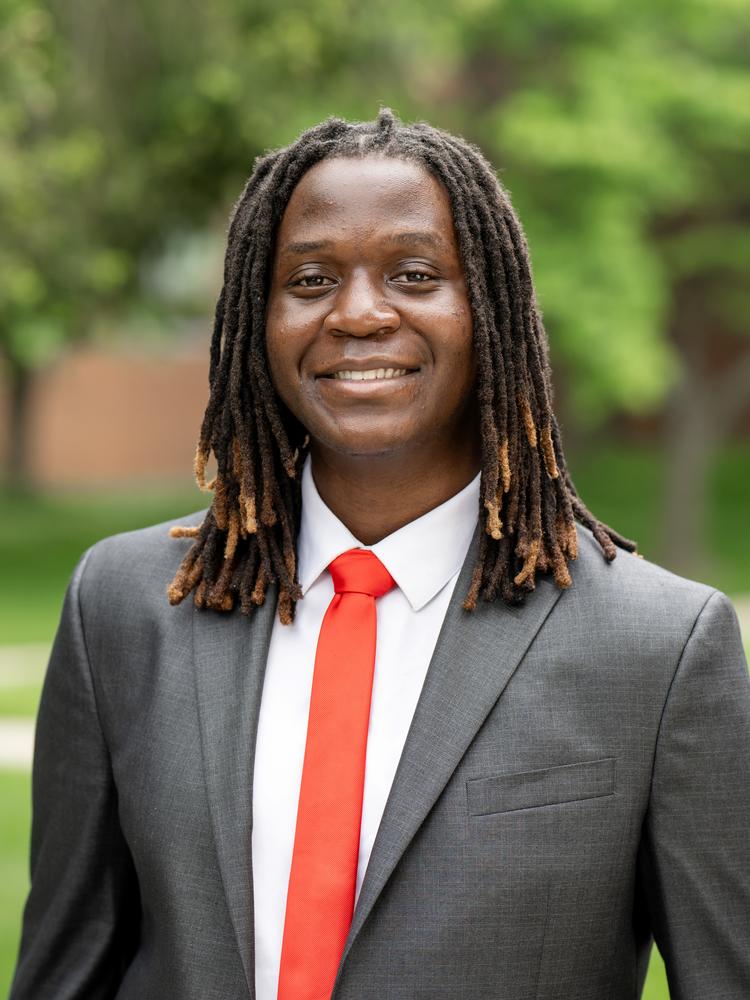
I grew up in Aotearoa New Zealand, where I developed a fascination with the diversity of the natural world. Recognising the power of quantitative reasoning in characterising biological systems, I chose to study Applied Mathematics at Columbia University. During my undergraduate studies, research in developmental biology sparked a deep interest in the principles of self-organisation. I became particularly interested in differences between model species, especially how some early developmental processes are highly conserved while others diverge quite dramatically. I pursued this interest through an MPhil at Cambridge, focusing on placental morphogenesis, and subsequently specialised in human reproduction during an MSc in Clinical Embryology at Oxford. In my PhD at Cambridge, I aim to investigate species-specific differences in early mammalian embryogenesis, seeking to understand both what distinguishes humans and what situates us within a broader evolutionary context. I am grateful to be part of the Gates Cambridge community, where I look forward to engaging with the wider ethical and societal implications of my research.
Previous Education
University of Oxford Clinical Embryology 2026
University of Cambridge Reproduction and Embryogenesis 2025
Columbia University Applied Mathematics 2024
Brian Mhando
- Scholar-elect
- United States, Tanzania, United Republic of
- 2026 MPhil Veterinary Science
- Lucy Cavendish College
Brian Mhando
- Scholar-elect
- United States, Tanzania, United Republic of
- 2026 MPhil Veterinary Science
- Lucy Cavendish College
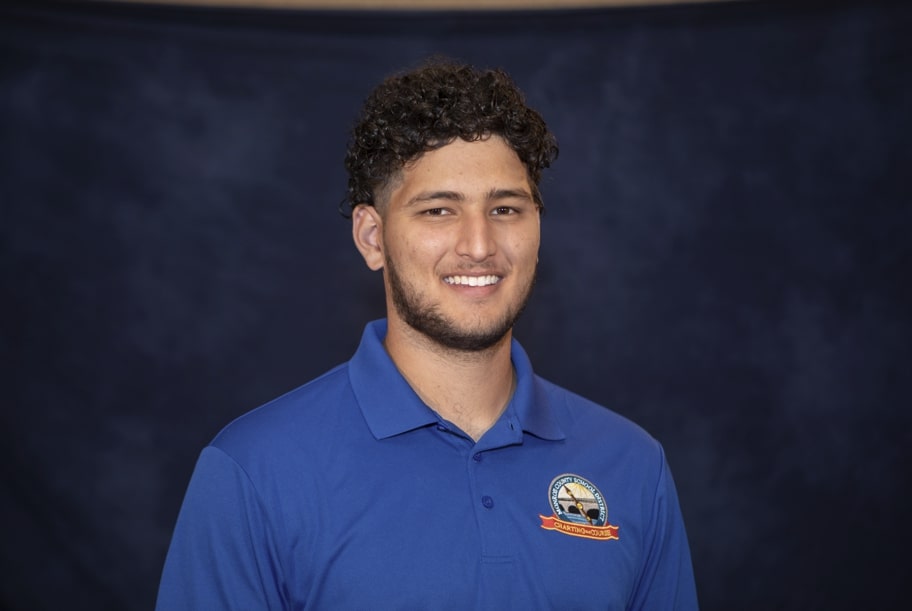
I am a senior in the Ecology and Evolutionary Biology department at Princeton University, studying disease dynamics related to antimicrobial resistance (AMR). My family comes from a rural village near Lake Victoria, where the prevalence of sexually transmitted bacterial infections is high. Inspired by this upbringing, I pursued research at Princeton focused on village health inequities, sustainable health systems development, and African foreign policy. Through research experiences in Brazil, India, and Uganda, I've gained a valuable global perspective that will enrich my future research pursuits. I will be studying for a research MPhil in Veterinary Medicine, where I hope to leverage disease modeling to assess the effectiveness of the 4cmenB vaccine in reducing gonorrhea prevalence in low-resource areas. Through this research, I hope to propose cost-effective strategies for limiting AMR incidence in rural East Africa.
Previous Education
Princeton University Disease Ecology 2026
Jonibek Muhsinov
- Scholar-elect
- United States
- 2026 PhD Psychiatry
- Trinity College
Jonibek Muhsinov
- Scholar-elect
- United States
- 2026 PhD Psychiatry
- Trinity College
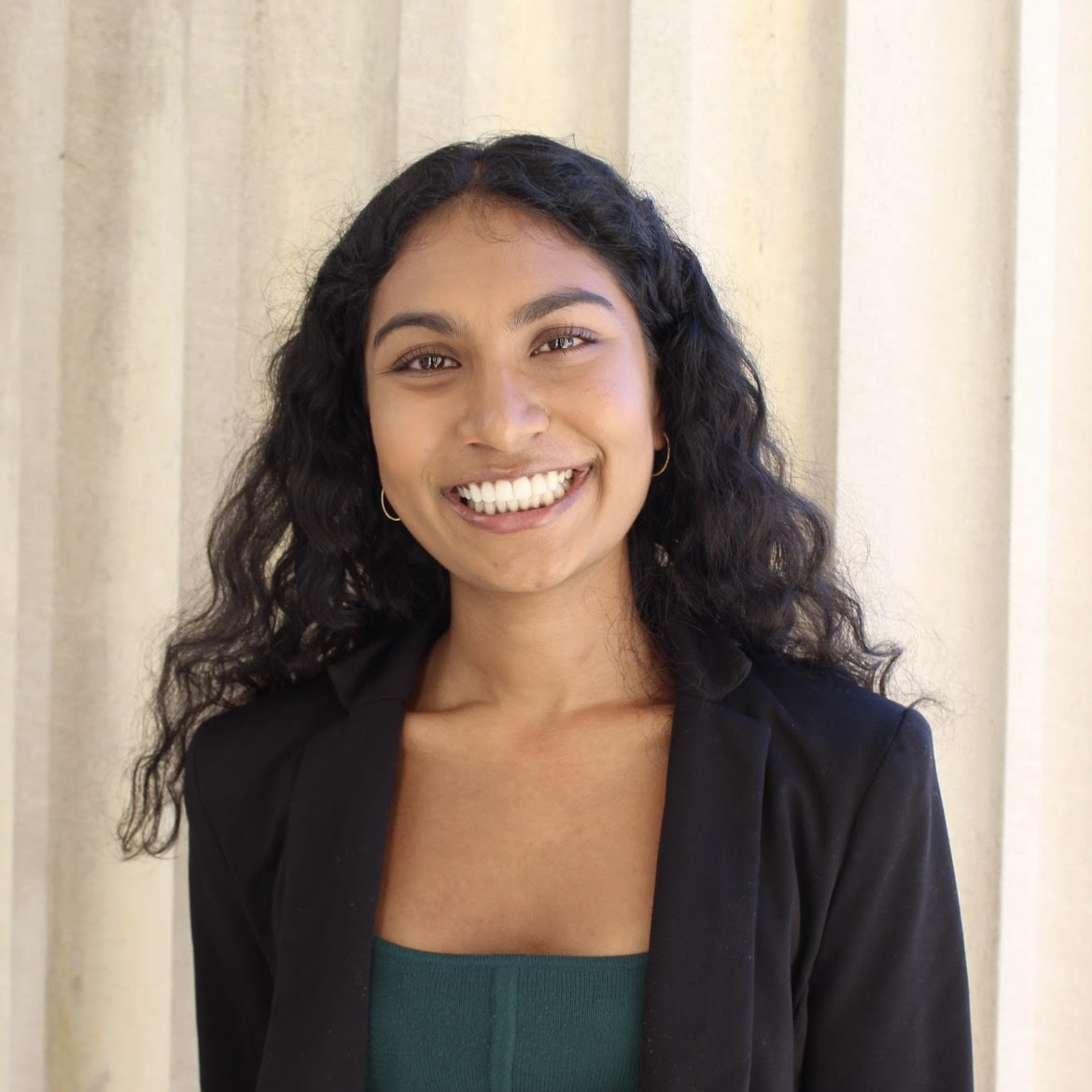
I was born and raised in Key West, Florida, with family roots in Uzbekistan. Attending the University of Pennsylvania, I studied biochemistry and biophysics, along with earning my MSE in bioengineering. With an interest in studying autism, I joined the Fuccillo lab, where I investigated the anatomy of striatal interneurons and their contributions to value-based decision-making. Beyond my research, I hope to serve as an educator and advocate for autistic people, centering autistic voices to improve how we talk about autism: from everyday language and diagnostic framing to the broader destigmatization of autism. During my time at Cambridge, I hope to build upon my skills as a scientist and communicator to build our understanding of autism and to translate the work into meaningful improvements for autistic people, like my brother.
Previous Education
University of Pennsylvania Bioengineering 2026
Kavita Murthy
- Scholar-elect
- United States
- 2026 PhD Medical Science at the Cambridge Institute for Medical Research
- Wolfson College
Kavita Murthy
- Scholar-elect
- United States
- 2026 PhD Medical Science at the Cambridge Institute for Medical Research
- Wolfson College
As an undergraduate student at Columbia University studying Biomedical Engineering, I developed an interest in applying engineering principles to infectious diseases and merging my passion for science with global health. My undergraduate research has focused on engineering antibodies, both in efforts toward an HIV cure and in inducing a stronger immune response to malaria. Through a PhD in Medical Research at the Cambridge Institute of Medical Research, I aim to build on this foundation and integrate microfluidics, protein engineering, and genomic approaches to develop a more comprehensive malaria vaccine. Existing malaria vaccines target only a single-species and single-stage of the parasite. In my graduate work, I aim to develop a multi-species, multi-stage vaccine candidate that provides more durable and comprehensive protection against malaria. I am truly honored to be a part of the Gates Cambridge community of scholars striving to improve the world in which we live.
Previous Education
Columbia University Biomedical Engineering 2026
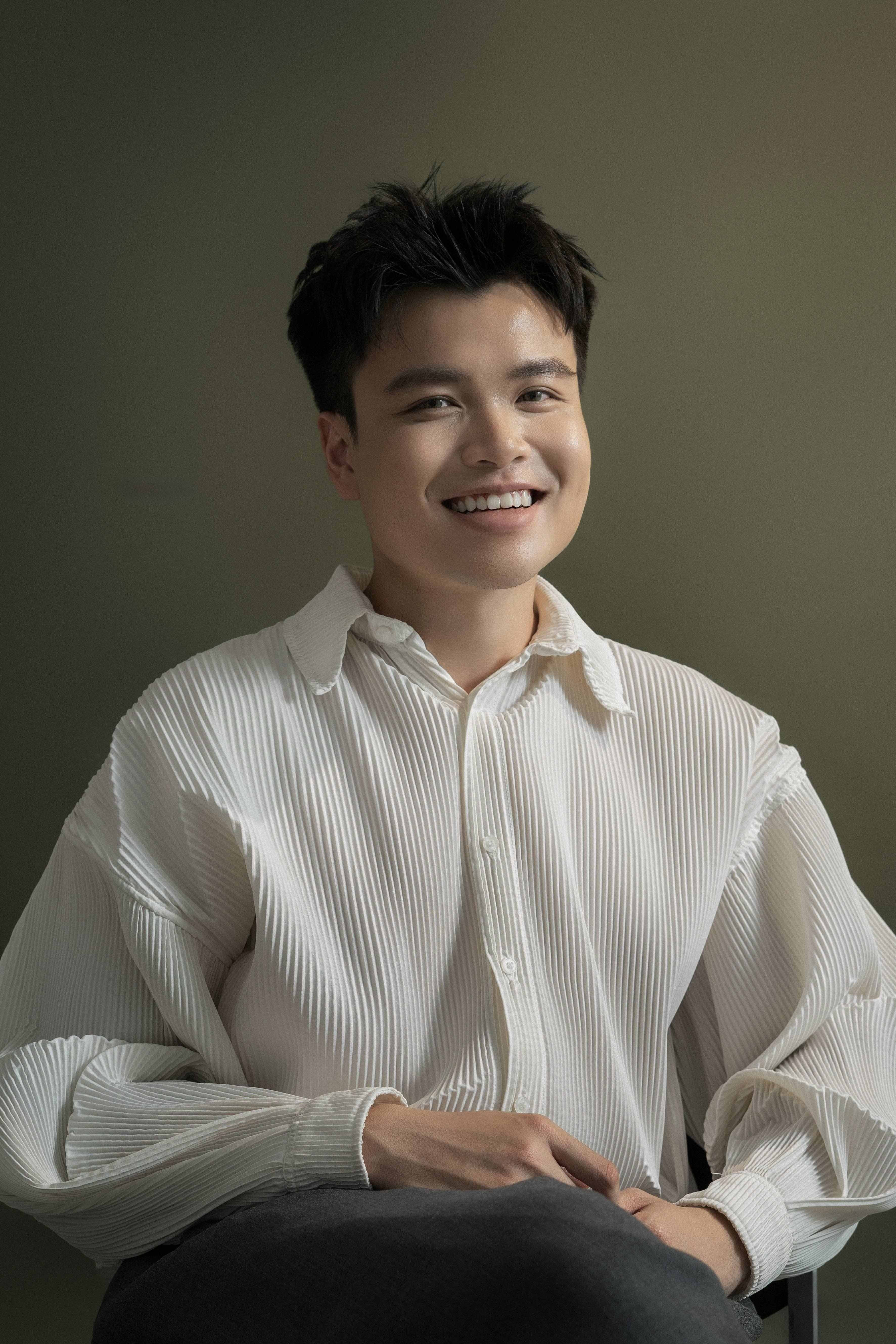
Cong Minh Nguyen
- Scholar-elect
- Viet Nam
- 2026 PhD Economics
- Selwyn College
Cong Minh Nguyen
- Scholar-elect
- Viet Nam
- 2026 PhD Economics
- Selwyn College
As an economist, I want to tell stories about how market systems shape people’s lives and how they can be redesigned to expand fairness and opportunity. I grew up in Pleiku, Vietnam, where my family, like many others, depends on coffee farming. There, farmers sell through middlemen who hold better information about demand, prices and market access, enabling them to capture value at farmers’ expense. I see a similar story in digital markets. Platforms like Amazon act as intermediaries, sitting between consumers and sellers, collecting data and controlling what information is observable to market participants. My PhD will study how platforms’ information design may distort competition and facilitate algorithmic collusion among sellers’ automated pricing agents. This forms part of my commitment to consumer protection. At Cambridge’s Computational Cognitive Economics Lab, I studied how algorithms shape consumer decision-making, and exposure to antitrust case work strengthened my focus on market power in practice. Having benefited from educational opportunities at the LSE, PSE–l'ENS and Cambridge, I want to use economics not simply to describe the world as it is, but to help build one in which information empowers rather than exploits.
Previous Education
University of Cambridge Economics and Data Science 2025
Ecole Normale Supérieure Analysis & Policy in Economics 2024
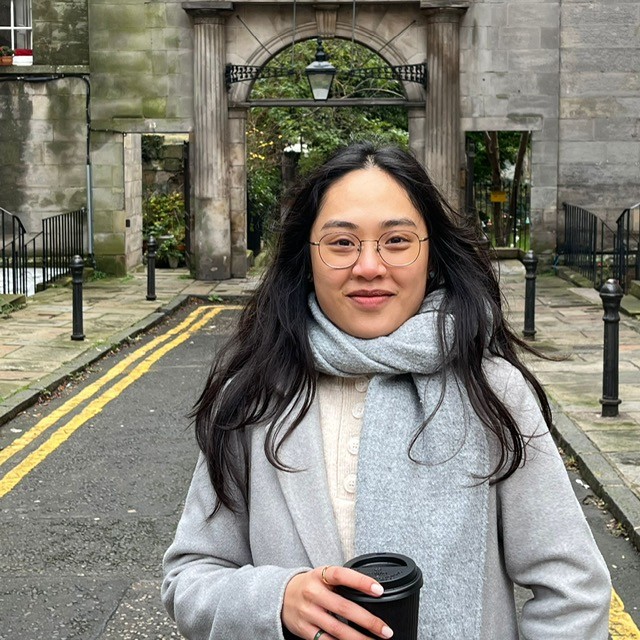
Thảo Nguyễn
- Scholar-elect
- Viet Nam
- 2026 PhD History and Philosophy of Science
- Wolfson College
Thảo Nguyễn
- Scholar-elect
- Viet Nam
- 2026 PhD History and Philosophy of Science
- Wolfson College
For my PhD in History and Philosophy of Science, I will be exploring the connection between the developments of transregional commercial medicine and vernacular medical knowledge in early twentieth century French Indochina and China. This is an extension of my previous research at Oxford on the social and cultural history of the Chinese diasporic community in Vietnam, combined with my experiences as a volunteer translator and community organiser for the Vietnamese migrant community in London, which highlighted the discrepancy between the culturally-inflected language that people in migration use to talk about their health and well-being, and the official clinical language required to navigate healthcare and welfare systems. Supported by the Gates Cambridge Scholarship, my research aims to address this gap by investigating the vernacular medical languages developed through transregional activities across China and Vietnam in the twentieth century; while my community work continues to explore ways to facilitate open spaces for migrant communities to express their experiences and concerns in their own vocabulary and languages, whether through workshops, volunteer services, or storytelling.
Previous Education
University of Oxford Modern Chinese Studies 2024
Durham University History and Economics 2021
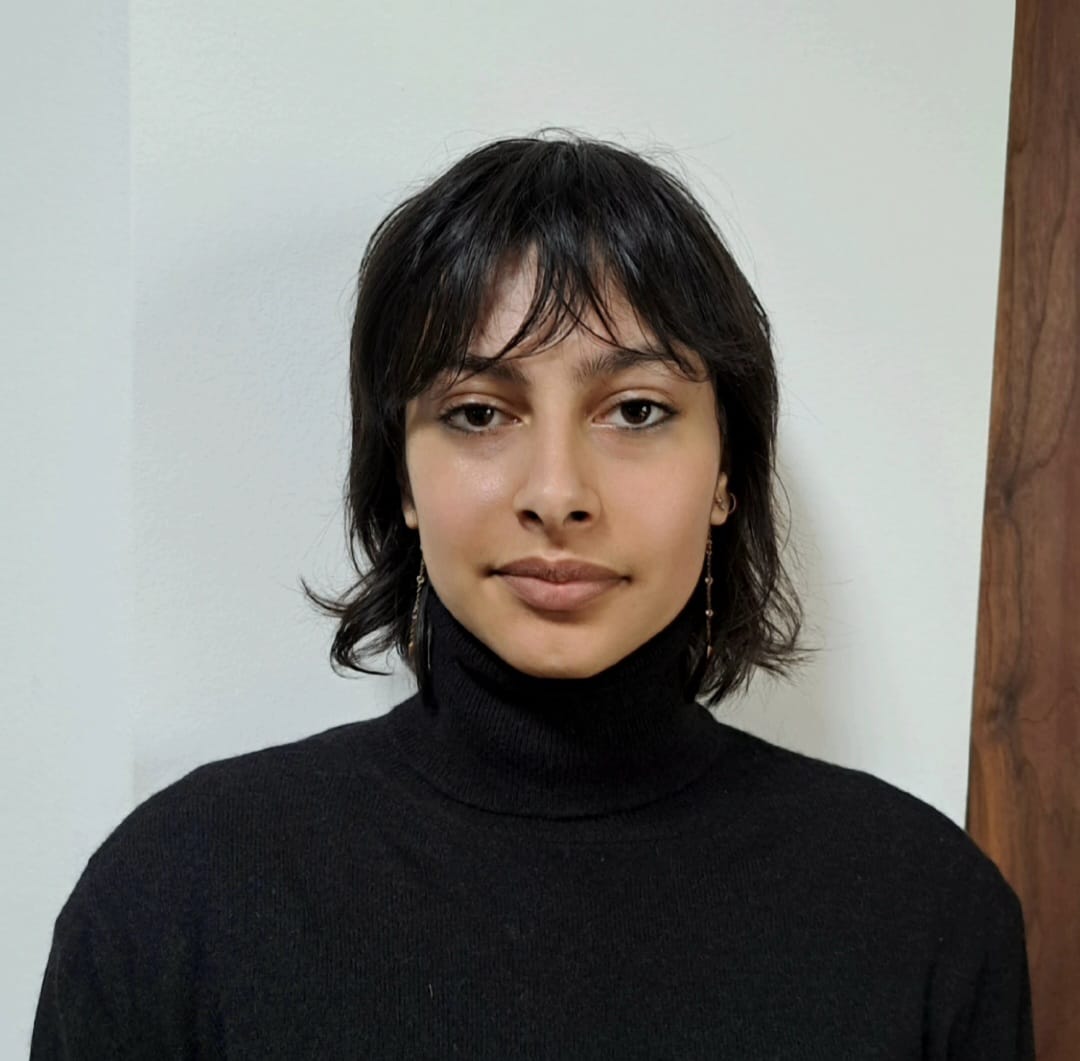
Sonia Paoli
- Scholar-elect
- Italy, United States
- 2026 PhD Plant Sciences
- Girton College
Sonia Paoli
- Scholar-elect
- Italy, United States
- 2026 PhD Plant Sciences
- Girton College
Raised in a family that valued innovation and tangible impact, I learned early how science can transform lives. From my grandfather’s fields in Italy and my maternal grandparents’ self-sustaining hospital in rural India, I learnt that meaningful change depends on both scientific excellence and a commitment to supporting vulnerable communities: technology must be co-created with the people it aims to serve. Through research and my work with farmers in Kenya, I have become increasingly aware of the urgency of restoring degraded agricultural systems, increasing soil fertility while reducing dependence on fertilisers. I became fascinated by how plants and fungi cooperate to sustain growth, resilience, and soil health. At Cambridge, I will pursue a PhD on SMAX1-mediated control of arbuscular mycorrhizal symbiosis, aiming to identify symbiosis-specific regulators that can help crops form more effective partnerships with beneficial fungi. I am honoured to become part of the Gates community, where I hope to contribute to more regenerative, equitable agriculture, and to a future where science helps both people and ecosystems thrive.
Previous Education
Imperial College London (University of London) Systems and Synthetic Biology 2025
University College London Biomedical Sciences 2024
Yein Park
- Scholar-elect
- Korea, Republic of
- 2026 PhD Computer Science
- Fitzwilliam College
Yein Park
- Scholar-elect
- Korea, Republic of
- 2026 PhD Computer Science
- Fitzwilliam College
What should an AI system do when the world has changed? This question has shaped my research and my sense of purpose as a computer scientist, since I began my research at Korea University. I studied how AI models, especially language models, handle time-sensitive knowledge, why they become unreliable when facts or regulations change after the training cutoff, and how we can make them respond more responsibly. In my previous work, I developed benchmarks for temporal knowledge and explored how temporal knowledge is represented inside models through mechanistic interpretability, leading me to propose novel alignment method. What distinguishes my research is that I do not treat evaluation, interpretability, and training regimes as separate problems; I aim to connect them into a single framework for building trustworthy AI. In my PhD, I hope to devise time-aware AI agents that can recognize when their knowledge is outdated, retrieve fresh evidence, revise their beliefs, and remain well-calibrated under uncertainty. My long-term goal is to help build AI systems that are not only more capable, but more reliable, transparent, and genuinely useful in improving people’s lives.
Previous Education
Korea University AI Applications 2026
Korea University Linguistics, CSE 2024
Daniel Rebbin
- Scholar-elect
- Germany
- 2026 PhD Medical Science at the MRC Cognition and Brain Sciences Unit
- Pembroke College
Daniel Rebbin
- Scholar-elect
- Germany
- 2026 PhD Medical Science at the MRC Cognition and Brain Sciences Unit
- Pembroke College
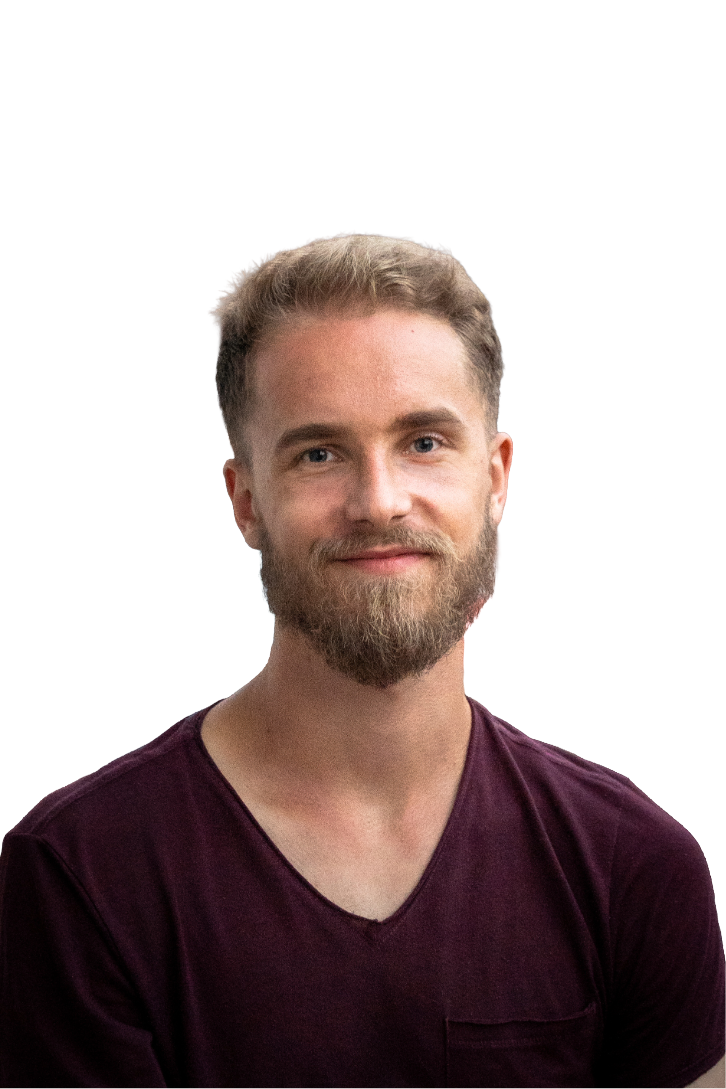
Over the course of my studies, my passion for understanding and facilitating development broadened from the level of the individual mind to the systems that constitute and embed it. Through the lens of complexity and information theory, I became convinced that formalising an interdisciplinary language for self-organisation in intelligent systems remains a key issue across the various fields that study cognition. How is cognitive development and function facilitated by adaptive information channeling? This is the question driving my curiosity about intelligent adaptation in natural and artificial systems. As the boundary between analogue and digital intelligence becomes increasingly blurred, I believe that their joint investigation under a shared theoretical language promises a better grip on how we can facilitate their harmonious integration. My PhD therefore is dedicated to aligning neuronal cultures in vitro and spiking neural networks in experimental paradigms, theoretical language and mechanistic constraints. In this way, I hope to contribute to our ability to create synergies with systems of nature and of our own making.
Previous Education
University of Amsterdam Cognitive Science 2025
University of Groningen Phil. of Cognitive Science 2023
Sara Jane Renfroe
- Scholar-elect
- United States
- 2026 PhD Social Anthropology
- Wolfson College
Sara Jane Renfroe
- Scholar-elect
- United States
- 2026 PhD Social Anthropology
- Wolfson College
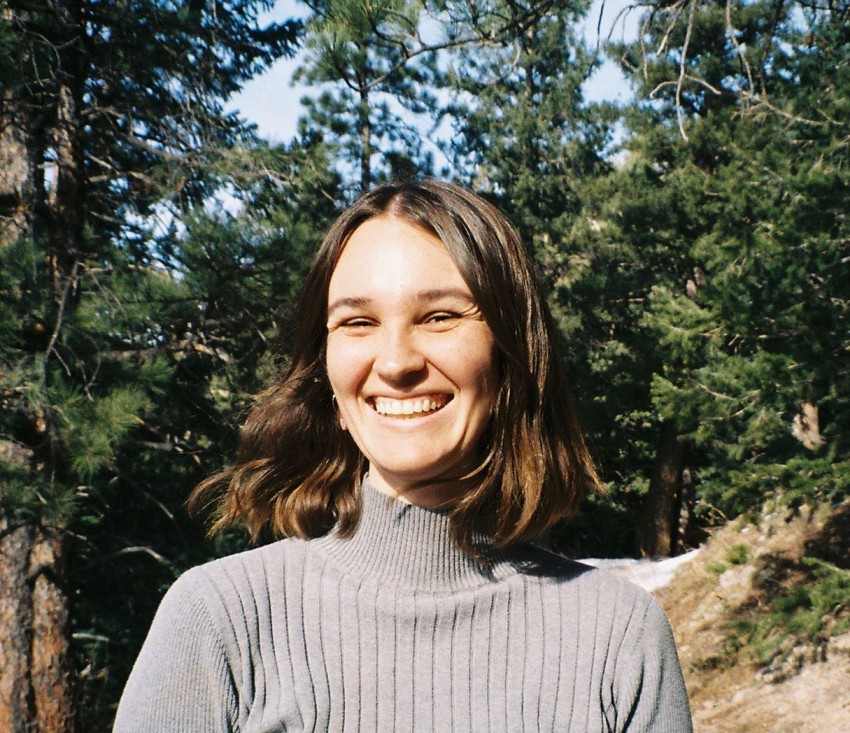
I am from a small, Gulf-side town in northwest Florida, raised by a family of pecan farmers-turned-healthworkers. An early fascination with how people care for one another under hardship, and how stories cultivate empathy, drew me toward anthropology and applied research. During my undergraduate studies, I became deeply involved in immigrant rights movements and focused my research on the experiences of undocumented Latina migrant women navigating exclusionary systems through collective care and advocacy. I then pursued an MA in Human Rights Studies to strengthen my understanding of legal frameworks of rights and justice. This training informed my subsequent career in refugee resettlement and, later, in gender equity and global health within international development. As I begin my PhD in Social Anthropology at the University of Cambridge, I aim to advance participatory, decolonialist research that bridges scholarship and practice through exploring how women living at the margins of formal health systems build knowledge, care, and agency in contexts of legal and social precarity. I am endlessly grateful to the Gates Cambridge Trust for the opportunity to pursue this work within a community committed to leadership and equity.
Previous Education
Columbia University Human Rights Studies 2020
Rollins College Anthropology 2018
Anna Rullan Buxo
- Scholar-elect
- United States, Spain
- 2026 PhD Chemistry
- Darwin College
Anna Rullan Buxo
- Scholar-elect
- United States, Spain
- 2026 PhD Chemistry
- Darwin College
As an undergraduate studying Chemistry at Yale University, I developed an interest in spectroscopic analyses of reaction mechanisms, particularly for reactions that relate to the environment and sustainability. After spending four years working as a teacher— as a Fulbright English Teaching Assistant in South Korea and a mathematics teacher in my hometown of San Juan, Puerto Rico— I am excited to pursue a PhD in Chemistry at Cambridge. I look forward to researching iron additive effects on the efficiency of Vanadium Flow Batteries (VFBs), and finding new, sustainable ways to store energy at a large scale. VFBs provide easily scalable energy storage, all while decoupling power and energy production. By utilizing in-line NMR and EPR to analyze the mechanisms by which iron additives stabilize Vanadium cations at high temperatures, we can make VFBs a viable alternative for large-scale renewable energy storage. With this research, I hope to contribute to making renewable energy more accessible to the public and solving the climate crisis.
Previous Education
Yale University Chemistry 2022
Hamish Scott Stevenson
- Scholar-elect
- Australia, New Zealand
- 2026 MPhil Ethics of AI, Data and Algorithms
- St John's College
Hamish Scott Stevenson
- Scholar-elect
- Australia, New Zealand
- 2026 MPhil Ethics of AI, Data and Algorithms
- St John's College
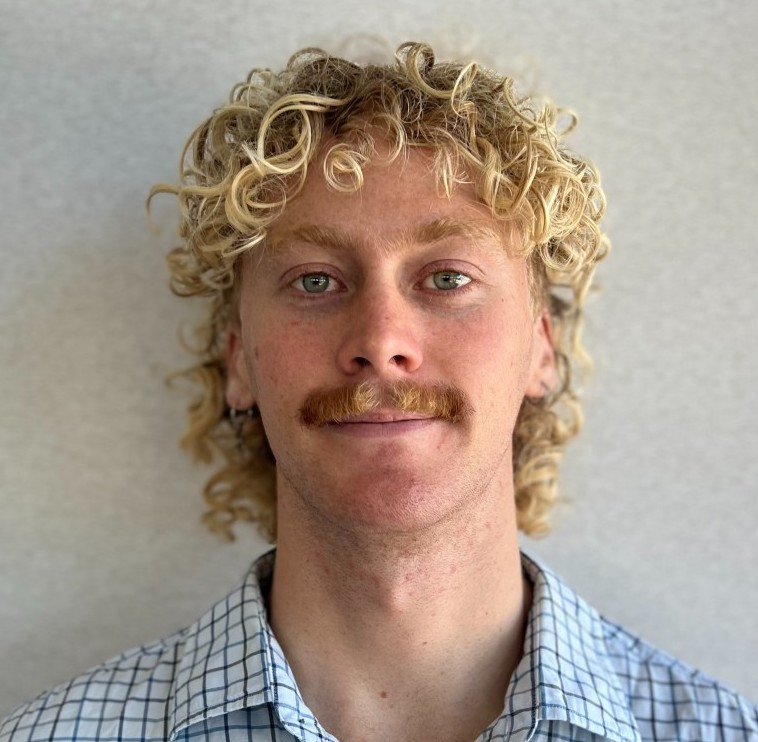
I am a researcher working at the intersection of AI ethics, democratic theory, and social epistemology. During my undergraduate studies at the University of Melbourne, my work focused on the epistemic foundations of democracy – particularly how expertise is recognised, contested, and legitimised in an era of information abundance, algorithmic filtering, and political polarisation. While working at the Social Research Centre, I won Australia’s Research Got Talent competition and conducted a mixed-methods research project investigating misinformation susceptibility among Australian men. I am now working with the Museum of Sticks & Stones to translate these findings into targeted media literacy initiatives aimed at strengthening digital resilience in Australia. I am delighted to be commencing an MPhil in Ethics of AI, Data, and Algorithms at the University of Cambridge, where I hope to integrate philosophical analysis with real-world policy challenges related to truth, trust, and algorithms in democratic societies.
Previous Education
University of Melbourne Philosophy 2022
University of Melbourne Philosophy and Politics 2021
Larom Segev
- Scholar-elect
- United States, Israel
- 2026 PhD Physics
- Corpus Christi College
Larom Segev
- Scholar-elect
- United States, Israel
- 2026 PhD Physics
- Corpus Christi College
Fascinated by the big questions of the universe’s earliest moments, evolution, and composition, I studied Astrophysics and Applied Physics at Harvard University. Working on commissioning observatories across wavelengths, I became interested in innovative telescope and experiment designs. Continuing this research, I seek to advance the frontier of our technological capabilities and unlock new physical understanding. I hope to explore one of the great unknowns: the Cosmic Dark Ages before the first stars formed, when the universe was filled with cold, neutral hydrogen. This era left behind a record of the cosmos' first light in the form of an extraordinarily faint radio signal. Detecting it is challenging, as it is overwhelmed by foreground emission from our galaxy, distorted by Earth’s atmosphere, and further obstructed by human-made interference. My Physics PhD at Cavendish Laboratory will focus on developing the instrumentation and analysis methods for a mission going to the far side of the Moon to detect this primordial signal and revolutionize what we know about our cosmic origins.
Previous Education
Harvard University Astrophysics & Applied Physics 2026
Rameen Siddiqui
- Scholar-elect
- Pakistan
- 2026 MPhil Modern South Asian Studies
- Queens' College
Rameen Siddiqui
- Scholar-elect
- Pakistan
- 2026 MPhil Modern South Asian Studies
- Queens' College
I grew up in Karachi, Pakistan, where I learned early that the media can either amplify voices or erase them. That question — who gets to speak, and who gets heard — has shaped everything I've done since.As an MPhil student in Modern South Asian Studies at Cambridge, I am investigating how colonial structures, including inherited laws, concentrated ownership, and knowledge hierarchies, continue to shape Pakistan's media governance. I call this the "coloniality of media," and my work is about decolonizing media governance. I aim to uncover how these structures operate and document the alternatives already thriving outside this logic: community radio, vernacular platforms, networks that refuse to wait for permission.Underpinning my research is a conviction: diagnosis without action is incomplete. I believe that a media landscape rooted in equity and local knowledge is not just possible; it is necessary.I am honored to join a community of scholars who believe that where you come from should never determine how far you can go, and that knowledge, ultimately, is meant to serve.
Previous Education
Greenwich University Economics and Finance 2023
