


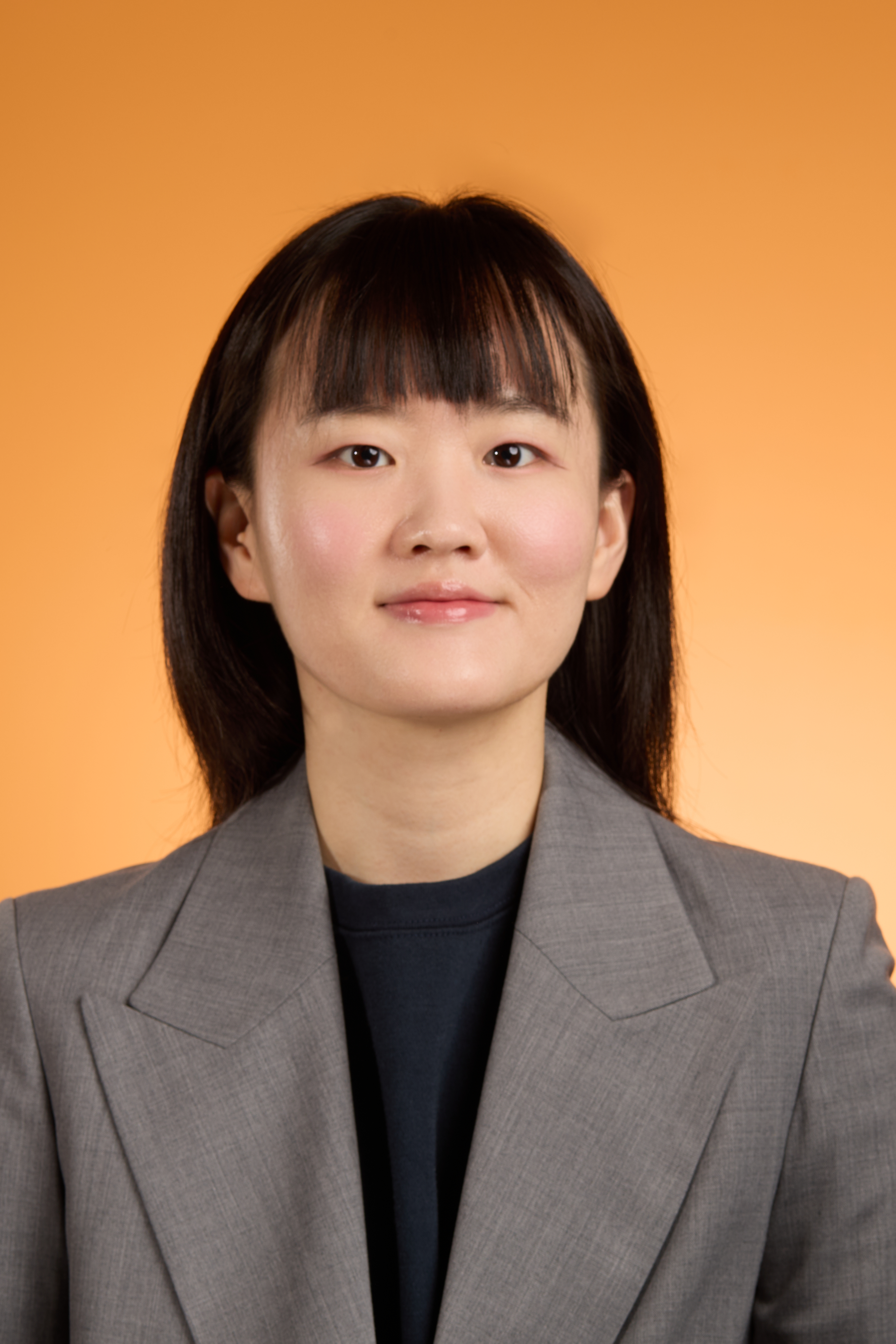
Minhee Lee
- Scholar
- Korea, Republic of
- 2025 MPhil Linguistics and Language Sciences
- Lucy Cavendish College
Minhee Lee
- Scholar
- Korea, Republic of
- 2025 MPhil Linguistics and Language Sciences
- Lucy Cavendish College
Originally from Seoul, South Korea, I completed my undergraduate degree in Linguistics at The University of Edinburgh. I chose to specialise in Experimental Pragmatics out of a long-standing curiosity about how people understand meaning that goes beyond the literal. Even young children are able to pick up on intentions and implied meanings through context, without being formally taught. This intuitive aspect of communication has always fascinated me. At Cambridge, I will explore how Theory of Mind develops in monolingual and bilingual children, using this as a foundation for future research involving neurodiverse children. Through this work, I hope to contribute to a better understanding of pragmatic development and to help improve communication strategies for children with Autism Spectrum Disorder (ASD).
Previous Education
The University of Edinburgh Linguistics
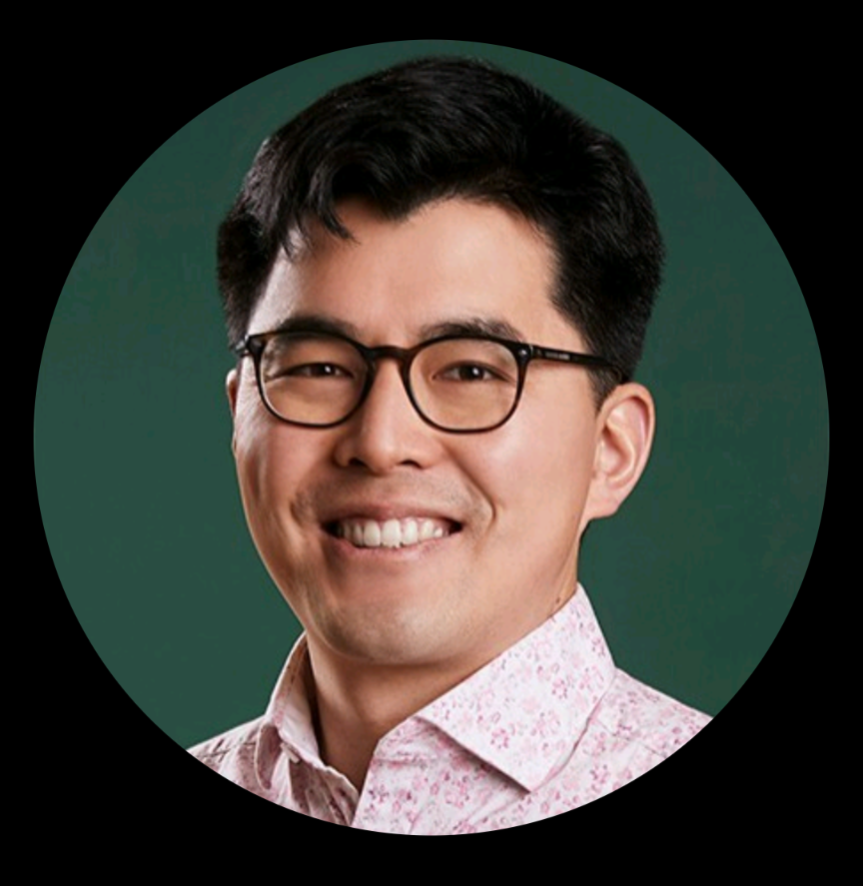
Michael Li
- Alumni
- Australia
- 2015 MPhil Engineerng for Sustainable Dev
- Clare College
Michael Li
- Alumni
- Australia
- 2015 MPhil Engineerng for Sustainable Dev
- Clare College
My goal is to deliver credible research evidence to influential government, business and community stakeholders, in the right way with the right people and at the right time, achieving positive impact for people and planet.
I lead the Research, Analysis and Modelling team that provides strategic direction on research capabilities at Climateworks. I work closely with program delivery teams to provide independent and objective advice on research practice, and the interpretation and translation of analysis relating to decarbonisation. I also support coordination of staff capacity and professional development of analysts working across Climateworks, and host forums for sharing best practices.
As well as working part-time at Climateworks, I am a parent to three young children.
Previously, I managed the research and engagement activities of the Built to Perform initiative in close collaboration with industry and government. This resulted in a once-in-a-decade reform of building energy regulations, and to my recognition as Young Energy Efficiency Professional of the Year at the 2018 National Energy Efficiency Awards.
I also led Reshaping Infrastructure, which transformed previously fixed mindsets around the influence of physical infrastructure on greenhouse gas emissions and is catalysing policy reforms by governments across Australia. During this time I led the expansion of Climateworks' cities, transport and infrastructure workstream, which included making the strategic and business cases for a new work program and supporting relevant fundraising and recruitment activities.
I led a multidisciplinary team of around a dozen people to deliver the Climateworks Centre Decarbonisation Scenarios 2023, which is now the preeminent evidence base cited by the Australian public and private sectors for setting emissions targets in line with the Paris Agreement.
I hold Bachelor’s degrees in engineering and mathematics from the University of Melbourne and a Master’s degree in sustainable development from the University of Cambridge.
Previous Education
University of Melbourne
Links
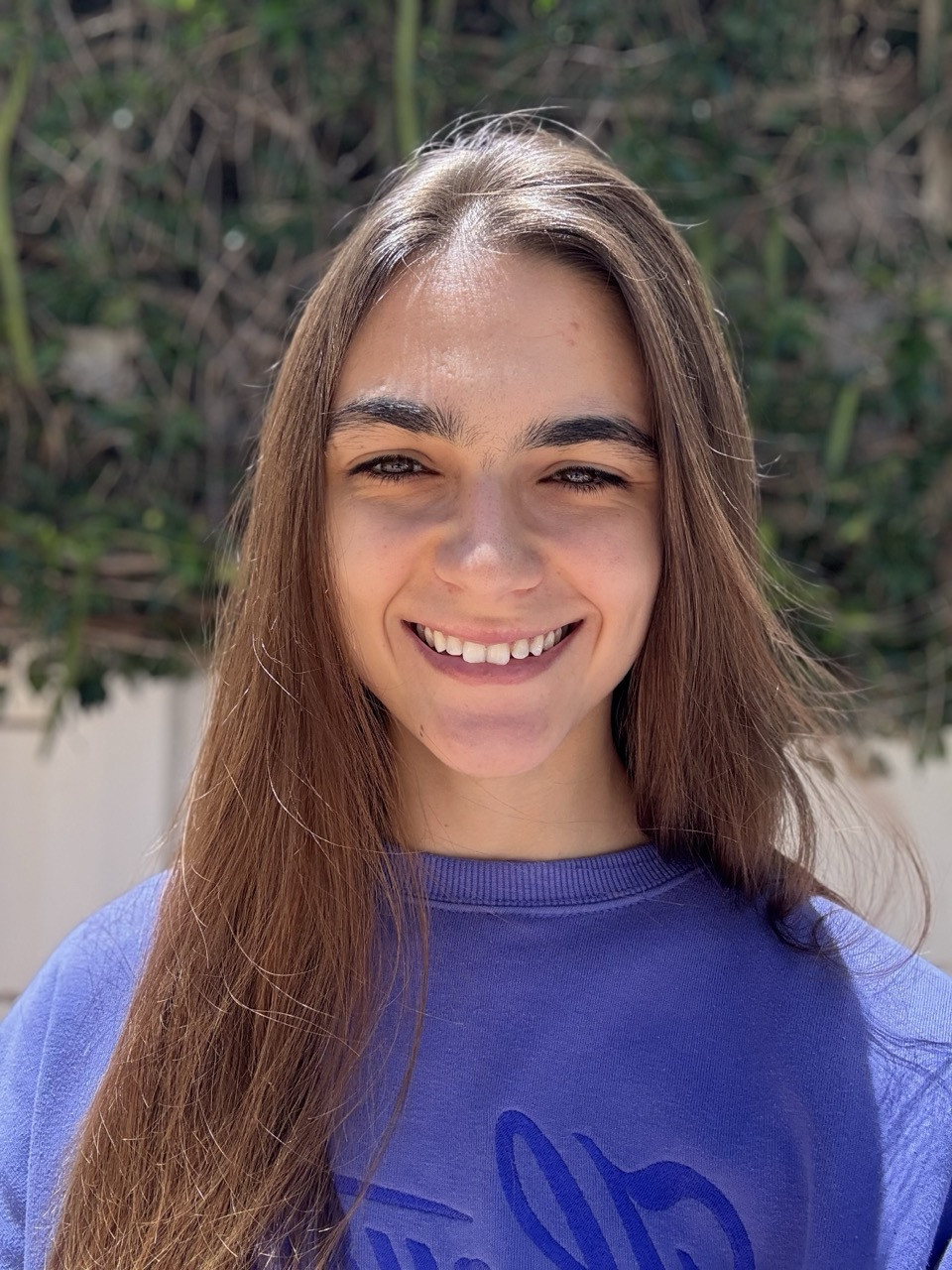
Charlotte Louw
- Scholar
- South Africa
- 2026 PhD Applied Mathematics and Theoretical Physics
- Wolfson College
Charlotte Louw
- Scholar
- South Africa
- 2026 PhD Applied Mathematics and Theoretical Physics
- Wolfson College
Growing up in South Africa and completing my studies in Physics and Applied Mathematics at the University of Cape Town, I developed a passion for theoretical cosmology and general relativity. In 2025, I was selected for the Philippa Fawcett Summer Internship programme at Cambridge, where I further developed my research interests. My work to date has explored modified gravity, dark energy and gravitational theory. During my PhD, I aim to develop accurate and quantitative predictions for primordial gravitational waves. These gravitational waves provide a unique window into the very early universe, far beyond what electromagnetic radiation can reveal and thus may be used to answer fundamental questions about the universe. Alongside my studies, I have been involved in teaching and am passionate about improving Mathematics and Physical Science education in South Africa as well as promoting a career in STEM to young women. My journey has not been easy but I hope that by sharing my story, I may inspire other students to pursue their ambitions. I am honoured to be selected as a Gates scholar and I am eager to become part of a community of future leaders committed to improving the lives of others.
Previous Education
University of Cape Town Applied Mathematics 2026
University of Cape Town Applied Mathematics 2022
University of Cape Town Physics & Applied Mathematics 2021
Eduardo Machicado Murillo
- Alumni
- Bolivia
- 2011 PhD Archaeology
- Queens' College
Eduardo Machicado Murillo
- Alumni
- Bolivia
- 2011 PhD Archaeology
- Queens' College
I graduated from Universidad Mayor de San Andrés in La Paz, Bolivia in 2003 and received my professional licence in 2008. Before coming to Cambridge I worked with the German Archaeological Institute (DAI-KAAK) and the University of California, Berkeley in archaeological expeditions that took me from the Titicaca Basin to the Amazon Forest. Last year I completed an MPhil in Archaeological Research at the University of Cambridge. In that time I set the groundwork for my PhD research in the Llanos de Moxos, eastern Bolivia, on the development of early complex societies in the Amazon Basin. I hope that my work will help reveal the unknown history of the present indigenous communities and have a positive impact in developing policies for future heritage and forest management. Parallel to my research I work at FFMV, a small non-profit organisation, that aims to support young Bolivian scholars and promote free access to research resources in the fields of Music, Arts and Social Sciences.
Mahlaqua
- Alumni
- Pakistan
- 2019 PhD Medicine
- Hughes Hall
Mahlaqua
- Alumni
- Pakistan
- 2019 PhD Medicine
- Hughes Hall
Ntombizodwa Makuyana
- Alumni
- Zimbabwe
- 2020 PhD Pathology
- Lucy Cavendish College
Ntombizodwa Makuyana
- Alumni
- Zimbabwe
- 2020 PhD Pathology
- Lucy Cavendish College
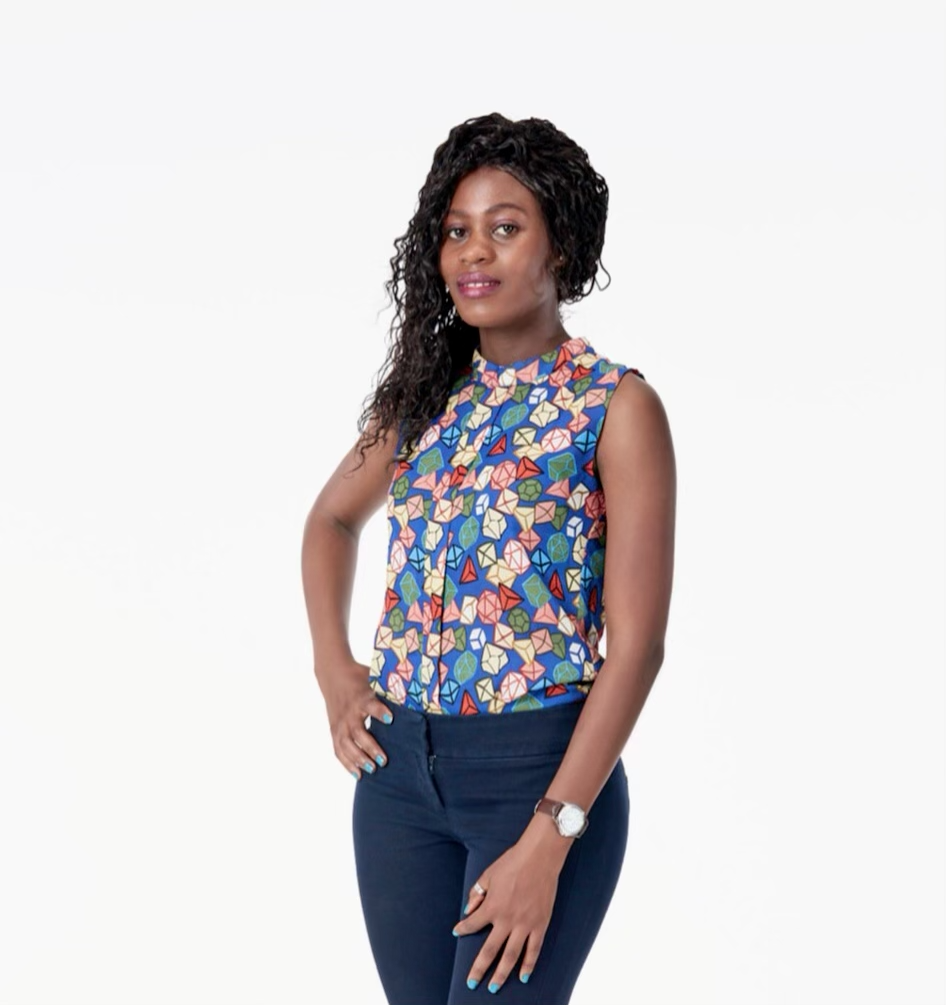
Ntombizodwa is a Ph.D. student at the Pathology Department and Babraham Institute in the laboratory of Adrian Liston and James Dooley. Her project focuses on understanding lung immunity and finding ways to minimize harmful immune responses during a viral infection such as Covid 19 and influenza. She is exploring regulatory T cells as a therapeutic mechanism to control the responses and promote tissue healing. Prior to her Ph.D., she graduated with a Bachelor of Science in Medicinal Biochemistry at Arizona State University and an honors degree project on biomarkers for early detection of Human Papillomavirus (HPV)-associated cervical cancers. In the past, she has worked in various academic labs in the United States of America (Biodesign Institute) and the pharmaceutical industry (Novartis). She is also a social entrepreneur working on providing quality education and a supportive system to young African girls through the 100 Young Women Initiative at Shasha Network. She aspires to combine her interests in entrepreneurship and research to maximize the impact on healthcare in the world.
Previous Education
Arizona State University Medicinal Chemistry 2019
Laura Marcus
- Alumni
- United States
- 2014 MPhil Education (Thematic route)
- Clare Hall
Laura Marcus
- Alumni
- United States
- 2014 MPhil Education (Thematic route)
- Clare Hall
Over the past few years I have worked with and founded educational institutions that provide students with opportunities to engage in hands-on democratic self-governance. As one deeply concerned about the decline of civic participation in developed democracies, these experiences have changed the way I think about political life and the way we prepare young people to take leadership in it. I am passionate about creating new ways to make civic education less rote and more experiential, and I am excited to explore possibilities for this innovation through the MPhil in Politics, Development, and Democratic Education at Cambridge. I hope to draw on this education in my future career: helping schools structurally integrate democratic practices into their administration and pedagogy, creating programs that give young people meaningful governance experience, and empowering students for lives of active civic engagement in their communities and world.

Katherine Marvel
- Alumni
- United States
- 2003 CASM Mathematics
- Trinity College
Katherine Marvel
- Alumni
- United States
- 2003 CASM Mathematics
- Trinity College
After spending a year teaching at the African Institute for Mathematical Sciences (http://www.aims.ac.za) I have returned to Cambridge to complete my PhD in theoretical physics. I hope to use my background in physics and education to expand educational opportunities for young people everywhere, especially in the developing world.
Etienne Mashuli
- Alumni
- Burundi, United States
- 2019 PhD Politics and International Studies
- Clare Hall
Etienne Mashuli
- Alumni
- Burundi, United States
- 2019 PhD Politics and International Studies
- Clare Hall
Born in Rwanda, my earliest memories are of life as a young refugee. I pursued my undergraduate at North Central College on a generous scholarship from the school's board of trustees. During my masters at Yale, I focused on the events that I left behind: mass atrocities and their consequences. For my PhD, I am looking into the experiences of a vastly marginalised group in the African Great Lakes known as the Batwa. I am interested in how colonial and neo-colonial notions of eugenics have turned them into a de-politicized group, one which has no say on its political, economic and social reality. Beyond academics, I continue to be involved in the education space especially in providing quality education for marginalised communities. To this end, I am a co-founder of the Tujenge Scholars Program, a leadership institute, which has sent Burundi students to prestigious institutions such as Harvard, Carleton, Brown, MIT etc. The goal is that this group of young leaders will be responsible for Africa's transformation.
Previous Education
Yale University African Studies 2015
North Central College Political Science 2013
Saalika Mela
- Alumni
- Pakistan
- 2013 MPhil Education
- Newnham College
Saalika Mela
- Alumni
- Pakistan
- 2013 MPhil Education
- Newnham College
A recent graduate in Political Science and Comparative Human Development, along with a minor in Creative Writing, I am deeply committed to improving education in my native Pakistan. Specifically, the goal is curbing Muslim extremism, and empowering young people with their native identity and values. Since I was thirteen, I have been involved with progressive Islamic schooling. A new type of schooling, it aims to combine secular education with Islamic values to develop ‘well-rounded’ Muslims that abstain from militant extremism. The MPhil in Educational Leadership and School Improvement program at Cambridge, followed by an M.Ed. from Harvard University, will instruct me in various leadership techniques and how they may be adapted to progressive Islamic schools. With this training, I will work at a secondary school and the government in Pakistan. The Gates-Cambridge Scholarship is a lifelong gift, and I hope that I will be able to collaborate with this community wherever I go.
Gabrielle Mills
- Alumni
- United States
- 2019 PhD Chemical Engineering
- Peterhouse
Gabrielle Mills
- Alumni
- United States
- 2019 PhD Chemical Engineering
- Peterhouse
From a young age, I expressed a keen interest in the issues surrounding infectious diseases and global epidemics. As a Biomedical Engineering student at Arizona State University, my interest in epidemiology and its engineering applications were further developed and contextualized by an additional minor in Global Health and a research internship at the Translational Genomics Research Institute. During the course of my PhD in Chemical Engineering at Cambridge, I aspire to develop novel diagnostics for C. difficile, the deadliest superbug in the United States, and C. perfringens, the second leading cause of food poisoning. With C. difficile, there is a direct correlation between mortality and the timing and choice of initial treatment. With the invention of an immediate diagnostic that detects the level of infection, mortality rates may be reduced across global communities.I seek to be a leader in the worldwide pursuit to alleviate the burden of disease on developing populations by delivering technologies that are simple, inexpensive, and—above all else—feasible in their applicable environments. I am grateful to be joining the Gates Cambridge Community and for the opportunity to network with some of the greatest intellects of our generation with the united goal of improving the human condition.
Previous Education
Arizona State University BS in Engineering Biomedical Engineering 2019
Isabella Morse
- Scholar
- United States
- 2022 PhD Public Health and Primary Care
- Hughes Hall
Isabella Morse
- Scholar
- United States
- 2022 PhD Public Health and Primary Care
- Hughes Hall
We are facing a global mental health crisis, especially among children and adolescents. Yet, there remains a significant gap in understanding how children’s mental health difficulties are being treated, and what the process of accessing care truly looks and feels like. Combining my backgrounds in psychology, public health, education, and creative writing, I am passionate about improving the lives of children and understanding their stories, particularly those from underserved or high-risk communities. During my undergraduate studies at Colgate University, I conducted mixed-methods research to examine how COVID-19 impacted children’s mental health. As an Alumni Memorial Scholar, I extended this work after graduation by studying the pandemic’s impact on rural communities in England. Following this, I worked as a researcher at the Children’s Hospital of Philadelphia, where I studied diagnostic testing for children with mental health difficulties and autism. My PhD at the University of Cambridge builds off of these experiences, using a simultaneous mixed-methods design to explore how children access mental health treatment, with a particular focus on waiting times and experiences of underserved groups. My research aims to inform policy and practice to improve mental health care for all children and young people.
Previous Education
Colgate University Major: Psychology; Minors: Education, Creative Writing 2021
Alice Musabende
- Alumni
- Rwanda
- 2016 PhD Politics & International Stud
- Murray Edwards College (New Hall)
Alice Musabende
- Alumni
- Rwanda
- 2016 PhD Politics & International Stud
- Murray Edwards College (New Hall)
I was born and raised in Rwanda, and when I was 14 years old my family was killed during the Rwandan genocide against the Tutsis of 1994. Although I was too young to understand its roots, this tragedy would forever shatter my life and shape the person I would become. I graduated from Rwanda’s first School of Journalism and I hold a Master’s in Journalism from Carleton University. I have worked as a journalist in Canada’s major news organizations. I am currently completing a Master’s in International Development Studies from Dalhousie University and have previously worked as an international development worker in Rwanda. At Cambridge, I will be researching further the dynamics of peacebuilding in the context of post-conflict countries in the Great Lakes of Africa, by investigating ways through which international organizations navigate the normative crosscurrents that come with peacebuilding. Centered around the issues of democratization and democratic recognition, this research seeks to explore how international actors respond to post-conflict countries when they express a strong wish to articulate the agenda, the levers they have as well as ways in which they use them. Ultimately, I seek to contribute my perspectives as an African scholar to a better understanding of peacebuilding on the continent and in the world.
Previous Education
Carleton University
Université Nationale du Rwanda
Dalhousie University
Valentina Ndolo
- Alumni
- Kenya
- 2018 PhD Veterinary Medicine
- Churchill College
Valentina Ndolo
- Alumni
- Kenya
- 2018 PhD Veterinary Medicine
- Churchill College
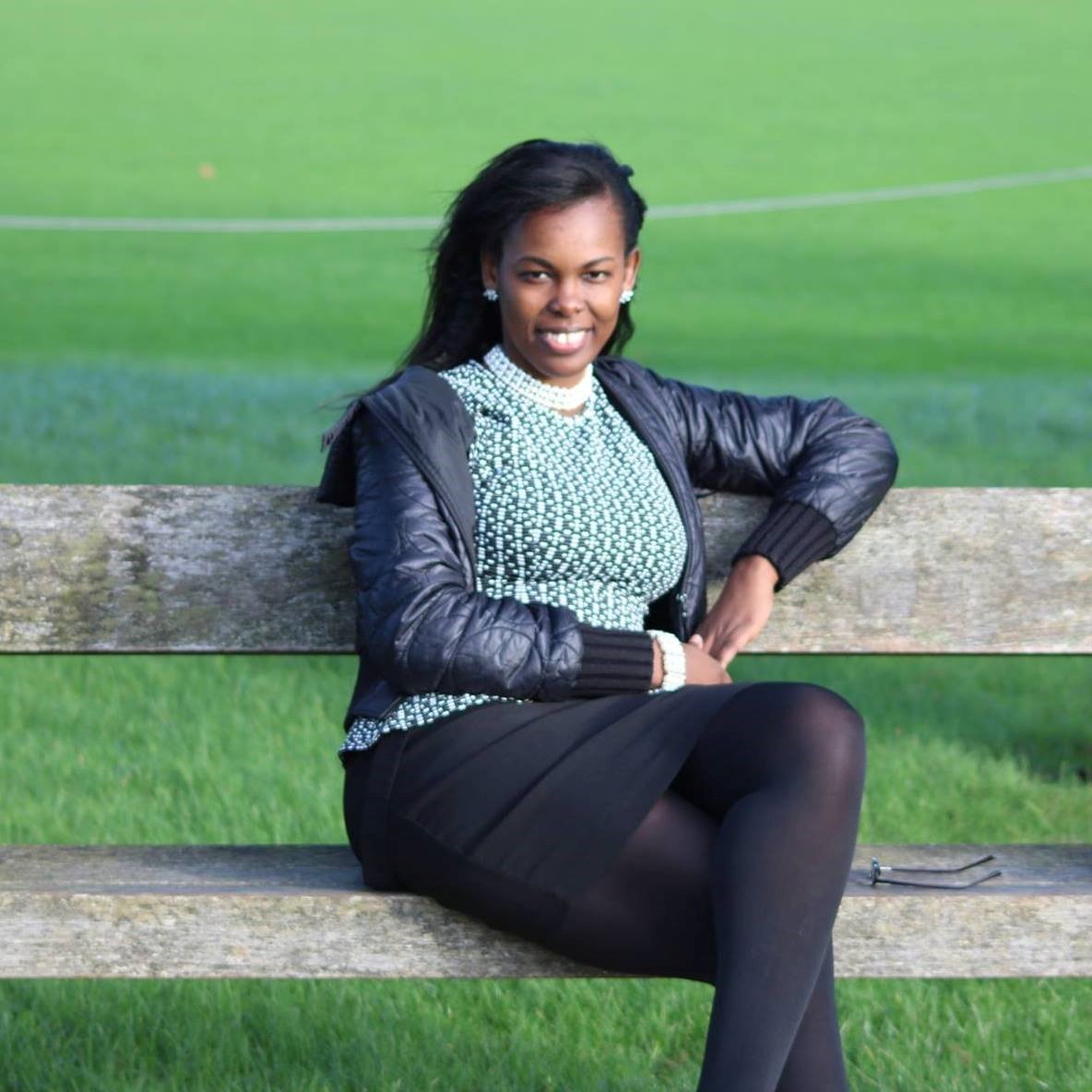
I developed a passion for infectious disease research whilst undertaking my BSc in Biochemistry at the University of Nairobi. Upon graduating in 2013, I did an internship at the KEMRI Wellcome Trust Research Programme alongside the malaria immunology group. I later joined the US Army Medical Research Unit where I did another internship with the influenza surveillance group. In July 2015, I was offered a Commonwealth Scholarship by DFID to pursue an MSc in International Health & Tropical Medicine at the University of Oxford. Consequently, I worked with the malaria vaccine research group at the Jenner Institute for my thesis project. During my MSc, I founded the STEMing Africa Initiative ( https://stemingafricainitiative.wordpress.com/ ) to advocate for the active inclusion of women in STEM by supporting talented female graduates in STEM to secure scholarships for advanced degrees at leading universities worldwide. The modest awards from the Western Union, UNESCO, the Forum for African Women Educationalists, and the Association for the Development of Education in Africa (ADEA) helped me to spearhead this program. I also got an opportunity to enhance my leadership skills whilst participating as a fellow in the 2018 Mandela Washington Fellowship, a flagship program started by former president Barack Obama to connect young African leaders with leaders from the United States. For my Ph.D., I applied machine learning to model the distribution and determinants of anthrax disease risk across Uganda and Kenya. My work will accelerate anthrax disease elimination by providing guidance for targeted disease prevention and surveillance.
Previous Education
University Of Nairobi
University of Oxford
Afrodita Nikolova
- Alumni
- North Macedonia
- 2014 PhD Education
- Wolfson College
Afrodita Nikolova
- Alumni
- North Macedonia
- 2014 PhD Education
- Wolfson College
As ethnically Aromanian poet I am interested in the "personal" and the "social" in poetry, what Carolyn Forché called "poetry of witness". This shaped my work as English lecturer as well as creative writing programme director and workshop facilitator with youth in diverse learning settings. When my poetry pamphlet "Omaynina" earned the national award "Lesnovski Dzvona", I co-founded the literary magazine "Sh". I felt I was thrown into the Macedonian literary scene with the joy and caution of a child jumping on a trampoline. Doing journalism, educational projects for the NGO "Izlez", I was awarded a scholarship for a Balkan ethnic tensions seminar, Sarajevo. During the MPhil project I explored readers' aesthetic and cultural responses to Shakespeare's The Merchant of Venice and the role of literature in social justice. Expanding my knowledge in the field of the arts practices in the criminal justice system, for my PhD I am working on the arts-based design, delivery and evaluation of a new participatory Spoken Word Poetry Programme (SWPP) for self-development through creative engagement and performance together with young people, the staff and artists/educators in a Macedonian prison.
Timothy O'Connor
- Alumni
- United States
- 2007 PhD Zoology
- Peterhouse
Timothy O'Connor
- Alumni
- United States
- 2007 PhD Zoology
- Peterhouse
Seoyoung Park
- Scholar
- Korea, Republic of
- 2022 PhD Medical Sciences @ MRC Mitochondrial Biology Unit
- Hughes Hall
Seoyoung Park
- Scholar
- Korea, Republic of
- 2022 PhD Medical Sciences @ MRC Mitochondrial Biology Unit
- Hughes Hall
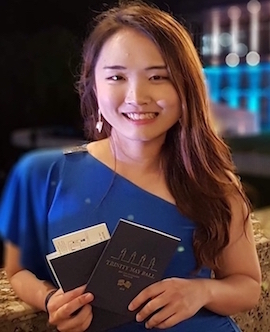
During my undergraduate studies in biomedical sciences at University College London, I was first introduced to the brain’s immune cell, microglia, where I learnt about the multifaceted nature of these cells in the physiological and pathological condition. Fascinated by the interactions that occur between the brain and the immune system, I went onto researching into the role of peripheral B lymphocytes in Parkinson’s disease for my master’s project at Cambridge university. Since graduating, I have worked as a business development manager at a neuroscience-focused biotech company, working with leading CNS pharmaceutical and biotech companies. This has allowed me to appreciate the enormous gaps that exist in our knowledge in neurodegenerative diseases and has, in turn, brought me back into research. Coming back to the academia and specifically Cambridge university as a PhD student, I plan to research into the relationship between mitochondrial dysfunction and inflammation to understand disease mechanisms underlying Parkinson’s disease. It is a great honour to be able to join the Gates Cambridge community, which I believe will enormously enhance both my PhD and Cambridge experience.
Previous Education
University of Cambridge Translational Biomed Research 2019
University College London Biomedical Science 2018
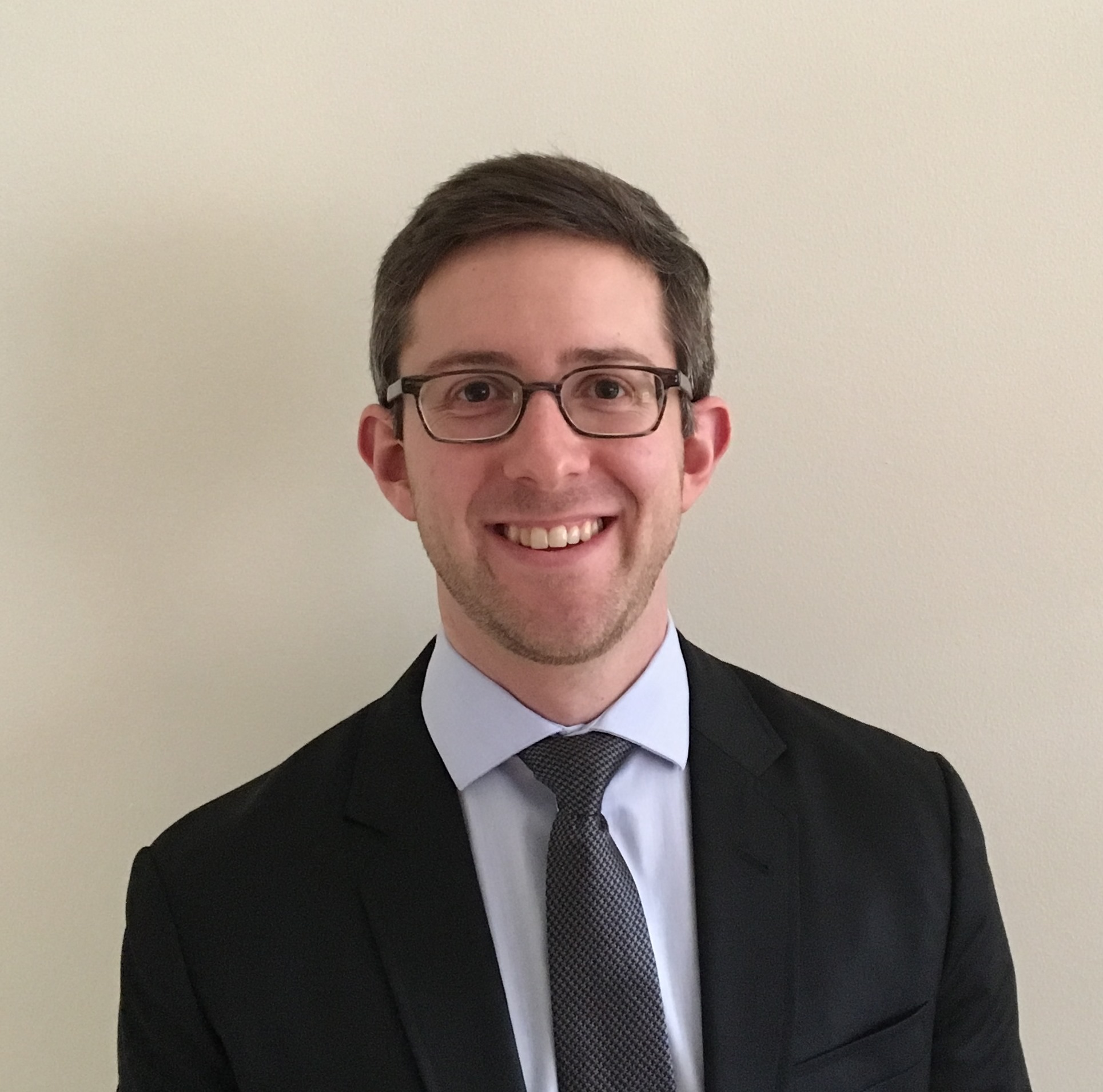
Andrew Parker
- Alumni
- United States
- 2014 Mphil Public Policy
- King's College
Andrew Parker
- Alumni
- United States
- 2014 Mphil Public Policy
- King's College
From a young age, my mother taught me the importance of exercising the right to vote. Years later, as a volunteer on Barack Obama's 2008 campaign, I saw the challenges of voting firsthand: confusing registration forms, long lines, and malfunctioning voting machines, among others. I studied election reform efforts as a Political Science major at Stanford University and continued to focus on issues of civic engagement and political participation through positions at The White House Office of Public Engagement and on the 2012 Obama campaign. I completed an MPhil in Public Policy at Cambridge as a 2014 Gates Scholar, which deepened my understanding of policymaking and allowed me to explore the intersection of government, technology and public policy. I am currently drawing on these skills in my new role at the American Civil Liberties Union, and I will be continuing my education later this year as I enroll at Yale Law School.
