


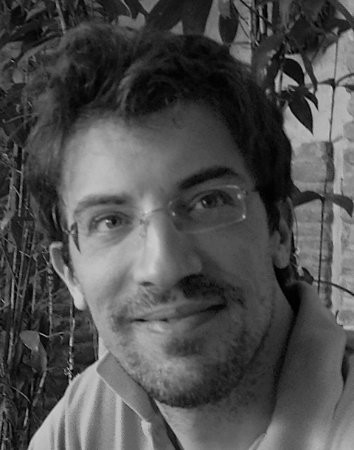
Dimitrios Petousis
- Alumni
- Greece
- 2001 PhD Engineering
- St John's College
Dimitrios Petousis
- Alumni
- Greece
- 2001 PhD Engineering
- St John's College
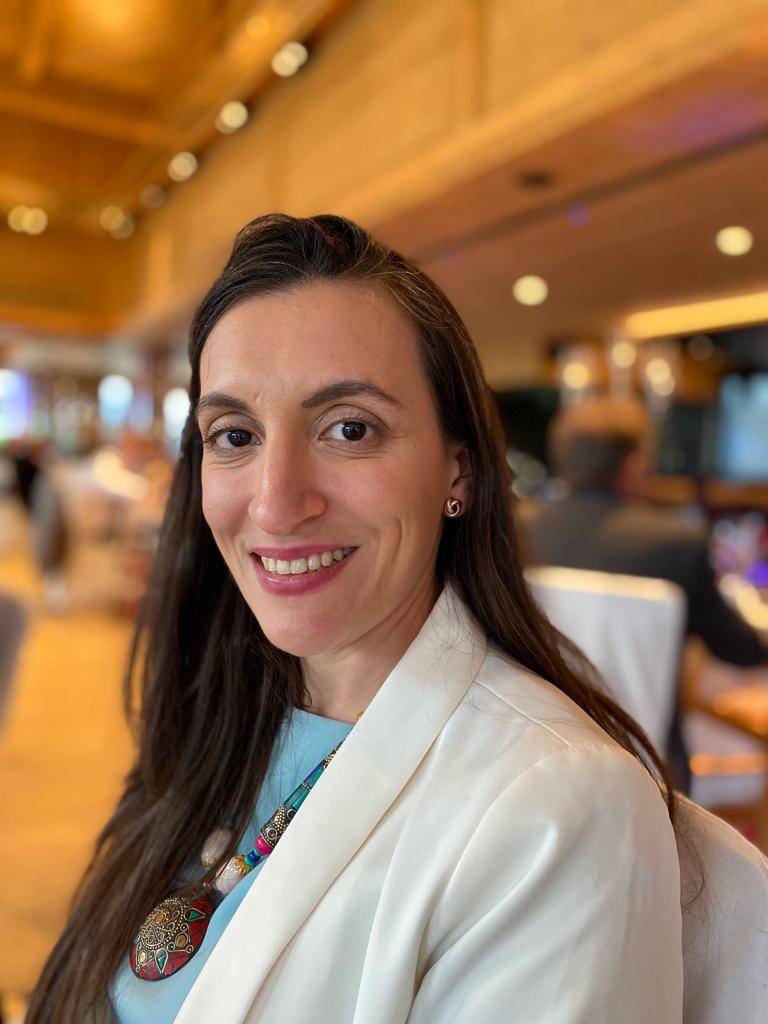
Monica Petrescu
- Alumni
- United States
- 2011 MPhil Economics
- Trinity College
Monica Petrescu
- Alumni
- United States
- 2011 MPhil Economics
- Trinity College
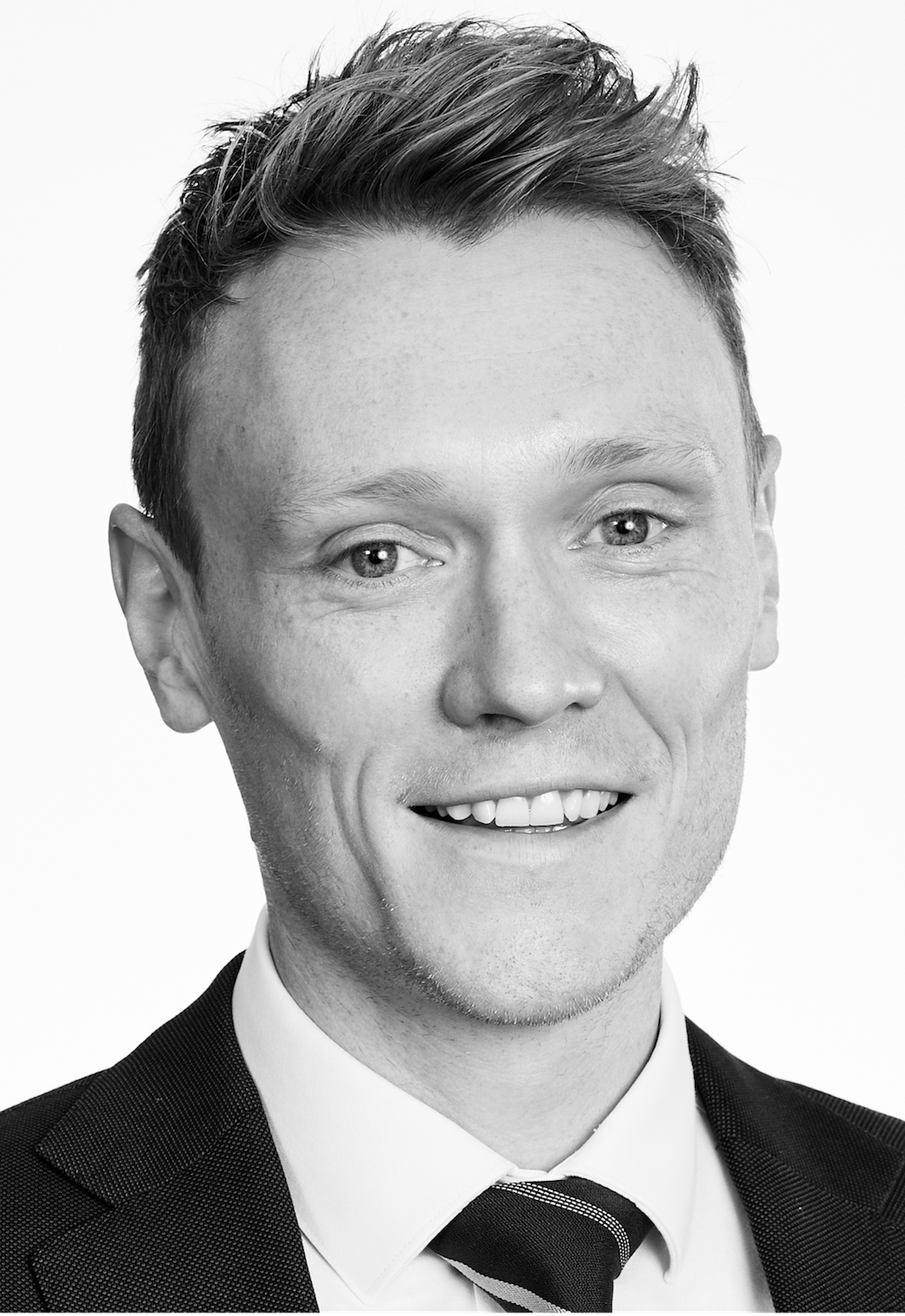
Nicholas Petrie
- Alumni
- Australia
- 2017 PhD Law
- Gonville and Caius College
Nicholas Petrie
- Alumni
- Australia
- 2017 PhD Law
- Gonville and Caius College
Nicholas Petrie completed a PhD in Law between 2017-20. His thesis focused on human rights protections inherent in the Australian constitutional system. It was examined by Professor Trevor Allan and the Hon Robert French AC.
Prior to Cambridge, Nick had practised as a solicitor at top tier law firms, the UK Government Legal Department and the North Australian Aboriginal Justice Agency. He had also been a Judicial Assistant to the Rt Hon Lord Dyson. In additon, Nick had volunteered at a number of institutions, including the International Criminal Tribunal for Rwanda and the British Institute of International and Comparative Law.
After leaving Cambridge, Nick joined the Victorian Bar, where he has a broad practice, including a focus on human rights and climate change litigation.
Further details can be found here: https://www.vicbar.com.au/profile/9863
Previous Education
University of Melbourne
London School of Economics and Political Science
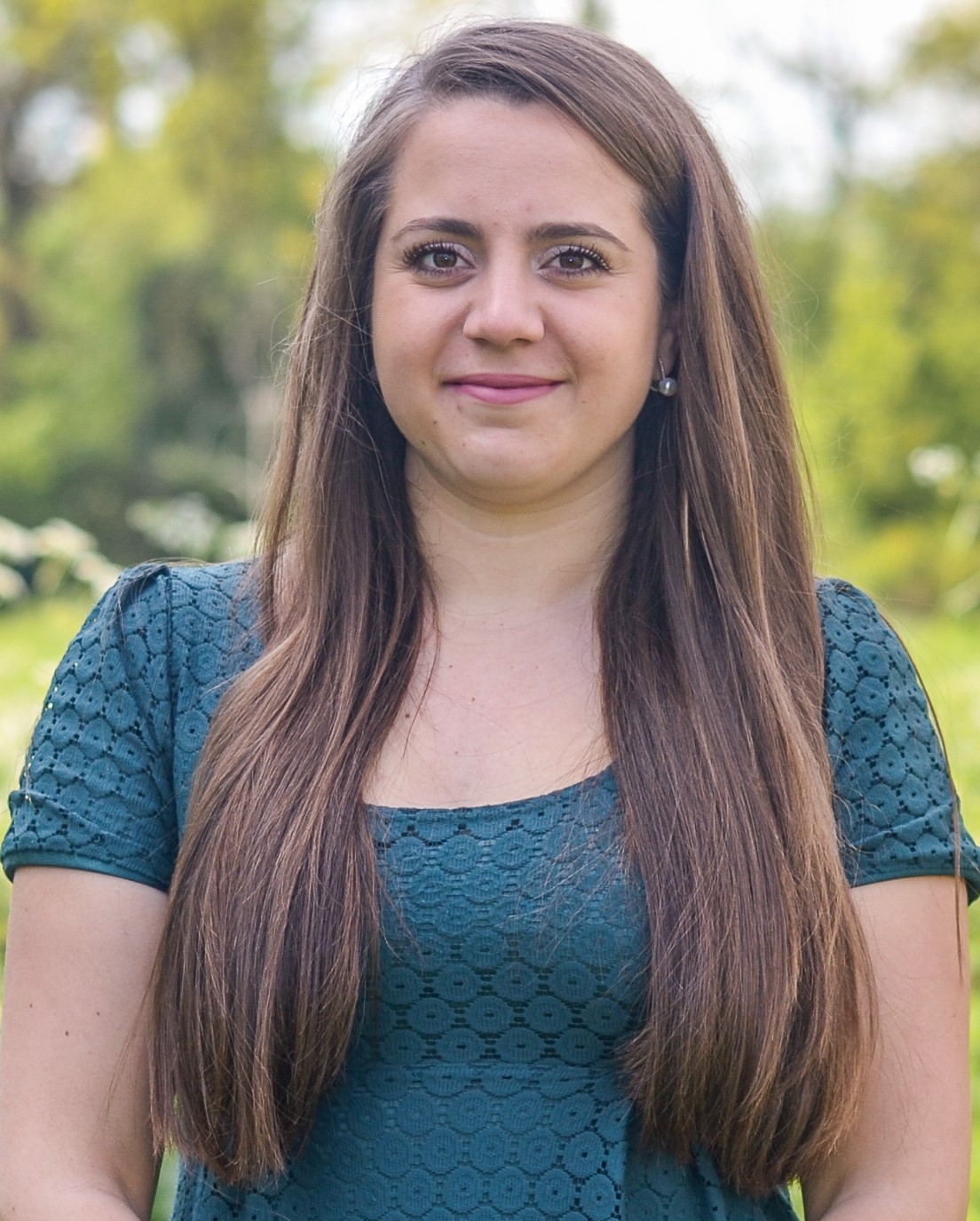
Veselina Petrova
- Alumni
- Bulgaria
- 2015 PhD Clinical Neurosciences
- Hughes Hall
Veselina Petrova
- Alumni
- Bulgaria
- 2015 PhD Clinical Neurosciences
- Hughes Hall
Originally from Bulgaria, I moved to the UK six years ago when I was awarded the HMC scholarship to study at a British boarding school – Dollar Academy. I first became interested in the clinical neurosciences last summer during my research experience at the Swiss Federal Institute of Technology where I worked on a mouse model of amyotrophic lateral sclerosis and on advancing some of the current tools available for gene therapy. My interests were further developed through my dissertation project which I am about to finish as part of my undergraduate degree at Edinburgh University, in which I characterised some of the major pathological changes in a novel mouse model of Alzheimer’s disease. Today I look forward to starting my PhD degree in Prof. James Fawcett’s laboratory in Cambridge where I will be exploring what goes wrong inside nerve cells upon spinal cord injury and will hopefully be able to design new strategies to repair the damage. My ultimate aim is to enhance the understanding of the neurodegenerative and regenerative processes in the brain and to provide improvements to the diagnosis, treatment and quality of life of the affected individuals and their families. I am also passionate about scientific communication and I have been involved in writing for the Science and Environment section of the Student newspaper over the past few years. I hope that as a Gates scholar, I will be able to reach out to communities and bridge the gap between scientists and the public.
Previous Education
The University of Edinburgh
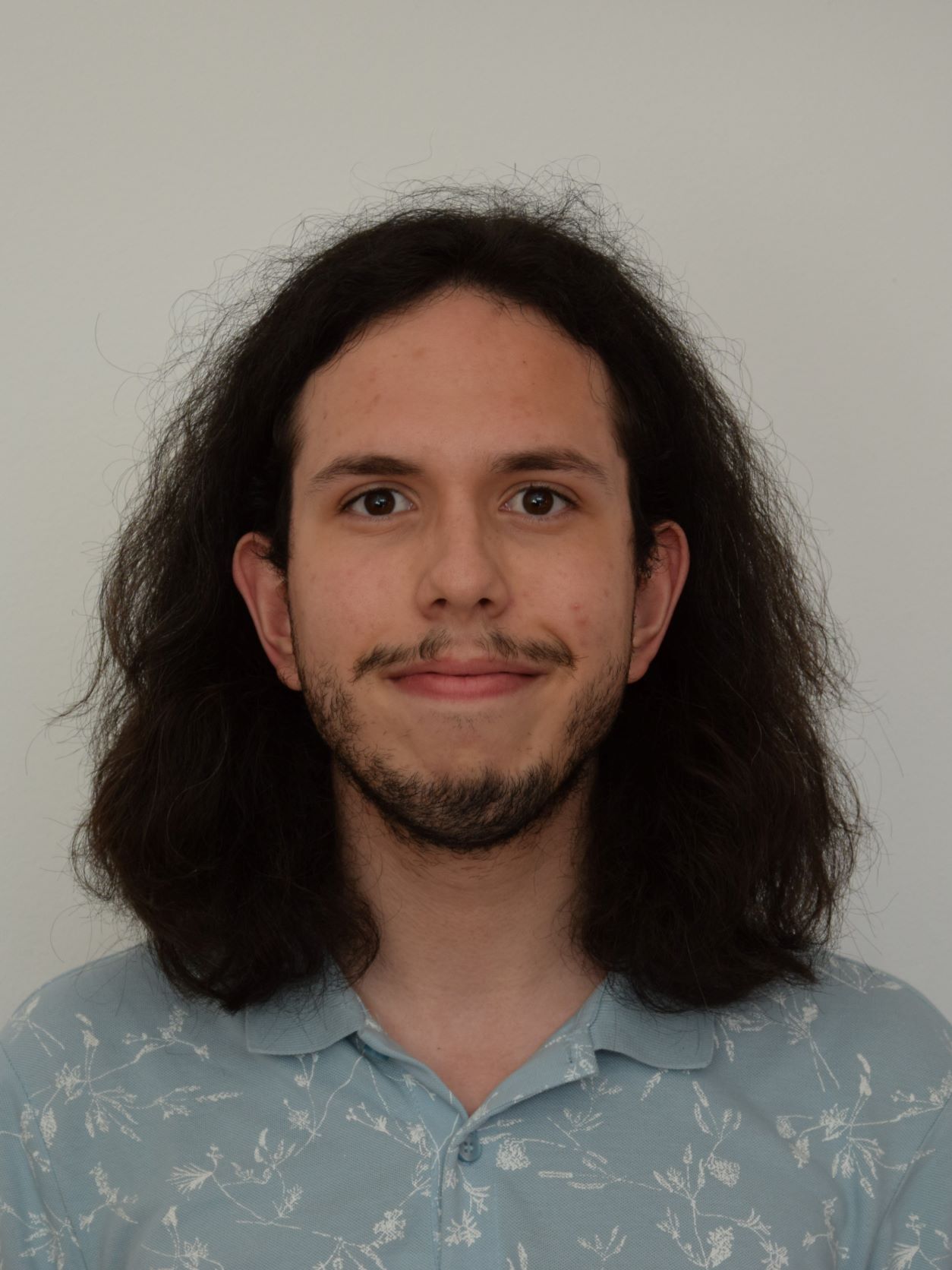
Sergiu Petrusca
- Scholar
- Romania
- 2023 PhD Nanoscience and Nanotechnology
- St John's College
Sergiu Petrusca
- Scholar
- Romania
- 2023 PhD Nanoscience and Nanotechnology
- St John's College
I was born and raised in Bistrița, a little medieval town in northern Transylvania. Fortunately, the town did not get stuck to how it was immortalised in the first chapter of Dracula, as I had the chance to learn from a brilliant cohort of science teachers. They encouraged me to go to various olympiads, a common experience in Eastern Europe, where I have made many long-lasting friendships. Students that had already gone abroad to study encouraged us to follow. That is how I got to do my M. Sci in Natural Sciences at Cambridge, specialising in Chemistry. Throughout the summers I have worked on Chiral Covalent Organic Frameworks at the Babeș-Bolyai University of Cluj-Napoca, and Tetra-Aniline Spindle-Structured Cages in Prof. Nitschke’s group in Cambridge, to cement my synthetic skills. Currently, I am working on Chiral Conjugated Polymers in Prof. Bronstein's group, to understand what modulates the chiral response in such compounds. Pursuing a PhD in Nanoscience would provide the best framework to enrich my scientific toolkit, by interacting and engaging with academics from physics, engineering, and material science. Global warming is a multifaced problem, and it does require interdisciplinary solutions.
Previous Education
University of Cambridge Natural Sciences 2023
Katrin Pfeil
- Alumni
- Germany
- 2012 PhD Criminology
- Selwyn College
Katrin Pfeil
- Alumni
- Germany
- 2012 PhD Criminology
- Selwyn College
I graduated from the University of Magdeburg with a degree in Psychology. Subsequently I worked in a forensic psychiatric hospital for two years and started my further professional education in legal psychology before coming to Cambridge. Last year I started a Master’s programme in Criminology, followed by a PhD. I am especially interested in eyewitness psychology and ways to improve witness performance of older adult witnesses. During my PhD I will look at a new investigative interviewing technique and will conduct a series of experiments with older adults. In future, I hope to contribute to German and international investigative interviewing and help minimize wrongful convictions. After finishing my further professional education I also intend to work for law courts as a chartered forensic psychologist and furthermore, provide training for judges and lawyers concerning the psychological and psychiatric overlap with the legal system.
Carl Pfendner
- Alumni
- United States
- 2005 MPhil Theology
- Peterhouse
Carl Pfendner
- Alumni
- United States
- 2005 MPhil Theology
- Peterhouse
I am interested in the connection between science, religion, and philosophy and what makes them so opposed to each other in the public eye, especially in the U.S. I am also interested in the parallel development of philosophy and religion in all cultures. Professionally, I have pursued the study of particle astrophysics, in particular ultra-high energy cosmic rays, neutrinos, and their sources. I have worked on the Pierre Auger Observatory, IceCube, EVA, and ARA experiments. I hope that the study of the universe and its laws brings us closer to an understanding of both the divine and human condition. Currently I am working as a Data Scientist helping to develop nuclear technologies that will hopefully help society with problems in the security, medical, and energy fields.
Hoai Pham
- Alumni
- United States
- 2001 PhD Historical Studies
- Pembroke College
Hoai Pham
- Alumni
- United States
- 2001 PhD Historical Studies
- Pembroke College
Dr. Julie Pham is the founder and the CEO of CuriosityBased, an organizational development firm based in Seattle. She is the author of the #1 Amazon New Release and Bestseller 7 Forms of Respect: A Guide to Transforming Your Communication and Relationships at Work.
Dr. Pham has been recognized with numerous awards for her community leadership. She has applied her community building approach to building strong, collaborative and curious teams.
She was born in Saigon, Vietnam and raised in Seattle. Dr. Pham earned her PhD in history at Cambridge University as a Gates Cambridge Scholar and she graduated magna cum laude from University of California, Berkeley as a Haas Scholar. She earned her real life MBA by running her family’s Vietnamese language newspaper during the 2008-2010 recession. She has worked as a journalist, historian, university lecturer, marketer, nonprofit executive, and management consultant.
Previous Education
University of California (Berkeley) BA (History) 2001
Links
http://www.curiositybased.com
https://www.facebook.com/julie.pham.9843
https://www.linkedin.com/in/juliepham2
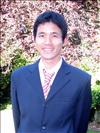
Duc Phan
- Alumni
- Viet Nam
- 2008 MPhil Economics
- Girton College
Duc Phan
- Alumni
- Viet Nam
- 2008 MPhil Economics
- Girton College
The Gates community is simple awesome!

Darci Phillips
- Alumni
- United States
- 2003 MPhil BioScience Enterprise
- Trinity Hall
Darci Phillips
- Alumni
- United States
- 2003 MPhil BioScience Enterprise
- Trinity Hall
This taught MPhil program covers the latest advances in biological and medical science, together with business management and the ethical, legal and regulatory issues associated with bringing scientific advances to market.
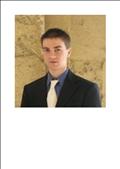
Matthew Phinney
- Alumni
- United States
- 2011 MASt Pure Mathematics
- Darwin College
Matthew Phinney
- Alumni
- United States
- 2011 MASt Pure Mathematics
- Darwin College
I am currently studying for Part III of the Mathematical Tripos (MASt Pure Mathematics). My main interests lie in applied and computational analysis, probability theory, and stochastic calculus. I am particularly interested in the design of efficient algorithms for the characterization of multiscale systems.

Shin Zert Phua
- Alumni
- Malaysia
- 2025 MPhil Master of Philosophy in Human-Inspired Artificial Intelligence
- Fitzwilliam College
Shin Zert Phua
- Alumni
- Malaysia
- 2025 MPhil Master of Philosophy in Human-Inspired Artificial Intelligence
- Fitzwilliam College
I came from Ipoh, a small mining town in Malaysia. My father passed away from lung cancer having never smoked in his entire life. His passing motivated me to explore whether certain diseases are caused by urban environmental factors or bad genetics. My experience of delivering food to the single-living, less-abled elderlies during COVID-19 made me realise that many people in Singapore faced similar health difficulties too. This series of events made me question if we could change the way we live, and perform preventive measures to address factors affecting our health outcomes. At the University of Cambridge, I will pursue the MPhil in Human-inspired Artificial Intelligence. My research will create the foundational tools to describe the relationships between urban elements and humans and provide the data infrastructure to investigate causal inference between urban exposures and health outcomes. With the Gates-Cambridge scholarship, I now have the opportunity to make an impact on public health and create a way where we all can live a healthy and prosperous life.
Previous Education
Nanyang Technological University Mechanical Engineering
Edoardo Piano
- Alumni
- Italy
- 2001 PhD Mechanical Engineering
- St Edmund's College
Edoardo Piano
- Alumni
- Italy
- 2001 PhD Mechanical Engineering
- St Edmund's College
My background in mechanical engineering has prepared me to tackle diverse problems in the field of engineering. Just after my arrival in Cambridge, I radically changed my research field thanks to the generous support from the Trust. I am now working on the development of a wastewater treatment system to deal with the crucial sanitation issues of refugee camps. I hope to become a professional engineer with a broad background in sustainable development, business economics and human dignity.
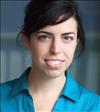
Agnieszka Piasna
- Alumni
- Poland
- 2009 PhD Sociology
- Queens' College
Agnieszka Piasna
- Alumni
- Poland
- 2009 PhD Sociology
- Queens' College
For my PhD in Sociology I analyse trends in job quality (work intensity, working time flexibility and job autonomy) across various welfare systems in the EU. My research interests involve broadly various aspects of job and employment quality from the comparative perspective. I researched work-life balance arrangements in Italy; retirement transitions in Poland; professional work environments in the UK; debates and measures of quality of employment from the perspective of a development agenda of Latin America; gender equality and gender norms in the EU.
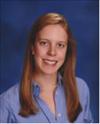
Katherine Pickard
- Alumni
- United States
- 2011 MPhil Social & Developmental Psychology
- Newnham College
Katherine Pickard
- Alumni
- United States
- 2011 MPhil Social & Developmental Psychology
- Newnham College
This year at the University of Cambridge, I will be receiving an MPhil in Social and Developmental Psychology under the supervision of Dr. Claire Hughes. During my time in Cambridge I will be working on Dr. Hughes' "Toddlers and Up" project, a longitudinal study that examines young children's learning profiles. By looking at young children with high levels of inhibition and social anxiety, I hope to compare their performance on executive function tasks to their more outgoing peers.

Blanca Piera Pi-Sunyer
- Alumni
- Spain
- 2021 PhD Psychology
- Darwin College
Blanca Piera Pi-Sunyer
- Alumni
- Spain
- 2021 PhD Psychology
- Darwin College
It was during my BSc in Psychology at the University of Amsterdam, NL, that I became interested in how social, cultural and environmental factors present in the immediate environment can bring about individual differences between people. It became clear that brain development and neuroplasticity play a crucial role in contributing to these individual differences and I developed a deep interest in developmental neuroscience. For this reason, I completed an MRes in Cognitive Neuroscience at University College London, UK, focusing on adolescent socio-cognitive development. I am especially interested in the period of adolescence (defined as 10 to 24 years) because 75% of socio-emotional disorders first appear during this period of life, highlighting the urgent need to better understand how the social environment contributes to the development of the brain and cognition. In a collaboration between the University of Cambridge and the Institute of Global Health in Barcelona, I will carry out an interdisciplinary PhD project that will assess how sociocultural and environmental factors contribute to self- and socio-cognitive processing in adolescence, and how these may be associated with risk and resilience to mental health problems.
Previous Education
University College London Cognitive Neuroscience 2019
University of Amsterdam PPLE - Psychology Major 2018
Julianne Pigott
- Alumni
- Ireland
- 2012 PhD Anglo-Saxon Norse and Celtic
- Trinity College
Julianne Pigott
- Alumni
- Ireland
- 2012 PhD Anglo-Saxon Norse and Celtic
- Trinity College
I graduated first in my faculty, in 2011, with a BA in History and Political Science, a combination which incorporated my passion for both research and activism. This year I completed my master’s thesis on the framing of female sanctity in Early Irish hagiography. My proposed doctoral research expands upon this project, to interrogate the role of vernacular saints’ lives in identity formation. I am particularly excited about the opportunities for interdisciplinary research afforded by my Cambridge department. The experiences and challenges encountered, in returning to education as a mature learner, have been among the most difficult and rewarding of my life. The professional validation and personal fulfilment arising from my studies have been, and continue to be, an immense privilege and I am confident that in my future career I will aid other mature students negotiate their university years.
Rachel Pike
- Alumni
- United States
- 2006 PhD Chemistry
- Emmanuel College
Rachel Pike
- Alumni
- United States
- 2006 PhD Chemistry
- Emmanuel College
