

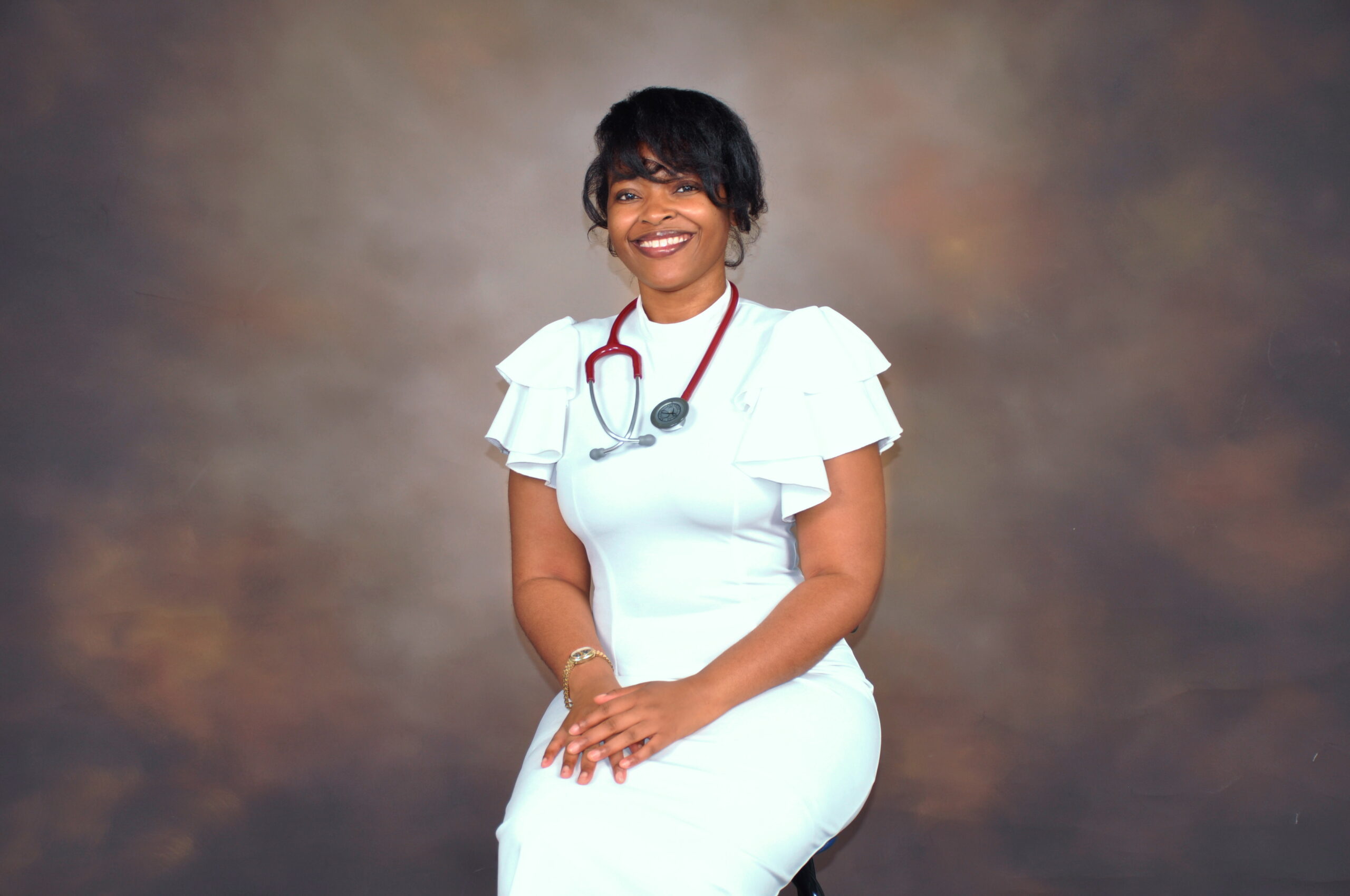
Lengwe Sinkala is a medical doctor who has set up a children's health centre in Zambia and is taking a systems approach to healthcare improvements.
I feel I am entering an era where I can do the work I love and get to learn more about the things I am interested in too. I am interested in how we can do work that has a positive impact and leave things better than we found them and I believe that even through small individual contributions we can create a ripple effect.
Lengwe Sinkala
Lengwe Sinkala [2026] is a doctor with a keen interest in how health systems can be improved, particularly for neurodivergent children.
She spent Covid working on the frontline in a hospital in Zambia. On the side of that work she was involved in a children’s health centre in Zambia that she co-founded, which in particular helps children with special needs.
Her PhD combines all her research and health interests and experience. After developing her research skills during her master’s, she worked as a human factors consultant on the regulatory approval of medical devices.
She became interested in how hospital systems work and got in touch with Tom Bashford, Assistant Professor in Healthcare Systems at the University of Cambridge who works as a systems engineer on the International Health Systems research group and is a practising Consultant Neuroanaesthetist in the NHS.
Lengwe realised that she too wanted to take a clinicians’ approach to Engineering in order to improve health systems, particularly in Lower and Middle Income Countries. She joined his group as an academic collaborator last May which involved sitting in on meetings, taking part in projects where she could and honing the kind of subject she wanted to do for her PhD in Engineering.
“It felt like home,” she says simply. “We speak the same language as clinicians,” she says. “We understand what we have seen on the ground and we want to help to design something better.”
Her PhD, supervised by Dr Bashford, will focus on paediatric surgical services and on how human factor principles can be instilled from early on to make those services more equitable and inclusive, especially for neurodivergent children.
Childhood
Lengwe was born in Zambia, but her family relocated to Botswana when she was a baby. Her father was, for many years, a lecturer in Mechanical Engineering at the University of Botswana, having studied in Russia as a young man, something that encouraged Lengwe to follow the same route for her undergraduate studies. Lengwe’s mother is a chartered accountant and she has three younger siblings.
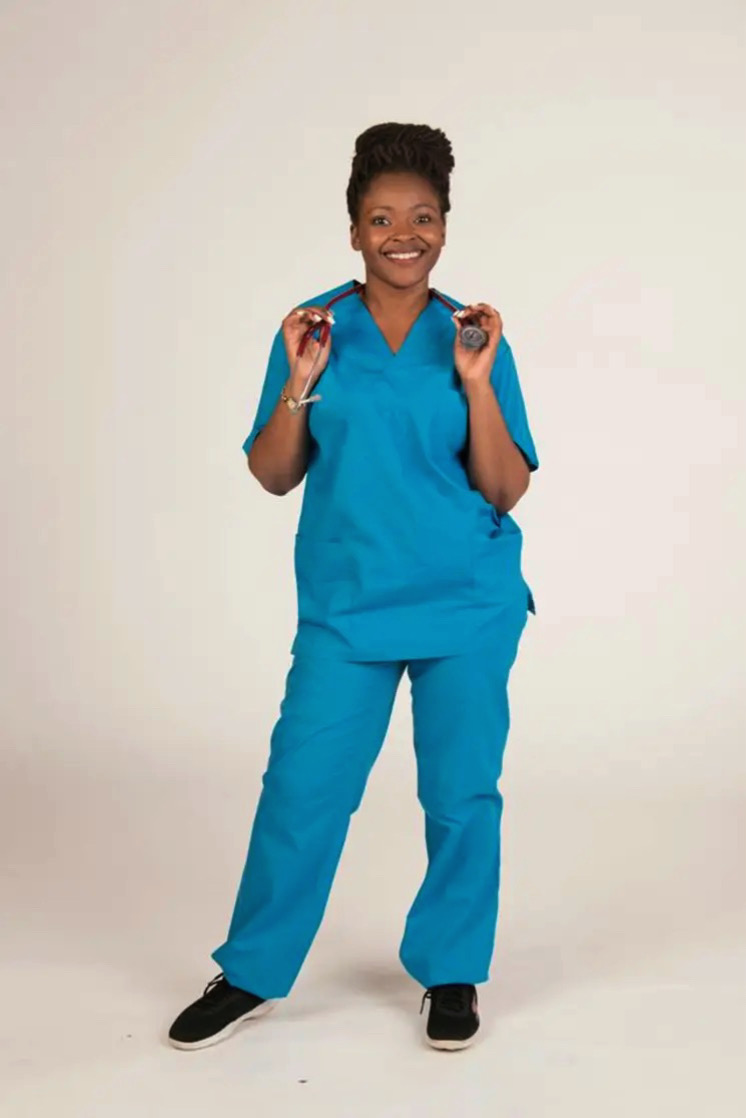 She attended an English-medium school in Botswana, staying at the same school throughout her school days. She describes herself as ‘very nerdy’. She spent a lot of time reading and in the library, supporting a friend who was being bullied. She was drawn to subjects that required a lot of reading, from history to debate, but also enjoyed science. However, since the age of five, she had been set on a career in medicine. As she grew older she told her parents that she might switch to law, but a voice in her head said that she was only doing so because the humanities came easier to her and medicine was challenging. She decided she needed to put the work in and switched back to her original plan.
Lengwe also had lots of extracurricular interests. She was involved in the first all girls rugby team at her high school as well as swimming. But her big passion was music. Lengwe got a keyboard when she was nine and then joined the first all girls steel pan group at her school. She was also in the choir and the poetry club and got her first guitar after she finished high school.
Lengwe is still a singer songwriter and shares her music on Spotify and Apple music. She performs mainly in churches as her music is gospel music. Last year she performed at a church in Missouri in front of over 60,000 people as part of a live broadcast.
Undergraduate studies
Lengwe did her undergraduate medical training in Russia at Privolzhsky Research Medical University, one of the oldest universities in Russia. The university, which is based in Nizhny Novgorod in Central Russia had only recently opened up to international students when she started her course in 2012. Lengwe had been inspired to apply there based on her father’s experiences in Rostov where he studied Mechanical Engineering. “I remember him lifting me on his shoulders and saying if you are going to do medicine do it in Russia like your Daddy,” she says. “So it was already ingrained in my mind.”
The medical training – in English, although she took Russian classes so she could engage with her patients – took six years. Lengwe saw her time in Russia as an adventure and says she grew into an independent person as she explored the country’s different cities and culture. Every summer she would return home to Botswana or Zambia to do medical practice work.
Children’s centre
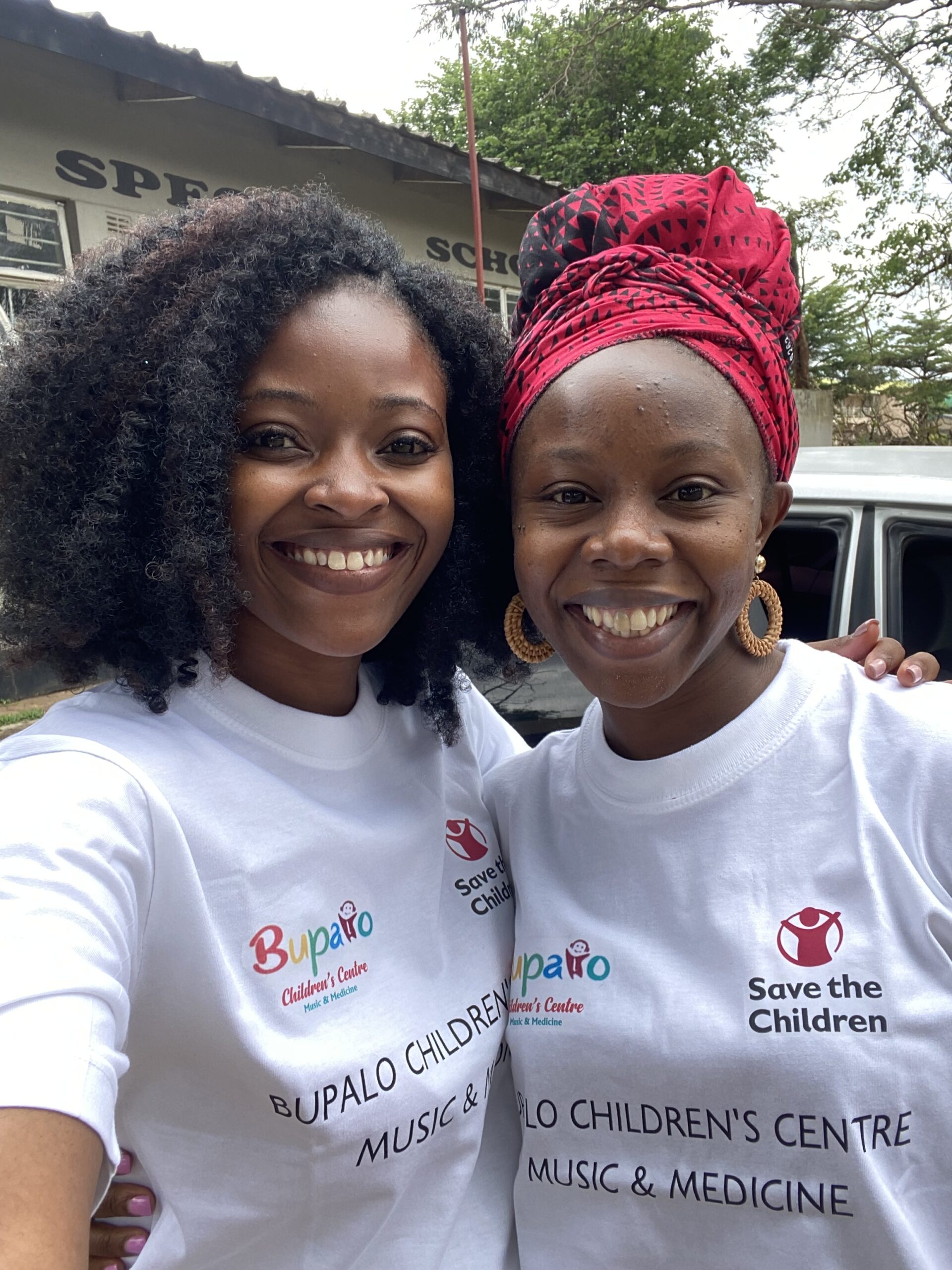 Lengwe returned to Botswana in 2018. She had wanted to do her junior year in Zambia, but there were initially no openings so she started working in Botswana in the gynaecology and obstetrics department of Princess Marina Hospital, a large government hospital in Gaborone before moving to Zambia.
It was there that Lengwe met a senior doctor in obstetrics who would not only encourage her to get involved in research projects, but also helped her identify gaps in the health system for young children. This led the two to co-found the Bupalo Children’s Centre, an NGO for children in Zambia, particularly those with special needs, later that year. Its foundation has done a lot of outreach work to engage local communities and child protection committees in its work. It has also partnered with Save the Children. It aims to improve health treatment, including medical assessments and hospital visits, for children with special needs.
Covid
By 2019, Lengwe took up a post as a junior resident at the largest teaching hospital in the Copperbelt in central-western Zambia. That meant she was a junior resident at the time of the first Covid lockdown.
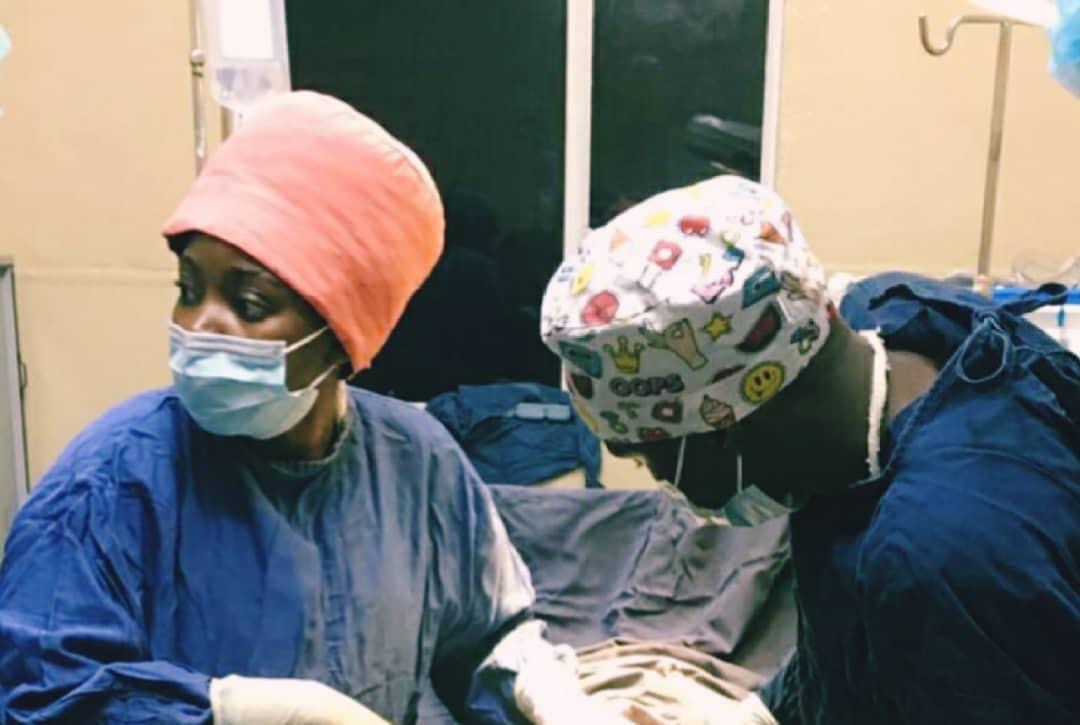 She was working in the surgical department when the hospital had its first case. She then moved to paediatrics and had to treat Covid cases there before she was sent to internal medicine. She recalls doing 24-hour shifts. Because of the number of Covid patients, the male and female wards were combined in one room. Some patients lay on mattresses on the floor. Medical staff were working in heavy suits and oxygen was in short supply. Lengwe herself caught Covid. Two of her colleagues had died after becoming infected so she was very worried, as were all her patients. She says she doesn’t think she has yet fully processed what happened during the pandemic.
To address the stress of the heavy workload staff were facing and the mental distress, Lengwe got together with a consultant from the orthopaedics department to put on an acoustic music night for frontline workers. “We wanted to give people an outlet for what they were dealing with through music,” she says. “Music re-centres me. We found many frontline workers were closet musicians. We got a band together and rehearsed and raised donations. It was a beautiful evening set in an amphitheatre with the aim of boosting frontline workers’ mental health. And we shared it on social media.”
Research skills
Lengwe began looking at ways of improving her research skills. She applied to the University of Edinburgh and was accepted onto a master’s course designed specifically for medical doctors who wanted to develop their research abilities. She initially struggled to find funding, but eventually got a Beit Trust scholarship and started her one-year master’s in 2022. She worked with Professor Jurgen Schwarze, the Edward Clark Chair of Child Life and Health at the University of Edinburgh, a paediatrician who specialises in allergy and respiratory medicine. His research programme aims to understand mechanisms of inflammation in respiratory viral infections to help develop treatments for viral bronchiolitis in infants and virus-driven asthma exacerbations.
Lengwe’s work involved investigating new, more cost-effective treatments to help immuno-compromised children. It was a steep learning curve and it helped her to realise that lab work was not for her. She preferred to work more closely with people so pivoted to a focus on behavioural research instead. She found a post at Cambridge working for a global consulting company as a human factors consultant. The role involved doing research related to the regulatory approval of medical devices and working with Big Pharma companies. She stayed there for almost two years until September 2025 before starting to hone her PhD topic with Dr Bashford’s group.
Lengwe says the Gates Cambridge values resonate with her deeply. She believes the Gates Cambridge community is a place where she can grow and make an impact. “There is doing work and there is making an impact. I learnt early on that those two things are different,” she says.
“I told my supervisor that I finally feel that I will be conducting research that I am passionate about and that I can shape,” says Lengwe. “I am so excited about that. I feel I am entering an era where I can do the work I love and get to learn more about the things I am interested in too. I am interested in how we can do work that has a positive impact and leave things better than we found them and I believe that even through small individual contributions we can create a ripple effect.”