


Four Gates Cambridge Scholars are highlighted in this year's Forbes 30 under 30 lists.
Four Gates Cambridge Scholars have been named in the Forbes 30 under 30 lists this year, highlighting up and coming leaders and innovators in a range of areas, from healthcare to science.
Three of the Scholars were named in the healthcare list.
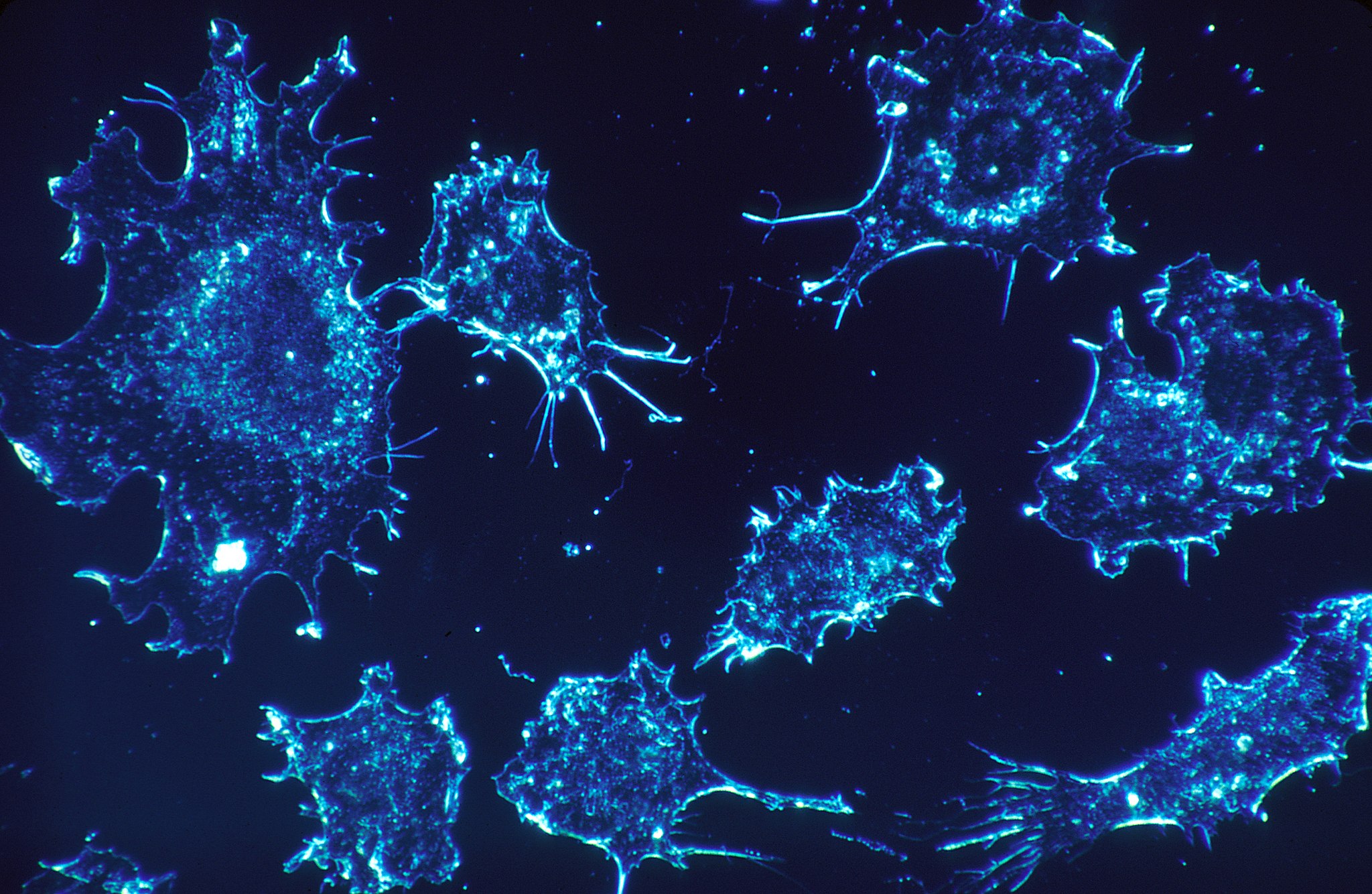
Joshua Cohen [2012], who is currently an MD/PhD candidate at Johns Hopkins Medical School where he is working in the laboratory of Bert Vogelstein, was included in the list for his work on developing diagnostic tests that detect cancer early by sensing fragments of DNA in the blood. Joshua's interest in working on cancer grew as a result of working as a counsellor at Camp Kesem during his undergraduate years. The camp serves children whose parents have cancer. At Cambridge he did an MPhil in Computational Biology.
Stan Wang [2011], who did his PhD in Surgery under Nobel Laureate Sir John Gurdon, was listed alongside his fellow co-founders of Cellino, a start-up which uses lasers to modify stem cells in order to make it far more efficient to create the types of cells that are needed for new, innovative cell therapies.
Sukrit Silas [2011], who did an MPhil in Pathology, was listed for his role in co-founding the company BillionToOne. It came about after Sukrit, working in the Stanford laboratory of Nobel Laureate Andrew Fire, discovered how bacteria use CRISPR, which is part of the immune system, to learn to attack viruses that are made of the genetic material RNA. The company has raised $2.5m and is developing diagnostics for the conditions beta thalassemia and Down's syndrome.
Also recognised by Forbes in their science category is Chris Boyce who is currently Assistant Professor at Columbia University. His research group investigates the fundamentals of multiphase flows to spark developments relevant to energy, health and the environment. By harnessing the power of magnetic resonance imaging (MRI) and computational models, they seek to gain insights into complex systems with unprecedented detail. Chris [2011] did his PhD in Chemical Engineering.
*Picture of cancer cells by Dr Cecil Fox, c/o the National Cancer Institute
Joshua Cohen
- Alumni
- United States
- 2012 MPhil Computational Biology
- Trinity College
Growing up in the suburbs of Atlanta, Georgia, USA, I loved to tinker. Naturally, my predilection for building (and at times, unintended destruction!) steered me towards exploring the field of engineering. I recently graduated from the Massachusetts Institute of Technology with a degree in Chemical-Biological Engineering and have aspirations to explore the interface of biology and engineering as a future physician-scientist. At Cambridge, I will pursue an MPhil in Computational Biology to gain formal training in applied mathematics so that I can better apply mathematical modeling and computational methods to tissue engineering research. After my year in the UK, I will enroll in the MD-PhD Program at the Johns Hopkins University School of Medicine to train as a physician-scientist. Ultimately, as a future physician-scientist, I aspire to develop innovative therapeutic technologies and translate them from "bench to bedside" and in doing so, help make regenerative medicine a reality.
Previous Education
Massachusetts Institute of Technology S.B. Chemical-Biological Engineering 2012
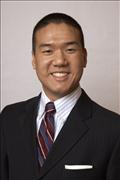
Stan Wang
- Alumni
- United States
- 2011 PhD Surgery
- Trinity College
Sukrit Silas
- Alumni
- India
- 2011 MPhil Pathology
- Trinity College
Previous Education
Princeton University Molecular Biology, Applied and Computational Mathematics 2011
University of Oxford Biochemistry 2010
Chris Boyce
- Alumni
- United States
- 2011 PhD Chemical Engineering
- Trinity College
Since high school I have been very interested in engineering new energy technologies to help mitigate carbon emissions. Now I am imaging and modeling fundamental aspects of fluidized beds to better enable combustion cycles with carbon capture and sequestration. I am also interested in engaging in entrepreneurship and advising on policy in order to enable ideas in the lab to impact the energy landscape. In the coming years, I seek to conduct research and educate students in a way that leads to material change as an assistant professor of chemical engineering and member of the Lenfest Center for Sustainable Energy at Columbia University.