

Ilana Walder-Biesanz talks to Gates Cambridge about her career since Cambridge and her role as CEO of National Math Stars
Parents often say their kids never connect with other kids like them. They thought they were introverts, but when they find their people they discover that they are not.
Ilana Walder-Biesanz
Ilana Walder-Biesanz’s math talent NGO – National Math Stars – was recently named as one of five recipients of a $5 million Bezos Courage & Civility Award, allowing the organisation to accelerate its work to support gifted and talented budding mathematicians.
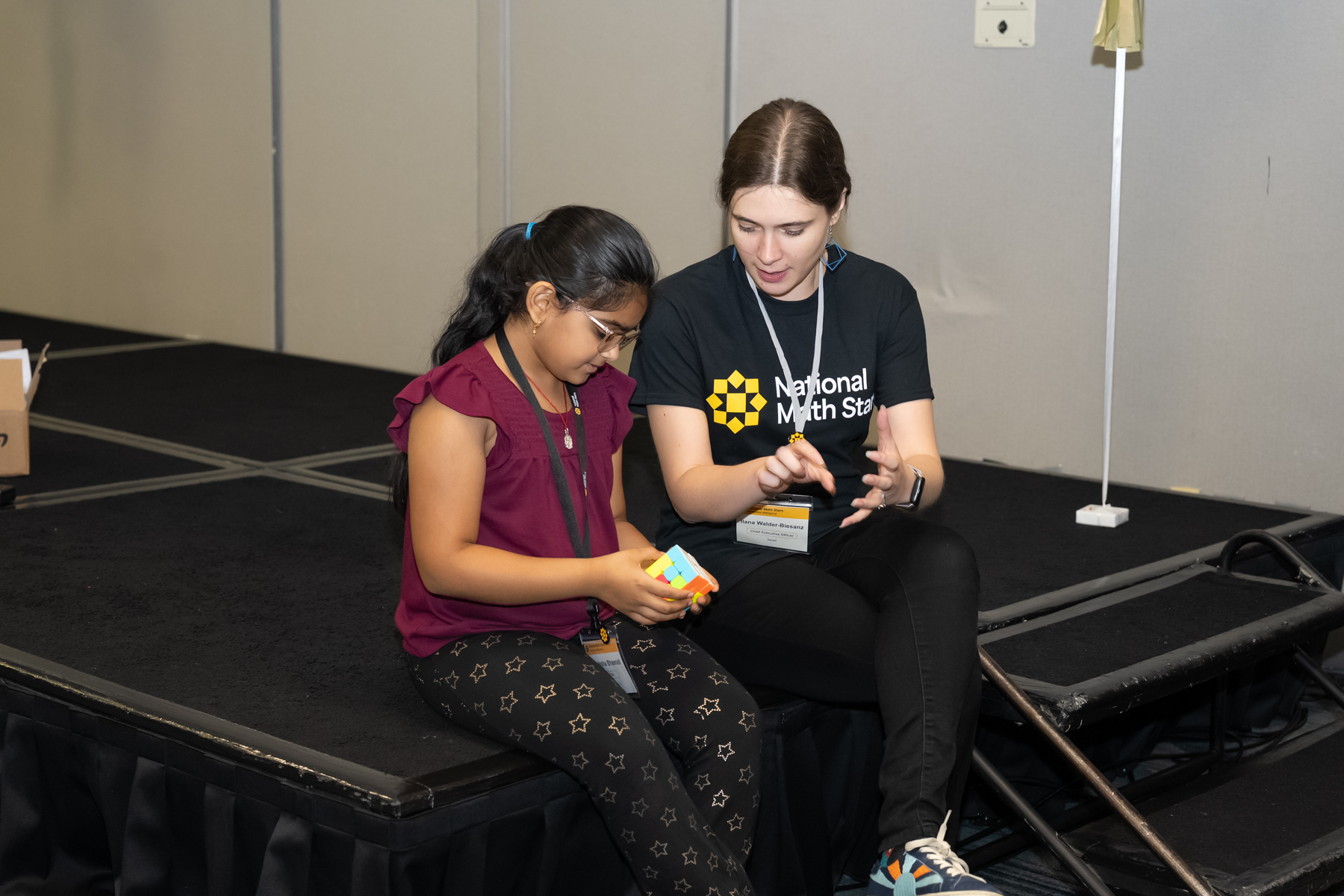
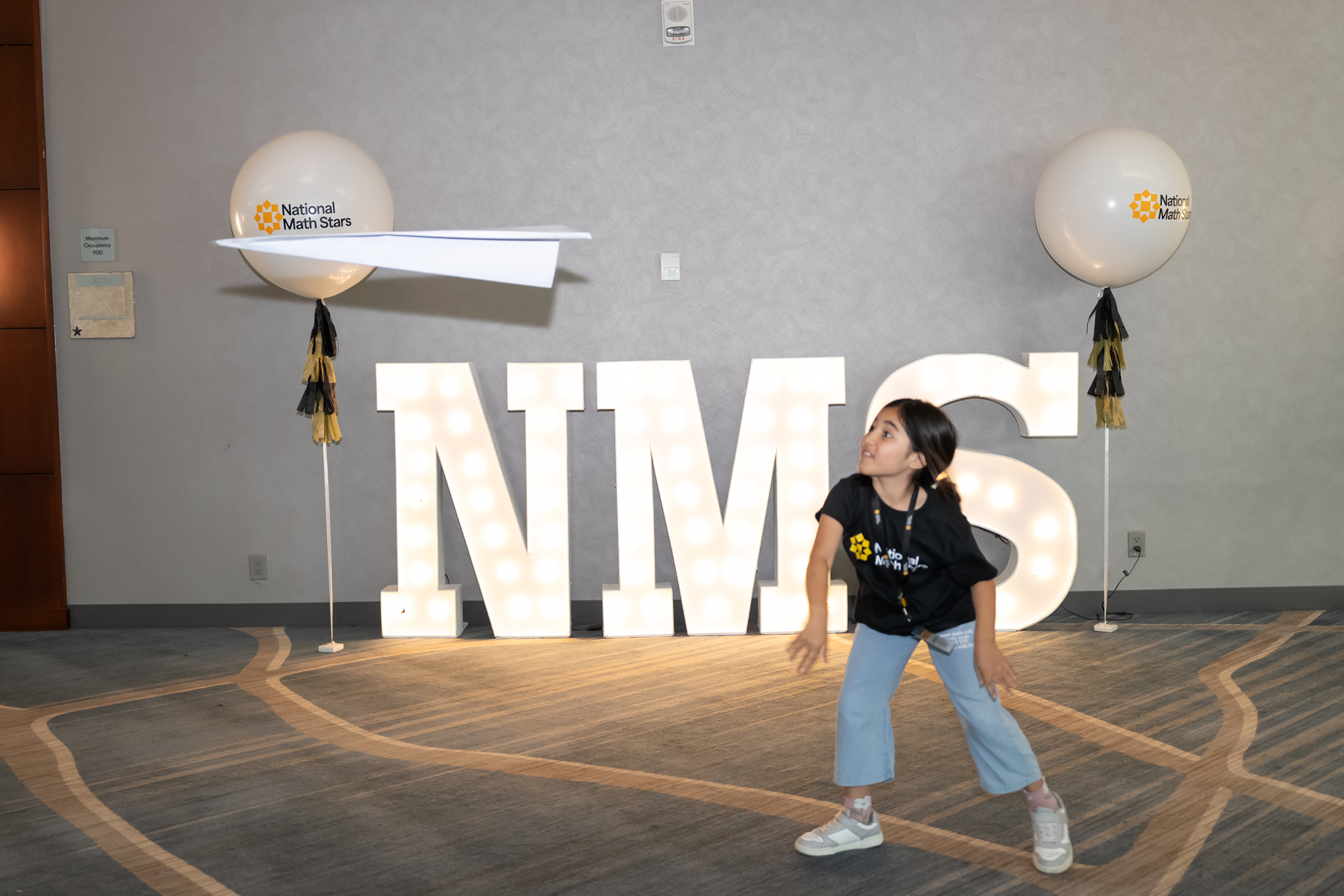
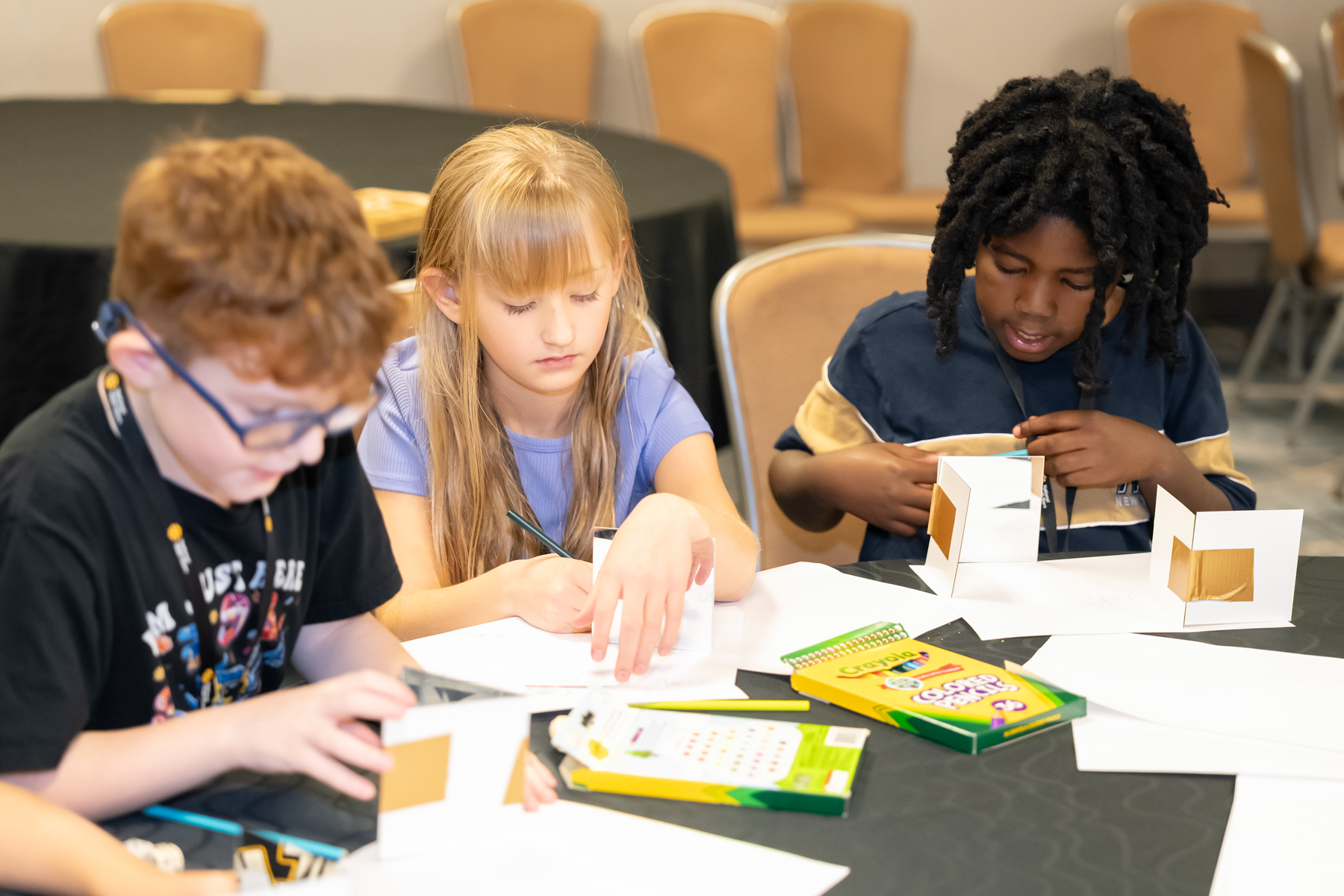
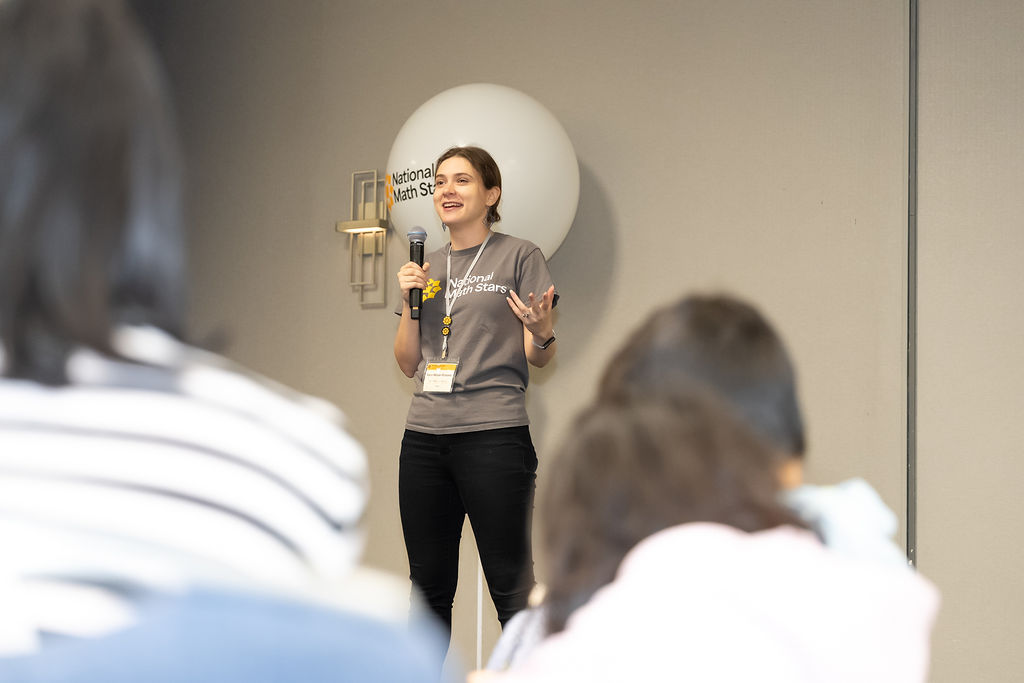 Ilana is CEO and Founder of National Math Stars. Its programme, which is highly competitive, starts working with children from the age of seven and commits to continue its support until the end of high school. That support includes summer classes, access to tournaments and to other members of the advanced maths community as well as advocating for them to get access to the right level of maths for their abilities.
For those with fewer resources, National Math Stars does a lot more, such as funding a STEM programme every year for them, a mentor who works with them every week and a budget for equipment like robotics kits.
Ilana says already the programme is seeing impressive maths growth among its oldest students, with 1.7 years of maths growth on average over one school year. There is also personal development due to students feeling less alone through greater access to selective summer camps.
“Parents often say their kids never connect with other kids like them. They thought they were introverts, but when they find their people they discover that they are not. It is very beautiful,” says Ilana who herself was very advanced at school and never had peers her own age at school. She says she didn’t dislike the fact her friends tended to be older, but she says there is something very special about having friends of the same age and level.
The Bezos Courage & Civility Award will help the organisation to upscale fast. Ilana wants it to be a national organisation and grow its on-the-ground presence, build partnerships in new states and invest in improved software.
Early years
Ilana [2013] came to National Math Stars in a circuitous way after leaving Cambridge with an MPhil in European Literature and Culture. But she has never been afraid to do things differently.
She has long been torn between her early aptitude for maths and a love of literature and performance. Her parents were both actors when they were younger and Ilana went to a Japanese elementary school in Portland, Oregon. Her next school was unconventional, allowing students to move up and down grades according to their ability rather than their age. By the time she finished high school she had decided to follow a maths-related path and commit to a degree in Engineering.
But for her master’s she turned to literature, having done some classes at her university. At the end of her course, Ilana did her dissertation about the gender-bending and ambiguous sexuality inherent in the opera seria genre, particularly in modern performance.
After the MPhil
After Cambridge Ilana went to Munich on a Fulbright grant where she continued her studies in theatre and opera. As part of her time in Germany she attended “wild stagings” of plays and opera around the country and wrote about them. She applied to do a PhD at Cambridge and to various Engineering jobs, but the job offers came in first and she decided that she had been away from the US for a long time and needed to earn some money so she returned.
 She took up her role as product manager at Yahoo in San Francisco on a rotational programme which meant she could try out different products and stayed for three years. She realised over those years, however, that she didn’t want a career in technology after all. “I was not passionate about the problems they were solving and the culture was not a good fit for me,” she says.
She was also getting increasingly involved in local NGOs and was on the board of local theatre and opera companies. She thought that maybe she should devote her energy to non-profits in the arts. She also realised that, as a board member of arts companies, she needed to develop more of the kind of skills that they might need. So she did an MBA at Stanford with a focus on NGOs.
At Stanford she met her wife. As Covid took hold of the world and many people were being laid off, with NGOs being badly affected, Ilana took a management consultancy role at Bain & Company based in Houston where her wife was working.
She was fortunate to be able to do a lot of work on non-profits and social projects in education and climate. She was able to build up her skills and also benefited from a six-month rotational transfer to Australia.
Entrepreneur-in-residence
 While there, she found out about a philanthropic organisation – Carina Initiatives – which was recruiting for an entrepreneur-in-residence for a new maths talent non-profit for young children who showed outstanding early potential in maths. Carina Initiatives is a non-profit organisation that aims to send more kids from more communities to the frontiers of science and technology through maths and AI education.
“It caught my eye,” says Ilana. The role appealed to her own experience as a child who had been very mathematically advanced. She knew the trouble her parents had in negotiating the public school system to get her the support she needed and she knew it must be even harder for parents who didn’t know the system well.
The project seemed unique and exciting. “I had never heard of a philanthropic foundation incubating a new non-profit and committing to be a long-term funder. It felt like a very unique opportunity to start a non-profit and not have to spend 80% of my time raising money,” she says.
 Ilana started the job in summer 2023. Initially it was just her working on the project and it was a steep learning curve. She says the language and communication abilities she gained at Cambridge helped given she believes storytelling is an important part of running an NGO.
Ilana created a pilot and recruited 12 extraordinary children via other NGOs who taught her a lot about designing the programme, from the need for mentoring to the importance of allocating budget to specific children. She recruited two other people to help her scale the pilot and soon realised the programme had traction and that there was a lot of enthusiasm from partner organisations for helping her identify children who needed support. “It was clearly making a difference,” she says.
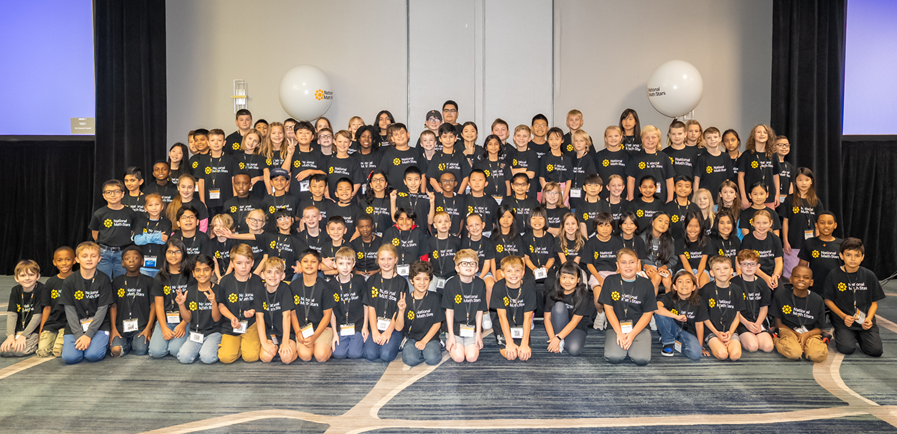
By early 2024 the project had spun out of Carina Initiatives and had become National Math Stars. Ilana says growth has been fast. From 12 initial students the organisation there are now 420 that National Math Stars has supported and the staff have increased from one – Ilana – to 18 full-time members. The organisation works across the US in 10 states, with three state-level departments (Iowa, Indiana and Alabama) and has some on-the-ground advisers who arrange in person get-togethers.
It is working with school districts to encourage them to send a math awards medal to children in the top 2% of elementary school maths results as well as a letter to their parents to encourage them to apply to the programme. It also has a heavy emphasis on economic and rural/urban diversity and is keen to work with those states which have less representation in top high school maths programmes.
Ilana says she never conceived of running a maths NGO before starting this job. She thought she would remain in the arts. “It’s very unique and niche because there are very few NGOs operating in this area,” she says. “There was definitely a need and it was something I could relate to.”