

Halliki Voolma and Seetha Tan discuss how to lead for the longer term in a world focused on the short term in the second episode of the current series of our So, now what? podcast.
Two Gates Cambridge Scholars debate how to lead for the long term in a short-term world in the second episode of the third series of the Gates Cambridge podcast, So, now what? – out now.
The series is dedicated to the theme of leadership, given Gates Cambridge’s mission to build a global network of future leaders committed to improving the lives of others – in whatever form that takes.
In the episode, Halliki Voolma [2011] and Seetha Tan [2022] debate how you lead for the longer term in a world of rapid change. They discuss the importance of gender equality policies, the role of storytelling in leadership and the necessity of balancing short-term responses with long-term goals. The conversation emphasises the power of words, the significance of cultural change and the value of collective leadership and community action. Both Halliki and Seetha share personal insights into their leadership journeys, highlighting the importance of openness, listening and staying true to their values amidst chaos.
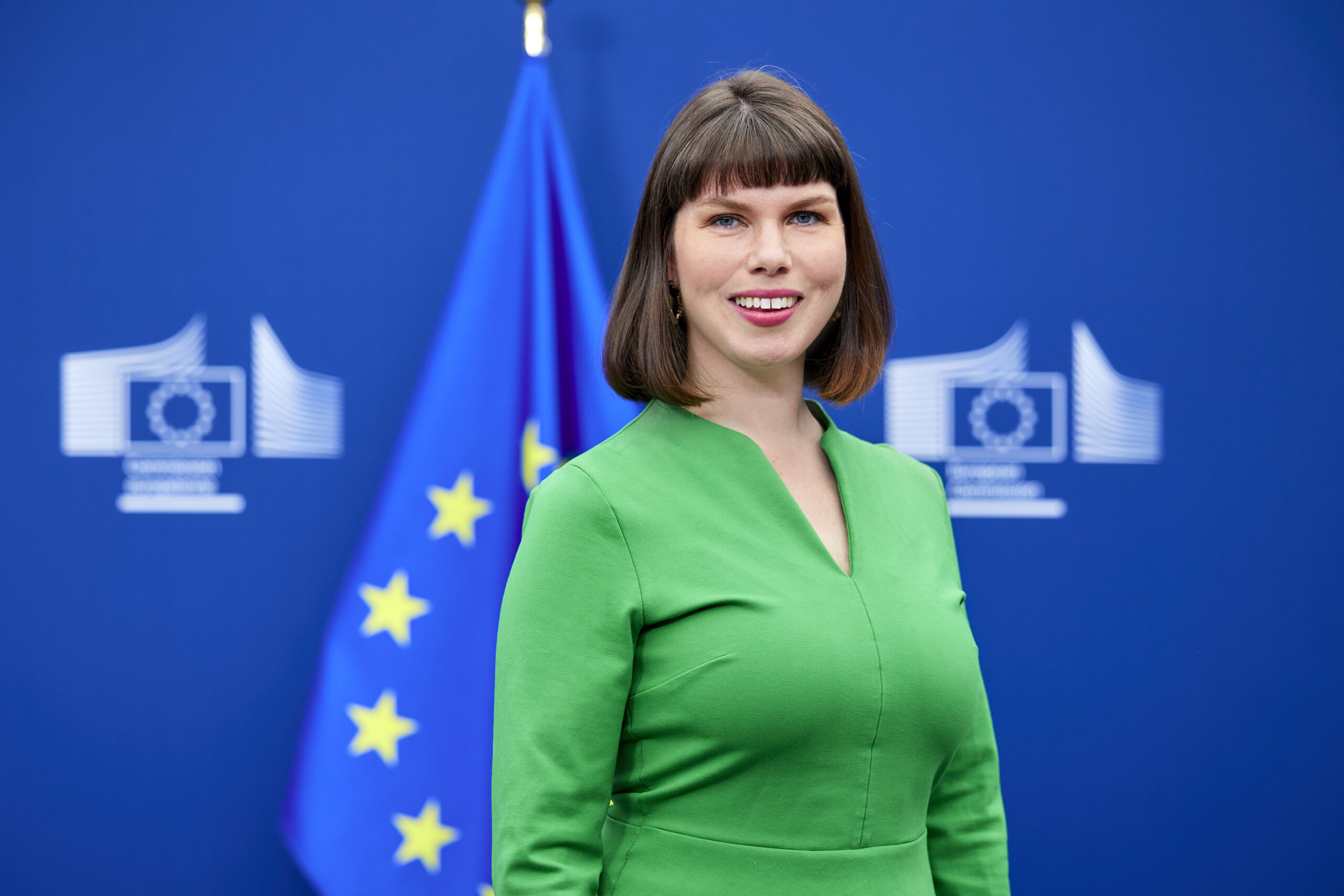
Halliki Voolma
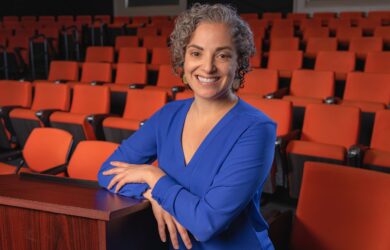
As an EU civil servant and cabinet member of the EU Commissioner for Equality Hadja Lahbib, Halliki [pictured right] designs EU gender equality policy. She has steered the development of major legal and policy initiatives including the 2025 Roadmap for Women’s Rights and the first-ever EU-level law on combating violence against women and domestic violence. She is currently preparing the new EU Gender Equality Strategy 2026-2030, due to be published in the week of International Women’s Day [8th March].
Prior to joining the cabinet Halliki served in the inaugural European Commission Taskforce on Equality, working to mainstream equality considerations into all policy areas. She began her EU policy career in the gender equality unit of the department of Justice of the European Commission in 2017, where she was pen holder for the current EU Gender Equality Strategy 2020-2025. Halliki was Co-Chair of the Gates Cambridge Alumni Association Board from 2021-2023. She has a two-year-old daughter and is looking forward to the arrival of her second child this spring.
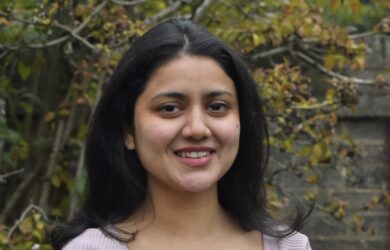
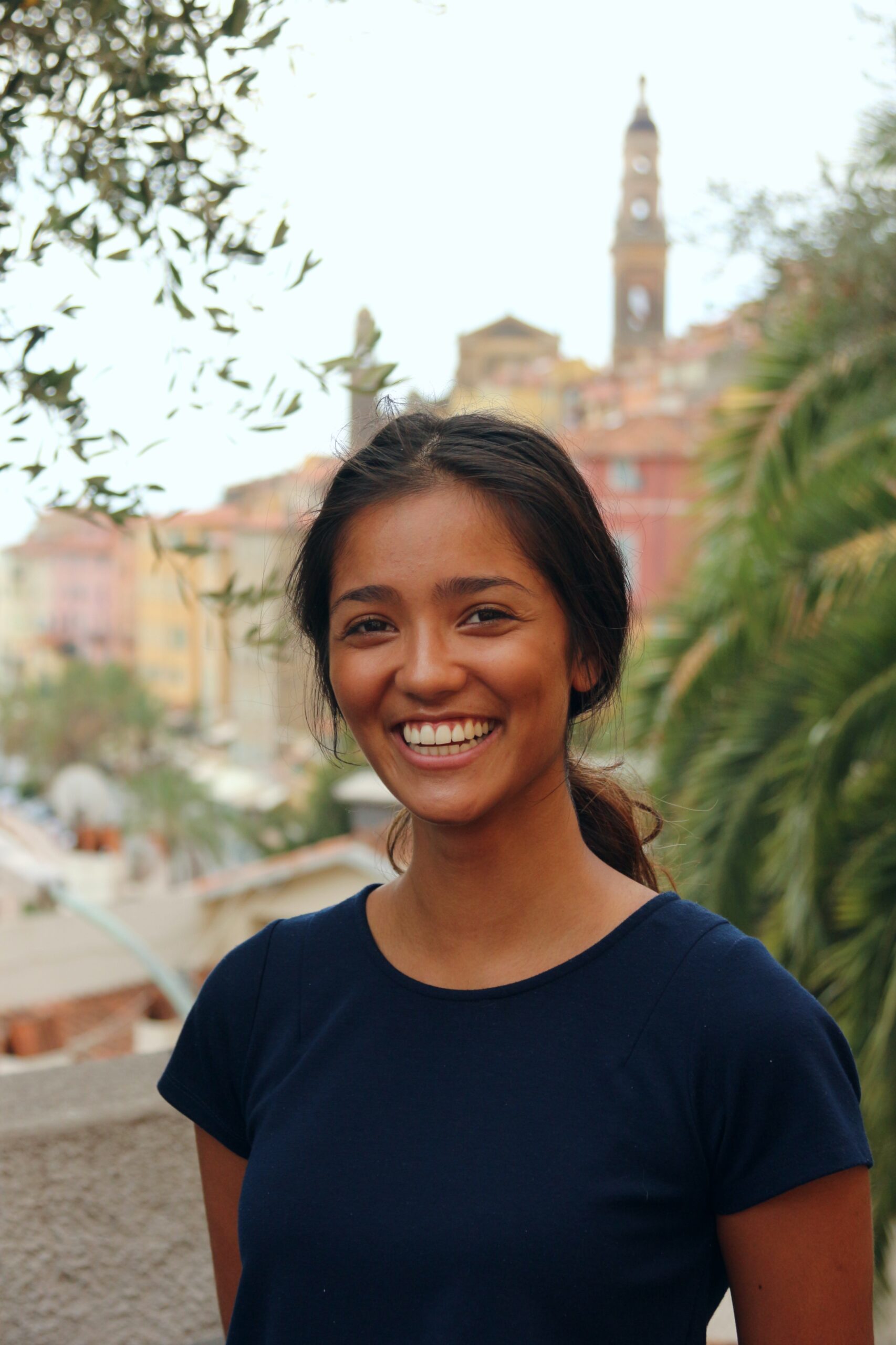 Seetha Tan [pictured left] is a filmmaker and current Gates scholar completing her PhD in the Department of Sociology at the University of Cambridge. Her research explores postcolonial migration and identity formation in the UK; she is particularly interested in the relationship between cultural identity and everyday acts of storytelling including through cooking. She has worked in both podcast and film and is interested in the role of creative methodologies in research and public engagement.
The episode is the second of five in this special leadership series which covers everything from how to lead ethically in an unethical world to how do we lead to restore hope. The podcasts will be posted on the last Tuesday of the month with the March podcast being about how to lead a bunch of leaders.
*Listen to the second episode of series three here.