

Nadeem Ul Haque, lead author of Pakistan's Economic Growth Framework, will speak at an event this week.
The former Deputy Minister of Planning in Pakistan will talk about his leading role in creating the country's Economic Growth Framework at an event on Thursday.
Nadeem Ul Haque is lead author of the Framework. He is also former Vice Chancellor of Pakistan Institute of Development Economics, a former IMF Resident Country Representative for Egypt and Sri Lanka and spent over 24 years at the International Monetary Fund, including leading technical assistance missions and policy and research teams. As the IMF Representative for two central banks, he organised a modernisation strategy, which included improvements in the monetary framework and the policy formulation process. He has published five books and over 50 papers in major journals and edited volumes.
He will speak at the Rethinking Economic Development Models: Reflections on Pakistani Experience, organised by Gates Cambridge Scholar Arif Naveed [2014], on 2nd June. The event is organised under the Gates Cambridge Scholar-Initiated Support Fund.
The event will tackle the complex challenges faced by developing economies in devising economic policy. In his talk Nadeem Ul Haque will analyse the basic tenets of the framework and the process through which the policy was made. The aim is also to generate a wider discussion on development policy, the policy processes and the role of research in policy development.
It is a public event and of particular interest to those working on the issues of developing countries, and based at the departments of economics, development studies, public policy and other social sciences
and the centers of areas studies. The talk will be followed by refreshment.
Arif's research focuses on poverty, inequality, education and knowledge systems for policy making in Pakistan. His PhD explores the extent to which schooling enhances the intergenerational, social and economic
mobility in rural Pakistan.
*Rethinking Economic Development Models: Reflections on Pakistani Experience, 17:00 to 18:00, 2nd June [GSCR, University Centre]. For more information, please contact: man48@cam.ac.uk
Picture credit of children in Sindh province courtesy of Wikipedia.
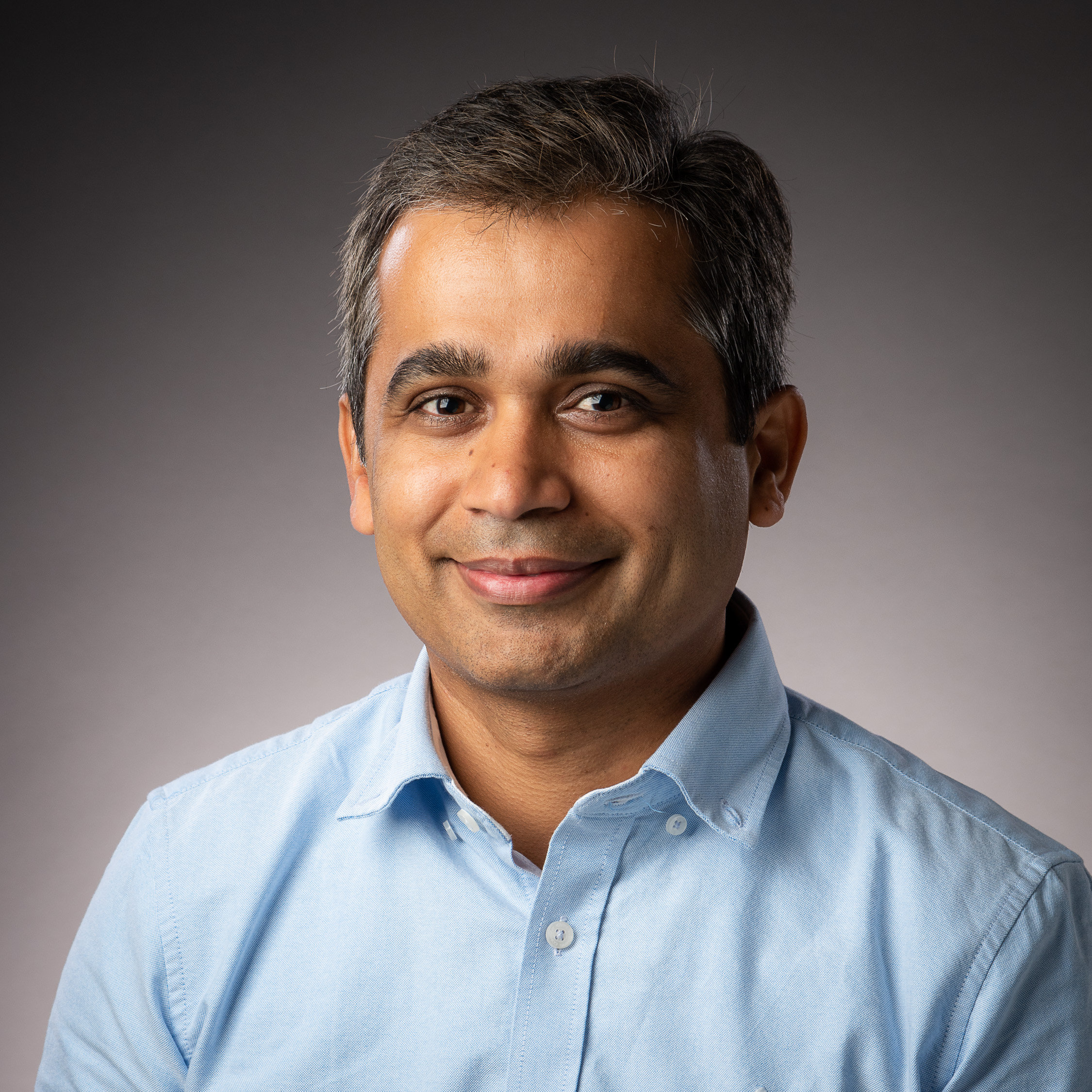
Muhammad Arif Naveed
- Alumni
- Pakistan
- 2014 PhD Education
- Jesus College
I am an Associate Professor of Education and International Development at the University of Bath. My research focuses on the expansion of mass-schooling in the Global South and its implications for social stratification and economic inequality. I am developing a theoretical and methodological framework with which to analyse the role of schooling in intergenerational, gendered social mobility in low and middle-income countries. My research and teaching involve reconciling interdisciplinary tensions between economics, sociology and international development, between academic inquiry, policy formulations, and implementation on the ground, and between diverse methodological frameworks.
Previous Education
University of Cambridge 2012
University of Bath 2006
Quaid-i-Azam University 2002
Links
https://researchportal.bath.ac.uk/en/persons/arif-naveed
https://www.linkedin.com/in/arif-naveed-137650b