

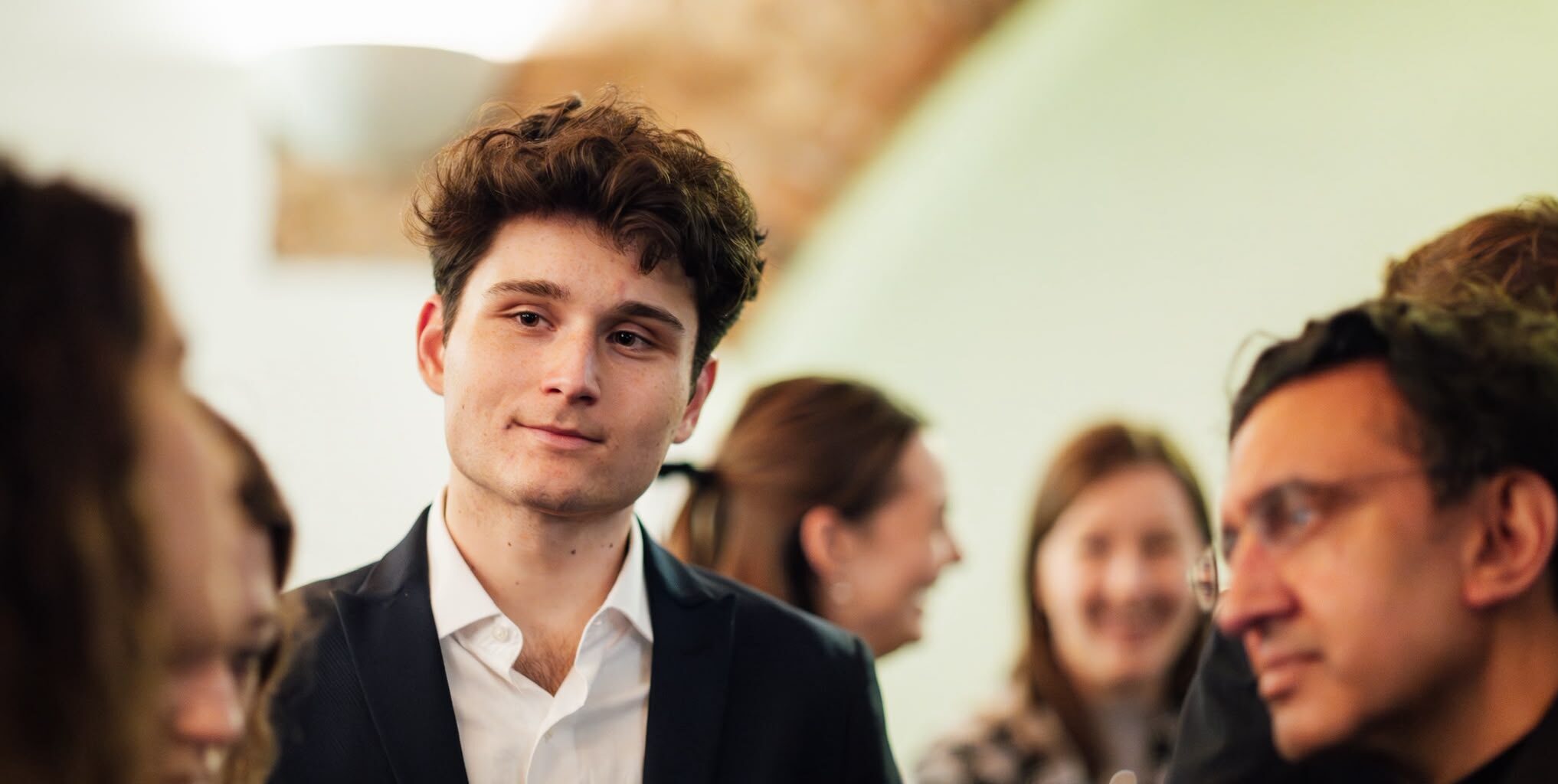
The long-term goal of Ty Kannegieter's research is to create a vaccine against toxic chemicals used in pesticides.
I reasoned that if we could create a vaccine for nicotine then surely people would have looked at creating them for other chemicals that we know are bad for us. I thought it was the most obvious thing in the world
Ty Kannegieter
Ty Kannegieter [2024] grew up in an agricultural area in Alabama and was aware of the environmental damage caused by toxic chemicals used in pesticides.
His research seeks to create a vaccine against particular chemicals in pesticides, including DDT and Atrazine. DDT, which was widely used before 2004, is banned worldwide for agricultural use under the Stockholm Convention, but limited public-health use for malaria control is exempt. Atrazine is one of the most widely used herbicides in the US, but has been banned in more than 60 countries.
Ty pushed hard for DDT to be included in his study because he is worried that climate change could lead to a rise in its use because it is cheap and there are concerns governments may make a Faustian bargain to protect themselves from malaria or that farmers will increase use of it or other related chemicals to combat other climate-change related threats such as an increase or change in pests which eat crops.
He became interested in vaccination as a result of time spent in a research laboratory at Harvard during the Covid pandemic. Although he was not working specifically on a Covid vaccine, other colleagues were and he describes it as “a tremendously exciting time to be a young scientist”.
“I found the scientific response to Covid so inspiring. Scientists put their own personal ambitions on the back burner and pulled together,” he says. “If ever there was a time to get someone hooked on the idea of science that was it.”
Childhood
Ty grew up in Daphne, Alabama, which was a growing agricultural town when he was small. He lived there with his parents and his older brother. He was interested in most subjects at school and says that if he had been asked what he wanted to do between the ages of 13 and 18 the answer would have changed every year.
He was also very into music and at high school he started a jazz band and played saxophone with groups in the area. His interest in jazz is in part due to the fact that Daphne is near Mobile, a city which hosts the oldest official Mardi Gras celebration in the United States. Ty was drawn to the jazz scene there and recalls his first paid gig was playing outside a peanut shop in Mobile.
Harvard
When he left high school in 2019, Ty went to Harvard where he was exposed to a wide range of different subjects in his first year. He had an inkling he wanted to do Biology, inspired by an interest in molecular biology described in popular news articles and by the fact that he grew up surrounded by nature – Mobile Bay one of the most biodiverse place in the US – but he says he was keen to explore other disciplines.
By the end of his first semester Ty was starting to love Biology and had secured a research position, but Covid put paid to that. Eventually he found a job in a structural virology laboratory.
His work involved intentionally designing immunogens for ssRNA viruses, including flu, Covid and dengue, targeting small molecules to neutralise the impact of viruses and make the body’s immune response more consistent. He took a semester off his studies in 2021 to work there full time as a research assistant – firstly because he wanted hands-on experience of science since teaching was remote during the pandemic and secondly because it made him feel like he was part of a bigger endeavour. “I wanted to go into science to be part of something bigger and this was the best example of that,” he says.
Ty says he was very fortunate that the lab was full of brilliant, kind, patient people who he could learn from. He worked under an inspiring PhD student who had been a master’s student at Cambridge.
While he was at Harvard Ty played in the university jazz band. He also became an expert bell ringer and was co-president of Lowell House Society of Russian Bellringers. The main bell, Mother Earth, is huge, similar in size to Big Ben in the UK, with its tone determined by its weight and shape. Ty got into bellringing after becoming interested in making musical instruments when he was at high school. He wrote his admissions essay to Harvard on organology, the study of musical instruments, and when he arrived a friend told him about the Russian bells. He recalls playing all kinds of songs on them, from Row, row, row your boat to Barbenheimer [a mix of Gustav Holst and Aqua’s Barbie Girl].
PhD
 Soon after he finished his Biology degree at Harvard in 2023, Ty applied for his PhD. He was keen to get experience working outside the US and in a different healthcare system. At Harvard, he had taken a seminar on behavioural pharmacology, which looks at how drugs and other biologically active compounds affect behaviour, often through controlled laboratory research in humans and animals. In the class, he was exposed to the idea of using immunotherapy for Substance Use Disorder, where immunological therapeutics such as vaccines or monoclonal antibodies are used to treat addiction.
Ty began thinking about how it could be used in agriculture, given neonicotinoids, chemicals similar to nicotine, had been used in plant pesticides in the region he grew up in, with damaging effects on the environment. “I reasoned that if we could create a vaccine for nicotine then surely people would have looked at creating them for other chemicals that we know are bad for us,” says Ty. He found that it was an under-researched area. “I thought it was the most obvious thing in the world,” he states.
He spoke to Blake who helped refine his idea into a PhD proposal focused on addressing acute toxicity effects and on quicker wins that could be rolled out to help more people if they were effective. Ty emailed the MRC Toxicology Unit at Cambridge and applied for a PhD in Biological Sciences which he began in autumn 2024.
Since he began, his project has focused more on pesticides. Ty describes his project as a long shot, but he obtained good immune responses within the first few months. He has since been working to tighten and improve the quality of those responses. He says the most challenging part of the research is figuring out how to evaluate the responses. “We can see the responses to the chemicals we have added. We can see the cells inside the spleen and the lymph nodes and whether the effects are long-lasting, but measuring the functioning inside mice is quite difficult and most of the literature is on rats rather than mice,” says Ty.
The ultimate aim of his work is to create vaccines that protect people before they are exposed to toxic chemicals in pesticides. For agricultural workers this could mean creating boosters every season.
He adds that he is also aware that creating a vaccine might encourage people to use toxic chemicals more and that those who cannot be vaccinated, for instance, due to a damaged immune system, might be put at risk. However, he believes giving people options to protect themselves outweighs such dangers.
Ty, who plays jazz in the Big Band Roulette in Cambridge and understudies for May Ball bands, is excited by the results he has obtained so far and he is thinking about post-doctoral work. He says his research would not have been possible without Gates Cambridge.
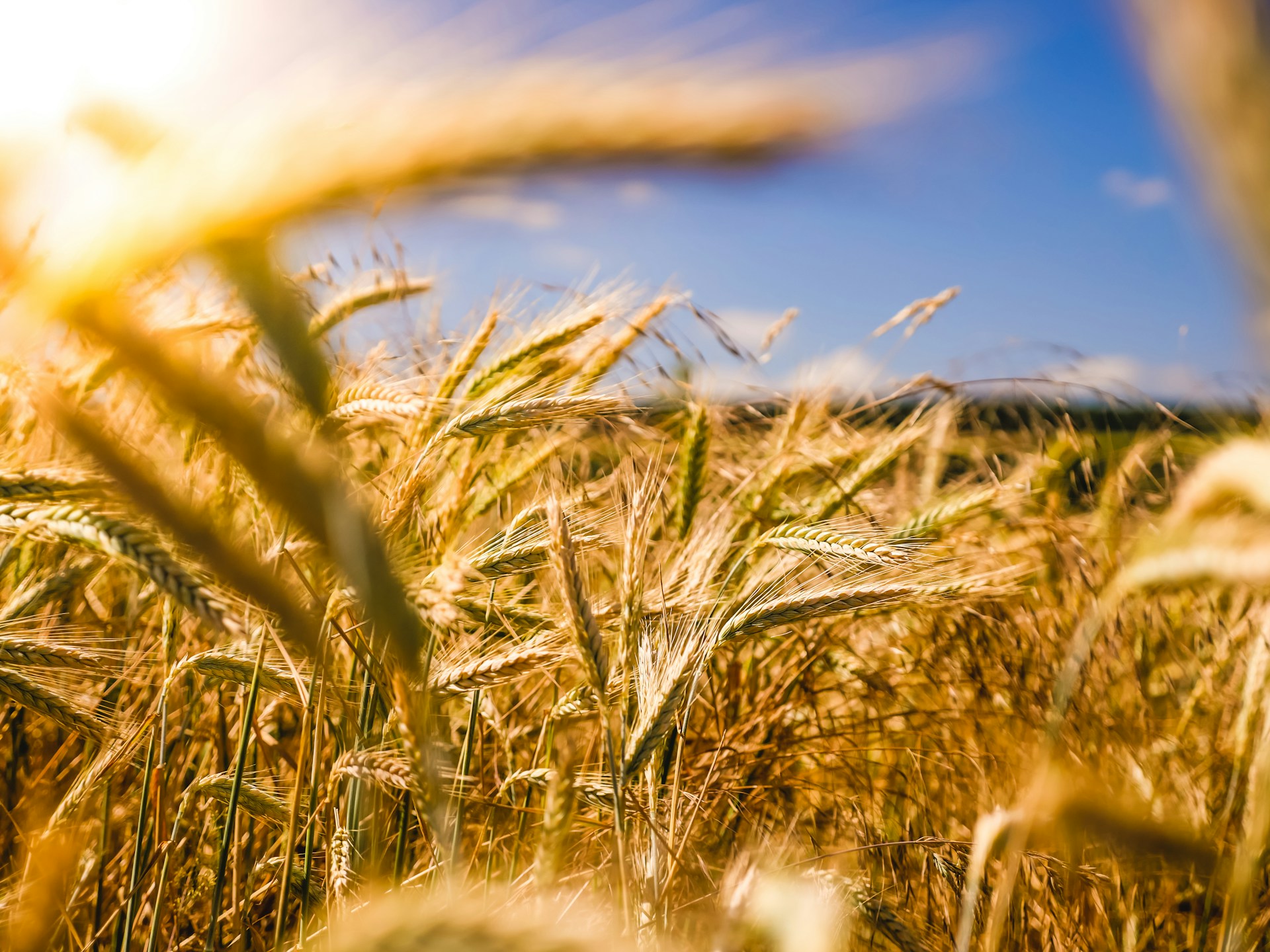
*Above photo of wheat by Raphael Rychetsky on Unsplash