


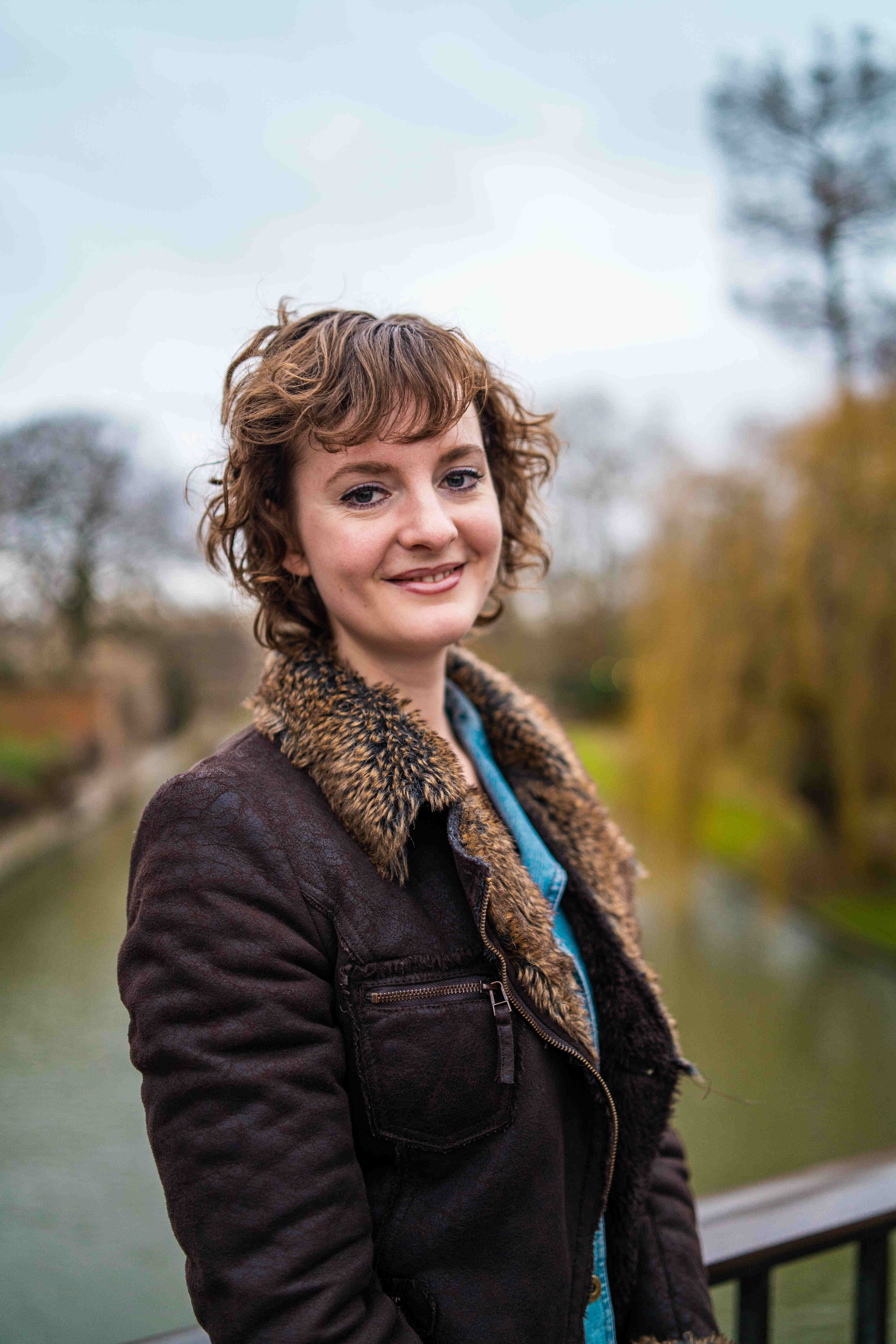
Simone Eringfeld
- Scholar
- Netherlands
- 2022 PhD Polar Studies
- Jesus College
Simone Eringfeld
- Scholar
- Netherlands
- 2022 PhD Polar Studies
- Jesus College
My interest in Antarctica was first triggered when, growing up in the Netherlands, I noticed its absence from the world maps we used in school. I became intrigued by this mysterious blind spot; this blank and ‘silent’ space. At age 18, I made a life-changing trip to Antarctica. Ever since, I’ve been committed to expanding public knowledge about Antarctica. For my undergraduate studies, I completed 3 BA degrees at once, in Philosophy, Literary Studies, and International Relations. This multidisciplinary background helped me understand the extent to which storytelling shapes our worldview. And the stories we tell about Antarctica tend to be dominated by the archetype of the heroic white male explorer. My PhD will investigate how we can shift public perception of Antarctica, by amplifying the underrepresented narratives and muted voices that also form part of Antarctica’s diverse (hi)story. During my MPhil in Education at the University of Cambridge, I began to use podcasting to create participatory platforms for public reflection about future-making. For my PhD, I will use podcasting and soundscaping as sonic methods to capture Antarctica’s polyvocality, in order to start foretelling more inclusive and sustainable Antarctic futures.
Previous Education
University of Cambridge Education 2021
University of Amsterdam Literary and Cultural Studies & Philosophy 2019
University of London International Relations 2019

Isil Erol
- Alumni
- Turkey
- 2001 PhD Land Economy
- Downing College
Isil Erol
- Alumni
- Turkey
- 2001 PhD Land Economy
- Downing College
Sebhat Erqou
- Alumni
- Ethiopia
- 2006 PhD Public Health & Primary Care
- Downing College
Sebhat Erqou
- Alumni
- Ethiopia
- 2006 PhD Public Health & Primary Care
- Downing College
Having completed my trainings in medicine and epidemiology, I am engaged in clinical and research works, and hope to make a positive impact on societal health. My research work focuses on cardiovascular disease risk factors, outcomes of chronic infectious diseases such as HIV, and the inter-relationship between the two.
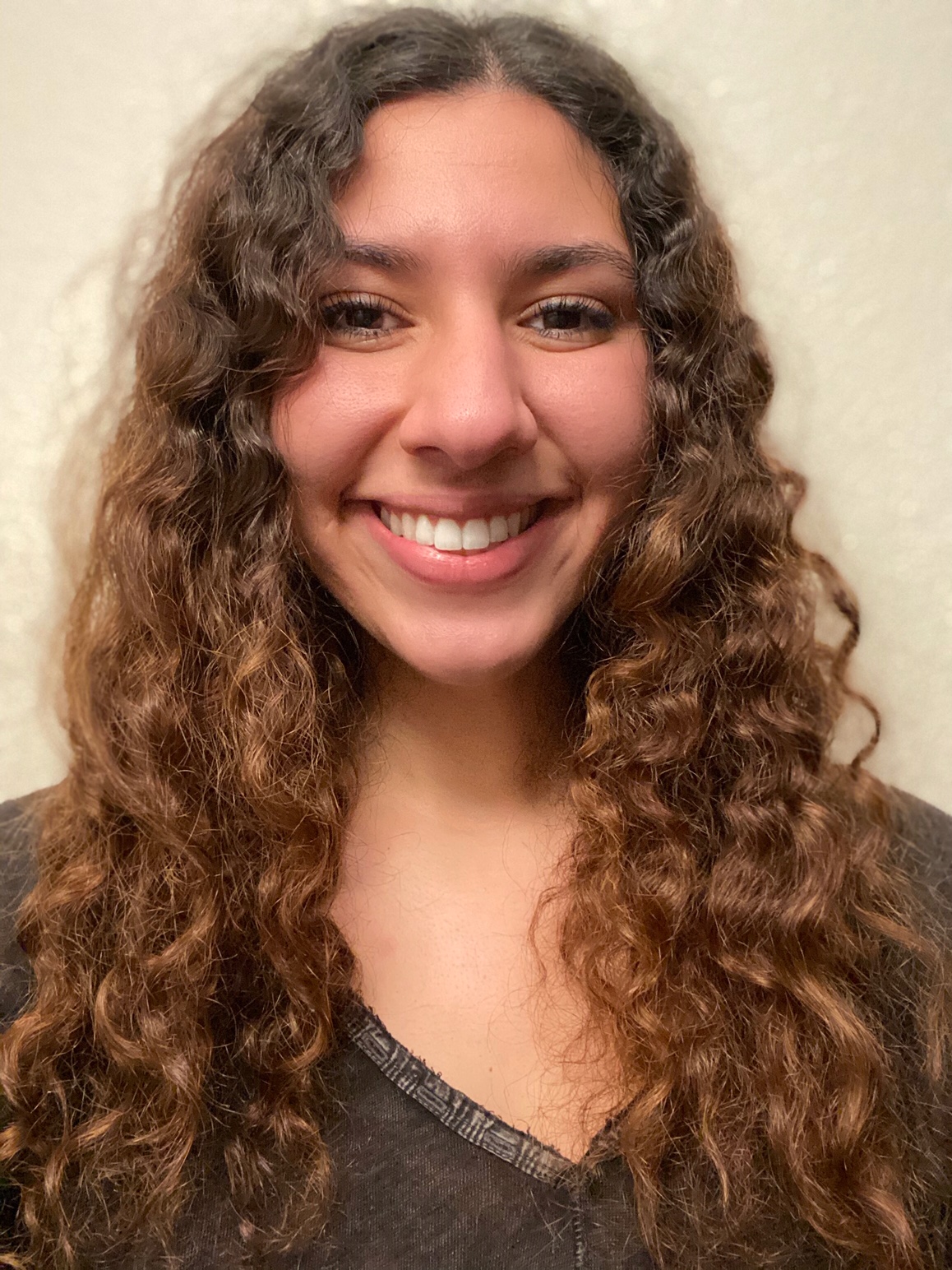
Jumana Esau
- Alumni
- United States
- 2020 MPhil English Studies
- Emmanuel College
Jumana Esau
- Alumni
- United States
- 2020 MPhil English Studies
- Emmanuel College
As a Palestinian-American dividing my time between Jordan and the United States, I have always struggled with living on the margins. However, fiction provided a sense of belonging and stability in my life, later influencing my study of English literature at UC Davis. During my time as an English major, I searched for Arab representation in the novels that I read. While taking a Climate Fiction course, I realized that my culture was not being represented in the climate narrative. The Jordan River is being siphoned off and I am watching my country gradually evaporate, yet there are no works of climate fiction that address these issues. As part of my undergraduate thesis, I examined how authors grapple with climate change while trying to represent marginalized communities. Through the MPhil in English Studies: Criticism and Culture, I hope to further engage with this interdisciplinary research, since climate change is intricately woven with colonialism. I believe that creating a dialogue between science and literature, while giving a platform to disenfranchised communities, is essential for tackling anthropogenic climate change.
Previous Education
University of California Davis English 2020
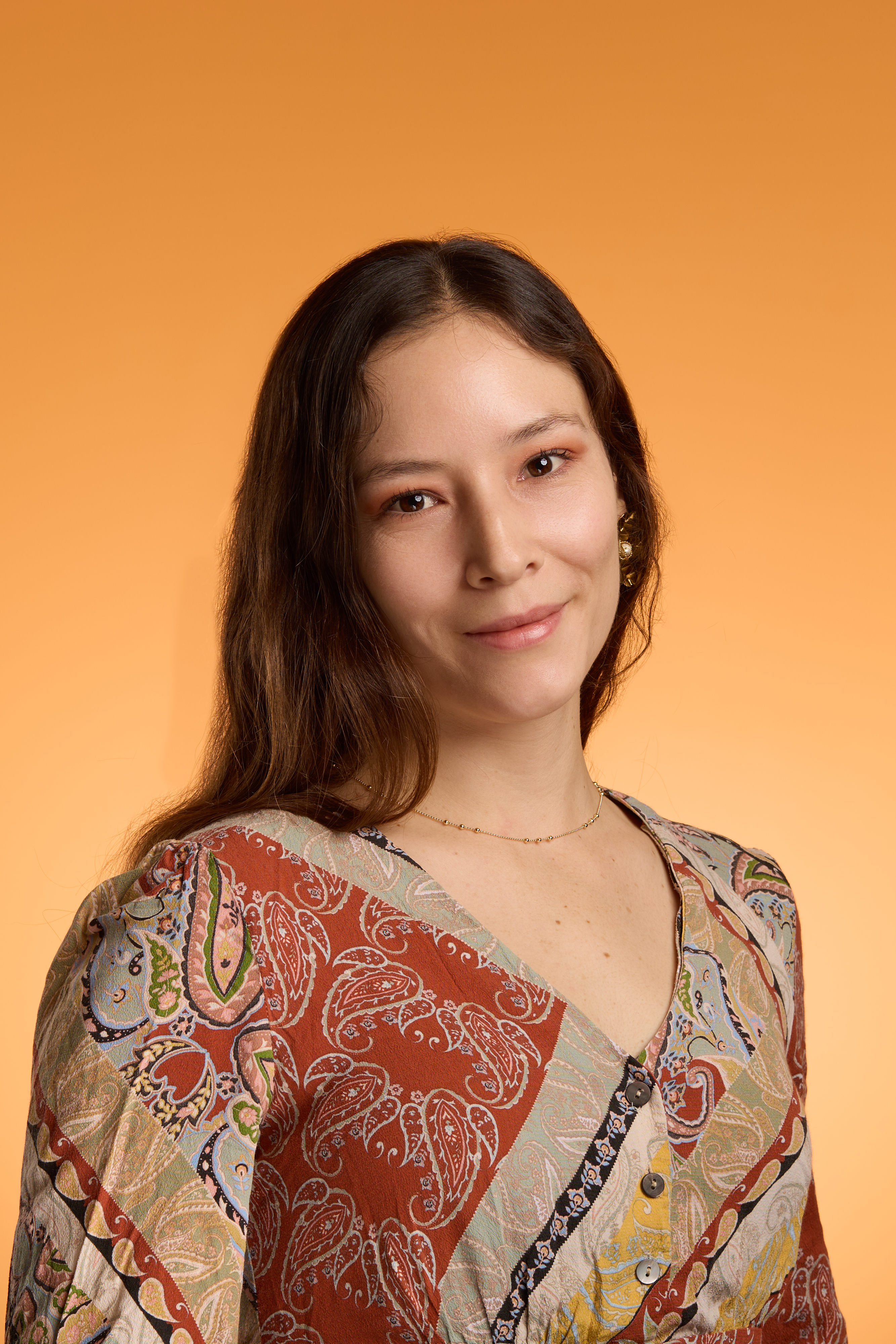
Maria Jose Espinosa Castañeda
- Scholar
- Colombia
- 2025 PhD Spanish and Portuguese
- Trinity Hall
Maria Jose Espinosa Castañeda
- Scholar
- Colombia
- 2025 PhD Spanish and Portuguese
- Trinity Hall
I am drawn to literature for its profound engagement with every aspect of life, from the existential to the everyday, and for its capacity to bring forth alternative ways of existence. In my MPhil dissertation at Cambridge, I explored the concept of spatial dignity in the way marginalised subjects conceived and practiced space in Mexico during the Porfiriato. For my PhD project, I aim to challenge prevailing notions of the Latin American desert as an empty, desolate space, and to interrogate how such representations have contributed to the disposability of both human and non-human life. Bringing together contemporary Latin American texts and diverse aesthetic forms, I explore how imaginaries of emptiness have underpinned extractivism, epistemicide, and the dehumanisation of migrants. I believe the stories we tell are inextricably linked to our epistemological and affective engagements with the world, placing literature in a unique position to stir the imagination and reshape our collective consciousness.
Previous Education
Universidad de Los Andes Literature
University of Cambridge ELAC
Mateo Espinosa Zarlenga
- Alumni
- Ecuador
- 2021 PhD Computer Science
- St Edmund's College
Mateo Espinosa Zarlenga
- Alumni
- Ecuador
- 2021 PhD Computer Science
- St Edmund's College
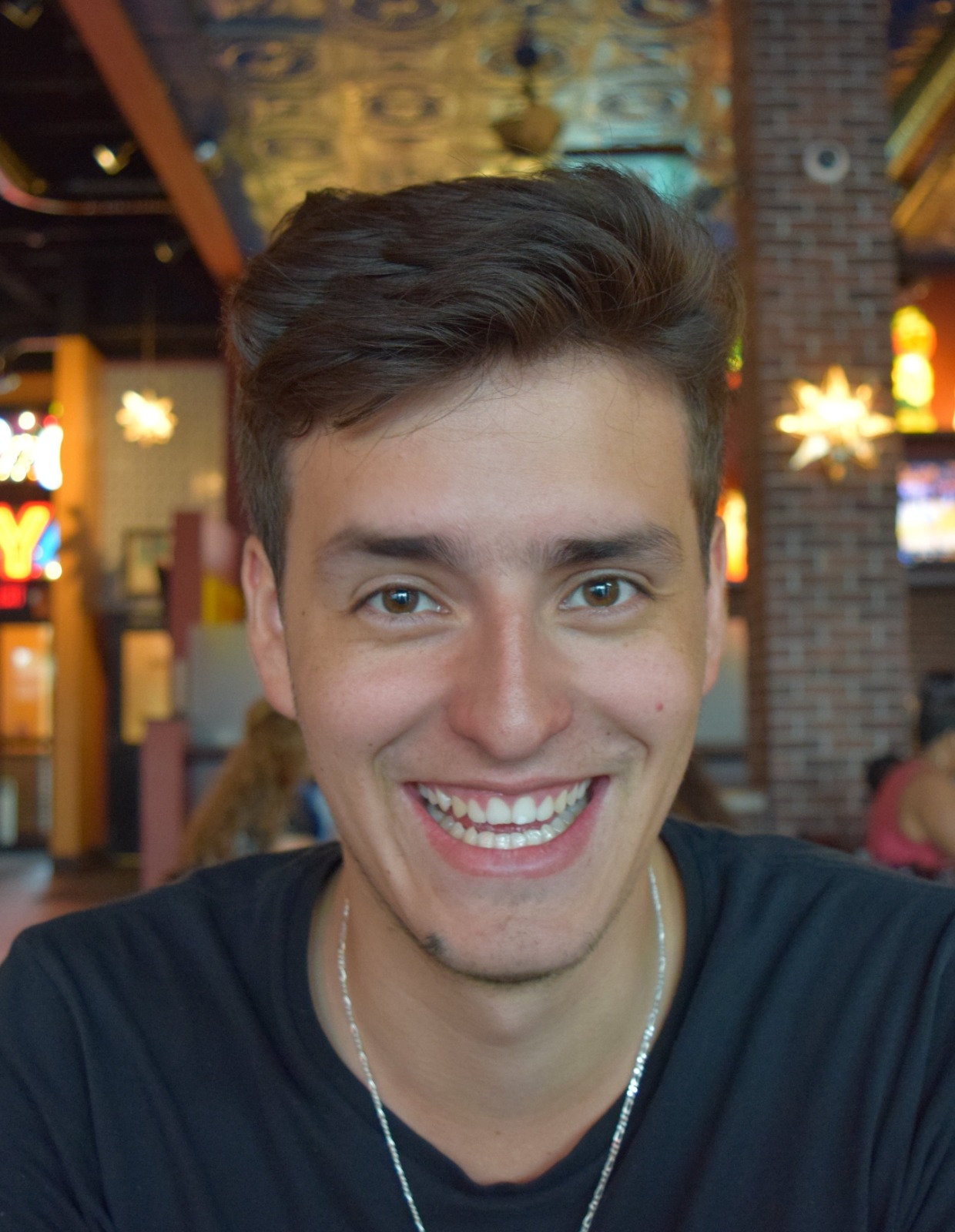
After growing up in Ecuador I was fortunate to have the opportunity to pursue an undergraduate and master’s degree in Computer Science at Cornell University. It was during this time that I was first introduced to the untapped potential of machine learning algorithms and their applications in both academia and industry. As I continued to explore these methods as an early employee of a machine learning startup and as an MPhil student in Cambridge, it became abundantly clear to me that the deployment of these algorithms is often constrained by their lack of interpretability. This is perhaps most limiting in healthcare settings, where transparency and accountability are of utmost importance. During my PhD I wish to explore ways to design high-performing machine learning systems that can learn to explain their decisions using concepts that are intuitive to users. If successful, the deployment of such systems in day-to-day medical diagnosis could not only provide opportunities for early intervention in critical patients but may also open new leads for research in fields outside of medicine. The possibility of achieving these prospects, and the challenge they represent, make this research something I am incredibly excited to pursue.
Previous Education
University of Cambridge Advanced Computer Science 2021
Cornell University Computer Science 2017
Links
https://mateoespinosa.github.io
https://www.linkedin.com/in/mateoespinosa/e
https://x.com/mateoespinosaz
Oscar Espinoza Martin
- Alumni
- Peru
- 2024 MPhil Heritage Studies
- Fitzwilliam College
Oscar Espinoza Martin
- Alumni
- Peru
- 2024 MPhil Heritage Studies
- Fitzwilliam College
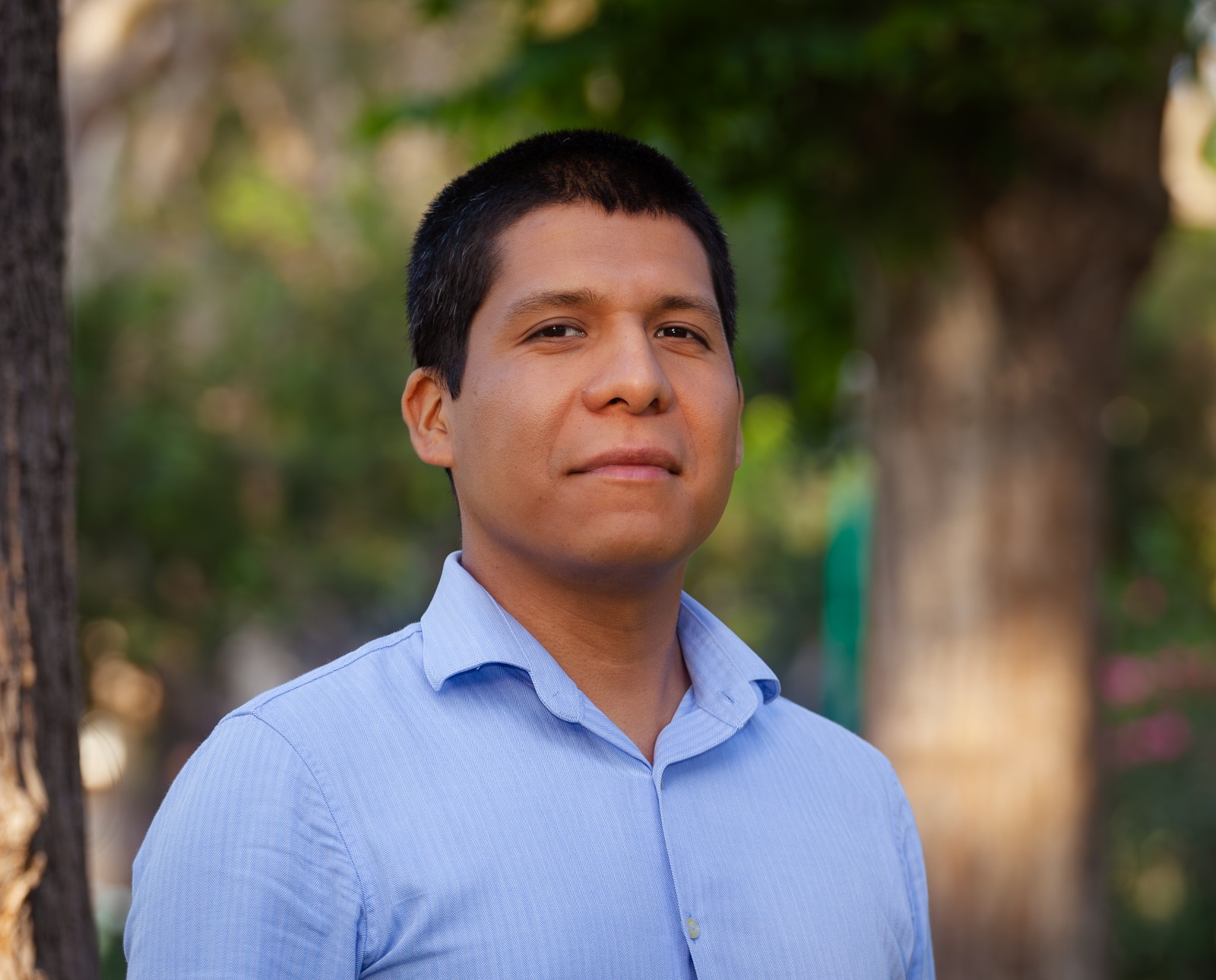
As an archaeologist of indigenous descent, I am committed to improving the lives of Andean communities by empowering them to assert their cultural rights. During my ten years of professional experience in Peru’s Ministry of Culture, I have collaborated with Indigenous people on projects to preserve archaeological sites and landscapes that are crucial to their cultural identity and well-being. Engagement in such projects enables communities to participate in heritage decision-making, fostering their sense of citizenship. From colonial times, Peruvian society has been characterised by systemically discriminating Indigenous people. So, I firmly believe heritage is a powerful instrument to tackle this, granting communities a platform to become political actors by speaking out, being heard, and caring for their cultural properties.I am also interested in unravelling the role of heritage and the politics of the past in contemporary Peru. Using a mixed research methodology (ethnographic data, archival research, and statistics), I am studying how closely heritage is related to the modernisation of the Peruvian state in the 20th century, periods of widespread state violence, and Neo-extractivism.
Previous Education
Universidad de San Marcos Archaeology 2022
Universidad de San Marcos Archaeology 2014
Universidad Nacional Mayor de San Marcos Archaeology 2007
Shannon Esswein
- Alumni
- United States
- 2014 MPhil Biological Science (Biochemistry)
- Churchill College
Shannon Esswein
- Alumni
- United States
- 2014 MPhil Biological Science (Biochemistry)
- Churchill College
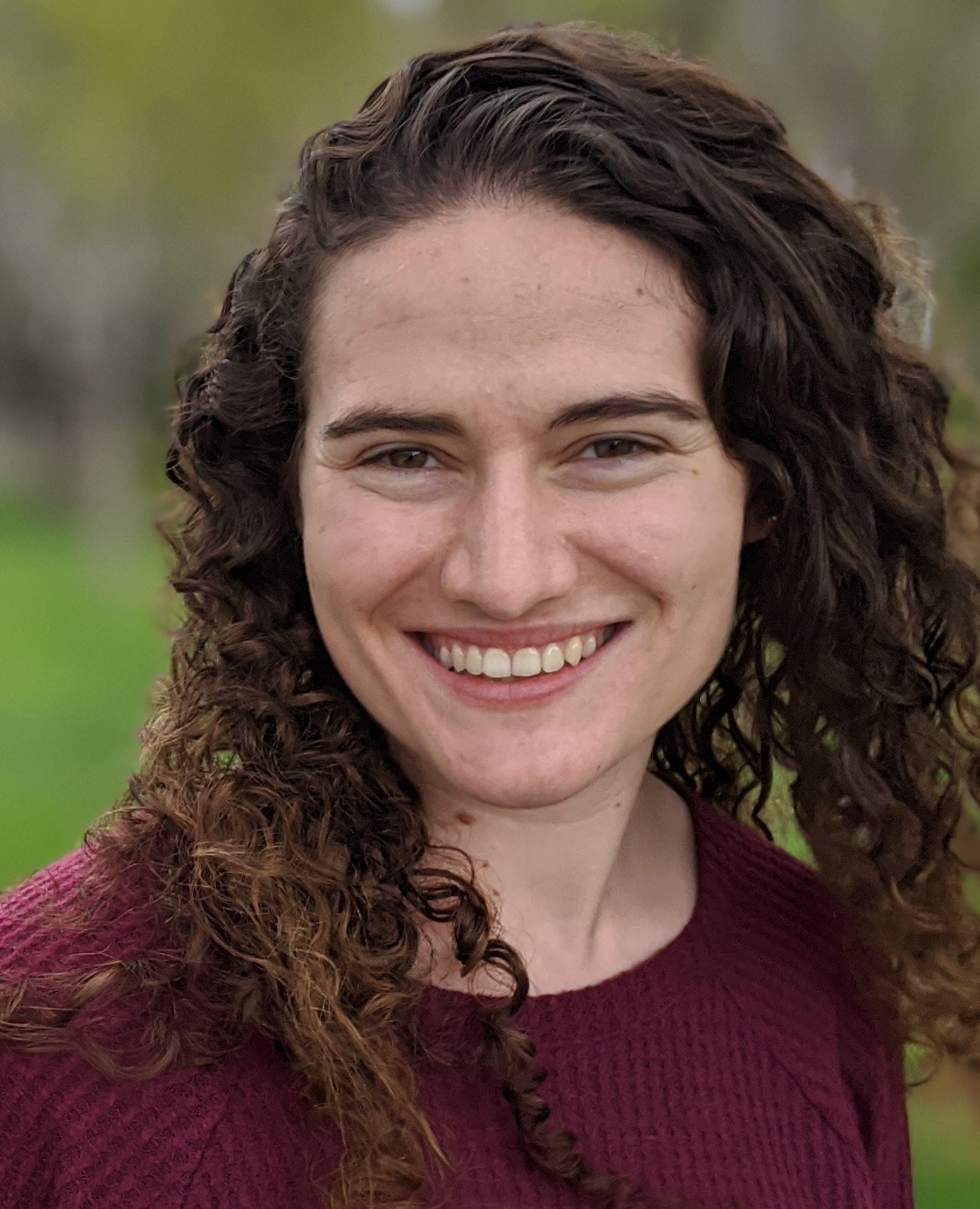
Shannon Esswein is an MD-PhD Candidate in the University of California, Los Angeles-California Institute of Technology Medical Scientist Training Program. She uses biochemistry and structural biology to investigate protein structures relevant for understanding mechanisms of disease and identifying new therapeutic targets. In her undergraduate research at the University of California, Los Angeles, Shannon studied the molecular pathogenesis of immunoglobulin light-chain amyloid fibrils implicated in systemic light-chain amyloidosis disease and the blood cancer multiple myeloma. Subsequently, during her M.Phil. research at Cambridge, she investigated non-homologous end joining, a repair system for DNA double strand breaks that can be used by cancer cells to decrease the effectiveness of radiation therapy. As part of this research, Shannon identified small molecules that may inhibit this repair system for use in combination therapy. Now, as a Ph.D. Candidate at California Institute of Technology, she is studying the immune response to Zika and other viruses using cryo-electron microscopy. Shannon aims to apply biomedical research towards advancing treatment options and improving patient care as a physician-scientist.
Previous Education
University of California, Los Angeles B.S. Physiological Science 2013
Links
William Eucker
- Alumni
- United States
- 2008 MPhil Technology Policy
2009 PhD Polar Studies - Peterhouse
William Eucker
- Alumni
- United States
- 2008 MPhil Technology Policy
2009 PhD Polar Studies - Peterhouse
I am a junior naval officer and member of the Arctic Ocean Geopolitics Programme at the Scott Polar Research Institute. Recently, I have been exploring the increasingly dangerous gap between national and international maritime governance structures in the ice-diminishing Arctic Ocean. After my studies, I will serve in the U.S. Submarine Force.
Lesley Everett
- Alumni
- United States
- 2006 MPhil Epidemiology
- Homerton College
Lesley Everett
- Alumni
- United States
- 2006 MPhil Epidemiology
- Homerton College
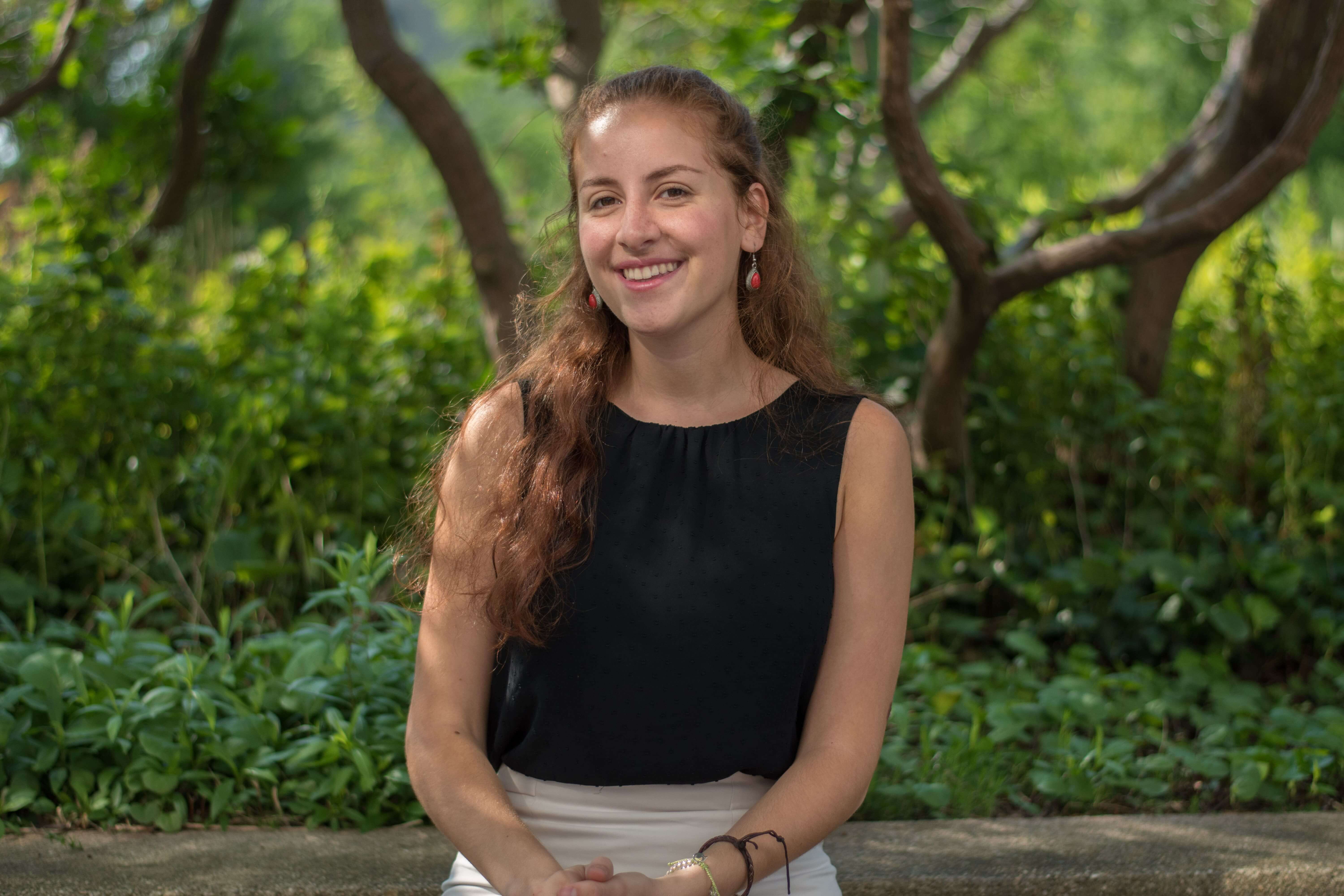
I’m particularly interested in the genetic and environmental determinants of common diseases and the translation of research into primary care and public health practice. At Cambridge I will pursue an MPhil in epidemiology to prepare for a career in genetic epidemiology and public health genetics. I hope to work with the CDC’s Center for Genomics & Disease Prevention or the National Human Genome Research Institute at the NIH to understand and resolve the complex genetic conditions of special populations. Next fall I will return to the United States to begin a PhD program in Human Genetics at the University of Michigan, Ann Arbor.
Jamila Ezbidi
- Alumni
- Palestine, Germany
- 2020 MPhil Politics & International Studies
- Homerton College
Jamila Ezbidi
- Alumni
- Palestine, Germany
- 2020 MPhil Politics & International Studies
- Homerton College
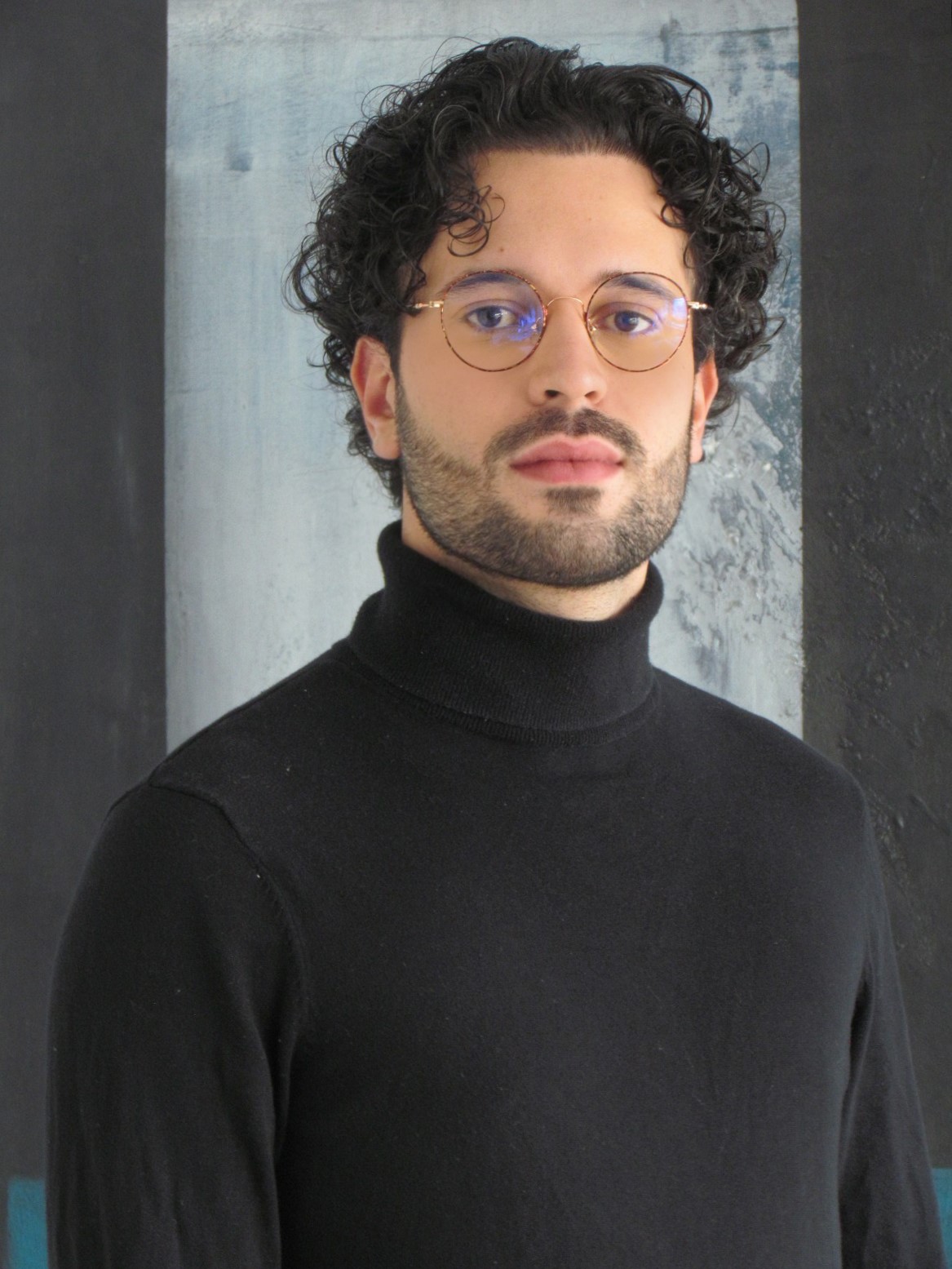
I strongly believe in the power of modern diplomacy to prevent and resolve conflict and address challenges. But diplomacy must evolve to meet the changing needs of a globalized world and adapt to new realities that are characterized by the emergence of non-traditional non-state actors, the increase of IT and social media, interdependent economies, and environmental and global health concerns. Another key issue to be addressed is the gross underrepresentation of women in leadership and their lacking participation in diplomatic efforts, into which issue I gained extensive insight during my internship at UN-Women. Progress can be achieved by making diplomatic practice more transparent, inclusive, and accessible, allowing for innovative and creative collaboration among relevant diplomatic levels and actors in efforts to tackle complex new challenges. As a Palestinian-German woman and aspiring peace mediator, I wish to contribute to the evolution of diplomacy to better uphold human rights and respond to humanitarian and societal concerns. Having grown up in Palestine under conflict, I experienced firsthand its detrimental, multi-faceted impact on people's lives. For my research, I will analyze arguments that link conflict to ethnic identity while examining the role of leadership.
Previous Education
Connecticut College International Relations 2019
Connecticut College Architectural Studies 2019
Leonardo F. Souza-McMurtrie
- Scholar
- Brazil
- 2023 PhD Law
- Fitzwilliam College
Leonardo F. Souza-McMurtrie
- Scholar
- Brazil
- 2023 PhD Law
- Fitzwilliam College
What if the law itself is the ultimate form of illegality? Rules shape everything: what you wear, what you eat, the planes you fly in. Thousands of people must cooperate under shared rules for any of this to work. We rely on these norms to produce a coherent whole, like a machine that takes behaviour as input and returns a verdict: legal or illegal. This engine runs on binary code, classifying the world into dualities: public and private, sovereign and subject, land and sea, crime and punishment, war and peace. But sometimes it produces a result that cannot be traced back to its own logic. A conclusion that breaks free from the premises on which it was built. I research these moments of rupture, where international law loops back on itself, contradicts its own foundations, and escapes the very rules it claims to impose. From oil investment contracts in the 1960s Middle East, to the fallout of 9/11 in humanitarian law; from Japanese control of the South Pacific, to the race for wealth in outer space, I trace these paradoxes. I search for a theory of law that insists on negating itself. Neither positivism nor structuralism can quite explain them. But thinkers like Hegel, Žižek, and Badiou might have seen it coming. These contradictions are not exceptions, I think. They are what happens when positive law reaches its limit. And so, I wonder — what remains?
Previous Education
Queen Mary, University of London International Disputes 2020
Amazon Federal University Law 2018
Hilary Fabich
- Alumni
- United States
- 2012 PhD Chemical Engineering
- Churchill College
Hilary Fabich
- Alumni
- United States
- 2012 PhD Chemical Engineering
- Churchill College
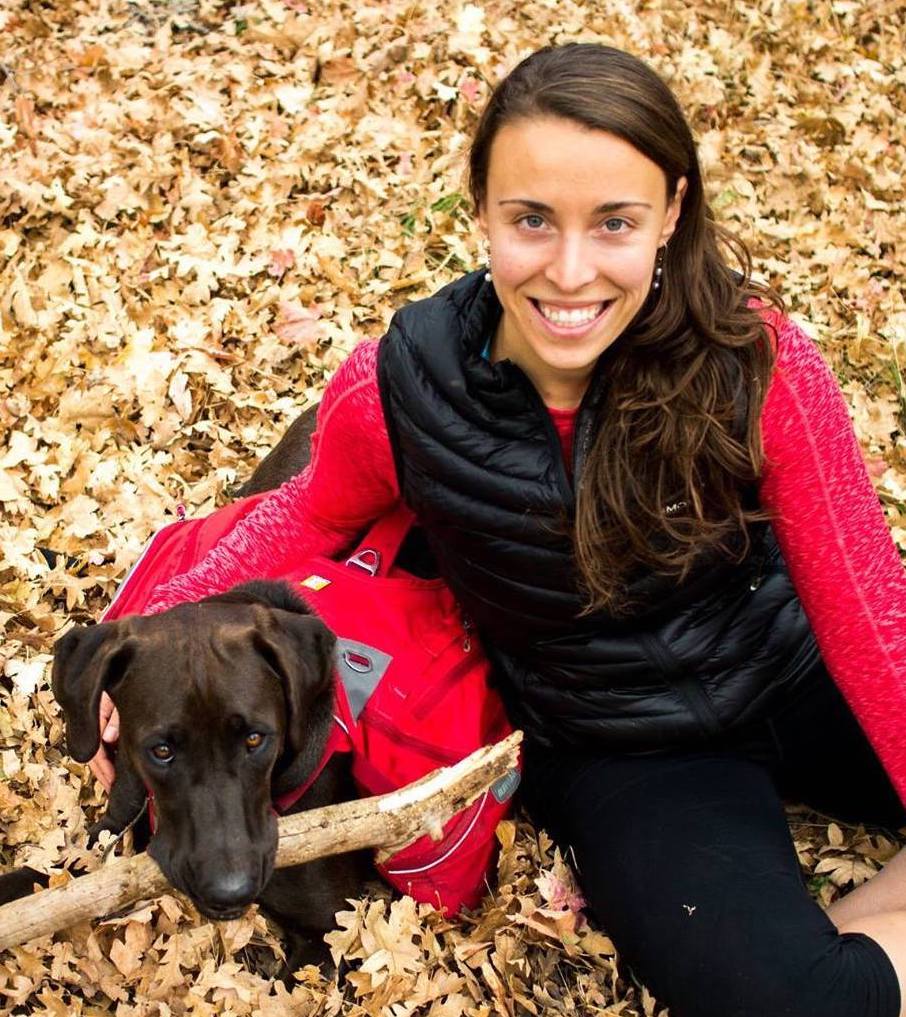
After earning her PhD from the University of Cambridge, Hilary moved to ABQMR, Inc., a company renowned for designing and building magnetic resonance (MR) equipment for custom – often exotic – applications, such as monitoring pollution through arctic sea ice using helicopter-borne MR and imaging plant root structures through natural soils in greenhouses and the agricultural field. In 2020, she was elected president. Hilary enjoys the diversity of her research at ABQMR applying MR to a variety of industrially relevant problems.
Previous Education
Montana State University Chemical Engineering 2011
Links
Olga Fabrikant-Burke
- Alumni
- Russian Federation
- 2016 PhD Divinity
- Trinity College
Olga Fabrikant-Burke
- Alumni
- Russian Federation
- 2016 PhD Divinity
- Trinity College
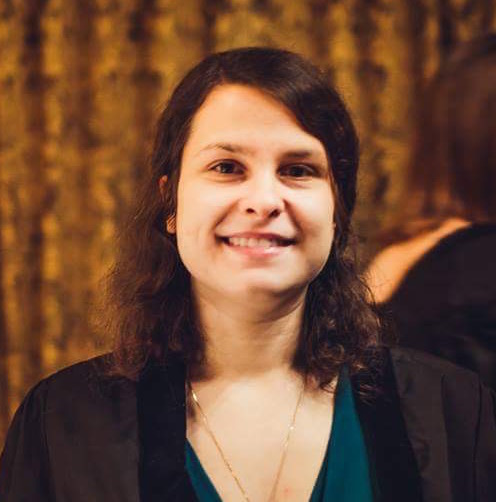
Born and bred in Moscow, I moved to Cambridge to read for the Theological Tripos, followed by the Hebrew Bible MPhil in the Divinity Faculty. It did not take me long to fall in love with the exhilarating academic environment at Cambridge, and I was excited and honoured to join the Gates Cambridge community to do my PhD here as well. My academic interests centre on the literature, language, history, and religion of ancient Israel from its origins to the Second Temple Period. My work revolves particularly around the scribal culture behind the production of the Hebrew Bible.
Alexander Fabry
- Alumni
- United States
- 2009 MPhil History, Philosophy & Sociology of Science, Techno
- Pembroke College
Alexander Fabry
- Alumni
- United States
- 2009 MPhil History, Philosophy & Sociology of Science, Techno
- Pembroke College
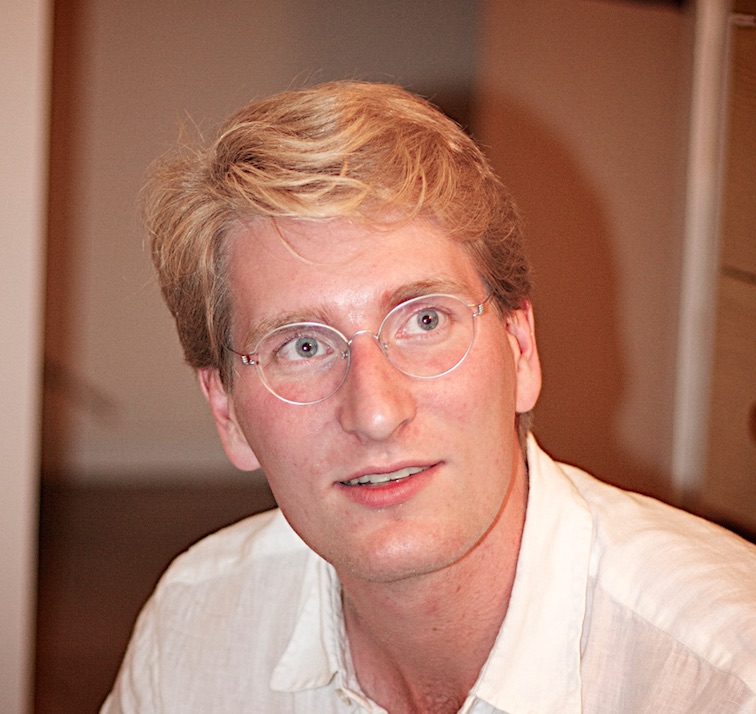
Product leader and creative technologist working at the intersection of design and data. Most recently served as the Director of Product Operations and Analytics at Artsy, a startup working to bring all the world's art online and make it freely accessible to anyone with an internet connection.
Tomas Fabsic
- Alumni
- Slovakia
- 2009 CASM Pure Mathematics
- Churchill College
Tomas Fabsic
- Alumni
- Slovakia
- 2009 CASM Pure Mathematics
- Churchill College
I recently graduated with BSc Mathematics from the University of Warwick and at Cambridge I intend to further expand my knowledge of mathematics by studying for Part III of the Mathematical Tripos. My main areas of interest are probability theory and combinatorics and I believe that Part III will be an excellent culmination of my preparation for PhD study. On completion of Part III, I expect to be equipped with a wide range of powerful mathematical knowledge and skills, eager to start working on my own contribution to the world of mathematics.
Isam Faik
- Alumni
- Canada
- 2007 PhD Management Studies
- Downing College
Isam Faik
- Alumni
- Canada
- 2007 PhD Management Studies
- Downing College
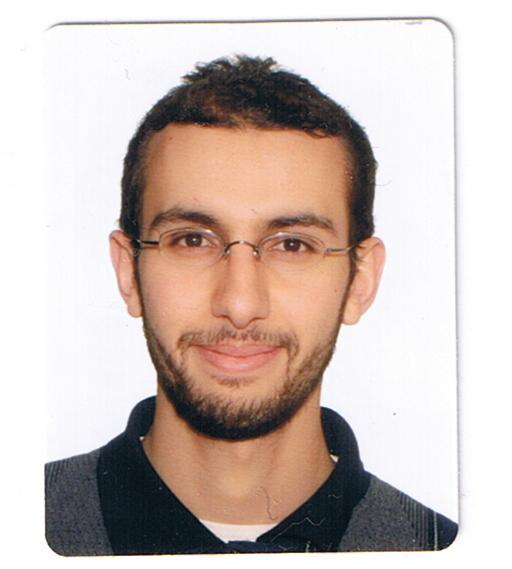
I am studying the interdependence between technology and organizational processes in developing countries. My PhD research looks at the implementation of information systems in two developmental domains in Morocco: health care coverage and the justice system. I have an engineering background with work experience in the biomedical and the aeronautic industries. I am married and have two children.
Madison Fail
- Scholar
- United States
- 2026 PhD Earth Sciences
- St Edmund's College
Madison Fail
- Scholar
- United States
- 2026 PhD Earth Sciences
- St Edmund's College
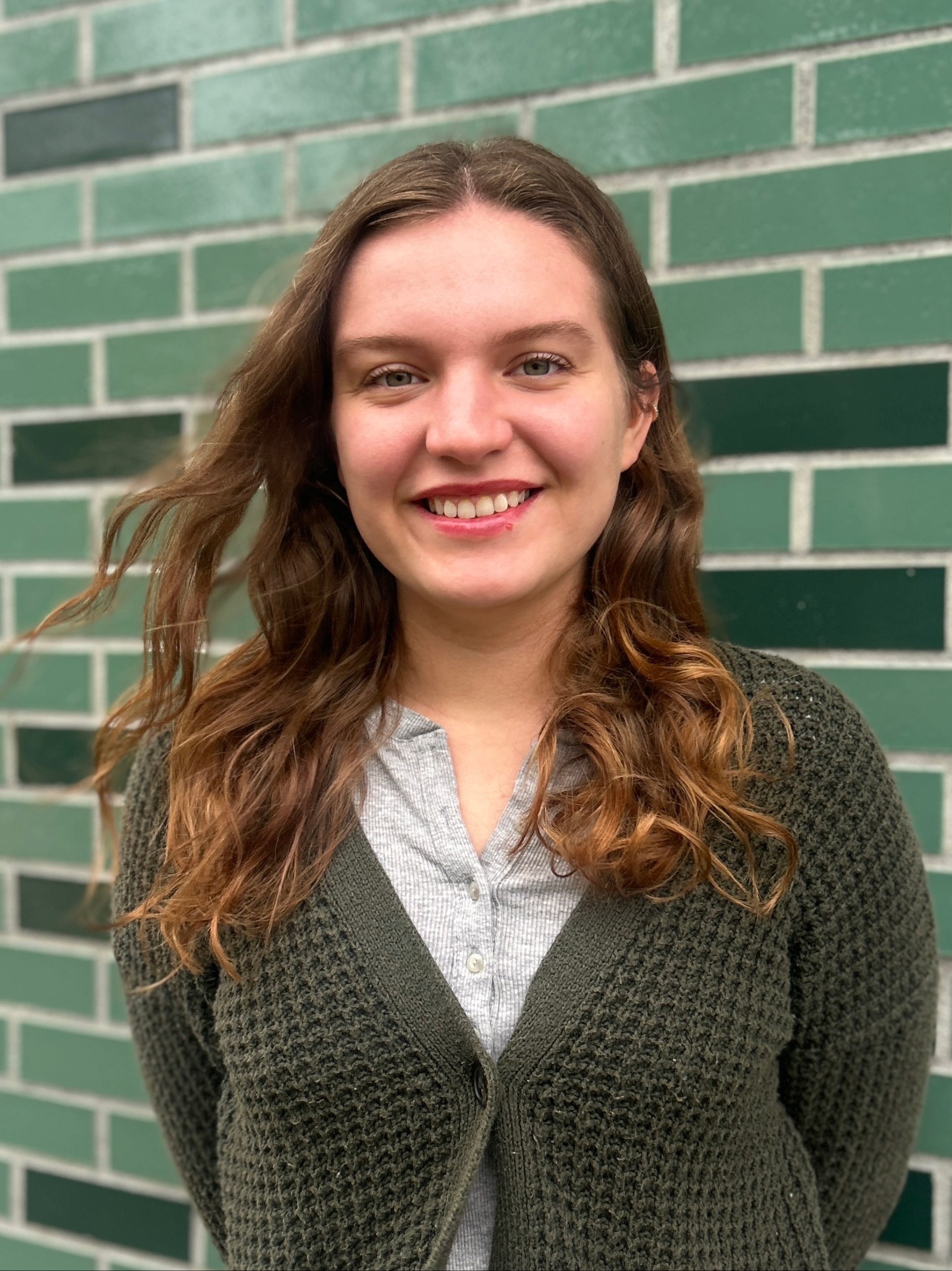
I grew up in a small, tight-knit town in North Texas. With the support of family and friends, I earned my B.A. in Government and B.S. in Environmental Science from UT Austin. During undergrad, I was an advocate, a student researcher, and a caregiver. I grew my community, and my mentors helped me find my niche: carbon cycling in terrestrial ecosystems. At Cambridge, I look forward to furthering our understanding of carbon storage in peatlands. These ecosystems are enormous stores of C and have the potential to mediate climates if protected. Through machine learning, I aim to connect micro-scale chemical measurements with remote sensing to estimate carbon budgets in ‘pristine’ and ‘restored’ bogs. Being a Gates Scholar is a generational honor. I attended university due to a college fund my great grandfather created. He was a share cropper and military member, yet saw great value in education despite his lack thereof. Recently, I was given his autobiography. I’d like to thank Gates by sharing some of his words: “It is my hope and prayer that my great-grandchildren get a college education. Pops is sure that you will take advantage of this resource and will be an asset to your community and nation.”
Previous Education
University of Texas at Austin Government 2025
University of Texas Austin Environmental Science, Geology 2025
