


Irene Falk
- Alumni
- United States
- 2014 PhD Clinical Neurosciences
- St John's College
Irene Falk
- Alumni
- United States
- 2014 PhD Clinical Neurosciences
- St John's College
Jingwen (Alice) Fan
- Alumni
- China
- 2017 PhD Medicine
- Emmanuel College
Jingwen (Alice) Fan
- Alumni
- China
- 2017 PhD Medicine
- Emmanuel College
Growing up in a developing country, I was deeply impressed by how science and technology have improved the quality of people’s life. On the other hand, as I was volunteering in science education in remote villages, I also realized education and medical care are distributed unequally in some undeveloped regions. With my ultimate goal of making everyone around the world have equal right to basic medical care, I was determined to become a medical scientist and to develop useful and affordable therapies to improve people’s lives. I am excited and honoured to be joining the Gates Cambridge community for my PhD after my undergraduate study in Xiamen University, China. During my PhD in Professor Lalita Ramakrishnan’s lab, I will work on improving and possibly discovering new therapies for tuberculosis infection. As one of the oldest known human infectious diseases, tuberculosis continues being a leading cause of death from infectious diseases. It caused about 1.3 million deaths and 10.4 million infection cases in 2016 (WHO 2017). Nowadays, the rapid increase of multidrug-resistant tuberculosis strains is the main challenge in the battle against this disease. I will mainly focus on host innate immune reactions against bacterial infection. By targeting on the key molecules and pathways in host immune system, I hope to provide new ideas in the treatment of tuberculosis, including multidrug-resistant tuberculosis.
Previous Education
Xiamen University
Links
Mary Fan
- Alumni
- United States
- 2004 MPhil Social Anthropological Analysis
- Downing College
Mary Fan
- Alumni
- United States
- 2004 MPhil Social Anthropological Analysis
- Downing College

Anyu Fang
- Alumni
- United States
- 2007 MPhil Development Studies
- Queens' College
Anyu Fang
- Alumni
- United States
- 2007 MPhil Development Studies
- Queens' College
Zhao Fang
- Alumni
- China
- 2009 MPhil Asian and Middle Eastern Studies
- Trinity College
Zhao Fang
- Alumni
- China
- 2009 MPhil Asian and Middle Eastern Studies
- Trinity College
I am from Hefei City, a medium-sized city in the Yangtze River Delta Plain in the People's Republic of China. I went to Haverford College in the United States for my undergraduate studies, and was a double major in history and chemistry. In Cambridge I am working on the cultural history of late imperial China, focusing on the interpretation of a particular literary genre, biji (notebook, or collection of miscellaneous articles), written in the Qing dynasty and early Republican China. After graduating from Cambridge I pursued a law degree at Stanford. I then returned to China to founded a history journal called the Oriental Historical Review (OHR). Currently I am the executive editor of the journal based in Beijiing.

Pierre Far
- Alumni
- Jordan
- 2001 PhD Genetics
- Magdalene College
Pierre Far
- Alumni
- Jordan
- 2001 PhD Genetics
- Magdalene College
Ausaf Ahmed Farooqui
- Alumni
- India
- 2007 PhD Cognition & Brain Sciences
- Fitzwilliam College
Ausaf Ahmed Farooqui
- Alumni
- India
- 2007 PhD Cognition & Brain Sciences
- Fitzwilliam College
Yassir Fathullah
- Alumni
- Sweden
- 2021 PhD Engineering
- Peterhouse
Yassir Fathullah
- Alumni
- Sweden
- 2021 PhD Engineering
- Peterhouse
The idea of versatile models able to identify and utilise complex patterns in data has always been an intriguing part of Information Engineering. Whilst studying at the University of Cambridge, I conducted multiple research projects with a special focus on a family of such models called deep neural networks. Applied to areas ranging from speaker diarisation to active learning, I slowly started to understand the wide ranging applicability, but also drawbacks of this family of approaches. One of these drawbacks is the lack of uncertainty estimation, the ability to account a model’s prediction to various causes of uncertainty, and this is where I will focus my research. I plan on developing efficient neural networks that will be able to quantify different types of uncertainties, and apply them in both high-risk and sensitive domains, where previously, such models would not have been applicable due to a limited understanding of how and when they work.
Previous Education
University of Cambridge Eng. Tripos (Information Eng.) 2021
Mahya Fazel-Zarandi
- Alumni
- Canada
- 2025 MPhil Medical Science at Cancer Research UK Cambridge Institute
- Homerton College
Mahya Fazel-Zarandi
- Alumni
- Canada
- 2025 MPhil Medical Science at Cancer Research UK Cambridge Institute
- Homerton College
I am a senior at Princeton University, majoring in Molecular Biology with a minor in Quantitative and Computational Biology. My senior thesis, advised by Professor Joshua Rabinowitz, is focused on investigating the structure-function relationship of thymidine analogs in cancer therapy. On campus, I am the co-founder and co-president of the Princeton Association of Women in STEM and serve as a science writer for The Daily Princetonian. From the lab bench to the newsroom, I have cultivated a deep passion for scientific discovery and sharing the joy of science by making it accessible to broader audiences. I hope to build on these experiences at the University of Cambridge by developing new therapeutic approaches for high grade serous ovarian carcinoma, while also engaging with a global network of thinkers dedicated to scientific dialogue and communication. I am excited to expand my scientific toolkit, deepen my understanding of translational medicine, and explore the natural and historical beauty of Cambridge alongside fellow Gates scholars.
Previous Education
Princeton University Molecular Biology
Ila Fazzio
- Alumni
- Brazil
- 2001 PhD Biological Anthropology
- King's College
Ila Fazzio
- Alumni
- Brazil
- 2001 PhD Biological Anthropology
- King's College
Fernan Federici
- Alumni
- Argentina
- 2005 PhD Plant Sciences
- St Edmund's College
Fernan Federici
- Alumni
- Argentina
- 2005 PhD Plant Sciences
- St Edmund's College
We seek to engineer biological systems from modular, interchangeable and standarized components. I am currently working on the development of computational-genetic tools for automation of cell growth and gene activity analysis. The aim of my PhD project is to contribute to a better understanding of the genetic and mechanical mechanisms underlying plant development. I'm very grateful to the Gates Cambridge Trust for this great opportunity.
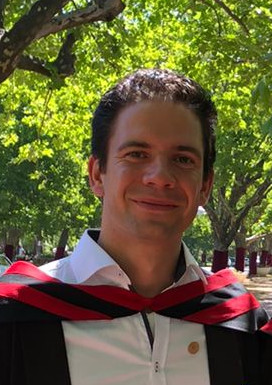
Gregor Feierabend
- Alumni
- Germany
- 2023 MPhil Advanced Computer Science
- Trinity Hall
Gregor Feierabend
- Alumni
- Germany
- 2023 MPhil Advanced Computer Science
- Trinity Hall
At Stellenbosch University in South Africa, I studied mathematics and computer science. At the University of Cambridge, I will pursue an MPhil in Advanced Computer Science. My interest in these subjects is rooted in the enjoyment of acquiring a deep and thorough understanding of a topic at hand. This I regard as a process that heavily relies on the development of a suitable formal language. Formal languages are omnipresent in computer science and are fundamental in the development of, for example, network protocols or programming languages. My current research interests lie in the applications of category theory and mathematical logic to formal language theory. I am also interested in the related area of proof assistants and their use in building provably correct software. The abstract nature of these topics leads to potential applications in a wide range of subjects. Thus, I hope to be an inspiration to and equally be inspired by the multidisciplinary and diverse Gates Cambridge community.
Previous Education
University of Stellenbosch Mathematics 2022
University of Stellenbosch Mathematics 2021
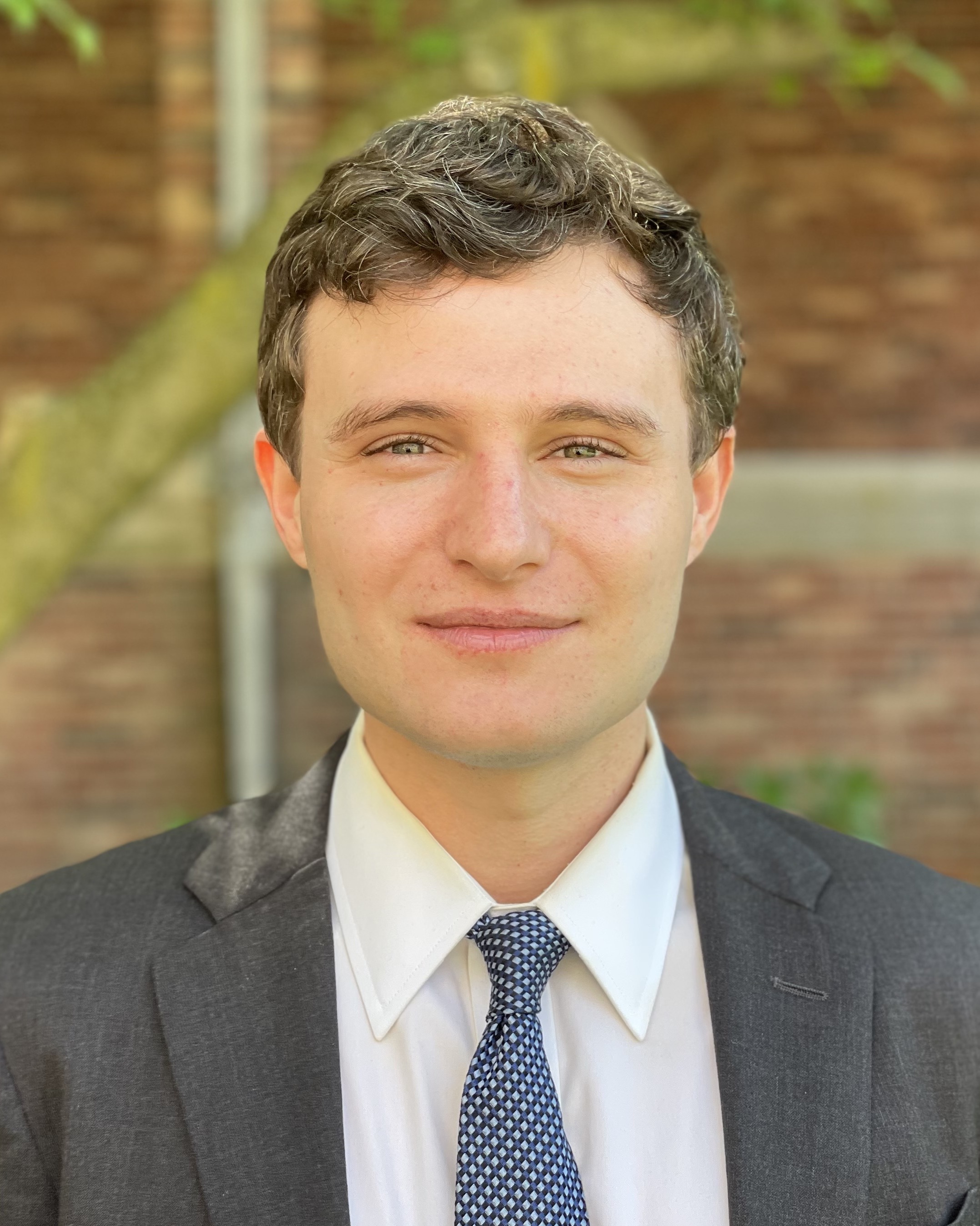
Joshua Feinzig
- Alumni
- United States
- 2016 MPhil Criminology
- Pembroke College
Joshua Feinzig
- Alumni
- United States
- 2016 MPhil Criminology
- Pembroke College
Josh is a recent graduate of Yale Law School, where he was an Executive Editor of the Yale Law Journal and a Coker Fellow in Constitutional Law. Before law school, Josh completed an MPhil in Criminology at Cambridge and was a Luce Scholar in Taipei. He previously studied Ethics, Politics & Economics at Yale University, where he graduated summa cum laude and Phi Beta Kappa, and was awarded the Roosevelt L. Thompson Prize and William H. Orrick, Jr. Senior Essay Prize.
Previous Education
Yale University
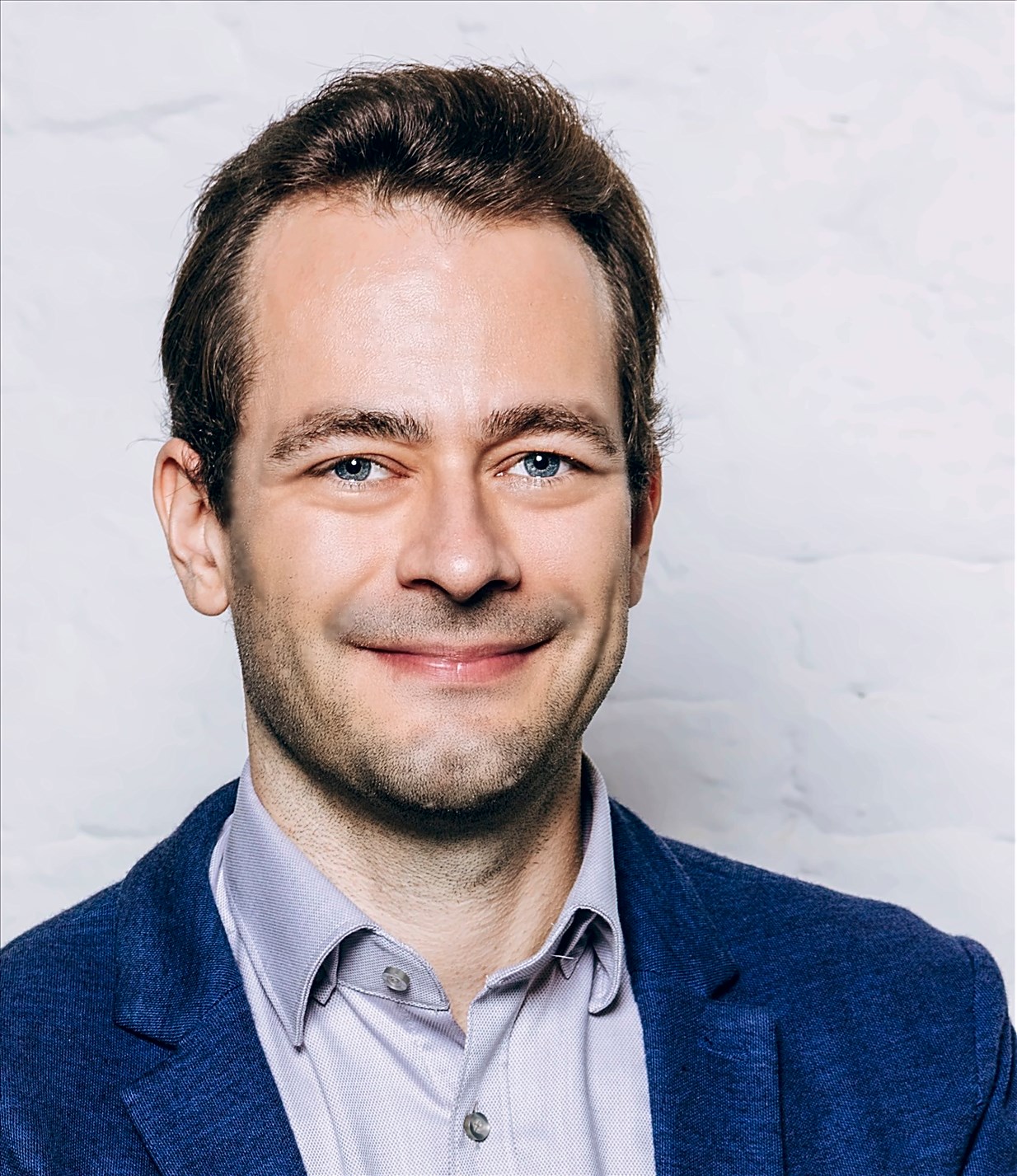
Dankrad Feist
- Alumni
- Germany
- 2009 PhD Applied Mathematics and Theoretical Physics
- Girton College
Dankrad Feist
- Alumni
- Germany
- 2009 PhD Applied Mathematics and Theoretical Physics
- Girton College
Dankrad Feist finished his PhD in Theoretic Physics in 2013. Since then, he has been working in the technology sector. He co-founded the startup Cara Care in 2016. Currently he is working as a Researcher for the Ethereum Foundation, focusing on Applied Cryptography.
Links
https://dankradfeist.de
https://www.linkedin.com/in/dankrad-feist-77677339
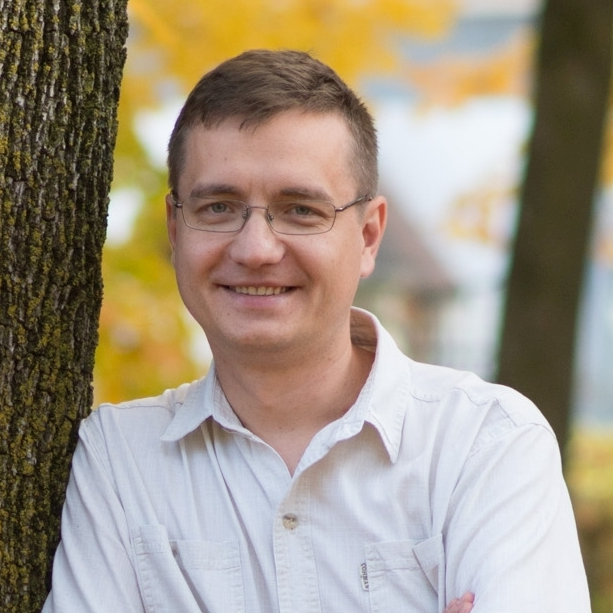
Szilard Fejer
- Alumni
- Romania
- 2005 PhD Chemistry
- Downing College
Szilard Fejer
- Alumni
- Romania
- 2005 PhD Chemistry
- Downing College
Computational chemistry is becoming a more and more powerful tool for chemists as time goes by. One "mystery" of particular interest, which can be very well investigated with the help of computational chemistry, is how certain systems can self-assemble into well-defined structures. My years spent in Cambridge (in the group of Prof. David Wales) helped open up a whole new research direction involving modelling the self-assembly of complex structures from anisotropic building blocks. My current project is about how we can design building blocks capable of multi-level hierarchical self-assembly. My small research institute is slowly expanding through state- and EU-funded research projects, and our long term aim is to become internationally relevant players in the field of nano- and biotechnology.As of 2018, I am also the European Director of Membership for GCAA, so feel free to get in touch with me with any ideas you might have which would contribute to strengthening the alumni community!
Previous Education
University of Szeged, Hungary Chemistry MSc 2005
Merve Fejzula
- Alumni
- United States
- 2015 PhD History
- Trinity Hall
Merve Fejzula
- Alumni
- United States
- 2015 PhD History
- Trinity Hall
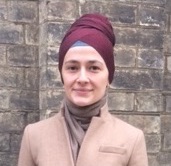
Merve is a PhD candidate in History funded by the Gates Cambridge Trust and an intellectual and political historian of Africa and its diaspora. Her thesis, ‘Black Cultural Citizenship between State and Nation, 1947-66’, examines the unknown history of the Anglophone dissemination of negritude, the movement for race consciousness long associated with the Francophone world. By attending to negritude’s reception in Nigeria and the United States, I re-frame the history of negritude as a contest over competing forms of “black cultural citizenship,” a form of political belonging which indexed ties to Africa and its diaspora. By focusing on the meeting of Francophone and Anglophone Africa and its diaspora, as well as connecting African intellectual history debates to black internationalist ones, this project ultimately examines the way in which African and diasporic subjects negotiated multiple fields of political belonging: national and post-imperial citizenship managed by the state and an international ‘black cultural citizenship’ that invoked more complex territorial associations..Her research interests include African intellectual and political history, imperial history, and black internationalism. At the undergraduate level, she has taught modern African history, World history, and US history as well as historical method seminars on race, and at the postgraduate level has given seminars on anti-colonial movements in African Studies..Merve completed an MPhil in Historical Studies at the University of Cambridge in 2015, and a double major in history and English, with a minor in philosophy, at Rutgers University’s Newark campus in 2011. Prior to postgraduate study, she served as Program Coordinator of the Diversity Research Center at Rutgers from 2011-13.
Previous Education
Rutgers University
University of Cambridge

Sonia Fereidooni
- Scholar
- United States, Canada
- 2024 PhD Digital Humanities
- St John's College
Sonia Fereidooni
- Scholar
- United States, Canada
- 2024 PhD Digital Humanities
- St John's College
I was born in Eastern Canada and raised in rural Washington-State in the US. I completed my BS in Computer Science & Data Science, my BA in Sociology, and my MS in Computer Science & Engineering at the University of Washington. I had the honor of researching three different branches of Computer Science: (1) AI Bias, Ethics, Fairness, and Governance, (2) Commonsense Reasoning and development in AI, (3) Designing equitable pedagogies in Computer Science curricula, (and anything else that interests me in a manic spur of the moment). I have also had industry experience in AI development at Google Brain, DeepMind, and AI2. During my PhD in Digital Humanities at Cambridge, I hope to research how to effectively legislate AI governance in protection of intersectional identities from the Global South, especially in the Middle East, North Africa, and Central Asia. I hope to pursue fieldwork in critical areas that are most adversely-affected by the recent accelerated developments of AI, and research how it is that AI can be universally-regulated to avoid such outcomes. In deep gratitude, I am honored to join the Gates Cambridge community and continue to learn about the humanities’ intersections with technology from scholars of other fields.
Previous Education
University of Washington Computer Science & Engineering 2024
University of Washington Computer Science 2022
University of Washington Sociology 2022
Links
Patricio Feres
- Alumni
- Chile
- 2002 PhD Economics
- Churchill College
Patricio Feres
- Alumni
- Chile
- 2002 PhD Economics
- Churchill College
