


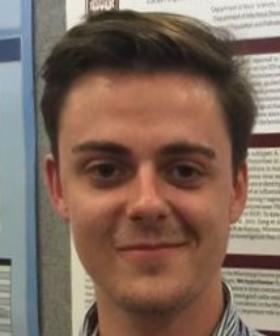
Lucas Ferguson
- Alumni
- United States
- 2017 MPhil Biological Science at the Department of Pathology
- St John's College
Lucas Ferguson
- Alumni
- United States
- 2017 MPhil Biological Science at the Department of Pathology
- St John's College
I attended the Mississippi School for Mathematics and Science (MSMS), Mississippi’s premier high school for gifted Mississippian students. During my final semester, my curiosity of infectious disease research led me to participate in MSMS’s Research Shadowing Program. Through this, I met Dr. Xiu-Feng (Henry) Wan, a professor at Mississippi State University’s (MSU) College of Veterinary Medicine. My semester of shadowing initiated a long time obsession with infectious disease research and virology, which led me to enroll at Mississippi State University to continue working under Dr. Wan. My undergraduate research in Dr. Wan’s lab has allowed us to understand some aspects of the epidemiology and pathology of bovine influenza D virus in cattle. During my undergraduate career, I was also able to conduct research in avian immunology in Dr. Yin Li’s lab at Jiangsu Academy of Agricultural Sciences in Nanjing, China. While at the University of Cambridge, I will work under Dr. Andrew Firth using bioinformatics to answer questions related to RNA virus evolution. I am excited to engage with my fellow Gates-Cambridge peers and alumni in order to collaborate on infectious disease research.
Previous Education
Mississippi State University
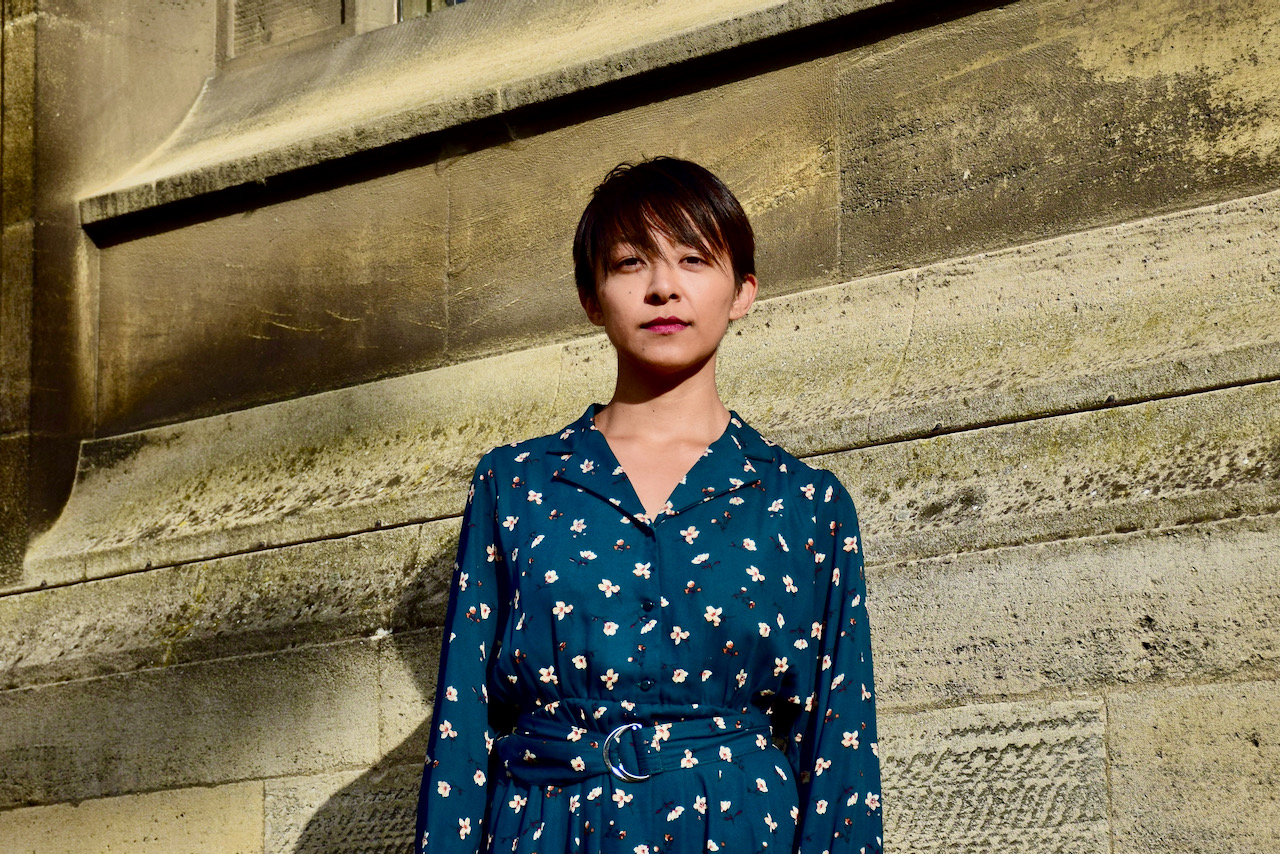
Jessica Fernandez De Lara Harada
- Alumni
- Mexico
- 2016 PhD Latin American Studies
- Emmanuel College
Jessica Fernandez De Lara Harada
- Alumni
- Mexico
- 2016 PhD Latin American Studies
- Emmanuel College
Jessica is a qualified lawyer and human rights defender with over five years of experience in legal practice, research and advocacy work. Her doctoral research examined the overlooked historical experience of Asians in Latin America. In particular, she focused on the experiences of Mexicans of Japanese origin across five generations in relation to the 'mestizo' racial system, citizenship and state violence, as well as repertoires of resistance in Mexico. This study built upon her master’s dissertation on graphic novel representations of mestizaje, the positioning of afro-descendants, and the operation of race and racism in Mexico from a transnational lens. Her research interests include the trans-pacific history of racialised exclusion and belonging, nation-state building, and imperial and colonial formations in twentieth century Mexico. Previously, Jessica completed an MA in Latin American Studies (with Distinction) at University College London, and a BA (First Class Honours) in Law at Universidad Nacional Autónoma de México. She was a Research Fellow at the Centre for Historical Studies at El Colegio de México; co-founder of the CRASSH Graduate Research Group 'Power and Vision: The Camera as Political Technology'; and co-organiser of the conference Memories in Transit, supported by The Centre for the Study of Global Human Movement, at the University of Cambridge, and the British Academy.
Previous Education
University College London
Universidad Nacional Autonoma de Mexico
Janeen Fernando
- Alumni
- Sri Lanka
- 2012 MPhil International Relations
- St Edmund's College
Janeen Fernando
- Alumni
- Sri Lanka
- 2012 MPhil International Relations
- St Edmund's College
An undergraduate in Sociology from the University of London (LSE) and a Gates Scholar when reading for an MPhil in International Relations I went on to work in Sri Lanka's only multidisciplinary think tank, Verite Research., based in Colombo Sri Lanka and as head of politics I managed all research, advisory and projects in the politics research stream. This included editorial management of the weekly media analysis, Verite's signature publication on tracking perceptions on key political and economic issues in Sri Lanka and manthri.lk, Sri Lanka's pioneering parliamentary monitoring platform.
I now work for he United Nations in Sri Lanka as the Reconciliation and Development Specialist

Liyanage Fernando
- Alumni
- Sri Lanka
- 2001 MPhil Veterinary Science
- Churchill College
Liyanage Fernando
- Alumni
- Sri Lanka
- 2001 MPhil Veterinary Science
- Churchill College
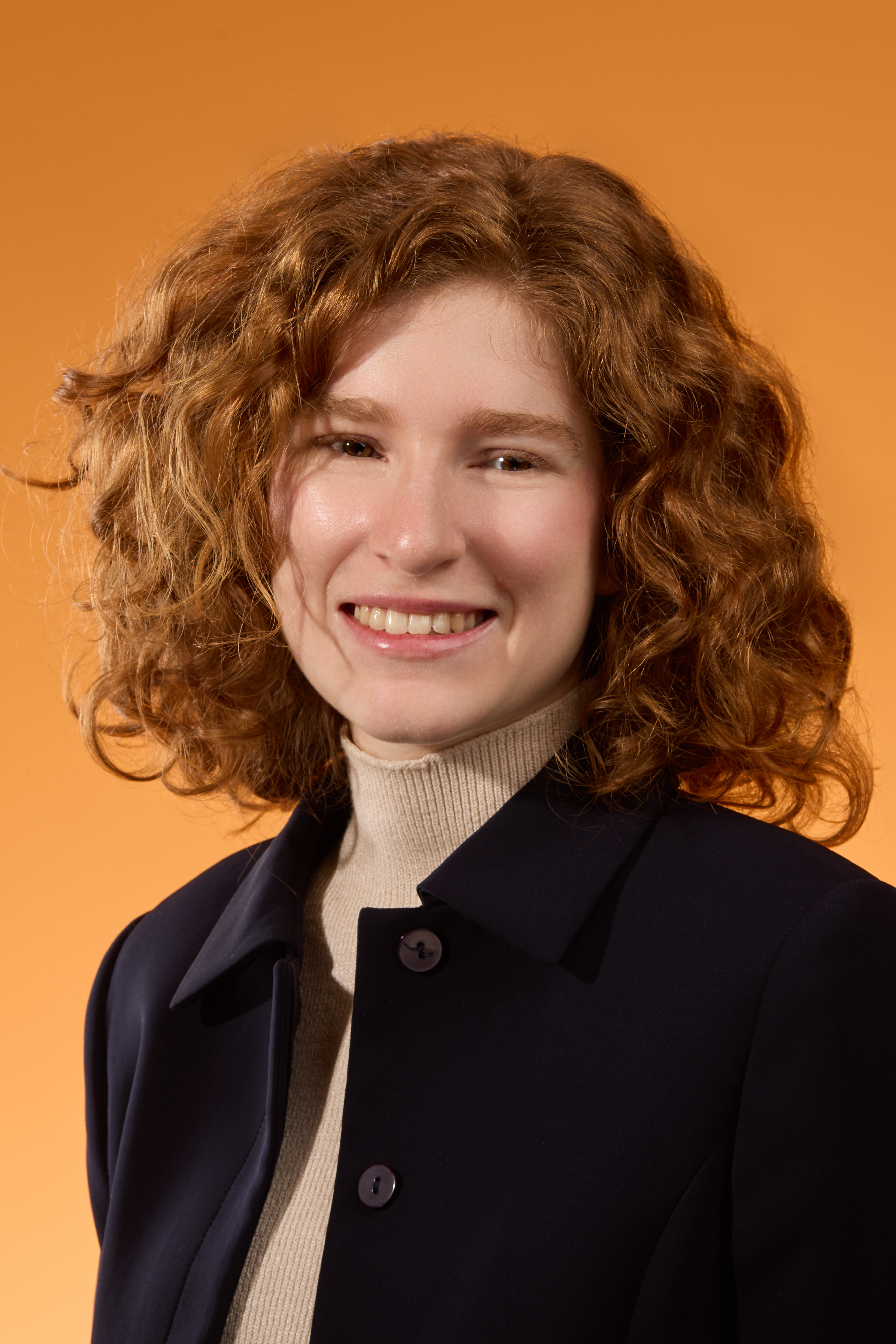
Ana Luisa Ferreira Granja
- Scholar
- Brazil
- 2025 PhD Chemistry
- Corpus Christi College
Ana Luisa Ferreira Granja
- Scholar
- Brazil
- 2025 PhD Chemistry
- Corpus Christi College
I grew up in Rio de Janeiro, Brazil and later moved to Vancouver to pursue a BSc. in Chemistry at the University of British Columbia. In my research, I combined my interests in fundamental reactivity with my passion for sustainability by developing ways to make new biodegradable materials, and studying catalysts for energy storage and carbon dioxide conversion. During my PhD, I hope to leverage biological principles to develop artificial metalloenzymes with novel reactivity. With this research, I seek to harvest nature’s catalytic abilities and use them to tackle global issues such as access to medical treatment and water remediation. I am thrilled to join the Gates Cambridge cohort and work with driven scholars from all over the world!
Previous Education
University of British Columbia Chemistry Honours
Isabella Ferreira
- Alumni
- South Africa
- 2019 PhD Medicine
- Corpus Christi College
Isabella Ferreira
- Alumni
- South Africa
- 2019 PhD Medicine
- Corpus Christi College
I grew up in KwaZulu-Natal, South Africa, the epicenter of the HIV epidemic. This greatly influenced my research interests. I pursued an undergraduate at the University of Cape Town, majoring in genetics and psychology, which gave me the ground tools to understand both the basic science research and the human side of HIV infection. During my Master’s degree at the Africa Health Research Institute in Durban, I have been identifying the cellular HIV reservoir in lymph nodes from antiretroviral suppressed individuals. Whilst pursuing a PhD in Medicine at Cambridge, I will seek to understand how different cell types that make up the cellular HIV reservoir interact and become permissive to HIV infection. By understanding these interactions, I will be able to identify key pathways that can be manipulated therapeutically to reduce or eradicate the HIV reservoir, allowing for a functional cure. Achieving a functional cure is of immense importance as we currently do not have a cure and it is unsustainable for individuals living with HIV to take daily medication for the rest of their lives, especially in the developing world, where access to medication may be limited. I am honoured to be a part of the Gates Cambridge community and look forward to working and collaborating with like-minded scholars who are committed to improving the lives of others.
Previous Education
University of Kwazulu-Natal Virology 2019
University of Kwazulu-Natal Genetics 2017
University of Cape Town Genetics & Psychology 2015
Sky Feuer
- Alumni
- United States
- 2010 MPhil Biological Science (Genetics)
- Churchill College
Sky Feuer
- Alumni
- United States
- 2010 MPhil Biological Science (Genetics)
- Churchill College
I am interested in exploring how environmental experiences affect gene expression in relation to acquisition and heritability of disease. At Cambridge, I completed an MPhil focusing on chromatin regulation in the nematode C. elegans.
Ashley Fidler
- Alumni
- United States
- 2014 MPhil Chemical Engineering & Biotechnology
- Churchill College
Ashley Fidler
- Alumni
- United States
- 2014 MPhil Chemical Engineering & Biotechnology
- Churchill College
As an undergraduate studying chemistry and biology at the College of William & Mary, I have had the opportunity to pursue several different research projects that span a spectrum of subjects from developmental biology to physical chemistry. As I have worked to understand the mechanisms regulating stem cell maintenance or to develop an assay that assesses small molecule-microRNA interactions, I have been impressed by the power of scientific research to not only reveal new information about our environment, but also to integrate ideas from disparate disciplines to generate novel solutions for our most difficult problems. At Cambridge, I will work to further develop spectroscopic techniques for the study of protein aggregation relevant to Parkinson’s disease in the Laser Analytics research group in the Department of Chemical Engineering and Biotechnology. I am honored to be able to undertake this project with the support of the Gates community.
Stephen Filippone
- Alumni
- United States
- 2014 MPhil Physics
- Churchill College
Stephen Filippone
- Alumni
- United States
- 2014 MPhil Physics
- Churchill College
I grew up in Los Fresnos, Texas on the southern border of the USA. I speak Spanish and am very proud of my Mexican heritage. I attended university in Baltimore, MD studying Materials Science and Engineering. The city of Baltimore, with its rich history, has become a second home to me. In my undergraduate career, I have worked on a wide variety of materials science related questions from improving the strength of cement, to simulating the fracture of amorphous polymer systems, to creating hybrid organic-inorganic p-n junctions. At Cambridge I will be focusing on understanding charge transfer in organic solar cells in an effort to improve their efficiency. Organic solar cell technology is rich with not only academic discovery but also huge potential to improve the lives of people living without access to electricity.
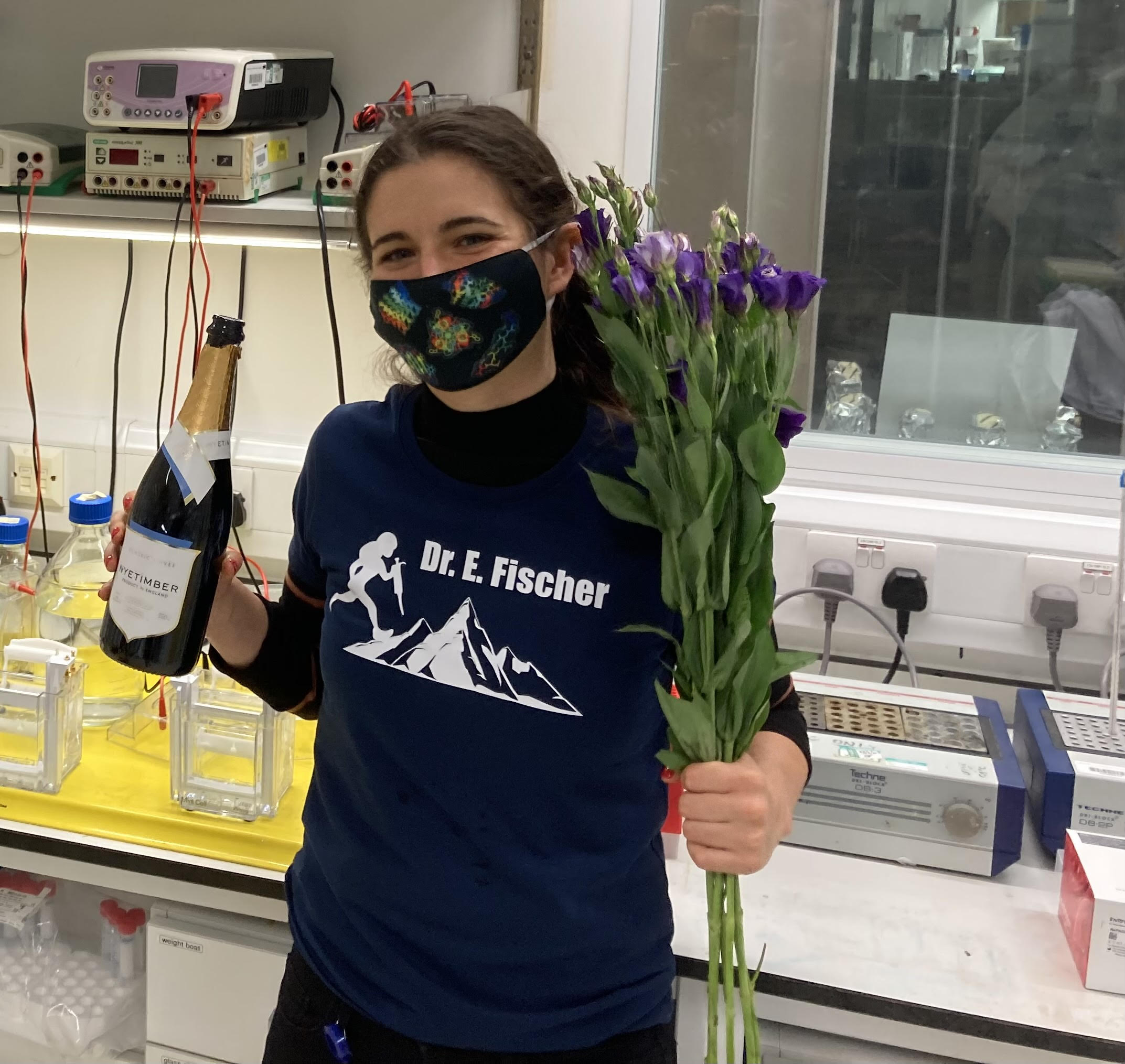
Elyse Fischer
- Alumni
- United States
- 2017 PhD Biological Science at the MRC Laboratory of Molecular Biology
- Churchill College
Elyse Fischer
- Alumni
- United States
- 2017 PhD Biological Science at the MRC Laboratory of Molecular Biology
- Churchill College
As a Gates Cambridge Scholar at the University of Cambridge, I completed my doctoral studies at the MRC Laboratory of Molecular Biology with Dr. David Barford. My work involved using cryo-electron microscopy (Cryo-EM), X-ray crystallography, and nuclear magnetic resonance spectroscopy (NMR) to study cell cycle regulation. My most exciting discovery was solving the molecular mechanism by which phosphorylation of a cell cycle checkpoint protein, Bub1, triggers kinetochore recruitment of another cell cycle checkpoint, Mad1. For this research I was awarded the Inaugural Whelan Young Investigator Award from the International Union of Biochemistry and Molecular Biology (IUBMB) and went on to co-found and lead an IUBMB initiative to support trainees.
After my PhD I returned to the USA, where I am now a protein designer at a Seattle-based start-up company called Monod Bio which uses de novo protein design and machine learning methods to create the next generation of therapeutic biosensors.
Previous Education
University of St Andrews
Links
Oliver Fischer
- Alumni
- Germany
- 2002 PhD Management Studies
- Peterhouse
Oliver Fischer
- Alumni
- Germany
- 2002 PhD Management Studies
- Peterhouse
Amelia Fitch
- Alumni
- United States
- 2016 MPhil Biological Science (Plant Sciences)
- Clare College
Amelia Fitch
- Alumni
- United States
- 2016 MPhil Biological Science (Plant Sciences)
- Clare College
Previous Education
University of Oregon
Zachary Fitzpatrick
- Alumni
- United States
- 2015 PhD Medicine
- Clare College
Zachary Fitzpatrick
- Alumni
- United States
- 2015 PhD Medicine
- Clare College
My undergraduate career at Louisiana State University has consisted of a unique and interdisciplinary array of influential experiences in medicine, science and public health, which have fueled my aspirations in making a meaningful impact in the rare diseases sector. Through clinical experience in chronic pain management as a phlebotomist and electrocardiogram technician, I developed a passion in serving underrepresented patient communities with unmet medical need. I’ve had the enriching opportunity to investigate primary immunodeficiencies and the development of gene-based therapies for debilitating genetic disorders, including hemophilia and neurofibromatosis, at The Children’s Hospital of Philadelphia and at The Massachusetts General Hospital and Harvard Medical School. This work has been greatly complemented by my studies in genetics and cancer immunology at the Pasteur Institute in Lille, France. With the intention of fostering evidence-based policy to improve healthcare access for individuals suffering from rare diseases, I have explored economic, ethical and public health-related obstacles in orphan drug development and distribution. Looking forward, I am eager and honored to begin my scientific journey at Cambridge, among scholars who are committed to the betterment of humanity, where I seek to investigate the molecular pathogenesis of and therapy development for lysosomal storage disorders under the mentorship of Dr. Timothy Cox.
Previous Education
Louisiana State University & Agricultural & Mechan
Luke Fletcher
- Alumni
- Australia
- 2010 PhD Politics & International Studies
- St Edmund's College
Luke Fletcher
- Alumni
- Australia
- 2010 PhD Politics & International Studies
- St Edmund's College
I have come to Cambridge after working for the last few years as an advocate on International Development Issues. My main areas of work have been past and current Australian aid and trade policy towards developing countries in the Asia-Pacific region and the impact of mining, oil and gas on developing countries and communities. I have also done some advocacy work on reform of certain global financial markets and institutions. For my PhD I hope to explore generally the origins and history of globalisation and intenational development, with a particular focus on the forces and institutions that produced the predominance of a particular model of development thinking.
Nils Flodén
- Alumni
- Sweden
- 2016 PhD Chemistry
- Christ's College
Nils Flodén
- Alumni
- Sweden
- 2016 PhD Chemistry
- Christ's College
Born and raised in Sweden, I moved to the UK in 2012 to study chemistry at Imperial College London. I was immediately captured by the science of constructing organic molecules. In the sense that organic chemistry is often about constructing things, it is somewhat similar to engineering but with a fundamental twist - we can’t see anything that we make. This makes the field really exciting and having done research in various areas of chemistry at Stockholm University, Imperial College London and the University of Cambridge, my PhD will focus on the functionalisation of carbon-hydrogen bonds. This area holds huge promise since these bonds exist in essentially every organic molecule important to human life and the ability to transform them will likely prove crucial in the development of drugs and functional materials in the future. My research will also make use of automated, computer-controlled technology which is currently transforming the chemical science as we know it. I am absolutely thrilled to be able to carry out this research in Cambridge over the coming years and to join the Gates Cambridge community of scholars from all over the planet.
Previous Education
Imperial College London
Amparo Flores
- Alumni
- United States
- 2006 PhD Engineering
- St John's College
Amparo Flores
- Alumni
- United States
- 2006 PhD Engineering
- St John's College
Born in the Philippines, I moved to California in 1989. My past education and experience have been grounded in environmental engineering, specifically water and sanitation issues, but I hope to explore related socio-economic and policy issues at Cambridge. My research here is focused on developing ecological sanitation alternatives for urban areas in both developing and industrialized countries. I'm also hoping to round out my technical education with courses in the humanities and interactions with people from other disciplines. After Cambridge, I plan to return to public service and eventually pursue a leadership position in environmental management and policy.
Kenneth Fockele
- Alumni
- United States
- 2008 MPhil European Literature
- Pembroke College
Kenneth Fockele
- Alumni
- United States
- 2008 MPhil European Literature
- Pembroke College
In college, I came to study German almost accidentally, drawn by inspiring professors. There I found my intellectual home, but I became part of other communities as well, through soccer, running, and volunteer programs. I taught a writing class at the local arts council and directed a mentoring program that matched Princeton students with local children. Thanks to a DAAD Fellowship for study in Berlin in 2007-2008, I was able to continue research I had done for my senior thesis on medieval Geman courtly love poetry. At Cambridge and later at UC Berkeley, I deepened and broadened my study of medieval German literature. My MPhil and PhD research focused on the aesthetics and politics of courtly lyric. I examined the literary techniques that poets used to craft individual personae to distinguish themselves as members of an aesthetic elite. Since finishing the PhD, I have worked in politics and government in Washington state, where I am now a speechwriter for the Senate Democratic Caucus at the state legislature.
Gavin Foh
- Alumni
- Singapore
- 2003 PhD Engineering
- Churchill College
Gavin Foh
- Alumni
- Singapore
- 2003 PhD Engineering
- Churchill College
Currently working in the Finance industry in Singapore.
