



Susannah Hollister
- Alumni
- United States
- 2001 CPGS History of Art
- Robinson College
Susannah Hollister
- Alumni
- United States
- 2001 CPGS History of Art
- Robinson College
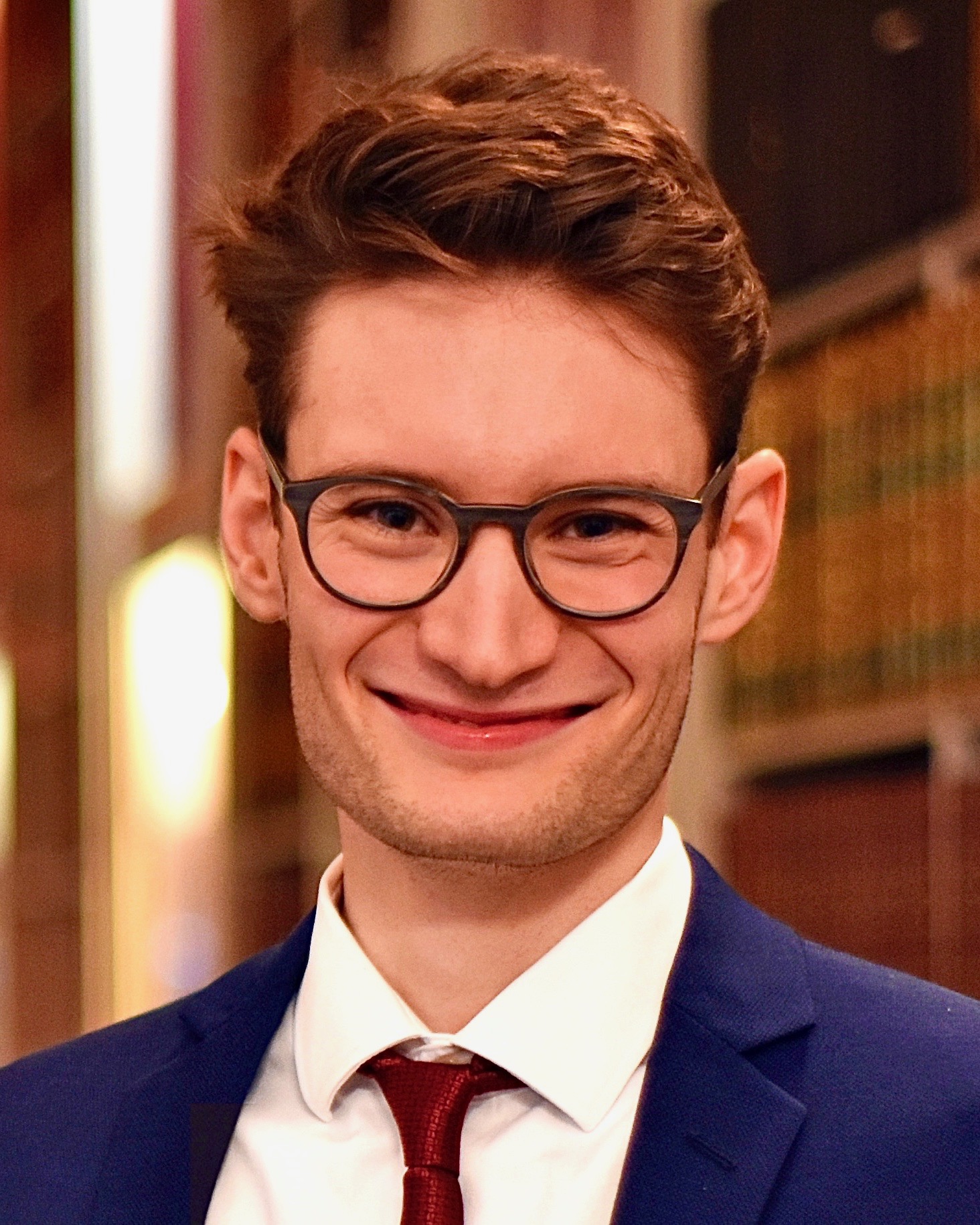
Andre Holzer
- Alumni
- Germany
- 2016 PhD Plant Sciences
- Christ's College
Andre Holzer
- Alumni
- Germany
- 2016 PhD Plant Sciences
- Christ's College
Summary biography:
Andre completed a BSc degree in Molecular Biotechnology before he focused towards computational biology during his MSc. After graduating from Heidelberg University in 2017, he started his PhD at Cambridge where his research is investigating open questions in the evolution of B vitamin dependencies, microbial interactions as well as the role of transposable elements in algae by applying multi-genomic approaches. In parallel, he is co-leader of the citizen science project PuntSeq (www.puntseq.co.uk) which is employing novel real-time DNA sequencing to monitor microbial composition of freshwater sources. Andre became a Gates Cambridge Scholar in 2016.
Philosophy & Research:
Our world is facing many threats including pollution, climate change, world hunger, etc.. It is my conviction that decisive action must be taken by us in order to influence how the world will change and to provide an acceptable future for our descendants. Thus, I understand my passion in natural sciences as a mission to understand nature's bigger concepts, to develop new techniques and helpful applications that will improve the future. I was born in a small town in Germany and ever since grammar school I feel a strong interest in natural sciences. As a BSc and MSc student studying Molecular Biotechnology at Heidelberg University, I gained profound education in the fields of modern life sciences and obtained intensive research experiences in the interdisciplinary areas of bioinformatics, biophysics and drug discovery. I joined many international labs and conducted diverse studies covering topics such as optical nanoscopy, cancer research, bacterial signalling and algal ecology. Subsequent to our recent discovery of vitamin B12 remodelling in algae, my PhD at Cambridge will continue existing work on algal-bacterial interaction. My dissertation aims to significantly improve the understanding of algal metabolism and bacterial signalling in order to gain fundamental insights in B12 cycling, algal-bacterial symbiosis and complex microbial ecosystems which is essential for many biotechnological purposes such as the production of renewable energy sources or B12 supplying medicine.
Previous Education
University of Heidelberg
Links
https://www.plantsci.cam.ac.uk/directory/holzer-andre
https://www.facebook.com/AndreHolzerGates
https://www.linkedin.com/in/andre-holzer-gatescambridge
Karen Hong
- Alumni
- United States
- 2015 MPhil Public Health
- St John's College
Karen Hong
- Alumni
- United States
- 2015 MPhil Public Health
- St John's College
I am a practicing ophthalmologist in San Francisco. My interests include new innovations in glaucoma surgery and implementation of teleophthalmology in Nepal.
Previous Education
Johns Hopkins University
Stanford University
Yung-Gi Hong
- Alumni
- Korea, Republic of
- 2001 MPhil Economics
- Wolfson College
Yung-Gi Hong
- Alumni
- Korea, Republic of
- 2001 MPhil Economics
- Wolfson College
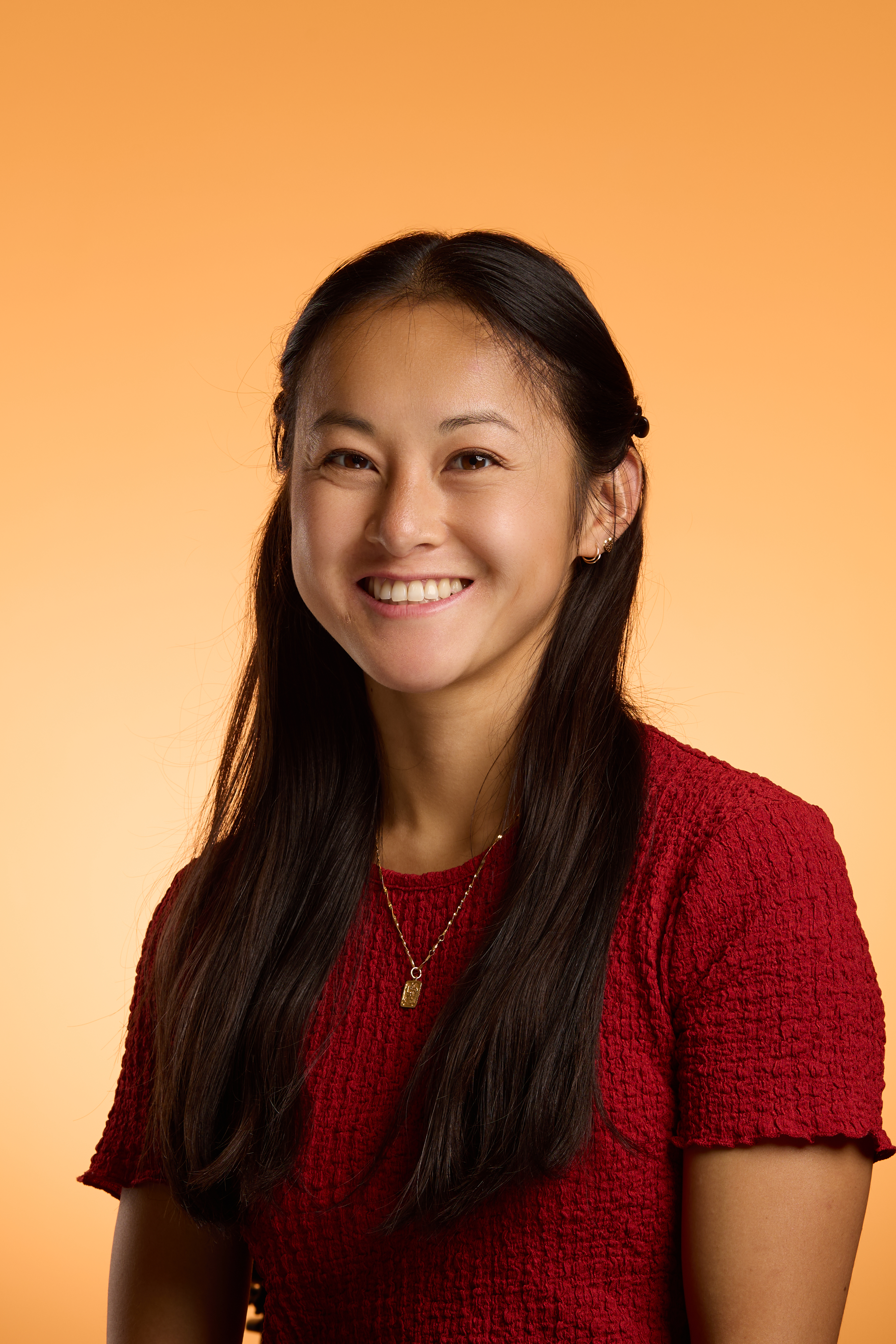
Isabelle Hoover
- Scholar
- United States
- 2025 PhD History of Art
- Jesus College
Isabelle Hoover
- Scholar
- United States
- 2025 PhD History of Art
- Jesus College
I grew up in central Ohio and completed my undergraduate studies in Art History and Classical Languages at the College of Wooster. While there, I was exposed to the study of art and its historical and cultural importance. Entering Cambridge’s MPhil Program in Art History upon my graduation ingrained in me a love for research and writing, and I am honored to be studying once again at Cambridge. During my PhD, I will examine the presence of painted fictive stone in Italian Renaissance altarpieces and the notion of pseudo-materiality, engaging with ancient and medieval ideas concerning natural and holy matter, reality, and the divine. Through this research, I hope to glean greater insight into our own contemporary relationships with reality, meaning, and systems of belief in the face of rapidly evolving methods of communication and the development of artificial intelligence.
Previous Education
University of Cambridge MPhil in History of Art 2023
The College of Wooster B.A. in Classical Languages and Art History 2018
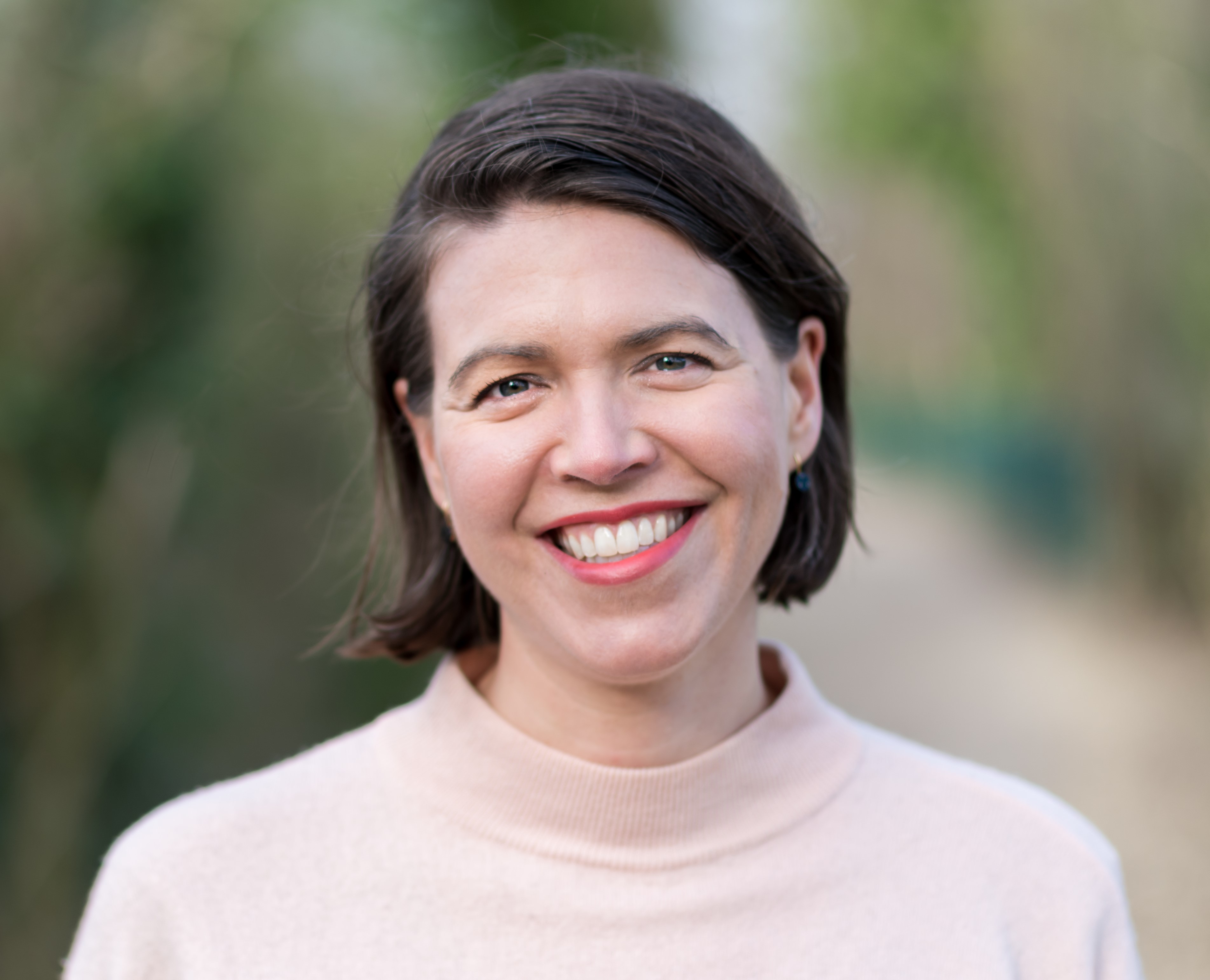
Hanna Hörnberg
- Alumni
- Sweden
- 2009 PhD Physiology, Development and Neuroscience
- Murray Edwards College (New Hall)
Hanna Hörnberg
- Alumni
- Sweden
- 2009 PhD Physiology, Development and Neuroscience
- Murray Edwards College (New Hall)
I am a junior group leader of the Molecular and Cellular basis of Behavior group at MDC in Berlin. We are interested in the biology underlying social and emotional behaviors. We study how the biological signature of neural networks regulating these behaviors differ based on genetic background or previous experiences, and how this influences the response to social situations.
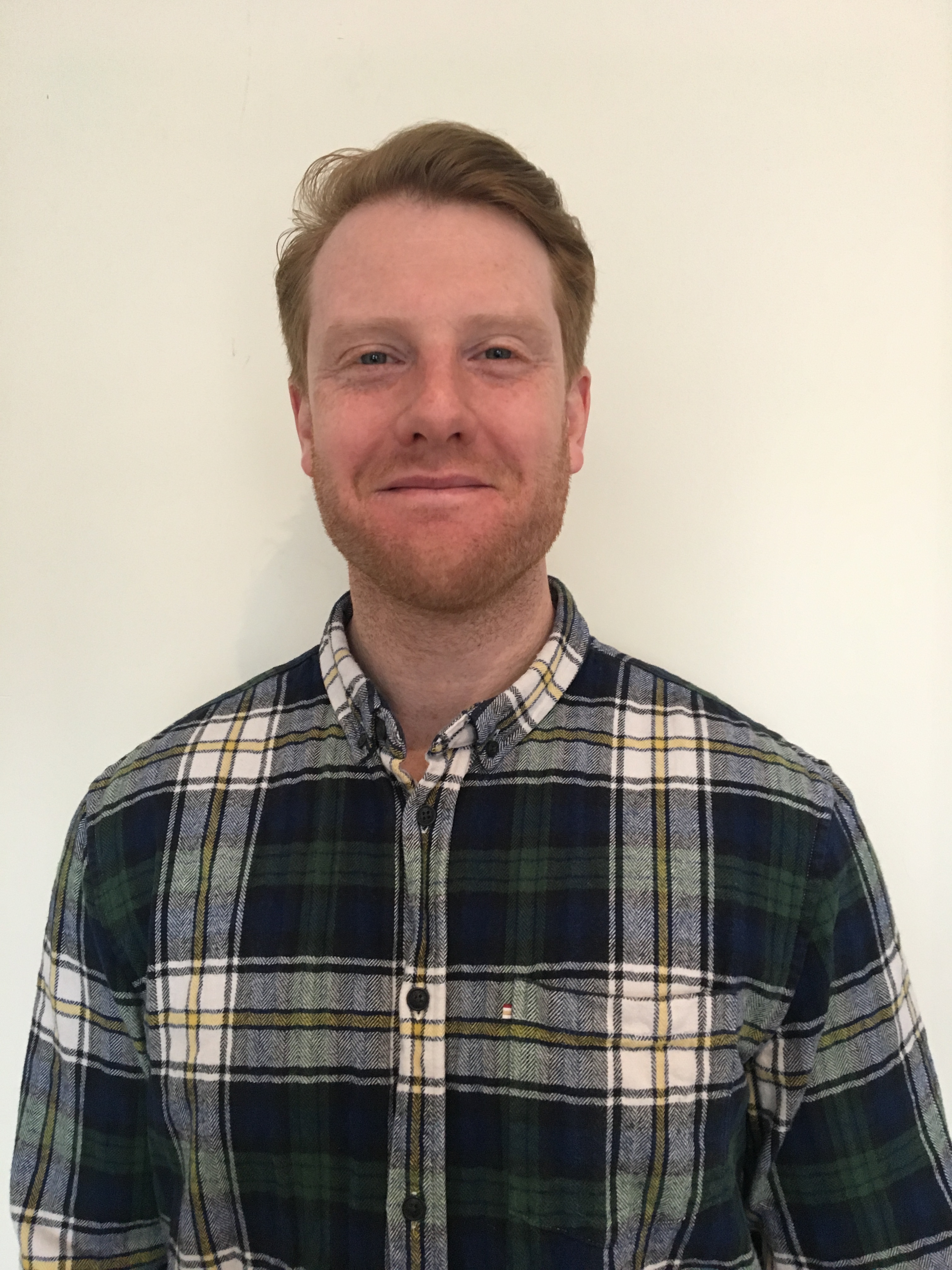
Alexander Horne
- Alumni
- Australia
- 2018 PhD Philosophy
- Trinity College
Alexander Horne
- Alumni
- Australia
- 2018 PhD Philosophy
- Trinity College
I studied philosophy and law at the University of Sydney. After finishing my undergraduate degrees, I completed a Master of Laws by research, also at the University of Sydney. In my research I asked how we should think about law, whether constructive interpretation was necessary and, if it was, whether it could generate truths. While completing my Master of Laws, I also worked as a lawyer at one of Australasia’s top law firms and volunteered with the Refugee Advice and Casework Service, the National Children’s and Youth Law Centre and Salvos Legal Humanitarian. This year, I have been studying for my MPhil in Philosophy at Cambridge. My current research is about reasons, personality, luck, choices and justice. I will continue that research in my PHD, asking questions about the relationships between normativity and the self, choice and identity, and luck and responsibility. I hope to use my research to develop a framework for thinking about the choices that matter from the perspective of distributive justice. I am immensely grateful to Gates Cambridge for giving me the opportunity to pursue my research and for inviting me to join such a wonderful community of scholars.
Previous Education
University of Sydney
University of Cambridge
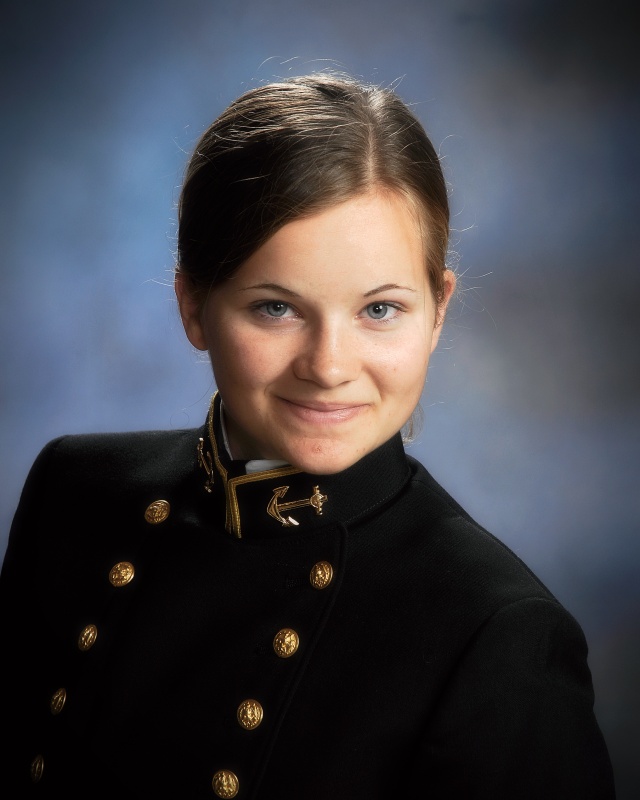
Megan Hough
- Alumni
- United States
- 2016 MPhil Nuclear Energy
- Lucy Cavendish College
Megan Hough
- Alumni
- United States
- 2016 MPhil Nuclear Energy
- Lucy Cavendish College
Growing up in a military family, I knew from a very young age that I wanted to serve in the military. I followed this dream and my passion for engineering to the United States Naval Academy where I studied nuclear engineering. Upon graduation, I was commissioned to serve in the submarine community. I am fortunate enough to continue my education at Cambridge University where I plan to study Nuclear Energy. My research interests include developing new technologies to improve the reliability, efficiency and safety of nuclear reactors, as well as promoting engineering education. In my career, I hope to combine technical and operational expertise learned from the operation of nuclear power plants in the submarine environment to promote the safe use of nuclear energy as a reliable green technology. As a woman in the nuclear engineering field, I hope to inspire girls to pursue science, technology and engineering careers. I am incredibly honored to be a part of the Gates Cambridge scholar program and work together with young leaders dedicated to serving others.
Previous Education
United States Naval Academy

Emma Houiellebecq
- Alumni
- Canada, United Kingdom
- 2016 MPhil Engineering for Sustainable Development
2021 PhD Engineering - St John's College
Emma Houiellebecq
- Alumni
- Canada, United Kingdom
- 2016 MPhil Engineering for Sustainable Development
2021 PhD Engineering - St John's College
I have always been fascinated in how to approach complex problems. This fascination first led me to study Civil Engineering as an undergraduate, and Engineering for Sustainable Development as a graduate, where I was able to gain skills that would allow me to contribute to real challenges in the world. Over recent years, I have put these skills into practice while working with NGOs and the International Committee of the Red Cross in countries affected by disaster or conflict in southern and eastern Africa and the Middle East. During these experiences, I have seen how challenging it can be to respond to complex urban crises where, over time, the additional strain on services and the eventual degradation of public infrastructure compounds the likelihood of wide-scale public health crises. At Cambridge, my research will explore how to strengthen the resilience of essential infrastructure and services in fragile urban contexts which are faced by a convergence of protracted insecurity, climate risks, and environmental degradation. I am honoured to have been selected for a Gates Cambridge Scholarship and I look forward to joining a cohort of inspirational leaders and scholars who are contributing to real change in this world.
Previous Education
University of Cambridge Eng. for Sust. Development 2017
University of British Columbia Civil Engineering 2013
Clare Howard
- Alumni
- United States
- 2010 MPhil Biological Science
- Churchill College
Clare Howard
- Alumni
- United States
- 2010 MPhil Biological Science
- Churchill College
As an undergraduate neuroscience major at Amherst College I developed a deep interest is the field of early neurological development and, in particular, how the plasticity inherent in this period may be harnessed to create therapies for neurological disorders. I am looking forward to continuing my study of developmental neurobiology as an MPhil student at Cambridge in the lab of Dr. Andrea Brand, where I will be exploring the genetics underlying neural stem cell differentiation and how an understanding of these mechanisms may be used to unlock cells’ regenerative potential. I hope that this experience will provide me with a solid grounding in the basic molecular biology that governs stem cell transitions, giving me a strong background on which I will be able to build in my future work. After Cambridge, I plan to pursue a career as a physician-scientist studying neurodevelopmental disorders and working to translate basic scientific discoveries from the bench to the bedside.
Previous Education
Amherst College BA in Neuroscience 2010
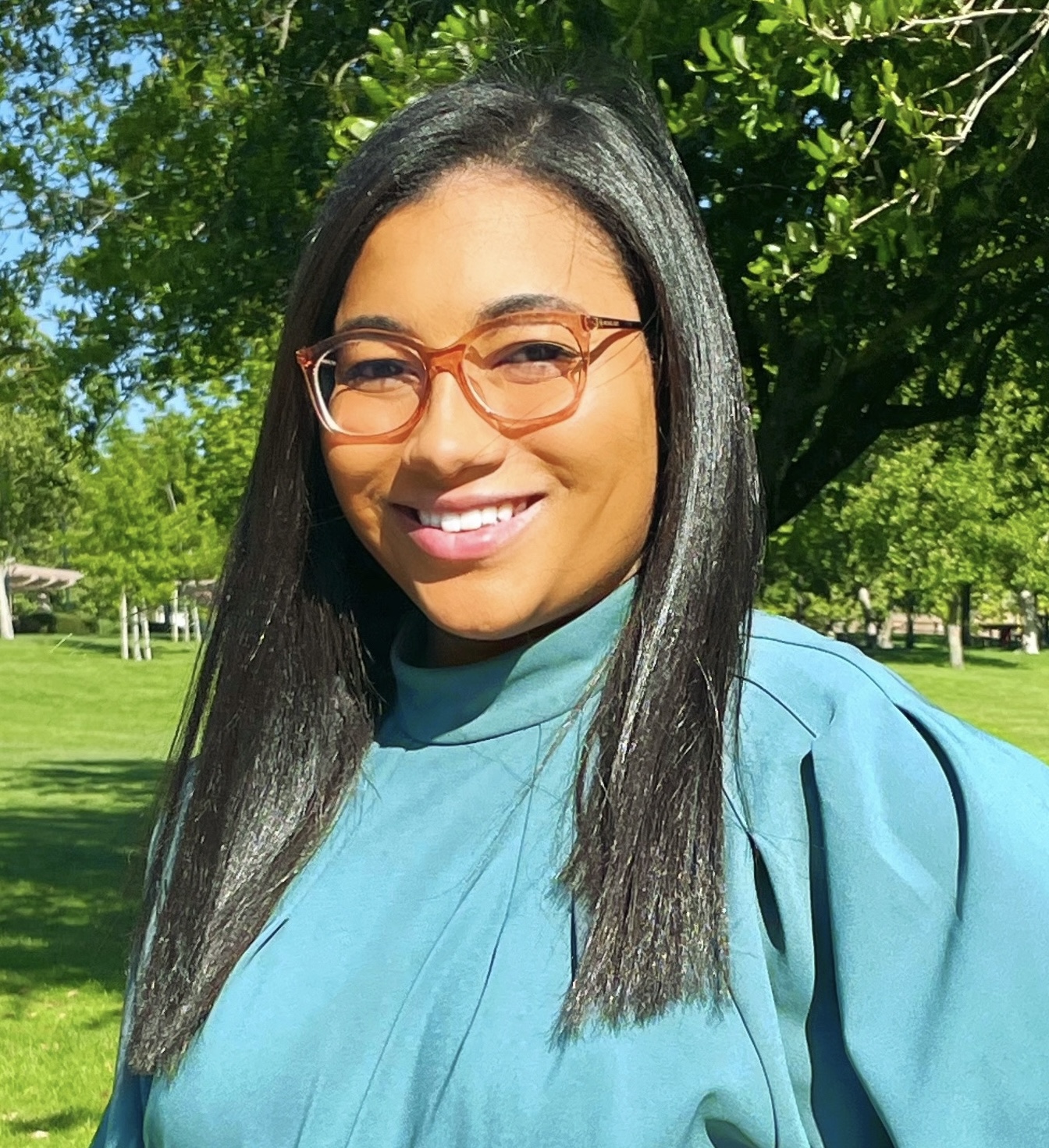
Haley Howard
- Alumni
- United States
- 2022 MPhil Multi-disciplinary Gender Studies
- King's College
Haley Howard
- Alumni
- United States
- 2022 MPhil Multi-disciplinary Gender Studies
- King's College
I grew up in the San Francisco Bay Area and attended Santa Clara University. During my undergraduate studies, I earned a B.S. in Political Science and Ethnic Studies with a minor in Religious Studies. Through my courses and work as a research assistant, I became interested in using academia and scholarship to fight against the erasure of Black women’s narratives. As a student of Multi-disciplinary Gender Studies at Cambridge, I plan to continue this work by reexamining the Enlightenment with an expanded historiographical perspective to include those who have seldomly been uplifted as representations of the era: enslaved women. Ultimately, my objective is to explore how women with absolutely no social or legal control over their own bodies, minds, and spirits confronted an era centered around freedom and the pursuit of happiness. My hope is that this kind of archival excavation will help us address current international and personal traumas with policy solutions contextualized by historical circumstances. I am incredibly honored to have the opportunity to join the Gates Cambridge community and conduct research in an environment that prioritizes equity and global social change.
Previous Education
Santa Clara University POLI SCI & ETHN STDS 2021
Ian Hsu
- Alumni
- United States
- 2012 MPhil Social Anthropological Analysis
- King's College
Ian Hsu
- Alumni
- United States
- 2012 MPhil Social Anthropological Analysis
- King's College
Previous Education
Johns Hopkins University 2014
University of Michigan Neuroscience 2009
Connie Hsueh
- Alumni
- United States
- 2015 MPhil Physics
- Churchill College
Connie Hsueh
- Alumni
- United States
- 2015 MPhil Physics
- Churchill College
Previous Education
California Institute of Technology
Johnny Hu
- Alumni
- United States
- 2011 MPhil Biological Science
- Darwin College
Johnny Hu
- Alumni
- United States
- 2011 MPhil Biological Science
- Darwin College
PhD Student in Biological and Biomedical Sciences at Harvard University. Working on developing new genome editing technologies in Professor David Liu's and Professor George Church's lab.
Sabrina Hu
- Scholar
- United States
- 2023 PhD Chemistry
- Queens' College
Sabrina Hu
- Scholar
- United States
- 2023 PhD Chemistry
- Queens' College
Growing up in Houston, Texas, I experienced and saw firsthand the destructive impacts of climate change as hurricanes increased in both frequency and severity over only the last decade. While attending Washington University in St. Louis, I found myself drawn to chemistry not only because of its unique way of understanding our world, but also because of its unmatched ability to drive technological innovation, better the lives of others, and protect our natural environment. During my PhD in Chemistry, I will focus on synthesizing and applying a particular class of supramolecular cages. These complex architectures can utilize host-guest chemistry in a variety of applications related to climate change mitigation and adaptation, from providing a greener way to perform industrial chemical separations to solar-driven desalination. Additionally, I hope to use my scientific background to contribute to climate policy in the ongoing effort to address the complicated, interdisciplinary issue of climate change and its effects. I am honored to join the Gates Cambridge community, comprised of people who are all dedicating their studies to improving the world for both our generation and those that come after us.
Previous Education
Washington University Chemistry 2023

Tiancheng Hu
- Alumni
- China
- 2022 PhD Computation, Cognition and Language
- Wolfson College
Tiancheng Hu
- Alumni
- China
- 2022 PhD Computation, Cognition and Language
- Wolfson College
I was born and raised in the beautiful city of Nanjing, China. I was then fortunate to be able to study electrical engineering at the University of Texas at Dallas. There, in the second half of my bachelor's studies, I was introduced to the world of machine learning and became amazed by its potential in improving our society in a large variety of application areas. I worked on the computational modeling of driver visual attention which could help reduce car accidents caused by driver distraction. Afterward, I went on to pursue a master's degree in Electrical Engineering and Information Technology at ETH Zürich, where my interest in natural language processing started to grow. I worked on several projects including one on protest event extraction from newspaper data. In my PhD, I plan to work on natural language processing and computational social science. I am interested in building and applying computational methods to text data to learn about society.
Previous Education
Swiss Federal Institute of Technology Signal Processing and ML 2022
University of Texas Dallas Electrical Engineering 2020
Links
https://tiancheng.hu
https://www.linkedin.com/in/tiancheng-hu-ai
Xiaobing Hu
- Alumni
- China
- 2002 PhD Materials Science and Metallurgy
- Downing College
Xiaobing Hu
- Alumni
- China
- 2002 PhD Materials Science and Metallurgy
- Downing College
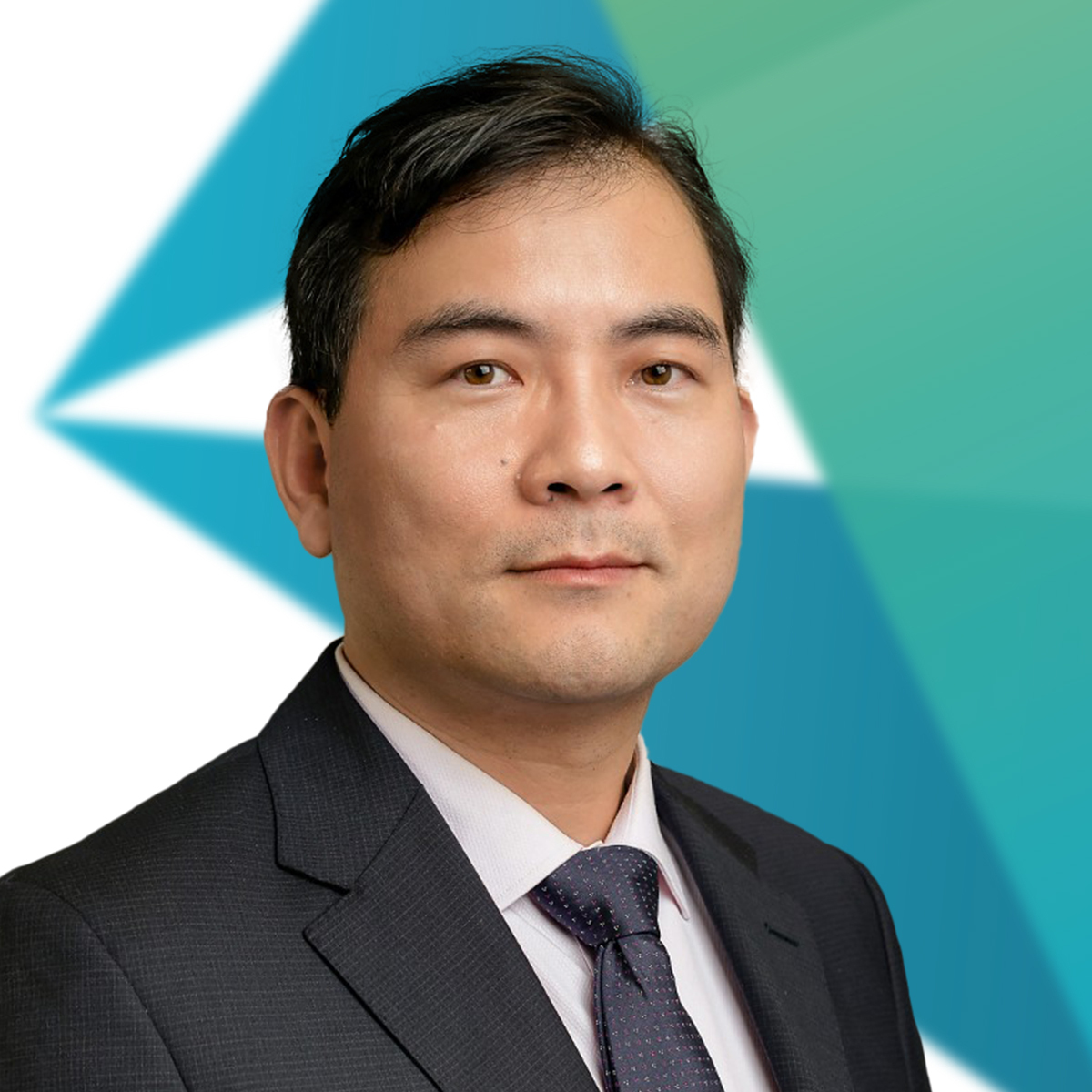
Dr. Xiaobing Hu is Head of Applied Solutions group in Hexagon's Manufacturing Intelligence division. As a Gates Scholar, he obtained his PhD degree in Materials Science from University of Cambridge, UK, in 2006. He also gained his Bachelor’s and Master’s degrees from Tsinghua University, China (in Materials Science & Engineering; Computer Science).
Previous Education
Tsinghua University Materials Science 1995
Tsinghua University
Yang Hu
- Alumni
- China
- 2011 PhD Sociology
- Queens' College
Yang Hu
- Alumni
- China
- 2011 PhD Sociology
- Queens' College
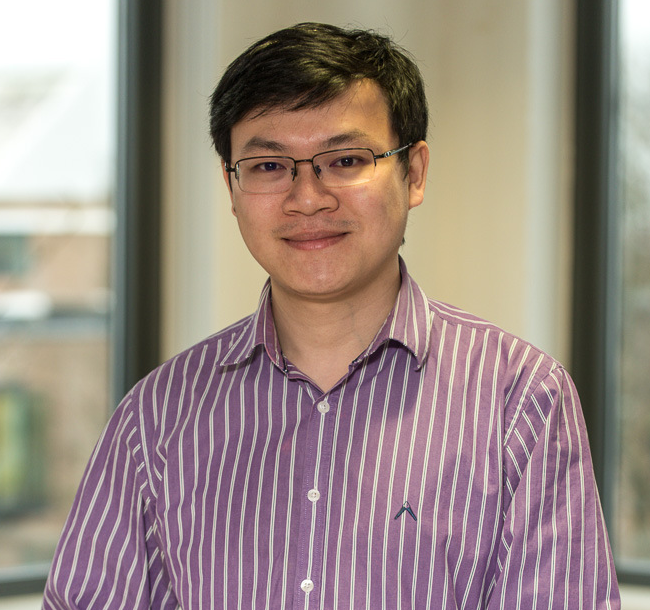
Yang Hu (he/him/his) is Associate Professor in Sociology at UCL Social Research Institute (2025–), where he also leads the newly launched MSc Sociology (+ Data Science | Social Inequalities | Childhood and Children's Rights MA). Yang is a member of the UK 2029 REF (Research Excellence Framework) sub-panel for Sociology. He is co-director of the Early Career Fellowship Program at the Work and Family Researchers Network (2024–). He is an editorial board member of the Journal of Marriage and Family (2020–) and Sociology Compass (2020–), and previously Sociology (2020–2022). He is also a member of the UNESCO Inclusive Policy Lab (2023–). Yang has been named in the Stanford-Elsevier World's Top 2% Scientists list for citations since 2022. Before joining UCL, Yang was Professor of Global Sociology (2022–2025), Associate Professor (2019–2022) and Assistant Professor (2016–2019) at Lancaster University, UK, where he remains an honorary fellow at the Lancaster University China Centre. Yang's leadership in global digital innovation and international partnerships was recognised through two University Staff Awards ("International Impact of the Year") and one Faculty of Arts and Social Sciences Dean's Staff Award at Lancaster University. Yang's research examines family and work changes and inequalities in a global context, including: Intersectional inequalities in family and work lives across the lines of gender, sexuality, ethnicity/race, age, migrant status, and social class. The implications of digitalisation and AI (artificial intelligence) for family and work lives and inequalities. The role of crises (e.g. COVID-19 pandemic and natural disasters) in reproducing existing and giving rise to new forms of intersectional inequalities in family and work lives. Yang takes two approaches to the "global" in his research – the first features a cross-national comparative scope and the second focuses on transnational mobilities. His recent research has been published in journals such as Nature Human Behaviour, Gender & Society, Demography, Journal of Marriage and Family, and European Sociological Review, British Journal of Sociology, among others. His research has frequently been recognised through international awards and most-read/cited status. Yang's research has received funding (> £1.5 million) from the UKRI/ESRC (UK), SSHRC (Canada), British Academy (UK), HEFCE (UK), and Nuffield Foundation (UK). He is a member of the ESRC (UK) Peer Review College, and he regularly serves as a panel member/reviewer for international funding bodies, including NWO (Netherlands), ERC (Europe), SSHRC (Canada), and SNSF (Switzerland). Yang was an early career fellow at the Work and Family Researchers Network (2018–2019). He obtained his MPhil and PhD (with no corrections) in Sociology as a Gates Scholar from the University of Cambridge (Queens’ College, October 2015), and his BA from Zhejiang University, China (2010).
Previous Education
University of Cambridge MPhil in Soiciology
Zhejiang University B.A. in British Literature and Linguistics
