


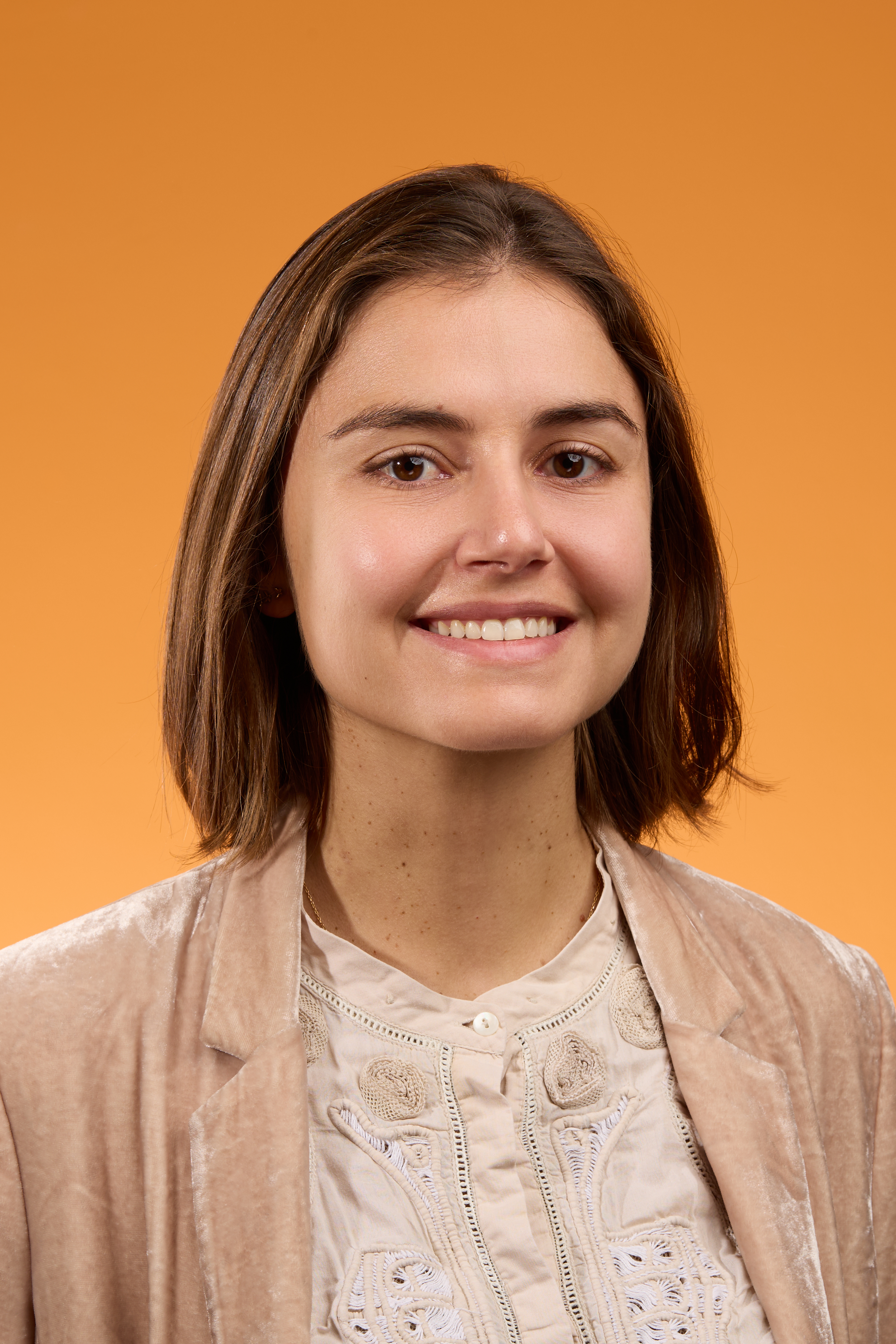
Catalina Hierro Hernandez-Mora
- Scholar
- Spain
- 2025 PhD Law
- Gonville and Caius College
Catalina Hierro Hernandez-Mora
- Scholar
- Spain
- 2025 PhD Law
- Gonville and Caius College
Losing my mother shortly before starting law school deepened my empathy for the suffering of others. Paired with a strong sense of justice, it led me to discover my calling in defending human rights. After qualifying as a lawyer in Spain, I pursued an LLM in Public International Law and International Human Rights Law at the London School of Economics, where I began to study the most heinous of international crimes: genocide. I couldn’t stop asking myself: how could states fail to do more to prevent such a devastating crime, one that wounds not only the targeted group but humanity as a whole? Through my PhD research at Cambridge, I aim to enhance state compliance with the duty to prevent genocide by developing a set of criteria for allocating individual state obligations under this collective duty. I also seek to critically assess the Genocide Convention and the role of the UN Security Council, with the goal of helping realise their unfulfilled potential as instruments of genocide prevention and as pillars of the international rule of law. I am deeply honoured to pursue this journey as a member of the Gates Cambridge community, among individuals who, like me, are committed to leaving the world better than they found it.
Previous Education
London School of Economics Master of Laws (Public International Law) 2024
Universidad Carlos III de Madrid Master of Access to Legal Practice 2021
Universidad Pontificia Comillas Law and Business Administration 2019
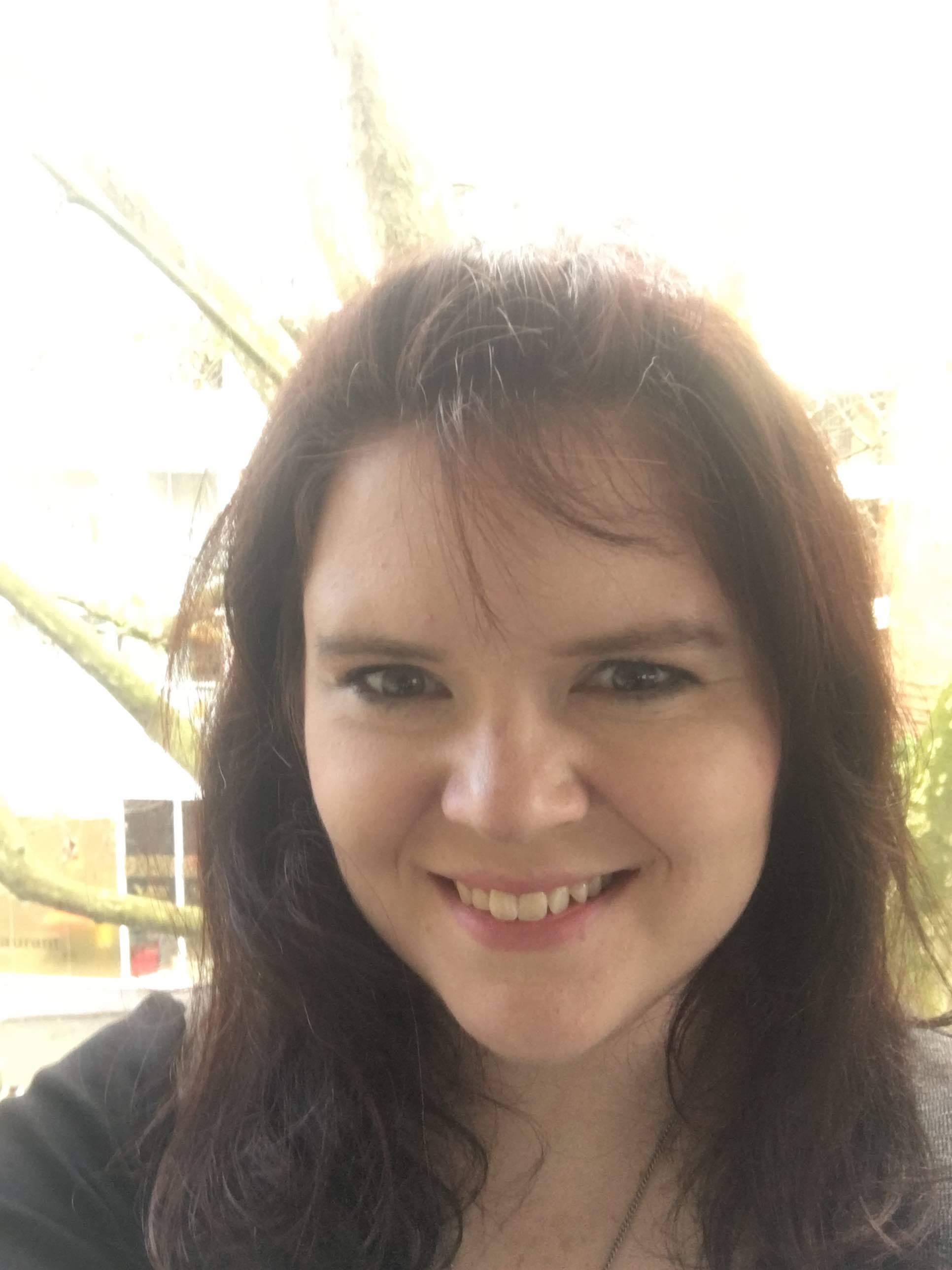
Annalise Higgins
- Alumni
- New Zealand
- 2016 PhD History
- Trinity College
Annalise Higgins
- Alumni
- New Zealand
- 2016 PhD History
- Trinity College
As a historian, I thrive on imagining the past and asking the question ‘why?’. Growing up in New Zealand surrounded by many stunning landscapes, I have developed a strong interest in how people think about the natural world. These interests were inspired and refined by the opportunity to complete a BA in History and Psychology, and a BA(Hons) and MA in History, at the University of Auckland. At Cambridge University, I will be researching intersections between the environment and diplomacy, with a particular focus on interoceanic canals. I am interested in treating international diplomatic treaties as texts which must be considered within their environmental contexts, rather than being mentally sequestered within the confines of diplomatic meeting halls. My previous research has focussed on public perceptions of international diplomacy, notably neutrality and the 1899 Hague Peace Conference, in the late nineteenth century. I have become fascinated by the challenge of trying to understand how people have grappled with ideas about their world and how it functions. Environmental challenges are particularly salient in the present, and I believe that an integral part of working towards international cooperation in addressing environmental challenges is developing historical understanding of how the inherently international challenges presented by the environment have been confronted in diplomatic contexts.
Previous Education
University of Auckland
Christopher Higgins
- Alumni
- United States
- 2011 MPhil Development Studies
- St John's College
Christopher Higgins
- Alumni
- United States
- 2011 MPhil Development Studies
- St John's College

Galo Higuera Rojo
- Alumni
- Mexico
- 2009 CASM Pure Mathematics
- Clare College
Galo Higuera Rojo
- Alumni
- Mexico
- 2009 CASM Pure Mathematics
- Clare College
In this year at Cambridge I will be undertaking the CASM in pure mathematics. I will study in depth many subjects of Geometry and Topology. Afterwards, I intend to study a PhD at Cambridge related to one of these topics or both. Pure mathematics is the basis of many sciences nowadays and I will be glad to contribute to the development of new theories and methods to tackle the problems that we will face in the future.
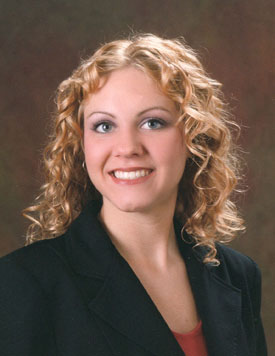
Ashleigh Hildebrand
- Alumni
- United States
- 2005 MPhil Environmental Policy
- Trinity College
Ashleigh Hildebrand
- Alumni
- United States
- 2005 MPhil Environmental Policy
- Trinity College
The MPhil in Environmental Policy I received while on the Gates Fellowship changed the course of my life. Not only was it an incredible educational and cultural experience, it reawakened in me a deep passion for environmental protection, sustainability, and, most importantly, realistic strategies to strive towards these ideals. My life is now dedicated to finding and implementing feasible strategies for implementing environmental technology, especially carbon capture and storage. My goal is to ensure that during this transition period where renewable energy supplies are being phased in, the unavoidable use of fossil fuels is pursued in a much more environmentally-conscious way. In short, I want to clean up the energy industry – from the inside out.
Previous Education
Oklahoma State University BS Chemical Engineering 2005
Sólveig Hilmarsdóttir
- Scholar
- Iceland
- 2022 PhD Classics
- Jesus College
Sólveig Hilmarsdóttir
- Scholar
- Iceland
- 2022 PhD Classics
- Jesus College
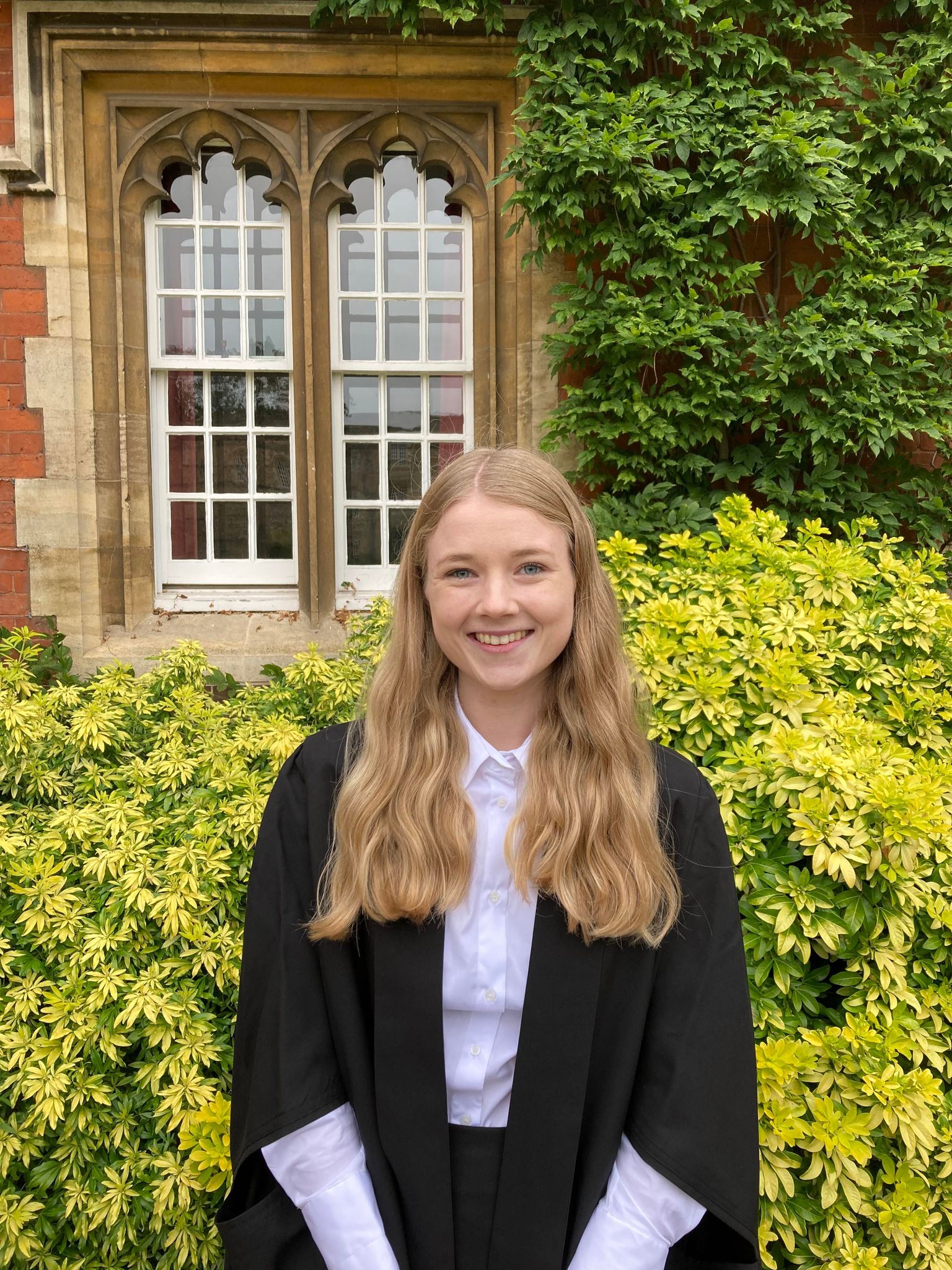
Having first encountered Latin and Greek in the only secondary school in Iceland which still teaches ancient languages, I read for a double bachelor degree in Latin and Greek at the University of Iceland and spent a year at the University of Glasgow as an exchange student. In my MPhil in Classics at Cambridge I wrote a thesis on language contact in Ovid᾽s exile poetry. With my PhD project, I will continue to work on Latin sociolinguistics. Part of my project seeks to address the linguistic prejudice faced by people who speak a non-standard variety of language. This sort of prejudice is not new since it is also well attested in antiquity. By creating a fuller picture of social variation in Latin, I aim to highlight the fact that variation in language has always existed. I will do so by focusing on the connection between the linguistic behaviour and the social status of various Roman authors, concentrating on Latin epistolography. I am deeply honoured and grateful to do this research with the support of the Gates Cambridge Trust.
Previous Education
University of Cambridge Classics 2022
University of Iceland Latin 2021
University of Iceland Greek 2021

Allison Hinckley
- Alumni
- United States
- 2012 MPhil Micro and Nanotechnology
- St John's College
Allison Hinckley
- Alumni
- United States
- 2012 MPhil Micro and Nanotechnology
- St John's College
Sarah Hirschfield
- Alumni
- United States
- 2020 MPhil Philosophy
- Trinity College
Sarah Hirschfield
- Alumni
- United States
- 2020 MPhil Philosophy
- Trinity College
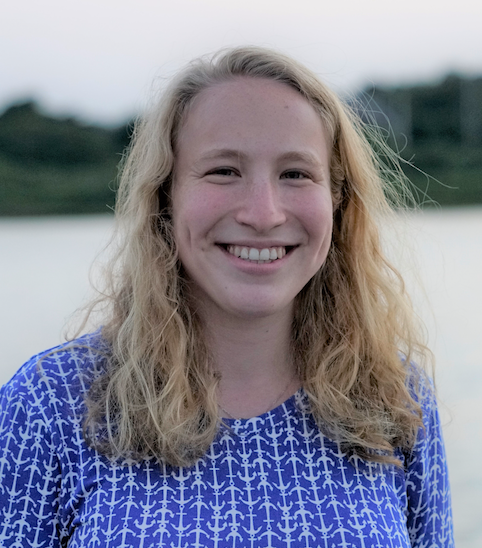
I grew up in NYC and completed my undergraduate studies in philosophy at Princeton University. As an editor for the Daily Princetonian, I covered the #MeToo movement as stories unfolded on campus. Through my reporting, research, and friendships, I realized the #MeToo problem was widely shared. Motivated to close what scholars call a “justice gap” between the rates of rape victimization and conviction, I wrote my undergraduate thesis on the nature of consent, the appropriateness of blame and punishment, and the requirements of justice in cases of rape. My ambition is to help change the way we think about and respond to interpersonal wrongdoing to ensure that everyone’s right to bodily autonomy is respected. During my MPhil, I plan to study topics in ethics, philosophy of law, and feminist philosophy, and to continue my learning in meta-ethics, value theory, and social philosophy. In my free time, I enjoy freestyle rapping, powerlifting, and filmmaking. I am grateful to be joining the ranks of Gates Cambridge scholars.
Previous Education
Princeton University Philosophy 2020
Riikka Hofmann
- Alumni
- Finland
- 2001 PhD Education
- Jesus College
Riikka Hofmann
- Alumni
- Finland
- 2001 PhD Education
- Jesus College
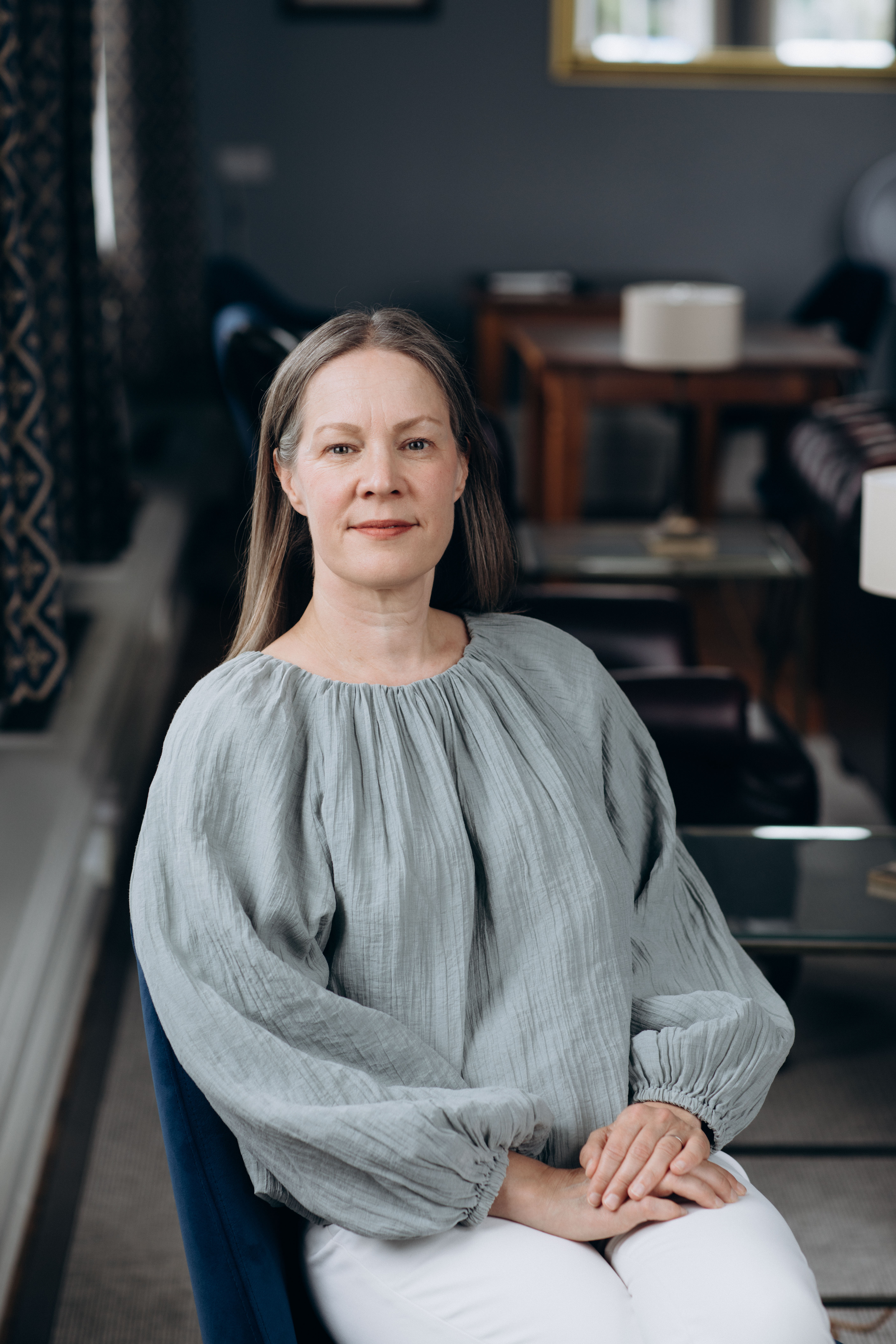
Professor of the Learning Sciences, University of Cambridgehttps://www.educ.cam.ac.uk/people/staff/hofmann/Governing Body Fellow, Hughes Hall, Cambridgehttps://www.hughes.cam.ac.uk/about/our-people/seniors-members/riikka-hofmann/Co-founder of Cambridge University Medical Education Group CUMEGhttps://www.cumeg.cam.ac.uk/Expert advisor on UK Government's Cross-Whitehall Trials and Evaluation Advice Panelhttps://whatworks.blog.gov.uk/2019/10/29/using-academics-to-advise-government-on-trial-design/Steering group member of Digital Education Futures: https://www.deficambridge.org/people/riikka-hofmann/Lay summaries of my research findings: LEADERSHIP DEVELOPMENT AND ORGANISATIONAL CHANGE: Overcoming barriers that stop new leaders from delivering change: https://assets.publishing.service.gov.uk/government/uploads/system/uploads/attachment_data/file/926862/NLC-thinkpiece-Developing-Leaders-HOFMANN.pdfSupporting leadership development and organisational change (podcast): https://www.cumeg.cam.ac.uk/podcast/improvements-through-research-and-evaluation/SIMULATION-BASED LEARNING FOR DOCTORS AND TEACHERS: Mixed-reality simulation-based learning for doctors with holographic patients: https://news.educ.cam.ac.uk/hologram-patients-time-best-inventions-2022AI-supported simulation-based learning for teachers: https://www.cam.ac.uk/research/news/trainee-teachers-made-sharper-assessments-about-learning-difficulties-after-receiving-feedback-from BETTER EVIDENCE GENERATION AND EVIDENCE-BASED PRACTICE: ED-TALK Evidence & Dialogue toolkit for schools: http://edtoolkit.educ.cam.ac.uk/Using evidence in policy making (video): https://www.youtube.com/watch?v=xzUzAx7wtlM Improving the reporting of complex interventions to improve the quality of evidence in evaluations: https://news.educ.cam.ac.uk/230322-journals-update-guidelinesEvaluating simulation-based learning interventions in medical settings: https://news.educ.cam.ac.uk/evaluation-simulation-based-training-significant-gaps Improving evidence-based professional development to promote better physical health interventions in schools: https://news.educ.cam.ac.uk/poor-professional-development-physical-health-primary-schools
Links
Erica Hogan
- Alumni
- United States, Japan
- 2025 MPhil Development Studies
- Murray Edwards College (New Hall)
Erica Hogan
- Alumni
- United States, Japan
- 2025 MPhil Development Studies
- Murray Edwards College (New Hall)
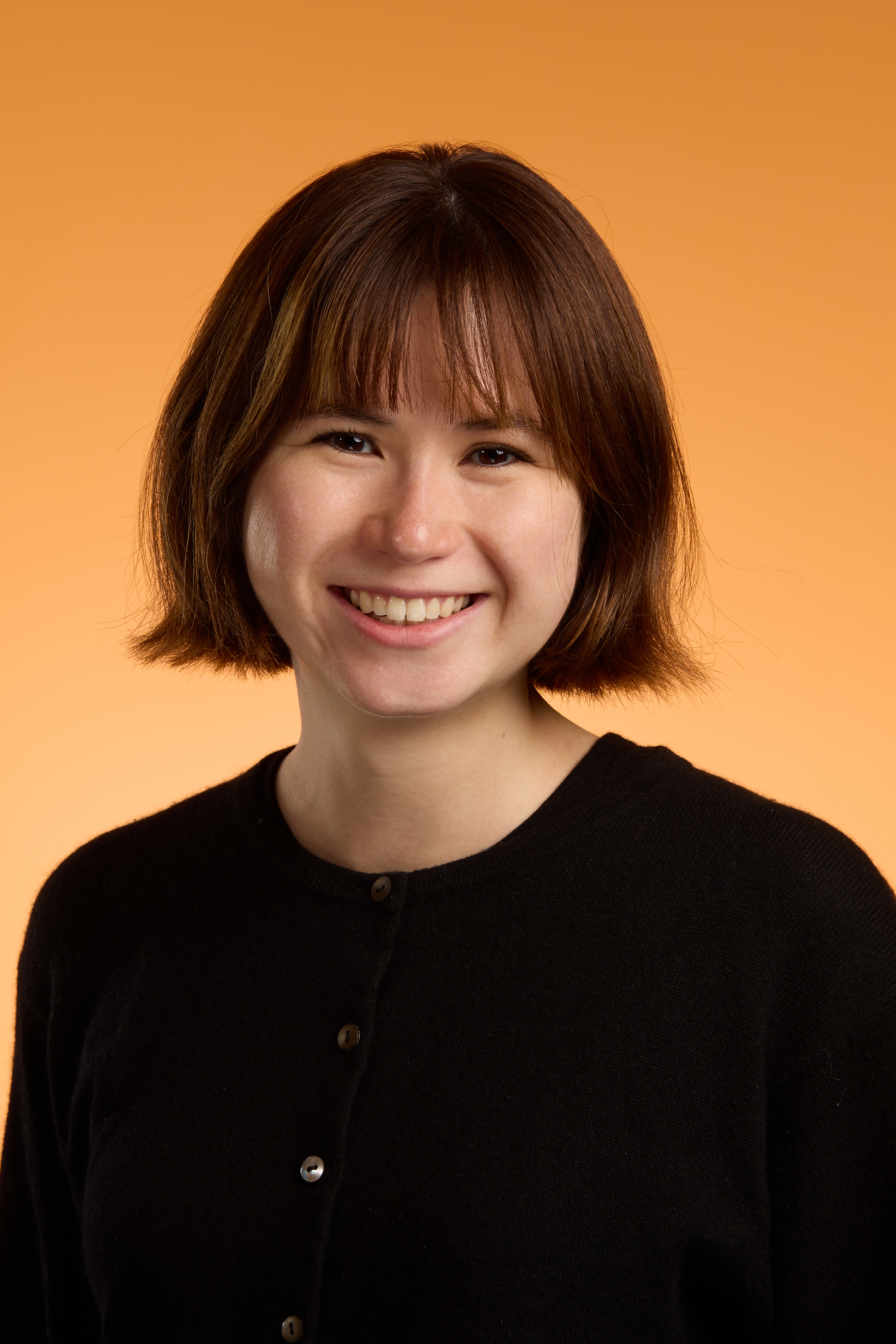
I hope to use research to help create an international financial system that meets the needs of the world’s most vulnerable. I studied Economics and Political Philosophy as an undergraduate, focusing on the post-colonial economic development of African states. While researching corruption in the Kinshasa traffic police, studying abroad in Senegal, and working at a school in Zambia, I came to see how policy made in New York, Washington D.C., and London shaped the financial realities of people far away, often with tragic consequences. Now, as a policy researcher at the Carnegie Endowment for International Peace, I study structural inequalities in the international financial system. I use my research to develop and advocate for policies that restructure international finance to support rather than suppress the development aspirations of post-colonial states.
Previous Education
University of Chicago Economics/Political Theory
Matthew Hoisch
- Alumni
- United States
- 2022 MPhil Anthropocene Studies
- Robinson College
Matthew Hoisch
- Alumni
- United States
- 2022 MPhil Anthropocene Studies
- Robinson College
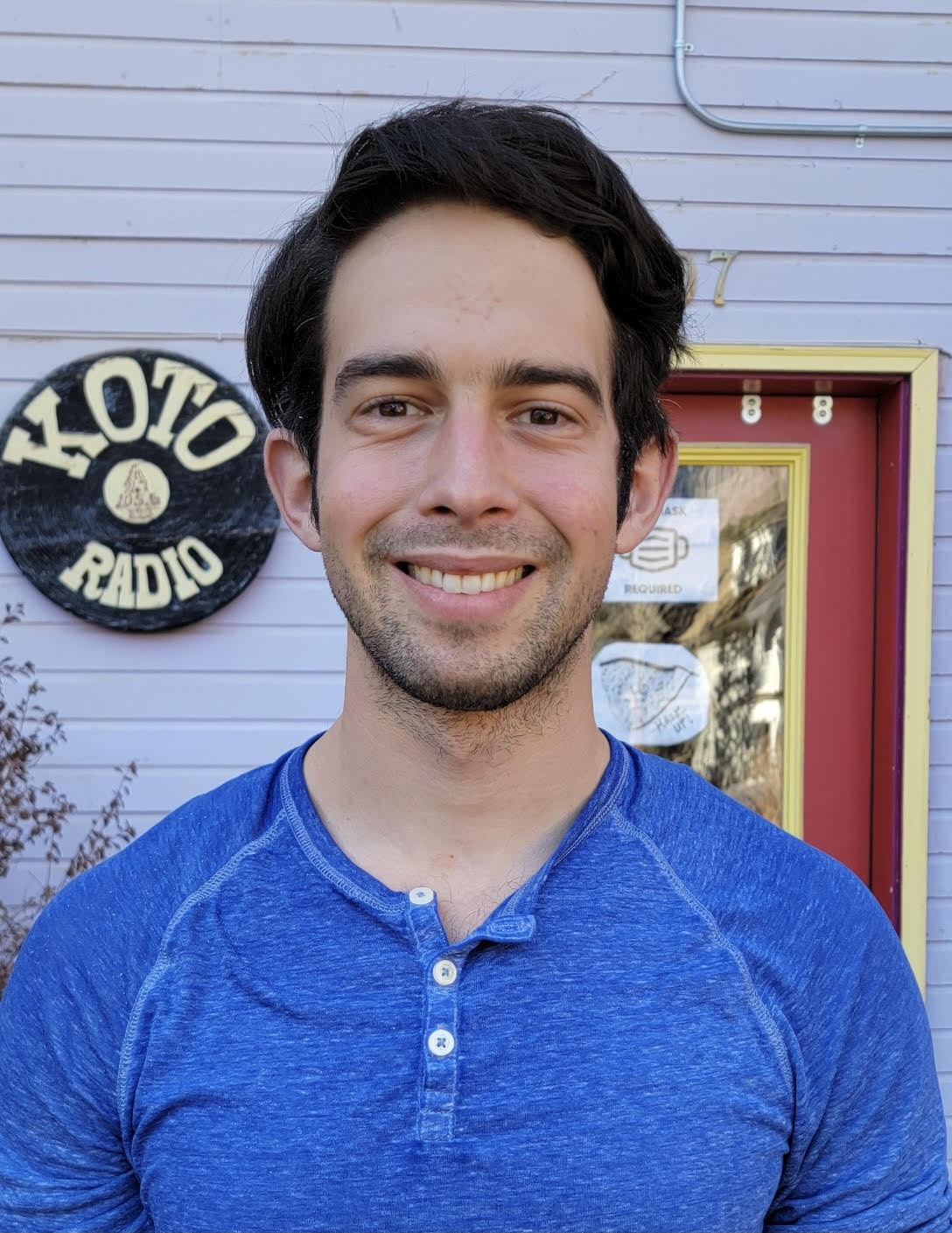
I am curious about the ways people understand and create discourses around environmental issues. As an undergraduate—first at Brandeis University, then, after transferring, at Harvard University—I studied environmental challenges and became immersed in the expansive discipline of Science and Technology Studies. Simultaneously, I developed a love of journalism, particularly radio storytelling. In the years following my undergraduate education, I cultivated both of these interests. I worked with Schmidt Futures to understand and support effective philanthropic approaches at the intersection of science, technology, and society. I also worked as a reporter at KOTO, the community radio station in Telluride, CO. Reporting for a small mountain region during a global pandemic gave me firsthand appreciation for the ways journalism can foster community. But I’m also uncertain how journalism can help humanity face larger environmental challenges. As climate change alters our world, I believe unifying and clarifying storytelling will be all the more essential. I hope to use this MPhil in Anthropocene Studies to examine the roles journalists can and should play in helping people understand and respond to climate change.
Previous Education
Harvard University Env. Science & Public Policy 2019
Brandeis University Environmental Studies 2017
Anne Holden
- Alumni
- United States
- 2003 PhD Biological Anthropology
- Peterhouse
Anne Holden
- Alumni
- United States
- 2003 PhD Biological Anthropology
- Peterhouse
Megan Holdt
- Alumni
- Australia
- 2018 PhD Earth Sciences
- Corpus Christi College
Megan Holdt
- Alumni
- Australia
- 2018 PhD Earth Sciences
- Corpus Christi College
Previous Education
University of Sydney
Isaac Holeman
- Alumni
- United States
- 2013 PhD Management Studies
- King's College
Isaac Holeman
- Alumni
- United States
- 2013 PhD Management Studies
- King's College
Isaac Holeman is a designer-researcher striving for global health equity. As a social scientist and co-founder of the social enterprise Medic Mobile, his work is about seeing complex health systems from the perspective of the poor and marginalized and responding pragmatically. Medic Mobile received a Skoll award in 2014, and Isaac has been featured twice in Forbes Magazine as one of the top 30 social entrepreneurs under the age of 30. He is an active speaker and consultant, and his writing has been featured in outlets such as National Geographic, the Oregonian and the Harvard Global Health Review. He continues to practice design at Medic Mobile, while pursuing research projects as a fellow of the University of Edinburgh’s Global Health Academy and as a Gates Cambridge Scholar in innovation, strategy and organization.
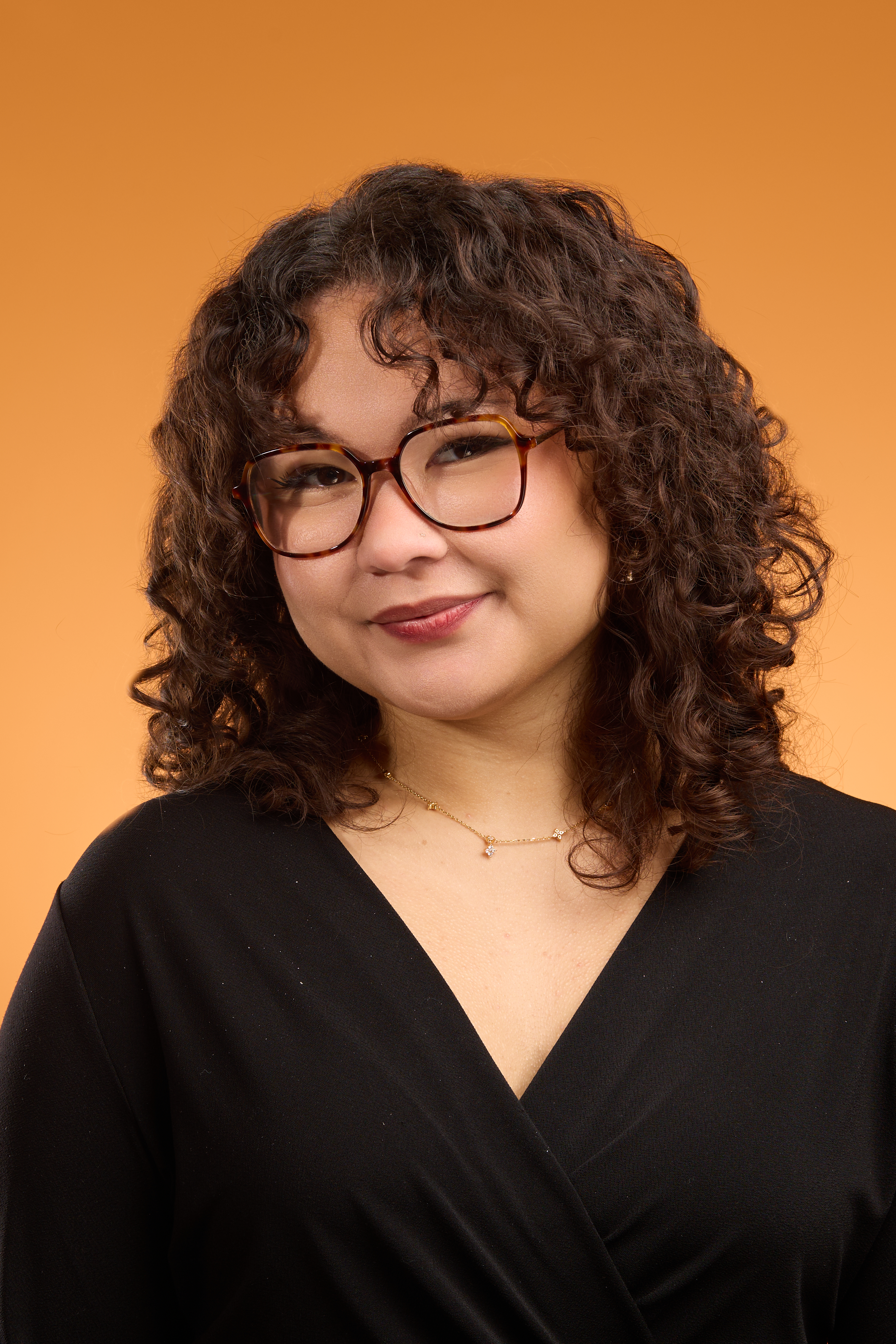
Kalena Holeman
- Alumni
- United States
- 2025 MPhil Classics
- Lucy Cavendish College
Kalena Holeman
- Alumni
- United States
- 2025 MPhil Classics
- Lucy Cavendish College
Born and raised in Houston, Texas, I am a mixed-race scholar who has always been interested in narratives of identity. I attended the University of Houston where I completed a BA in English Literature with minors in Classics and Creative Work. In various research projects at the University of Houston and Harvard, I have explored why and how Black artists engage with antiquity to reimagine new art forms and critique the historical whiteness of these spaces from the inside. At Cambridge, I am pursuing an MPhil in Classics to study at the intersection of Black feminist theory and classical reception to better understand antiquity’s influence on modern conceptions of race, literature, and culture. I will explore how contemporary Black women writers across the African diaspora engage with Homer’s Odyssey to grapple with complex paradoxes of home and movement throughout histories of oppression. Moreover, I integrate the study of Homer's texts themselves to demonstrate how a Black feminist framework can reveal new interpretations of the Odyssey. I am incredibly honored to join the Gates Cambridge community and excited to learn from and collaborate with scholars invested in building a better future.
Previous Education
Yale University PhD in English Literature and Black Studies 2026
University of Houston BA in English Literature 2021
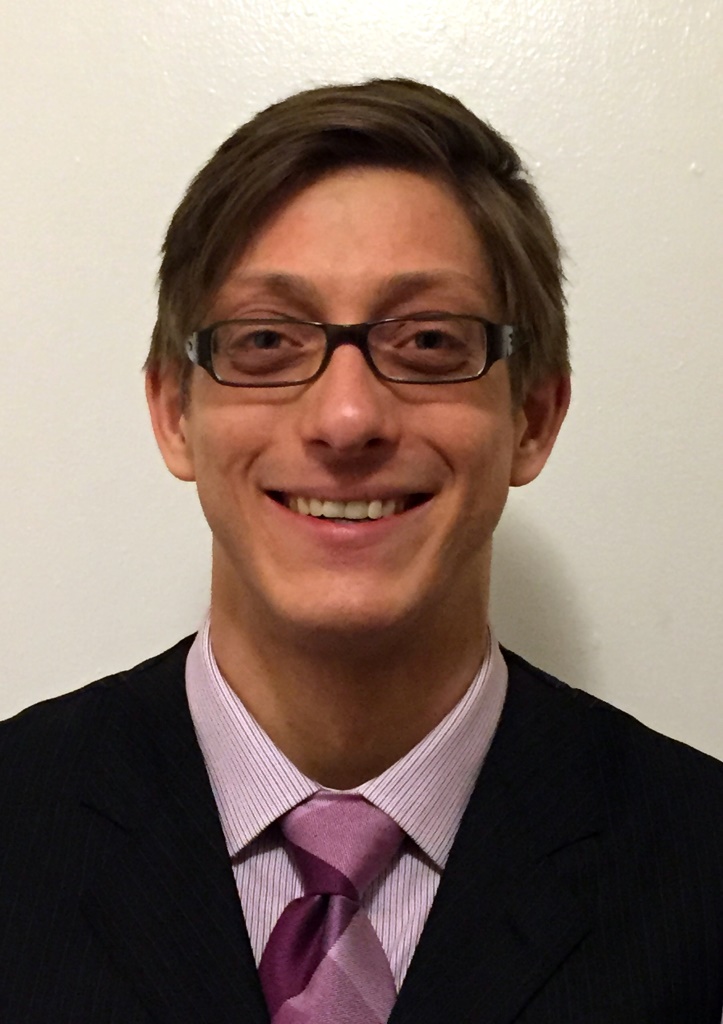
Jonathan Hollander
- Alumni
- United States
- 2006 PhD Materials Science and Metallurgy
- Churchill College
Jonathan Hollander
- Alumni
- United States
- 2006 PhD Materials Science and Metallurgy
- Churchill College
I grew up in New York, and went on to do my undergraduate degree at the University of Illinois at Urbana-Champaign in Materials Science & Engineering, with minors in Physics and Leadership Studies. During that time, I performed research at a variety of institutions, including Syracuse University, the University of California in Santa Barbara, and MIT. I came to Cambridge in 2005 on a Winston Churchill Scholarship to complete my MPhil in Semiconductor Physics working with Prof Sir Colin Humphreys in the Materials department. I stayed on to pursue my PhD in Prof Humphreys’ research group working on gallium nitride semiconductor light emitting devices, funded by a Gates Cambridge scholarship. This work plays an important role in the solution to the global energy crisis (and makes me feel like I'm saving the world). I have also been active in applying my scientific background toward other social enterprises such as policy-making, having started an energy policy think-tank in 2009, and business.
Links
http://absciences.com
http://www.linkedin.com/in/jonathanhollander
http://twitter.com/hollanderjon
Jared Holley
- Alumni
- Canada
- 2009 PhD Social and Political Sciences
- Trinity Hall
Jared Holley
- Alumni
- Canada
- 2009 PhD Social and Political Sciences
- Trinity Hall
My PhD focuses on the reception of classical atomist philosophy in eighteenth-century France and its deployment in philosophical debates concerning the nature of politics and citizenship. I am particularly interested in the impact of Epicurean and Lucretian themes on the political thought of Jean-Jacques Rousseau.

William Hollingsworth
- Alumni
- United States
- 2002 MPhil Linguistics
2003 PhD Computer Science - Clare Hall
William Hollingsworth
- Alumni
- United States
- 2002 MPhil Linguistics
2003 PhD Computer Science - Clare Hall
My work is in computational linguistics. I am trying to develop better computational models of speech and language to produce more natural sounding synthesized speech. I have worked on new models of intonation and rhythm. Now I am concentrating on natural language processing and information extraction to try to produce a better representation of meaning within a text document. This would allow a speech synthesizer to have better accuracy in assigning intonation and rhythm.
