


Matthew Johnson
- Alumni
- United States
- 2015 PhD Philosophy
- Clare College
Matthew Johnson
- Alumni
- United States
- 2015 PhD Philosophy
- Clare College
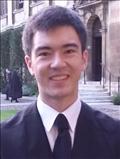
Dr. Matthew Kuan Johnson works at the intersection of philosophy, psychology, and theology on topics related to ethics, empathy, embodiment, and the emotions. He earned his Ph.D. in Moral Philosophy earlier this year from the University of Cambridge as a Gates Scholar, and also holds an MPhil in Social Psychology from the University of Cambridge (with high distinction) and a B.A. in Cognitive Science from Yale University (magna cum laude). Previously, he was a Contributing Scholar at the Yale Center for Faith and Culture and an Adjunct Professor at Pepperdine University, and has taught in the University of Cambridge’s Philosophy and Psychology Departments.
Earlier this year, he wrote the target article for a special issue (on Joy) of the Journal of Positive Psychology:
https://www.tandfonline.com/toc/rpos20/15/1?nav=tocList
Nicholas Johnson
- Alumni
- United States
- 2005 PhD Chemistry
- Churchill College
Nicholas Johnson
- Alumni
- United States
- 2005 PhD Chemistry
- Churchill College
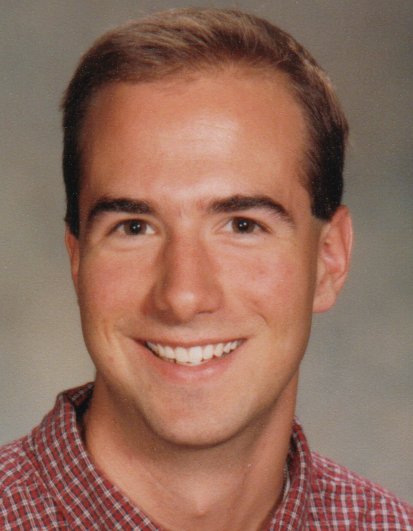
My PhD project involves imaging live cells at high resolution. I am attempting to see features the size of nanometres, approximately 10,000 times smaller than a human hair. To achieve this goal, I am working with a relatively new technique called Scanning Ion Conductance Microscopy (SICM). SICM is specifically designed to image soft surfaces in salt buffer solutions. I am also working on extending this capability to apply localised forces to cells and monitor how they react. This project is especially exciting to me because it involves biology, chemistry, physics, and electrical engineering.
Thomas Johnson
- Alumni
- United States
- 2006 PhD Brain Repair
- Trinity College
Thomas Johnson
- Alumni
- United States
- 2006 PhD Brain Repair
- Trinity College
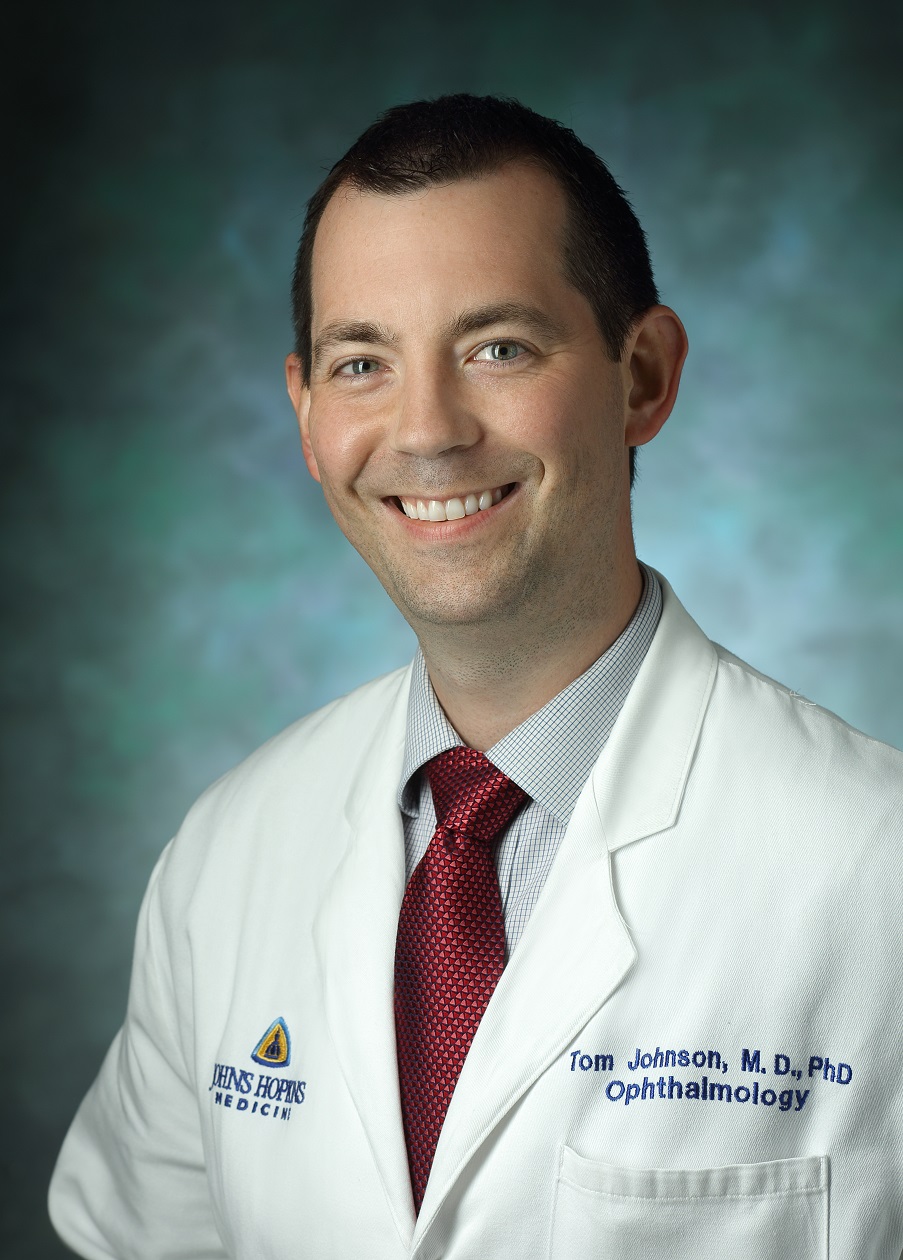
I am interested in the neurobiological processes that lead to retinal ganglion cell death and dysfunction in glaucoma and other optic neuropathies. In particular, I seek to better understand the molecular mechanisms underlying axonal degeneration, dendrite retraction and afferent synapse loss, and cell body death in glaucoma. My goal is to utilize knowledge of these processes to develop targeted neuroprotective strategies to slow or halt RGC death and preserve vision for patients with glaucoma. I am also actively investigating the use of stem cell transplantation to achieve retinal ganglion cell placement, as a potential regenerative treatment for optic nerve disease, with a focus on anatomic incorporation of cell grafts, neurite growth and synapse formation, and electrophysiological retinal circuit integration.
Previous Education
Northwestern University BA Biological Sciences 2005
Links
https://www.hopkinsmedicine.org/profiles/results/directory/profile/10004407/thomas-johnson
http://johnsonlabjhu.com
https://www.linkedin.com/in/thomas-v-johnson-70210311
Rebecca Johnston
- Alumni
- Australia
- 2005 PhD Physics
- Peterhouse
Rebecca Johnston
- Alumni
- Australia
- 2005 PhD Physics
- Peterhouse
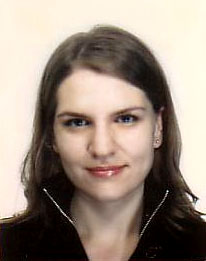
My research will be motivated by some of the most fundamental questions in science: how did our universe form, why does it look like it does, and what is its ultimate fate? Specifically, I'll be looking at how fluctuations in the early universe grew and evolved, acting as primordial 'seeds' for the large scale structure we see in the universe today. In Cambridge, I'm looking forward to joining the Gates community, and to beginning what I hope will be a diverse and challenging career in research.
James Jolin
- Alumni
- United States
- 2024 MPhil Population Health Sciences
- Homerton College
James Jolin
- Alumni
- United States
- 2024 MPhil Population Health Sciences
- Homerton College
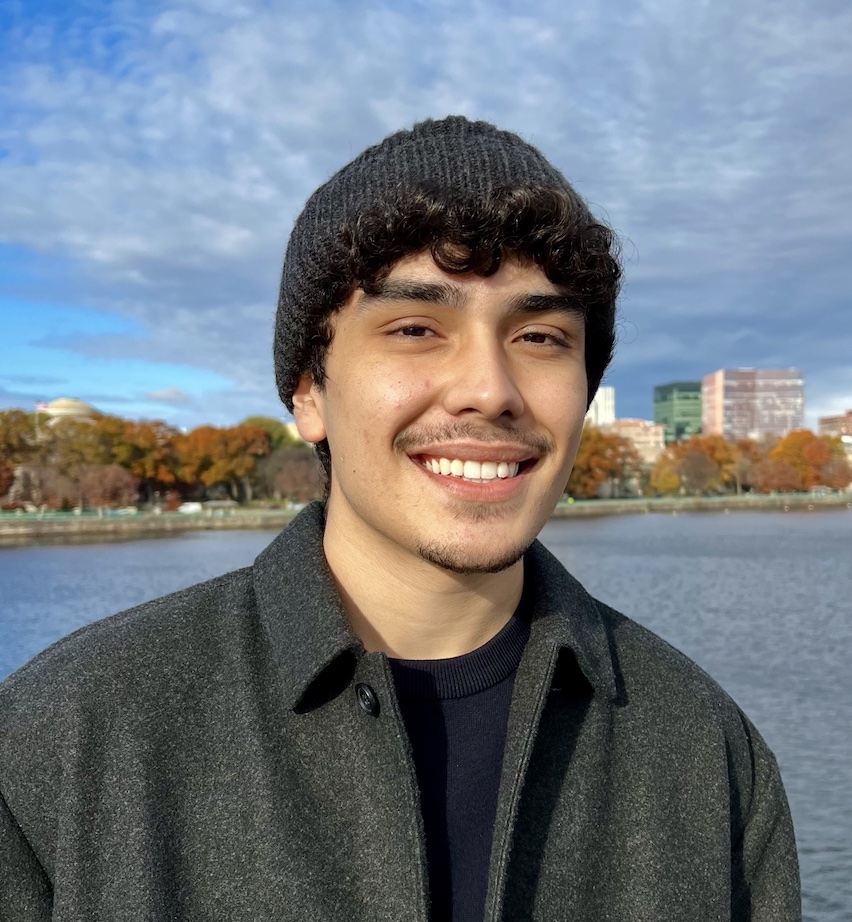
My familial experiences with health inequity animate my passion for public health law and policy. As an undergraduate studying political science, global health, health policy, and the Spanish language, I have explored this passion in an interdisciplinary way. My research at the Petrie-Flom Center at Harvard Law School, Harvard Kennedy School, and T.H. Chan School of Public Health — coupled with my service as an Arthur Liman Public Interest Law Summer Fellow — have also allowed me to translate my studies into practice. Now, with an MPhil supported by the Gates Cambridge Trust, I aim to jumpstart a career in health law and policymaking by honing the important skills of developing and critically examining population health evidence. I wait in earnest to join a global network of Gates Cambridge Scholars at the University of Cambridge to understand better how to augment our collective wellbeing.
Previous Education
Harvard University Government, Data Science Track 2024
Amy Jones
- Alumni
- United States
- 2002 MPhil Engineering
- Christ's College
Amy Jones
- Alumni
- United States
- 2002 MPhil Engineering
- Christ's College
I have a unique background that allows me to tie together leadership, technical expertise, and grit to get any job done. I value innovation and accretive change. I place a strong emphasis on inspiring the consumer or end user; making lives a little bit better. I have experience delivering results across multiple industries (retail, power / utility, and start-ups) and organizations (front & back of house). I believe in change through technology and enabling people to spend their time innovating, inspiring, and building relationships. I am a demanding but fair leader that delivers results while encouraging individuals to be their best. Specialties: Leadership and management, empowering teams to succeed, P&L responsibilities, Operations and General Management, global experience / awareness, creating and translating complex data sets into action, automation and automated system adoption, and interpreting / managing technical programs. I enjoy organizations that are willing to take calculated risks and continuously strive to be better.
Bronte Jones
- Alumni
- Australia
- 2024 MPhil Health, Medicine & Society
- Jesus College
Bronte Jones
- Alumni
- Australia
- 2024 MPhil Health, Medicine & Society
- Jesus College
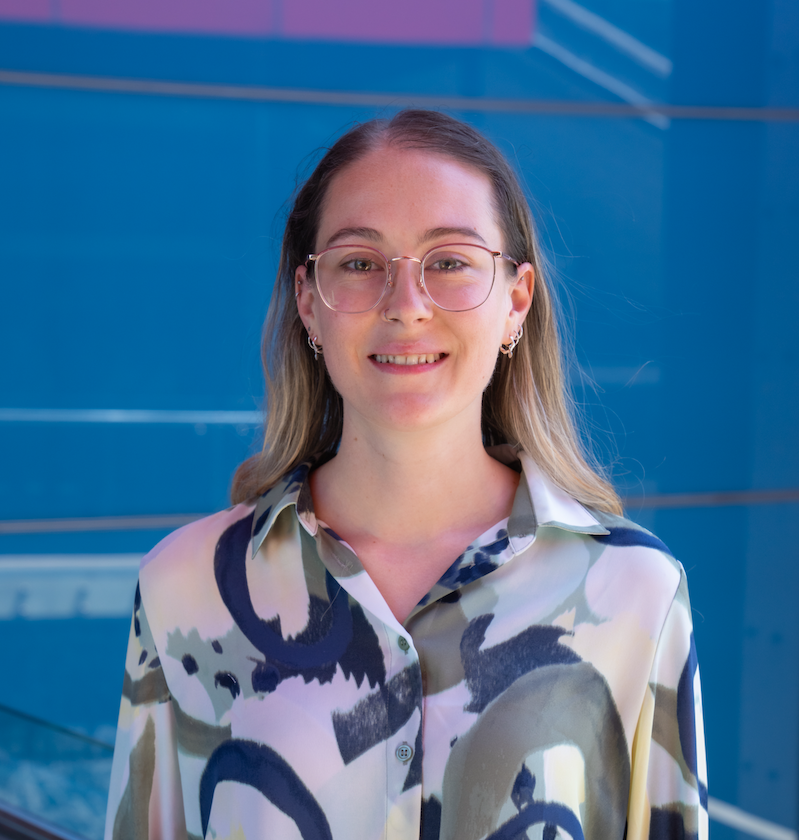
During my undergraduate studies in anthropology and sociology, I developed a strong interest in medical anthropology, expanding my understanding of social inequality and the impacts of health disparities in Australia and around the world. Since completing my honours degree, I have been working as a Research Officer at the Social Ageing (SAGE) Futures Lab at Edith Cowan University, where I have contributed to research on social and cultural care, and diversity in ageing. I am thrilled to become a member of the Gates Cambridge community. During the MPhil in Health, Medicine, and Society at Cambridge, I will undertake a research project exploring the experiences of trans and gender diverse people who have accessed assisted reproductive technology, drawing on the fields of medical anthropology, the sociology of reproduction, and gender studies. Following this, I intend to pursue doctoral studies and continue a career in social research that allows me to advocate for improved access to health and social care for marginalised and medically underserved communities.
Previous Education
Australian National University Public Health 2023
University of Western Australia Anthropology and Sociology 2021
Calvert Jones
- Alumni
- United States
- 2006 MPhil International Relations
- Emmanuel College
Calvert Jones
- Alumni
- United States
- 2006 MPhil International Relations
- Emmanuel College
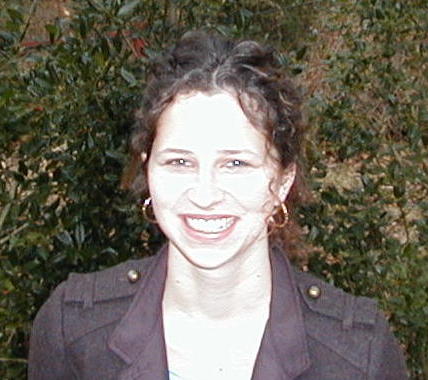
My research focuses on the evolution of non-state threats and state responses to the changing security environment. At Cambridge, I plan to study how networked non-state actors have clashed with states, tracking their competing identity structures, conceptions of leadership, and tactical innovation, among other dimensions of conflict. My interests are interdisciplinary, reflecting my exposure to different academic fields and diverse life experiences. As an undergraduate at Columbia University, I majored in philosophy and minored in computer science. After graduation, I spent a year working in international development, with field assignments in Vietnam and the Balkans, before earning a masters degree in information management at UC Berkeley. My masters research critiqued the logic of information sharing guiding US intelligence reform in response to networked non-state threats. I hope to continue my research as a PhD student after earning the MPhil.
Rebecca Jones
- Alumni
- United States
- 2005 MPhil Medical Science
- Newnham College
Rebecca Jones
- Alumni
- United States
- 2005 MPhil Medical Science
- Newnham College
Simon Jones
- Alumni
- Canada
- 2007 PhD Engineering
- Churchill College
Simon Jones
- Alumni
- Canada
- 2007 PhD Engineering
- Churchill College
Off to Montreal for a postdoc!
Emily Rose Jordan
- Alumni
- United States
- 2009 PhD Experimental Psychology
- Corpus Christi College
Emily Rose Jordan
- Alumni
- United States
- 2009 PhD Experimental Psychology
- Corpus Christi College
Emily Jordan PhD, is the Cofounder and COO of Ancora.ai, a health tech company with the mission to democratize access to innovative medicine. Dr. Jordan holds a neuroscience PhD from the University of Cambridge, where she was a Gates Cambridge Scholar, and an undergraduate degree with highest honors from Columbia University in New York. She is the founder of Halo Angel Group, an early stage, impact-focused investment group and is an active mentor, speaker and advisor in the health tech ecosystem. She has spent her career working at the intersection of science and tech in 3 countries, and has a passion for improving diversity in AI, healthcare and tech.
Previous Education
Columbia University BA in Psychology and Anthropology 2009
Links
Gregory Jordan
- Alumni
- United States
- 2007 PhD Molecular Biology
- Darwin College
Gregory Jordan
- Alumni
- United States
- 2007 PhD Molecular Biology
- Darwin College
Ph.D. computational biologist turned software engineer. Interested in researcher workflows, large-scale data pipelines, and complex data visualization.
Previous Education
Yale University B.S., Biochemistry 2007
Links
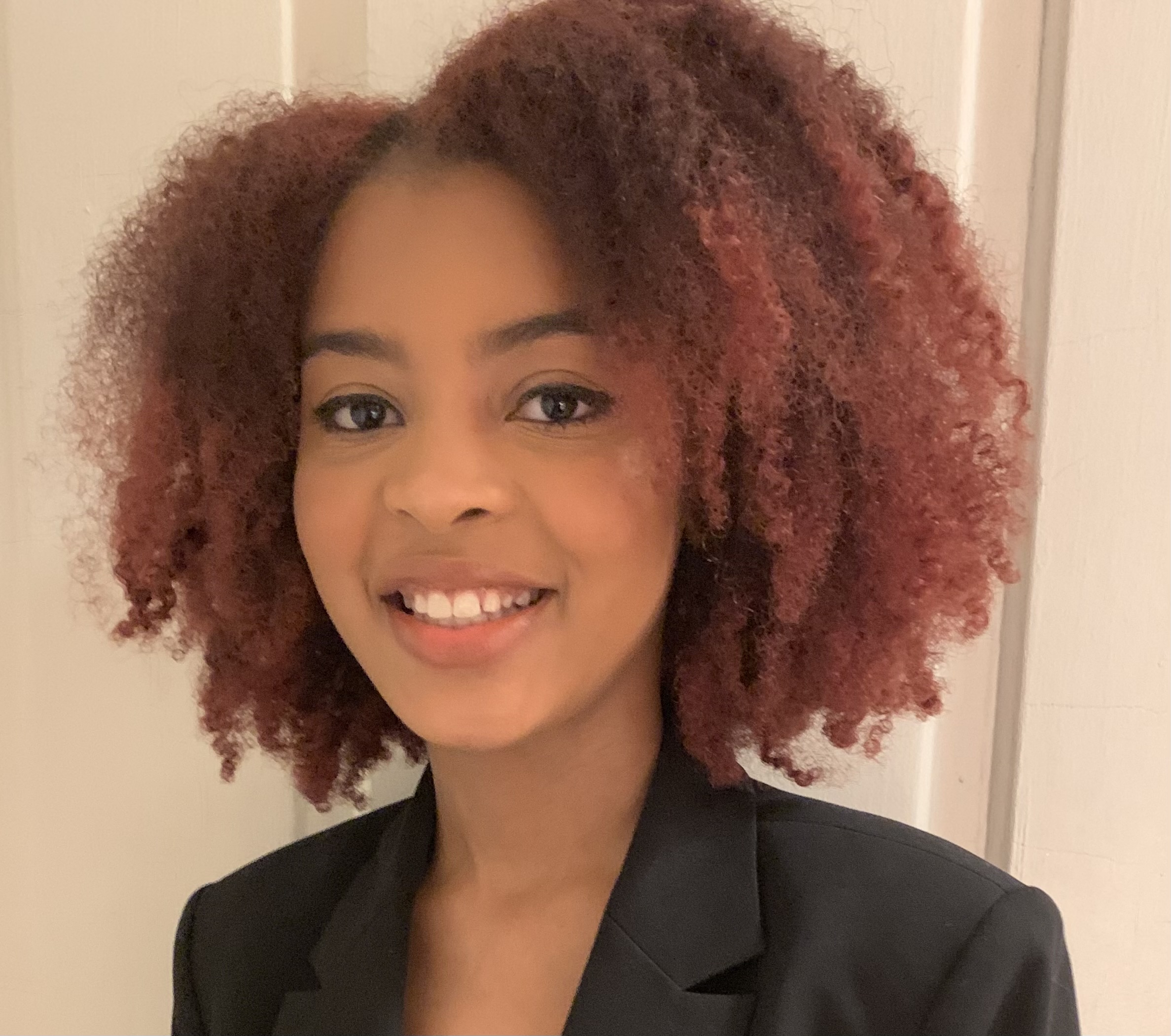
Jasmine Jordan
- Alumni, Scholar
- United States
- 2021 MPhil Criminological Research
2022 PhD Criminology - Wolfson College
Jasmine Jordan
- Alumni, Scholar
- United States
- 2021 MPhil Criminological Research
2022 PhD Criminology - Wolfson College
A native of Detroit who attended Michigan State University to study Political Science, I am deeply committed to reforming a US criminal justice system that is expensive, frequently counterproductive, and terribly damaging to inmates, their families, entire communities, and the functioning of democracy. As an undergraduate I carried out research on racial hierarchies, the self-segregation of African American and Latinx students in university dorms, and the misrepresentation of minorities in US history high school textbooks. I also served as Michigan State’s President of the Council of Students with Disabilities and as Chief of Staff for a legal non-profit which, among other roles, represents refugees at risk of deportation. As an MPhil student in Criminological Research at Cambridge, I conduct research on the impact of incarceration on the political participation and community engagement of Black women and the symbiotic harms of their incarceration. I will expand my Mphil project to a larger mixed methods project for my PhD. This will prepare me for a career dedicated to making the US criminal justice system more rational, equitable, and humane.
Previous Education
University of Cambridge Criminology 2022
Michigan State University Political Science 2021
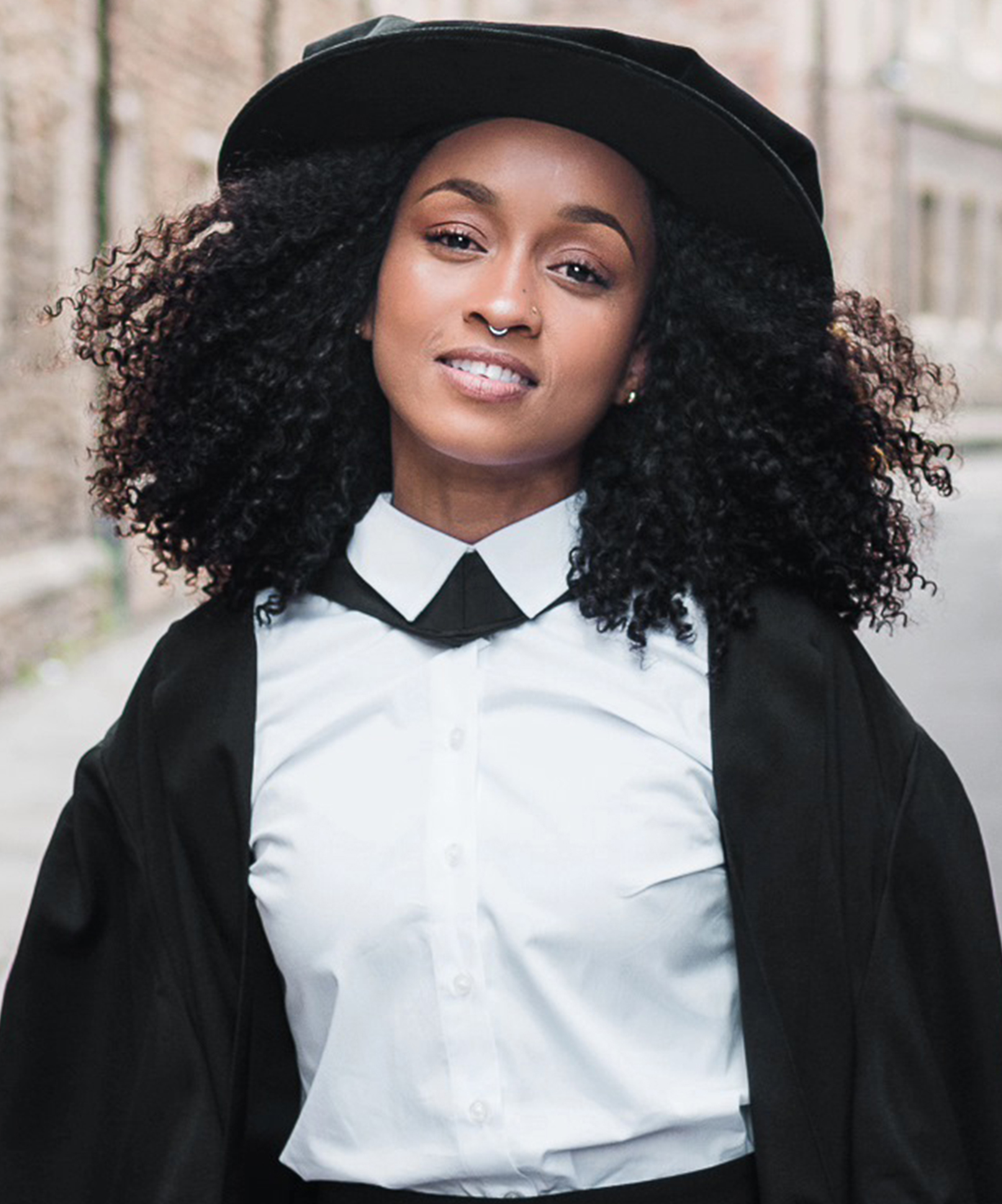
Jerelle Joseph
- Alumni
- Dominica
- 2014 PhD Chemistry
- Churchill College
Jerelle Joseph
- Alumni
- Dominica
- 2014 PhD Chemistry
- Churchill College
I grew up in the island of Dominica, in a village called Vieille Case. In 2012, I graduated from the University of the West Indies with a BSc. in Chemistry and Mathematics. I then pursued an MPhil. in Chemistry at the UWI, under the supervision of Prof Sean McDowell. In 2018, I completed my PhD in Chemistry (Department of Chemistry, Cambridge) under the supervision of Prof David Wales FRS. For my PhD work, I developed and tested computational methods to study protein folding. In particular, I worked on a coarse-grained model for proteins, developed an approach for sampling large-scale rearrangements in proteins, and characterised a disordered receptor protein implicated in HIV infection. After my PhD, I joined the group of Dr Rosana Collepardo-Guevara (Department of Physics, Cambridge) as a research associate; focusing on developing models to probe genome organisation. I am currently a Junior Research Fellow at King's College Cambridge, where I am developing multiscale computational approaches to interrogate how cells organise their contents via phase separation.
Links
https://www.carischolar.com
https://twitter.com/jerelleaj
https://www.linkedin.com/in/jerelle-a-joseph
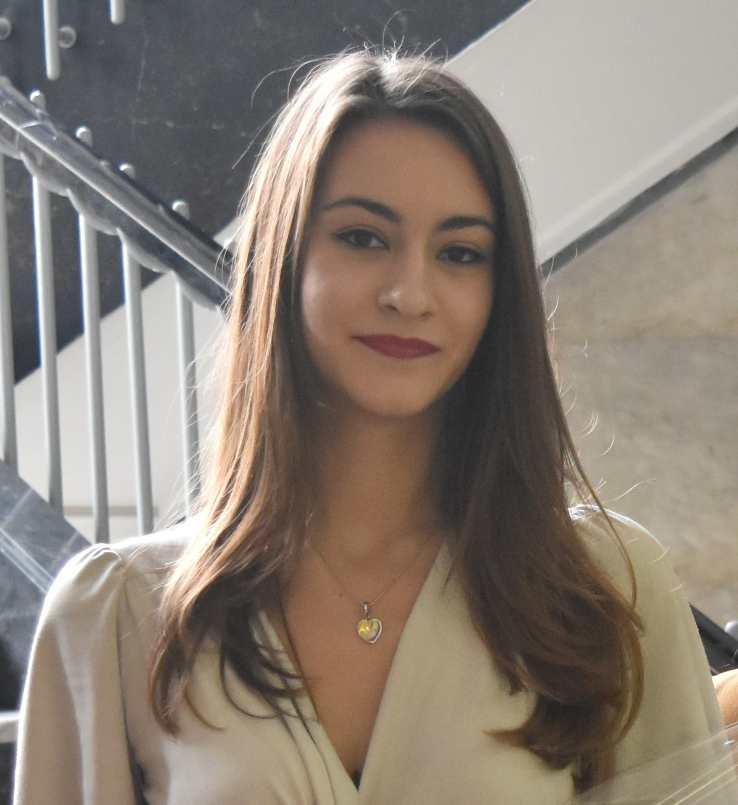
Maša Josipović
- Alumni
- Serbia
- 2018 PhD Clinical Biochemistry
- Corpus Christi College
Maša Josipović
- Alumni
- Serbia
- 2018 PhD Clinical Biochemistry
- Corpus Christi College
During my undergraduate studies at the University of Belgrade, School of Medicine, I have found myself taking an interest in the study of diabetes, being driven by the idea of improving the quality of lives of patients suffering from this disabling disease that affects millions of people everywhere around us. Impaired awareness of hypoglycaemia in many long-standing insulin-treated diabetic patients is one of the barriers separating them from achieving tight glycaemic control, which is imperative in reducing the occurrence and severity of micro and macrovascular complications. Throughout my MPhil at the University of Cambridge, Department of Medicine, I will focus on elucidating the mechanisms of blunted awareness of hypoglycaemia. Unravelling this problem would make a big step towards the start of development of therapeutic options to treat or even prevent it. I would be elated if my research and efforts contribute to this goal. It is an absolute honour to be a part of the Gates Cambridge community, comprised of inspiring and devoted scholars from all over the world, united for the greatest cause - improving the lives of others.
Previous Education
University of Belgrade
Zorica Jovanovic
- Alumni
- Germany
- 2006 PhD Clinical Biochemistry
- Corpus Christi College
Zorica Jovanovic
- Alumni
- Germany
- 2006 PhD Clinical Biochemistry
- Corpus Christi College
Obesity is now a worldwide epidemic which is associated with a number of health complications, including diabetes, hypertension and cancer. Collectively, these diseases represent a major public health problem, being the main causes of morbidity and mortality in the Western world. Over the past decade, enormous advances have been made in our understanding of the molecular regulation of mammalian body weight with special emphasis on the hypothalamus as a centre of neuronal control of body weight and appetite. In my PhD studies, I aim to identify novel components of the homeostatic system that regulates body weight, specifically within the hypothalamus.
Maya Juman
- Scholar
- United States
- 2022 PhD Biological Sciences at the Department of Veterinary Medicine
- Selwyn College
Maya Juman
- Scholar
- United States
- 2022 PhD Biological Sciences at the Department of Veterinary Medicine
- Selwyn College
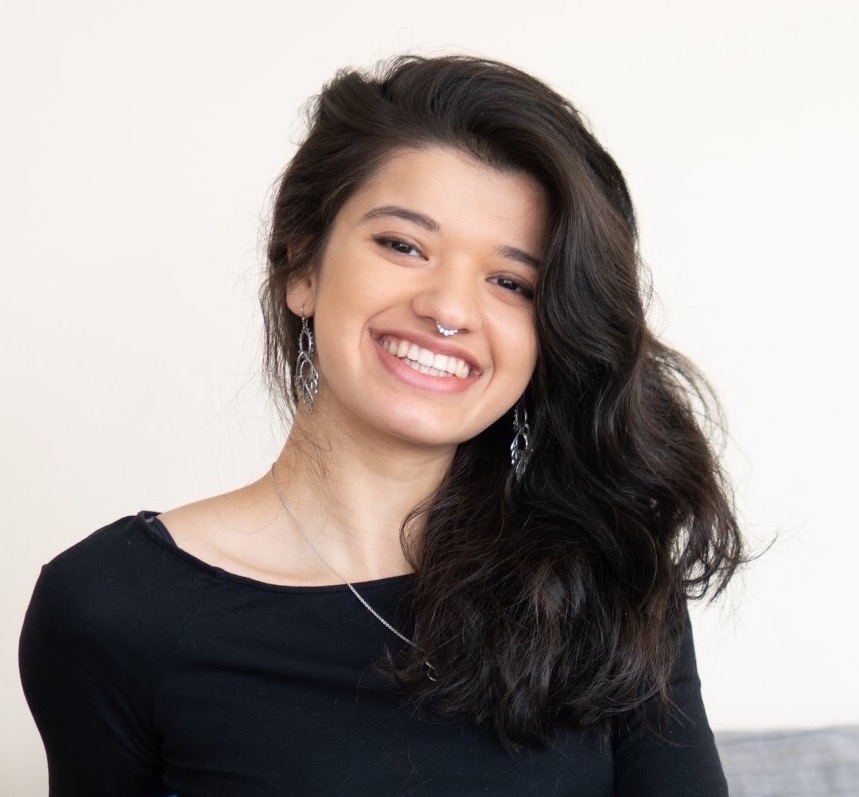
Growing up in New York City and South India, I developed a lifelong appreciation for biodiversity and curiosity about global change. I completed my B.S. in Ecology and Evolutionary Biology at Yale University, where I conducted research on South and Southeast Asian mammal biogeography. Upon graduating in 2020, I worked on COVID-19 response at the Philadelphia Department of Public Health. This work experience, supplemented by my academic background in organismal biology, led me to explore the human-wildlife interface where viral spillover occurs. I am now pursuing a PhD in Biology at the Department of Veterinary Medicine at Cambridge. My thesis centers on the relationship between ecology and viral emergence, with a focus on zoonotic paramyxoviruses in fruit bats. I am particularly interested in the use of natural history museum collections for viral surveillance and host prediction. I strongly believe in accessible and inclusive science, especially in the form of creative science communication and outreach. I look forward to collaborating with the Gates Cambridge community to tackle pressing issues at the intersection of public and planetary health.
Previous Education
Yale University Ecology & Evolutionary Biology 2020
Links
Alanna Just
- Alumni
- Canada
- 2016 MPhil Medical Science (Psychiatry)
- Newnham College
Alanna Just
- Alumni
- Canada
- 2016 MPhil Medical Science (Psychiatry)
- Newnham College
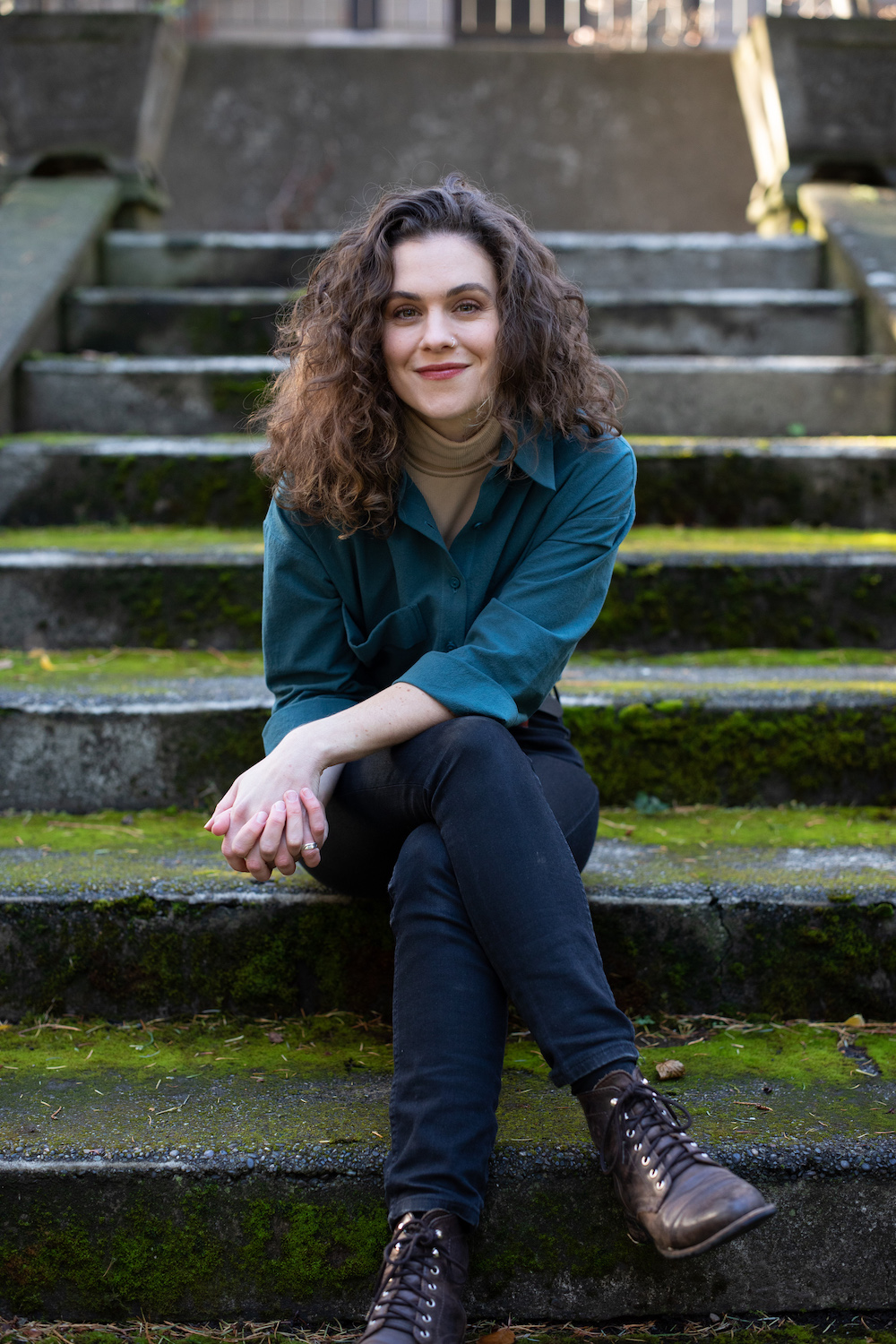
I received my Bachelor's Degree from Quest University Canada where I pursued majors in Neuroscience and Philosophy of Mind. I obtained my MPhil in Medical Science from the University of Cambridge, where I conducted research as a Gates Cambridge Scholar. When I returned to Canada, I obtained my Medical Degree at the University of British Columbia, where I conducted research on women's health, integrated medicine, and end-of-life care.
Between formal educational engagements, I traveled to remote communities in Siberia, guided expeditions in Mongolia for National Geographic, and pilgrimaged in Nepal.
I am currently completing my residency in the Yellowknife Rural Family Medicine program in the NWT on the traditional lands of the Yellowknives Dene First Nation. My interests include medical ethics, wilderness medicine, integrative medicine, and moments of vulnerability.
Previous Education
Quest University Canada
