


Rijul Jain
- Scholar
- United States
- 2026 MPhil English Studies
- Robinson College
Rijul Jain
- Scholar
- United States
- 2026 MPhil English Studies
- Robinson College
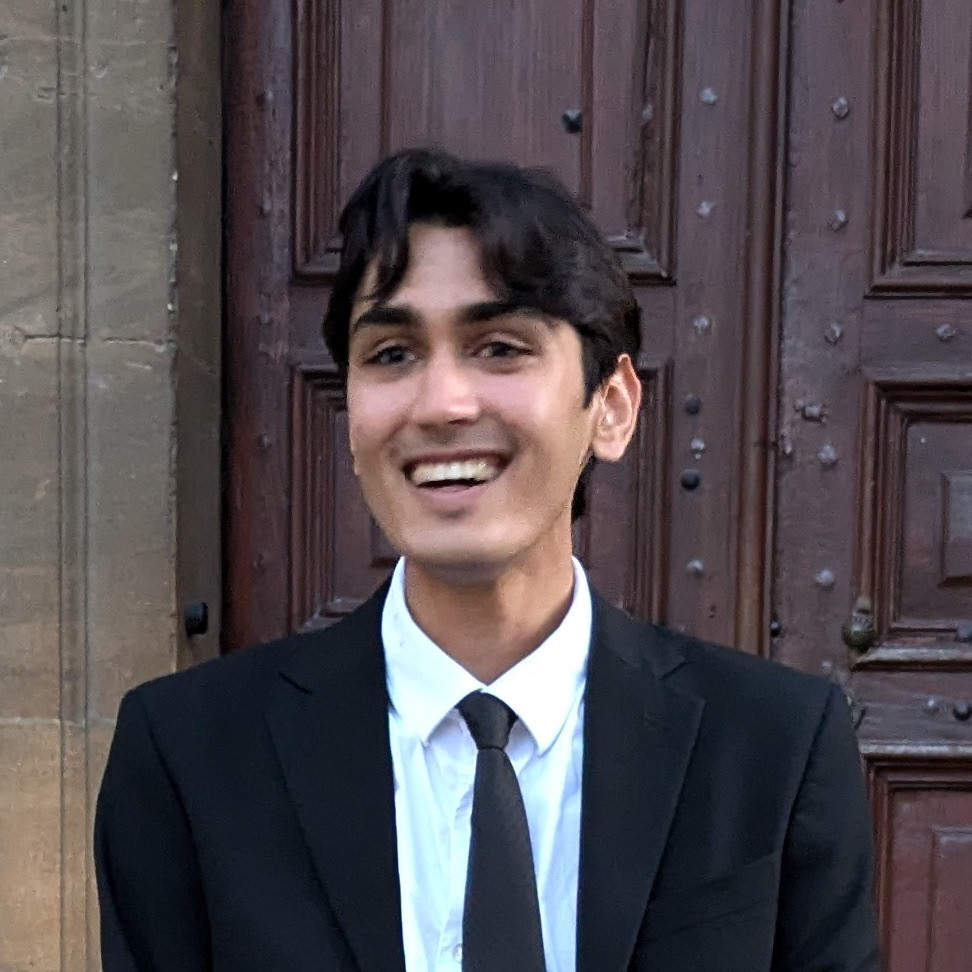
I grew up in Silicon Valley preoccupied with technology's domination of society. During my undergraduate years at Williams College and the University of Oxford, I attended to the ways in which the humanities address the limits of scientific knowledge in grasping reality and led human-centered computing research at Carnegie Mellon and Microsoft. My honors thesis on the representation of history in George Eliot's realism was concerned with the relation of art to truth—with art’s gamble that it is, in the end, neither commensurate with nor divorced from reality, that it demands interpretation, that it is art at all. At Cambridge, I'll examine how Eliot and John Ruskin depict the Italian Renaissance, thinking through their elaborations of the stakes of historical reception and representation as concerns for our own technological moment. What I learn on the English MPhil and from the extraordinary Gates Cambridge community will undergird my computer science Ph.D. at the University of Washington rethinking digital collections' mediation of history in concert with arts and humanities institutions—and shape my broader vision for serving the arts by working across the empirical and theoretical in computing and the humanities.
Previous Education
University of Washington Computer Science & Engineering 2026
Williams College English and Computer Science 2025
Links
Julia Jakob
- Alumni
- Austria
- 2020 PhD Education
- Emmanuel College
Julia Jakob
- Alumni
- Austria
- 2020 PhD Education
- Emmanuel College
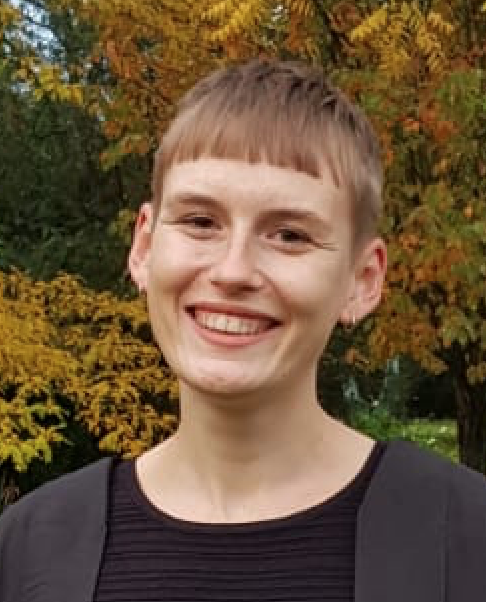
I grew up in Austria, where the formal educational attainment of an individual strongly depends on their parents' education and profession. Education at all levels is not as accessible as it could and should be, and this is most harmful to the most marginalized members of our society. As a German as a second language teacher working with refugees, I have come to understand that accessibility barriers can take many forms, and that what are seemingly traits of individual learners (such as motivation) should be re-examined and understood as systemic accessibility issues.My PhD project will combine gender studies with educational research and social work practice to better understand male refugees' conceptualizations of their plural identities and their language learning motivation. I hope that my findings will contribute to making second language education more accessible and inclusive, and I am honored to be able to carry out this research as a member of the Gates Cambridge community.

Jannis Jakobs
- Scholar
- Germany
- 2023 PhD Anglo-Saxon, Norse and Celtic
- Trinity Hall
Jannis Jakobs
- Scholar
- Germany
- 2023 PhD Anglo-Saxon, Norse and Celtic
- Trinity Hall
Growing up in small-town Germany I developed an interest in foreign languages because I associated with them cultures and places that lay beyond my reach, and which therefore seemed exotic and fascinating. I went on to study general linguistics at the University of Düsseldorf, where I first came into contact with Old English, the language of medieval England before and for some time after the Norman Conquest of 1066. As a consequence of this military and political event, French became an important language in England, replacing Old English - itself the language of previous migrants from the Continent - in some contexts and interacting with it in a way that changed both the French (dialects) of the invaders and the English (dialects) of the conquered. My PhD research is concerned with these linguistic influences, in particular with regard to the orthography and pronunciation of English.Having been a tutor and student representative at my previous university, I am also passionate about widening access to education and fostering community among students.
Previous Education
Heinrich Heine University Dusseldorf Linguistics 2019
University of Düsseldorf MA Linguistics 2019
University of Düsseldorf BA Linguistics 2016
Links
https://www.instagram.com/jannis.j.j
https://www.linkedin.com/in/jannis-jakobs
Smriti Jalihal
- Scholar
- India
- 2026 PhD Land Economy
- Pembroke College
Smriti Jalihal
- Scholar
- India
- 2026 PhD Land Economy
- Pembroke College
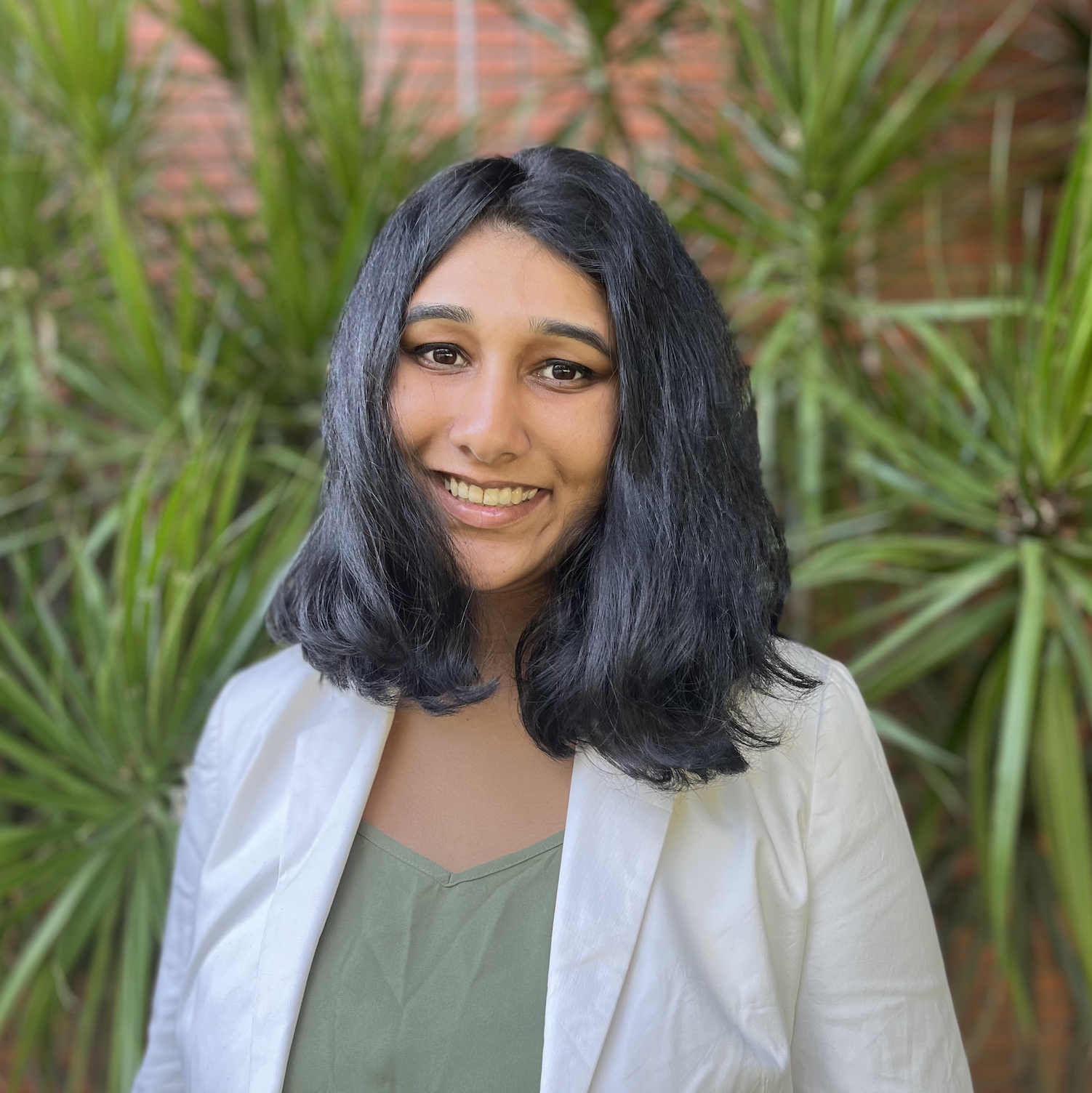
Growing up in Pune, one of the most environmental conscious cities in India, I spent a large part of my childhood visiting national parks and wildlife sanctuaries, which inspired me to study Environmental Studies and Public Policy. Since then, I have conducted fieldwork in different parts of India- including the Trans Himalayas, the Nicobar Islands, Western Ghats, and the Konkan Coast, researching human-wildlife interactions. I have also worked with local governments and researchers to build India’s first district-level statistics and culture repository. After completing my master’s at Oxford as a Weidenfeld-Hoffmann scholar, I have been working in Energy Policy, where most recently, I am leading a project on the place-based impacts of copper mining on communities in Zambia. At Cambridge, I will be pursuing a PhD at the intersection of biodiversity conservation and food systems, understanding community perspectives on climate change adaptation, and the role of spatial and scientific models in land use policymaking.
Previous Education
University of Oxford MSc Environmental Change and Management 2024
FLAME University BA and PGD Environmental Studies and Public Policy 2021
Caroline James
- Alumni
- United States
- 2017 MPhil Education (Thematic Route)
- Christ's College
Caroline James
- Alumni
- United States
- 2017 MPhil Education (Thematic Route)
- Christ's College
In undergraduate, I was profiled by CNN; this interview gave me the courage to speak with conviction about my identity and how it relates to my work. I am a foster youth. I am a black woman. I am first-generation. I come to Cambridge not only as an educator but as an activist focused on improving life outcomes for marginalized youth. In New Orleans, LA, I had the privilege to teach. I learned that leading requires learning from those whom you lead. My principal, my students and the community I served, all shaped my perception of education. Together, we developed academic curriculums that reflected student culture, interests and identity. Furthermore, we created an incredible approach to student leadership development. As a result, I won Sue Lehmann, a national teaching award. After leaving the classroom, I moved into teacher leadership development. Through Teach For America, I had the privilege to partner with and manage almost 60 educators. At Cambridge, I will explore research-based methods to democratize education. I believe that schools that function more democratically are better apt to meet the needs and desires of marginalized youth. Such democracy could further translate into improved student behavior, socio-emotional development, and academic outcomes. Words cannot explain how honored I am to join the Gates Cambridge community of passionate learners and ethical leaders.
Previous Education
The University of Alabama
Robert James
- Alumni
- United States
- 2007 MPhil Early Modern History
- Clare College
Robert James
- Alumni
- United States
- 2007 MPhil Early Modern History
- Clare College
Paula-Peace James-Okoro
- Scholar
- Nigeria
- 2022 PhD Clinical Biochemistry
- Hughes Hall
Paula-Peace James-Okoro
- Scholar
- Nigeria
- 2022 PhD Clinical Biochemistry
- Hughes Hall
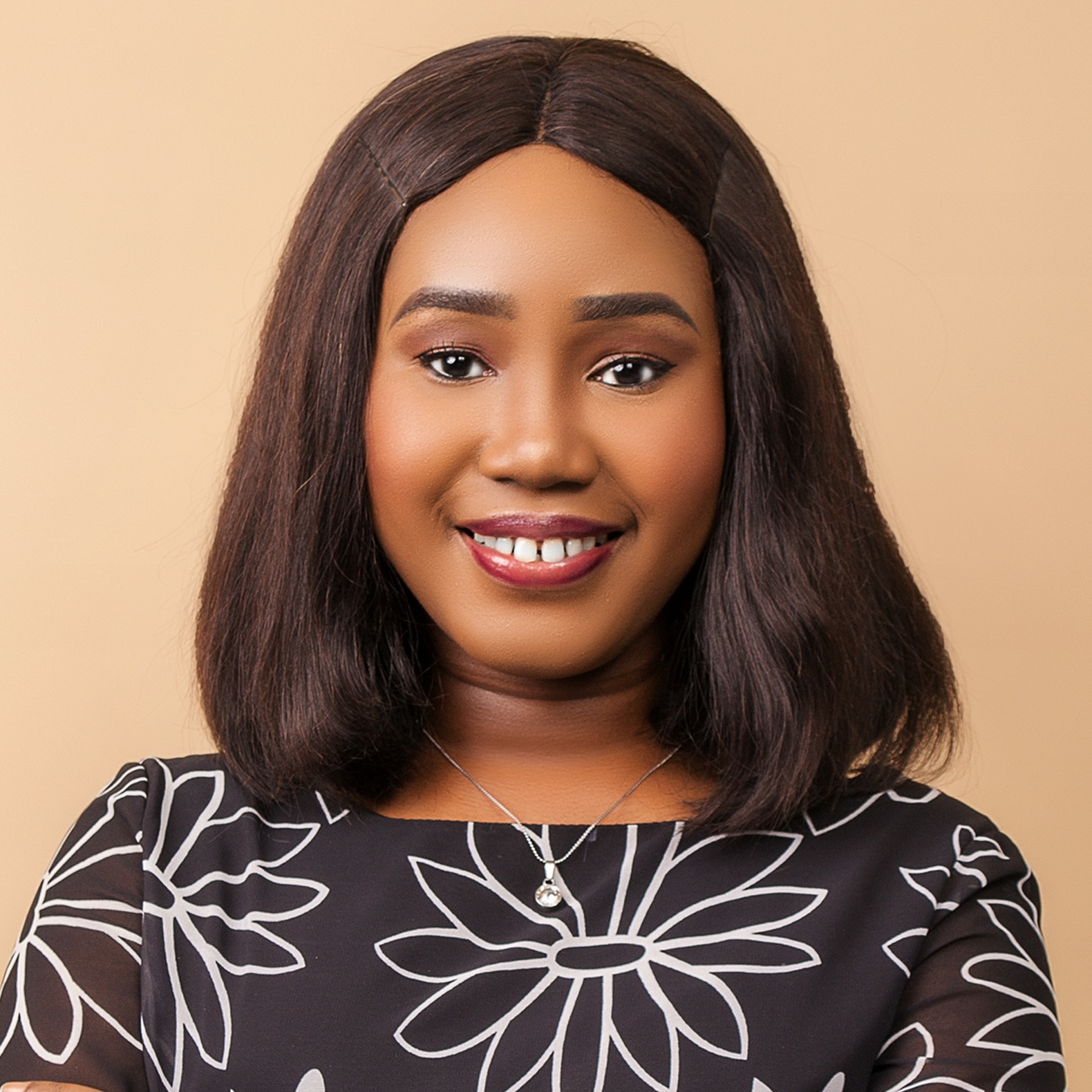
I grew up in Lagos, Nigeria and completed my B.Sc. in Biochemistry at Covenant University, Nigeria. My research interest is in the mechanisms that control body weight and how they can be exploited to improve obesity outcomes. Metabolic diseases, like obesity and diabetes, are a significant health challenge affecting millions of people globally. During my undergraduate study, I developed a keen interest in the interplay of biological processes and lifestyle in the pathophysiology of metabolic diseases. Moreover, growing up in Africa where the rates are alarmingly rising with sub-minimal health research output and public policy efforts strengthened my resolve to address these challenges. At Cambridge, I will study the mechanisms by which gut hormones control body weight and blood sugar levels aiming to develop treatments that modulate gut hormone signaling. This fascinates me because these strategies present the most promising therapeutic avenue to combat the obesity epidemic. I hope to contribute to the development of biomedical infrastructure that can alleviate the burden of metabolic diseases in Africa. I am honoured to be part of the Gates Cambridge community and hope to leverage the platform to pursue my goals and impact lives.
Previous Education
Covenant University Biochemistry 2020
Iwona Janicka
- Alumni
- Poland
- 2009 PhD French
- Trinity Hall
Iwona Janicka
- Alumni
- Poland
- 2009 PhD French
- Trinity Hall
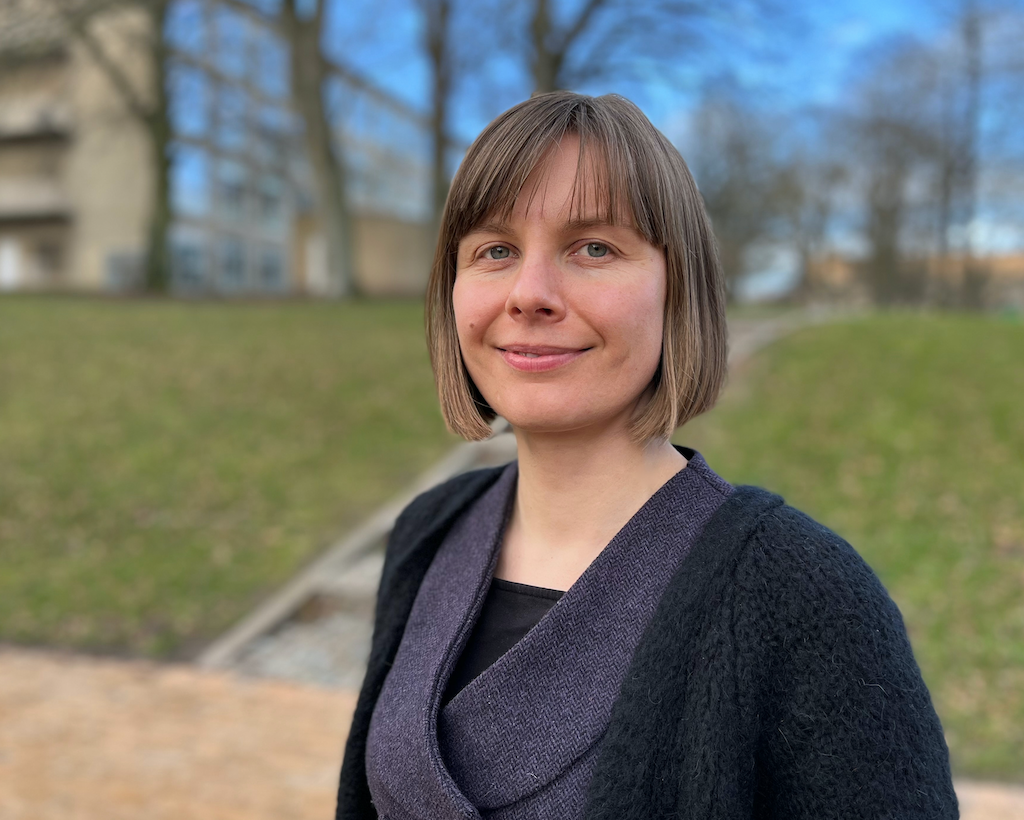
I am Research Team Leader at the Center for Environmental and Technology Ethics - Prague (CETE-P) and Senior Researcher at the Institute of Philosophy of the Czech Academy of Sciences. I work in contemporary philosophy: environmental philosophy, political philosophy and feminist philosophy, with a particular focus on the questions of social transformation. After completing my PhD, I was British Academy Postdoctoral Fellow at the University of Warwick (UK), EU Maria Skłodowska-Curie Fellow at Aarhus Institute of Advanced Studies (Denmark) and Assistant Professor at Aarhus University (Denmark).
Links
http://iwonajanicka.net
https://cetep.eu
https://www.linkedin.com/in/iwona-janicka-993a4b309
Tercia Jansen Van Vuuren
- Alumni
- South Africa
- 2015 MPhil Engineerng for Sustainable Dev
- Jesus College
Tercia Jansen Van Vuuren
- Alumni
- South Africa
- 2015 MPhil Engineerng for Sustainable Dev
- Jesus College
I am South African (with Portuguese heritage) and have lived and worked here for most of my life. Following graduation as a civil engineer, I worked as a consulting engineer in the structural and construction sectors, where a large portion of my work experience was on the design and construction of Africa’s largest and cleanest coal-fired power stations. At Cambridge, I will be undertaking an MPhil in Engineering for Sustainable Development. My interest in sustainability stems from my enjoyment and appreciation of the natural world as I have always enjoyed camping, hiking and the outdoors in general. This led to a concern for the environment and preserving it for future generations, so that they may enjoy and learn from it as I have. As an engineer, I am intrinsically involved in the effect that human activities have on the environment. This has increased my desire to study the principles of sustainable development and how they can be implemented practically in the engineering industry. I want to learn how to develop solutions that benefit communities and the environment in the long term, but remain financially feasible. The weighty consideration of the sustainability of our engineering activities is especially important in Africa, where many people have limited access to resources, funding and skills. INTERESTS: adventure, camping, scuba-diving, cycling, water-skiing, travelling and exploring new places, baking
Previous Education
University of Pretoria
Panpailin Jantarasombat
- Scholar
- Thailand
- 2025 PhD Law
- Gonville and Caius College
Panpailin Jantarasombat
- Scholar
- Thailand
- 2025 PhD Law
- Gonville and Caius College
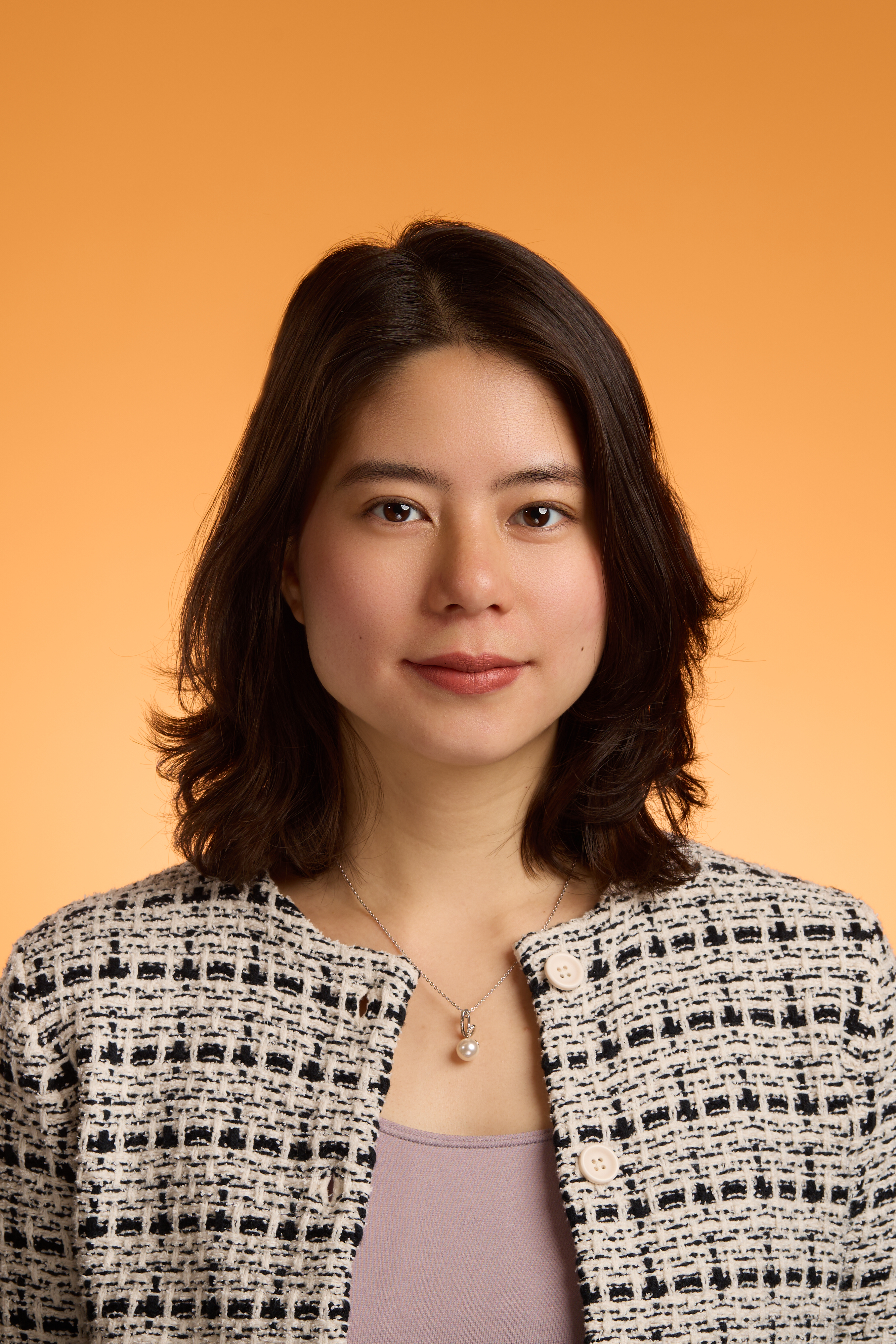
Growing up between vastly different worlds of Thailand, the Netherlands, Nigeria, Pakistan, and the United Kingdom, I developed a deep appreciation for how global norms connect and impact the lives of people. These formative experiences led me to pursue law and called me to a career in public service. From scholarship in the dreaming spires of Oxford, to advocacy in the halls of The Hague and negotiations in the United Nations, I gained insight into how international law and diplomacy can make and shape a resilient world order. At Cambridge, my PhD research seeks to explore how international legal principles can safeguard future generations for the common benefit of humankind. In doing so, I hope to promote sustainability in global decision-making processes and develop international law that is effective, equitable, and engaged with humanity’s long-term needs. I am excited to learn from and contribute to a community of scholars committed to this shared pursuit.
Previous Education
Queen Mary, University of London Law
University of Oxford Law

Katja Jantos
- Alumni
- Germany
- 2003 PhD Chemistry
- Fitzwilliam College
Katja Jantos
- Alumni
- Germany
- 2003 PhD Chemistry
- Fitzwilliam College
Tala Jarjour
- Alumni
- Syrian Arab Republic
- 2005 PhD Music
- Trinity Hall
Tala Jarjour
- Alumni
- Syrian Arab Republic
- 2005 PhD Music
- Trinity Hall
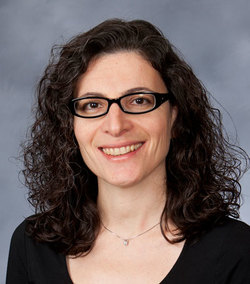
Tala Jarjour is a scholar of music, religion and anthropology who studies the Middle East and the Arab world. She has a background in Ethnomusicology, Historical Musicology and violin Performance. She is particularly interested in intersections between politics, culture and religious musics in and from the region – especially Levantine traditions such as Christian and Sufi musics. Her research interests include arts and humanities higher education in the Middle East.
As a Gates Scholar and recipient of the Overseas Research Studentship Award Scheme, Tala wrote her PhD on Syriac chant in the Syrian city of Aleppo. Her past and current research examines emotion, aesthetics, modality, identity, minority and ethno-religiosity, society and performance, survival, cultural heritage, nation and power, peace and war studies, as well as migration and integration.
Dr Jarjour held Assistant Professor positions in music and anthropology at New York University Abu Dhabi and the University of Notre Dame where she was also Faculty Fellow of the Kroc Institute of the Medieval Institute, the Kellogg Institute for International Studies, and the Kroc Institute for International Peace Studies. Previous visiting faculty positions include Yale University’s Music Department and the University of Salzburg. Research positions include Yale University and the Excellence Initiative at the University of Tübingen. She is currently Associate Fellow of Pierson College at Yale and Visiting Research Fellow at King’s College London.
Dr Jarjour has worked with and consulted for a number of academic, nonprofit, as well as private and public sector entities in Europe, the United Kingdom, the United States, and the Middle East. Those include L’Arche, The Clerk’s, Al-Fanar, the Manchester International Festival, the University of Salzburg, and the Vienna Phonogrammarchiv of the Austrian Academy of Sciences. She has appeared on national and international media such as the BBC Radio 3 and CNN International, and has published articles in cultural media in the Arab world, such as Annahar and Assafir weeklies.
Her book Sense and Sadness, Syriac Chant in Aleppo was recently published with Oxford University Press. For a sample of Dr Jarjour’s academic writings, and contact information, see http://talajarjour.academia.edu/
Vincentius Aji Jatikusumo
- Alumni
- Indonesia
- 2015 PhD Biochemistry
- Peterhouse
Vincentius Aji Jatikusumo
- Alumni
- Indonesia
- 2015 PhD Biochemistry
- Peterhouse
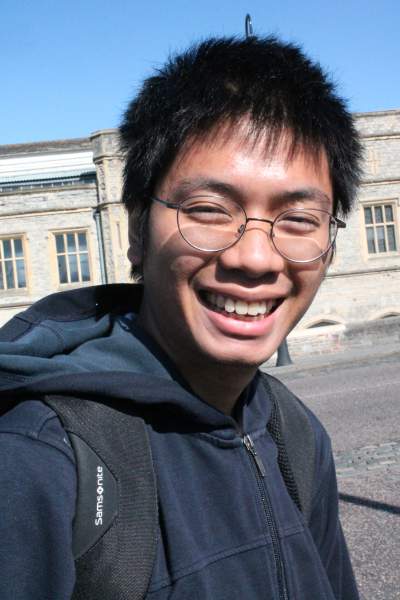
I am pretty much a journeyman: born in Surabaya, spent my childhood in Madiun, grew up in Batam, completed my high school in Singapore, and studied BSc (Hons) Biomedical Genetics in Newcastle. Along the way, my curiosity for many things has been growing, ever since my parents encouraged me to read a lot: from national newspaper, Tintin series, to literature.During my undergraduate years, I developed strong interest in molecular biology. I was the first Indonesian to be selected by the Amgen Scholars Programme in Cambridge, to pursue a summer research on CRISPR/Cas9 modification. My undergraduate project at Newcastle University, where I managed to define novel interactions between two synaptonemal complex proteins, motivated me even more to embark on a research career.I will work with Dr. Luca Pellegrini at the Department of Biochemistry to investigate the molecular machinery of eukaryotic DNA replication. This may help us to give much-needed details on the fundamental process of genomic duplication and clues on how some genetic diseases arise.I am striving to be a leading scientist who is well-motivated to help the others. My biggest goal is to help my home nation Indonesia. It is a huge country with so many potentials – and I hope to lead and to contribute in the field of medical research.
Previous Education
University of Newcastle Upon Tyne
Spatika Jayaram
- Scholar
- India
- 2023 PhD Physiology, Development and Neuroscience
- Magdalene College
Spatika Jayaram
- Scholar
- India
- 2023 PhD Physiology, Development and Neuroscience
- Magdalene College
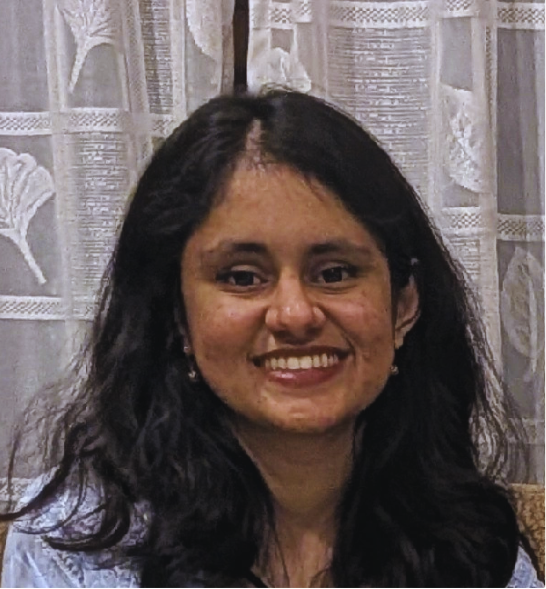
There is as much poetry in understanding the brain, as there is science. I had the opportunity to pursue both these during my undergraduate degree at the Indian Institute of Science Education and Research, Mohali. After working on Schizophrenia at the National Institute of Mental Health and Neurosciences, I completed my final year thesis on memory formation at the Indian Institute of Science. My graduate research at Oxford interested me in examining how brain circuits contribute to mood disorders. The ways in which early-life experiences predispose individuals towards mental illnesses require examining changes in a developing brain. In my Ph.D., I hope to explore how such changes in the prefrontal cortex can lead to the early onset of neuropsychiatric disorders, by examining their impacts on behaviours that are commonly dysregulated across these conditions. Through my research, I hope to identify critical periods of development and arrive at a better understanding of specific prefrontal circuits that can be targets of early intervention.
Previous Education
University of Oxford Neuroscience 2023
Indian Institute of Science Ed & Research Mohali Biology 2022
Smruthi Jayasundar
- Alumni
- India
- 2008 PhD Surgery
- St John's College
Smruthi Jayasundar
- Alumni
- India
- 2008 PhD Surgery
- St John's College
My doctoral research at Cambridge University is in the rapidly advancing field of stem cell biology focussing on understanding the early stages of development of haematopoietic (blood) stem cells. My long-term career plan is to carry out clinically useful research and thus contribute significantly not only to science but also society at large.
Amaury Jean
- Scholar
- France, Germany
- 2025 PhD Applied Mathematics and Theoretical Physics
- Corpus Christi College
Amaury Jean
- Scholar
- France, Germany
- 2025 PhD Applied Mathematics and Theoretical Physics
- Corpus Christi College
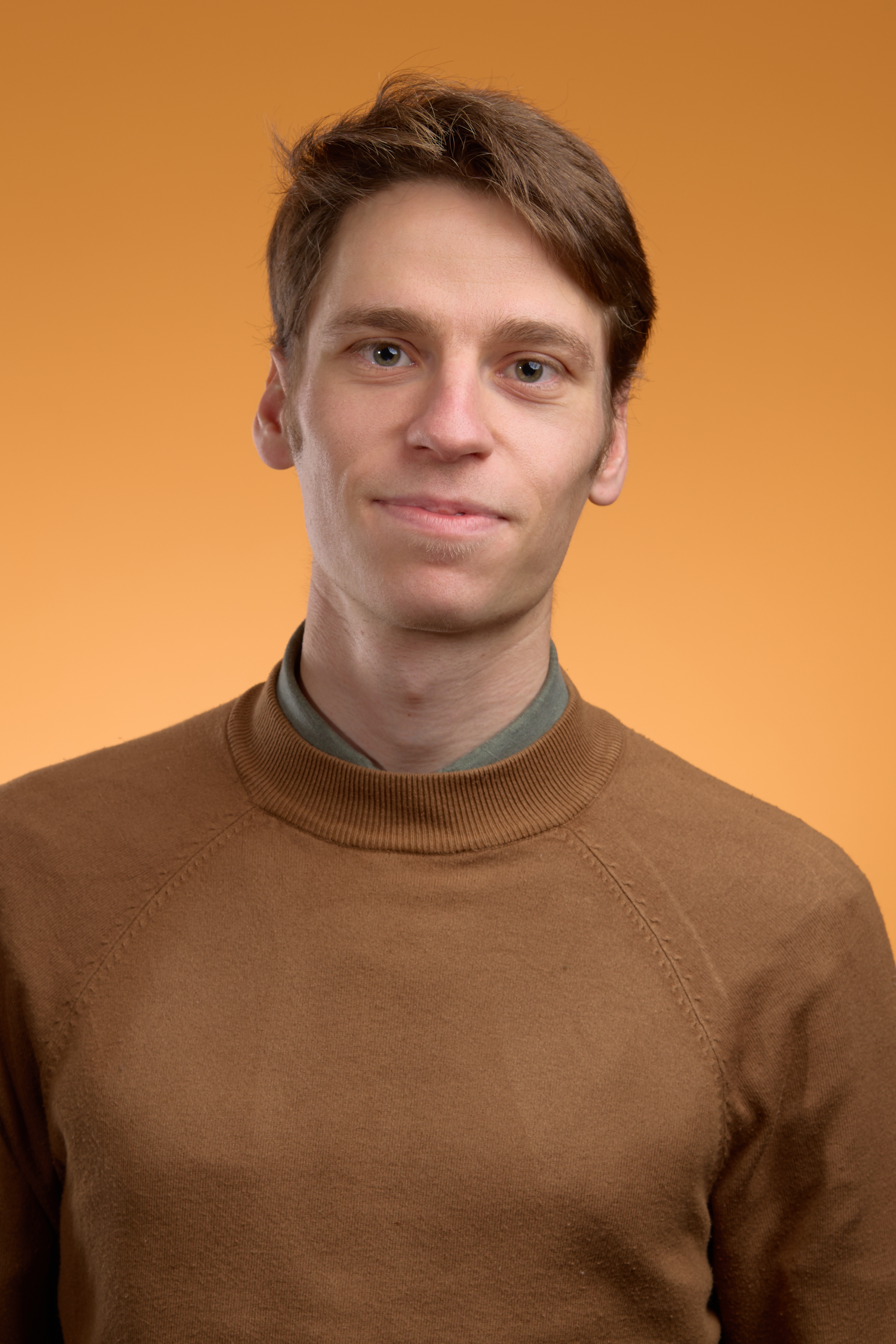
I am delighted to be starting a PhD in Theoretical Physics at DAMTP, and honoured to do so as a Gates Scholar. My studies in Mathematics and Physics - in Paris, Toronto, and Oxford - have fascinated me by the way Physics brings intuition and meaning to Maths, while Maths provides rigour and precision as a strong backbone. Theoretical Physics, combining both, helps us to understand nature, predict experiments and even develop new technologies. At Cambridge, I am thrilled to dive into topological condensed matter theory, where certain quantum systems exhibit exotic and robust properties due to their topology. Understanding these new phases of matter is not only an intellectual challenge but also plays a key role in quantum information and quantum computing. Theoretical physics has an exciting chance to get close to technological research and practical applications through topology in condensed matter. I’m delighted to be involved in that!
Previous Education
Ecole Polytechnique Mathematics and Physics
University of Oxford Theoretical Physics
Ecole Normale Supérieure Theoretical Physics
Mona Jebril
- Alumni
- Palestine
- 2012 PhD Education
- Queens' College
Mona Jebril
- Alumni
- Palestine
- 2012 PhD Education
- Queens' College
Seevaratnam Jegandan
- Alumni
- Sri Lanka
- 2005 PhD Engineering
- Churchill College
Seevaratnam Jegandan
- Alumni
- Sri Lanka
- 2005 PhD Engineering
- Churchill College
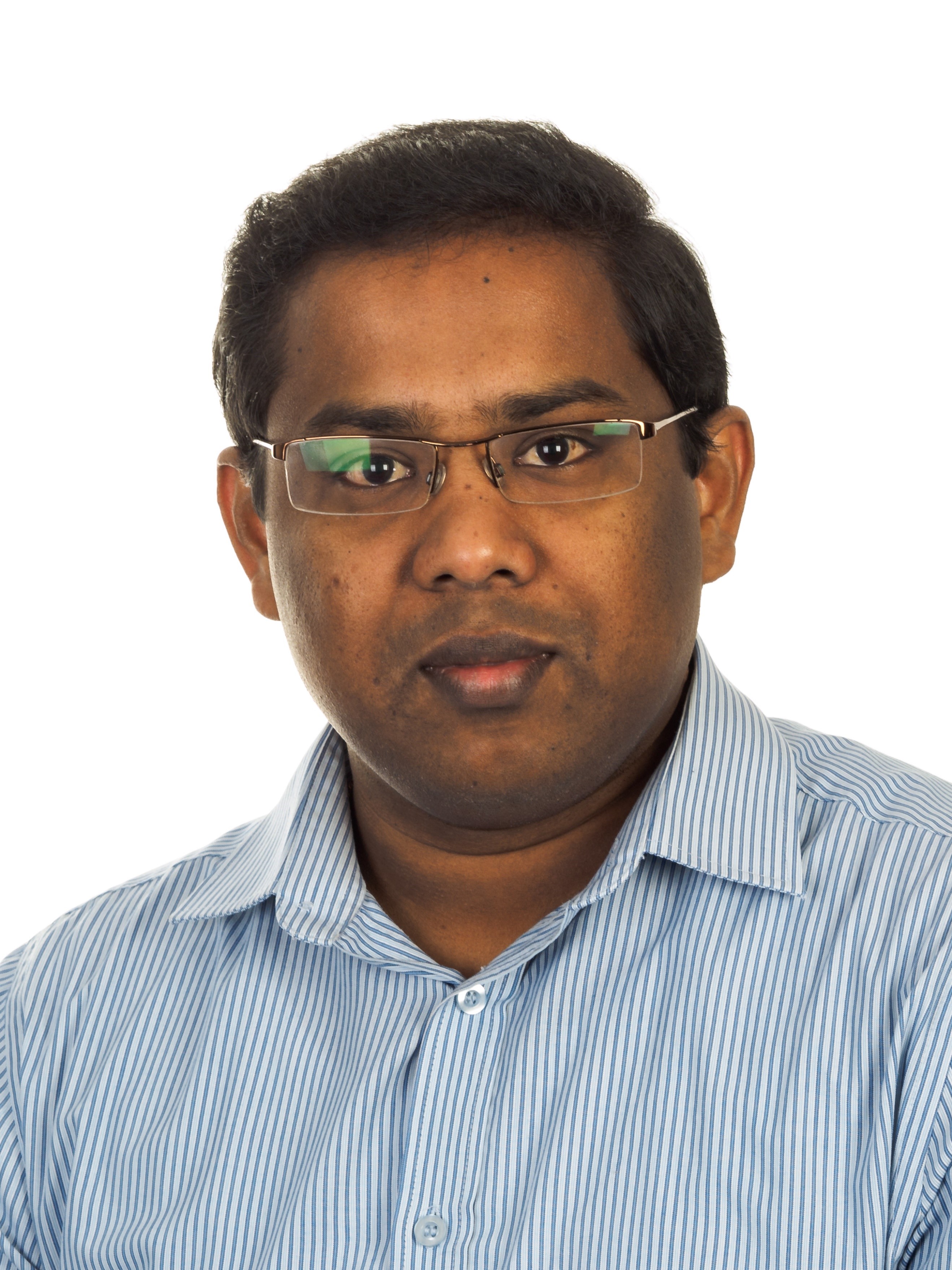
Having completed my PhD in Geotechnical Engineering, I'm currently working as Chief Geotechnical Engineer in energy industry.
