


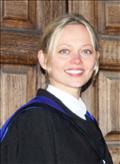
Linet Frey
- Alumni
- Estonia
- 2002 PhD English & Applied Linguistics
- Sidney Sussex College
Linet Frey
- Alumni
- Estonia
- 2002 PhD English & Applied Linguistics
- Sidney Sussex College
My PhD dissertation is a behavioural study that draws from reading-, memory- and language proficiency research to explore the relationship between lexical representations’ quality, limited processing resources and mechanisms of selective attention and cognitive control in reading comprehension.
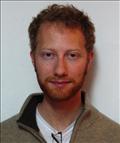
Ben Fried
- Alumni
- Canada
- 2012 MPhil English Studies
- Trinity College
Ben Fried
- Alumni
- Canada
- 2012 MPhil English Studies
- Trinity College
I studied English literature at McGill University, graduated in 2011, and spent last year teaching English in the south of Spain. Following earlier flings with journalism and arts administration, my ambition turned to academia—and to a fascination with evocations of, and meditations on, the past in twentieth-century literature. At Cambridge I will complete an MPhil in Modern and Contemporary Literature and write a dissertation on the intersection of fiction and history in the novels of Penelope Fitzgerald and W. G. Sebald. The imagined past takes one back to a basic impulse of fiction and forward to the fate of the novel in contemporary writing: with the support of the Trust, I aim for a not dissimilar combination of teaching and writing, the study and the practice of the ways in which people deal with unquiet histories.
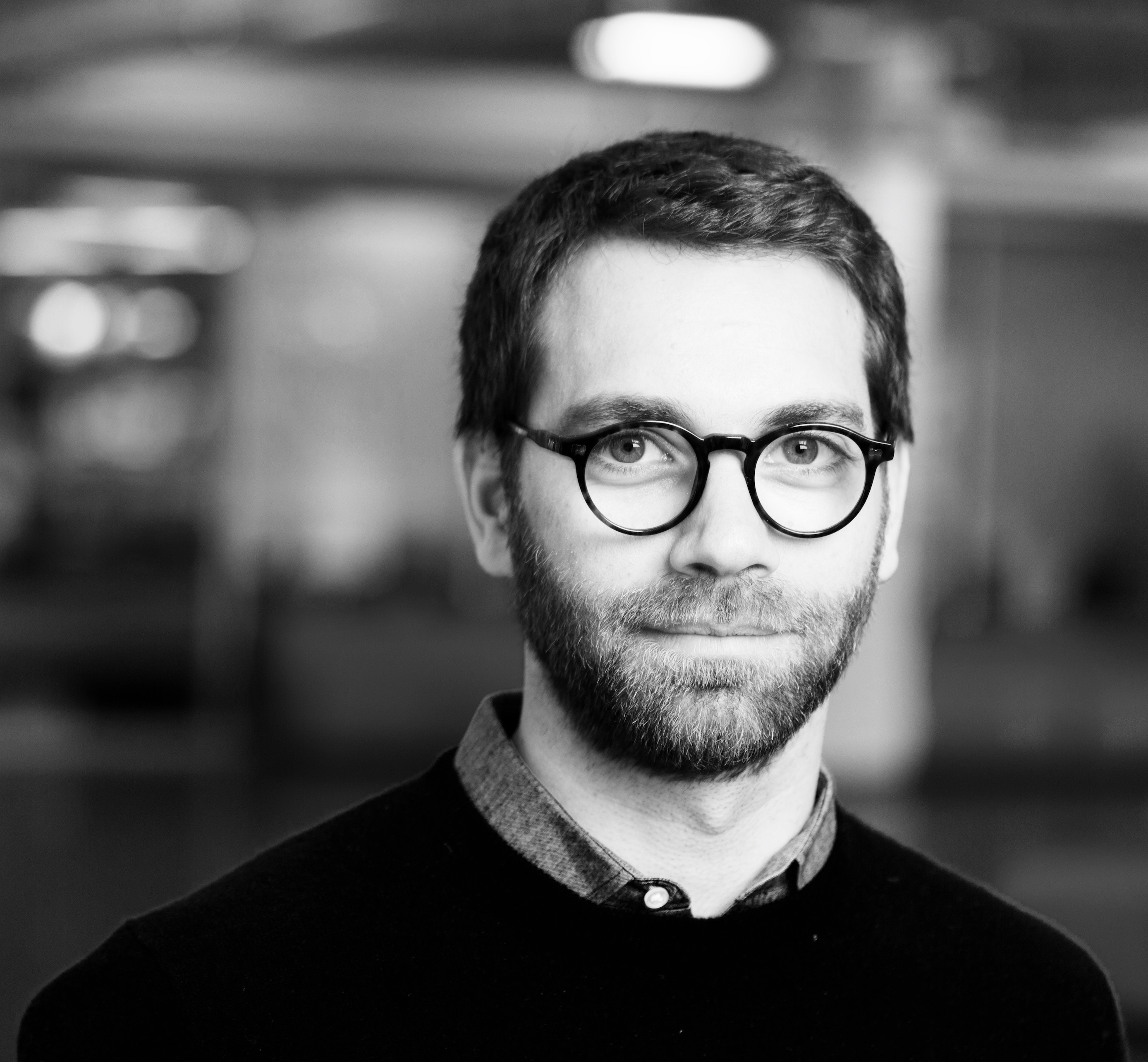
Jonathan Friedlander
- Alumni
- France
- 2007 PhD Physiology, Development and Neuroscience
- Darwin College
Jonathan Friedlander
- Alumni
- France
- 2007 PhD Physiology, Development and Neuroscience
- Darwin College
Ronn Friedlander
- Alumni
- United States
- 2008 MPhil Clinical Biochemistry
- Churchill College
Ronn Friedlander
- Alumni
- United States
- 2008 MPhil Clinical Biochemistry
- Churchill College
I graduated from Rutgers University with a double major in Biomedical Engineering and Ecology. A native of Cranford, New Jersey, my wanderlust has led me to spend a year traveling the world and in so doing, witness a startling degree of poverty. I am now an active member of Engineers Without Borders, through which I have established a project to bring pure water to people in northern Thailand. As informed by my major in ecology, I believe that the world’s deteriorating environmental conditions disproportionately affect the poor. I intend to devote my career toward improving global health. I will spend my graduate studies creating a low cost, high precision lab-on-a-chip that can be used to detect disease in remote, resource-poor settings. At Cambridge, I will design biosensors that can be used in such platforms.
Benjamin Friedman
- Scholar
- United States
- 2025 PhD Film and Screen Studies
- Peterhouse
Benjamin Friedman
- Scholar
- United States
- 2025 PhD Film and Screen Studies
- Peterhouse
I graduated from Grand Valley State University with a Bachelor of Arts in Film and Video while minoring in African/African American Studies. I continued my education by earning a Master of Arts from the Martin Scorsese Department of Cinema Studies at New York University, where the study of filmmaking on the African continent became my focus. When conducting research on filmmaker Idrissa Ouédraogo, I learned about international omnibus films, or anthology works which feature contributions from directors around the world. At Cambridge, I look forward to crafting a thesis dedicated to omnibus segments produced by filmmakers from African countries and the nature of being asked to represent a nation or perhaps even an entire continent. My goal is to reevaluate the omnibus voice as a space where filmmakers speak alongside one another, challenging the academic perception of a homogeneous, African film language. Finally, I would not be a Gates Cambridge Scholar without the help of faculty references. I thank Dr. Faye Ginsburg, Dr. Manthia Diawara, and Dr. Marina Hassapopoulou for supporting my applications to the PhD in Film and Screen Studies course and the Gates Cambridge Scholarship.
Previous Education
Grand Valley State University Film and Video
New York University Cinema Studies
Hans Friedrichsen
- Alumni
- United States
- 2005 MPhil Biological Science
- St Edmund's College
Hans Friedrichsen
- Alumni
- United States
- 2005 MPhil Biological Science
- St Edmund's College
I grew up on a farm in Iowa with my parents, younger brother, and plenty of animals - pets and otherwise. In high school I became interested in medicine, and this interest has since expanded to include research. After finishing undergraduate work in 2004, I began studying neurodegeneration in Iowa City and St. Louis, and I am quite excited to have the opportunity to continue studying this topic at Cambridge. Next fall I plan to return to St. Louis to pursue an MD/PhD at Washington University.
Maximilian Fries
- Alumni
- Germany
- 2013 PhD Oncology
- King's College
Maximilian Fries
- Alumni
- Germany
- 2013 PhD Oncology
- King's College
Before coming to Cambridge, I completed my Bachelor’s and Master’s degree in Biomedicine at the University of Würzburg in northern Bavaria. Tasting different areas of research, the possibility to observe life at its smallest unit by using high-end microscopy of single living cells fascinated me the most. During my PhD in Oncology, I want to understand how the barriers that prevent a normal cell from becoming a tumour cell are overcome. Under the supervision of Prof. Venkitaraman and Dr. Esposito at the Hutchison/MRC Research Centre, I will therefore contribute to the development of novel microscopy systems that allow us to draw a quantitative network map of the soon-to-be cancer cell at a so far unprecedented spatial and temporal resolution. This map will help us to identify the nodes in the network we have to hit by therapeutic means to prevent and cure cancer. Despite science, my main interest lies in politics with a special focus on sustainable development on a local and global level.
Shadrack Frimpong
- Alumni
- Ghana
- 2020 PhD Public Health and Primary Care
- Jesus College
Shadrack Frimpong
- Alumni
- Ghana
- 2020 PhD Public Health and Primary Care
- Jesus College
I grew up in rural Ghana without running water and electricity, and experienced first-hand the health inequities that plague such underserved communities, especially in times of pandemics like COVID-19. These experiences led me to pursue undergraduate and graduate studies in Biology, and NonProfit Leadership, respectively, at the University of Pennsylvania, and later, an MPH at Yale. Over the past four years, I have been working with my colleagues at Cocoa360, a global health nonprofit I founded, to leverage community resources such as cocoa to improve social determinants of health such as healthcare and educational access. Building on our work thus far, my PhD research will address questions pertaining to the impact of using community engagement and farm revenues to eliminate low cost barriers such as health insurance premiums and user fees, on health outcomes and healthcare services utilization. Findings will guide the rigorous scale of our model across Ghana, and further inform the development of similar universal health financing interventions to improve health outcomes around the world.
Previous Education
Yale University Public Health 2020
University of Pennsylvania NonProfit Leadership 2019
University of Pennsylvania Biology 2015
Roki Fukuzawa
- Alumni
- Japan
- 2010 MPhil Engineering for Sustainable Development
- Murray Edwards College (New Hall)
Roki Fukuzawa
- Alumni
- Japan
- 2010 MPhil Engineering for Sustainable Development
- Murray Edwards College (New Hall)
Throughout the years, I have been driven to align my passion for the environment by becoming an environmental engineer. At the same time, I start to realize that I need to be equipped with a holistic view of the context engineering fits into and a multidisciplinary approach to solve problems faced by industry and society. Through the MPhil program in Engineering for Sustainable Development, I hope to learn sustainability concepts and strategies to practically implement these concepts into engineering design and projects. I also strive to recognize the complexity of inter-relating environmental, social, institutional and economic factors as well as the uncertainties associated with them. Without seeing “the big picture”, engineers are confined in their technical domain, and as a result, their engineering products are often isolated from their context. As I advance in my career, I want to lead changes towards environmentally and socially proactive engineering practices.
Stephen Gadomski
- Alumni
- United States
- 2019 PhD Haematology
- Girton College
Stephen Gadomski
- Alumni
- United States
- 2019 PhD Haematology
- Girton College
My goal as an aspiring physician-scientist is to harness the advances of scientific research to prevent and treat human disease. As an undergraduate at the University of Scranton, I became fascinated with the human body and, in particular, the idea of manipulating tissue-resident stem cells to aid in organ regeneration. At the National Institutes of Health, I was able to investigate several regenerative processes in the bone marrow, including blood and vascular regeneration. During my PhD training, I plan to study a different population in the bone marrow—the skeletal stem cell. Through identification and characterization of the pure skeletal stem cell and its interaction with neighboring cell populations, my hope is to improve stem cell therapies for skeletal disease. Outside of the lab, I will also continue to compete in the sport of powerlifting, and to partner with healthcare teams that provide medical services to the poor and underserved. I am sincerely grateful to be part of the Gates Scholar community and to work with this unique and vibrant community to improve global society.
Previous Education
Medical University of South Carolina MD/PhDMedicine 2025
University of Scranton MD/PhD Medicine 2015
Dylan Gaffney
- Alumni
- New Zealand
- 2017 PhD Archaeology
- Magdalene College
Dylan Gaffney
- Alumni
- New Zealand
- 2017 PhD Archaeology
- Magdalene College
I grew up in Dunedin, New Zealand, where I later studied a BA in Classical Studies and Anthropology, and a BA Hons and MA in Anthropology at Otago University. My work explores the deep human history of the Indo-Pacific islands and long term changes to society, technology, and subsistence. My research around New Guinea has focussed on 1) the production and exchange of material culture by Austronesian-speaking communities around the northeast coast of Papua New Guinea; 2) Pleistocene-Holocene settlement, agriculture, and trade around the New Guinea Highlands; and, most recently as the subject of my PhD research, 3) human adaptation to small rainforested islands in eastern Wallacea and northwest New Guinea. Prior to beginning my PhD I was employed as Research Coordinator at Southern Pacific Archaeological Research where I examined stone tool industries around southern Aotearoa, early European settler urbanisation and industry, and the first Chinese settlement of New Zealand in the late nineteenth century.
Previous Education
University of Otago
Julien Gagnon
- Alumni
- Canada
- 2012 PhD Economics
- Trinity College
Julien Gagnon
- Alumni
- Canada
- 2012 PhD Economics
- Trinity College
Born and grown up in Montreal, Canada, I completed a Bachelor’s degree (BSc) and a Master’s degree (MSc) in economics at the University of Montreal. Passionate of international development, I then completed a second Master’s degree (MPhil) in Development Studies at the University of Oxford, focusing my research on microfinance and housing microfinance. I intend to pursue my doctoral studies at the University of Cambridge in economics. More precisely, I intend to use the tools of microeconomics (notably network economics, institutional economics and identity economics) in the building of a theoretical model applied to the study of the construction of information networks and their implications for sociological and institutional change, notably in terms of social norms and identity.
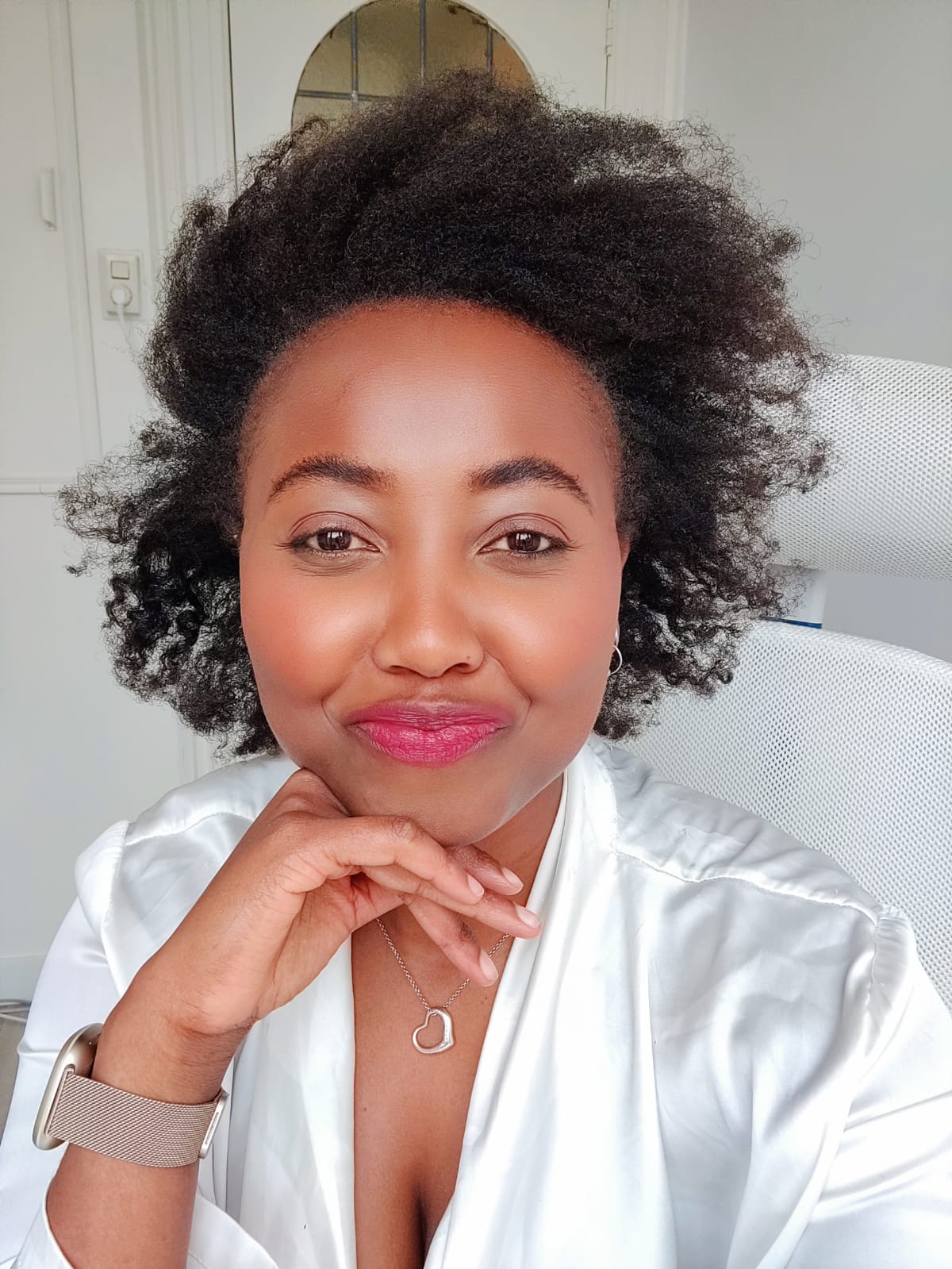
Waruguru Gaitho
- Scholar
- Kenya
- 2022 PhD Multi-disciplinary Gender Studies
- Selwyn College
Waruguru Gaitho
- Scholar
- Kenya
- 2022 PhD Multi-disciplinary Gender Studies
- Selwyn College
As a human rights lawyer focused on SOGIESC (sexual orientation, gender identity, expression and sex characteristics), race and gender, I am invariably interested in the ways in which law, society and these identity categories intersect. My time working on LGBTQIA+ legal and social advocacy in Kenya, where same sex relations still carry a 14-year penalty, and my academic exploration of sexual violence against queer women in South Africa during my LLM at Leiden University, brought to the fore the urgent need for multi-faceted strategies in tackling complex socio-legal challenges. Accordingly, my doctoral research applies a transdisciplinary approach to examine how, why, and with what impact Black lesbian bisexual and queer womxn mobilize law to protect their rights and advance social change in Kenya and South Africa. By studying how we translate ideas of political and personal identity, human rights, social advocacy and legal mobilization into specific strategies, I hope to expatiate intersectionality as lens, epistemology, method, and action. In particular, how individuals at the nexus of intersecting vulnerabilities navigate systems of oppression at the practical level and articulate their demands both before the law and society.
Previous Education
Black Europe Summer School Citizenship, Race & Ethnicity 2021
Rijksuniversiteit Leiden (Leiden Univ) Human Rights Law 2020
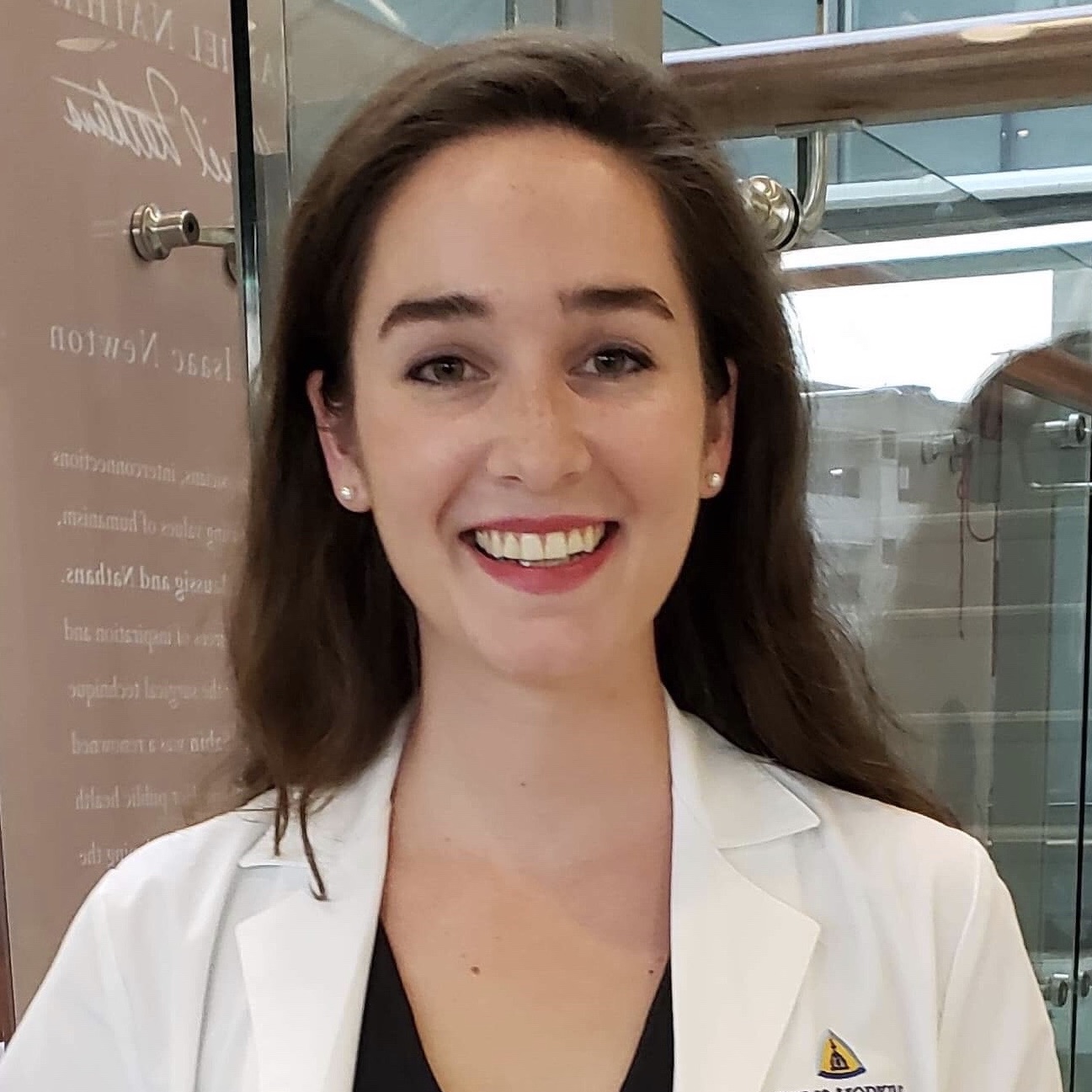
Hallie Gaitsch
- Alumni
- United States
- 2021 PhD Clinical Neurosciences
- Jesus College
Hallie Gaitsch
- Alumni
- United States
- 2021 PhD Clinical Neurosciences
- Jesus College
While completing my B.S. in Molecular, Cellular, and Developmental Biology at Yale University, I had the opportunity to work on a variety of research projects spanning the fields of computational genomics, viral pathogenesis, immunology, and neuroscience. After graduation, I entered medical school as a student in the Johns Hopkins Medical Scientist Training Program, where I continued to expand my interests in infectious and immune-mediated disorders of the central nervous system. During my PhD in Clinical Neurosciences, I will undertake a collaborative project between the NIH and Cambridge focusing on using remyelination biology and spatiotemporal modeling of multiple sclerosis lesion development to create a method for effectively assessing myelin protection and regeneration. Additionally, I will seek to investigate the underlying processes, including those involving environmental, infectious, and autoimmune factors, that contribute to neuroinflammatory pathology and subsequent demyelination and neurodegeneration. I am honored to be a Gates Scholar and am eager to use my training to pursue a career as a physician-scientist that combines clinical medicine, translational research, and teaching.
Previous Education
Johns Hopkins University Medicine 2027
Yale University Mol., Cell. & Dev. Biology 2019
University of Cambridge Study Abroad 2017
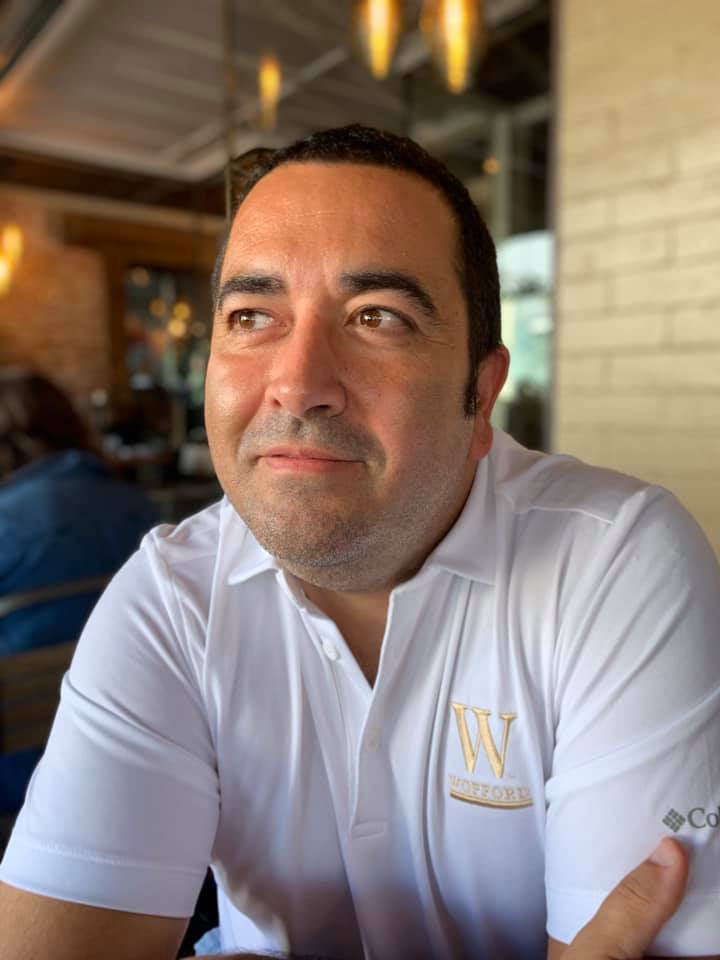
Ramon GALINANES
- Alumni
- United States
- 2001 MPhil Education
- Downing College
Ramon GALINANES
- Alumni
- United States
- 2001 MPhil Education
- Downing College
Mercedes Galindez
- Alumni
- Argentina
- 2011 MPhil Latin American Studies
- Lucy Cavendish College
Mercedes Galindez
- Alumni
- Argentina
- 2011 MPhil Latin American Studies
- Lucy Cavendish College
Part-time PhD candidate in Economic and Environmental History at the University of Cambridge. I am also Head of Content at international law firm Slaughter and May.
Previous Education
Di Tella University Lic. in History 2010
Rogelio Galindo
- Alumni
- United States
- 2001 MPhil Social & Political Science
2002 PhD Social & Political Science - Downing College
Rogelio Galindo
- Alumni
- United States
- 2001 MPhil Social & Political Science
2002 PhD Social & Political Science - Downing College
Devlin Gandy
- Alumni
- United States
- 2018 PhD Archaeology
- St John's College
Devlin Gandy
- Alumni
- United States
- 2018 PhD Archaeology
- St John's College
I was born and raised in the Santa Monica Mountains, just north of Los Angeles, California. Growing up there, the chaparral and oak forests offered an impeccable education in the processes of the natural world. Above all, it left me deeply interested in the relationships between human beings and ecosystems—an interest that led me to archaeology. Unfortunately, American archaeology has a long tradition of perpetuating Manifest Destiny in the creation and control of Native American history and identity—leaving a legacy of intergenerational trauma tied to the field. Coming from a Native family, these issues aren’t simply theoretical but lived experiences. At the same time, I’ve seen the potential of archaeological research guided by Native communities in strengthening and rebuilding ancestral knowledge and validating tribal history. During my time at the University of California, Berkeley, I worked on collaborative projects with Native communities and came to understand the potential for archaeology as a decolonizing practice capable of empowering Indigenous self-determination. I see great promise in the meeting of scientific and Native worldviews that they can be mutually informative and co-creative in developing meaningful answers for the problems we are facing today. While at Cambridge I will work towards understanding my own ancestors while pursuing a decolonizing archaeology that can meaningfully support, empower, inform Indigenous communities. I am very excited to be part of the Gates Cambridge community and look forward being part of a diverse group of international scholars collectively working to improve the lives of others.
Previous Education
University of California, Berkeley
